Where To Go During The Collapse- The Best Places In America to Go During An Apocalypse!

Where is the best place to live in the US during and after the apocalypse?

While trying to figure out the answer, I’ve looked inside of prepping blogs to find a consensus for the criteria known to be essential for any place to survive in during the wake of such an event. That is, any event that can potentially destabilize society to the point of no return to normal any time soon. It will be important for you to have whatever supplies you need ready ahead of time before you travel to your destination. So start getting ready.

That being said, the criteria for the best area to survive in can be broken into three categories:

1. Human factors, 2. Natural factors, and 3. Economic factors

Human Factors:

  • Low population density (40 people per sq. mile or less)
  • Distance to major/minor cities (50+ miles away)
  • Distance to military bases (50+ miles away)
  • Distance to nuclear power plants (100+ miles away)
  • Distance to interstate highways
  • Low poverty rate
  • Low violent crime rate

Natural Factors:

  • Easy access to fresh water
  • Abundance of wild game
  • Low natural disaster risk
  • Dense forest cover
  • Adequate soil textures
  • Adequate rainfall
  • Low drought risk

Economic Factors:

  • Higher job growth
  • High abundance of non-renewable natural resources available for extraction (coal, oil, natural gas, metals and minerals, lumber, etc.
  • Higher educated citizens

Now that we know what to look for, I’ll narrow down a map of the U.S. by one category at a time using other maps I have compiled. The “Orange” counties are those disqualified, which will then become and remain dark gray when the next factor is applied. For simplicity reasons, we’ll focus on the continental U.S. But before starting I will say that the state of Hawaii is probably a fairly safe place to be considering its isolation, moderate climate, and the Polynesians have managed living there by themselves for millennia.

The first most important thing is population density or lack of it. This is common sense since you don’t wanna be around massive numbers of unprepared people when SHTF. Ideally anywhere under 40 people per square mile is best. The blue shaded counties are where to go.

Next is proximity to major and minor cities. A distance of at least 50 miles away is best.

Stay out of counties that contain Interstate highways as the most desperate people will use them traveling in search of resources.

We are now isolated from any major threats from large populations and groups of people. But, there is still the possibility of martial law being put into effect. So it’s best to keep our distance from military bases.

And nuclear reactors, in case of meltdowns occuring during grid failures.

The last places to “watch out” from are areas with already high poverty and crime rates. When they no longer can depend on Uncle Sam for their existence, it will get ugly. Avoiding these areas may potentially eliminate our options in the Southern states but I would like to keep them open for now for climate reasons. We’ll use a 25% poverty rate limit for the south and 20% everywhere else. (The south includes WV, southern MO, and eastern half of OK and TX)

I won’t make any exception for violent crime rates. Those will be applied evenly across the board. Lighter counties are safer.

We are now looking at a map of what are probably the “safest” counties in the United States. But now that the potential for human threat is minimized, we must figure out where is the best place to settle down based on what resources there will be available. The most important thing is easy access to fresh water always within close proximity.

Next in my opinion is wild game abundance, which you need for food during winters and harsh growing seasons, and for protein in general.

You wanna be safe from natural disasters such as tornadoes and hurricanes. Given recent events I think it’s safe to eliminate the lone county remaining in Florida.

This is a potentially controversial assumption, but the amount of forest cover over an area may be a good indicator for how much local resources there will be for us to utilize for our way of life. Everything from ecosystems that support wild game and edible plants to having plentiful amounts of lumber if needed (especially in the winter). Forests are just as useful as farmland. At least 25% forest cover is beneficial.

We need to grow food. This requires a number of things. Most important of them are good soil textures and rainfall. Drought-prone areas must be avoided. Warm climate isn’t necessary and depending on your environment you can expect to have different lengths of growing seasons. I will subtract all these variables all at once from the next map.

The best soil textures are ones with a close to even mixture of sand, silt, and clay, together known as loam. This mixture holds nutrients best. Anywhere on the scale from sandy loam to clay loam will work for most vegetables, fruits, wheat, nuts, and other produce.

This map is just for reference. Knowing your plant hardiness zones is key to scheduling your growing seasons with which types of produce you can expect to grow based on the average climate of your zone. Generally speaking, your options get wider the more south you go with more varieties of produce able to grow in warmer climates. There is also the potential for yielding not just one but two or more crop yields in a year with longer growing seasons in warm climates.

Rain should be 20 inches or more a year. So anything from dark green (40″+) all the way to light orange (20″) is good. Of course avoid regions that most often experience drought.

With all agricultural factors considered, this is what’s left on the map.

A variety of choices are left spanning different parts of the US. These are places that have everything we “need” to survive. You can perhaps at this point choose to pick whichever is closest to where you currently live. It is arguable that depending on the nature of the apocalyptic event the local economy may or may not make a difference on your quality of life. But let’s see where factoring it leads us.

A strong local economy in a rural area can indicate the presence of a stable natural resource based economy be it agriculture, mining, logging, etc. These resources can potentially be very important for the economic growth of the area and in the rebuilding of other economies through the exporting of these resources. It’s best to pick the areas with current stable job growth with high natural resource reserves.

Areas with 2.5%+ job growth with heavy natural resource reserves and industries:

The culture of where you live can be rather important. To borrow from one commenter, “You need a community. No matter how much of a bad ass you are you have to sleep sometime. It is great to consider things like natural resources and growing conditions, but you also need people with the knowledge to put those attributes to work for the community.” Areas with a high concentration of college graduates can indicate the presence of a college or of other skilled service providers which can potentially contribute to the needs of a community in areas such as healthcare, engineering, agriculture, etc. Areas with a population of at least 20% college graduates would be good.

We have 5 finalists:

Archuleta Co., CO

Hinsdale Co., CO

San Juan Co., CO

Hubbard Co., MN

Highland Co., VA

At this point, let’s eliminate by comparing.

For extra isolation, eliminate Highland County, VA.

For better access to water, rain, and wild game, eliminate Archuleta County, CO.

For a place with less poverty and crime, stay out of San Juan County, CO.

At this point the decision for me comes down to the potential for future economic growth and a population that is more wilderness survival conscious, which leaves us our winner….

Hinsdale County, Colorado

I welcome any suggestions from you for additions, corrections, or edits to help accurately improve the results I have found and will perhaps make updates to everything based on them in the future.

The video below is simply shocking… Because not even Trump or Putin expect such a thing!!!

This Could Kick-Start World War 3 Fellow Patriot

Our country is headed to a Nuclear World War 3

And we are NOT prepared for it…

This coming war won’t be fought with tanks and infantry like the first two…

All Humans Should Stockpile Medicine for Survival- The number of American adults who take medications for chronic medical problems is truly frightening. (This is truly scary from a survival point of view.)

The number of American adults who take medications for chronic medical problems is truly frightening. According to the latest statistics I’ve seen, the percentage of the adult population who take at least one prescription medicine every day, for some chronic condition they have, has reached 70%, reflecting a 14% increase in the last three years, the highest percentage ever reported. Sadly, much of that is for conditions which can be avoidable, such as diabetes, hypertension and other weight-induced chronic conditions.

This is truly scary from a survival point of view. We don’t really include medications as one of our top survival priorities, but maybe we should. What will happen to all those people, when there’s a serious, long-term disaster, which keeps them from being able to get their medications?

William Forstchen dealt with this in his best-selling book, “One Second After.” Both the character’s father-in-law and his youngest daughter needed prescription drugs to survive, with the daughter needing insulin to deal with her Type 1 Diabetes. Since insulin needs to be kept refrigerated, even his attempts to get medicine and keep it for his daughter failed, with her supply of insulin losing its potency even before it ran out. Is this what’s doomed to happen to many of us, should a TEOTWAWKI event occur?

Improve Your Health

The starting point for any of us is to make an honest evaluation of our current health. We need to determine if this is much of an issue for us or not. I don’t think there’s anyone who can totally ignore their health, when it comes to survival, as even the healthiest amongst us can become injured during a time of crisis.

We want to ensure our health is as good as possible, before that time of crisis comes. That may mean losing weight, starting to exercise, changing your diet, seeing the doctor, getting surgery or a host of other things. Each area of our lives, which have a potential to be a problem during and after a disaster needs to be dealt with, reducing the potential impact as much as possible.

That will likely take some time, as losing weight or bringing down your blood pressure aren’t things that happen overnight. You may never fully succeed, but even a partial victory is worthwhile, as it will help you survive in a time when you can’t get your medicine.

Stockpile Meds

The next step is adding the necessary medications to your stockpile. You should already have over-the-counter medicines in there, as part of your first-aid supplies. But do you have enough? If you’re thinking long-term survival, you might need a lot more than you already have. Look for a sale somewhere and stock up.

Other than over-the-counter medicines and any medicines that family members take for chronic conditions, the most important medicines to have on-hand are antibiotics. We use antibiotics for a variety of things, ranging from disease to injury-related infection. Most will treat a variety of different conditions, with a lot of overlap between the ways we can use the various antibiotics on the market. The problem is getting them.

By the way, most medicines last considerably longer than the expiration date on the package. Other than a few things, like insulin, which require refrigeration, they don’t actually know how long most medicines will last. How they are stored is an important factor; but all antibiotics and medicines in pill form will last for at least a couple of years past the expiration date. Liquids or gel-caps won’t last as long, so try to get all your prescription medications and even over-the-counter meds for survival in pill form.

Talk to Your Doctor

Your first source for stockpiling prescription medicines is your family doctor. Talk to them about what you want to do and why. Most doctors will be understanding and work with you, even if they don’t work with you to the point you want them to. In other words, they might be willing to write you a prescription for three months extra of medications, even if they aren’t willing to write you one for a year’s worth. A lot of that is going to be associated with just how stable your medical regimen is.

Doctors also receive samples from pharmaceutical companies and may be willing to share those with you. Each package will probably only provide enough for one or two doses, but at least it will be free. If you have a really good relationship with your doctor and they’re not the kind to normally give away those samples, they might be able to give you quite a bit.

Getting that prescription isn’t usually as big a problem as getting it filled. Most insurance companies are very particular about how much they will cover and won’t pay for anything over and above what you need for daily consumption. You’ll probably have to pay for those extra medicines yourself.

One thing to consider is just what medications you are taking. Doctors will generally prescribe the latest and greatest, as those are supposedly better. However, in many cases, there are less-expensive alternatives, which have been around for years. An option to discuss with your doctor is asking for a lower-cost alternative drug for whatever condition you have, just for your stockpile.

Buy Online

One good way of saving money on buying those medications yourself is to buy them online. There are a number of online pharmacies that have sprung up, offering to provide medications at a reduced rate. Some also provide you with the prescription, supposedly written by a doctor they have on staff. Take care when using these services, as they are not all above board. They could be providing nothing more than placebos and charging you for them. Check out the specific pharmacy, before ordering from them.

Mark Cuban, of Shark Tank fame has opened up his own discount online pharmacy which was created with the intent of helping people deal with the high cost of medicines. They don’t carry all the latest, high-cost drugs; but rather the old standbys. They’ll show you the normal retail price for those drugs right there on their website, alongside their price. One thing though; you’ve got to have a prescription, as they don’t have a doctor on staff to write them.

Another recent addition to the online marketplace is Jase Medical. These people seem to have set their website up especially for preppers. They offer two basic services: creating a custom emergency pack of prescription medications to meet your needs during an emergency and creating a custom emergency pack of antibiotics to keep on-hand for any emergency.

Buy in Mexico

Perhaps the best place to buy prescription medicines is in Mexico. I can personally attest that the Mexican pharmaceutical industry is excellent, as I have used their products for years. You’re not going to find the latest medicines there, as those are still protected by patent. But for all the older “standard” medicines, they’re a great source.

Most of these can be bought over-the-counter, in the pharmacy, without a prescription. That includes antibiotics, which require a prescription here in the United States. There, many of the more common antibiotics are available in 100 pill bottles, at very reasonable prices.

There are some exceptions though. Narcotics and any mind-altering drugs still require a prescription. You would also need to have a prescription to bring those medicines back across the border though. While our customs doesn’t say much about bringing back antibiotics, blood pressure medicine and other common pharmaceuticals, there is a list of prohibited medications which you can’t bring into the country without a prescription.

If you’re going to buy antibiotics like this, I’d recommend taking some time to do some research online, checking with reputable medical websites, to find out what the various antibiotics should be used for and what the proper dosage is. That information is readily available online, but it might not be available during a time when the power is out. Therefore, it is worthwhile taking the time to develop your own reference sheet, from the information that you find on those medical websites.

Prepare to Use Alternatives

Another source for antibiotics is the veterinary industry. Many common antibiotics are packaged for veterinary use as well as for human. These are usually the same antibiotics, made on the same production line, but sold under a different name. I’m not going to provide you with the names here, for liability reasons, but they aren’t hard to find. Just make sure you know what you’re getting, what it is the equivalent of and how you should be using it.

The other alternative that everyone should consider is herbal medicine. Our modern pharmaceutical industry got its start with herbal medicines. Even today, many of the medicines they produce are actually things they find in nature, then develop a way of producing artificially. They have to do that, because they can’t patent something found in nature.

Nature herself provides us with a lot of medicines, if we take the time to learn what they are. There are a lot of books available on this, as well as some extensive websites. These herbs can be taken in a number of different ways, such as drying them and putting them in capsules, making teas out of them or even making your own essential oils. The key is learning what herbs can be used for what conditions. They are usually taken in combinations, so that you can gain the benefit from several of them. During the COVID-19 pandemic, I was taking garlic every day, because garlic is a natural antibacterial, antiviral and antifungal. Since antibiotics don’t work against viruses, I wanted the garlic for its antiviral capability.

The First 24 Hours After An EMP: How Far Will People Go To Survive?

First take a look at one of the most shocking videos in the world! This video actually shows us what the secret of the Trump family is related to their expressive health!!! –FULL VIDEO HERE

The natural instinct to survive and to protect family runs strong in human beings. In the 20th century alone, from Jewish families in Nazi-controlled Europe to Soviet dissenters in frigid Siberian gulags, the will to live burns deeply.

So when a major disaster strikes, the instinct to survive will trump all other considerations. Exactly how far people will go depends on the type of disaster, but an understanding of how they will react will help you prepare to protect yourself and your family in these circumstances.

Let’s look at two kinds of disasters. The first is when there is a regional catastrophe, like an earthquake, tornado or temporary failure of the power grid. In this case, although there will be hardships in the first 24 hours and likely for weeks thereafter, those affected will believe that FEMA and local aid is working hard to help them.

For example, if there was a moderate earthquake in San Francisco, then FEMA and the California National Guard and 100 other agencies would immediately respond. People would be evacuated from the devastated city and relocated to nearby shelter. They would have a place to stay, dry clothing, and enough food to live in relative comfort until they decide to relocate or move back into the city after rebuilding has occurred.

Although there would be localized violence and crime in this scenario, most people would know that aid was coming and the nation would do everything it could to help.

The situation would be vastly different with the second type of disaster. This is when catastrophe strikes and there’s little hope for aid from the government or anyone else.

For example, terrorists or a rogue nation launch an EMP attack, and the nationwide power grid is down long-term. Or, a major solar storm takes out the grid.

In those scenarios, police won’t arrive because the pumps don’t work and there is no gas. The government can’t help because it, too, is without power and gasoline. Millions of people would be desperate, and most of the nation’s food would spoil in a matter of days.

WHAT’S SO GREAT ABOUT THE GREAT RESET, GREAT TAKING, GREAT REPLACEMENT, GREAT DEFLATION AND NEXT GREAT DEPRESSION?

The most shocking video can be found below:

As the EMP Commission to Congress said in its report:

Essentially every aspect of American society requires electrical power to function. Contemporary U.S. society is not structured, nor does it have the means, to provide for the needs of nearly 300 million Americans without electricity. Continued electrical supply is necessary for sustaining water supplies, production and distribution of food, fuel, communications, and everything else that is a part of our economy. Continuous, reliable electrical supply within very tight frequency boundaries is a critical element to the continued existence and growth of the United States and most developed countries.

In this type of scenario, where there is a total breakdown in society, there would be no hope of the government swooping in and providing food and shelter. People would quickly realize that it’s everyone for themselves, and the survival instinct would kick in.

Also watch this video- The silent death-wave that could send us back to the dark ages

Many survivalists believe that in the weeks after this type of disaster occurs, people in urban areas will form groups for mutual survival. Many of these groups will be run by the strongest —the person with the most weapons, supplies and charisma. They will form roving bands and prey on the weak and those who can’t defend themselves.

But in the first 24 hours, before these marauding bands have time to form, individuals will have the immediate goals of water, food, safety and shelter.

Although everything depends on where a person lives (in an urban environment or rural property), let’s assume it’s a typical suburban location is near one of the major cities. Within hours, stores will be empty.

Water

Most water in suburbs is pumped to households from water treatment plants. In many large urban areas, like Los Angeles and Las Vegas, there are no local sources of surface water. That means water in storage tanks or from stores is the immediate goal. Survival instincts will kick in and the strong will take water from the weak. Bottled water will vanish.

MUST WATCH THIS VIDEO: NCSWIC – “Nothing Can Stop What Is Coming!”

Food

Most people will have at least one or two days of food that can be eaten, but those strong enough and desperate enough will probably take food from the weak and from stores the same time they’re looking for water.

Fleeing

In the first 24 hours, millions of people will realize there’s simply not enough resources to survive. They will decide that they need to flee to surface waters, and head out to lakes or rivers, whether they be 10 miles or 100 miles away. In the case of an electromagnetic attack, most vehicles manufactured after 1973 would not operate, but if you have a bike or old diesel tractor, someone with a gun will be coming to take it. In those scenarios where vehicles still work, the strong will commandeer vehicles and any stored gasoline they can find.

Anyone in the path of these people will be in danger.

A dreary and negative picture of humankind is painted here, so let me acknowledge that during the first hours and days of a society-changing disaster, many people will band together and try to help each other and make sacrifices for the good of the whole. However, these worthwhile people are not the threat, and therefore not the point of this article.

Instead, realize that a fraction of humanity will not band together in a Christian way for mutual benefit, but will revert to the most basic instincts of survival and protection of loved ones. It is against these people that you need to be prepared to defend against in the first 24 hours, and the weeks thereafter, once disaster strikes.

Warning!!! First Signs That U.S. Consumers Are In Very Serious Trouble

30 Million Americans Face Hunger As They Can’t Afford Insane Grocery Prices:Nearly 10 percent of the U.S. population is facing the threat of hunger and about 70 percent of Americans say they are struggling to pay their grocery bills right now.

The following video reveals the secrets of a future crisis, but the government does not want us to know the truth!

What To Prepare For Depending On The State You Live In

Since 2020 the nation has gone through some radical changes. There are more people prepping now than ever before. That should tell you just how much has changed in such a short time in our nation. While the federal government is working to figure out this moment in history, state level governance is stepping in, too.

Along with mother nature, each state is starting to get a clearer picture of its threat profile. The first step in eliminating all this fear is to understand what it is that threatens you. Then you can prepare for it.

Below you are going to find all fifty states and a threat profile for each state. This should help you decide what to prepare for depending on your state:

Alabama

Natural Disaster: Severe Storms, Flooding, Hurricanes, Tornadoes

Civil Threats: Alabama has a contentious history with a massive constitution that has been amended over nine hundred times. Most areas are not densely populated but there is a high poverty rate.

Poverty Rate: 15.5

Alabama is home to two nuclear power plants and several military installations. This makes them a target in warfare. Their natural disaster profile is no laughing matter either.


Alaska

Natural Disaster: Blizzards, Floods, Wildfires, Landslides

Civil Threats: Low population but high crime rates

Crime Per 100,000: 4185.5 (2nd Highest)

Poverty Rate: 10.1

Alaska is a massive state that requires a special kind of person to live and enjoy the place. It has the second highest crime per capita.


Arizona

Natural Disaster: Wildfires, Drought, Flooding, Extreme Heat

Civil Threats: Arizona is a border state and the crime and chaos that comes along with that.

Crime Per 100,000: 3151.7

Poverty Rate: 13.5%

Arizona is home to multiple military bases and two nuclear power plants. The issues with the border and serious issues with drought and heat give people lots to prepare for in Arizona.


Arkansas

Natural Disaster: Floods, Hurricanes, Tornadoes, Droughts, Ice Storms

Civil Threats: Crime and political corruption along with poverty are big concerns in the state of Arkansas.

Crime Per 100,000: 3456.6

Poverty Rate: 16.2%

Arkansas has a four military bases, a nuclear power plant, high crime, and poverty with serious threats like hurricanes and tornadoes.


California

Natural Disaster: Wildfires and Earthquakes

Civil Threats: Densely populated areas are overrun with homelessness

Political: Political corruption is at an all-time high in California

Crime Rate Per 100,000: 2827.8

Poverty Rate: 11.8%

During the year 2020 many people left the state because of stringent COVID-19 restrictions and unfathomable tax rates and the natural disaster threats.


Colorado

Natural Disaster: Wildfires, Flooding, Winter Storms and Tornadoes

Civil Threats: Colorado has major cities and suburbs that can rough for preppers.

Crime Per 100,000 3068.8

Poverty Rate: 9.3%

Colorado is a very diverse state that has some really great places and then some places where you will have to prepare for civil threats and natural disasters.


Connecticut

Natural Disaster: Hurricanes, Floods, Winter Storms

Civil Threats: Old state with lots of political corruption and high population

Crime Per 100,000: 1888.4

Poverty Rate: 10%

Connecticut is a state of political prowess, wealth, and corruption. There are lots of people, a nuclear powerplant and some serious natural disasters to deal with.


Delaware

Natural Disaster: Severe Storms, Snowstorms, Flooding, Drought

Civil Threats: The proximity to large cities can make places in Delaware prime for civil unrest and

Crime Per 100,000: 2748

Poverty Rate: 11.3%

With a nuclear power plant and major air force base there are significant targets in warfare. The highly populated east coast is also dependent on civility and supply chain to survive.


Florida

Natural Disaster: Hurricanes, Floods, Landslides, Severe Storms, Wildfires

Civil Threats: Florida is one of the most diverse states in the union and has a serious population density in large cities like Miami.

Crime Per 100,000: 2666.7

Poverty Rate: 12.7%

Southern Florida has a serious set of natural disasters and conditions to deal with. It also has a tremendous number of military installations in the state and two nuclear power plants that are in the path of hurricanes.


Georgia

Natural Disaster: Tornadoes, Hurricanes, Floods, Ice Storms

Civil Threats: Georgia’s population has grown rapidly an in densely populated areas you must prepare for civil unrest

Crime Per 100,000: 2900.3

Poverty Rate: 13.3%

Georgia is a southern city that is facing the reckoning of the past, like many places in our nation. It is also fighting to keep its economy afloat in hard times. The leadership is questionable, and Georgia deals with its share of disasters.

Also, there are many military installations in this state including Fort Benning. They draw power from two separate nuclear facilities.


Hawaii

Natural Disaster: Volcanoes, Tsunamis, Wildfires, Earthquakes

Civil Threats: There is a lot of police corruption and even some echoes of racism towards white people that is rarely talked about. Tourism is key to the island’s survival

Crime Per 100,000: 3118.9

Poverty Rate: 9.3%

Everything has to be shipped into Hawaii. In times of calamity, it is very bad place to be. Not to mention it is a volcanic island in the Pacific which comes with many threats. Cost of living is also very high and taxes, too.


Idaho

Natural Disaster: Wildfires, Floods, Winter Storms. Wildfires are very common in Idaho

Civil Threats: Sparse population density means there is very little by way of civil threats

Political: Recent considerable rising tax rates

Poverty Rate: 11.2%

Idaho is another top location for preppers. Wildfires are a concern in some locations, but it is a very liberty minded state. Cost of living is increasing in Idaho.


Illinois

Natural Disaster: Severe Storms, Floods, Winter Storms

Politics: Mayor Lightfoot told reports that she would only be doing interviews with black reporters. The city’s gun crime and violent crime stats are massive despite thorough gun control laws.

Civil Threats: Chicago and the surrounding areas are dangerous and civil unrest is highly likely in a long term disaster.

Crime Per 100,000: 2336.9

Poverty Rate: 11.5%

Home to one of the America’s most dangerous cities for gun violence, Illinois is a highly populated location with highly suspect political leaders. They utilize the nation’s highest six nuclear power plants and have four military installations in state.


Indiana

Natural Disaster: Severe Storms, Floods, Winter Storms, Tornadoes

Civil Threats: Low population density and good leadership in many places.

Crime per 100,000: 2561.6

Poverty Rate: 11.9%

Sparse military bases and no operating nuclear power plants make Indiana less of a target for war. However, they face their share of natural disasters.


Iowa

Natural Disaster: Floods, Severe Storms, Tornadoes, Winter Storms

Civil Threats: Low population density in most places.

Crime Per 100,000:1941.6

Poverty Rate: 11.2%

Prepare to deal with the potential for serious flooding. There are no military bases and one nuclear power plant.


Kansas

Natural Disaster: Tornadoes, Severe Storms, Winter Storms, Flooding

Civil Threats: Low population density in most towns and cities makes civil unrest less of a threat.

Crime Per 100,000: 3072.9

Poverty Rate: 11.4%

Furthermore, Kansas faces its share of serious natural disasters. With few military installations and one nuclear power plant it is less of a target. Its location helps.


Kentucky

Natural Disaster: Severe Storms, Tornadoes, Wildfires, Winter Storms

Civil Threats: Louisville and Lexington maintain decent populations for civil unrest

Crime Per 100,000: 2174.5

Poverty Rate 16.4% (4th Highest)

No nuclear power plants and sparse military bases make it less of an inland target. However, large populations centers and high poverty raise the potential for civil unrest.


Louisiana

Natural Disaster: Floods, Hurricanes, Severe Storms, Tornadoes

Civil Threats: Lots of decent sized southern cities and potential for serious natural disaster.

Crime Per 100,000: 3813.5 (3rd Highest)

Poverty Rate: 19% (2nd Highest)

Louisiana has a serious history with natural disaster. It has the second highest poverty rate and third highest crime rate per 100,000 in the nation. There are two nuclear power plants and five military bases.


Maine

Natural Disaster: Severe Storms, Floods, Winter Storms

Civil Threats: Low population density

Crime Per 100,000: 1469.9 (3rd Lowest)

Poverty Rate: 10.9%

Maine’s tough winters have to be prepared for, but population is low, crime is low and there are only two military bases on the coast. No nuclear power plants.


Maryland

Natural Disaster: Floods, Hurricanes, Winter Storms

Civil Threats: There are many highly populated areas and some very dangerous like Baltimore and the Surrounding DC area.

Crime Per 100,000: 2502

Poverty Rate: 9% (3rd Lowest)

Maryland has some terrible gun laws, dangerous cities and can be wacked by severe disasters. It has one active nuclear power plant and many military installations.


Massachusetts

Natural Disaster: Tropical Storms, Hurricanes, Flooding, Winter Storms

Civil Threats: A highly populated state with horrible traffic problems so you need to be prepared for population density issues.

Crime Per 100,000: 1061.4

Poverty Rate: 9.4%

An old state that is rife with political corruption, Massachusetts is a highly populated state that can be affected many types of natural disasters and civil unrest.


Michigan

Natural Disaster: Floods, Severe Storms, Winter Storms

Civil Threats: Some densely populated areas pose a serious threat

Crime Per 100,000: 2102.9

Poverty Rate: 13%

Michigan has a few densely populated cities besides Detroit. Winters are harsh. There are four nuclear power plants and a handful of military installations.


Minnesota

Natural Disaster: Winter Storms, Floods, Severe Storms

Civil Threats: Radical leadership and high populations in cities has created serious potential for civil unrest in Minneapolis

Crime Per 100,000: 2214.2

Poverty Rate: 9% (2nd Lowest)

It’s cold and they get snow all the time. You have to be prepared for winter weather and cold. There are two active nuclear power plants and no military bases.


Mississippi

Natural Disaster: Hurricanes, Floods, Tornadoes, Severe Storms

Civil Threats: Low population density in most towns and cities

Crime Per 100,000: 2637.4

Poverty Rate: 19.6% (HIGHEST)

With the highest poverty rate in the nation and huge potential for natural disasters there are threats in Mississippi. There are many military installations and one large three unit nuclear power plant.


Missouri

Natural Disaster: Severe Storms, Tornadoes, Floods

Civil Threats: A couple larger cities pose civil unrest threats

Crime Per 100,000: 3149.2

Poverty Rate: 12.9%

Serious threats from mother nature and a creeping crime rate are things to prepare for. The cities are getting more dangerous.

Also, there is one nuclear power plant and three military bases.


Montana

Natural Disaster: Wildfires, Winter Storms, Floods and Severe Storms

Civil Threats: Low population density means little or no civil unrest threats

Poverty Rate: 2870

Montana is home to the largest Minute Man missile base in the US which makes it a significant target in war. There are some natural disasters to worry about.


Nebraska

Natural Disaster: Floods, Tornadoes, Severe Storms, Winter Storms

Civil Threats: Low population density and low threats

Crime Per 100,000: 2364.7

Poverty Rate: 9.9%

If you can weather the storms of mother nature you will be safe. There is one nuclear plant and one military base.


Nevada

Natural Disaster: Droughts, Extreme Heat, Wildfires

Civil Threats: There are some large cities in Nevada with potential for civil unrest.

Crime Per 100,000: 2979.3

Poverty Rate: 12.5%

Nevada is a desert and there are serious concerns with that. Areas like Las Vegas are big with lots of people and potential for chaos.

There are four military bases in Nevada and no nuclear power plants.


New Hampshire

Natural Disaster: Floods, Severe Storms, Winter Storms

Civil Threats: Low population density

Crime Per 100,000: 1421.7 (LOWEST)

Poverty Rate: 7.3% (LOWEST)

New Hampshire is not a place that faces a lot of threats and with the lowest crime and poverty rates in the nation, you are not dealing with civil threats.


New Jersey

Natural Disaster: Hurricanes, Winter Storms, Tornadoes, Floods

Civil Threats: Home to some massive populations and surrounded by other giant American cities you are going to have to prepare to bugout in a long term disaster.

Politics: There is a lot of corruption and strong arm politics and law enforcement in New Jersey

Crime Per 100,000: 1613

Poverty Rate: 9.2%

New Jersey has some crime ridden areas, high population, and corrupt government. Natural disasters befall them from time to time and there are military targets and nuclear power plants.


New Mexico

Natural Disaster: Wildfires, Severe Storms, Drought, Severe Heat, Flooding

Civil Threats: Highly populated areas and proximity to the border create threats of crime and civil unrest.

Crime Per 100,000: 4276.3 (HIGHEST)

Poverty Rate: 18.2% (3rd Highest)

New Mexico boasts a collection of military bases, no nuclear power plants but high incidences of poverty and the highest crime rate in the nation.


New York

Natural Disaster: Severe Storms, Floods, Hurricanes, Winter Storms

Civil Threats: Areas with dense populations are a serious concern

Crime Per 100,000: 1791

Poverty Rate: 13%

New York is a diverse state both in its population and geography. NYC is obviously a prepper’s worst nightmare but there are very remote locations in the state of New York.

There are five military bases and four active nuclear power plants in New York.


North Carolina

Natural Disaster: Severe Storms, Floods, Hurricanes

Civil Threats: Growing cities make for increased civil unrest threats.

Crime Per 100,000: 2871.7

Poverty Rate: 13.6%

North Carolina faces all the threats of any coastal southern state. Their growing cities are a concern for preppers. There are three active nuclear power plants and extensive military presence in North Carolina.


North Dakota

Natural Disaster: Floods, Severe Storms, Winter Storms

Civil Threats: Low population density

Crime Per 100,000: 2320.8

Poverty Rate: 10.6%

North Dakotans battle with Mother Nature as its true threat. There are two military bases in ND.


Ohio

Natural Disaster: Floods, Severe Storms, Tornadoes, Winter Storms

Civil Threats: The cities of Ohio like Columbus and Cleveland are suffering from the outbreak in crime that most big cities in the nation are suffering.

Crime Per 100,000: 2,348.85

Poverty Rate: 15.9%

Ohio faces its share of natural disasters but if you live outside of the city you won’t have to contend with the agendas and the crime that go along with those places.


Oklahoma

Natural Disaster Tornadoes, Floods, Wildfires, Winter Storms

Civil Threats: Crime rates and civil threats are actually on the decline in 2021. That is saying a lot as many states and major cities are setting records for violent crime.

Crime Per 100,000: 3277.08

Poverty Rate: 15.7%

Oklahoma ranks #3 in the nation for the most natural disasters per year. It’s a big deal because #2 and #1 are California and Texas. Which are states that are much larger than Oklahoma.


Oregon

Natural Disaster: Wildfires, Floods, Coastal Erosion, Landslides, Tsunamis

Civil Threats: Portland has been the epicenter for Antifa violence and civil unrest.

Crime Per 100,000: 3179.5

Poverty Rate: 11.4%

Oregon is a beautiful place that can be affected by a variety of natural disasters. The cities and politics seem to invite the current environment of civil unrest.


Pennsylvania

Natural Disaster: Floods, Severe Storms, Winter Storms, Hurricanes

Civil Threats: High population cities and surroundings suburbs are a threat.

Crime Per 100,000: 1795.9

Poverty Rate: 12%

Pennsylvania is a big state but there are densely populated areas that pose a serious threat. There are four nuclear power plants and five military bases in PA.


Rhode Island

Natural Disaster: Hurricanes, Winter Storms, Floods

Civil Threats: You are dealing with densely populated areas and that is always something to prepare for, COVID cases are pretty high and there are issues with homelessness.

Crime Per 100,000: 1880

Poverty Rate: 10.8%

Its costs a lot to live in Rhode Island, taxes are high and restrictions on guns and homeschooling make it a place that is tough preppers. You need to be prepared to deal with a place that is opposed to much of what you believe.

They also have a two unit nuclear power plant.


South Carolina

Natural Disaster: Severe Storms, Floods, Hurricanes

Civil Threats: Low population except in major cities

Crime Per 100,000: 3505.9

Poverty Rate: 13.6%

South Carolina faces coastal state issues on the East Coast and has smaller southern cities that could face small pockets of unrest.

There are five military bases and four nuclear power plants in SC.


South Dakota

Natural Disaster: Floods, Severe Storms, Winter Storms

Civil Threats: Low Population Density

Crime Per 100,000: 2133.4

Poverty Rate: 11.9%

Like North Dakota the battle here is with Mother Nature. There is just one military base in South Dakota.


Tennessee

Natural Disaster: Severe Storms, Flooding, Wildfires

Civil Threats: Low population except in major cities

Crime Per 100,000: 3449.1

Poverty Rate: 13.9%

Tennessee has a surprisingly high crime rate. It faces typical threats from Mother Nature. It has two nuclear power plants and four military bases.


Texas

Natural Disaster: Hurricanes, Tornadoes, Flooding and Wildfires are the most common natural disasters in Texas.

Civil Threats: The greatest civil threat in Texas is the open US border

Political: Texas is experiencing rapid political change in its biggest cities

Crime Per 100,000: 2778.1

Poverty:13.6%

Texas is a massive state and there is a lot of space. The threats at the border, the changing political climate bleeding out from cities due to an influx of people moving from others states and a decent profile of natural disasters offers up plenty to prepare for!


Utah

Natural Disaster: Wildfires are one the major natural disaster in Utah. The residents also face things like flash floods that are the most damaging. Winter storms and landslides are also things to prepare for.

Civil Threats: Civil threats are low in Utah as the state has very low population density even in Salt Lake City.

Crime Per 100,000:2610.6

Poverty Rate: 8.9% (LOWEST)

Utah is one of the most favorable places for preppers.

However, there are some serious natural disasters that you need to be prepared for. You should be equipped to deal with snow, particularly if you are moving there from a place where you don’t get lots of snow.


Vermont

Natural Disaster: Flooding, Severe Storms, Winter Storms

Civil Threats: Low Population Density

Crime Per 100,000: 1455.1 (2nd Lowest)

Poverty Rate: 10.2%

There are no military bases in Vermont or nuclear power plants.


Virginia

Natural Disaster: Hurricanes, Floods, Severe Storms, Earthquakes

Civil Threats: Home to the nation’s Capital Virginia has tremendous corruption and civil unrest potential

Crime Per 100,000: 1865.8

Poverty Rate: 9.2%

Virginia is a state with moderate natural disaster threats, political corruption, two power plants, a major naval base, and significant targets in warfare. Potential for serious civil unrest in some location, too.


Washington

Natural Disaster: Flooding is the most common disaster in Washington. There are about one thousand wildfires a year and you could also prepare for winter storms, landslides and possible earthquakes.

Civil Threats: Seattle is a west coast hub for civil unrest and major political upheaval

Crime Per 100,000: 3257.7

Poverty Rate: 9.8%

The west coast crime and homeless waves are pervasive in the major cities. Being prepared for floods and wildfires would be important if you plan to live outside the cities in Washington.


West Virginia

Natural Disaster: Floods, Severe Storms, Tornadoes, Drought

Civil Threats: Low Population Density

Crime Per 100,000: 1775.5

Poverty Rate: 16%

There are no nuclear power plants in West Virginia and just two military bases.


Wisconsin

Natural Disaster: Severe Storms, Floods, Tornadoes, Winter Storms

Civil Threats: Low Population Density

Crime Per 100,000: 1855.3

Poverty Rate: 10.4%

Wisconsin’s greatest threat comes from Mother Nature.


Wyoming

Natural Disaster: Wildfires, Winter Storms, Landslides, Droughts, Severe Storms

Civil Threats: Low population density and low threats

Crime Per 100,000: 1997.3

Poverty Rate: 10.1%

Wyoming has to face off with nature but has low population and concerns if civil unrest.

Final Words

Which of these states surprised you? Did you know as much about your state as you thought?

A strong base level preparedness will allow you to react and survive many of the disasters and threats in your state. Then you can begin to tailor your preparedness plans to the particular threats of your state.

Then again, it might be time for you to move on to greener pastures!

10 Things You Should Do To Stop The Government From Tracking You

First take a look at one of the most shocking videos in the world! This video actually shows us what the secret of the Trump family is related to their expressive health!!! –FULL VIDEO HERE

Back in 1949 the world was still recovering from World War II. The Korean War wouldn’t start for another year, but George Orwell was already focused on the dangers of communism and the totalitarianist government it builds. World War II was started by totalitarian governments; but worse than that was how such governments treat the citizens living under their control.

In his book 1984, the government, encapsulated in the persona of “Big Brother,” knew everything about everyone; where they were, what they were doing and even what they were thinking much of the time. This was used to keep control of people to an extreme that even the now defunct Soviet Union couldn’t reach. Yet with modern technology, the reality of such a government could very well be forming around us and we don’t even see it happening.

As we know, the government is actively spying on every one of us. That’s the essence of Edward Snowden’s message, since he left the employ of the NSA. While that spying is intended to help prevent terrorism, we’ve seen some in government be awfully free in their use of that term. One can quickly find themselves labeled as a terrorist if the political winds blow the wrong way.

On top of the NSA, big tech is in cahoots with government in a number of ways, most especially with providing information to law enforcement officers, as they seek to solve crimes. But that same information which is being used for the good of tracking down and convicting criminals can very well be used against the rest of us. After all, any of us can become an instant felon, simply by Congress passing a law making something that has been legal, suddenly illegal.

An excellent case in point is the current push by Democrats to restrict our Second Amendment rights. Should they do that, then millions of law-abiding citizens will suddenly be faced with the option of turning in valuable firearms or hiding them from the government. Will the government hunt down those who haven’t turned in their guns, using the same tools they are currently using to track down criminals? Only time will tell.

So, what can we do to keep the government from having an idea where we are and what we are doing? To start with, we need to understand that the government has multiple means of tracking us, not just one or two. That means we’re going to have to defeat them all, if we expect to protect ourselves from electronic spying.

WHAT’S SO GREAT ABOUT THE GREAT RESET, GREAT TAKING, GREAT REPLACEMENT, GREAT DEFLATION AND NEXT GREAT DEPRESSION?

The most shocking video can be found below:

Here are a few places to start.

Use a Burner Phone

Things You Should Do To Stop The Government From Tracking You

The easiest way for the government to track any of us is through our smartphone. We really don’t have a handle on everything that our phones are doing in the background, while we’re not looking.

Yet there’s nearly constant communication between our phones and the local cell phone tower.

It’s clear that the communications we have through our phones is readily available to the NSA and others.

You can even pay online services to do a little spying on family members, seeing their text messages, who they’ve talked to, what they’ve looked at online and where they’ve been. If you and I can do this, then you can be sure the government can do more.

Shut Off GPS Tracking

Things You Should Do To Stop The Government From Tracking You

One of the most common ways our phones help the government keep track of us is through the phone’s GPS. Google and Apple keep track of our every move through that part of the phone.

If you go to Google Maps and click on your timeline in the menu, it will show you everywhere you’ve been, for the last several years.

This feature alone could put you in danger if you just happen to be in the same place that a crime was committed. While that alone wouldn’t be enough to convict you; it would be enough to make you a suspect.

And that’s just one example of how the GPs could be used against you. What if they want to track you down because it has been reported that you said something against the government; they’d have no trouble tracking you down.

Also watch this video- The silent death-wave that could send us back to the dark ages

Clean Out Internet Browsing Activity and Cookies

Things You Should Do To Stop The Government From Tracking You

One of the big ways that companies use the internet to keep tabs on us is through our browsing history and the cookies downloaded to our computers by the various websites we visit.

A lot can be learned about who we are and what we do by looking at that. That’s why major corporations invest so much in data mining, looking for people to buy their products.

Haven’t you seen how you can look at something online, then find advertisements for the same sort of product showing up in your Facebook feed and just about any online article you read?

That information is also admissible in court as a means of defining your character. Government prosecutors could build a totally false narrative about you as a terrorist or planning mass murder, backed up by no more than the websites you have visited. Simple curiosity can and will be used against you, perhaps even in a court of law.

MUST WATCH THIS VIDEO: NCSWIC – “Nothing Can Stop What Is Coming!”

Get Rid of Alexa, Siri, and other Voice-recognition Assistants

Things You Should Do To Stop The Government From Tracking You

One of the key elements of Orwell’s imaginary society in 1984 was that the government was tracking what everyone was doing through their television sets.

Yet today, rather than the government having to hide that capability in our TV sets, we buy devices and use them in our homes.

Those devices track everything we do, listening in on our conversations, so that they can “serve us” better.

Employees of those companies have come forth, confessing how employees at big tech companies listen in on people’s private lives.

If they’re doing it, then the government has access to it too. Remember, everything that device does goes over the internet and the NSA is tapped into that thoroughly.

Create Alternative e-Mail Accounts for Memberships

Things You Should Do To Stop The Government From Tracking You

Our online identity is largely tied into our e-mail account.

Pretty much everything you sign up for, from buying dog food to looking at different sites, involves creating an account using that e-mail address. That online presence can lead government agents to look into all areas of your online existence.

The solution is to create multiple ‘personas,’ utilizing them for different things.

In order to do this, you’re going to have to provide false information at some point, as pretty much all e-mail services try to verify that you’re a real person and that you’re who you say you are.

►”Deep State: How to Defeat America’s Greatest Enemy” and see what YOU can do about it!

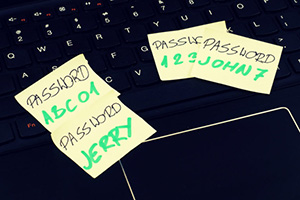
Create Site-specific Passwords

Passwords are the bane of modern existence, with more and more websites requiring a membership and password for access. Even those that don’t are likely to require you setting up an account to buy anything.

Things You Should Do To Stop The Government From Tracking You

The information attached to that account Is just one more source for the government to look at.

Most of us pick a password and use it for as much as we can. The problem with that is that once someone figures out your password, they can try it on a variety of different platforms, trying to access your account and see what you’ve been doing.

Four different products, bought from different vendors, could easily become the parts of a bomb in some investigator’s imagination.

Avoid JavaScript

JavaScript abounds throughout the internet, having been created to make it possible for web pages to be interactive.

Unfortunately, it’s full of security holes, having been created many of the more modern modes of hacking were invented. Today, breaking into JavaScript is considered small potatoes by hackers.

Keep in mind that the government employs hackers too; they’re called “white hat hackers,” and while that term was originally coined in regards to people who were trained in hacking in order to play the “red team” in online security simulations, it’s used for any hacker who does their work as part of “legitimate” business.

Of course, as far as the government is concerned, anything they do is legitimate, regardless of what the law says.

Encrypt e-Mail

We’ve already discussed how the NSA is recording and reading every bit of communications that flows across the internet. That includes your e-mail. They know if you’re making an inquiry about buying a new home, having an online affair or discussing business secrets.

According to Snowden, some of those government employees are looking over people’s shoulders, watching their lives as if it were a live soap opera.

encrypting your e-mail

The world’s best code breakers work for the NSA and the majority of the world’s supercomputers are housed in their facilities. So the idea that they can’t break into an encrypted e-mail is ridiculous. Nevertheless, encrypting still makes it harder, meaning that they’d have to have a pretty good reason to bother.

While not perfect, encrypting your e-mail at least protects you from casual view.

Avoid Online, Credit Card and Debit Card Purchases

Probably one of the earliest ways that law enforcement used the benefits of the internet to solve crimes is through tracking credit card use. We’ve all seen cop shows where they tracked a suspect by looking at where they were using their credit card. That’s child’s play for the government today.

Of course, the government isn’t the only one tracking our online purchases, although I don’t think that companies have the ability to get into the records of our credit and debit card usage like the government can.

cash payments

Either way, it can provide the government with a lot of information that you might not want them to know. Better to use cash and keep your transactions anonymous.

If you’ve got to buy things online, then use prepaid Visa and MasterCard gift cards, not associated with any bank account you have.

You can buy these easily at the checkout in many major stores, in denominations up to $500. That makes it possible to make a lot of purchase anonymously.

Then have the item shipped to an address that can’t be readily traced to you, like a PO box that you rented using a false address.

Beware! The Elites’ Diabolical Plan Unveiled – Watch This Video!

Don’t Fill Out Profile Data

One of the easiest ways for the government, criminals, companies and just about anyone else has of getting information about any of us is through our online profiles.

Things You Should Do To Stop The Government From Tracking You

Social media has encourages people to live an open life, with everything about them becoming common knowledge. But that information can become dangerous if it gets into the wrong hands.

Save that information, so that you can give it to who you want to, rather than whoever wants it.

While it might not be quite as “neighborly” in the online community, holding that information back could help protect you from the government or from criminals.

One Final Thought

Doing the things I’ve mentioned in this article are likely to have unintended consequences. That is, they’re likely to make you look suspicious to anyone investigating you.

But then, if you haven’t done anything wrong, it really doesn’t matter how suspicious they think you look. They still have to find evidence, not suspicion, in order to take any action against you.

Your ready answer to this suspicion should be that you are protecting yourself from criminals. Even government agencies recommend taking precautions for that reason, so by stating that, you’re throwing the onus back on them. If they don’t like that, it’s just too bad.

Warning!!! First Signs That U.S. Consumers Are In Very Serious Trouble

30 Million Americans Face Hunger As They Can’t Afford Insane Grocery Prices:Nearly 10 percent of the U.S. population is facing the threat of hunger and about 70 percent of Americans say they are struggling to pay their grocery bills right now.

The following video reveals the secrets of a future crisis, but the government does not want us to know the truth!

by Rich M, From- askaprepper.com

7 Immutable Prepper Financial Laws to Possible Future Financial Crisis

In prepping we often prepare for major catastrophes like regional storms or earthquakes. But are you really prepared to lose your job or survive a financial crisis? In March of 2017, a claim was made that nearly ½ of Americans couldn’t write a check for $500. With the financial collapse and ensuing food shortages happening right now in Venezuela, it should make us in the prepper community think long and hard about our own finances. In this article, I’ll discuss the 7 laws you should follow to weather events like an economic collapse or an even more likely scenario of losing your job.

Budget prepping and just plain old budgeting go hand-in-hand. So let’s jump right in and discuss what I would consider 7 financial laws you’ll want to observe as a prepper.

Prepping has costs associated with it, gear and skills to acquire requiring you to budget and be a good steward of your finances. I’ve known preppers that have allowed fear to drive them to credit card debt only to regret it later when nothing happened. By having a level-headed approach and a control over your finances, you can much more intelligently navigate yourself financially in prepping. By setting yourself up for financial freedom in the future, you give yourself the ability to be in a better position financially if a catastrophe does strike. As we asked at the beginning of the article, how many preppers are prepared financially for common things like losing their job?

In this article, I’ll share my personal experience with finances and how it has impacted how I prep. I learned a lot by following the steps outlined in Dave Ramsey’s book, Financial Peace. I implemented the steps he outlined and it has put myself and my family on a path to financial security. Should there be an economical downturn in the economy, had a major unexpected expense or I lost my business, we would make it.

So here are the 7 immutable prepper financial laws that I personally live by and I hope to be of value to you.

1. Create a budget

A budget allows you to take control of your finances and gives you a full understanding of where every dollar is going. In prepping there are expenses in acquiring gear and other resources and for those that have a tight budget, making sure you can squeeze out every dollar from your paycheck is important. Without a budget, you won’t be able to effectively do this. The first step to creating a budget is very straight forward. The goal is to create a simple, zero-based budgeting approach.

Start by determining your household’s total take home pay after taxes. Then you simply document in a spreadsheet the regular monthly expenses you have like your mortgage, utilities, grocery bills, insurance, etc. I find it easy to look over my bank account and see all the expenses. Once you have all the numbers added up in a spreadsheet, you’ll want to define where every dollar goes. As a prepper, you’ll need to find a way to create a line item for prepping. How much you want to spend on a monthly basis on prepping is up to you and what you can afford. I spend around 2 to 4% of my monthly pay on prepping. At first sitting down and doing a budget might be a real eye opener when you see what you’re actually spending money on each month. Without a budget, it’s amazing how much money will slip through your fingers if you don’t actually stick to it.

By creating a budget, you’ll have a very clear picture of your finances. This would be a good time to make decisions about what you want to cut or reduce in pricing. Does spending $150 a month on cable really make sense if you’re having to cover expenses with a credit card? As you review your budget, find ways to cut spending. The goal is to increase the amount of money you can save so you can invest in the supplies you need to pick up.

And what do you do if you don’t have enough in your budget to prep? Get creative. Pick up a 2nd job or find another way to develop a revenue stream.

2. Get a $1000 emergency fund in place

As mentioned at the beginning of the article, The CEO of Assurant, Alan Colberg, made the remark that “Half of all Americans cannot afford to write a $500 check in an emergency,” on Bloomberg TV a few months ago.

When I first got serious about getting my finances in line about 10 years ago, this was the first step I took. It was difficult at first as I wasn’t used to saving money, but that first step was a huge psychological milestone on a path that has ultimately led me to a much more secure place financially. I would encourage you to do whatever it takes to get to this place. Whether that means having a garage sale or picking up side work, make this as a priority as once you have this amount in place, it gives you a small buffer to handle the unexpected things that come up in life.

Also, should there be a catastrophe in your area and the grid is down, you won’t be able to run to the ATM to withdraw cash and your credit cards will be no good if the store isn’t accepting card payments. Keep this money in a secure, safe place in your home. This isn’t investment money you keep at your bank, but rather it should be available at a moment’s notice.

3. Get out of debt

There’s a proverb that says this: “The wealthy rule over the poor, and anyone who borrows is a slave to the lender.” This saying is so true. When you owe someone money, you are essentially their slave. Ever been behind on a payment and have the debt collector call you and harass you? How fun is that? It will stress you out over time.

Some may argue why pay off debt if we’re heading to higher inflation if the economy may collapse? Well, you need to consider the reality that should there be an economic event, you could lose your job. Should this happen, you’re a much likely candidate to lose your home and belongings. Remember when the real estate bubble burst back in ‘07 and ‘08 here in the U.S.? I remember watching the local news every night and watching stories about people being forced out of their homes as they were foreclosed and being forced into tents and living in the back of their cars. Times were tough then and having debt hanging over your head will compound the problem. While you have a job and have the money, get rid of your debt so that should you lose your job later, you don’t end up on the streets. Also if you hold any debt that is an adjustable rate debt, be especially attentive to this and dump it ASAP as the banks will likely jack the rates high if the economy crashes.

When my wife and I got serious about paying off our debt years ago, we used a trick that worked extremely well for us. It’s called the debt snowball. It’s an approach that is outlined in the book Financial Peace mentioned earlier. It works like this. Line up your debts smallest to greatest and start on the smallest debt first. Now I know some may argue the best approach is to go after the debt with the highest interest rates, but there’s a motivation in paying off debt and then moving to the next debt. So you first pay off the smallest debt. Once that’s that is paid off, take the money from your budget you had to use to pay that small debt off and then roll that into your next debt. Once that next debt is paid off, then roll that combined money in your budget into the next debt and so on. The advantage of using this approach is that when you start knocking off the easier debts, you’ll see results and stay motivated to go after the larger debts. I call this approach a “trick” as there’s a psychological component to keep you motivated to attack the other debts.

Don’t try and leverage debt to gain gear or supplies. I’ve known preppers that have done this and when nothing ended up happening, the debt was very difficult to deal with.

4. Ditch credit and debit cards for cash

Getting off relying upon credit cards and debit cards was a huge first step for me years ago to not only get out of debt but to learn to control my spending. One of the stories told in the book Financial Peace is about how McDonald’s found that people spent 47% more when using credit instead of cash. When you pay cash, there’s a real connection that you can actually “feel” when you spend money. Not so much when using your credit or debit card. And they found that by installing the machines, their sales went up.

Again, in the context of prepping, we’re trying to lessen our financial expenditures and by getting off using plastic, we better our chances of having money left at the end of the month to spend on important preps. One system I have found very useful to keep our expenses in check on a monthly basis is the use the cash envelope system. What we do is create a line item for each expense each month in our budget and then on payday, we simply go to the bank, withdraw the money we need and then put the money in each envelope for that line item. So for example, if we have $400 in the budget for groceries, we put $400 in the envelope marked “Groceries”. By using this approach, we’re able to keep a very close eye on what we’re spending money on each month.

5. Get 3 to 6 months worth of savings in place

This is one of those things that you may think is really hard to do, but you’d be surprised how much momentum you’ll gain after you move through steps 1 through 3. Having 3 to 6 months worth of income in savings allows you to handle most catastrophes that may come up. Let’s say you lose your job. This is a scenario which is very possible and impacts people all the time. Again, in prepping, the goal is to not only prep for disasters like earthquakes or hurricanes but just things that can happen in everyday life. The loss of a job can be very catastrophic and having a 3 to 6-month cushion in savings will give you time to find a new job. Or you may have a large expense if your car’s transmission goes out. By having these savings in place, it keeps us from falling back into debt and having to rely on credit cards to get us through tough times. The feeling of security of having a cushion to fall on should a problem comes up is also a great feeling and helps remove a lot of stress.

Just a side note: this money is not to be used for investment purposes tied up in some type of investment account that you can not immediately access, but rather you should keep this in a well-established credit union or small bank.

6. Diversify what you spend money on

When I first got into prepping, I found myself wanting to get all the cool gear, gadgets, bug out bag items, firearms and other items I felt were so important (or at least the items that were being marketed to me so heavily in the prepping community). If I could go back and start all over, I would have focused on more important things for survival instead of the tacti-cool products. For example, if you have $100 in your monthly budget, I’d start by picking up a $20 mini-sawyer water filter, some water containers, basic flashlight, cans of food to stock in my pantry and a simple medical kit. Does that sound exciting? No, not really, but if there were an emergency that hit my area, having these on hand would be far more valuable than a cool EDC bag. Don’t get heavy into one area when spending money on your preps but rather spread the money out over the basics. My budget priority is broken down in this order:

  • Water.  If you’re new to prepping, focus on getting a 2 week supply built up. I cover this more in a video titled “7 steps for emergency water preparation”.
  • Food.  Start by getting a 2 week supply built. You can watch my video, “How to easily build a 2-week emergency food supply” to get more information.
  • Medical.  Get some basic medical kits or build your own. A great resource is the Doom and Bloom Youtube channel where Dr. Bones and Nurse Amy discuss medical preparation and survival. Highly recommend you check out their channel to learn more.
  • Mobility.  Being able to move on a moment’s notice and survive while being mobile is important. I’ve done an article on building bug out bags for yourself and the family. Just a fair warning, don’t get caught up in thinking you need to buy a lot of expensive gear.
  • Security and Firearms.  For some, this is on the top of their list of things to budget for, but I’ll leave that up to you to decide. If you’re looking for affordable options for firearms to get you started, you might want to take a look at the Maverick 88 12 gauge shotgun. Again, no need to run out and buy a tricked out a battle rifle that can cost you thousands of dollars.
  • Precious metals.  I put this last on my list as this is a long game approach and in my opinion should be last on your list. Again, you might have a different opinion and would love your feedback in the comment section. In the event of a catastrophe, people aren’t going to be excited to get a piece of silver from you if they’re trying to feed their family and need food or some other important barter item.

7. Invest in education to gain skills and knowledge

Skills and knowledge are invaluable. Whenever you can the opportunity to gain an education from an expert, invest in it. Whether that means picking up books on learning how to operate a HAM radio, gardening or medical skills or taking a firearms safety course, I recommend investing in good books or classes. Gear is great to have, but knowledge is far more valuable. Investing in some good books serve a number of purposes in the event of a catastrophe. Having a physical book containing information when the internet is down will be so important. I’m in the process of building my own prepper library and having books on gardening and first aid are a great start in my opinion. Obviously, there’s tons of free information on Youtube, but again, having that physical hard copy should the grid go down will be invaluable. Learn now how to suture a laceration or how to grow a garden. I invested in learning material for gardening and while I’m having some success at the moment, there’s still a lot more I need to learn and I’m glad I’ve invested in this knowledge and am taking the time to apply these skills now before a catastrophe when it will be too late to learn.

Any opportunity you can find to educate yourself even if it requires spending money, do it.

But what about long-term financial prepping like Roth IRA’s and 401K’s?

While I personally invest in Roth IRA’s, I do realize that there are no “safe” investments and will leave that up to the viewer to decide what approach they’ll want to take for long-term investments. I’ve watched the stock market rise and fall over the last 16 years and am pretty sure we’re in another bubble. Land is taxed and you can get hit with eminent domain. I had a close friend who heavily invested in precious metals only to have someone break into his home and steal it all. There are no guarantees. I try to do the best with the money I have and am not looking for anyone to take care of my life for me. This is the life of a prepper. Move toward self-sufficiency. Look down the road a little further than most people are comfortable doing even if it means realizing you may have to make sacrifices now to ensure you and your family have a much greater chance of weathering a storm financially.

Thanks again for taking the time to read this article. As always, I enjoy feedback from the prepper community as you guys teach me a lot. If you have any insight into anything I didn’t cover or you have a different view on any of the items we discussed, please comment below. Also, if you enjoyed this article, please feel free to like or share on social media.

As always, be safe out there!

Places To Avoid: Where Looters Will Strike First When SHTF

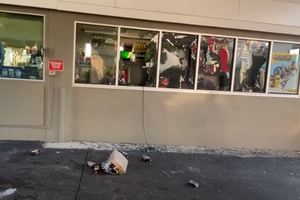
Whenever we think about natural disasters, the subject of looting is not far behind. Looting does indeed occur in the wake of disasters, but the truth is, that it is not nearly as widespread as we are lead to believe.

That being said, in the event of a total failure of the grid, economic collapse, large-scale civil unrest, or nationwide national disasters, the prospect of no help on the horizon will drive a lot of people to take to looting as a way to get the supplies they need to survive.

What follows is a list I have compiled of the places where I believe you will see looters strike when SHTF.

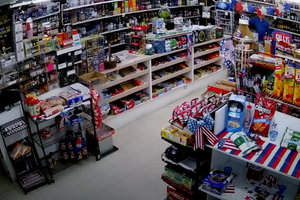
Hardware Stores And Big Box Stores

If the lights go out permanently, everyone will be looking for a generator to power their fridge and freezers. A store that sells generators of any size will be a target for looters.

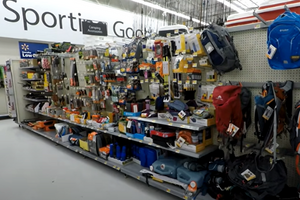
Big box stores will also see their fair share of looting because they are one-stop shops for many consumer goods and food products, making them tempting targets.

Hardware stores will also be targets not only for the generators but for supplies and equipment that would be useful in securing homes.

Grocery Stores

Places To Avoid Where Looters Will Strike First When SHTF

If the COVID-19 pandemic taught us anything, it is that so many people do not have sufficient stores of staple food products such as rice and flour but also other products like toilet paper.

The pandemic caused supply chain disruptions that were made worse through panic buying.

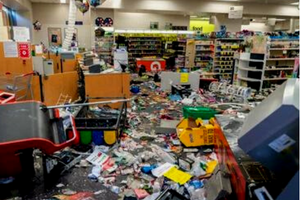
In the event of an SHTF situation, where the supply chain is permanently cut off, the same people who were panic buying will have to resort to looting the local grocery store to feed their families.

Organized gangs of thugs will inevitably also target these stores to re-sell their ill-gotten gains on the black market.

Hospitals/ Clinics/ Doctors Offices/ Veterinary Clinics/ Pharmacies

Ask yourself what you would do if disaster struck and you or a family member needed medication to survive. Would you steal it?

Millions of people require prescriptions daily; if the supply chain is cut off, they will have to find these drugs through other means. One of these may be to loot the required medicines.

Another group you will see looting these locations are those addicted to drugs and in desperate need of their next fix.

Also, people with injured family members at home may decide that boosting some medical supplies is better than waiting in a post-SHTF triage center.

Outdoors And Sporting Goods Stores

Places To Avoid Where Looters Will Strike First When SHTF

Most people involved in the survivalist/prepping community have a wide selection of outdoor and camping gear, which would be invaluable in an SHTF scenario.

Those who haven’t prepared will head to the local outdoor store to stock up on the essential equipment.

These stores will also have ammunition and firearms and staff that would hardly risk injury or death defending their employer’s inventory.

Private Homes

It would not take a sizable force of hoodlums to effectively force their way into and loot most private dwellings. This is where operational security (OPSEC) is crucial to keeping your home off the local criminal element’s radar.

The problem with a lot of preppers and survivalists is that they often spend far too much time talking about their preparations.

Many of us have heard the phrase ‘I’ll just come to your place.” If too many people know about the extent of your preps, you can expect that some of them will come knocking and won’t take no for an answer.

Convenience Stores

Places To Avoid Where Looters Will Strike First When SHTF

The corner mom-and-pop convenience store may not seem like a prime target for looters, but the inventory they carry on their shelves is invaluable after SHTF.

The real problem with looting these stores is that they are usually the sole income provider for a family and, therefore, will be well defended.

Often, the families running the local convenience store will live directly above or adjacent to it and defend it as they would their own home.

Warehouses Or Distribution Centers

There is an Amazon distribution center a couple of kilometers from my home. Every time I drive by it, I think about what a prime target it would be. Yes, that pun was intended.

There are also many warehouses and other distribution centers that are full of useful food and supplies along with security that will be nonexistent in an SHTF scenario.

I for one, fully expect angry mobs to descend on these buildings when the grid fails, and law and order break down.

Gas Stations

Places To Avoid Where Looters Will Strike First When SHTF

Even if the power is out, there will still be ways to extract the fuel from the underground storage tanks at your local gas station.

I would wager good money that if an SHTF situation befalls us, there will be a lot of organized groups of looters looking to control this critical resource.

We have seen it time and time again that in the leadup to hurricanes, the exodus of people sucks the tanks dry at all the gas stations in the area, but if the lights suddenly went out, it would be a different story. There would be thousands of gallons of fuel waiting for someone with a bit of ingenuity to extract it.

Gun Stores

There is a saying that I heard a long time ago that goes, ‘One gun can get you more.’ While it may seem suicidal to loot a gun store, the reality is that the staff in these stores do not stand a chance against a mob of already armed looters. People will want to defend themselves, and raiding the local gun shop will be one way they will go about it.

During localized disasters such as earthquakes, hurricanes, floods, tornados, etc. there will always be some looting. Usually, this kind of looting will be conducted by the criminal element who are primarily driven by profiting from the disaster.

When the disaster is on a national or global scale, and help is not coming, we can expect the looting to be widespread and involve people who would, under normal circumstances, be law-abiding good people.

Knowing where these looters may strike gives you the ability to avoid these hotspots and stay safe during a disaster.

Deep State- Our “Leaders” Have Taken Blood Oaths- These people swore an oath or to represent citizens, but their true loyalty is to Satan (Communism.). They are traitors and should be treated as such.

The blood oath is fundamental.  Biden and most of his cabinet and most courts and congress have probably taken it. That’s why they are excluded from mandatory vaccines. 
These people swore an oath or to represent citizens, but their true loyalty is to Satan (Communism.).They are traitors and should be treated as such.

Worldwide the vaccine passports is leading to a Chinese Communist social credit system where your every word and move are monitored for political correctness.

Like our “leaders,” the Chinese Communist Party (CCP)are Satanists.
We now face persecution from this evil red dragon in the form of medical tyranny.We’re dealing with PURE EVIL. 

The Final Choice is Good or Evil. What Choice Will Those with a Blood Oath Make?

The ultimate and final choice is between Good and Evil.

The Chinese say, “you can’t stand in two boats”; as the boats move apart, you will be forced to choose one boat or fall into the water. Those who have taken a blood oath are conflicted between doing what is Good or following a path that stops at no Evil. 

The way to discern good or evil is to evaluate it against Truth, Compassion and Tolerance; this is the characteristic of the cosmos. Those who adhere to these universal principles are good. The ones who deviate from Truth, Compassion and Tolerance are wicked.

marx-hand.jpg

Karl Marx signalling the “hidden hand”, indicating the real power of the world from behind the scenes controls him and he has taken a Blood Oath.

In the Communist Manifesto (Chapter 2), Karl Marx spells out that communism is Satanism:

“There are, besides, eternal truths, such as Freedom,, etc., that are common to all states of society. But Communism abolishes eternal truths, it abolishes all religion, and all morality, instead of constituting them on a new basis; it therefore acts in contradiction to all past historical experience.”

Because communism is opposed to Truth and it abolishes all morality; therefore it is easy to see communism is evil.

Communism was created by evil and it is spread by evil people, hidden in the top layers of society with dual loyalties.

Today, the Chinese Communist Party (CCP) is playing the leading role to establish global communism.

The CCP requires a blood oath to join; it has brutally persecuted many groups in China since coming to power in 1949, killing an estimated 60-80m people who were opposed to communism.

This genocide in China has continued until today, because the CCP is always persecuting someone. One noteworthy group is Falun Gong, a peaceful meditation practice that was brought to the public in May, 1992. It was very popular in China, with over 100m people taking up the practice. The practice has five slow moving qigong exercises and a series of lectures that help people improve themselves to their very core.

Because Falun Gong practices Truth, Compassion and Tolerance, the CCP has persecuted them since July 20, 1999. Practitioners were detained, arrested, put to forced labor, imprisoned, tortured and had live organ harvesting (faluninfo.net).

 The CCP is against Truth, Compassion and Tolerance. Now, the CCP and those aligned with it are utilizing every means at their disposal to persecute the entire world. Good people everywhere now face persecution from this evil red dragon in the form of medical tyranny.

COMMUNIST AGENTS

The CCP goal is the destruction of the USA and imposition of The Great Reset — worldwide communism. People are recruited because they hold positions of status or influence in society, and they are able to maintain their positions, while at the same time, secretly pledging their loyalty to something else.

The CCP requires a blood oath to become a member with these words:

“… ready at all times to sacrifice my all for the Party…”

“…both parties stop and swear unto death while standing in the midst of the blood, swearing by G-d (thus making G-d their 3rd party) to kill the covenant breaker and his seed after him if the terms of the covenant are breached.”

pence-coin.jpeg

Traitor VP Mike Pence received this “token of appreciation” immediately after voting against Pres. Trump on Jan 6th, 2021. It’s rare to see high level secret society ceremonies in a public setting.

“All this I most solemnly and sincerely promise and swear, with a firm and steadfast resolution to keep and perform the same, without the least equivocation, mental reservation, or self-evasion whatsoever, binding myself under no less a penalty than that of having my body severed in twain, my bowels taken thence and burned to ashes, and these scattered by the four winds of heaven, that no more remembrance may be had among men or Masons of so vile a wretch as I should be, should I, in the least, knowingly or wittingly, violate or transgress this my Master Mason’s Obligation. So help me God and keep me steadfast.”

The Jesuit oath (from 1533 Jesuit oath):

“In confirmation of which I hereby dedicate my life, soul and all corporeal powers, and with the dagger which I now receive, I will subscribe my name, written in my blood in testimony thereof; and should I prove false or shaken in my determination, may my brethren and fellow soldiers of the militia of the Pope cut off my head and my feet and my throat from ear to ear, my belly opened and sulphur burned therein with all the punishment that can be inflicted upon me by demons in eternal hell forever.”

Finally, the Mafia also has a blood oath (related by Joe Valachi in testimony to Congress):

“I sit down at the table. There is wine. Someone put a gun and a knife in front of me. The gun was a .38 and the knife was what we call a dagger. Maranzano [the boss] motions us up and we say some words in Italian. Then Joe Bonanno pricks my finger with a pin and squeezes until the blood comes out. What then happens, Mr. Maranzano says, ‘This blood means that we are now one Family. You live by the gun and the knife and you die by the gun and the knife.’

Those swearing a blood oath are often required to spy and commit crimes for these groups. Their blood oath has priority over any other oath, they literally pledge their lives to these groups and must keep this secret. Their feet are more firmly planted in the evil boat, but they still have a chance until the end to make a better choice.

HANDSIGN-FAUCI.jpg

Dr. Fauci is Jesuit trained and a Deep State operative through six administrations. Watch his signals to know where his loyalties lie.

DUAL LOYALTIES

People who have taken a blood oath can be found throughout society in positions of authority and power in nearly every corner of the globe.

Many have literally “sold their souls” for wealth and other benefits. People who take a blood oath are recruited in, no one can “apply” to join and membership often follows family lines. The secret organizations see the power the person has access to, they can also “direct” things to make a person gain even more power, even becoming president of the United States.

Is it a surprise the “hidden hand” has guided events and created history in this manner? The large scale ritual sacrifices are now on a grand scale: two World Wars, the Holocaust (which means “burnt offering), 9/11 and now the biggest of all…the COVID/CCP Virus. All of these events were perpetrated by people with dual loyalties, whose feet are in two boats.

15 Vital Items The Pioneers Stockpiled For Hard Times

We tend to think that stockpiling food and supplies for an emergency is a modern invention. But it’s not. It actually started thousands of years ago, with people stockpiling food for a snowy day. Those ancestors of ours knew something that most of us today have forgotten: the fact that winter comes every year and you can’t grow crops or hunt game very effectively when the freeze hits.

In fact, the earliest recorded instance of stockpiling is in Chapter 41 of Genesis, in the Bible. Joseph, a son of Abraham, correctly interpreted Pharaoh’s dream and instituted a system of stockpiling grain in preparation for the seven years of famine.

To the pioneers, stockpiling had to be a way of life. When Old Man Winter came to call, the only thing that would keep them alive was the food and fuel they had stored. If they were not ready, chances were that they wouldn’t make it through the winter.

Those who stockpile are returning back to the roots that our pioneering ancestors established, taking matters into their own hands.

So what sorts of things did the pioneers stockpile — and why did they stockpile them?

We can really break down the pioneer’s stockpiling into two categories — things that they bought and things that they raised, hunted, preserved or prepared themselves. The things from the store were precious to many of these people, as they didn’t have much cash money to spend. It was only when they sold a cash crop that they were actually able to pay off their account at the local general store and buy themselves a few new items.

Things the Pioneers Bought and Stockpiled

A trip to the general store was a big deal in those days and something that a pioneer might only do once a month, or less. It might be an all-day affair, which took time away from working the farm. Nevertheless, they had to make it to town once in a while for supplies, or they were stuck with living solely off the land.

1. Wheat flour and other grains

While many farmers raised grain, they usually didn’t eat their own. Their grain would be sold and then they’d turn around and buy flour and other ground grains from the general store. A few people would have their own hand-operated mills for grinding grains, but those were for grinding cornmeal, rather than flour.

Going back in history, we find that grinding grain was a major part of a woman’s housework. In Medieval times, a woman might spend as many as six hours per day grinding grain so that she could make the bread of the day. Being able to buy ground wheat was one of the first true kitchen conveniences.

Bread was an important staple in the diet. It was a great source of carbohydrates, giving them the energy they needed to burn during the day. Of course, the breads they ate back then were very different than today’s, being much harder and heartier than our modern bread.

2. Baking soda

You couldn’t bake bread without baking soda, unless you happened to have yeast. Of course, many people made sourdough bread, always saving a bit of the dough to act as a starter for the next batch. But sourdough starter doesn’t work for biscuits, pies or bear sign (what they called donuts). So a stock of baking soda gave them much more variety in their diet.

3. Salt

Salt has always been highly valued. In fact, in the Roman Empire part of a soldier’s pay was given in salt. That became the root of the word “salary.” We need salt in our diets to survive, as well as to preserve meats. While some pioneers would harvest it themselves from salt licks, that only worked for those who had a natural salt lick on their property.

4. Sugar

While not an absolute necessity, sugar was an important item to stockpile. Not only is it used as part of the process of canning fruit, but even the toughest of cowboys and miners wanted a sweet treat every now and then.

5. Rice

Like grains, rice was an important staple for many people. But it wasn’t grown in many parts of the country, making it an item pioneers picked up at the general store.

6. Bacon

Bacon managed to become the default travel meat of choice in pioneering days. Cowboys would carry a chunk of bacon in their saddlebags, wagon trains carried it, and most families had a few slabs on hand. If you had bacon, you had meat to eat.

7. Coffee and tea

Who doesn’t like a good cup of coffee? Actually, coffee drinking in this country started with the Revolutionary War, in response to the Stamp Tax. Rather than pay the tax for British imported teas, many people switched over to coffee. Whereas before the revolution most people drank tea, after it the nation switched to coffee. By the time of the revolution, tea was mostly drunk only by the wealthy.

8. Dried beans

Just as it is for the average homesteader today, dried beans were a favorite staple for the pioneers. Chili con carne became a popular dish, starting in Texas and then moving north along the cow trails. Eventually, it was eaten all across the west.

Beans also could be eaten alone, or with tortillas. The Southwest culture had a strong Mexican influence, including the eating of refried beans as a staple. Many a meal was beans and biscuits or beans and bread. Even when they had meat, beans were often served on the side.

9. Dried and canned fruit

15 Vital Items The Pioneers Stockpiled For Hard Times

Some people grew fruit. When they did, they’d can it or dry it. But not all kinds of fruit can be grown in all parts of the country. Besides that, not everyone was a farmer. The general store would stock dried and canned fruit, making it possible for people to buy these foods.

Since it kept well, dried fruit was another popular trail food, both for wagon trains and for drifting cowboys. It helped give variety to an otherwise dull diet, as well as providing them something sweet to eat.

Things the Pioneers Grew, Hunted, Preserved and Prepared

Many pioneers were involved in farming and ranching. Those who were grew as much of what they ate as they could. Since cash money was so rare, being able to hunt, gather or grow your own food was a real advantage. Even townspeople would have a garden patch behind their homes, growing their own vegetables and herbs.

10. Smoked meats

One of the signs that you’d “made it” was to have a smokehouse on your property. While the ability to smoke your own meats was incredibly useful, not everyone could afford the time or expense to build one. Those who could were usually well-established families who already had their homes and barns built. By then, they were producing enough that it was worthwhile to be able to smoke meats when it was time to slaughter a cow or pig.

11. Jerky

The pioneers learned how to make jerky from the Native Americans. While smoking was great, not everyone had a smokehouse. Plus, jerky lasts longer than smoked meats and is much more portable. Drifting cowboys and other travelers would often take jerky along just to ensure they had some meat to eat. A few strips of jerky and a couple of campfire biscuits made a pretty good lunch in the saddle.

12. Corn

Many pioneers grew their own corn, even if it was just enough for their family. They might grow wheat or some other grain for sale, but they’d put in a small patch of corn, as well. That corn was usually dried and kept for making cornmeal.

13. Vegetables

15 Vital Items The Pioneers Stockpiled For Hard Times

A vegetable garden alongside or behind the house was almost a requirement for pioneer families. Without it, their food would be bland and repetitive. Not only did they grow their own veggies, but their own herbs, as well.

Most vegetables were harvested and kept in a root cellar, not canned. Canning required owning a goodly supply of canning jars, something that most people didn’t have. It wasn’t until later, when towns were well-established and trade was more regular, that canning jars became common in the west.

14. Feed for the animals

Anyone who had animals had to consider their needs. Whether horses, cows or chickens, they were a valuable part of the homestead and needed to eat. Just like the family would stockpile food to get themselves through the winter, they’d stack hay and other feed for their farm animals.

Most hay was cut from wild grass growing near the farm. It would be cut by hand with a scythe and stacked in towering haystacks for the winter months. Some farmers who had larger barns with lofts would stack the hay in the loft. But that required hay bales, which meant having the equipment for baling hay. So that only happened in well-established areas on well-established farms.

15. Firewood

The only heat that most homes had was from the fireplace or wood-burning stove. That created the need for a wood pile, which was started in the spring so the wood could dry through the hot summer. In some places, they would stack their wood to act as a defensive breastwork for the home, giving themselves a good firing position for any attacks from Native Americans.

Knock Knock! It’s FEMA, We Need Your Stockpile

A disaster strikes in your city so severe that military, law enforcement, and major emergency response forces such as FEMA are deployed to handle the situation.

But then, to your surprise, you have FEMA personnel and law enforcement agents knocking on your door…and they demand to enter and see and take all the food, water, and supplies that you have on hand.

When deployed, FEMA provides disaster-relief experts to assist with the efforts of state and local governments, deploys personnel and equipment to assist with disaster-relief efforts and recovery, and offers funding to help support the rebuilding phase after the disaster has ended.

In a nutshell, FEMA is an agency designed to help handle and coordinate responses to major disasters. When they come it’s ‘to help’ right?

That’s what you may think until the FEMA personnel come knocking on your front door and demanding to take what you have.

But why would FEMA try to requisition your stockpile of food and supplies in the first place? Could they get away with it? If so, how should you react? We’ll attempt to answer those questions in this article.

Why Would FEMA Requisition Your Stockpile?

One scenario in which FEMA could requisition your possessions, including your stockpile, is if martial law were to be declared.

Knock Knock! It’s FEMA, We Need Your Stockpile

Martial law is the complete suspension of current laws enacted by the civilian government in favor of laws set by military authorities. Usually invoked during times of emergency, such as war or natural disaster, the purpose of martial law is to give the local authorities unlimited authority to create and enforce laws.

In other words, when martial law is declared, all existing laws on the books would effectively go out the window. Forget about having freedom of speech or the right to own your property. If the authorities were to decree in a martial law that they can come onto your property and take anything they want, there would be nothing to stop them from doing so.

That’s because when martial law is declared, it will be a top priority of the authorities to maintain strict control over the local population.

This will involve four major steps:

  1. Controlling the movements of the population and ensuring no one can leave (unless if the affected area needs to be evacuated)
  2. Controlling speech and propaganda
  3. Disarming the population to ensure they can’t fight back
  4. Making the population dependent on the authorities for food, water, and medication

After Hurricane Katrina, police units literally went door-to-door to confiscate firearms from legal gun owners.

In a longer term situation, the government could do the same thing, only they would take food, water, medicine, and other necessities. FEMA, with support from deployed law enforcement or military units, is an agency that would be among the most likely to carry this out.

The purpose of doing so would be to ensure that people can’t be self-sufficient. The authorities could then create bread lines to force people to stand in line for food. In other words, people will only be able to eat when and where the authorities would decree. They could withhold food.

How Should You React and Prepare?

A major disaster that involves government agencies confiscating necessities and supplies from the local population may seem unlikely, but it’s not at all outside the realm of probability. That’s why it’s a potential scenario that you need to be ready for.

There are three primary things you should do to react to this kind of situation:

Hide Your Stockpile

Knock Knock! It’s FEMA, We Need Your Stockpile

Think about extra hidden rooms in the home where you could store food, water, medicine, and other items.

If no such room exists in your home, consider making one.

For example, would it be possible to build a storage area into a wall?

Or what if you built an underground storage place outside?

The point is to make sure that not all of your preps are clearly obvious. When the FEMA personnel come stomping through your house, you want to make sure it’s difficult for them to detect your stockpile.

They’ll likely check the kitchen, pantry, and garage first; whether they give the rest of the house and property a closer inspection likely depends on how strictly they’ve been ordered to remove the food and water supplies from the local population.

For an added tip, consider having multiple secret rooms or storage areas. In the event the FEMA personnel find and requisition one stockpile, they’ll hopefully be satisfied and move onto the next house.

Don’t Resist The Authorities

Secondly, make sure that you don’t resist the authorities when the time comes. Whether you like it or not, if FEMA and police are at your door you’re not going to be able to resist them, and if you do, you’ll be arrested and your items will be confiscated anyway.

Knock Knock! It’s FEMA, We Need Your Stockpile

Play it safe, and don’t resist while ensuring that much of your preps are kept a secret. Besides food, water, and medicine, the same goes for your firearms, ammunition, and other valuables as well.

Anything you think the government would want to confiscate from you, you’ll want to keep hidden in the event of a large-scale disaster happening.

Don’t Make It Obvious That You’re A Prepper

Additionally, you won’t want to announce to the rest of the world that you’re a prepper either. It’s always smart to keep your preps under-the-radar and only to inform those close to you within your circle of trust about your preparations.

This is one more reason why it’s smart to have your stockpiles hidden and not so obvious. If you have guests over at your house, for instance, they may not think twice about your preparations now but they definitely will remember after disaster strikes.

The last thing you’d want is for your neighbors to come knocking on your door after a disaster demanding you share your food, or otherwise for them to alert FEMA personnel that you have

In the event of a major natural disaster or emergency that brings on a massive government response, be prepared to have government forces coming to your door for your stockpile. The best way to get around this to ensure you won’t be dependent on the upcoming breadlines is to keep part of your stockpile hidden and secret.

Where are some hidden places in your home or property where you could safely stockpile food and water? This is something you’ll want to start thinking about if you haven’t already.