Experts predict that an EMP strike that wipes out electricity across the nation would ultimately lead to the demise of up to 90% of the population. However, this figure begs an important question: if we were able to live thousands of years without even the concept of electricity, why would we suddenly all die without it?
While it may seem as if going without electricity would be nothing but an unfortunate inconvenience, the truth is much more harrowing. To better understand why 90% of the population would die if the lights went out, consider the following ways in which losing electricity would impact our society.
No Electricity Means No Water
Almost no one in the United States still carries a bucket to a well to draw up water. What this means, though, is that our water sources are now dependent on electricity. If an EMP strikes, the vast majority of the population would lose access to fresh water as soon as the water towers run dry.
Some people would be able to find other sources, but many would not. For those without water, the length of their lifespan would be measured in days.
No Electricity Means No Food
Those who are able to find water sources not dependent on electrical power now have another concern: food. Almost everyone who lives in an urban location is completely dependent on markets and grocery stores for their food supply. Even those who live in rural locations are largely, if not completely, dependent on buying food from outside sources.
However, if the electricity goes out, the supermarkets are going to be looted and possibly never restocked. From transportation to refrigeration, to even the growing of the food itself, our entire system of keeping the population fed is reliant on electricity.
Sure, there will be small farmers who are able to feed small amounts of people nearby, and there will be those who are able to adapt and grow their own food, but an alarming number of people would starve to death in a matter of months.
No Electricity Means No Climate Control
Some areas of the United States, such as Minnesota in the winter and Arizona in the summer, are only habitable because of climate control. If not for indoor heating and cooling, these places wouldn’t have been inhabited by so many people.
Once indoor heating and cooling disappear, surviving during the hottest and coldest times of the year will become a real problem. Some people would relocate or figure out a way to get by, but many who are unable would die of heat stroke or freeze to death.
No Electricity Means No Modern Medicine
Think of all the things that used to kill so many people before modern medicine. From polio to a ruptured appendix, there are countless things that once would have been fatal that are now either treatable or wiped out.
Modern medicine, however, is entirely dependent on electricity. Without it, all of these things would come roaring back with a vengeance. Hospitals that didn’t close their doors would lose a large majority of their effectiveness without all the machines they rely on.
Meanwhile, pharmaceutical companies would be unable to produce the wide array of prescription drugs that are keeping so many people alive.
To make matters worse, the fact that access to fresh water would be greatly diminished means sanitation would become a real problem. Without proper sanitation, diseases would spread at an exponential rate. Due to these factors, no electricity means far more sick people and fewer ways to treat them.
No Electricity Means More Murders
Within days of the electricity going out, our society is almost guaranteed to collapse into chaos. If you aren’t convinced that would happen, just look at what happens when a natural disaster devastates just a single area of the US, then multiply that by the entire country. Looters would quickly steal anything they could get their hands on, and armed gangs would roam the streets.
Law enforcement would clash with them at first, but they would almost certainly be overwhelmed in little time at all. The chaos would cause people who were once law-abiding citizens to turn to crime, and the number of criminals law enforcement would have to deal with would go through the roof.
In addition, effective law enforcement is largely dependent on good communication and teamwork – both things that become a lot more difficult in a world without electricity.
All of this is to say that, without electricity, going outside your home would suddenly become a much more dangerous endeavor. Those who are able to avoid starvation, dehydration, disease, and death by the elements would constantly have to look over their shoulders to avoid being killed. It’s not a pretty picture of human nature, but it’s a grim reality.
How to Avoid Being One of the 90%
As you’re probably well aware by now, surviving in a world without electricity would be a very tall order. The fact that a single detonation could devastate us so completely is disconcerting, to say the least, which is why many of the nation’s top defense experts agree that an EMP is the most troubling threat we would face if we ever went to war with a country that was able to hit us with one.
That said, 90% of the population dying without electricity means that 10% will make it, and a little preparation will go a long way toward ensuring you and your family are one of the 10%. Start by making sure you have access to food and watersupplies that are not dependent on electricity, and stockpile all the medical supplies you can.
If you live in an area where climate control is necessary for survival, either plan for an alternative way to heat or cool your home or put together a bug out bag and be prepared to leave fast. Lastly, make sure to lay low and avoid going out unless absolutely necessary.
Surviving without electricity certainly wouldn’t be easy, and the threat of an EMP is one that should not be taken lightly. However, it can be done.
Dr. Peter Pry (Executive Director of the Task Force on National and Homeland Security) warns that the consequences – of not being prepared for this event – are much more severe than one may think:
“within a year of an EMP event at least 2 thirds or the us population will perish from starvation, disease and social collapse”
Former CIA double agent (Reza Kahlili) who spent time in the Iranian Army confirmed that the Iranian have conducted missile tests of ships in the Caspian See that are consistent with an EMP attack:
“They are going to get to the Gulf of Mexico with ballistic missiles and they can launch one at a moment’s notice and they wouldn’t care about the repercussions”
Mostly because they can sink the vessel leaving no traces and because the US won’t be able to retaliate!
Preparedness Hacks: Once a nuke is heading your way, you might think that there isn’t much left to do, but you would be wrong!
What if you woke up one morning and nothing worked? What if there was no electricity? What if all transportation came to a halt?
An EMP event would instantly destroy any means of telecommunication, bank account would disappear, planes would fall from the skies, nuclear plants would not be able to cool down the reactors, we would have no running water (water pumps) and every piece of electronics we use from pacemakers to phones to gasoline pumps would stop!
Your refrigerator will stop working and all your food will spoil in a matter of days! If you and your family are not together, you won’t be able to contact or see them.
This is a catastrophic threat and North Korea, China, Russia and even ISIS… they all understand it and they are all working on it. And if they’ll ever wage war on us, they would be stupid not to strike America’s Achilles heel!
If one of the nuclear powers blasts a nuclear weapon 275 miles above the US it will produce an EMP that will basically send us, the Canadian and the Mexicans back to the Dark Ages.
Will we be able to fight back in case of a nuclear war?
I don’t think so! Probably most of our ICBM’s will turn into a pile of junk (although some are EMP hardened). The communication lines and mobiles will become useless. And on top of that, I don’t think that our ballistic missile defense (BMD) system will work at all after a powerful HEMP.
I have something you need to watch. It’s much better than I am at explaining the threat. Watch it and learn what you should fear most, what an EMP effects and how you can protect your electronics, car, mobile phones, etc.
Years ago the US Army indeed straightened some military equipment against an EMP attack. The congressional study EMP Report (back in 2004) indicated potential casualty rates of 90%. The result: the commission was disband! What the US does to prevent an EMP attack right now? NOTHING!
So here are some useful things to protect yourself from an EMP:
1. Build a Faraday Cage
A Faraday cage is a sealed enclosure that has an electrically conductive outer layer and a non-conductive inner layer. The purpose of this box is to protect any electronics inside it in case of an EMP. There are basically two simple ways of building a Faraday cage:
by wrapping a non-conductive box (such as cardboard or wood) in a conductive material (such as aluminum foil)
by using a conductive box (like an ammo can) and isolate the inner walls of the box with foam (polystyrene) or a cheap Yoga mat or maybe window insulating foam
2. Store in your Faraday Cage the most important survival electronics like:
A radio (for communication and gathering information);
An old laptop computer with downloads of ebooks and stored personal information or at least a manual on how to make a generator using materials you can find in your home;
A set of walkie-talkies that run on rechargeable batteries;
A small generator;
A manually rechargeable flashlight (most flashlights have electronics in them so they will also fry);
Electronic parts for cars;
Any electronic equipment you don’t use on a regular basis buy may need when SHTF like: night vision and other electronic optics, solar battery chargers, drills;
3. Store fuel
This does not mean you have to store tons of fuel. You won’t want to be seen driving around. Just a few gallons in a small tank that will allow you to conduct a few basic unpredictable operations like: bringing your family home safe or an emergency getaway car in case things get really bad in your town. (That only if you manage to protect your car against the EMP)
4. Save your car!
Basically you have 3 good options:
Place in the Faraday cage the vital electronics your car needs (doubles) and replace them after the EMP (PCM – Powertrain Control Module, Electronic Fuel Injection, Electronic Ignition and possibly even other parts depending on the vehicle)
Buy a cheap old back-up car that does not have vital electronic parts (like a 1984 Toyota Hilux 4×4 – around $1200).
Harden your car against EMP’s and park it in a sheet metal shed or steel building. You can also buy EMP shielding devices that zip or wrap around your car’s wiring.
This means fulfilling all our 3 basic needs: water, food and shelter!
Have in mind a place where to procure water when there will be no running water. Have in mind a place where you can plant and harvest crops. Buying at least one acre in the countryside would give you at least something to plan with.
One of the best ways to do that is by building a system totally independent from the environment. I have something you need to watch. It’s much better than I am at explaining the threat.
6. Stockpile essentials like:
Food – for at least 5 months (winter plus two more months) – if you have a plan to go “self-sustained” and a 12 months if you don’t plan to do that. Remember that there will be no refrigeration.
Water – This is actually the most important event for which you need to store water! Even in case of droughts people don’t die because of the lack of water. But this is not the case. In case of an EMP there will be no running water, and if you are not close to a river or a fountain you may die. You need to know your location and set in your mind a walking route to a local fountain or a nearby river. If it is 3 days away (walking) it is not good. Store water for at least 10 days and head to the water source to get more water reserves starting day one.
Tools like an axe, a knife first aid kit and antibiotics (you won’t be able to call 911)
7. Some things you should have in the car
We all spend a lot of time driving and you should not be totally surprise if an EMP gets you stuck many miles away from home on a deadly cold winter or in a desert miles away from water. Whatever the case, it doesn’t cost you anything to keep some of your equipment ready in your car:
warm clothing
long term food (some emergency food ration bars) and water (at least 1-3 gallons)
a fire starter
a knife
maybe a fold up bike
and whatever you think – depending on the distance and time of your journey;
Also… if you plan on a remote and long journey you may want to consider throwing your bug out bag into the trunk.
8. Secure Your Home against Looters
OCOKA is a military term that stands for:
Observation and fields of fire
Cover and Concealment
Obstacles
Key Terrain
Avenues of Approach
When setting up home defenses OCOKA should always be kept in mind and each principle addressed. Following these five key principles, you will greatly improve your security and survivability. This is one of the things that I’ve learned from a well-known army officer vet Steve Walker, for whom I have all the respect in the world.
9. Some things you need to have at home
These things will become important valuables after an EMP:
When your bank account will disappear or you won’t be able to withdraw your money, you’ll be in trouble. Keep some cash and some gold (doesn’t lose value as normal currency does) at home.
Charcoal – you can make a lot of things with it (from water filters to gun powder)
Duct tape, Cable Ties and Super Glue (if you want to build or improvise something, like a simple wind generator you’ll need these)
Lamp oil, Candle Wax and Wicks
Vaseline
Paracord
Alcohol
Soaps
Anything you know it will be useful for you – depending on your bug out plan.
10. Consider buying, making or learn how to make a simple Survival Generator
This generator has to be small enough to fit in your Faraday Cage. Some generators can be really expensive, but if you know where to look and what to buy you can get a small one for $200-$300 (1200 Watts). An electric generator using wood as fuel would be perfect. Otherwise, you should also consider storing more fuel.
First it was Iran. They were launching “satellites” and firing rockets high into the atmosphere. Many said it was prep for an EMP attack. Then, during the Obama years, they started patrolling off our coast. This is what one EMP expert had to say about these navy patrols:
“I think the Iranian Navy patrols off our coasts may be intended to lull us into complacency, to get the U.S. Navy accustomed to an Iranian naval presence in our hemisphere, so eventually they could contribute to ‘Zero Hour’ and the great day when the Mullahs decide to drop the nuclear hammer on America,” said Pry, who staffed a former congressional EMP commission.
Now we face a true threat from North Korea. To the casual onlooker it would seem America is simply waiting to be hit by an EMP. The enemies of our nation know they cannot stand up to our military might and they have figured out the EMP is their hail Mary.
Are you preparing for an EMP disaster? Its about more than just the Faraday cage. How many threats and voices will our nation shun before the lights go out and America starts to eat itself?
Preparedness Hacks: Once a nuke is heading your way, you might think that there isn’t much left to do, but you would be wrong!
A successful EMP attack is the end for modern heating and cooling systems. We will be thrust back hundreds of years and outside of our ingenuity, wood will be how the average man stays warm. Fire will be a massive part of your life. You will use it to purify water, cook food, heat your home and preserve food.
Forget the bow drill or the fire plane and just hoard tons of lighters so that starting a fire is something you never have to worry about. Lighters are one piece of modern tech that we can take into a post EMP setting.
CASH
Americans are just terrible when it comes to saving money. The good news is there is no better time to start. Don’t throw all your money in the bank. When the EMP runs through your neighborhood it will shut off those ATMs permanently. How will you get your money?
Keep a healthy store of cash either in your home, in a safe or hidden somewhere that is easily accessible without electronics.
Ideally, a months’ worth of cash makes for a great disaster fund. Your EMP goal should start there.
BULLETS
Whether you plan to barter or besiege your way through the post EMP landscape you will need ammo. Ammo makes every list of best bartering items and for good reason. Here is a great method to get cheap and reliable ammo for SHTF to start your stockpile today.
Store ammo for your weapons and popular rounds for weapons you may not own.
.22, .22LR, 9mm, .45apc, 5.56 are all great options to store and buy in bulk.
TOOLS
Right now, tools are cheap. Dirt cheap. High quality tools are being produced on a massive scale and waiting to be gobbled up. What’s the harm in storing multiple sets of wrenches, hammers, axes and sockets?
Beyond just the tools themselves, now is the time to stock up on things like mineral oil to protect our metal blades and tools from rusting. Also hoard some linseed oil for treating those wooden handles. Tool maintenance will be a huge part of surviving an EMP.
Also, stock up on sharpeners. If you are out of electronics you will at least want the sharpest axes and knives and saw blades to make the demanding work a little less taxing.
COOKING OIL
The process of creating commercial cooking oil will take a huge hit following an EMP. The large harvesting machinery and the manufacturing machinery that produces the oil will all be off line following an EMP. Cooking oil is one of those items that most preppers forget about. Right now, you can buy basic cooking oil for less than $3 a bottle.
BOOKS
While we all have access to the oracle through our phones or computers it won’t be there after an EMP. Some experts think that the effects of an EMP will not be completely felt by all electronics, I can promise you that our intricate network of information will fall apart after a EMP, even if they are right.
Suddenly you will be left with only the hard copy information that exists on your book shelves.
First Aid
Gardening
Repairs
Home Maintenance
Self Defense
Philosophy
Prepping (of course)
Homesteading
These are all great options for the average person to have on their shelves.
WATER IN MANY WAYS
After an EMP water will become a gamble. While taps may work for a limited time, there is no assurance that we will have clean and safe water coming out of them. In order to prepare for this, you must start hording water today.
Do not depend on one source for your post EMP water. Instead, take a tiered approach to water storage and maximize your methods for water procurement.
You should have access to plenty of the water that comes from the sky. Rainwater collection is a crucial method for hoarding water. While the 55-gallon barrels work well, you may just want to make the investment in a massive 1200 gallon cistern.
Retail water can be purchased and stored as well, or you can use tap water to fill things like waterbricks for the future. If you do store retail water just be sure it gets cycled through because the cheap plastics will no doubt leech toxins into your water over time.
Medicines are tricky. You gotta have em and you should most definitely hoard them but you should also be careful when it comes to cycling them out. Unlike food you can’t just pull and older bottle of Tylenol out of the cabinet and have it for dinner. That is, unless you don’t want to worry about the EMP anymore.
After a medicine expires its effectiveness will begin to decrease and this will make it harder to dose properly.
When it comes to hoarding meds, I think you have to take a loss on some items. It’s a bet. When meds get close to expiration start asking around. Someone will need them. Buy a fresh stock and start the process again.
Spend a little extra and buy things like children’s medications even if you don’t have kids. These will be gold in a collapse.
FIRST AID
Filth. That is what comes to mind when I think of a post EMP world.
Filth, pests and the diseases they harbor. Remember, waste will sit around, trash will sit around. You will be working and moving more than usual to survive. You are going to get cut and you are going to get sick.
Along with basic first aid you should also hoard the materials needed to setup a simple quarantine. Our scientists will not be working around the clock to create vaccines for illnesses anymore. It will be up to good hygiene, immunity and the ability to quarantine the sick.
Rolls of plastic
N95 Masks
Rubber Gloves
Plenty of Soap
Feet Covers
Coveralls
TRASH BAGS
Trash trucks are broken down, the water system is compromised but all your trash and excrement must go somewhere. Do you have a plan for that? Trash bags will give you options when it comes to how you handle your waste.
This will affect your general health exponentially. It will keep pests away from your home and you will limit your exposure to the harmful bacteria both in pests and in waste. Sickness will be one of the biggest killers in a post EMP world.
Starting a Stockpile
I subscribe to three hard and fast methods of stockpiling or hoarding items for a collapse. These methods will give you options based on where you are financially as well as where you are on the rungs of preparedness.
SUPERMARKET HOARD
The supermarket hoard is a slow and plodding process that involves buying a handful of small extra items each trip to the supermarket. This is how you build a strong first aid haul or how you slowly gather your lighters and trash bags.
Think about it this way. You hit the supermarket about 52 times a year. If you grab an extra box of trash bags half the time imagine what you could have by the end of one year!
BULK PURCHASE
If you are in a hurry and have the means you can also bulk purchase items. This will work best if you can get neighbors or other preppers to join in on the purchase. When it comes to things like ammo this is your only option.
The bulk purchase will consistently get you more for your money, but you must have a chunk of money to make the purchase. Do not make bulk purchases on credit unless you are paying them off quickly.
DISCOUNT EXPLORER
If you have the time and the inclination you can also hunt for hoarding deals. Mastering the world of coupons and discounts will allow you to build your stockpile fast and at a great price. The world of discount can offer you incredible benefits.
Of course, the only problem with discounts is they are inconsistent.
Use a combination of all three methods to assure you are hoarding all the items you need to survive an EMP.
We don’t all get to choose where we live; at least, not the state we live in. For most of us, that’s determined by our work; we live where our jobs are. But what about when our jobs no longer determine where we live? Can that happen? It usually does when we reach retirement.
Granted, most people don’t move once they retire, but you’d be surprised how many people actually do. The area where I live has tens of thousands of retired winter residents who come down here to escape the cold weather “up north.” Some of those people come for the winter and just end up staying on, becoming permanent residents in the area. So if they can, you and I can too.
That raises the question of where we would go to retire, if we could go anywhere we want. As preppers, there’s more to that question for us, than there is for our friends and neighbors (unless they are preppers too). We obviously would want to go somewhere where we can live comfortably, even should a TEOTWAWKI scale disaster strike.
My Criteria
This is actually a fairly complex question, with a lot of factors involved. So let me see if I can thin it out a bit for you. I’m not going to tell you where you should go; but let me offer you a glimpse of states that you should avoid going to. I’m basing my decisions on the following criteria:
Population Density – The higher the population density of an area, the more of a fight for resources. This fight will probably hurt the poor, the aging and single mothers more than anyone, as they will not have the ability to fight. Survival of the fittest will take over, as people literally fight for the available resources. That’s enough to make many areas unattractive.
Average Annual Rainfall – We all know that water is going to be a problem in a post-disaster world. Areas with little rainfall and few rivers will be hard to live in. For most of us, the best way of harvesting water is probably going to be rainfall capture, so we’re going to need a lot of rainfall.
Political Leaning – While we all assume that government services and interference in our lives is going to be severely curtailed during a post-disaster situation, we have to think about the here and now as well. Many of the bluest states in the country are also the ones which are working the hardest to take away our Second Amendment rights. That alone is enough to say that those states aren’t a good place to move to.
Federally Owned Land – A lot of people talk about bugging out to the wild. That’s great; I have my own plans for that as well. But in most cases, the only practical place to bug out into the wild is federally owned land; national parks, national forests and other land under the control of the federal government. So states with little federal land ownership aren’t all that attractive for preppers to retire to.
Forestation – The most practical means of heating a home in a post-disaster world, especially one in which there is no electricity, is with wood. That means having a lot of forests available, where you can cut that wood. This leaves out huge swaths of the nation, such as the entire breadbasket, which is farmland, nor forests.
There may be other criteria which are important to consider; but I limited myself to those five. To me, those seem like the major ones which will affect a prepper’s ability to survive, both in a pre-disaster and a post-disaster world.
The Worst States
Based on that, here are my picks for the worst states to retire in, if you’re a prepper:
New York – I lived in upstate New York for a number of years and it is absolutely beautiful. There are miles and miles of hardwood forests, lakes and rivers. But even so, the state is one of the most heavily populated in the country. It is also one of the most left-leaning states, politically speaking, with some of the harshest anti-gun laws around. It would be a very difficult state to survive in.
California – In many ways, California and New York are copies of each other. Both have a high population and both are strongly blue. While California has a lot going for it, in the area of natural resources, it has the highest population of any state in the Union. We can expect many people to expand outwards from the major population centers, gobbling up everything in their path. I sure wouldn’t want to be in their path.
Florida – At first glance, Florida looks like a great place to go and a lot of people retire there. But much of the state is covered up by the Everglades. Unless you are going to learn how to survive in that harsh environment, it might not be a great place to be. The lack of forestation really isn’t much of an issue, as you aren’t really going to have to heat your home. But you are going to have to worry about hurricanes, which seem to have an affinity for the state.
Arizona – Another popular retirement state that’s going to be a mess in a post-disaster world. Arizona is extremely hot, even hotter than South Texas and the Florida peninsula. But there is very little water to be found. That alone is enough to put this state on our worst list. I seriously doubt there will be many people surviving in the heat of Arizona, without access to water.
Minnesota – Minnesota is known as “the land of 1,000 lakes” so there’s no shortage of water there. They’re pretty good in the forestation department too. So there’s actually a lot going for this state. But it and its neighbor Wisconsin have very high populations. Unless you could get way out in the boonies, it might be hard to avoid the crowds. Of course, way out in the boonies means the coldest parts of the state, so you have the problem of cold to contend with. That not only affects how much wood you need for your fire, but the very short growing season will make it hard to grow enough food to eat.
Granted, there are a lot of other states which we can rule out, based upon the same criteria. Pretty much all of both the eastern and western seaboards would be bad places to go, for the same reasons I’ve already mentioned. The trick is finding someplace that is good to move to.
My Picks for Best States
Everyone has their own opinion, but here are my top picks for the best states or regions for retiring in as a prepper. These choices were made based on the same criteria that I used for picking the worst states.
Eastern Texas – While Texas isn’t a perfect survival location, there are a lot of good areas in the Hill Country and eastern Texas where there is good forestation and water.
Idaho, Western Montana and Western Wyoming – This whole area is excellent; providing a lot of forestation, water, federally owned land, rainfall and good hunting. Although far enough north that cold would be a bit of a problem, I would call this the best area of the country to have a retirement home and/or survival retreat.
The Appalachian Mountains – This mountain range, passing through several states and changing names a number of times, is a great place to live. While there are some high population areas to avoid, there’s still a lot of back country, which would be ideal for our purposes. I’d avoid the Virginias though, for their political leaning.
The Gulf Coast – There’s a lot of good land in the gulf states, along with people who like to hunt and fish. While there really isn’t much government land to bug out to, there are lots of forests, lots of water and lots of game to hunt.
Economic collapse can lead to a breakdown of society and mass food shortages. Severe drought or weather, natural disasters, or a man-made catastrophe like an EMP can also bring on food shortages, and famine, followed by starvation. Millions go hungry. Countless people to die.Most Americans have only experienced the consequences of massive famine on their television screens. In 1981, in the movie The Road Warrior (played by Mel Gibson), this survivor in the apocalyptic wasteland of Australia experienced the results of widespread famine first hand. His way to survive: Dog food. Canned dog food.
I can’t remember the brand name. Alpo maybe. But does it even matter? The point is this: In a time of mass famine following nuclear war or some catastrophic disaster that takes place, people who survive may find themselves eating things they would never imagine themselves ever capable of eating. Or you simply starve to death.
Famine – A social and economic crisis that is often accompanied by widespread malnutrition and starvation which leads to epidemic and significantly increased mortality.
Here are a few good tips for preparing for a famine of Biblical proportions, a famine that experts believe could be a direct consequence of a widespread disaster, economic collapse, or even a nuclear terrorist attack, which is a growing risk today to the U.S.
The much talked about and feared EMP (electro-magnetic pulse) could also lead to famine, at least in the nation affected by the EMP. It’s not that an EMP will cause food to stop growing: Instead, a famine will take place when transportation comes to a halt and food out in counties and states where farming is plenty suddenly have no way to transport seasonal harvest to several million people out in distant cities.
Mass starvation on a widespread scale is a very real threat and can threaten your very survival. That includes your family and friends.
It also include your neighbors, yes that couple that seems so well put together. When pets start disappearing from around your neighborhood, it might be your neighbors behind the disappearances. After about 1 day without food your neighbors may resort to asking other neighbors for food, and then begging if no one is willing to hand over much.(Here are 23 survival uses for honey that you didn’t know about.)
Hungry People Group Up
What happens if you have a few neighbors that are unprepared? Those without may band together, and go after those who have. Guess what? If your neighbors don’t see you out looking for food, begging for food, and instead simply locking yourself inside your home, in their minds they’re going to suspect you’re sitting on a bunch of food.
If enough hungry people band together, they may decide to take it from you by force.
Finally, after about three days of your neighbors going hungry it’s possible that someone will mention “pets”; when day five rolls around, and still no food, there’s a good chance that it’s going to be open season on pets, I’m talking cats and dogs.
Have Stocks of Food, Water to Combat Famine
Do you understand now why it’s important to have at least a few weeks of extra food and water on hand? A famine resulting from any number of disasters has the potential to wreck havoc fast on Western nations. Having not experienced true hunger before, it is likely to affect Westerners more than it does say people in third world countries.
It may not happen right away, in the first few days of food shortages. But after several weeks food may start becoming sparse around the neighborhood; local church pantries may start running dry (outside of a miraculous provision from God, which is always a possibility, looking at the Bible). And then the day is going to come when there is simply no more food around the neighborhood.
Knowing how a few of your neighbors may act, you might want to buy yourself a ton of cheap bulk food like rice and beans, in addition to your typical emergency food stocks. That way you can at least have something to give to your neighbors, and hopefully keep them from turning on you, should they suspect that indeed you actually have quite a bit of food.
The End of the Old Kingdom- In the mid 22nd century B.C., Egypt was a hot bed of activity with a large population of people, which translated into a lot of mouths to feed; farming in the region provided food and the Nile River was a chief provider of water. Out of nowhere a brief change took place in the local climate that impacted Egypt’s food supply during the time of Unas (2381-2345). No one really understands what caused the weather problems; however, the results of this climate change seem clear.
Lake Moeris dried out, the Nile lowered, and bad harvests followed. Unfortunately for ancient Egypt, that spurred on a great famine throughout their lands. All of these factors also led to civil unrest and that meant crime and revolts.
Famine can be caused by any number of factors. One of the most common reasons behind famine is climate change (as previously noted). When that happens drought, crop issues, and pestilence are often culprits.
Famine can also be brought on by war and political problems.
Politically, at different times in history, choices have been made by governments that have resulted in famines. Many times those in power have literally deprived the middle income and poor. In fact, many believe that the North Korean famine of the 1990s was a direct result of government actions forced on the people.
There are many who believe that almost all famine is — in essence — truly compelled more by politics than nature (in other words, problems that cause issues in the food supply can be handled by a pro-active government; one that is adequately prepared for a disaster and any food shortages that may arise).
Regardless, with the natural changes occurring all around us — some say climate change or global warming, others say the hand of God and the Bible “end times” of the modern world — the possibility of widespread famine due to climate change or widespread disaster is becoming more and more plausible, even in the United States of America.
Preparedness Hacks: Once a nuke is heading your way, you might think that there isn’t much left to do, but you would be wrong!
Historically, the United States — unlike countries such as North Korea, for example — tries to make decisions that are in the best interests of its people.That’s the hope anyway; hope coming from the American people.
However, you shouldn’t assume that the United States will be able to come through for you. After all, if it wasn’t completely clear to you after Hurricane Katrina in New Orleans, we are not in charge of nature.
Still, political policies will play a huge role in determining whether or not we survive a famine. However, since that is in essence outside of our control (with the exception, of course, of the voting process) let’s talk about three other things that could help during a famine. Namely, these are growing food, storing food, and hunting, trapping and fishing.
Growing Food During A Famine
This one is tough to talk about simply because the task of growing food may be why the famine you’re dealing with is even happening. That said, consider that there may still be ways to grow food, at least on a small scale.
The Green Revolution — Okay, the Green Revolution basically refers to the spread of technologies for subsistence agriculture to countries that needed them: Things like pesticides, irrigation projects, and nitrogen fertilizer. These concepts and materials first spread to Mexico in 1943.
Now you’re probably asking what this has to do with surviving a famine on your own. Well, simply follow suit. In other words, you’ll need some know how, strong seeds (when shopping for seeds, ask for seeds that have the best chances to grow in sub-prime conditions), land, and pesticides / fertilizers.
If you’re worried about a famine in your neck of the woods, call a garden center and ask them what crops, pesticides, and fertilizers would work best in your area.
Regardless, during a famine growing food will almost certainly be a tough prospect. After all, if it were easy, then the famine wouldn’t be occurring, right?
Becoming A Survivor: Hunting, Trapping, And Fishing
In the CBS television show, Jericho, the story unfolds around a small Kansas town and its challenges trying to survive following a nuclear attack that has decimated the United States of America. As a result, the town of Jericho, Kansas begins to starve as a result of food shortages; at the same time, there isn’t an abundance of wildlife in the area, to provide food.
In other words, there’s not much to hunt. Even if there was, several towns and cities have too many people; there would just be too much competition between hunters in the early days and weeks of a disaster and famine; hunting in an area would be short lived and for most people unsuccessful. Those who went after big game (deer, elk, etc.) first would likely face the most challenges as a sudden increase in hunting would drive many of these animals out of the area.
Small Mammals, Birds, Snakes, And Insects On The Menu
Those willing to forgo big game instead for small animals like rabbit, duck, turkey, squirrels, cats and dogs (in a worst case scenario), stand to have the best chances of bringing home a meal in a time like this. In most communities, there are a number of small mammals and even reptiles like snakes that make a tasty meal in a time of need. You just have to be willing to look outside the traditional Western diet and you’ll find a number of foods, even things like insects and earthworms, to get you by on days when there’s simply nothing to eat.
If you learn to think like a survivor, you’ll find that these things are actually a lot easier to eat than you might believe today.
With small mammals, birds, snakes and insects on the menu, that doesn’t mean there won’t be any big game out there; as covered in a previous article on hunting big game, you’re going to need to go to remote areas — the more remote the better.
That’s because experienced hunters will target prime areas (which will be semi-remote) first; because they know how to hunt, and they understand the dynamic of “hunting pressure” and how it drives big game quickly out of an area. As a rule of thumb, if you want to hunt in a time like this, seek out wilderness areas that are deep in the wilderness and beyond those semi-remote areas. Now you’ll have the best chances of finding big game that hasn’t been spooked by a drastic increase in “hunting pressure”.
Finally, when it comes to hunting, those with experience and knowledge of the land stand to do best. Those without experience or basic knowledge, stand to fail miserably.
For all of you non-hunters, there’s one thing you need to know right now.
You’re going to need hunting gear and weapons.
Tools Of The Trade
If you believe there is a chance in the coming months and years that a famine might occur in your neck of the woods, then seriously consider purchasing a gun. As back-up, get yourself a crossbow with a good scope. After all, both a rifle and crossbow are proven tools when it comes to hunting. A crossbow is relatively easy to shoot and you can do quite a bit of urban hunting without alarming local town folk with sounds of gun fire.
Of course, you may need a gun to defend yourself. Count on a firearm first, before a crossbow, in purposes of self defense.
Squeamish about guns? The good thing is that there are alternatives (like crossbows, long bows, and compound bows, for example). Though, to be frank, nothing works better for hunting than a firearm.
What else should you have on hand for surviving a time of mass famine? Here’s a list:
1. Fishing pole and nets, or just strong line and plenty of hooks (know the water sources you’re likely to fish and then have the proper gear on hand to give yourself the best chances of success). 2. Traps and snare wire 3. Bait for whatever small mammals are most common in your area and most palatable 4. Crabbing gear (if you live in an area where crabbing is possible) 5. Camouflaged clothing (choose colors that best blend with the wilderness areas you’re likely to hunt). 6. Hunting knife
And there are a host of other things that might come in handy depending on what you’re hunting for and the area of the world you live in. Talk to experienced hunting guides in your region or the region you plan to relocate to in a time of disaster. Discuss everything from big game and small mammals to wild birds and even predators.
Then talk to some fishing guides. Discuss everything from lakes and rivers, to even streams (crawdads, crayfish), and finally the coast, if you live near the ocean.
Storing Food
Preparation is the key to everything from coaching a football team to rallying your friends and family to survive during a famine or mass starvation. Thus, if you’re worried — and if you look around, you’ll probably realize that you should be — you might want to start buying non-perishable food items with a shelf-life of several years. At the same time, keep a revolving supply of non-perishable food items with a shelf life of just a few months. You can eat that food first, and then turn to foods like freeze-dried food after you’ve gone through the good stuff.
After all, growing food and hunting when the demand is high will probably not always go your way. Most people are going to be unprepared and just unable to make growing and hunting food a tool to count on in a time of disaster.
Along with this, it would be prudent to get your hands on foods like white and brown rice, wheat, and beans. When appropriately packaged and stored, these foods can sometimes last for decades. Speaking of storing dry foods appropriately, here are some things to consider:
1. Have #10 cans on hand (so you can do your own canning).
2. Have foil pouches (made multi layer laminated plastic and aluminum).
3. Buy a number of bottles made of polyethylene terephthalate (PETE bottles). These are used for long term dry food storage.
Further, dry foods should be stored at a temperature of 75 degrees F/ 24 degrees C or lower (recommended). If this prerequisite cannot be met, the foods should be rotated. Beyond that, moisture should be kept to a minimum (one way to help this along is to keep containers off the floor).
Also, keep things like cooking oil and long term storage items (oftentimes in PETE bottles) out of the light. And, of course, keep all foods protected in pouches or bottles (as this will serve many functions, one of which is to protect from insects / rodents).
Finally, to help reduce the threat of moisture, include oxygen absorbing packets in food storage containers.
There are several ways you can use these, so read the directions carefully. In fact, teach yourself the proper ways of using oxygen absorbing packets. Serious problems can occur when directions aren’t followed correctly (this is true for food storage in general, not just oxygen absorbing packets).
When in doubt, check with professionals in the field.
Last, but certainly not least, there’s the perishable items. Obviously, meats will need to be stored frozen. Further, it would be prudent to consume these first. The same can be said for fresh vegetables and fruit. Don’t go into your dry food stash until it’s needed.
Famine is a broad topic that can come about for a host of reasons. The way to combat famine can change depending on the situation.
Famine Caused By Natural Disaster Or Nuclear Attack
If your area is hit by a devastating natural disaster, such as an earthquake or tsunami — or worse even an asteroid or massive volcano eruption in the region — or if multiple cities are destroyed in a nuclear attack, access to food can shut down across the country overnight.
In a situation like this, you can find yourself quickly without food (and without drinking water, depending on the severity of the disaster). Seriously consider a back-up supply of food and water to support you and your family for up to 90 days or longer.
Just in case things get really chaotic in the world, you may want to have a back-up supply of food and water that can last you and your family six months or more, and then plans for resupplying your food and water as it runs low.
With disaster and probable famine looming on the horizon, due to the number of threats all seemingly lining up with the times we’re living in, stocking up on non-perishable foods , large jugs of water, and cash — if your bank is closed indefinitely or there is no power for an extended period, credit and debit cards will be useless — as well as things to barter with like ammunition, water filtration devices, and bulk coffee may be a smart move.
This guide below can help you in a survival situation
A lot of the popularity of firearms is due to the fact that anyone can use them effectively, not only the strong and agile. The young, the old, men, women and child can take up firearms in defense of home and family and do so effectively.
You may have already read or seen a variety of articles about what would happen if the grid went down or how 90% of people would die. You may also think that many of those articles are far-fetched and designed to instill fear in readers rather than seriously discuss the issue.
If that’s the case for you, then you may think the same about this article based on the title alone. But the purpose of this article is not to scare you or to spread so-called ‘doom and gloom,’ but rather to educate you on what very well could happen if the grid really went down and stayed down.
If and when the grid goes down, it’s not going to be like a normal power outage. Not even close. A true grid-down situation would last much longer, perhaps weeks or months, and during that time, a lot of things are going to happen that you never would have imagined.
Here are ten scary things that would happen if the grid went down. Hopefully, this will remind you of how fragile our society actually is and inspire you to start preparing if you haven’t already.
1. No More Supply Trucks
When the supply trucks stop, no stores and restaurants are going to get resupplied. It’s not that it matters much anyway, because those stores are going to be looted and then abandoned afterward anyway.
This will guarantee that within a few short hours of the grid going down, life will already change dramatically because you will no longer be able to resupply yourself with the things that you need. Suddenly, you’ll be wondering why you hadn’t stocked up like you knew you should have been doing all along.
If you haven’t already, consider reading our beginner’s guide to emergency food storage.
2. All The Stores Would Close
As was just mentioned, without the resupply trucks, stores and restaurants are most certainly going to be shut down. The only real question is, when will looting occur?
In some places, you can fully expect looting and rioting to occur within just a few hours of the grid going down, and perhaps even sooner than that. People are going to freak out, and everyone will recognize that it may be their last chance to get resupplied.
Once some people start looting, many more will join in just for the heck of it, and that’s not an exaggeration. Mobs and looters and raiding parties will form quickly and the general breakdown of society around you will be rapid. One moment things will be as they always were, and in the next everything will be a war zone.
If this happens, you’ll need to avoid the riots and get home fast.
3. Schools Would Be Shut Down
Schools will be shut down, even though you can also guarantee they will hold onto any students in session during the early stages of the grid down situation. It’s incredibly unlikely that school administrators and educators will simply release children into the chaos, making it the responsibility of the parents to show up and retrieve their kids in schools.
This is one that you’re going to want to think about. A grid down situation is seriously going to lead to a complete and utter breakdown of commerce as we know it. Banks will no longer be open, ATM’s won’t work, and debit and credit cards will no longer be of any use.
Will you still be able to use cash? Possibly. At the very least, you’ll be able to use it in the early hours of the disaster before things get really bad. You can head on down to your local store and buy as much stuff as you can get if you know things are about to head south.
Beyond that though, it’s difficult seeing cash being of much use for anything. The reason is simple: it has no value other than what people attach to it, and it’s not something we can use to stay alive. In the event of hyperinflation, where the individual dollar will lose value rapidly, it will be of literally no use at all other than as an alternative to Kleenex or toilet paper.
The only type of real commerce that will be going on after then will be bartering, or where people exchange certain goods that we need to survive for other goods. For example, you may be able to trade a box of ammo for several rolls of toilet paper (both of those things are going to be in very high demand following a major disaster).
Preparedness Hacks: Once a nuke is heading your way, you might think that there isn’t much left to do, but you would be wrong!
This is a big one. Gasoline is going to become one of the most precious commodities once people are unable to get any more of it at gas stations.
Everything from cars to motorcycles to ATVs to generators all run on gasoline. We’ve all seen post-apocalyptic movies and TV shows where literally thousands of cars are lying uselessly abandoned by the side of the road. Well, that really won’t be all too far from reality.
In short, once the gasoline supply runs out, we’ll lose everything that runs on gasoline. The only gasoline we’ll have left is what you have stored and what you will be able to barter from other people (and you can guarantee that it’s going to command a very high price).
6. Cell Service Would Stop
Your phone may still work after a grid down, but it’s honestly not going to do you much good if you aren’t able to use it to access cell service or the internet.
It’s one reason why investing in other communication devices will be so important, such as a HAM radio or a CB radio.
Once the Internet and cell service goes down, communication, as we know it in general, is going to get very different (and not at all easier).
7. Post Offices Would Close
You can say goodbye to ordering products from Amazon or sending or receiving mail from people when the grid goes down. This will greatly impact the way that we communicate with people long distance as well.
8. Air Conditioning Won’t Work
Is a lack of air conditioning life-threatening by any means? It depends. In the middle of summer, it very well could be if you don’t take steps to keep yourself cool without AC. At the very least it will be very uncomfortable. And it’s not just air conditioning you won’t have anymore…
9. Heaters Wouldn’t Work
Just as the summer months are going to get really uncomfortable due to the lack of air conditioning, so will the freezing cold winter months due to the lack of heat.
In fact, the lack of heat is going to be a far worse problem than the lack of air conditioning and really could be life-threatening if it ever gets particularly cold outside.
This is why you’re going to want to stock up on as much firewood, propane bottles for heaters, and candles as you can. The firewood will be good if you have a firewood stove inside your home, but even if you lack the stove, you can still use it for getting a small and controllable fire outside.
Meanwhile, propane-run heaters will also be good to stock up on and cost less than five dollars each on average, and you can even use candles for warmth and light as well. Finally, be sure to invest in plenty of warm blankets and sleeping bags to go with it.
10. No More Running Water
This is another big one. You won’t be able to run the dishwasher or the washing machine anymore, nor would you be able to take a shower, run the bath, water your plants, or even fill up a sink.
This is why when you stockpile water, you need to stockpile both drinking and cleaning/personal hygiene water. The recommended amount will be at least one gallon of water per person per day. One half of that gallon will be for drinking, and the other half will be for cleaning and personal hygiene.
Water filters and purification tablets will also be immensely important because when you do manage to procure more water for drinking purposes from other sources, it may not be safe to drink. Drinking unsafe water can oftentimes be more unsafe than not drinking any water at all, which will make a water filter device even more important and critical to own.
This guide below can help you in a survival situation
A lot of the popularity of firearms is due to the fact that anyone can use them effectively, not only the strong and agile. The young, the old, men, women and child can take up firearms in defense of home and family and do so effectively.
Do a search for “bug out bag list” and you’ll find hundreds of different checklists all over the Internet. So which one is right? The truth is, there’s no perfect list of items you should put in your bug out bag. It all depends on you, who will be with you, where you live, what types of survival items you prefer, and so forth.
However, there are some basic items that should be in almost every bug out bag (check out the article, What Goes In A Bug Out Bag for some suggestions). But once you have all the basics covered, you’ll need to make sure there aren’t any items you forgot. That’s where this post comes in.
You probably won’t be able to fit all of these items in your bug out bag, but this post is not meant to be a checklist. This post is to remind you of any items you would have put in your bag but forgot, and it’s to give you some ideas you might not have considered. The list is in alphabetical order.
1. Antibiotics
These could save your life. To fight 90% of infections, be sure to pack some cephalexin, ciprofloxacin, and metronidazole.
2. Baby Wipes
A very easy and convenient way to keep clean.
3. Backpack Rain Cover
Keep your bug out bag and its contents dry even if it’s pouring down rain.
4. Bandanas
You wouldn’t think so, but bandanas have dozens of uses.
5. Benadryl
If you’re outdoors and on foot, allergies could become a major problem.
6. Can Opener
If you have any canned food in your bag, then for God’s sake don’t forget to bring a can opener.
7. Celox Blood Clotting Powder
This stuff is great. It will stop small, penetrating wounds from bleeding.
8. ChapStick
Use it to moisten chapped skin, stop small cuts from bleeding, prevent blisters, start fires, and much more.
9. Clothesline and Pins
Even if you take a lot of clothes with you, you’ll still have to wash and dry them at some point.
10. Collapsible Bowl
A sturdy bowl that takes up very little space.
11. Compact Survival Fishing Kit
If you pass any lakes or rivers, try to catch some fish so you don’t go through your packed food as quickly.
12. Dental First Aid Kit
Tooth pain can be excruciating, but a temporary filling can help relieve the pain until you can get to a dentist.
13. Duct Tape
There’s a reason MacGyver liked duct tape. It has all sorts of surprising uses.
14. Ear Muffs
Frostbite on your ears will make you miserable. Don’t let that happen.
15. EpiPen
These are used in emergencies to treat severe allergic reactions. Ask your doctor to prescribe one.
16. Faraday shield
This will protect your electronics in case of an EMP (electromagnetic pulse).
17. Flash Drive
Scan all your important documents, forms of identification, pictures, books, etc. on this key chain flash drive.
18. Hoyle’s Rules of Games
If you pack a deck of cards, make sure you also pack this book.
19. Glow Sticks
You can use these to mark things in and around your camp so you’re not fumbling in the dark.
20. Goggles
Useful if you have to swim, and they’ll also protect your eyes from sand and debris in a storm.
21. Gum
I always have a pack of gum on me. And if you also have an AA battery, you can use that and the gum wrapper to start a fire.
22. Instant Coffee
If you’re a caffeine addict, be sure to pack this so you can avoid caffeine headaches.
23. Kindle Paperwhite 3G
Get one of these and load it with free ebooks so you can look up important information in the sunlight or in the dark. The battery lasts for weeks.
24. LifeStraw
Drink water directly from the source. This awesome invention filters up to 260 gallons of water.
25. Liquid Bandage
An invisible, flexible, waterproof, antiseptic bandage to prevent infections.
26. N95 Masks
Filter out dust, smoke, ash, and other small particles.
27. Moleskin
Protect calluses, blisters, and sore spots from painful friction.
28. Pantyhose
Has all sorts of surprising uses, from building shelters to hunting animals and more.
29. Paper Clips
Here are a couple dozen survival uses for paper clips.
30. Pen or Pencil and Pad of Paper
I recommend this space pen which works in all weather conditions and these waterproof notebooks.
31. Penny Can Stove and Denatured Alcohol
A small, lightweight stove that gets very hot and is very efficient.
32. Pictures of Family and Friends
This is important in case you get separated. People you encounter might be able to help you find your family and friends again.
33. Pocket Chain Saw
This takes up very little space but can cut through thick branches.
34. Poncho Liner Blanket
A weather-resistant blanket that can also be used for building a shelter.
35. Potassium Permanganate
Useful for starting fire, cleaning wounds, purifying water, and more.
36. Power Inverter
Even if you’re bugging out on foot, maybe you’ll come across an abandoned vehicle and be able to use this. It turns a cigarette lighter into an outlet and USB charger.
37. Ranger Bands
Secure belts, cables, cords, hoses, lines, straps, etc.
38. Seasoning Kit
Great thing to have if you’re hunting and foraging. Also bring some cayenne pepper as it has several health benefits and can keep pests away.
39. Sewing Kit
If it’s the end of the world as we know it and you’ve bugged out to a remote location far away from any stores, you’ll have to mend damaged clothes.
40. Sillcock Key
Great urban survival tool. This allows you to take water from buildings with outside spigots.
41. Siphon
Refuel your vehicle with gas from abandoned vehicles.
42. Sling Shot
Hunt birds and small game without wasting ammo.
43. Solar Charging Kit
Charge your devices and batteries whenever the sun is out. You can attach this to the outside of your bug out bag so it works even while you’re walking.
44. Spare Glasses and/or Eyeglass Repair Kit
The last thing you want is to be half blind in a survival scenario.
45. Stanley Wonderbar
Not just for prying open doors. This is a very versatile tool.
46. Trail Marking Tape
Find your way back in case you get lost or help others find you.
47. Trash Bags
There are dozens of reasons to pack trash bags.
48. Trick Candles
Since these refuse to go out, they’re great for building a fire in windy conditions.
49. Umbrella
Pretty self-explanatory. Being wet isn’t very fun, especially if it’s cold and you’re walking.
50. Zip Ties
Yet another small item with multiple uses. Even just a few of them could be useful.
DISCLAIMER: We do not condone criminal activity in any way, these skills are for shtf situations only!! Lock picking is always a controversial subject. We are not advocating lock picking for illegal purposes. Lock picking is a fun hobby and is legal to practice on your own property, plus it’s fun and a great survival skill. In many areas it’s a crime to carry picks on your person/in your vehicle unless you are licensed.
Lock picking basics are very easy to learn and once you have a set of picks, you will be opening all the doors and padlocks in your home in no time at all.
A simple lock picking guide (like this one) can teach you how to easily gain entry to doors, cars, and even small safes if you’ve lost the key.
Knowing how to pick a lock, and just as importantly, how to make a lock pick set from scraps, are valuable skills today and even more so in SHTF.
Why Learn How To Pick A Lock?
We like to share urban survival tips from time to time, and knowing how to pick a lock could be vital for your safety and at least a valuable skill in SHTF no doubt, especially for an urban survivalist. You could open locks without anyone ever knowing, and additionally having the ability and tools to pick locks is a skill you could barter with.
Not to mention that knowing how to pick a lock could save a call to a locksmithing and their costs, not to mention the time wasted waiting around for them to show up. Lock yourself out of your house? Knowing how to pick a door lock could save you $125 or more.
Left your keys in your car (the most common reason to call a locksmith)? It’s simple and only takes a few minutes to open it yourself, if you learn how to pick a car lock ahead of time that is. The same can be said for padlocks, cabinets, and small safes when you’ve lost your key.
Pro Tip: A lock is not a deterrent against thieves! They are easily busted open, worked around, or simply picked. This is the most important takeaway for a prepper. You need more than a lock to protect yourself and your property!
On the other hand, knowing how to pick a lock during SHTF could get you out of handcuffs, let you open doors to abandoned buildings for a safe nights sleep, or even give you access to abandoned food, water, and other survival gear.
The Morals Of Picking Locks
Many people assume only criminals need to know how to pick locks but In reality common criminals rarely pick locks, they almost always smash and pry their way through instead.
Lock picking has grown into a hobby for many. While picking most locks is surprisingly easy, lock-picking is really only if you want to be quiet, are in no hurry, and want to save the lock.
If something has a lock on it and it isn’t your possession it could be seen as a criminal act, regardless if you have good intentions or not. Don’t go messing around with other peoples property unless you have permission.
The Legality Of Lock Picking
Carrying lock picking gear is a criminal offence in some areas, or will at least result in a lot of hassle. Always check your local laws and know your rights before buying any lock picking tools.
Don’t assume that just because one lock picking tool is legal in your area that they all are. While some areas may allow a simple lock pick set, they may outlaw bump keysor slim jim’s (the flat bar used to pop some car door locks).
Lock picking tools for opening car doors are particularly illegal in some areas, so again make sure you know before you buy and don’t carry them around with you.
If you are doing something that could looks like a crime, even if it’s not, there is an attached risk and ignorant people could give you trouble. Lock picking trips a lot of false alarms in many people’s heads.
Say for example, you wanted to know how to pick a deadbolt lock so you practice on your front door. If someone walking by saw you they probably wouldn’t understand it’s just practice and may call the police. Would you be in trouble? Of course not, but you’ll still have to spend 30 minutes explaining why you want to know how to pick locks to the cops.
Anyone attempting to pick locks they don’t own will need permission from the owner, else they are likely breaking the law.
Preparedness Hacks: Once a nuke is heading your way, you might think that there isn’t much left to do, but you would be wrong!
If your interested in learning and practicing this skill yourself I recommend a set of practice locks. They are clear housings with standard locks inside. Practice locks are invaluable learning tools because you can actually see what you’re doing and don’t have to go by feel alone.
In this excellent video below you will learn how to pick a lock with paperclips. bobby pins or just about any small and bendable metal object could also work.
In this video, you’ll get an understanding of how lock picking works and you’ll learn how to pick a lock with hairpins. With this video and just a bit of practice, you will add a new skill to your portfolio.
How To Make A Lock Pick Set
You can print out lock pick templates online and then cut or bend the shapes out of your metal of choice.
During SHTF you may not have the time or tools to make intricate lock pick tools. If you find yourself in a pinch without any lock picking tools (or a printer to make the templates because all of society has collapsed), you can make a DIY lock pick tool from two paperclips using a multi tool or a pair of needle nose pliers to shape them, bending one into a simple “L” shape and giving the other two raised bumps near the end as shown in the picture.
The most common scavenged lock picking tool in movies is the bobby pin. While they can certainly be used, in reality you have a much better chance of finding something like a paperclip.
A standard hose clamp off of a car and a pair of pliers to cut and shape it make an excellent set. You can also make them from hacksaw blades, coke cans, or just about any stiff and thin metal that you can work into an L shape and a “double bump”.
Of course, with professional lock pick kits cheaply and freely available one has to wonder why not simply buy them now and put them in your prepping supplies.
In this infographic by PickerOfLocks.com you can see how to use lock picking tools and how to pick a lock in four simplified steps.
The Alternative
You may find yourself in a situation without any sort of lock pick or with no desire to save the lock. If you’re not trying to be stealthy… simply prying, cutting, or smashing your way in are always alternatives.
Pry bars, bolt cutters, wedges etc… All these tools can be used as alternatives to picking a lock. They are usually faster, but the downside is how loud they can be and it’s very obvious someone has been in a place or is there now, not so good for OPSEC. If that’s not a concern and you don’t care if someone knows you’ve been there feel free to smash away.
A lock pick kit (or MUCH better for the inexperienced, a pick gun), a small pry bar, a flat head screw driver, and a few door stoppers are lightweight enough and will get you into just about anything quickly and you’ll have many options for whatever you come against.
The door stoppers act as wedges to keep the door open when you pry it. Once you have that gap, you can open the door by slipping in the screwdriver. This is what many locksmiths do, and they can do it in under 30 seconds. Wedges even work on car doors, just wedge it open and then use a clothes hanger or other long and flexible item to hit/pull the locks.
Bottom Line
Be prepared and have many lightweight tools in your prepping supplies. Get a practice lock and a high quality lock picking kit, or an automatic lock pick gun. These pick guns work very quickly on most locks (residential doors, padlocks, etc…) and require almost no skill at all.
That all being said, lock picking is fun to practice and an important skill to know today and when SHTF comes. Those in cities can especially benefit from knowing how to pick a deadbolt or master lock of an abandoned building during SHTF to find shelter.
This guide below can help you in a survival situation
A lot of the popularity of firearms is due to the fact that anyone can use them effectively, not only the strong and agile. The young, the old, men, women and child can take up firearms in defense of home and family and do so effectively.
The energy that heats your food in a microwave, the data sent to your smart phone and the music you listen to on a terrestrial radio – these are all forms of electromagnetic energy.
An EMP test tower in Nevada
What makes the EMP unique is that this electromagnetic energy is sent in large amounts over a very short period of time.
The EMP attack is portrayed as sending modern society back to medieval times. Whether this is true or not is subject to much debate. One often discussed topic is whether a typical vehicle could survive an EMP and if so, what vehicle would have the best chance of doing so.
Preparedness Hacks: Once a nuke is heading your way, you might think that there isn’t much left to do, but you would be wrong!
Conventional wisdom is that the older the vehicle, the more likely it can survive an EMP strike. This may be true in theory, but may not always be true in practice. One reason for this is that modern vehicles have some shielding against unwanted electromagnetic energy interference. For example, car engineers understand that you wouldn’t want a TV, radio, walkie-talkie, Wi-Fi or other wireless signal to interfere with your vehicle’s onboard computers.
But there are many other variables that will determine if a given vehicle will survive an EMP attack and to what extent it would survive it. The only way to know for sure is to actually test the vehicle. But even with extensive testing, you wouldn’t necessary have a perfect list of EMP-proof vehicles.
Therefore, the following list provides a good starting point as to what vehicles stand the best chance of surviving an EMP strike in drivable condition and are also affordable for the average person.
Option 1: 1979 Jeep CJ5 4×4. Average Street Value = $7,100
The Jeep (AMC) CJ5 is one of the most famous versions of the venerable “Willys Jeep.” Given its reliability and performance, it’s no wonder the CJ5 had one of the longest production runs of any Jeep. Starting in the 1980s, the CJ5 Jeeps were made with more advanced electronics, such as AM/FM radios and more complex electronic control units. Getting a CJ5 older than a 1979 model can’t hurt, but the prices tend to rise as the model years get older, so the affordability advantage is diminished.
Contributing to its EMP survivability is a naturally aspirated engine utilizing a carburetor. As one might expect, the CJ5s are typically found with manual transmissions, which are easier to repair, should the need arise.
The CJ5 also makes a fantastic off-road vehicle, which can be of great use in a survival situation. Lastly, the CJ5 doesn’t stand out too much (except to the most fanatic Jeep fans), so it’s unlikely to draw any unwanted attention.
Related: 10 Things to Have Ready before the Huge EMP !!!
Option 2: 1984 Chevrolet Blazer. Average Street Value = $6,100
The Chevrolet Blazer is a popular classic vehicle and it’s easy to see why, given its traditional styling, history and off-road capability. Like other vehicles listed in this article, the 1984 Chevrolet Blazer’s engine uses a carburetor and natural aspiration, so there are fewer sensitive electronics controlling engine performance. The Blazer is also very popular for making additions and modifications, with many options available.
There are other models of the Blazer that would do well surviving an EMP, such as a model from the 1970s or early 1980s, but they are significantly more expensive, almost double the price on the used car market.
Option 3: 1972 Volkswagen Beetle. Average Street Value = $5,900
The Volkswagen Beetle is one of the most recognizable vehicles ever manufactured; in fact, it is the best-selling vehicle in history. It’s also another iconic vehicle that’s noted in pop culture (The Love Bug comes to mind).
Starting around 1975, the VW Beetles were made with the Bosch fuel injected engines, which added extra electronics to the vehicle. While this addition is not very advanced by today’s standards, it adds a weak link to the VW Beetle’s EMP resistance. Therefore, most VW Beetles from the early 1970s or older would serve as the most ideal versions for surviving an EMP strike.
If a truck or SUV isn’t your thing, the VW Beetle is definitely a vehicle you should look into getting.
Option 4: 1983 Ford Bronco. Average Street Value = $5,000
The Ford Bronco was first released back in 1966 and was discontinued 20 years later in 1996. However, it’s a popular vehicle and has a bit of history, especially in pop culture (OJ Simpson’s infamous Ford Bronco is of the 1993 model year).
The 1983 Ford Bronco makes a great vehicle for surviving an EMP because it has a naturally aspirated carburetor engine. This means a simple air intake system is used and the air-fuel mixing doesn’t rely on electronic assistance.
But why is the 1983 model recommended in particular? Starting with the 1984 model Ford Broncos, electronic emissions equipment became standard. Besides creating another area of potential failure in an EMP strike, it also reduces the vehicle’s performance. Additionally, certain 1985 Ford Broncos have electronic fuel injection, which creates yet another potential weak point against an EMP.
Other Things to Consider
This article lists only a handful of vehicles that are likely to survive an EMP. Basically, any vehicle from the 1960s or earlier will probably survive an EMP event in drivable, if not perfect condition. However, they’re unlikely to be the most affordable or practical. Obviously, an even older vehicle, such as one that’s steam or animal-powered would have the absolute best chance of surviving the EMP, but they wouldn’t be practical to operate (for most people) and are quite expensive to purchase and maintain.
Even if you find a great vehicle for surviving an EMP, don’t forget other practical considerations, such as parts availability, ease of maintenance and repair, performance, inconspicuousness and fuel availability (gasoline versus diesel).
Having in your survival bag a versatile item like a tarp will come in handy during an emergency situation. It will help you gather water, camouflage your supplies and it will provide an excellent shelter in case nothing else is available. Improvising a basic tarp shelter can keep your head dry. It will help you conserve heat and it provides a sense of comfort and safety.
A polyethylene tarp will go a long way and you should definitely get one for your bug out bag. It is lightweight, durable, draft-proof and waterproof. They come in a variety of sizes and color, and they won’t burn a hole in your wallet.
Making a tarp shelter is easy and there are dozens of different ways and patterns to construct a suitable shelter with only a single tarp.
The Lost Ways – Pemmican Tutorial Guide
The Lost Ways website has an awesome step-by-step how to make Pemmican video. While having a written guide is important and helpful to a lot of people, watching a video guide is even better.
They cover a few things I did not and demonstrate how to make your own pemmican.
This video is an excellent pemmican making resource.
Before you make your tarp shelter you must consider the following:
The location of your shelter is crucial and you should stop and think about it before building your shelter.
The direction from which the wind is blowing should be taken into account or your shelter will sail away.
The ground should be comfortable enough if you plan to get some sleep. Pointy rocks will keep you awake.
The ground should slope slightly for the water to runoff.
If there is no slope, you will have to dig some trenches around your shelter to aid drainage.
Take into account the purpose of the shelter and make it as large as it needs to be.
Consider the weather and chose a model that is stable and won’t collapse if rain or snow are expected.
Tarp Shelter Designs:
For all the shelter examples provided here, you can use a 10X10 foot tarp.
1. The A-frame tarp shelter
The A-Frame shelter is probably the most common shelter one can make. It can be made by stringing the paracord between two trees. Draping over the tarp and staking it down are the final steps required to make this standard shelter.
The 30-degree angle of the tarp’s roof will create a ten-foot-long living area. The shelter will be 8.6 feet wide and 2.5 feet tall. This shelter provides a good rain and snow runoff and a proper wind deflection.
The downside of the A-frame shelter is that there is no floor and if you haven’t stretchered the paracord tight enough, there will be sagging in the middle.
2. The Sunshade tarp shelter
To create this type of shelter, you will need four anchoring points to which you will tie the paracord. This is a shelter parallel to the ground and it’s designed to provide 100 square feet of shade against the sun.
Some people use this type of shelter during the rain because the water will pool in the middle and it’s easier to collect it. To make it sturdier, you can add support poles to the corners. (Here are 23 survival uses for honey that you didn’t know about.)
This basic sunshade tarp shelter will provide maximum protection against the sun, but it’s not suitable for cold weather and it can’t support rain for long.
3. The Lean-To tarp shelter
This is another shelter that it’s simple to make and it’s excellent for deflecting wind or providing sunshade. To make this shelter, you need to secure the tarp to the ground on the windward side and support it with the paracord between two anchor points.
A 30-degree angle of the tarp will provide five feet of height and 8 feet of width under the shelter. This is an “on the go” shelter because it’s easy to erect and you can quickly take it down. It provides excellent wind deflection and it will keep you safe from rain or sun heat.
The downside of this shelter is that there are no sides and no floor to offer protection against other elements.
4. The tube tent tarp shelter
This is a sturdy shelter that provides a floor and, if suitably secured to the ground, will prevent rain from seeping in.
To make it, you will need to secure the paracord between two trees and drape over the tarp with the opposite ends secured together.
The sixty degrees walls will provide 3 feet in width and almost 3 feet of headroom. This should be enough room for a single adult.
5. The mushroom fly tarp shelter
This type of shelter is very similar to the primary sunshade shelter but it adds a central support pole at the tarp’s midpoint. It is designed for rain or snow runoff and it’s pretty sturdy if you secure the four corners of the tarp well enough.
You can make it as tall or as short as you need depending on the length of the pole. This shelter provides an excellent runoff for rain or snow, but it doesn’t have any sides to protect you from the wind or cold.
6. The cornet tarp shelter
This shelter utilizes the entire length of the paracord strung from a tree to the ground. The tarp is draped over the paracord diagonally, while the leading edges fold under to form the floor. The corner of the shelter must be faced towards the direction of the wind.
You will also need to tie off some drip lines above the entrance of the shelter to prevent rain from running down the paracord and into the shelter.
This is a good design for wind deflection and rain/debris shedding. The downside of this model is that it doesn’t offer too much headroom and if you are a tall person, you might not have enough room for you and your gear.
Preparedness Hacks: Once a nuke is heading your way, you might think that there isn’t much left to do, but you would be wrong!
This is the favorite design for many campers and it’s a simple open-air cover. It provides a good sunshade and enough headroom without sacrificing too much space. It keeps away rain but it offers limited protection against the other elements due to its lack of sides.
When properly tied down and staked, the dining fly becomes a sturdy shelter and the height of the support pole will dictate the amount of headroom.
This is a good model for desert survival because it provides proper ventilation and adequate coverage.
8. The wind shed tarp shelter
This type of shelter requires a little practice to get it done the right way. You will need to fold the tarp into thirds and make sure the leading edge of the roof hangs over the groundsheet for adequate rain runoff. The main ridgeline has to be secured with paracords while stretched between two trees.
A length of paracord must be added to the bottom fold, where the back panel meets the groundsheet. It provides excellent wind deflection, but it requires a lot of secure points.
The hanging roofline could also sag under rain loads and channel the water onto the groundsheet.
9. The Fold-Over Wind Shed tarp shelter
This design is similar to the traditional wind shed, but it provides more coverage by sacrificing the groundsheet.
The height of the paracord ridgeline determines the angle of the roof and the footprint of the shelter.
It offers excellent wind deflection and rain runoff, but it doesn’t protect entirely against the elements due to its lack of floor, flaps or sides.
10. The diamond fly tarp shelter
This shelter is suitable for two persons and it’s easy to make. You will need to secure the paracord to a tree and the ground and drape over the tarp at a diagonal. The length of the paracord and the angle with which it is tied to a tree will determine the overall headroom and width of the shelter. The steep walls will shed rain and will deflect wind if they are well staked. This model will require drip lines, just like the cornet shelter.
Depending on the size of the tarp, this shelter can accommodate more than two persons or more equipment. However, the lack of a floor and flaps won’t keep out the elements. If the wind changes direction frequently, the shelter can be compromised.
11. The arrowhead shelter
Start the construction of this shelter by supporting the center of two perpendicular edges with five foot long poles or by attaching those edges to trees using a paracord. You will need to stake to the ground the opposite corner so that it creates a series of four triangles.
This design will provide 35 square feet of living space and five feet of headroom at the opening. The flap will hand down and make a partial closure. The poles need to be supported by paracord tie-downs.
This shelter deflects wind with its low profile and it’s very roomy.
12. The half box tarp shelter
This shelter will require some time to be built and you need to use at least four support poles and as many or more tie downs to hold it all up. The footprint provided is 25 square feet and it has two sides of protection from the elements.
If not supported in the middle or kept taut from the sides, it will sag under the weight of water or snow. A full one-quarter of the tarp goes unused and folded up behind the rear corner.
This type of tarp shelter provides good sunshade throughout the entire day if you position it correctly.
13. The barn stall tarp shelter
To make this shelter, you can either use four five-foot poles for support or two poles and a paracord attached to two anchor points. The front is supported by poles and the single 90-degree wall provides enough protection, although strong wind can damage the entire structure.
This shelter produces a 50 square feet living area but it has no floor. It’s simple to build, but it doesn’t provide adequate protection from the weather.
14. The Square arch tarp shelter
As the name implies, this shelter is an arch with a square top. Starting with two parallel lengths of paracord attached to anchor points approximately 3 feet apart and 3 feet high, drape the ground cloth over the two lengths of paracord and secure the long ends of the tarp with stakes.
This is a good shelter for narrow spaces, but the odds of finding four anchor points in the needed proximity is quite low. To allow rain to runoff, make sure you secure one paracord slightly higher than the other.
This shelter is three feet wide, three feet wide and ten feet long.
15. The shade sail tarp shelter
This is an easy and quick to build shelter and it requires to diagonally drape the tarp over a length of paracord attached to two anchor points. The opposite corners of the tarp are staked to the ground.
This is an open and airy shelter and the lower the angles of the sides are, the better it will deflect wind and the more shade will provide.
It provides all-day shade and it requires minimal stakes and set up, but it’s not weather resistant and it will not keep you dry.
What not to do when building a tarp shelter:
Don’t make your shelter over an ant nest or any type of burrows
Never set up your shelter beneath a dead tree or in the vicinity of one
Don’t attach tarp lines to a tree standing alone or too tall trees. Always go for the short tree in a group of taller trees.
Never set up your shelter below the high tide mark of a shoreline
Don’t set up your shelter on top of a hill or ridge.
Don’t set up your shelter on a river bank
Making a proper tarp shelter also depends on what you bring along. Things like a backpacking knife, durable paracord, and one or two space blankets will help you improve the quality of your shelter. It takes time to master the art of making a proper shelter using just a tarp. However, once you manage to do so, you will be able to build various shelters in all sorts of environment.
Conclusion
Making a tarp shelter is not rocket science. With a little bit of practice, anyone should be able to make one. Learning these tarp shelter patterns will come in handy during an emergency preparedness situation. If you are looking to buy a tarp explicitly designed for the backcountry, I recommend going with the Sanctuary SilTarp or Aqua Quest Safari models.
Solar energy is a renewable source of energy with has many benefits.
The best thing is that you’ll save money on you electric bill.


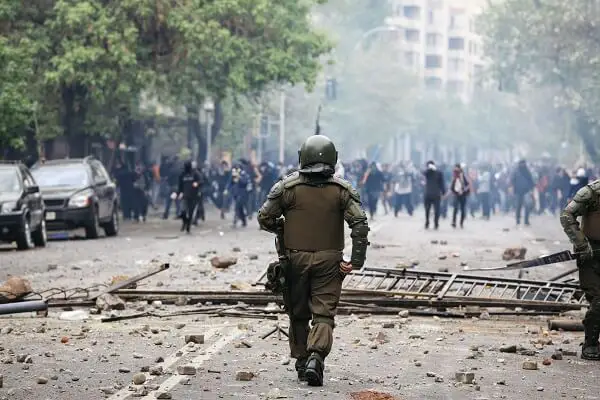
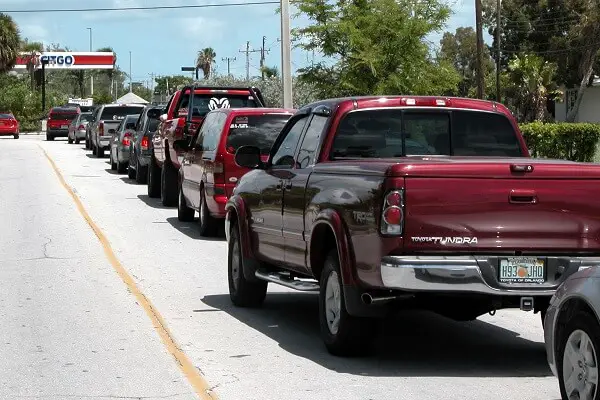


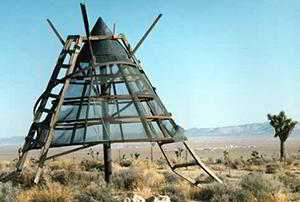
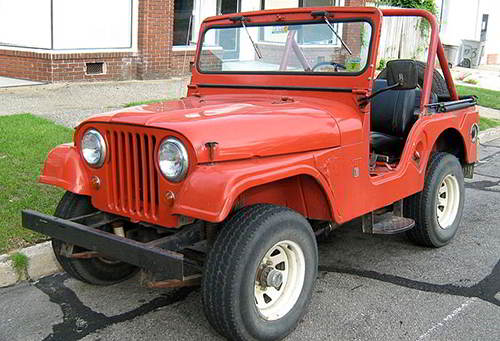
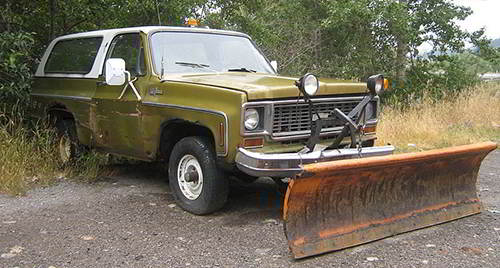
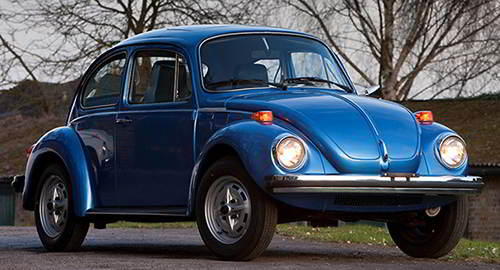


 Preppgroup