First take a look at one of the most shocking videos in the world! This video actually shows us what the secret of the Trump family is related to their expressive health!!! –FULL VIDEO HERE
For those professing a preference for one type of government over another, anugly reality is they all cut from the same cloth. Whether we are talking about Democracy,Communism, Socialism, or Fascism the strong link they share is one of dominance and a desire to control. While seen as vastly different systems with distinct goals, each is rooted in the promise people should sacrifice as needed for “the greater good.” The main flaw in a democracy is that it allows a simple majority to force their desires upon others. This is why our forefathers set checks and balances in the Constitution, however, even these do not guarantee freedom will remain.
Today, the burden of risk and the amount of “skin in the game” is not equally shared by all of society. Over time our financial system and institutions have been corrupted by crony capitalism and a political system that panders to the masses by exchanging favors for baubles. It could be argued that those in power don’t have to take away our freedom by force if we are willing to surrender it or trade it for a few paid weeks off work. Nor do they have to be fair in how they go about this if they simply get a majority of the populace to go along with their plan.
The suspicion governments are self-serving creatures is apparent in the old school British imperial definition of “commerce” which used free trade as a cover for the military dominance of weak nations. Those put in a position of being exploited often saw this as simply a ruse promoted by those wishing to abuse them. In short, opening borders and turning off protectionism simply makes it easier to rob countries of their wealth. America, a wayward child of England, has been accused of following this same path.
In my last article titled, “The first Global Inflationary Depression Is Possible” a case was made that the world was headed towards an economic crisis due to several factors. The problem is that such a scenario encompasses all aspects of life, from food and energy, to supply chains, geopolitics, and possibly even war. This article is an effort to offer up some ideas on how governments might respond to such an event based on current trends and some of the events that have occurred during the covid-19 pandemic. If we accept the idea that governments are self-serving and that a huge majority of the people suffer during an economic depression, we should expect frictions to develop as the populace seeks solutions to ease their pain.
Sadly, governments across the world have overreached and crushed the rights of individuals during the pandemic. People have been denied the ability to travel, locked in their homes, followed by drones, and even been jailed. This may have been just a taste of what we might expect if governments are put under pressure to perform. Many people have pointed to the fact that in the past “war has been the go-to answer” often used to take our eyes off of problems. Hopefully, that will not be the case, however, many of the other options possible in the age of almost total surveillance do not seem much better.
Gone viral! – Inside the Trump Family: Unraveling the Mystery of Their Unstoppable Energy and Robust Health!
It is wise to remember that when all is said and done, those in power will not be kind to us but they will rapidly throw us under the bus without a thought. Silencing dissidents or those that protest or disagree by limiting free speech is only a start. Lock-downs and curfews take on a whole new meaning when harshly enforced. They can include things like house arrest, cutting power, links to the internet and communication, and even water to areas where unrest gets out of hand. You can expect governments to remove anything that gives us the power to control our fate.
The topic of our future and culture always circles back to and is directly linked to the issue of jobs vanishing as automation and an army of robots march into our workplace. This can result in a future that takes on a very grim dystopian appearance. The fear of being replaced by a robot or seeing your job being outsourced or eliminated is on the rise. Do not be surprised if in the end those displaced from the job market are only given enough to ensure they remain docile and behave. If and when this becomes an issue conflict and violence will arise.
While some people credit Rahm Emanuel with the saying, Winston Churchill was the first to say, “Neverletagoodcrisisgotowaste.” He said it in the mid-1940s as we were approaching the end of World War II, and history indicates those in government have taken heed. The one thing we can count on is that when things crumble, the old, “we should have done more” or the “it would have been far worse” lines always flow forth from those in charge. Under this logic, we should be prepared to be subjected to massive abuse by those with strong agendas.
Possibly, one of the most dire threats we face flows from the combination of big tech and those in pursuit of the highly touted one-world agenda. This brings together a slew of organizations, governments, companies, wealthy, individuals, and bankers with the goal of expanding their power. The gathering in Davos of the World Economic Forum is not for our benefit but more for plutocrats like Facebook’s Mark Zuckerberg and Amazon’s Jeff Bezos that desire to “break the world” with their ruthless agendas to bring more political power into their hands. Recently a great deal of attention has been given to some of the ideas and vision the WEF has floated. One of the most powerful became visible when WEF public relations released a video entitled: “8 Predictions for the World in 2030. Its 2030 agenda offers a telling glimpse into what the technocratic elite has in store for the rest of us. It promotes the idea that by 2030 “You will own nothing. And you’ll be happy.
How do you begin to fight or turn back a force that has even incorporated and leveraged the ever-present smartphone as an ultra-powerful surveillance device? By developing programs to organize phone data so that it provides real-time intelligence on every citizen, and using it to guide and influence our actions the power of the state has been deeply enhanced. The digital age has made it far easier for government to seize our computers and records to shape a case against anyone by massaging the data as they see fit. The reason we hear so little criticism of these actions from our government may be that we are next in line to have our freedom culled. Governments are not the friend of the average man. Orwell wrote about how governments could take on a life of their own and criticized totalitarianism throughout his writings.
What is the Most Powerful Force on the Planet?
Totalitarianism, the most extreme and complete form of authoritarianism is a political concept that defines a mode of government, which prohibits opposition parties, restricts individual opposition to the state and its claims, and exercises an extremely high degree of control over public and private life. Political power in totalitarian states is generally pushed by those on the far left or right with strong agendas and an all-encompassing propaganda campaign, which is disseminated through mass media. Signs of its growth are often marked by political repression, growing control over the economy, restriction of speech, and mass surveillance.
Of course, a huge step in individuals losing control over their lives would be the adoption of a single world currency.Those in charge of our financial machinery have indicated to the public their desire for more power. This means creating a truly global centralized economic system and a highly controlled world currency framework dominated by a select cult of banking oligarchs. This would, in effect makes the rest of the human race their slaves. The banking elites are positioning themselves to avoid blame for a disaster in which all fiat currencies fall in value by selling us on an elaborate recovery con-game which includes converting to a new worldwide currency. Remember, this is conceived and perpetuated by those with the most to gain.
For years the IMF has been discussing replacing the dollar with the SDR as the world reserve currency. It would require governments to borrow from the world central banking authority, rather than printing currency to finance their infrastructure programs. With governments floating the idea of going cashless and to digital currencies, this would give them even greater control over our lives. To be clear, the elites are positioned and merely waiting for a geopolitical disaster or catastrophe so overwhelming that when the time arrives they can portray themselves as our saviors by carrying out this plan.
This is all part of the New World Order and globalization idea pushed by many of the rich elite and world leaders. It contends that larger, more cooperative governments under one financial unit will benefit us all. The fact is Americans have a great deal to lose if the dollar is dethroned and declines in value. Those who will be crucified are the middle-class Americans whose wealth is locked into or are holding long-term USD bonds thinking they are a safe investment. To Americans, the fate of dollar-dominated assets and their value when the dust finally settles should be a huge concern but most Americans fail to grasp the implications.
The transition to a world currency would take a far greater toll on paper assets than tangible goods. While recognizing the flaws of the dollar and our current system I have come to believe the other fiat currencies such as the euro and yen hold even less merit. This includes cryptocurrencies such as bitcoin. Regardless, in the end, we should expect to be told and not given an option as to what is coming. If events unfold in the way those promoting a one-world currency hope, they will be able to portray cleaning up a financial mess as a blessing. The truth is, they will benefit greatly from putting a dagger in the heart of freedom. This is not written to frighten or as a prediction of doom but to dampen any illusions those at the top value those below them.
There’s little doubt that, once the dust settles, the post-collapse life is going to be tough. Most of the conveniences we take for granted today will be hard to acquire, regardless of whether or not money will still be worth anything. People who want them will say and do anything, people who sell them will come up with all sorts of strategies and you need to be prepared because, no matter how prepped you are, it’s still likely you’ll end up in desperate positions. That is why it is important to know how to barter.
Without currency to set value, how will you get the things you need? Image via epSos .de on flickr.
In what follows I want to give you a few solid bartering and negotiation tactics and techniques that will help you get food, water or medicine when you’ll need them most. However, if you truly want them to work for you, you have to practice them. Reading them just isn’t enough, that’s why included a special section at the end where I suggest how you can do that.
Top 10 Barter Items To Stockpile
Item
Why It’s Great For Bartering
1. Bandages
First aid items are very valuable, especially care for larger wounds since they will require more dressing and frequent changes.
2. Batteries
AA and AAA are popular sizes for flashlights, headlamps, radios, and numerous other electronics. Batteries inevitably run out so these are a surefire need after SHTF.
3. MREs
Food. Need we say more? Keep in mind that someone desparate for food is very vulnerable and use caution when negotiating a deal.
4. Duct Tape
Infinite survival uses, including splinting a broken bone, repairing a tent, fletching an arrow, and marking a trail. An entire roll of duct tape should yield a high value in a trade.
5. Zip Ties
Versatile and strong, zip ties are great for hanging gear, securing shelter, fixing clothes and shoes, and more. It’s easy to carry a large number of them and separate into smaller bundles to trade.
6. Fish Antibiotics
Fish antibiotics can be purchased OTC and contain the same ingredients as human antibiotics. For more information on types and dosages, check out Fish Antibiotics For Humans: A Safe Option For Your Survival Kit?
7. Condoms
In addition to contraception, condoms have many survival uses such as carrying water (up to 2 gallons!), waterproofing gear, even a slingshot for hunting small game. They are also lightweight and easy to carry.
8. Water Purification Tablets
Since each tablet treats 16 oz of water, one bottle contains many bartering opportunities. Or trade the whole bottle for a larger item you need.
9. Waterproof Matches
Fire is essential to survival so waterproof matches can be a great bartering tool. You can also carry extra capsule lighters, such as the Everstryke Pro to add long-term value to your trade.
10. Button Compasses
Small and inexpensive yet very useful, especially in the absence of GPS or cell phone navigation. They can be used to find the way back to camp, locate family and friends, or to migrate to a new area.
Click the images to view on Amazon.
How To Barter After Disaster
Trade wisely to conserve your resources and obtain the things you need.
Forget About Meeting The Other Person In The Middle
For some reason, many negotiations end before they begin. One of the parties gives a number, the other gives another and they both know they’ll agree to the sum of their offers divided by 2.
Don’t settle for less than your fair share.
You can do better than that. The reason this happens is because they’re not taking into consideration other factors such as how bad one party needs what the other has to offer. Another thing you can do is find out as much as you can about your opponent beforehand.
The more you know about them and their situation, the more leverage you’ll have. And if you can’t find out much about them, it’s best to avoid doing any kind of post-SHTF deals. Those could be dangerous, anyway.
Start With A Lowball Offer
If you can do this and your opponent doesn’t turn around and leave, you just saved yourself a lot of money (or whatever you are using for currency). Starting really low means that the other party will eventually have to settle for a much lower price than if you’d started with something more reasonable.
Don’t Be Afraid To Walk Away From A Deal
Everything is a number’s game. Just because you need what the other person has to offer, this doesn’t mean you have to take it. You might find 5 or 10 other guys out there that will gladly take your deal and give you what you need, you just need to have the guts to end the negotiations and look for them.
Convenience is tempting but don’t be afraid to shop around for a better trade.
Most people don’t see it this way, though. They might say:
What? You mean I have to go through the pain of finding someone else, especially since I have this guy right here who can give me what I need?
Yes, that’s exactly what I’m saying. The reason you don’t want to do it is because it’s painful to think you have to spend more energy to find other people. But that’s the thing. If you can train yourself to do it regularly, if you allow yourself to play the numbers’ game, walking away from bad deals will become second nature.
It can be hard to walk away but your opponent is counting on that fact. Maintain the upper hand and avoid bad deals. Image via DieselDemon on flickr.
Throw In A Bonus
People love things they can get for free. If you feel you’re close to closing a deal but still not happy with it, how about giving away a small bonus? Maybe something from your get home bag that you already have plenty of at home. You never know what the other person needs besides your money or bartering items, this is why due diligence and talking to them are a must.
If your opponent looks hesitant, try sweetening the deal with a bonus item. Image via Ino_Paap on flickr.
Say “No” To Lowball Offers
We talked about giving really low offers but what if someone does that to you? This puts you in a weak position so the best way to counteract it is to simply say:
No, this isn’t an offer I might consider. If you can come back with a more decent offer, I’m open to negotiation.
If they like it, fine. They’ll give you a more reasonable first offer. If they don’t, like I said, there’re plenty of other guys who might be interested in the deal.
The More You Tell, The More You Sell
What I’m trying to say is, the more arguments you bring in your favor, the better you can justify the price. Particularly in the absence of money (read: bartering), it’ll be hard to put value on things. This is why thinking and then stating every possible reason that works in your favor will bring you one step closer to what you want, how you want it.
Be creative in how you talk up your item by explaining all of its uses and features in detail. Image via US Army Africa on flickr.
Make Small Concessions
If you started with a really low offer, there’s no better way to seal a deal than to give your opponent more than his new expectations. Of course, you shouldn’t do that if you think you can get a better deal but if you really want to wrap things up, making a small concession might bring the negotiations to a quick and happy ending.
Practice, Practice, Practice
Like any other survival skill, you shouldn’t wait for the end of the world to put into practice bartering and negotiations. You need to do it beforehand because when you’re desperate for food or water, your emotions will get in the way.
Some of ways to practice bartering and negotiations, include:
simulations with your family,
playing poker (it allows you to read people and develops your greed),
going to a flea market (you’ll find plenty of cheap things that you may need for your stockpile),
start a business (and negotiate every little thing with your supplies and partners)
…and, provided that you have something to offer that you yourself produce (honey, veggies etc.), try bartering them for other things.
Going into a deal with confidence takes practice. Learn it now in the comfort of a flea market without the pressure of survival on the line!
Conclusion
Just keep in mind that everything in this world is negotiable, you just need to have the right mindset. Understand the value of your own items and give a detailed explanation when trading. Know how to barter for the things you need and don’t be afraid to walk away from a bad deal. Teach it to your kids too, studies show that the sooner, the better.
I want to present you one of the most interesting sites, where you will see new articles daily! www.321gold.com
If there’s anything that certain, it’s that nothing is permanent. When we look back through history, we find that many great societies succumbed to societal collapse. Some have been conquered by outside forces, while others have decayed from within. In either case, the society or civilization has ceased to exist as it was once known. To think that the same can’t or won’t happen to us, is to deny one of the most important lessons of history.
The big question for you and I to consider, is whether it will be internal or external forces that ultimately bring about the demise of the United States of America. Currently there are no nation-states with a large enough or powerful enough a military to defeat us. Even if Russia and China were to join together to attack us, it is unlikely that they could mount a big enough amphibious force to guarantee success in invading our shores. The two nations together don’t have anywhere near the amphibious capability that was required to invade Europe on D-day, during World War II.
About the only way that a foreign nation could successfully attack the United States and defeat it would be via an attack by high-altitude EMP. That’s a very real possibility, which has been discussed elsewhere; so, I’m not going to bother spending time on it here.
But it may not be necessary for any foreign power to attack the United States, as we may very well tear ourselves apart, without their help. The political divide that is so prevalent in the US today is tearing this country apart, without any other help. The big question now, is whether it will continue or whether we will find some common ground again, where we can continue functioning as a nation.
We were treated to a sample of how this country could be torn apart a couple of years ago with all the Black Lives Matter demonstrations, a fair number of which turned into riots. I have nothing against demonstrations and believe that our First Amendment right to Freedom of Speech includes the right to peacefully protest. But that’s not the same as having a riot, especially a riot that is identified by theft, destruction and arson.
Unfortunately, we have those in the political system who see it as their duty to use their position to encourage unstable people in their following to engage in these sorts of activities. Not only that, but they are protecting those followers from paying the price for their crimes, while at the same time calling the January 6th incursion in the Capital building an “insurrection,” even though it was unarmed and the only person who was killed was a veteran woman, shot by the police. Justice in this country, at least when it is connected to politics, has become a two-tiered system, with the enforcement of the law being based on one’s political affiliation.
With that being the case, there are more and more people saying that we are headed towards another civil war. Should that war break out, it will be much nastier than the previous one, simply because the battle lines won’t be as obvious. Rather than the north verses the south, it will be the political left verses the political right and while there is some territorial division between the two, it isn’t as clear as it was in the last Civil War.
That lack of clearcut battle lines is what’s going to cause the biggest problem with the next civil war. Battles will break out in random places, as the opposing sides bump up against each other. Little of it will be cohesive warfare, fought by organized troops. Rather, it will be more on the order of ongoing riots, like what we saw with Black Lives Matter.
Should such a war start, it will not only take many lives, but destroy American society as we know it today. Law and order would be largely out the window, not only from the fighting, but from bureaucrats who try and use their position to further the cause of their side. We can pretty much forget about being able to count on the government for anything.
When Might This Happen?
The truth of the matter is that we have no way of knowing when such a breakdown might happen. From what we’ve seen in the last several years, there are plenty of people on both sides of the political divide who are more than ready to turn to violence when things don’t go their party’s way. While almost all of the rioting that has happened can be attributed to one side of that divide, most of the guns belong to the other.
One likely scenario is for the riot side to start tearing things up, due to something happening in the country which they don’t believe in. Interestingly enough, they only seem to do that in cities which are controlled by politicians who are agreeable to their cause. You don’t find such riots happening in cities where law-and-order politicians are in control, because they know that the price of their rioting will be a trip to jail.
If you don’t believe me, just look at what happened in Washington, DC on January 6th and the Congressional hearings that followed. The DC city government is in the hands of Democrats, as was Congress at that time. So the same politicians who winked at the riots which sprung out of the Black Lives Matter protests, were quick to arrest those who unlawfully entered the capital, calling it an “insurrection,” and spreading stories about how dangerous it was for Congress, even though none of those who entered the capital were apparently armed.
If there’s anything in this country which could lead to mass rioting it would be former President Trump winning the 2024 general elections. There is so much hatred focused against Trump in our country today, that there’s a good chance of his winning being all that is needed to cause widespread rioting. Considering how the hate towards him continued through his presidency, I doubt that there’s much anyone can do to keep almost constant protests and rioting from happening during his second term in office.
What Should We Do?
I think it’s necessary to say that it’s not our job to keep the peace or defend our country from those who would destroy it. As tempting as it might be to get directly involved, doing so carries a lot of risk. Remember Kyle Rittenhouse? He eventually won in court, since he didn’t break any laws and only shot in what can very clearly be seen as self-defense. But it could very easily have gone the other way. The mainstream media attempted to try him in the court of public opinion and had declared him guilty even before the bodies could cool. That attempt has cost those news outlets plenty, settling with Kyle for their underhanded attempts at character assassination.
On the other hand, we all have a God-given right to defend home and family. So, regardless of where you live, you need to be ready to do just that. If you happen to live nearby potential targets areas for rioting, either due to the political leadership there or the potential targets for the rioters to go after, you want to be doubly sure that you’re ready to defend your home.
Even with being prepared, the best protection you can possibly have isn’t standing there with guns locked and cocked, it’s not letting the rioters know that you are there. If they don’t know you’re there, they’re much more likely to leave you alone.
That means being able to lock yourself in your home and not come out until the riots are over. More than that, you need to be able to make it look as if nobody is home. That requires things like blackout curtains over the windows and noise discipline to keep them from hearing your television and your kids. At the same time, you don’t want to leave anything outside where they can steal it. Even your cars should be in the garage or hidden away behind the fence, in your backyard.
It’s hard to say just how long you need to be prepared to stay hidden away like that; but figure on a couple of weeks. If there’s one thing that can be said for any mob, it’s that they lose interest just about as fast as they come together to destroy. It’s unlikely that any riot will last more than a couple of days; but as I said, be ready for a couple of weeks.
The other thing we have to realize is that it may take months for any sort of true stability to be reestablished. If the rioting starts because of Donald Trump being elected as president, then it might very well continue throughout his term in office. That will make for a very long four years for anyone living in cities controlled by his political opposition. It’s really hard to estimate just how big the price tag will be on the destruction that is wrought by those who are enraged by his success.
Shocking, Gun Free Zone Sign Didn’t Stop This Tampa Gunman as Bouncer Stops Potential Mass Shooting!
I want to present you one of the most interesting sites, where you will see new articles daily! www.321gold.com
The threat of nuclear conflict, while often distant, remains a part of modern geopolitical tensions. This sobering reality necessitates a certain level of preparedness for individuals and communities. How does one even begin to prepare for a nuclear war?
Preparing for nuclear war involves understanding the immediate and long-term impacts, creating safe spaces like fallout shelters, stockpiling essential supplies, planning for family safety, and navigating post-blast scenarios.
Understanding how to prepare for nuclear war can be overwhelming, but knowing what to do can be the difference between life and death. Dive in to fortify your knowledge and be prepared for any possibility.
Understanding the Different Types of Nuclear Emergencies
In an era where nuclear technology plays a pivotal role in energy generation and defense, understanding the types of nuclear emergencies is crucial. These emergencies, although rare, can have far-reaching and devastating effects on human health, the environment, and global politics.
Nuclear Power Plant Accidents
Nuclear power plant accidents are perhaps the most recognized form of nuclear emergency. These incidents occur due to failures in systems, procedures, or components within nuclear power plants.
The Chernobyl disaster in 1986, caused by a flawed reactor design operated with inadequately trained personnel, and the Fukushima Daiichi nuclear disaster in 2011, triggered by a massive tsunami, stand as stark reminders of the potential risks.
These events not only release harmful radioactive materials into the environment but also trigger long-term socio-economic challenges and health issues. Radiological Dispersal Device (RDD) or “Dirty Bomb”
The threat of a “dirty bomb” involves non-state actors using conventional explosives to disperse radioactive materials. This type of attack aims more to create panic and disruption rather than cause significant casualties.
Nuclear Weapon Accidents
Accidents involving nuclear weapons, though exceedingly rare, carry the potential for immense destruction. These accidents can occur during the transport, storage, or handling of nuclear weapons.
A mishap in this category could lead to accidental detonation or leakage of radioactive materials. The consequences would be catastrophic, both in terms of immediate loss of life and long-term environmental impact.
Nuclear Material Theft and Sabotage
This type of emergency involves unauthorized access, theft, or deliberate damage to nuclear materials or facilities. The primary concern is that stolen nuclear materials could be used to create a nuclear weapon or a dirty bomb by non-state actors or terrorists.
Another aspect of this emergency is sabotage, where individuals or groups intentionally damage a nuclear facility, potentially causing a release of radioactive material. This could result from insider threats, cyber-attacks on nuclear control systems, or physical attacks.
Preventive measures include strict security protocols, background checks for personnel, and robust cyber security systems.
This refers to accidents that occur during the transport of nuclear materials, such as uranium, plutonium, or spent nuclear fuel. These materials are frequently moved between mines, processing facilities, reactors, and storage sites.
Risks include the accidental release of radioactive material due to collisions, fires, or other mishaps during transport. While transportation containers are designed to be extremely robust, severe accidents could compromise their integrity.
Emergency response involves containment, evacuation if necessary, and decontamination. Transport routes are often chosen to minimize the risk to populated areas.
Criticality Accidents
A criticality accident occurs when nuclear material accidentally reaches a critical mass and starts a chain reaction, like in a nuclear reactor, but in an uncontrolled environment. This can emit lethal doses of radiation.
These accidents are rare and usually occur in fuel processing facilities or research labs. They are often the result of handling errors or miscalculations involving highly enriched fissile material.
Immediate response involves evacuating the area and then assessing the extent of the radiation release. Long-term responses include reviewing safety protocols and implementing additional safeguards.
Nuclear Fallout from Detonations
Nuclear fallout refers to the radioactive particles that ascend into the atmosphere after a nuclear explosion and then fall back to Earth. This can happen after a nuclear bomb test or in a nuclear war scenario.
The extent and severity of the fallout depend on the size of the bomb, the altitude of the explosion, and atmospheric conditions. Fallout can spread over vast areas, contaminating land, water, and air, and can lead to long-term health issues like cancer.
Emergency measures include evacuation, providing iodine tablets to prevent thyroid cancer, establishing safe zones, and conducting long-term environmental cleanup and health monitoring.
Characteristics of A Nuclear Attack
A nuclear attack, involving the detonation of a nuclear weapon, is a catastrophic event with unique and devastating characteristics. Understanding these characteristics is crucial when you prepare for a nuclear war. Here are the key characteristics of a nuclear attack:
Explosion and Blast Wave
The most immediate effect of a nuclear detonation is a powerful explosion, creating an intense blast wave. This wave can demolish buildings, cause widespread destruction, and result in numerous casualties within a significant radius from the blast center.
A nuclear explosion releases an immense amount of thermal energy, resulting in a fireball. This thermal radiation can cause severe burns and ignite fires over a wide area, contributing to a secondary wave of destruction beyond the initial blast.
Ionizing Radiation
The detonation of a nuclear weapon produces intense ionizing radiation, including gamma rays. This radiation can cause immediate radiation sickness in people exposed at close range and increase the long-term risk of cancer.
Electromagnetic Pulse (EMP)
A nuclear explosion generates a high-altitude electromagnetic pulse (EMP), which can disrupt or damage electronic equipment and power grids over a vast area, leading to widespread communication and infrastructure failures.
Nuclear Fallout
Fallout includes radioactive particles that are lifted into the atmosphere by the explosion and then fall back to Earth. This radioactive debris can contaminate large areas, posing long-term health risks through exposure and contamination of food and water supplies.
Psychological Impact
The fear and psychological trauma associated with a nuclear attack are profound. The prospect of immediate widespread destruction, long-term environmental contamination, and societal disruption contributes to significant mental health challenges for survivors and responders.
Environmental and Global Impact
A nuclear attack can have long-lasting environmental consequences. Radioactive contamination can render areas uninhabitable for extended periods, and the potential for a “nuclear winter,” where smoke and soot enter the atmosphere and reduce global temperatures, can have global climatic effects.
Political and Social Ramifications
The detonation of a nuclear weapon carries significant political implications, potentially escalating conflicts and impacting international relations. The social ramifications include mass displacement, breakdown of societal structures, and long-term health care challenges for affected populations.
How to Prepare for Nuclear War
When you prepare for nuclear war, you are maximizing your chances of survival in the face of potential catastrophe. Beyond survival, preparedness for everyday issues helps reduce panic. A prepared individual can make informed decisions, ensuring safety even during chaos.
Proper preparation can be the key to survival in a nuclear emergency. This section shares crucial strategies, including building an emergency supply kit and formulating a family emergency communications plan, to ensure you and your loved ones are well-prepared for any nuclear eventuality.
Building an Emergency Supply Kit
The cornerstone of nuclear preparedness involves creating a comprehensive emergency supply kit. This kit should include basic supplies like water, non-perishable food, a first-aid kit, a flashlight, a battery-powered or hand-crank radio, extra batteries, and personal hygiene items.
Additionally, consider including items specifically for nuclear emergencies, such as a spare change of clothes for each family member and a trash bag for contaminated clothing.
Here’s a list of items you should have in your kit:
Creating a Family Emergency Communications Plan
Communication can be challenging in emergencies. Formulate a plan detailing how family members will contact each other and where they will meet if separated. This plan should include an out-of-state contact to relay messages and identify safe places to stay in case of evacuation. Familiarize yourself with the emergency plans of schools, workplaces, and care facilities.
Immediate Actions During a Nuclear Emergency
When a nuclear emergency strikes, quick and decisive action is imperative. This section focuses on the immediate steps to take, such as following emergency alerts and applying the principles of time, distance, and shielding, to minimize the risks associated with nuclear exposure.
Following Emergency Alerts
In the event of a nuclear emergency, timely and accurate information is crucial. Have multiple ways to receive emergency alerts, like through the FEMA app or local emergency management notifications. Stay tuned to local media and official channels for real-time information (NRC guidance).
Principles of Time, Distance, and Shielding
The key to reducing radiation exposure is minimizing time spent near the source, maximizing distance from it, and using shielding materials, such as thick walls, between you and the radiation. If outside during a nuclear blast, get inside immediately and stay away from windows
Finding and Creating Safe Shelter
In the chaos of a nuclear incident, finding safe shelter or deciding when to evacuate can be life-saving decisions.
The CDC advises getting inside a sturdy building quickly in a radiation emergency. The safest places are central areas of middle floors in multi-story buildings or basements, bomb shelters, and underground bunkers in houses. Avoid windows to minimize exposure to radiation.
Evacuation Plans and Considerations
Evacuation might be necessary depending on the severity and proximity of the nuclear event. Follow the guidance of local authorities regarding evacuation routes and destinations. It’s crucial to stay informed through reliable sources and follow instructions promptly.
You might be interested in discovering essential strategies on surviving nuclear war without a bunker.
Post-Emergency Procedures
The aftermath of a nuclear emergency presents its own set of challenges, including decontamination and addressing long-term health effects. This section provides guidance on post-emergency procedures, such as decontamination processes and seeking medical assistance, essential for navigating the road to recovery after a nuclear event.
Decontamination Processes
After a nuclear event, it’s essential to reduce radiation exposure through decontamination. This might involve removing and bagging contaminated clothing and showering to wash off radioactive particles.
Here’s how to effectively self-decontaminate:
Long-Term Health Considerations and Recovery
Be aware of the potential long-term health effects of radiation exposure. Follow-up with healthcare providers and stay informed about health advisories and resources available for recovery and support.
Exploring Alternative Preparedness Techniques
While traditional preparation methods have their place, embracing modern technologies and strategies can enhance your survival capabilities. Moreover, understanding varying perspectives can provide a holistic approach to nuclear preparedness.
Modern Technologies: Geiger Counters and Other Equipment
Incorporate technology into your preparedness plan. Geiger counters, for instance, allow real-time monitoring of radiation levels.
Consider investing in solar-powered chargers or backup battery systems to keep essential devices running.
While technology offers advanced tools, always have manual backups, ensuring functionality even when modern systems fail.
Evacuation Strategies: Urban vs. Remote Locations
Your evacuation plan will vary based on location. Urban areas, with their dense populations, might necessitate swift evacuation, while remote areas offer natural isolation.
Plan routes that avoid potential hotspots, ensuring safety during movement. Consider establishing multiple safe points, allowing flexibility based on the evolving situation.
Traditional Wisdom vs. Scientific Preparations
While science provides proven strategies, traditional wisdom and ancestral knowledge can offer valuable insights. For example, indigenous populations have survived in harsh environments for centuries, relying on native techniques.
Merge the best of both worlds, ensuring a diverse and comprehensive approach to preparation and survival.
Embracing Preparedness Without Fear
The idea of preparing for a nuclear event, while daunting, isn’t about fostering fear; it’s about embracing empowerment. Knowledge and preparation are your best allies, turning the unimaginable into a challenge you’re equipped to face.
Taking proactive steps ensures not only your survival but also a semblance of normalcy in a post-nuclear world. Remember, it’s the combined strength of individual preparedness and community unity that will light the path forward in the face of the unthinkable. Stay informed, stay prepared, and above all, stay united.
With the global economy hanging on by one rusty and wobbling wheel to the triple loop roller-coaster rails we are on; paper money is no longer a wise investment. For those who see the writing on the wall and even the less pessimistic, holding precious metals in the form of Gold and Silver are a time-tested hedge against inflation, currency manipulation and bank defaults. You can’t help but hear the advice of financial professionals who are saying you should buy gold at the very least as part of a diversification strategy. There are numerous opinions about this and I for one am convinced that at some point in our future, the dollars in my bank will either be worthless or unobtainable for a variety of reasons. If the economy finally does go off the rails, precious metals are what we in the prepping community are looking to as our monetary bumper guard.
When this happens, people who have prepared by purchasing Gold and Silver for their financial security will be all set, right? That is what we all think about but it got me to thinking. Let’s take the hypothetical scenario that you have purchased 10,000 silver American Eagles and they are hidden safely away somewhere that only you and your spouse know about. You wake up tomorrow morning and we are hit with a Weimar Republic type of scenario. Banks are closed for weeks and thousands of dollars won’t buy a loaf of bread. The way of life we once knew is completely gone and now you have one of the only forms of money that will buy anything. You figure you can go down to the local market and buy or barter for anything you want with some of your shiny American Eagles. There may be a few problems though.
How do you know if the metals you are trading for are real?
One of the first issues I can foresee with a new economy based upon precious metals is the risk of forgery. I assume this has been the case throughout time since money was invented and began to be circulated as a suitable method for payment. Do you know how to test a gold coin to make sure it isn’t fake? What if a total stranger offers you a gold coin for two of your best shotguns you were keeping for barter. Will you know if the yellowish coins he is giving you are real? What if a woman offers you two old-looking silver coins with some woman on the face and tells you that they have been in her family for years. Will you know if they are real or forgeries from China? These could be more risks with bartering that you need to consider.
Testing precious metals is fairly easy if you have the knowledge and supplies. There are several methods for each and I will go into a couple for Gold and Silver. If you think you may encounter a situation where you might be faced with trading large or even small amounts of precious metals, it may be wise to invest in a digital scale to verify the weight. A silver (troy) ounce coin should weigh 31.10 grams and simply being able to verify that the coin someone is trying to trade you for weighs close to what it should weigh could give you a quick indication as to the authenticity.
To quickly test gold you can purchase a Gold testing kit which comes with a variety of acids. These acids are in marked bottles and each reacts differently to different types of metals. With one of these relatively cheap kits you can test Gold, Silver and Platinum and even know the quality of the metal from 10K to 22K.
To test the gold you simply drop a small drop of the acid onto the coin or bar and the acid reacts when the gold is real and the correct acid will react to the correct Karat or purity of gold.
This is a short video that illustrates the process.
You can test Silver with the same kit mentioned above or there are some other less sophisticated methods that are supposed to work also. I found a nice article that describes 3 quick ways to help tell real Silver from Fake Silver.
The Ring Test
Silver has a nice ringing sound when it is tapped. If it is a coin, you can flick it into the air. Alternatively, you can gently tap it with another coin. In both instances, you should hear a high-pitched bell-type ring that lasts about 1-2 seconds. A fun way to try this is with a U.S. quarter from the years 1932-1964, which is 90% silver, and with a modern U.S. quarter (post 1965), which is 91.67% copper and 8.33% nickel. The silver quarter ring will be much higher-pitched compared to the dull ring of the copper quarter. Be careful when doing this with whatever coin you are testing so as not to ding or damage it.
The Ice Test
In addition to having the highest electrical conductivity of any element, silver also has the highest thermal conductivity of any metal. If you place an ice cube on a silver coin or bar, the ice will begin to melt immediately. Obviously, ice will melt if placed on anything at room temperature, for example, but if placed on silver it will melt much more quickly and impressively. Try it!
The Magnet Test
Silver is not magnetic. If you place a strong, rare-earth magnet called a Neodymium magnet on a silver coin or bar, it should not easily stick to it. If you are testing bars, you can angle one at 45 degrees and let the magnet slide down. It should slide down very slowly. If it sticks or it slides very quickly, it is not silver. However, keep in mind that just because the magnet does not stick does not necessarily mean that it is silver.
I found another video that describes a couple of magnet tests for silver and how to use them.
How will you carry your Gold and Silver?
OK, now you know how to verify if gold or silver is fake but in a post collapse world there will still be risks that you might want to consider. You will be your own ATM because there won’t be a strong building to store your precious metals in until you need them. You will be responsible for storing, hiding most likely and keeping your wealth safe from people who want to take it. There will no longer be the illusion of safety that the FDIC provides to your deposits. If someone steals your gold and silver, it’s gone. There isn’t any getting it back unless you find the person who stole your money and take it back.
There are a lot of strategies for hiding your money but probably the most important concept would be to make sure you do not hide everything in one place. If you are going to hide your silver, make sure there are several locations. I would recommend a minimum of 3 locations with varying sizes in there.
For example if you were bugging out on foot and had to take all of your money with you the risk that you might be confronted on the road is higher after the SHTF. Do you want to have all of your silver in one pack? Probably not. If you aren’t alone, you could have different caches of your money so that if the bad guys ask for your money you could give up one bag but the other two would be OK. I might recommend having three so when you give them the first bag and they inevitably ask for the second you still have your third in reserves. Who knows if this will work but it does give you options. You could do the same with weapons, food or any other survival cache you have planned.
Hopefully this gives you something to think about as you prepare for whatever is in our future. If you are considering stocking up on precious metals, the points above may help you out one day.
I want to present you one of the most interesting sites, where you will see new articles daily! www.321gold.com
There have been several advocates, particularly post-pandemic, for a cashless society (if not world). Motivations for a cashless society are not limited to the control of financial crime of course, although it may be principal among them. From a financial crime control perspective, the logic behind a cashless society is supposedly that because cash has been and is used extensively in the commission of financial crimes (notably dealing in the proceeds of crime offences (money laundering)), cessation of physical currency exchanges would abrogate this risk.
This article reviews the possibility of a cashless society and its effect on financial crime and suggests that although physical currency is obviously used in money laundering (especially in its more unsophisticated emanations), it is naïve in the extreme to expect that a business, industry or country ceasing to use physical currency will do anything other than displace any financial crime away from that particular methodology. It then goes on to argue that the only real beneficiaries of a cashless society are the financial institutions and suggests that a more appropriate approach to deal with financial crime is to resource better the various agencies involved in the investigation and prosecution of financial crime.
Financial Crime Control and Displacement
Preventing one possible financial crime typology is not the same thing as preventing financial crime more generally; does preventing financial crime via the use of physical currency mean that criminals will consequently not engage in tax evasion or money laundering? It is suggested not. If it is assumed that cessation of transactions using physical currency stops financial crime involving physical currency, what do criminals do then? This is precisely the question with which the criminological Displacement theory is concerned.
The Displacement theory argues that removing the opportunity for crime or seeking to prevent a crime by changing the situation in which it occurs does not actually prevent crime but merely moves it around. Whether displacement occurs is said to be largely determined by three factors: offender motivation, offender familiarity and crime opportunity. Offender motivation determines which offenders and types of crimes are likely to be displaced. Assuming that offender motivation remains unchanged by such action, it is plausible that, in being denied one opportunity, a motivated offender will simply target another. Alternative opportunities might be found in other geographical locations (spatial displacement), at other times (temporal displacement) or for other targets (target displacement). They may be made possible through the use of methods or tools not previously employed (tactical displacement), or an offender may focus on a different outcome, such as committing theft against the person rather than a burglary (crime type displacement). These five types of displacement were first defined by Hesseling (Hesseling R, “Displacement: A Review of the Empirical Literature” in Clarke RV (ed), Crime Prevention Studies (Monsey: Criminal Justice Press, 1994) vol 3). Later, a sixth typology was coined by Barr and Pease, namely that those offenders who are not arrested may easily exploit the opportunities that their incarcerated counterparts would otherwise have taken advantage of (Barr R & Pease K, “Crime Placement, Displacement and Deflection” in Tonry M and Morris N (eds), Crime and Justice: A Review of Research (Chicago: University of Chicago Press 1990) vol 12).
Noting the almost infinite number of ways (if not infinite by virtue of new technology as and when it develops) financial crimes may be committed, it is difficult to understand how cessation of cash transactions will do anything other than potentially prevent some unsophisticated financial crimes but otherwise, simply displace sophisticated financial crime to other methods. The writer has already observed a rise in fraud and cybercrime since responses to COVID-19 (See Leighton-Daly M, Controlling the Rise of Financial Crime During the Pandemic: What has Changed?). Since then, AUSTRAC have released their own guidance too in relation to the Optus data breach.
Cashless doesn’t mean free
From the point of view of the consumer, cash – except insofar as financial institutions charge them to access it – is a free currency to buy and sell goods and services. This is not true in relation to cashless transactions. According to the Reserve Bank of Australia, the data show that the cost of accepting a card payment is dependent on the type of card used by the customer and the scheme through which the transaction is processed but not free. Payments made through the domestic debit scheme, eftpos, are generally the least expensive, costing merchants an average of 0.3 per cent of the transaction value (December 2019 quarter). This compares with an average merchant fee of 0.5 per cent for Visa and Mastercard debit card transactions, and 0.9 per cent for Visa and Mastercard credit card transactions. The three-party card schemes, American Express and Diners Club, are the most expensive, with average merchant fees of around 1.4 per cent and 1.8 per cent of the transaction value, respectively.
Assuming that that the Displacement theory is relevant to financial crime, it is financial institutions who will stand to gain the most from a cashless environment rather than relevant agencies and the community more broadly. Of course, there may other valid motivations at least for cashless transactions if not a cashless society – including a general increase in declared assessable income for direct and indirect taxation purposes for example – however the idea that it is a financial crime panacea is unrealistic.
Resourcing the regulators
Interrogation of data generated by cashless transactions can already be overwhelming for financial institutions and regulators alike. Anecdotally, the writer is aware of criminals ensuring the lodgement of suspicious matter reports (SMRs) to AUSTRAC to either try to legitimise transactions or at least overwhelm the regulator. No doubt financial transactions records and SMRs are an essential component in the detection, investigation and prosecution of financial crime. At least as important, it is argued, is the proper resourcing of the relevant agencies noting that there are many ways detection and investigation processes can be utilised even in relation to physical currency transactions to detect and investigate financial crime.
Although there may be valid motivations, at least for some cashless transactions, it is naïve to expect that a business, industry or country in ceasing to use physical currency will do anything other than displace financial crime away from that particular typology. Financial institutions on the other hand would benefit as the cashless facilitators. Rather than to behave in a way that may simply displace crime and force criminals to exploit new technologies further to avoid detection, a more appropriate approach it is suggested is to simply resource better the various agencies involved in financial crime detection, investigation and prosecutions.
Ask any financial advisor, and they’ll tell you that you should have at least enough money in savings to cover three months worth of bills. That’s before you start working on any real investments. We are all prone to the possibility of losing our jobs, having a downturn in our business, or having an accident that keeps us from working. Should any of those things happen, that money would keep us afloat, while we got a new job or made other financial arrangements.
There’s nothing wrong with that advice, from a purely financial standpoint. If you or I should suffer any sort of personal catastrophe, it is likely that we will need money to help us through. That’s the idea behind such advice and it’s good advice up to a point.
The problem is that advice doesn’t take into account anything other than a personal financial crisis. Should we find ourselves dealing with any other sort of crisis, that money may not do us the least bit of good. That would be especially true in a situation where we are faced with a financial collapse or the general breakdown of society.
In those cases, there’s a very strong possibility that people won’t be accepting cash and may not be able to accept payment electronically. So much for that cash reserve; doesn’t look too useful in that light.
Even so, the basic idea of having a reserve is a good idea. I mean, isn’t that what we preppers do all the time? Isn’t the foundational premise of prepping that of making sure we stockpile things of value in good times, so that we will have them available to us in the bad ones?
So how do we keep our money safe, through those situations, while also keeping it accessible so that we can use it when those situations arrive? That can be challenging, but there are some strategies that we can use:
As Far as Cash Goes
To start out with, always keep some cash on hand. There are many emergencies we can face in life, which can be solved by just having cash. If you can, try to have about $1,000 in your home at all times. If that’s too much, then keep what you can.
When a disaster first strikes, chances are pretty good that you’ll need some cash, even if it is for nothing more than to fill your gas tank. Even in cases where there is a total collapse of society and our monetary system, people will still accept money for a few days. The trick is noticing that you’re in such a time and spending the money on anything you need, before people decide to not accept it anymore.
The other advantage of keeping cash on hand is that it won’t be affected by a run on the banks or the banks closing down. Considering how low interest rates have been the last couple of years, it’s not like you’re losing money by having it hidden in your home, rather than having it hidden in a savings account somewhere.
Buy Ahead
Any other money that you have needs to be invested. But just how should you invest it? You need an investment that not only protects your money from market forces, but also protects it in the midst of a major disaster; what we call a TEOTWAWKI event.
Of course, investing in silver does that, but that doesn’t mean that you want to invest all our money in silver. Personally, I’d recommend against it. It may take time, after a disaster, for people to start accepting silver in trade. During that time, your silver isn’t doing anything for you. It’s just sitting there, taking up space and requiring that you keep it safe.
Here’s a different way of looking at that: invest in buying things that you’ll need sometime in the future, by buying them today. Doing so means that you are able to buy those things at a cheaper price, than if you bought them in five to 10 years. Then, when you use those things, you can take the money you would have had to spend on them as a profit.
The key here is knowing what you’ll need in the future. Buying a wheelchair, because you might need it in the future probably isn’t a good idea, because you really don’t know if you’re going to need it. The same can be said for many other things. Your investment has to be in something you’re sure you’ll need.
Make an Investment
Ok, so how do we get from that $1,000 to the three months worth of expenses that investment experts say we should have on hand?
We still might find ourselves in the situation where we need that money for a personal financial disaster, so it makes sense to have it. But at the same time, that much cash isn’t going to be useful in a TEOTWAWKI event.
The only way to accomplish both is to invest that money in something that is easily liquidated and will be valuable in both normal times and a post-disaster scenario. That means precious metals, specifically, silver.
While both gold and silver are easily converted to cash and will most likely be acceptable for barter in a post-disaster world, there’s a huge difference between trying to barter silver that’s worth $15 to $20 an ounce, and gold, that’s worth $1,500 to $2,500 an ounce. Unless you are trading for something valuable, like buying a vehicle or property, you’re going to have a hard time using that gold in a world where people are bartering for what they need.
While some people may be unwilling to barter for silver in a post-disaster world, especially at the beginning, there’s a high probability that it will gradually become the medium of exchange, as people become accustomed to the new normal. That may not happen quickly, but it will most likely happen.
One of the Best Investments to Make
Believe it or not, one of the best investments we can make today is food. While the overall consumer inflation rate has been hovering around one percent per year for the last several years, food has gone up by an average of eight percent. That’s a faster rise in value than just about any other investment you can find.
What this means is that if you buy $1,000 worth of food today and keep it for five years, it will be worth $1,469.33. That’s almost a 50% increase in value, assuming that the inflation rate of food remains constant. With a low overall inflation rate, that’s a huge amount of gain.
Investing in food does two things for you: it increases your stockpile, ensuring that you’ll have food to eat in the future and it provides a good investment. Since you will always need food, you won’t need to worry about being able to sell your food to someone else, in order to cash in on it.
You can literally “sell” it to yourself, taking the money you would otherwise have had to spend on food and use it for other things. In other words, you can invest $1,000 today and pay yourself back $1,469.33 or so in five years.
Expand that to Barter Goods
You don’t have to limit that investment to food either, you can also invest in barter goods of all kinds. Anything that is likely to be in shortage in the wake of a disaster is worth investing in. I’ll guarantee you, if I had known there would be a run on toilet paper, I would have invested heavily in it last December, before the rush.
In any post-disaster world, people will not only be looking for toilet paper, but a host of other things as well. If you’re the one who has them, then you can trade what you have, for what they need. People can literally become rich this way.
During World War II, people in the cities of occupied Europe would travel out to the farmlands with suitcases full of silver and other valuables, for the ostentatious purpose of visiting “family”. The family they were visiting were farmers, who were willing to barter hams, sausages, cheese and butter for silver on the black market. When the war was over, many of those farmers became rich, selling all the silver they had bartered for during the war.
The key, of course, is to have what people will need. While some things (like TP) are obvious, some are not. But even the obvious things may not be all that profitable, if there are a lot of other people who have it too. A hoard of 4,000 rolls of toilet paper isn’t going to be all that profitable, if you’re across the street from a warehouse full of 20,000 rolls.
To make sure that you have things which will be profitable to have, be sure to diversify. Don’t put all your eggs in one basket. Rather, select a number of different things that you can invest in to help ensure that you will get a good return on your investment.
Since this is a dual-purpose investment, I’d recommend trying to invest as much as possible in things that you can use. That way, if you never barter those things in the wake of a disaster, you can still make money off of your investment, just like we talked about with food. It might be 20 years before you decide to start using those 4,000 rolls of toilet paper, but when you do, you’ll save a whole lot more, by not having to buy it, than you invested in it in the first place.
“The price of tram rides and beef, theatre tickets, and school, newspapers and haircuts, sugar and bacon, is going up every week. As a result, no one knows how long their money will last, and people are living in constant fear, thinking of nothing but eating and drinking, buying and selling.” — Eugeni Xammar, Spanish journalist in Berlin, February 1923.
What’s worse than an all-out financial collapse? We’ve spoken a lot about economic collapses on this channel, but there is something worse than an all-out collapse hitting America and the world, and it is worsening by the day. It’s inflation. Typically, inflation is contained in one country or a group of closely intertwined nations. Normally, we don’t see inflation coupled with so many external forces coming together in a perfect storm- pandemics, lockdowns, an energy crisis, supply chain disruptions, and so forth. This isn’t the first global inflationary crisis, but it is the first with these modern fiscal controls, exchanges, and an intricately woven global supply chain. The inflation we are about to see worldwide is unique, and even expert economists readily confess they have seen nothing like it and cannot accurately say where or how it will end.
You have to realize that global inflation will mean more than just paying a dollar ten for the same goods that you paid a dollar for just a few months before. An inflation threat at this level has the potential to alter the economies of nations fundamentally. It threatens every aspect of our world from food, to land ownership, to government stability, to retirement plans, to simply surviving. Here we will explore how this inflation isn’t local to your country but a global problem right now, how we don’t have the tools to avert it, what is going to happen, and what you still have a little time to do to encourage your survival through it. Let’s explore what’s going on…
Please consider subscribing to our newsletter to give you updates and member-specific content.
A GLOBAL PROBLEM
Though many would turn their finger of blame on Biden, Merkel, Johnson, Macron, Putin, Jinping, Morrison, or insert the name of your leader here, the inflation crisis we are facing is much broader than one leader’s mismanagement. It’s much more significant than one country’s failings. It is far less contained and can’t be confined, this time, to one country’s or one region’s borders. Global inflation is so bad right now that many leading economists are revising their long-term projections and bracing for an extended, worldwide economic decline. It’s worse than expected and hasn’t yet been fully realized. Some economies around the world will likely fail as a result. In any massive economic shift, as we see here, there will be winners, and there will be losers.
To massively oversimplify what inflation is to understand it better, basically, climbing prices results in lower purchasing power. It’s the same basket of goods or the same service, but now it costs more, and you make the same or less, as some businesses make up for the loss of profit by slashing worker wages. Typically, inflation is measured using the Consumer Price Index (CPI). This is a standardized group of goods (food, shelter, energy, and other items) that provides a baseline for comparison. Every single index has been steadily rising. The energy index alone has risen 24.8% over the last 12 months. One of the most ominous indicators that an enormous inflationary storm is brewing on the horizon is that inflation is usually confined to one country or group of economically intertwined companies. That’s not the case with this storm. Even before the current supply chain and energy crisis, global inflation was projected at 3.5%– A number that is woefully in need of correction just a few months later. In fact, Trading Economics data from last month put the G20 nation’s average inflation rate at 7.66%. Even if you take out the troublesome economies of Argentina and Turkey, the G18 remaining countries average almost a 5% inflation increase.
No matter where you live, you likely are already feeling the effects. Gasoline in the US is up over 30% since the beginning of the year, and natural gas prices in Europe have soared 400%. The CPIs for over 100 countries worldwide are up just over the last quarter. The cost of everything is going up, carts are getting smaller, and the world still struggles to find its economic footing after the lasting effects of COVID.
Typically, to ease inflation, the Federal Reserve would simply raise rates to stave it off. Because the government has borrowed so much, increased debt, printed so much money, and kept rates forced low for so long, there isn’t anywhere they can turn. The toolbox of tools to control inflation is empty. If the Fed were to raise rates now in an already staggering economy struggling to get to its feet, bond prices, housing prices, stock markets would all falter, possibly even collapse.
When the US defaults on bonds because the interest is too high to continue rolling over into debt and the country’s credit rating is slashed, a spiraling collapse starts moving and accelerating. For years, the Fed’s only tool to fight economic collapse was to lower rates and fuel the debt party. You can’t take the patient off the ventilator if he can’t breathe independently, yet there are no more tools available. So, most governments worldwide are simply holding onto their chairs and bracing for the wild ride in hopes of discovering some, as yet unknown off-ramp or in the hopes that the current gears and valves all maxed out will hold up under the strain.
Again, though, this isn’t a uniquely American problem. Natural gas prices have soared 400% in Europe this year as they brace for a brutal winter. China refused coal from Australia and massively ramped up its production, causing prices for coal to plummet. That would be great, but most developed countries have been moving away from coal for decades, so the lower coal prices do them little good. Global supply-chain issues from labor to raw material shortages to shipping containers, port traffic jams, trains, and truckers persist. While it does appear that most of the world is emerging from its third wave of the Coronavirus and the numbers of vaccinations is increasing, some countries like the United Kingdom, Russia, Germany, Poland, and the Netherlands still struggle to get their numbers down. Corporations will seek to maintain profits by slashing labor and passing costs to consumers. The world is under a dark cloud of an inflationary storm, the power of which remains unknown. Any individual country’s efforts to alter the course, tweak their economy, or insulate themselves, aren’t enough to change their fate.
The shelter index indicates that we are about to see increases in rents and houses skyrocketing in price, especially in suburban and urban settings. But don’t think you can sell high and buy up cheap farmland because the cost of farmland is going up as the wealthy and corporations snatch it up as part of their portfolios. The current consumer faces poor job opportunities that require extensive experience or education while wages have been stagnant for over two decades. The everyday consumer faces ever-increasing healthcare costs and these higher rates of inflation. The cost of building a home has gone up considerably. For every six homes constructed right now, ten families are looking to buy a home. The shelter inflation rate in the US is up, and it’s up 26% in Canada. Housing in some major cities around the world will become out of reach for the average person. Corporations seeking to secure stable investments are in direct competition with consumers. At the current rate, investors will one day own most homes because land ownership remains the tool for the rich to stabilize their portfolios in turbulent markets. For more on that, see my video on why Bezos, Gates, and Turner are now farmers. I will link to that at the end of this video.
Expect the number of homeless to increase. Expect to see more people engaged in the van life, moving into micro homes and apartments, trying to buy land, or setting up a homestead. If you aren’t in a home already, expect prices to continue to increase and will likely become out of reach for the average consumer in the not so distant future. Expect that many will have to move in with extended family, friends or make some other group cohabiting plans to find a livable situation for themselves. Suppose the real estate bubble never pops, as many leading economists are beginning to realize, because institutional investors with deeper pockets continue to buy up homes away from average consumers. Let me repeat this last point because it’s important you understand. Many in this community are anticipating the housing market to burst similar to 2008. But an even worse scenario that is playing out is that house prices are increasing rapidly as corporations are finding that houses provide a reliable cash flow when yields in the typical investment markets are diminishing. In that case, many will be forced to rent, downsize, or find themselves on the streets even while some investor-owned properties are vacant. As governments turn to higher tax bills and prices go up, how long will some who are comfortably in their homes now reach a point where they can no longer afford their tax bill? You will start to hear more stories of regular people who have lived in their paid-off homes for years, losing their homes in retirement to taxes.
FOOD
Expect the number of people growing their own food, making their own alcohol, soap, cheese, and other items to increase. The demand for raw materials and equipment needed for these endeavors will also increase. We had a little glimpse of that when under lockdown, so many people explored canning for the first time. In the coming months and probably through next year, you will see the contents of your shopping cart getting less and less while the totals at checkout will stay the same or increase. Expect that the average consumer may not afford some staple items or processed foods that require labor, packaging, and distribution. Any shortages or price increases that lead to any panic buying of any kind will only fuel the fire further. It’s also worth noting that when food insecurity becomes an issue in a nation, that nation is setting itself up for failure as the common person will only endure a lack of food for only so long.
If food inflation is contained at just 10% over the next year, your $100 will only buy you $90 in groceries at the same time your rent, utilities, fuel, and everything else is going up, and your income has stayed the same or decreased. When it comes to food, the unprepared will have to learn to get by on less and will compete for anything in abundance, snapping up the available supply of many foods. And, if you have unknowingly slipped into the habit of buying foods out of season, as most consumers have, expect at least some of those items to no longer make it to your stores. After the rising labor costs, packaging, and transport, it might not be as profitable to ship grapes from Chile, asparagus from Peru, avocados from Mexico, sugar from Central America, or coffee from Brazil. Agricultural exports have barely maintained a spot above imports, but that may flip as corporate farmers have difficulty exporting their products for high costs when local consumers demand lower prices for the same product at home. Corporations will sell to the highest bidder even if the local population is hungry. Expect staple food items to cost more across the board and around the world.
ENERGY
The cost of producing and delivering energy to you will continue to rise. Heating and cooling your home will cost more. Trying to go solar will cost more. Even buying gasoline will cost more. The only solution is to try and consume less. While corporations struggle to maintain profits, they will often declare their energy consumption emergencies to justify it. All those alleged peak hours do, however, is allow them to make up profits by quadrupling rates. The prices for energy-intensive metals like nickel, steel, silicone are all skyrocketing. Synthetic fertilizer, mostly made from natural gas, has blasted up 300%, and that only further feeds the food price increases. Only some form of government intervention that mandates large-scale power cuts and rationing to specific sectors can curb current consumer demand and temper gas prices. Still, in a climate where distrust of government is at an all-time high, that’s not likely to happen.
WHAT CAN YOU DO?
There isn’t much you can do not to feel the impact of rising costs on everything, everywhere. Unless you are completely off-grid and self-sufficient, you will feel the effects. If you are prepping, you will be able to lessen the impact of global inflation. When you build a shelf-stable supply of food for a disaster, you are also providing yourself a means to make it through a period of high inflation. Prepping lessens the impact of global inflation in all aspects of your life. Turn to the basics of food, water, shelter, and energy. Make the changes now, out of choice, rather than when the herd makes the same choices out of necessity and drives up costs further as a result.
Such global strain on economies can result in massive political upheaval, civil unrest, even regime changes, as people are both desperate and myopically view global problems as locally caused. Make sure you have a security plan in place and have at least some plan should the need arise for you to bug out. Build your network and connections now. That can be a family you can rely on or just a collective of gardeners that all share their various harvests. The best way to stay out of the national and global change and policy shifts is to get local with your resources. It won’t matter if there is a shortage of eggs, honey, chicken, milk, butter, berries, or bacon if you have taken the time to find local sources.
Learn to forage for or grow something. If you haven’t found, harvested, and cooked a puffball mushroom, maybe you should go out this weekend and try instead of your usual entertainment. If you haven’t planted some sunchokes, a small container garden, or even a microgreens garden in your kitchen or apartment, the window to do so is closing. Learn that skill that can lead to a side job and more income for you or will simply just save you money over the long haul. You will be glad you did if the inflation continues to rise, but you won’t be able to when the masses are also trying to. The reality is, when the forecasters see global inflation and none of them are forecasting an end to it, people will either have to do for themselves or join the desperate masses and go without.
As simple as it may sound, take the time now to focus on your mental and physical health. Those are your number one preps that will help you in all other areas. We all know people who say year after year that this is the year they will make a change. We know many problems of physical and mental health are a result of lifestyle and personal choices. We also know that when we are stripped of everything, all that remains are our bodies and our minds. So, take the steps now to make these most critical preps as strong as they can be. That can be as simple as getting in the habit of walking or hiking, foraging, or meditation. It doesn’t have to be a dramatic change. You can start in the smallest of ways so long as you make efforts every day, but you have to start. Learn a skill, go on your walkabout, remove toxic people and things from your life and get a breath of fresh air.
Finally, take a hard look at your financial resources. Live your life now like you’re on limited funds. You might pass on the luxury purchases in favor of getting a few extra supplies here and there. This isn’t an investment channel, and I don’t offer any financial advice. That said, it would seem to make sense to look at your current spending habits and determine where you can modify those habits to meet the new realities of the rising cost of everything. As I said, there will be both winners and losers from both the inflation and the recovery. If a chunk of your budget goes to entertainment, it might be time to cultivate a hobby that will keep you entertained and produce for yourself and save you money. If you’re close to retirement, now might be the time to make sure all your retirement investments aren’t solely in the stock market.
CONCLUSION
So what can you do? You can learn to do it for yourself. That’s the essence of prepping, in my opinion. Sure, preparing for the massive disasters that can suddenly plunge our world into desperation and chaos is an excellent reason to prep. For many, that is the sole reason. Global inflation isn’t a disaster that overcomes us in a day. The mechanisms that lead to it have been smoldering in the background for months, years, even decades. The catalyst, the fuel that ignites a more significant fire, like a pandemic, lockdowns, and supply chain failures, is just the final piece to cast us out of our comfort zones and into unchartered territory. That’s where we are today, on the cusp of a slowly unfolding disaster called inflation. We can neither see its top edge nor know how dramatically it will impact our daily lives. We don’t even have a sense of the whole during these early days. The only thing we know right now with certainty is that we are only at the beginning of it, and we have few tools to prevent us from flying headlong into it.
To the individual who is either interested in Prepping or already knee-deep into preparing for any number of potential emergencies or disasters, security has to be one of your primary concerns. This is not any truer if you have a family than if you are all alone. The simple fact of life is that when people are scared, hurting or in some other way seriously under duress, the niceness of society disappears quickly. Someone who used to be your best friend will kill you if you are standing between food and their baby is starving.
It should be clear from any number of recent disasters where looting happened within days that you and your family need to plan for security wherever you are. Firearms are most commonly (and for good reason) associated with security. Are there other options? Sure, but I would rather have my trusty shotgun as opposed to a baseball bat and harsh language if there were a bunch of people trying to knock down my door any day. So, with that in mind, below are my list of the top 5 firearms you need to get your hands on now. This of course assumes you don’t have any firearms for personal protection and you aren’t philosophically opposed to defending your family’s life with deadly force if it comes to that.
#1 Shotgun
The Wilson Combat CQB Shotgun – When you have a lot of money to spend.
As I explained in my earlier post, if you only have the time or means to purchase one firearm to defend yourself and your family it should be a shotgun. Shotguns are everywhere and they are relatively inexpensive to purchase. Where is the best place to purchase a shotgun? You can walk into just about any WalMart and pick up a reasonably priced shotgun without too many people even blinking. Shotguns are pretty simple to use, hold on average 5-6 shots and come with a variety of ammunition options. For home defense or close quarters, a shotgun is very forgiving with respect to nervous aiming. By that I mean you don’t have to be very accurate with a shotgun to do some damage. Even the sound of racking the slide up and down can be an effective deterrent although many will disagree with that assertion. The two most common calibers are .12 and .20 gauge. The .20 gauge is usually recommended for women and smaller kids because the recoil is less.
In addition to home defense, a shotgun is perfectly suited for hunting both small game and larger animals with the right type of ammunition. Another plus is that shotguns are plentiful and the ammunition isn’t 4 times as high now with the recent talk of gun confiscation by the federal government. You can still pick up plenty of ammo and a nice new shotgun fairly easily. For the tactical minded prepper, you can even augment your shotgun with lots of accessories similar to your pistol or AR-15.
#2 AR-15
Speaking of AR-15’s… This would be my second choice if you have a shotgun already. There are several reasons for making an AR-15 next on your purchase list. The first is that this is the weapon you want to use in a variety of other solutions and its strengths lie outside of the shotgun’s sweet spot. The AR-15 chambered in 5.56 (will also shoot .223) gives you a highly flexible weapon platform. The AR-15 holds a higher capacity of ammunition so you will need to reload less often. When would you possibly need 30 rounds of ammunition? What if your home was being overrun by 50 people who had wandered off the highway from the town 20 miles away and they were deadly intent on taking your home and your possessions away from you? Or on the other end of the spectrum, what if a whole bus load of zombies was walking across the parking lot towards you. Wouldn’t you rather be able to take out 30 of the closest ones before you had to reload? The AR-15, unlike a shotgun is a medium distance hero. Where the shotgun is good for close quarters, you can’t count on hitting anything using a shotgun with any real power above 40-50 yards. The AR-15, in a competent shooter’s hand is excellent up to 300 meters on any day. I would rather take care of the bad guys when they are very far away from me and my family.
On top of its usefulness at taking out bad guys, it uses the same ammunition that your local police department, National Guard, military and now Homeland security use and are buying more of every day. The chance that you will be able to acquire some ammunition that is compatible with your AR-15 is very high in certain conditions.
Now, the rub is that because of the recent antics by some in our Congress, AR-15’s and the ammunition that go in them is harder to come by. It isn’t impossible though and you can still get an AR-15 for your very own personal use in most locations if you are willing to look around and wait a while. Where can you purchase an AR-15? You can still find quite a few at gun shows everywhere and even at places like Gander Mountain and Cabella’s. Dicks Sporting goods is not stocking them anymore I believe. Pawn shops and gun stores also have them in stock, but you will be paying a premium now unfortunately. I don’t believe this will change any time soon. If you are waiting for the price to go back to what it was last summer I think you will be out of luck. There are also places online you can purchase them and have them shipped to your local FFL dealer. The dealer will usually charge you a small fee ($25 is normal) for the transaction and long wait times are still going to be a factor. Ammunition is tougher to get and more expensive but it is still out there. Shop around online and go to your gun shows. My research shows that the prices are just about the same, once you add in shipping. Know what the price of 500 and 1000 rounds are before you go to the gun show so you can be a savvy shopper.
#3 Full-size Semi-automatic Pistol – .45 or .40
Glock 22 – Perfect as your sidearm or nightstand gun.
Pistols are usually the first firearm people choose for a few reasons. They are easier to handle, easier to hide and less wieldy in general. They are the weapon most of the good guys use in the movies so the natural inclination is to get a pistol and you will be all set like Bruce Willis in Die Hard. Pistols definitely have their place, but they would come after an AR-15 and a shotgun in my opinion. Why is that? A wise man once said that “a pistol is what you use to get back to your rifle”. Pistols are for close quarters and you want that to be a last resort. You don’t want to be that close to any bad guys. However, it happens and pistols are an important aspect of your survival battery of arms. Run out of ammunition in your shotgun or AR-15 and then you grab the pistol. Bad guy kicks in the door while you are asleep then you reach for the pistol close to the bed.
Why am I recommending .45 or .40 and not a .9mm? It comes down to stopping power really and I know I may get some blow-back on this topic. I have all three calibers, but if I could only buy one and I was buying this for home defense it would be a .40 caliber. Why not a .45? Well, for the simple fact that you can hold more rounds in the magazine of most .40 calibers because the rounds are a little smaller. That is also why I recommend a full-size and not a sub-compact if you only have one. My 1911 .45 holds 8 rounds and my .40 holds 14. It’s just that I like options and having a few more rounds gives you more options. What about the .9mm you ask? It can hold up to 17 rounds. Yes, and like I said, I have .9mm also, but if you put a big freaked out psychopath in front of me with a machete and told me to pick one gun to use to take him down I would pick up the .45 or .40 before the .9mm.
Where is the best place to purchase a pistol for home defense? Pistols are not as in demand as AR-15’s yet. I was just at Gander Mountain last week and they still had full cases of pistols in all calibers and models. The prices still looked consistent with what I would expect at that store and the only shortage I saw was of Glock. They only had one G27 on display. I personally like purchasing handguns from a gun show but you have to know what you are looking for and the price range you are willing to pay. At a gun show you have a lot more people competing for your business. I recommend finding the gun you are after at every booth, talking to the seller and getting a price. I found $200 worth of difference the last time I went for the same make and caliber of handgun so you should shop around.
Ammunition for handguns is ridiculous now and it’s running about 4 times as expensive as what it used to last year this time. My advice is to get two 50 rounds boxes of hollow-points at a minimum and put those away. After that, go to places like ammunition.com or my new favorite bulkammo.com and order in bulk to build up your supply. Make sure you have at a minimum 4 magazines for each gun also.
#4 Long-Range Rife
Large Caliber .30-06 will take down any game in North America. No matter how many legs it has on it. Perfect for hunting and long-range marksmanship.
When it comes to a long-range rifle, I am talking about between 300 and 600 yards now and this is primarily for hunting. They can also be used to take over where your AR-15 begins to fall short. If you start going too far past 300 yards, your AR-15 will need a little help. Can you still hit targets at that range? Sure but I would rather have a caliber that isn’t slowing down already. My personal recommendation for a long-range rifle is a .30-06.
For one reason, the .30-06 is capable of taking down any big game in North America. You won’t run into an animal that can’t be hunted successfully with a .30-06. Are there other calibers that can do the job? Of course, but in addition to being a great all around hunting weapon, the .30-06 is also a common sniper caliber for police forces.
Where can you purchase a good hunting rifle? They are everywhere from WalMart, Dicks, Cabella’s, Gander Mountain and the local neighborhood pawn shop. You don’t generally need a license to purchase a long rifle and they have lots of use. The ammunition is going to be more expensive, but if you are hunting with this rifle, you will need less; unless you are a horrible shot.
#5 .22 (Pistol and Rifle)
The .22 is great for two things in my mind. In a rifle, the .22 is perfect for small game or varmints. A pistol is great for practice or for use by smaller children. A .22 is a great addition because you can use this to practice your accuracy and not spend a fortune on ammunition. While it is still way more expensive than it used to be you can buy hundreds of .22 ammunition for a fraction of the more common calibers. Additionally, if they ever do try to take away guns, they might leave you with a .22 and something is better than nothing.
Honorable Mentions – Also known as if you have money left over… try these on for size.
Mosin Nagant
The Mosin is a Russian rifle used primarily during WWII and routinely runs around $100 each. For the life of me, I could never find too many of them but if you have no other option, a Mosin is a great rifle to have and could pull dual duty as a hunting rifle or a backup battle rifle. Of course, there are many limitations with the latter approach.
Concealed Carry (.380)
Yes, I do believe every legal firearm owner should carry concealed. In my recent post on the subject I explained all of the reasons I think this is wise and good for society, but it would be one of the last firearms I chose. The reason is that for most people, carrying concealed isn’t a comfortable option unless you have a much smaller weapon. The .380 is perfect and can easily fit in a pocket or purse, but the capacity and stopping power are much lower.
To those of you, who actually finished this post, thank you for reading! I am eager to hear any comments from you on my opinions and what ideas you have for your own personal top 5.
This article was first published in 2020, but recently updated
The WEF was Instrumental in Closing Down the World Economy and Now They Want to Revamp It
The World Economic Forum (WEF) has just made a grandiose discovery and declared (21 July 2020) under the alarming title “This is now the world’s greatest threat – and it’s not coronavirus”. The superb discovery is listed as “Affluence is the biggest threat to our world, according to a new scientific report.”
This “shocking and revealing news” is the “main conclusions of a team of scientists from Australia, Switzerland and the United Kingdom, who have warned that tackling overconsumption has to become a priority. Their report, titled Scientists’ Warning on Affluence, explains that “affluence is the driver of environmental and social impacts, and therefore, true sustainability calls for significant lifestyle changes, rather than hoping that more efficient use of resources will be enough.”
So as to better understand the context of the WEF statement, lets backtrack a bit. On June 3, 2020, WEF founder and executive chairman, Klaus Schwab, presented what the WEF and all the elites and oligarchs behind it call The Great Reset:
“The world must act jointly and swiftly to revamp all aspects of our societies and economies, from education to social contracts and working conditions… Every country, from the United States to China, must participate, and every industry, from oil and gas to tech, must be transformed. In short, we need a ‘Great Reset’ of capitalism.”
According to author Matthew Ehret-Kump, the gathering included elites from “the IMF, World Bank, UK, USA, corporate and banking sector” all looking “to take advantage of COVID-19 to shut down and “reset” the world economy under a new operating system entitled the Green New Deal.”
Gary Barnett writes on July 16, 2020
“…This is the most dangerous time in the history of man. The seriousness of this plot cannot be underestimated. It is not due to any threat of conventional war or nuclear decimation, it is based on the fact that this is a psychological war waged by psychopaths against all mankind, and it is being advanced by a small group of monsters that have taken control of the minds of the masses through long-term indoctrination and policies meant to breed dependency.”
And,
“Fear is the new weapon of mass destruction, not because it is legitimate, but because the people have lost all will to be free, have lost all ability to think, and seek shelter and comfort as a collective herd only capable of existence in a society that is based on totalitarian rule.”
And finally,
“Longing for freedom without the courage to claim it, is a meaningless endeavor, as any real demand by the masses would leave the governing elite naked and afraid. All that is necessary to achieve liberty is to want it, and this alone can defeat tyranny.”
Gary Barnett also quotes from “The Politics of Obedience” by Étienne de la Boétie:
“He who thus domineers over you has only two eyes, only two hands, only one body, no more than is possessed by the least man among the infinite numbers dwelling in your cities; he has indeed nothing more than the power that you confer upon him to destroy you.”
Well, the WEF finally got it right. Affluence and all that creates affluence and ever bigger affluence, widens the gap, rich-poor – and creates abject poverty, misery, famine and death.
According to the World Food Program (WFP), without covid, every year some 9 million people die from famine or hunger-related diseases. The WFP projects the number of people facing acute food insecurity (IPC/CH 3 or worse) stands to rise to 265 million in 2020, up by 130 million from the 135 million in 2019, as a result of the economic impact of COVID-19 (see this). Many – too many – of these people may die.
Death by famine is murder, according to Jean Ziegler, Swiss activist and former United Nations Special Rapporteur on the Right to Food.
The WEF calls for a Great Reset.
Yes, a Reset is needed, but not WEF-style.
A Reset people-style is more what can save Mother Earth and all her sentient beings, including humanity. A Reset could start with a global Debt Jubilee (debt forgiveness), so that people who can no longer pay their rent, their mortgages because due to a Deep Dark State elite-made covid-crisis they have lost their jobs, their income, their entire livelihood – debt forgiveness, so that this ever-growing segment of people will be able to keep their shelter and hopefully their sanity.
The WEF calls for “lifestyle changes”, but fails to explain what it means, and who has to change their lifestyle – the rich or the poor? While the WEF preaches for the Great Global Reset, more justice, more environmental protection, capitalism for “stakeholders”, rather than just for shareholders – RT reports that due to the covid-depression, unemployment and poverty, in the US alone, 28 million home evictions loom. And that’s probably just the beginning. Compare this with the 10 million of the 2008 / 2009 also man-made crisis.
There are currently about half a million people homeless in the US. The European Union (EU) doesn’t publish these figures, but they may be at least as high and likely higher. At the same time there are 1.5 million apartments empty in the US – about three times as many as there are homeless. Add to this the 28 million homes that may become empty in the coming months.
The 2008 crisis may be an indication. It took the banks many years to sell the 10 million “vacated” homes – and many are still not sold and rot on the rotten free market. In the bottomless depression of this covid-disaster it is even unlikelier that the banks will sell their brutally confiscated loot.
How does that fit Mr. Schwab’s, the WEF’s narrative? If the WEF was serious with the grandiose Reset for more justice, they would put the money where their mouth is – and generate the funds necessary to help the jobless to keep their homes, bail them out, or ask for a government supported debt and rent forgiveness, for all who are unemployed, with a temporary basic income of, say US$ 2,000 / month, for as long as it takes to put the economy back to work. “Temporary” – because a permanent basic income creates dependence, enslaves, and discourages the capitalist system even further from creating jobs, and use instead Artificial Intelligence (AI). This would cost a fraction from what the FED has already spent to bail out banks and financial institutions – according to the WaPo of 15 April 2020, more than 6 trillion.
In the meantime, and since mid-April, with the looming increase in corporate and banking failures, this figure may have doubled or tripled. But so what. It’s just fiat money, new debt, never to be paid back. Under this wicket principle of bailing out the rich, the FED could easily throw in another, say, 5 trillion and bail out the poor, take away a big portion of their misery, with, say a US$ 2,000 monthly minimum income for several years. Now more than ever, QE (Quantitative Easing) is of the order. Until the economy can walk again. This, in the medium to long term, would pay back by a multiple in terms of benefits to the US macro-economy. People without anxiety, without fear, would be productive and could help in reshaping the covid-destroyed economy.
By the way, this principle of bailing out the poor applies to every capitalist country, where the first to suffer are the poor, the job-dependent people. It might also apply in developing countries, where often up to 70% of the economy is made up of the informal sector, paying the unemployed a minimum wage, regardless whether they had a contractual work arrangement or not.
Though, it doesn’t look like Mr. Schwab, alias the WEF, has this kind of justice is mind.
The amassing of extreme affluence is only possible because the west is living in a turbo-capitalist system, or in a neoliberalist scheme which is slowly but surely turning into a form of economic neo-fascism with the political consequences that will likely follow. As an example, in the two months from mid-March to mid-May 2020 – so far the worst corona crisis months, when the world was basically shut down, when unemployment and accompanying misery and famine soared to proportions never known in mankind’s history – the billionaires in the US have added another 434 billion dollars to their wealth.
Again, yes, the WEF has got it right – even saying that this has to change; the world needs a better-balanced socioeconomic system and needs to do more to protect the environment and Mother Earth altogether. Of course. Nice words. But what’s the WEF’s agenda behind the words?
A legitimate question: What is the WEF and who is behind the WEF? – What makes the WEF so omni-powerful?
The WEF was created in 1971 by Klaus Schwab, a German engineer and economist. As of this day, he is at the helm of this powerful club of the rich. The WEF was created and is as of this day an NGO. It was founded as a European Management Forum, with Headquarters in Cologny, a lush suburb of Geneva, Switzerland. Its legal status is a foundation, a mere NGO (see this).
The WEF has absolutely no legal international status or role – for example, as the United Nations does – that would allow the WEF to issue edicts and rules to the world on how it should be run and behave, let alone exert control over the world’s population and decide over the fate of some 7.8 billion people (UN est. 2020 population).
Yet, that’s precisely what the WEF pretends to do – and that already for at least two or three decades. And most of the western leaders – and many non-westerners of the 193 UN members – accept the WEF as a World Authority on economic policy and political thinking. They put the WEF’s authority above that of the United Nations.
Why? – Does anybody ever ask how an NGO, the WEF, assumes for itself the power to stand above the UN, above every nation in the world and dictates as a proxy for its corporate-finance-military complex membership, basically who is to live and who is to die, by imposing a globalized economic system that has brought only abject misery to the majority of people? – And will continue to do so, if we don’t stop it.
Similar statements could be made about the G7 and the G20 – they are not even NGOs, but merely clubs of the self-declared richest and most powerful nations in the world. They too, not unlike the WEF which works hand-in-hand with the Great “Gs”, have taken over the role of the UN – to make world economic and political policy. They pretend to call the shots over war and peace. In their elitist capitalist interest, of course. Not in the interest of the people.
This is totally illegitimate and extremely dangerous.
Now, who is behind the WEF? Who are the members and players of the WEF?
They are the cream of the crop of the elite, they are the very Affluent the WEF claims are the problem, they are those who they pretend have to ‘adjust’ so that the world can continue functioning – in a “sustainable” way. – “Sustainable”, the omni-present term everywhere, overused and abused, exactly by those who chastise the world of living in unsustainable ways. They are corporate and financial magnates, former and present politicians, Hollywood personalities – and more. They are the front window of the Deep Dark State.
They are the ones, attempting to introduce the “New Green Deal”, a deviation from the current consumption based economy, to an economy based on “green” capitalism; electric cars (largely based on hydrocarbon-produced electricity), and GMO-based bio (sic) agriculture, “clean” Artificial Intelligence (AI), “green cities”, where workers (not yet wiped out by AI) cannot afford to live – and more of that sort of thing. A Green Agenda is good propaganda. It sells easily to the populace, who doesn’t ask any questions.
Do we all grasp it? – The WEF – a little NGO of a suburb of Geneva, Switzerland – acts above the UN – and has been doing so for a while. And We, The People, let it happen. We protest a bit every January when the WEF clan meets in the luxurious resort of Davos, Switzerland, to tell us what’s up their sleeves for the future of mankind and for the world. But that’s all.
Then they go “home” and disappear behind the curtain again for a year, or so we believe, and then appear again with new ideas and rules and ways to impose behavior for the 99.999% of the people of the world. And, again, this little rich NGO, without any international legal status, keeps acting like God, way above and beyond the United Nations, which, in turn, was created by nations of the world to arbitrate over conflicts for peace. Doing nothing against the WEF, letting it be and taking ever more power, means as much as accepting heir rule – it means approving of its illegitimate status as a supreme world authority.
It seems that’s what we have been doing, lately – to the detriment of the world economy, harming the social fabric of our multicultural world, as imperfect as it may be – but it has a legitimate existence. Now that existence has been shred to pieces – yes, largely by the WEF and its cohorts and cronies, WHO, the Johns Hopkins University School of Health, the Bill and Melinda Gates Foundation. They are behind the corona disaster. Event 201 is the last testimony to this effect.
They are supported by a myriad of other world scene actors, and extended arms of the affluent oligarchs and institutions, who pretend to rule the world, the IMF, World Bank, FED, the globe’s pharma imperia, private banking and financial institutions, i.e. Wall Street and its international affiliates, and not to forget the world’s war industrial complex.
The Global Destruction that the WEF now wants to fix by a Global Reset, WEF style, has been – and is being caused – by an invisible enemy, a virus, a corona virus, the same that is at the base of most flue outbreaks. The western media trumpet messages of corona fear 24 x 7 into our brains, so it must be true. But, it ain’t true at all.
The corona pandemic, what is now called COVID-19, had been carefully planned, probably for decades, at least since the 2010 Rockefeller Report, which outlines the first phase of this global destruction that we are experiencing now “The Lockstep Scenario” (p. 18 of the 2010 Rockefeller Report).
The Event 201 was the last and final important exercise, a corona pandemic simulation and its consequences – 65 million deaths in 18 months and a devastated stock market, bankruptcies no end – was the “dry run” before the outbreak, first in China, and a few weeks later throughout the world. This event was co-sponsored by the WEF, the Bill Gates Foundation and the Johns Hopkins University School of Public Health.
A number of today’s key actors in maintaining the momentum afloat – also called the Fear Indoctrination – were also present at Event 201, such as WHO, UNICEF, the IMF, the World Bank – and representatives from various UN agencies. The UN is fully complicit in this criminal and genocidal endeavor.
It shows that the UN has no teeth; a world body created after WWII, …. “The United Nations is an international organization founded in 1945 after the Second World War by 51 countries committed to maintaining international peace and security, developing friendly relations among nations and promoting social progress, better living standards and human rights”.
This just shows that that the WEF, a little NGO, has more power than the UN, and has in fact coopeted the UN and many of its agencies to follow the dictate of the elitist oligarchs, or the Dark Deep State – that stand behind the WEF.
Why do we allow it?
This Great Global Reset that the WEF predicts and plans, is of course driven by another agenda than the “Good of The World”. These self-nominated masters of the universe, some of the very same affluent people the WEF claims are the biggest risk for humanity, are now turning around and giving away their riches so that there will be a better equilibrium in the distribution of Mother Earth’s wealth, more justice, more respect for human rights, less consumerism and – an absolute protection of the environment and of unrenewable resources? – Not likely.
To the contrary, as has already been proven. The planned collapse of the world economy has created unfathomable misery by bankruptcies mostly of small and medium enterprises, to be gobbled up by large corporations – and by syphoning off what was left of the social safety nets in the Global North as well as the Global South. Another enormous shift of resources from the bottom to the top – as testified by the 434 billion dollars additional riches of US billionaires (see above) – and this does not include the sum of additional billionaire-wealth around the globe.
Having said that affluence is the biggest threat to the world, without going into any details, the WEF argues that “true sustainability will only be achieved through drastic lifestyle changes” and calls “for a great reset of capitalism in the wake of the pandemic.”
An excerpt from “In the Stranglehold of the Untruth”, by Gerd Reuther, Rubikon News – (translated from German) – may put the WEF’s agenda in yet another perspective:
“A “pandemic“ of overwhelming false-positive test results, mask obligation without an increase of infection risk, Covid “mass-outbreaks” without sick people, gigantic money transfers without compensation. Corona made possible what no counter reformation or counter information was able to achieve. How many Covid-deaths did you know personally? Probably not many. In the meantime, however, almost everyone knows someone who went crazy. Societies have bypassed the planet on the way to the abyss.”
We can only speculate what the Great Reset could mean for the world’s citizens. Let’s give it a try. This is what the affluent oligarchs through their corporate, finance, pharma and military affiliation, may intend to impose on the “big masses below them”.
To achieve the WEF’s Great Global Reset, number one is maintaining or increasing the cadence of the ongoing false fear propaganda and lies, as described above by Gerd Reuther in Rubikon.News. This has to be a relentless effort and should not be a problem, as all western Anglo-American propaganda and news outlets and their other-languages affiliates are fully coopted.
Another one or more lockdowns with masks and social distancing, confinement, to further diminishing human contact through isolation; a “masked society” loses self-esteem, the fear and anxiety lower people’s immune system, making them vulnerable to all kinds of diseases, especially the mask obligation which has people breathe their own highly toxic CO2 –anything exceeding the level of 1,000 ppm CO2 is above tolerance – wearing a mask may increase inhaling CO2 to a rate of 10,000 ppm, or higher.
Less consumerism, through extreme austerity, low-wage work, gigantic unemployment to continue, causing insecurity, anxieties and fear for survival, thus, preparing the populace’s mindset for more manipulation, more enslavement – and desperately waiting for THE VACCINE.
Replacing the fruit of work, namely wages for proud labor, by a universal basic income (UBI), creating a dependence on the system and demolishing human work and what’s left of self-esteem.
The WEF also calls for “stakeholder capitalism”. Anybody knows what it means? Google describes it as follows: “Stakeholder capitalism is a system in which corporations are oriented to serve the interests of all their stakeholders. … Under this system, a company’s purpose is to create long-term value and not to maximize profits and enhance shareholder value at the cost of other stakeholder groups.”
In other words, this would be a drastic and welcome change from the neoliberal corporate shareholder capitalism, if by “other stakeholder groups” the common consumer is meant. Highly unlikely. – More likely is that long-term benefits (profits) should accumulate more equally to shareholders, as every shareholder is also a stakeholder. But not every stakeholder is a shareholder. Consumers, common people, are left behind.
And finally, there is a strong drive to reduce the world population; Bill Gates is one of the key drivers and has said so openly on various occasions. One of his most flagrant admissions is his TED Talk in 2010, “Innovating to Zero”, in California, where he says nonchalantly, “if we are doing a real good job, we may be able to reduce “the world population by 10% to 15% – see this. This eugenics agenda fits the WEF agenda perfectly. Less people, fewer resources. Those that remain, can be more abundantly shared among the beautiful and powerful.
To close this essay on the WEF’s Great Global Reset, let me repeat the quote from “The Politics of Obedience” by Étienne de la Boétie: “He who thus domineers over you has only two eyes, only two hands, only one body, no more than is possessed by the least man among the infinite numbers dwelling in your cities; he has indeed nothing more than the power that you confer upon him to destroy you.”



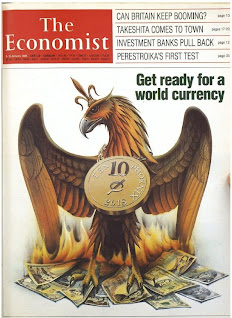


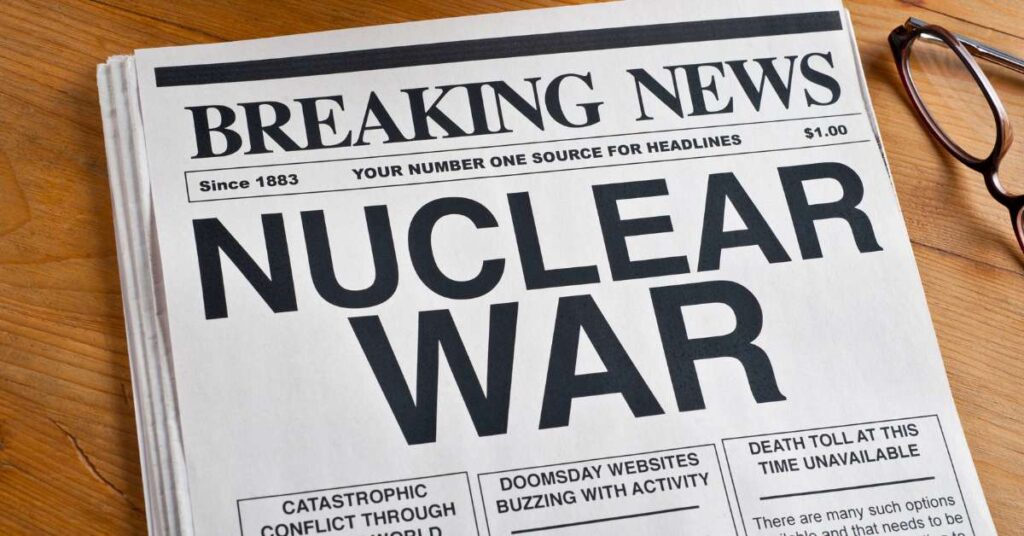



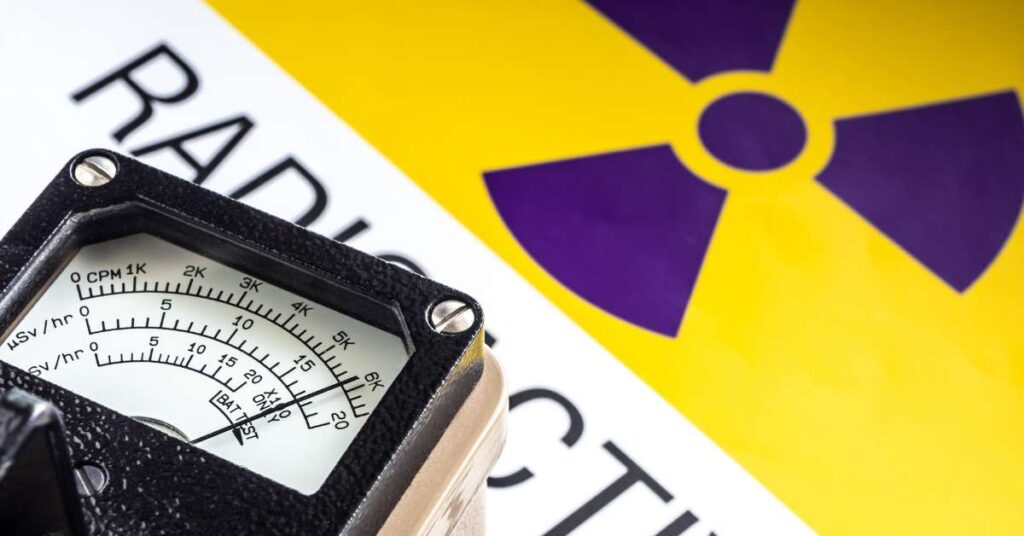


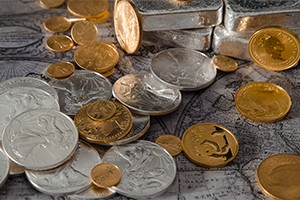
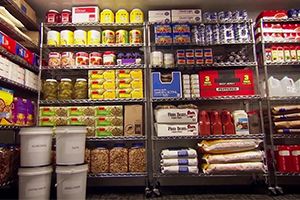


 Preppgroup