Lessons from the Economic Catastrophe of 1929 (Bank Failures Played a Crucial Role in Deepening the Economic Crisis)

The Great Depression of 1929 stands as one of the most significant economic crises in modern history, casting a long shadow over the global financial landscape. Sparked by a catastrophic stock market crash in October, this era of intense economic turmoil led to widespread unemployment, poverty, and social unrest. In the United States, millions lost their jobs, homes, and savings, forcing families to confront an uncertain and often dire future. This article delves into the factors that precipitated the Great Depression, its profound impact on American society, the government responses that shaped economic policy, and the global ramifications of this devastating crisis. By understanding these aspects, we can glean valuable lessons that inform current economic practices and prepare us for future economic challenges.

All Americans  Will Lose Their Home, Income And Power By October 27, 2025

Watch the video below!

The Causes of the Great Depression

The Great Depression did not arise in a vacuum; it was the result of a confluence of several factors that had been brewing throughout the 1920s. To fully understand the causes of the Great Depression, it is essential to look at the economic environment of the 1920s, commonly referred to as the “Roaring Twenties.” This period was marked by significant economic growth, technological advances, and an unprecedented rise in consumer culture. However, this prosperity was built on shaky foundations, and cracks were starting to appear.

One of the primary catalysts for the Great Depression was the rampant speculation in the stock market. During the late 1920s, an increasing number of Americans began investing in stocks, often borrowing money to purchase shares in hopes of quick profit. This speculative bubble was characterized by inflated stock prices that did not reflect the actual value of the companies. The euphoria surrounding stock investments created an unsustainable market driven by the belief that prices would continue to rise indefinitely. Unfortunately, this led to an inevitable collapse when the bubble burst in October 1929, resulting in a dramatic stock market crash that sent shockwaves throughout the economy.

Bank failures also played a crucial role in deepening the economic crisis. With the collapse of the stock market, many banks faced immense financial pressure as their clients rushed to withdraw their savings, fearing for their financial security. The banking system, which had become over-leveraged during the boom years, was unable to withstand the sudden surge of withdrawals. By 1933, approximately 9,000 banks had failed, wiping out billions in savings and further destabilizing the economy. The loss of confidence in the banking system exacerbated the financial crisis, leaving consumers with little access to credit and diminishing their ability to spend, which in turn led to decreased production and even more layoffs.

International trade issues also contributed to the economic downturn. In an attempt to protect American industries, the U.S. government enacted the Smoot-Hawley Tariff in 1930, which raised tariffs on hundreds of imported goods. Although the intention was to bolster the domestic economy, the result was a significant decrease in international trade. Other nations retaliated by imposing tariffs on American goods, leading to a cascading effect of reduced trade volumes and increased economic isolationism. The combination of these protective measures further deepened the global economic crisis, proving counterproductive to the very goals they sought to achieve.

Additionally, economic disparities and the concentration of wealth in the hands of a few created an unstable economic environment. While the upper echelons of society reaped the benefits of the booming economy, a significant portion of the population struggled to make ends meet. This disparity in wealth led to reduced consumer spending, which is a vital component for economic growth. Without a robust consumer base, businesses struggled to maintain production levels, leading to layoffs and further economic contraction.

In summary, the causes of the Great Depression were multifaceted and interconnected. The speculative practices of the stock market, bank failures, international trade barriers, and growing economic inequality all played significant roles in leading the world into one of its darkest economic periods. By examining these causes, we can draw lessons not only about financial prudence but also about the importance of a balanced economic system that supports all citizens, rather than a select few.

The Impact of the Great Depression on Society

The ramifications of the Great Depression extended far beyond economic collapse; they reshaped the social fabric of the United States. As unemployment soared, many families faced dire financial straits. By 1933, unemployment rates had skyrocketed to approximately 25%, leaving millions of Americans without jobs and many more struggling to survive on meager means. This widespread financial despair led to significant social challenges, including increased rates of homelessness, malnutrition, and mental health issues.

The plight of the unemployed was visible in cities and towns across the nation. Shantytowns, often referred to as “Hoovervilles” after President Herbert Hoover, sprang up as displaced families sought shelter in makeshift huts. These communities became symbols of the suffering and hardship endured during this era. Families often found themselves living in extreme poverty, with many children going hungry or forced to drop out of school to support their families. The loss of a stable home environment had long-lasting effects on the health and education of these children, many of whom would experience generational poverty as a result.

Furthermore, the Great Depression had a profound effect on the American psyche. The sense of insecurity and hopelessness permeated society, as people grappled with the loss of their dreams and aspirations. The stress of financial instability contributed to a rise in mental health issues, including anxiety and depression. Families were torn apart by financial difficulties, with some individuals resorting to desperate measures, including theft or begging. The collective trauma experienced during this period would leave scars that echoed throughout psychological studies and societal dynamics in subsequent decades.

Social movements also began to emerge in response to the crises created by the Great Depression. Workers organized strikes and protests, demanding fair wages and better working conditions. Labor unions became more prominent as workers sought to protect their rights in an increasingly volatile job market. For many, invoking the power of collective bargaining became a means of survival. This surge in labor activism ultimately contributed to significant changes in labor laws and workers’ rights in the years that followed.

The Great Depression also prompted shifts in public attitudes toward government intervention in the economy. Prior to this period, many believed in a laissez-faire approach, where the government primarily took a hands-off stance regarding economic affairs. However, the scale of the crisis led many to advocate for a more active role for the government in providing support for those in need. This shift in public opinion laid the groundwork for future social safety nets and government programs that aimed to assist those facing economic hardship.

In conclusion, the impact of the Great Depression on society was profound and multifaceted. The economic collapse not only led to widespread unemployment and poverty but also altered the way individuals viewed work, government, and their place within society. The lessons learned during this tumultuous time continue to resonate today, emphasizing the importance of social safety nets, economic equality, and the resilience of the human spirit in the face of adversity.

the food lines during the great depression

The Government response to Great Depression and how policies changed

The video below will shock you because you will be among the first to watching this secret!

In the wake of the Great Depression, the U.S. government faced intense pressure to respond to the profound economic crisis that had gripped the nation. Under the leadership of President Franklin D. Roosevelt, who took office in March 1933, the government implemented a series of sweeping reforms and policies collectively known as the New Deal. These initiatives aimed to provide immediate relief to the unemployed, to stimulate economic recovery, and to implement lasting reforms to prevent future economic collapses.

One of the cornerstone programs of the New Deal was the Civilian Conservation Corps (CCC), established in 1933. This program aimed to provide jobs for young men while simultaneously addressing environmental conservation efforts. Participants in the CCC worked on projects ranging from reforestation to building parks and trails, enabling them to support their families while also contributing to national recovery efforts. By the time the program came to an end, millions of young men had benefited from the CCC, gaining work experience and developing skills that would serve them for a lifetime.

Another critical aspect of the New Deal was the creation of the Public Works Administration (PWA), which aimed to stimulate the economy by investing in large-scale public works projects. The PWA funded the construction of infrastructure such as schools, hospitals, and bridges, creating jobs for thousands and laying the groundwork for future economic growth. These projects not only provided immediate employment but also contributed to long-term improvements in public services and infrastructure.

The Federal Emergency Relief Administration (FERA) was also established to provide financial assistance to states for direct relief programs. This initiative allowed states to distribute funds to those most in need, ensuring that the most vulnerable populations received support in a timely manner. FERA marked a significant shift in government policy toward direct intervention in alleviating poverty and provided a model for future entitlement programs.

In addition to these relief programs, the New Deal included regulatory reforms aimed at stabilizing the financial system. The Glass-Steagall Act of 1933 separated commercial banking from investment banking, creating a barrier to limit risky financial practices that had contributed to the economic collapse. The establishment of the Securities and Exchange Commission (SEC) sought to regulate the stock market and protect investors from fraudulent practices, restoring public confidence in the financial system.

Furthermore, the New Deal brought about reforms in labor rights with the passage of the National Labor Relations Act (Wagner Act) in 1935. This legislation guaranteed the rights of workers to organize, join unions, and engage in collective bargaining. This marked a significant shift in labor relations, as it provided a legal framework for workers to negotiate better wages and working conditions. The act resulted in a surge of union membership and empowered workers in their fight for labor rights.

The New Deal also included social welfare programs, such as the Social Security Act of 1935, which established a social safety net for the elderly, unemployed, and disabled. By providing financial support to vulnerable populations, the Social Security Act marked a significant transformation in the government’s role in economic security, providing a foundation for the modern welfare state.

While the New Deal faced criticism from various quarters, including conservative politicians and those who argued it expanded government power too far, the overall response to the Great Depression reflected a paradigm shift in how the government perceived its role in the economy. The efforts initiated under the New Deal laid the foundation for a more interventionist government and contributed to the eventual recovery from the Great Depression.

In conclusion, the government’s response to the Great Depression through the New Deal was multifaceted and transformative. Through a series of innovative programs and policies, the government sought to address the immediate needs of a struggling population while implementing reforms to safeguard against future economic crises. The legacy of the New Deal continues to shape discussions around economic policy and the role of government intervention, highlighting the importance of adaptable responses in times of crisis.

Global consequences of the Great Depression and Responses

The Great Depression was not confined to the United States; its effects resonated around the globe, reshaping economies, societies, and international relations. As countries struggled with the fallout from the economic crisis, they faced unique challenges that often led to varying responses and policies.

In Europe, the Great Depression had a devastating impact on economies already teetering on the brink following the devastation of World War I. Nations like Germany, which were grappling with the reparations imposed by the Treaty of Versailles, experienced severe economic distress. Hyperinflation, massive unemployment, and social unrest became commonplace as economic instability eroded confidence in democratic governments. The dire economic circumstances contributed to the rise of extremist political movements, most notably the ascent of Adolf Hitler and the Nazi Party. Hitler’s regime leveraged the economic despair to promote its agenda, which included aggressive nationalism and expansionist policies.

In the United Kingdom, the depression catalyzed significant political and economic changes. While initially, the British government adopted a hands-off approach, the rising levels of unemployment and growing public discontent eventually compelled leaders to take action. The Labour Party, which gained power in the 1929 elections, aimed to address the crisis through public works programs and unemployment relief. However, the severity of the depression led to the eventual formation of a National Government coalition in 1931, prioritizing economic recovery over socialist reforms and implementing austerity measures that included cuts to public spending.

Countries in Latin America experienced backlash as well, particularly in relation to global trade patterns. Many nations were heavily reliant on exports of agricultural products, which suffered from the drop in demand during the depression. This economic hardship led to political instability, with some countries experiencing military coups as leaders exploited the social and economic unrest. For example, in Brazil, Getúlio Vargas rose to power in 1930 amid the tumult and initiated sweeping reforms to promote industrialization, which were partially in response to the weaknesses exposed by the Great Depression.

In response to the economic calamity, some nations adopted increasingly protectionist policies, including high tariffs and import quotas. This drive for economic self-sufficiency often stifled international cooperation and trade, leading to an era of economic isolationism. Protectionism, exemplified by the Smoot-Hawley Tariff in the United States, not only exacerbated domestic economic problems but also fueled tensions between nations as retaliatory measures took hold.

While the depression compelled some nations to pursue isolationist policies, it also drove others to collaborate on economic recovery efforts. The establishment of agreements like the London Economic Conference in 1933 reflected the recognition of the need for coordinated international action to combat the crisis. Unfortunately, the conference failed to produce meaningful results as countries prioritized their national interests over global cooperation.

The global consequences of the Great Depression also led to significant shifts in economic thought. Many countries began to explore Keynesian economic principles, which advocated for increased government intervention to stimulate demand during economic downturns. John Maynard Keynes, an influential economist, argued that governments should increase spending during periods of recession to boost consumption and promote recovery, contradicting prevailing economic philosophies that emphasized balanced budgets and limited government involvement.

In summary, the Great Depression reverberated across the globe, resulting in significant economic, political, and social fallout. While some nations descended into turmoil, others sought to rebuild and adapt in response to the crisis. The diverse responses to the Great Depression underscored the interconnectedness of the world economy and highlighted the importance of international cooperation in addressing complex challenges—a lesson that continues to resonate in current global economic discussions.

The Lasting Lessons for nations and economies

The Great Depression left an indelible mark on economic policy and societal norms, shaping the way governments and institutions approach economic challenges to this day. Several lessons can be gleaned from this tumultuous period, providing valuable insights for contemporary policymakers and economists.

One of the most critical lessons is the importance of timely and effective government intervention in times of economic crisis. The initial laissez-faire approach taken during the early stages of the Great Depression led to a catastrophic decline in economic conditions and widespread suffering. The eventual recognition of the need for government action—exemplified by the New Deal—demonstrated that proactive measures could mitigate the consequences of an economic downturn and support recovery efforts. Today, many governments recognize the necessity of employing fiscal and monetary policies to stimulate the economy during recessions, showing the enduring influence of lessons learned from the Great Depression.

Another vital takeaway is the need for strong regulatory frameworks to maintain financial stability. The lack of oversight in the financial sector contributed significantly to the events leading up to the Great Depression, resulting in risky practices and rampant speculation. In the aftermath, reforms such as the Glass-Steagall Act and the establishment of regulatory bodies like the SEC were implemented to stabilize the financial system. Modern economies continue to grapple with the balance between regulation and free-market principles, underscoring the importance of a robust regulatory framework to safeguard against financial crises.

The Great Depression also highlighted the dangers of economic inequality. The concentration of wealth in the hands of a few individuals contributed to volatility and limited the purchasing power of the broader population. Economists and policymakers today increasingly recognize that equitable economic growth benefits society as a whole and contributes to overall stability. Ensuring that wealth is distributed more evenly can create a more resilient economy, capable of withstanding fluctuations and crises.

Furthermore, the importance of social safety nets became apparent during the Great Depression. As millions suffered from unemployment and poverty, the need for government-supported programs to assist vulnerable populations became clear. Modern social safety nets, such as unemployment insurance and food assistance programs, are grounded in the lessons learned from this historical event. These programs are critical to providing a measure of economic security and stability in times of hardship, ensuring that individuals and families are not left to navigate crises alone.

Lastly, the Great Depression emphasized the interconnectedness of global economies. The ripple effects of the economic collapse demonstrated that no nation operates in isolation. Today’s policymakers must consider the impact of global trade, investment, and economic policies, understanding that collaboration and dialogue across nations are necessary to prevent similar crises from arising. Organizations like the International Monetary Fund and the World Bank have emerged in part to facilitate international cooperation and provide support to countries facing economic challenges.

In conclusion, the lasting lessons of the Great Depression continue to shape economic thought and policy today. The undeniable impact of government intervention, the necessity of regulatory frameworks, the importance of addressing economic inequality, the need for social safety nets, and the recognition of global interconnectedness are all crucial insights drawn from this period of crisis. As economies face new challenges in the 21st century, these lessons remain relevant, guiding policymakers to foster resilience and stability in the face of economic uncertainty.

Conclusion

The Great Depression of 1929 serves as a stark reminder of the fragility of economic systems and the profound impact of financial crises on society. The confluence of factors that led to this catastrophic event, including stock market speculation, bank failures, and economic inequality, created a perfect storm that devastated millions of lives. The social, economic, and political repercussions of the Great Depression reshaped the American landscape, paving the way for government intervention and regulatory reforms that continue to influence economic policy today.

From the establishment of the New Deal programs to the global responses that shape modern economic thought, the lessons learned during the Great Depression are invaluable. The importance of timely governmental intervention, the need for robust regulatory frameworks, the significance of addressing economic inequality, and the necessity of social safety nets cannot be overstated. Furthermore, the crisis highlighted the interconnectedness of the global economy, underscoring the importance of collaboration and communication among nations.

As we navigate the complexities of today’s economic landscape, drawing on the experiences of the past can inform our approach to future crises. The resilience of societies in the face of adversity, coupled with the commitment to enacting meaningful reforms, can contribute to a more stable and equitable economic environment. The Great Depression reminds us that while economic challenges may arise, our responses can lay the groundwork for a more sustainable future for generations to come.

This Shocking Video Will Completely Change Our World

What to Own When the Dollar Collapses

When it comes to preparing for an economic collapse, there are a lot of different schools of thought. Some people believe that stockpiling food and supplies is the best way to go, while others think that having a stash of cash on hand is the key to weathering the storm. But what if neither of those options is available to you? What if the only thing left to rely on is your own two hands? In this blog post, we are going to take a look at every possible solution for what to own when the dollar collapses.

A part of this article is summarized in the following video:

What to Own When the Dollar Collapses

1. Gold, Silver, and Other Precious Metals

Precious metals like gold and silver have been used as a form of currency and store of value for centuries. In times of economic or political turmoil, precious metals are often seen as a safe haven asset.

Investors typically turn to gold when they are worried about inflation eroding the purchasing power of their paper money holdings. Gold is also seen as a hedge against geopolitical risk. Silver, on the other hand, is more industrial in nature and is used in many different industries, from electronics to photography. As such, it can be more sensitive to economic trends.

When considering investing in precious metals, it’s important to understand that there is no one-size-fits-all solution. Each investor’s circumstances are unique and will dictate what type of investment makes sense. But for those looking for an alternative to traditional investments like stocks and bonds, precious metals may be worth considering.

A few additional precious metals for your consideration:

  • Platinum: Platinum is a white metal that is rarer than gold. It is often used in jewelry and has industrial applications. Platinum prices are usually more volatile than gold prices.
  • Palladium: Palladium is a silvery-white metal that is similar to platinum in terms of rarity and uses. Palladium prices tend to follow the same trends as platinum prices.
  • Rhodium: Rhodium is another rare metal with a silvery-white color. It is often used in catalytic converters and has industrial applications. Rhodium prices can be very volatile, so it may not be suitable for all investors.

2. Foreign Currency

When it comes to foreign currency, there are a few different options that can be considered.

  • The Japanese yen has been one of the strongest currencies over the past few years as Japan continues to recover from its debt crisis. And with interest rates still near zero, there’s no reason to think that this trend will change anytime soon.
  • The euro is also often seen as a safe bet. This is because the Eurozone has been relatively stable compared to other parts of the world. Furthermore, the European Central Bank is perceived as being hawkish on inflation, which makes the euro a good choice for investors looking for stability.
  • The Swiss franc has also been one of the strongest performers over the past few years, thanks largely to Switzerland’s status as a stable economy during uncertain times of market turbulence. Even when the markets are relatively calm, investors are still flocking to Switzerland seeking safety. All this demand has helped push up the value of Swiss francs.
  • The Chinese yuan has been on the rise in recent years. This is because the Chinese economy has been growing steadily in recent years, while other economies have been struggling. As a result, the value of the yuan has been rising against other currencies. For example, since 2010, the yuan has risen by 20% against the US dollar.

3. Foreign Stocks

Investing in foreign stocks could be a very wise move. After all, if the value of the dollar plummets, then the value of foreign stocks is likely to go up since they will be priced in stronger currencies.

Of course, there are risks involved with investing in foreign stocks. For one thing, you may not be familiar with the company or understand how it operates in its home country. Additionally, political and economic conditions in other countries can impact your investment (think Brexit).

That being said, here are a few foreign stocks that could be worth considering:

  • Royal Dutch Shell (RDS-A): This oil giant is based in The Hague and has operations all over the world. While oil prices can sometimes be all over the place, Shell is still a well-run company with a diversified business model. As the oil prices rise, Shell’s stock continues soaring.
  • HSBC Holdings (HSBC): Based in London, HSBC is one of the largest banks in Europe with around 7200 branches across 80 different countries. It’s been through some tough times lately due to concerns about its growth prospects and exposure to China’s economy, but HSBC remains a solid long-term pick for many investors.
  • Nestle (NSRGY): A food and beverage powerhouse headquartered in Switzerland, Nestle owns some of the most iconic brands out there, including Gerber baby food, Nespresso coffee machines, and much more. Here is a live chart of this stock:

4. Foreign Bonds

When it comes to protecting your portfolio from a potential dollar collapse, there is an option to invest in foreign bonds. Foreign bonds can offer stability and diversification, as well as the potential for higher returns.

There are a number of factors to consider when investing in foreign bonds, including inflation rates, interest rates, and political risk. Inflationary risks are particularly important to consider, as high inflation can erode the value of your investment. It’s also important to be aware of currency risks – if the value of the US dollar falls relative to other currencies, your investment will lose value (in USD terms).

One way to mitigate some of these risks is to invest in foreign bonds with shorter durations – that is, bonds that mature sooner rather than later. This way you’re not exposed to as much interest rate or currency risk. Another strategy is to ladder your investments, which means investing in a series of bonds with different maturity dates, so that not all of your money is invested at once.

Of course, no investment is without risk – but by diversifying into foreign bonds you can help protect yourself against the potentially devastating effects of a collapsing dollar.

As a side note, keep in mind that a direct purchase of foreign bonds can be a highly challenging task. Try going through an exchange-traded fund or a closed-end fund to ensure a successful purchase.

The following video from Kingcademy gives a crash course on foreign bonds:

5. Bitcoin and Other Cryptocurrency

While gold, land, and various commodities propose a physical form of investment, you can diversify your assets by investing in Bitcoin and other cryptocurrency.

Bitcoin is often called “digital gold” because like gold, it is scarce (there will only ever be 21 million bitcoins in existence), durable (it can’t be destroyed or corrupted) and portable (you can carry millions of dollars’ worth of bitcoin in your pocket). It also has similar properties to gold in that it isn’t controlled by any government or central bank. This makes it an appealing choice for people who are looking to protect their wealth from inflation or a potential collapse of the US Dollar.

Other cryptocurrencies also offer similar benefits. Ethereum, for example, has been designed with the intention of being used as a global currency and platform for decentralized applications. This makes it different from Bitcoin, which was primarily designed as a digital store of value. However, both Bitcoin and Ethereum offer investors protection from inflation and the possibility of huge gains if they continue to rise in popularity and value.

6. Collectibles

Collectibles can hold their intrinsic value even when the local currency loses its own value. Here are some things to consider collecting:

  • Gold and silver coins: These have always been considered a safe investment, and for good reason (see the earlier discussion about precious metals). They retain their worth even in times of inflation or economic chaos.
  • Jewelry: Fine jewelry is not only beautiful, but it’s also an excellent investment. Look for pieces made with quality materials like gold, platinum, and diamonds. Avoid costume jewelry, which has no resale value.
  • Artwork: Collecting art can be a passion as well as an investment. If you buy wisely, your collection will increase in value over time. But beware of fakes! Do your research before making any purchases and consult with an expert if needed.
  • Classic cars: For many people, classic cars are more than just vehicles – they’re collector’s items. If you have the space (and the budget), consider investing in one or two classic cars. They could become quite valuable down the road.
  • Firearms: Many people view firearms as essential for self-defense in unstable times. Whether or not you agree with this sentiment, there is no denying that guns can be worth a lot of money. So, if you’re interested in firearms, start collecting now.

7. Income-Producing Real Estate

Real estate is a solid option that shields you against the devaluation of the US dollar. Let’s review the reasons:

  1. Real estate is a physical asset that can’t be created or destroyed. Unlike paper assets like stocks and bonds, which can become worthless overnight, real estate will always have value as long as there is a demand for it.
  2. Real estate provides a hedge against inflation. As prices go up, rents generally increase as well, providing a built-in mechanism for increasing cash flow over time. Over the long term, investments in income-producing real estate tend to keep pace with or outperform inflation.
  3. Real estate offers potential tax advantages. In many cases, you can deduct expenses related to owning and operating an investment property from your taxable income (consult a tax advisor to confirm eligibility). Additionally, any capital gains you realize when you sell an investment property may be subject to preferential treatment under the tax code.
  4. Income-producing real estate can generate passive income streams. If you purchase a property with the intention of renting it out, you can collect regular rental payments without having to actively manage the property yourself (though there will be some work involved in finding tenants and maintaining the property). This type of investment can provide ongoing cash flow regardless of what happens in the broader economy. Moreover, because rental properties tend to appreciate over time, such investments also offer the potential for significant capital gains when they are eventually sold.

For these reasons, investing in income-producing real estate should be considered by anyone looking to protect their wealth during an economic downturn.

8. Land and Agricultural Commodities

When the dollar collapses, land and agricultural commodities will be some of the best investments you can make. Here’s why:

  • Land is a physical asset that can’t be created or destroyed.
  • Agricultural commodities are essential for human survival and will always be in demand.
  • Both land and agricultural commodities are limited in supply, which means they have the potential to increase in value as demand increases.
  • Unlike stocks or bonds, land and agricultural commodities can’t be printed or created by central banks, so their supply is more stable.
  • They offer protection against inflationary pressures, as their prices tend to rise when the cost of living goes up.
  • They provide a hedge against political instability and economic uncertainty, as investors flock to these assets during challenging times.

9. Off the Grid Living Solutions

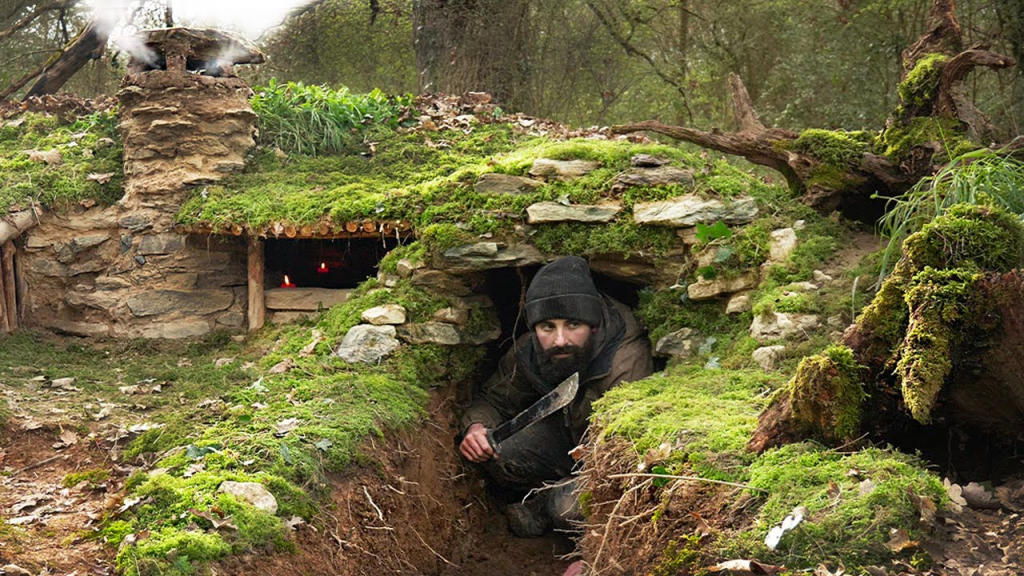
A major economical collapse might require more than just investing in precious metals and foreign currencies. There is a good chance you will need to live off the grid, away from your country’s control and infrastructures.  Here are some things you can do to be prepared and survive:

  1. Grow your own food: This is one of the best ways to become self-sufficient and independent from the government or other institutions. You can grow a garden with fruits and vegetables, or even keep chickens for eggs. If you have the space, consider starting a small farm. For more in-depth information, please see my article on off grid farming.
  2. Store water: It is important to have a clean water supply in case tap water becomes contaminated or unavailable. You can store water in barrels or containers and purify it using a filtration system or boiling. You can also establish your own water system; I have a separate post that explains in detail everything there is to know about off grid water systems.
  3. Generate your own power: Solar panels and wind turbines are becoming increasingly affordable and can help you generate electricity when traditional sources are unavailable or unreliable. Alternatively, you can invest in a generator powered by gasoline, propane, or natural gas.
  4. Heating and cooling solutions: Consider investing in a wood-burning stove for heating, as well as insulation for your home to make it more energy efficient. For cooling, evaporative coolers are much more affordable than air conditioners and use far less energy.
  5. Learn new skills: In an uncertain future, it may be useful to learn new skills that could help you barter or trade for goods and services.

There is much more to learn about living off the grid, which is why I invite you to read my complete guide on off grid living.

10. Barter Items

When the dollar collapses, barter items will become increasingly important. Here are some items that will be especially valuable. You will notice some similarities with the previous list, since both lists deal with items essential to your survival and independence.

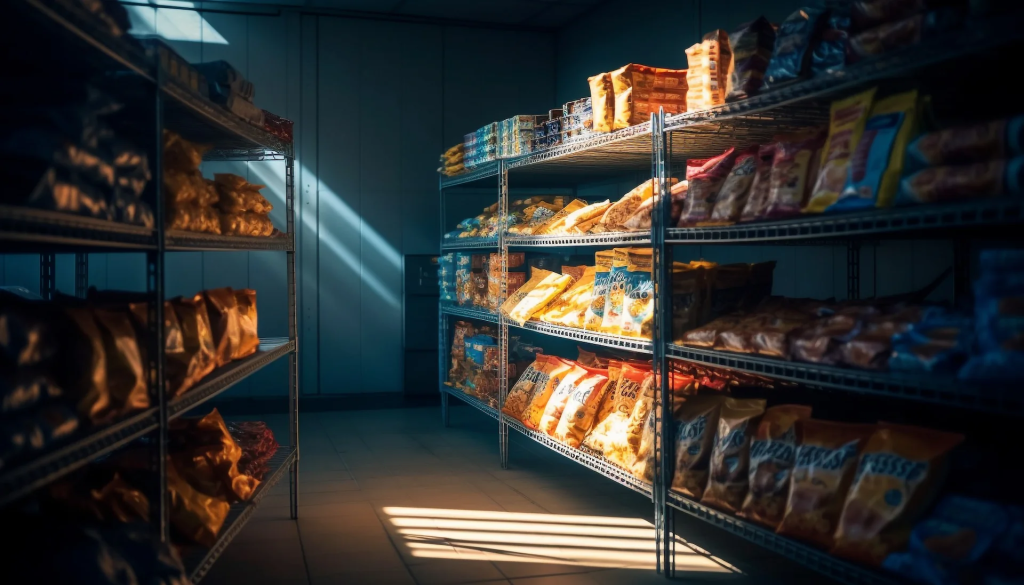
  1. Food: In a post-dollar world, food will be one of the most valuable commodities around. Stock up on non-perishable items like canned goods, grains, and nuts, which can be traded for other goods and services.
  2. Water: Clean water is essential for survival, so it will be in high demand in a post-dollar economy. Store water in clean containers and have a filtration system ready to go in case you need to purify contaminated water. Invest in a good filtration system – click the link to view products on Amazon and select the best reviewed one.
  3. Ammunition: In an unstable world, self-protection will be crucial. If you own firearms, stock up on ammunition as it will be difficult to come by after the dollar goes down.
  4. Tools and supplies for basic needs, such as shelter, warmth, and hygiene: Things like matches, sewing needles, fishing line, lye soap, and bandages may not seem valuable now, but could mean the difference between life and death in a post-dollar society. Make sure you have a good supply of these items stored away.

Final Words

When it comes to investing in the face of an impending dollar collapse, there are a few key things you should keep in mind. First and foremost, diversification is key. Don’t put all your eggs in one basket, so to speak. Invest in a variety of assets that will hold their value even if the dollar does tank. Gold and silver are always reliable choices, but, as stated earlier, you can also look into investments like real estate or art.

Another important thing to remember is that timing is everything. If you wait until after the dollar has already collapsed, it will be too late to invest. You need to get ahead of the curve and start investing now. The sooner you do, the better position you’ll be in when (or if) the bottom falls out from under the dollar.

Finally, don’t panic! It’s easy to let fear take over when thinking about such a potentially catastrophic event as a currency collapse. But try to stay calm and rational; otherwise you could make some very costly mistakes with your investment portfolio.

Stay safe and be prepared!

I want to present you one of the most interesting sites, where you will see new articles daily! www.321gold.com

The Effects of World Wide EMP Type Event Causing Functioning Society Transforming Into a Apocalypses of Kill or be Killed

The purpose of this article is not to freak you out, although that may be unavoidable. I’m going to touch on potential disasters and then zero in on how to survive an EMP attack, the mother of all disasters.

Dr. Peter Pry (Executive Director of the Task Force on National and Homeland Security) warns that the consequences – of not being prepared for this event – are much more severe than one may think:

“within a year of an EMP event at least 2 thirds or the us population will perish from starvation, disease and social collapse”

Former CIA double agent (Reza Kahlili) who spent time in the Iranian Army confirmed that the Iranian have conducted missile tests of ships in the Caspian See that are consistent with an EMP attack:

“They are going to get to the Gulf of Mexico with ballistic missiles and they can launch one at a moment’s notice and they wouldn’t care about the repercussions”

Mostly because they can sink the vessel leaving no traces and because the US won’t be able to retaliate!

Attention: The US is Facing The BIGGEST Threat Of The Century!

So pay chose attention because this video will change your life forever for the good!

What if you woke up one morning and nothing worked? What if there was no electricity? What if all transportation came to a halt?

An EMP event would instantly destroy any means of telecommunication, bank account would disappear, planes would fall from the skies, nuclear plants would not be able to cool down the reactors, we would have no running water (water pumps) and every piece of electronics we use from pacemakers to phones to gasoline pumps would stop!

Your refrigerator will stop working and all your food will spoil in a matter of days! If you and your family are not together, you won’t be able to contact or see them.

This is a catastrophic threat and North Korea, China, Russia and even ISIS… they all understand it and they are all working on it. And if they’ll ever wage war on us, they would be stupid not to strike America’s Achilles heel!

If one of the nuclear powers blasts a nuclear weapon 275 miles above the US it will produce an EMP that will basically send us, the Canadian and the Mexicans back to the Dark Ages.Will we be able to fight back in case of a nuclear war?

I don’t think so! Probably most of our ICBM’s will turn into a pile of junk (although some are EMP hardened). The communication lines and mobiles will become useless. And on top of that, I don’t think that our ballistic missile defense (BMD) system will work at all after a powerful HEMP.

I have something you need to watch. It’s much better than I am at explaining the threat. Watch it and learn what you should fear most, what an EMP effects and how you can protect your electronics, car, mobile phones, etc.

Years ago the US Army indeed straightened some military equipment against an EMP attack. The congressional study EMP Report (back in 2004) indicated potential casualty rates of 90%. The result: the commission was disband! What the US does to prevent an EMP attack right now? NOTHING!

So here are some useful things to protect yourself from an EMP:

1. Build a Faraday Cage

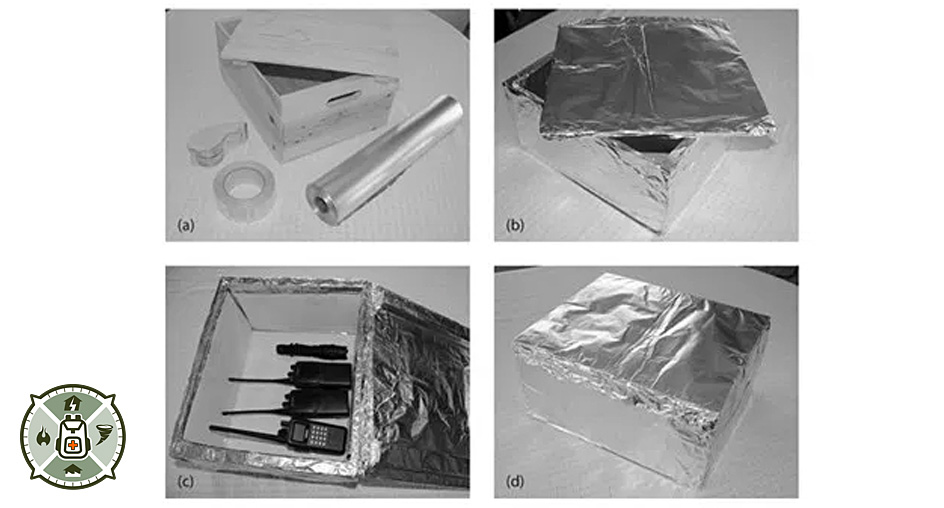
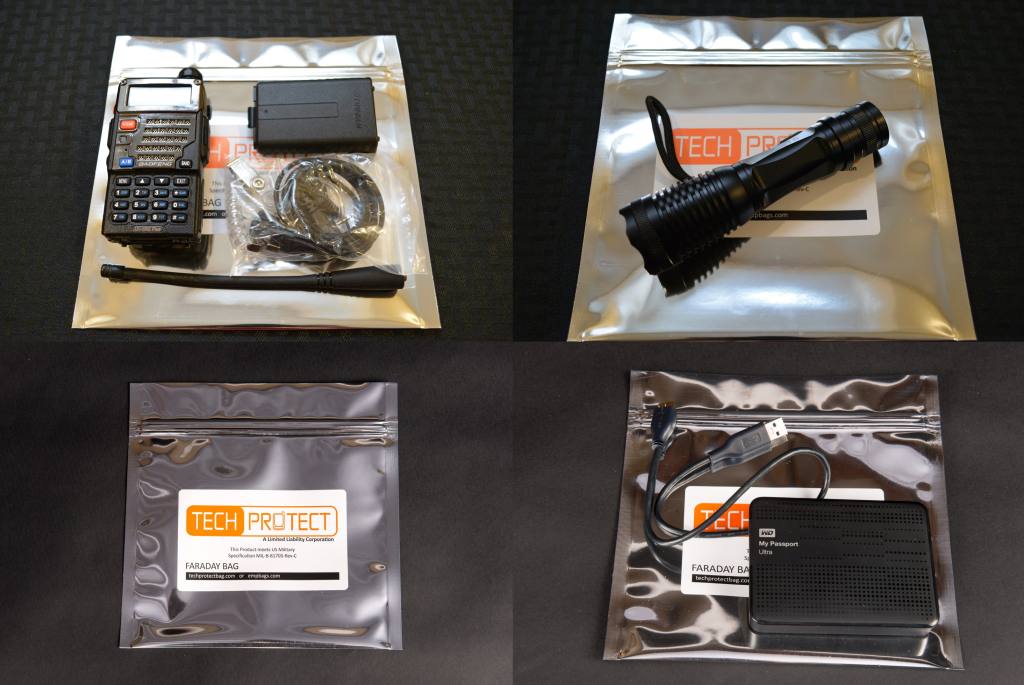
A Faraday cage is a sealed enclosure that has an electrically conductive outer layer and a non-conductive inner layer. The purpose of this box is to protect any electronics inside it in case of an EMP. There are basically two simple ways of building a Faraday cage:

  • by wrapping a non-conductive box (such as cardboard or wood) in a conductive material (such as aluminum foil)
  • by using a conductive box (like an ammo can) and isolate the inner walls of the box with foam (polystyrene) or a cheap Yoga mat or maybe window insulating foam

2. Store in your Faraday Cage the most important survival electronics like:

  • A radio (for communication and gathering information);
  • An old laptop computer with downloads of ebooks and stored personal information or at least a manual on how to make a generator using materials you can find in your home;
  • A set of walkie-talkies that run on rechargeable batteries;
  • A small generator;
  • A manually rechargeable flashlight (most flashlights have electronics in them so they will also fry);
  • Electronic parts for cars;
  • Any electronic equipment you don’t use on a regular basis buy may need when SHTF like: night vision and other electronic optics, solar battery chargers, drills;

3. Store fuel

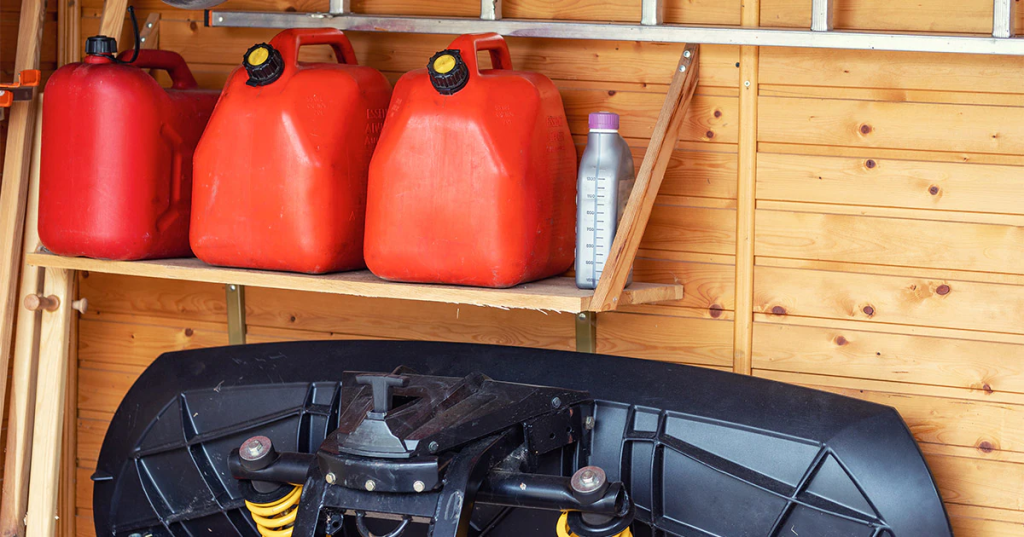
This does not mean you have to store tons of fuel. You won’t want to be seen driving around. Just a few gallons in a small tank that will allow you to conduct a few basic unpredictable operations like: bringing your family home safe or an emergency getaway car in case things get really bad in your town. (That only if you manage to protect your car against the EMP)

4. Save your car!

Basically you have 3 good options:

  • Place in the Faraday cage the vital electronics your car needs (doubles) and replace them after the EMP (PCM – Powertrain Control Module, Electronic Fuel Injection, Electronic Ignition and possibly even other parts depending on the vehicle)
  • Buy a cheap old back-up car that does not have vital electronic parts (like a 1984 Toyota Hilux 4×4 – around $1200).
  • Harden your car against EMP’s and park it in a sheet metal shed or steel building. You can also buy EMP shielding devices that zip or wrap around your car’s wiring.

5. Plan on living self-sustained

This means fulfilling all our 3 basic needs: water, food and shelter**!**

Gone Viral! The most shocking videos in the world… 7 Hidden Signs That Martial Law Will Be Declared

Many of these signs point to an increased risk of the government preparing to declare martial law.

The video below will shock you because you will be among the first to watching this secret!

Have in mind a place where to procure water when there will be no running water. Have in mind a place where you can plant and harvest crops. Buying at least one acre in the countryside would give you at least something to plan with.

One of the best ways to do that is by building a system totally independent from the environment. I have something you need to watch. It’s much better than I am at explaining the threat.

6. Stockpile essentials like:

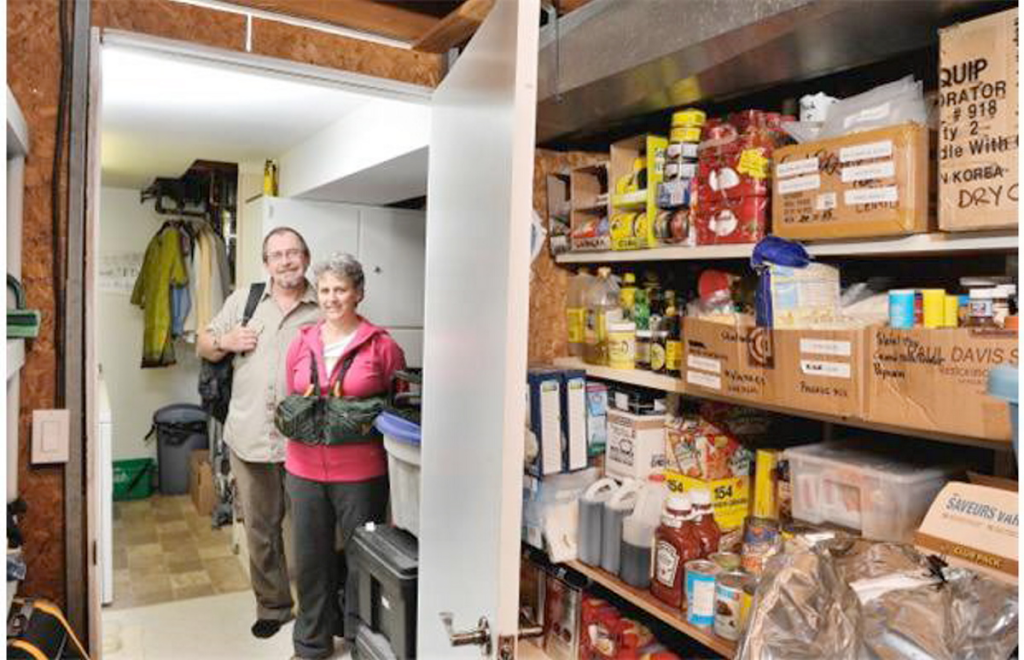
  • Food – for at least 5 months (winter plus two more months) – if you have a plan to go “self-sustained” and a 12 months if you don’t plan to do that. Remember that there will be no refrigeration.
  • Water – This is actually the most important event for which you need to store water! Even in case of droughts people don’t die because of the lack of water. But this is not the case. In case of an EMP there will be no running water, and if you are not close to a river or a fountain you may die. You need to know your location and set in your mind a walking route to a local fountain or a nearby river. If it is 3 days away (walking) it is not good. Store water for at least 10 days and head to the water source to get more water reserves starting day one.
  • Tools like an axe, a knife first aid kit and antibiotics **(**you won’t be able to call 911)

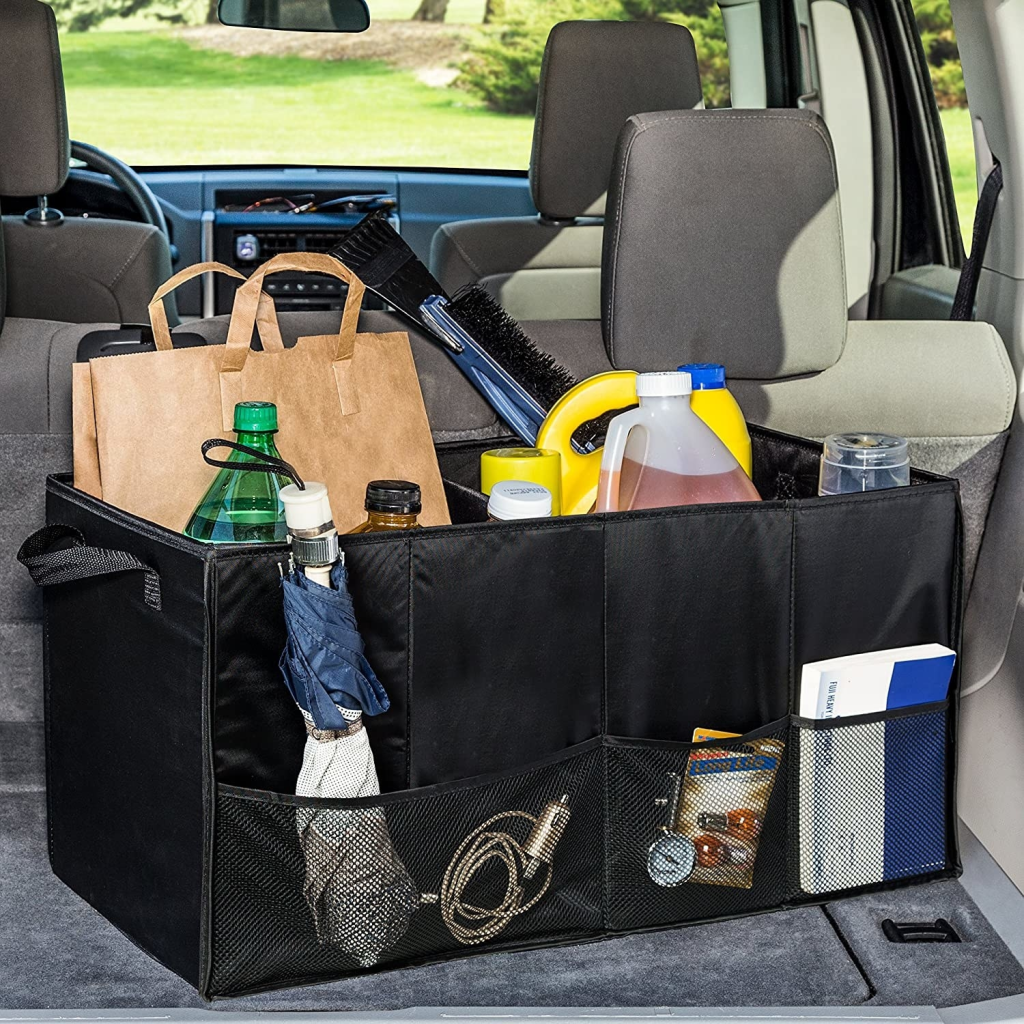
7. Some things you should have in the car

We all spend a lot of time driving and you should not be totally surprise if an EMP gets you stuck many miles away from home on a deadly cold winter or in a desert miles away from water. Whatever the case, it doesn’t cost you anything to keep some of your equipment ready in your car:

  • warm clothing
  • long term food (some emergency food ration bars) and water (at least 1-3 gallons)
  • a fire starter
  • a knife
  • maybe a fold up bike
  • and whatever you think – depending on the distance and time of your journey;

Also… if you plan on a remote and long journey you may want to consider throwing your bug out bag into the trunk.

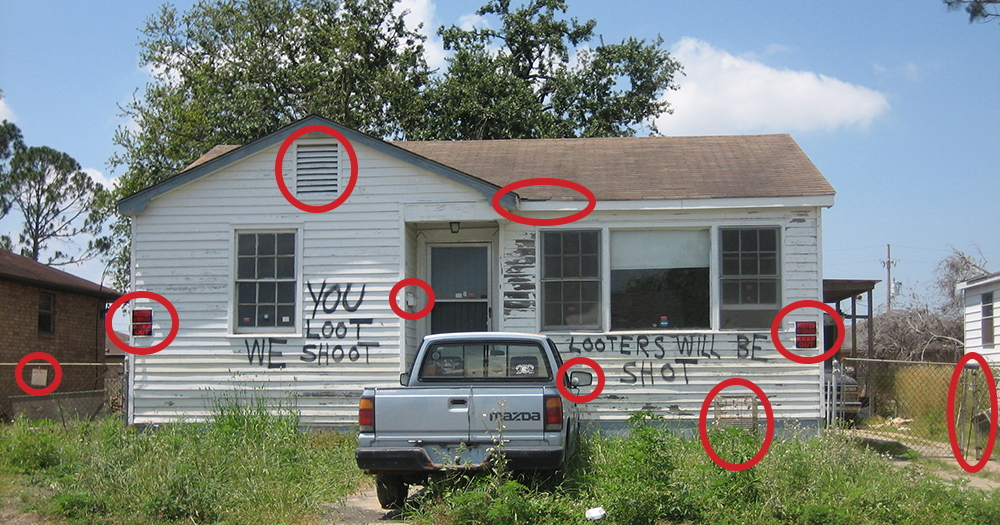
8. Secure Your Home against Looters

OCOKA is a military term that stands for:

  • Observation and fields of fire
  • Cover and Concealment
  • Obstacles
  • Key Terrain
  • Avenues of Approach

When setting up home defenses OCOKA should always be kept in mind and each principle addressed. Following these five key principles, you will greatly improve your security and survivability. This is one of the things that I’ve learned from a well-known army officer vet Steve Walker, for whom I have all the respect in the world.

9. Some things you need to have at home

These things will become important valuables after an EMP:

  • When your bank account will disappear or you won’t be able to withdraw your money, you’ll be in trouble. Keep some cash and some gold (doesn’t lose value as normal currency does) at home.
  • Charcoal – you can make a lot of things with it (from water filters to gun powder)
  • Duct tape, Cable Ties and Super Glue (if you want to build or improvise something, like a simple wind generator you’ll need these)
  • Lamp oil, Candle Wax and Wicks
  • Vaseline
  • Paracord
  • Alcohol
  • Soaps

Anything you know it will be useful for you – depending on your bug out plan.

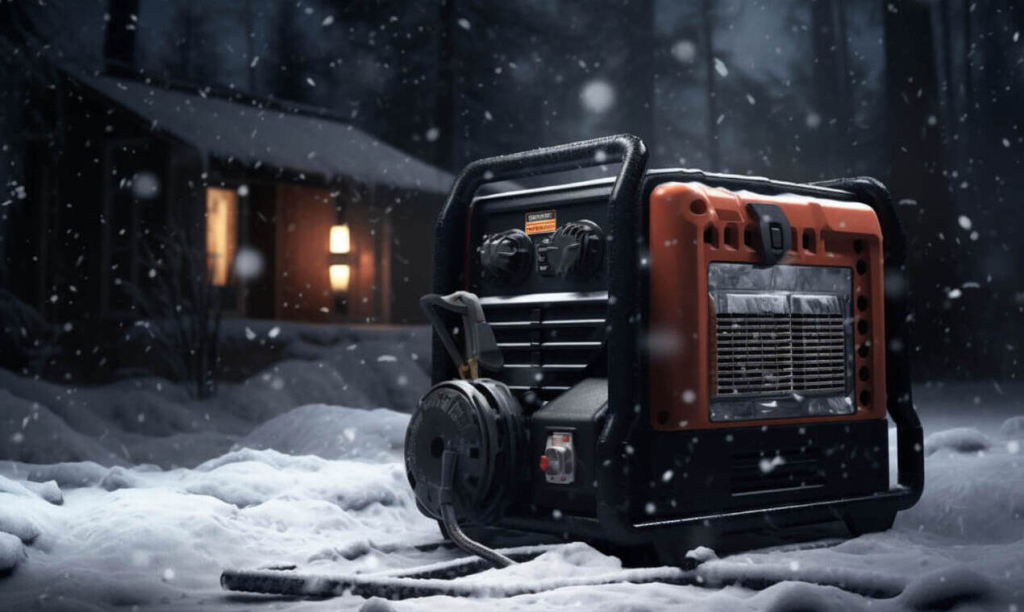
10. Consider buying, making or learn how to make a simple Survival Generator

This generator has to be small enough to fit in your Faraday Cage. Some generators can be really expensive, but if you know where to look and what to buy you can get a small one for $200-$300 (1200 Watts). An electric generator using wood as fuel would be perfect. Otherwise, you should also consider storing more fuel.

The most shocking videos in the world! (Full video below)

I want to present you one of the most interesting sites, where you will see new articles daily! www.321gold.com

The Silent Leadership Crisis

Every year, leaders step down. Some leave their roles quietly, chalking it up to exhaustion or “new opportunities.” Others implode publicly, and their fall becomes a public cautionary tale. From the outside, it’s easy to assume they burned out because of the relentless pace of leadership or the weight of expectations.

WARNING VIDEO!!! They Know What’s Coming. You Don’t. Most Americans Aren’t Ready for This Plan.

But if you study the pattern, you see something deeper.

Most leaders don’t collapse because of what they were doing. They collapse because of what they stopped doing.

They poured into their people, invested in their teams, and fought for results but neglected their own growth. They stopped feeding the very roots that once sustained them.

And when a leader stops growing, their influence will outpace their integrity. Their “job” will outgrow their character.

And eventually, their capacity will run out.

Why Leaders Burn Out

The greatest leadership danger is not always outside pressure. It’s inside neglect.

Burnout rarely begins with a full calendar. It begins with an empty tank.

Leaders pour into others but fail to refill themselves. They keep adding commitments without reinforcing capacity. At first, no one notices. They’re still gifted, still effective, still carrying momentum. But beneath the surface, cracks are forming.

Burnout is not just about workload. It’s about growth load.

If you are not expanding, you are shrinking. If you are not deepening, you are drying up. Leadership requires continual enlargement of our physical, mental, and spiritual health. Without those, you eventually collapse under the very weight you were called to carry.

Paul understood this dynamic when he wrote to his young protege Timothy:


“Watch your life and doctrine closely. Persevere in them, because if you do, you will save both yourself and your hearers.”
— 1 Timothy 4:16 NIV


Paul makes the connection crystal clear: leadership influence is inseparable from personal growth. A huge part of Timothy’s ability to lead others faithfully depended on his willingness to watch his own life carefully.

Timothy was leading in a hostile environment. The Ephesian church faced opposition from culture, pressure from false teachers, and the challenge of rapid growth. As a young leader, Timothy’s gifting was evident, but Paul knew gifting wasn’t enough.

Charisma can build momentum. Discipline sustains it.

That’s why Paul didn’t just tell Timothy to preach well. He told him to watch his life. He gives him a command to guard his inner world while protecting his growth rhythms. Because a leader’s collapse doesn’t just take them out, it weakens everyone they influence.

Paul tied Timothy’s faithfulness to the salvation of others. If Timothy persevered in growth, both he and his hearers would be saved. In other words, his private health had public consequences.

The same is true for us today. Your leadership stewardship is never just about you. The health of those you lead is tied to the health of your own growth.

The Hidden Cost of Stagnation

Many leaders assume burnout comes from doing too much. But the deeper problem is becoming too little.

When you stop growing, everything feels heavier. Situations that once energized you now drain you and conversations that used to spark creativity now feel routine.

You’re not overwhelmed by the amount of responsibility. You’re underwhelmed by your own development.

SHOCKING CONTENT BELOW!

This stagnation creates a vicious cycle:

  • As your growth slows, your effectiveness diminishes.
  • As effectiveness drops, you try to compensate by working harder, not wiser.
  • Working harder without renewed growth accelerates exhaustion.
  • Exhaustion shrinks perspective and weakens character.

And the people who suffer most? The ones you lead.

Leadership burnout rarely comes from external weight. It comes from internal neglect.

If burnout comes from stagnation, then sustainability comes from growth. The question is: what areas of growth are most essential for leaders to last?

The Three Pillars of Sustainable Leadership

Lasting leadership doesn’t rest on talent or charisma. It rests on three pillars most leaders neglect: spiritual discipline, personal development, and honest feedback. These three work together to keep leaders grounded, expanding, and accountable. Remove one, and the entire structure becomes unstable.

What is the Most Powerful Force on the Planet?

Pillar One: Spiritual Discipline

Every collapse starts privately before it shows publicly. Leaders burn out when they trade intimacy with God for something else.

Prayer becomes a last resort. Scripture becomes optional. Worship becomes a chore. Without realizing it, leaders start trying to give what they no longer possess.

But spiritual discipline isn’t optional. It’s the lifeline.

  • Prayer develops patience and the ability to listen while being fully present. When you train your ear to hear God’s voice, you become more attentive to your team, your mission, and God’s protection in the process.
  • Scripture builds discernment. Wrestling with the complexity of God’s Word equips you to navigate the complexity of organizational and relational challenges in ways you could never do on your own. The wisdom of God’s word is a secret weapon for leading organizations.
  • Worship restores humility and perspective. Regularly remembering God’s sovereignty keeps you from overinflating your role or shrinking under the pressure. It puts things back into a healthy perspective quickly.

Think about Jesus’ own rhythms.

Even when crowds pressed in and miracles were demanded, Luke wrote that “Jesus often withdrew to lonely places and prayed.”

WARNING: Watching The Following Video Will Give You Access To Knowledge The Government Does NOT Want You To Know About

Jesus had the capacity to do more than anyone, but He modeled the wisdom of stepping back. If the Son of God guarded His spiritual rhythms, how much more should we?

Your public influence will only be as strong as your private devotion.

Pillar Two: Personal Development

The second collapse happens in the mind. Leaders burn out when they stop stretching themselves intellectually.

At first, you don’t notice. You’re still drawing from what you learned years ago. You still have frameworks, stories, and wisdom. But slowly, you start repeating yourself. Your content becomes stale. Your perspective narrows.

We’ve all had that leader who still quotes the same two books from a decade ago. Once, their insights felt sharp. Now, they feel dated. The issue isn’t their age. It’s that they stopped learning.

Leaders must remain students. Set learning goals the way you set performance goals. Read authors who challenge your assumptions. Expose yourself to disciplines outside your field. Engage with voices that sharpen, not just those that agree.

Comfort is the enemy of leadership capacity. Leaders who stop learning will rely on yesterday’s solutions to solve tomorrow’s problems. And that can be dangerous.

Pillar Three: Honest Feedback

The third collapse is from blind spots. Every leader has them. The danger comes when you no longer allow anyone to point them out.

Gifted leaders often become insulated from healthy feedback. The higher you rise, the fewer people are willing to tell you the truth. Pride convinces you that you don’t need feedback and that same pride blinds leaders.

I once worked with a senior leader who constantly dismissed constructive criticism by saying, “I’ve been doing this longer than you’ve been alive.”

 Beware! The Elites’ Diabolical Plan Unveiled – Watch the Video Below!

That organization eventually stalled rapidly.

Compare that with a leader who ends meetings by asking, “What’s one thing I could do differently to serve you better?” That leader continues to grow and multiply trust.

Feedback is uncomfortable, but it’s invaluable. It accelerates growth in ways self-reflection never can.

Pride blinds leaders. Feedback grows them.

These three pillars are simple but not easy. The challenge isn’t knowing them. The challenge is building rhythms that protect them. That’s where application becomes critical.

How to Protect Your Leadership Tank

The danger of burnout is real, but it’s not inevitable. You can build guardrails now that will keep you from collapse later. Here’s how to put the three pillars

1. Schedule Growth Like a Meeting

Most leaders schedule meetings with others but never schedule meetings with themselves. Your own development time gets squeezed out by the urgent unless you treat it as sacred.

Block out time weekly for prayer, reflection, and reading. And don’t treat it as “bonus time” if everything else gets done. Treat it as non-negotiable.

Ask yourself:

  • Would I cancel a meeting with my board at the last minute?
  • Would I reschedule a critical conversation with my team?

If the answer is no, then why cancel your meeting with God or with your own growth? The leader you’ll be a year from now is shaped by whether you protect these spaces.

2. Diversify Your Learning

Leaders plateau when they only consume content that confirms what they already believe. Broaden your learning diet.

  • Pair a book on theology with a book on culture.
  • Read one author you agree with and one who challenges you.
  • Listen to a podcast outside your field.

Growth happens when curiosity stretches you beyond comfort. It doesn’t mean you accept every new idea. It means you sharpen discernment by wrestling with perspectives different from your own.

And always remember that learning isn’t about collecting quotes. It’s about expanding capacity.

3. Build a Feedback Circle

Every leader has blind spots. The difference between leaders who endure and leaders who burn out is whether they create systems that reveal them.

Form a circle of trusted voices who will tell you the truth. Aim for variety:

  • A mentor ahead of you who can give perspective.
  • A peer beside you who understands your context.
  • A team member behind you who sees your leadership up close.

Invite their feedback regularly, and more importantly, respond to it with humility. Nothing shuts down honesty faster than defensiveness.

When your team sees you seek input, they’ll know growth is not just something you expect of them, it’s something you practice yourself.

4. Guard Rest as Fiercely as Work

Rest is not a luxury. It’s a necessity. But leaders often sacrifice it first.

If Jesus withdrew from the crowds to pray, you can withdraw from your email to breathe. Build rhythms of rest into your schedule.

Two simple practices to start:

  • Weekly Sabbath: one day where you step away from productivity to recharge spiritually, mentally, and physically.
  • Daily stillness: even 15 minutes of prayerful quiet can reset your perspective and clear your head.

Without rest, your leadership will eventually collapse under its own weight. With rest, your “yes” regains power because it flows from overflow instead of exhaustion.

5. Measure Time AND Energy

Time management gets all the attention, but it’s energy management that sustains leaders. You can’t create more hours in a week, but you can increase or decrease the energy you bring into them.

At the end of each week, ask two simple questions:

  1. What gave me energy?
  2. What drained me?

Look for patterns. If every staff meeting drains you, change the format. If mentoring one-on-one fills you with energy, prioritize it.

Not every task can be avoided, but your calendar should lean toward the things that multiply energy rather than constantly deplete it. The leaders who last are not those who manage minutes, but those who steward momentum.

Over time, these practices will create the difference between leaders who burn out and leaders who endure. Which leads us to the final challenge.

MUST WATCH THIS SERCET VIDEO BELOW! (The Pentagon knows what’s coming… but won’t warn you)

Lasting Leaders Guard Their Growth

Charisma may get you noticed. Discipline will keep you standing. Talent may open doors. But only growth will keep you in the room.

Paul’s words to Timothy still echo: watch your life and doctrine closely. Your growth is not optional. It’s the guardrail that protects your influence, your family, and your calling.

Leaders who stop growing burn out. Leaders who guard their growth endure.

So the question is not whether you’ll face pressure. You will. The question is whether you’ll have enough growth inside you to withstand it.

Don’t wait until you’re running on fumes. Start building your guardrails today. Because the leaders who last aren’t the busiest. They’re the most guarded.

Keep growing, leader!

Gone Viral! – The Unbelievable Reason Why Trump Always Carries This Special Salt Everywhere He Goes!

I want to present you one of the most interesting sites, where you will see new articles daily! www.321gold.com

Many Experts Predicted a Tipping Point Will Come That Would Cause the Dollar to Collapse

Over decades, if not centuries, the US dollar has been the world’s leading currency. The central banks all over the world hold an enormous part of their investments in the US currency, while some private companies use it for international transactions. With this, the trade in US treasury has boosts the American economy and greases the wheels to the global financial system.

But, many experts predicted a tipping point will come that would cause the dollar to collapse, thus lead to a global economic problem. In this scenario, many investors would rush to other currencies to run off further losses. This would mean a breakdown of the national economy. The aftermath of this scenario could likely lead to a dollar collapse.

You’ll Understand Everything After Watching This VIDEO!

What is Dollar Collapse?

Full of sudden currency collapses have happened in history. A dollar collapse is characterized to a long-term depression in economic activity, increased poverty and a disruption of the social order. One of the primary roots of any collapse is the lack of confidence in the stability or efficacy of money to serve as an effective store of value or medium of exchange.

The main sign of a dollar collapse is when the value of US dollar drops. There are some conceivable scenarios that could cause a sudden crisis for the dollar. When there is a great threat of high inflation and high debt, in which rising consumer prices force the government to raise interest rates.

If the US entered a steep recession without dragging the rest of the world with it, anyone who holds dollar-denominated assets might sell them at any cost that includes foreign governments and no one wants to buy them, worst would leave the dollar. Thus, anytime, everyone should prepare for the worst, but you can prepare for a dollar collapse through these economic indicators.

Will the U.S. Dollar Collapse?

The collapse of the US dollar remains ambiguous until now. Several articles and websites urge us to prepare for the coming recession, but are the preconditions of a dollar collapse have been occurring? Foreign exporters do not want a dollar collapse because it would likely create a worldwide panic that frets the global economy.

Even if the United States had to default some debt obligations, there is a little indication that the world would let the dollar collapse and risk possible depression. But the collapse on Wall Street has been alarming and the US government must have a choice whether to default on the national debt or destroy the dollar.

If US dollar collapse happens, it might come to pass. No one would predict it. That’s because the signs of forthcoming failure are difficult to see. It is imperative for the government to take a necessary intervention to bring an economy back from collapse. Yet, this can often be slow to remedy the problem.

Bellow we have- Six Ways That Will Prepare and Protect You from a Dollar Collapse

A dollar collapse suggests an economic plight. It is akin to deep recession that scarcity and shortage of resources would occur. One must prepare for the worst scenario and to respond to this kind of uncertainty, you must be mobile. Here are few ways to prepare and protect yourself and survive a dollar collapse.

1. Prepare your Finances and Start being Smart with your Money Now.

One of the most important things you can do when it comes to financial preparedness is to put together a smart savings plan . If things go bad, having a plan of action will help increase your chances of surviving the chaos.

· You start with cutting all unnecessary expenses and spend that money to pay down your debt. The possibility of losing your home to debt collectors is a very real prospect.

· An Emergency Fund is a potential aid to prepare for financial troubles. It will give you stress-free during hard times. It can provide you with a fund to buy last minute supplies once things start to go bad.

· Remember to always have a cash on hand. When things go wrong, there is a very real possibility that the banks may freeze your accounts. It’s important to have cash that is accessible, either from a savings account or a cash box in your home. This can drift you over in an emergency until you can access money in your emergency fund.

2. Create a stockpile of Survival Essentials

Now is the perfect time to buy long-term supplies that you will need to survive in the future.

· Start stockpiling food and long-term supplies. In any type of crisis, especially during a collapse, food, water and long-lasting consumables are essential and indispensable. You will likely see main supply chain shortages and problems, making these types of supplies one of your most important pre-collapse concerns.

· Put together a supply of first-aid & medical supplies on hand. Once you create a kit, in the event of a collapse, you may not be able to shop for these supplies, so t’s important to have them on hand.

· Make sure you have all of the necessary supplies for survival . Include personal items such as medications for yourself and members of your family. Check the kit to make sure nobody has used any of the supplies. Also, check the end dates and replace expired items.

3. Secure your Home

· To prepare for a dollar collapse is to choose your shelter type. A separate shelter is designed to survive from natural disasters or man-made weapons or attacks. During this kind of crisis, power systems may fail and robbers and scavengers may threaten your home. Take precautions to protect yourself and your home.

· Another thing is to create two sources of electricity. One source could be solar. Hook it up to your home and then run the system underground. The second source might be an underground generator. You will use this in the event of a total loss of power. Keep your energy sources hidden underground to protect them.

· Consider purchasing self-defense tools . Self-defense tools are generally harmless. They are used to prevent an attack by rendering the invader futile. You can use everyday objects, such as baseball bats or gears. Other tools you may buy like pepper spray, hand-held stun guns, Taser devices or Sonic alarms.

IT’S OFFICIAL!!! This executive order rips off the mask and officially marks them as what they’ve always been!

· Set an alarm system in your home. Home alert alarm systems are easy and inexpensive to install and maintain. Wireless security systems notify you if a trespasser is approaching your home. Hidden cameras allow you to see internal and exterior areas in your home where a trespasser may be present.

One of the prevalent risks you’re going to face during dollar collapse is the threat posed by people. Learn everything you can about self-defense. When things go bad, you are going to need a way to protect yourself and those you love, your home.

4. Prepare your Family

· Make sure that every member of the family is mindful of the situation. To prepare for a dollar collapse, you need have to guarantee that your whole family is ready with your preparations. This means informing them in honest terms what is about to happen and telling them what they should be doing. It is important that everyone takes the situation . Otherwise, they will not be mentally prepared in the event that collapse happens.

· Each family member must be informed of the steps you have taken to prepare your finances, essential supplies, food, and shelter. Instruct them on doing the same.

· Every member should understand the relationship between inflation and economic growth. Explain to them the adverse impact of a dollar collapse on your family’s socio-economic life. 

· Consider including other family members, neighbors, or a community group in your preparations. Make sure that these are people who are reliable and will put to work for the benefit of the group.

5. Equip your Mind

Even more important than supplies, is survival knowledge and awareness. Knowledge is the key to your survival, and now is the time to get plenty. During any kind of crisis and survival, including a dollar collapse, knowledge is going to be your most powerful ally.

· Read books on survival and preparedness, then start collecting information on how to live a more independent lifestyle.

· Do your own research and don’t rely on government spun stories, or crafted in the media; you need to do your own research too. Check the reliability of the information you get to prepare for the collapse.

6. Expect a Financial Crisis

The major risk you are going to face in a dollar collapse is the downturn of your finances. It is important to be ready beforehand on what to do and what not to do on your financial systems.

· Check and track the price of commercial commodities. Changes in the prices of commodities affect the country’s economy and the value of the US dollar. An increase in commodity prices is associated with an increase in inflation. Increased inflation correlates with economic growth. But, if commodity prices drop, inflation slows, which indicates an economic decline.

· Take note of the financial markets. Big ups and downs in the markets are a red flag signaling a general decline.

· Watch the oil prices. When oil prices increase, the Gross Domestic Product (GDP) goes up too. Remember that the fluctuation of oil prices has a macroeconomic impact. If it is increasing, then the value of goods and services also increases.

What Life Will Be Like After A Dollar Collapse?

Everybody else could tell that a dollar collapse would be coming. A sudden dollar collapse would create global economic depression. It would allow the US government to come up with a currency system and a kind of economic strategies to avoid grave consequences.

· Demand for Treasury’s would drop, and interest rates would go up. US import prices would skyrocket, causing inflation.

· Irregular public services like school system experience frequent strikes that shut them down, power issues and outages become more frequent.

· Unemployment would worsen and more people will experience job loss or layoffs. More people are displaced and finding a job will become almost impossible.

· An increase in criminal activity will definitely happen. People will become desperate to feed themselves and their families and more people will be more willing to cross the line into criminal activity to get what they need.

· Lots of people will lose access to their healthcare when they lose their jobs. Healthcare appointments may become more difficult to schedule and it may take longer to get in to see a doctor because more people are getting sick and need care.

· You can expect increased incidents of domestic violence as family relationships are strained and crack under the stress of poor living conditions.

A dollar collapse is a real threat with far-reaching repercussions. While it is inevitable, there are advance preparations that individuals and their families can make, at the very least, protect themselves from the event triggers. Stay informed on top of the global economy. You can be safe in a dollar collapse if you follow the ways that protect you from an economic crisis.

You’ll Understand Everything After Watching This VIDEO! 

I want to present you one of the most interesting sites, where you will see new articles daily! www.321gold.com

U.S. Nuclear Target Map! Do You Live In a Death Zone?

The US Nuclear Target Map shows important places in the US that could be targets in a nuclear attack. This map, which clearly displays these key locations, has been popular online since news outlets like CBS first shared it in 2015. Military strategists and analysts create these maps using different intelligence sources to decide which locations are most important strategically.

Key Takeaways:

  • A US Nuclear Target Map highlights possible targets and safe areas, aiding emergency planning by showing where attacks may occur and locations less likely to be directly affected.
  • The world’s nuclear weapons, mainly held by the United States and Russia, present significant dangers. The Korean Peninsula, South Asia, and the Middle East are especially unstable.
  • Montana, Wyoming, North Dakota, South Dakota, Idaho, and Maine are seen as safe zones.
  • Government agencies like the CDC and FEMA prepare for nuclear events by promoting readiness, raising public awareness, and offering guidelines on protection and evacuation.

In this article, you’ll understand the importance of the US Nuclear Target Map. It aims to help you understand the potential effects of nuclear conflict, strategic planning, and its implications on global security.

Nuclear Threat Awareness

newspaper with bold text announcing a nuclear attack

Understanding nuclear threats is vital for everyone, not just leaders and experts. It helps you see how serious nuclear weapons are and their effect on world safety and your own. 

First, it shows why countries avoid using these powerful weapons, leading to talks about reducing arms and maintaining peace. Second, this knowledge lets you participate in meaningful discussions and decisions about your country’s defense and its role in the world. 

Also, when informed, you can better understand the news and the hidden risks of global tensions. Knowing about nuclear strategies helps you form opinions on what actions your country and others should take on the international stage.

Latest Global Nuclear Arsenal Statistics And Potential Geopolitical Tensions

The latest statistics on global nuclear arsenals show a complex and evolving landscape, with significant expansion and modernization efforts underway by several key states. Here’s a summary of the current state of nuclear forces:

  1. United States and Russia: These countries hold the largest shares of the world’s nuclear arsenal, collectively accounting for over 90% of the world’s nuclear weapons. Both are actively modernizing their nuclear forces, including warheads, missile systems, and aircraft delivery systems.
  2. China: China is undergoing one of the most rapid expansions of nuclear capabilities among the nine nuclear-armed states. Recent estimates suggest that China’s stockpile includes around 500 nuclear warheads, with significant developments in missile capabilities and delivery systems​​.
  3. United Kingdom: In a shift from previous disarmament policies, the UK plans to increase its nuclear warhead ceiling, reflecting a broader trend of reevaluating nuclear strategies.
  4. Other Nuclear States: Countries like India, Pakistan, and North Korea are also enhancing their nuclear capabilities. North Korea, for instance, continues to prioritize and expand its nuclear program as a core element of its national security strategy.

Several nations are modernizing and expanding nuclear arsenals, reflecting ongoing updates in global military capabilities. These developments emphasize the dynamic nature of nuclear forces worldwide.

Getting Familiar with Potential Nuclear Targets in the US

Military bases, big cities, and key infrastructure are usually seen as the main targets in a nuclear attack. Hitting these places can significantly affect military strength and cause widespread fear. Cities packed with people are economically important and as transport and communication centers.

When determining which places might be targets, consider their symbolic importance and role in defense and the economy. Areas close to missile launch sites, big military bases, or important industrial areas could be more at risk. Yet, it’s important to remember that nuclear strategies and technologies are constantly changing, which could alter which targets are considered most important.

Identifying Nuclear Detonation Risks

Understanding the risks of nuclear detonations is essential for preparedness and mitigation efforts. Below are the different types of nuclear detonation risks and their potential impacts:

Explosive Blast

The explosive blast is a nuclear detonation’s most immediate and visually apparent effect. It can destroy or severely damage buildings, roads, and other infrastructure within a wide radius of the explosion. The intensity of the blast wave can vary significantly depending on the yield of the nuclear weapon and the distance from ground zero.

Thermal Radiation

Thermal radiation emits intense heat and light, causing severe burns to people and igniting fires across a broad area. This can lead to widespread firestorms, particularly in urban environments with high-density structures and flammable materials.

Initial Radiation

electronic radiation detector

Within the first minute of a detonation, high doses of radiation are released, capable of causing acute radiation sickness. This includes nausea, vomiting, and a decreased white blood cell count, increasing susceptibility to infections.

Radioactive Fallout

Following the detonation, wind patterns carry out radioactive fallout over large areas. This fallout consists of radioactive particles that can contaminate air, water, and soil, posing long-term health risks to people and the environment. The extent of contamination and the duration of its effects depend on the size of the explosion and weather conditions.

Electromagnetic Pulse (EMP)

An EMP results from a nuclear explosion, which can disrupt or damage electronic devices and critical infrastructure over a vast area. This can lead to significant challenges in communication, transportation, and the delivery of essential services in the aftermath of a detonation.

Safe Zones and Factors Influencing Safety

Safe zones are typically far from strategic military sites and major urban centers that might be targeted in a nuclear strike. 

When determining a safe zone, consider its distance from military bases, major cities, and facilities that could be strategically important. Additionally, areas outside the radius of potential blast and fallout zones, based on prevailing wind patterns and the size of the nuclear threat, are generally safer.

It’s also essential to look at the accessibility of these safe zones. You’ll want a location that you can realistically reach, given your transportation means and the timeframe you might have before a nuclear event occurs. Planning and familiarizing yourself with multiple routes to these areas can save valuable time in an emergency.

Geographical and Infrastructural Factors Contributing to Safety

Geography and buildings play a big part in protecting an area from nuclear fallout. Mountains can block radiation, but being downwind from a target means more risk. Buildings strong enough to handle natural disasters can also help protect people from a blast and offer a safe place to hide from fallout.

Good emergency services and living facilities, like clean water and food, are also important. It’s also better to be in a place with fewer people so there’s enough for everyone if something terrible happens. When picking a safe place, thinking about the land and how well the area can support people for a long time is crucial for staying safe.

Latest Findings on Nuclear Fallout Patterns and Evacuation Strategies

Recent research has improved people’s understanding of nuclear fallout patterns, showing that they can vary greatly depending on the size of the bomb, the height of detonation, and weather conditions at the time of the blast. This information is crucial for updating evacuation strategies, as it helps predict which areas might be affected and how quickly you need to move to stay safe.

Nowadays, evacuation plans use up-to-date information and predictions to guide people on what to do. By following these new methods and getting your news from reliable places, you can improve your chances of safely getting through a nuclear event. Make sure you have a plan for getting to your safe place, and go over it with your family.

How To Determine If A Nuclear Threat is Serious

a person dialing the emergency service

To assess the seriousness of a nuclear threat, it is important to rely on reliable and authoritative sources. Official government alerts, reputable news outlets, and recognized international organizations are the primary channels for accurate and timely information.

Here are some examples of official government alerts that might be used to inform the public about a nuclear threat or other emergencies:

  1. Emergency Alert System (EAS): This is a national public warning system in the United States that requires broadcasters, satellite digital audio service and direct broadcast satellite providers, as well as wireline video providers to offer the President the capability to address the American public during a national emergency. It can also be used by state and local authorities to deliver important emergency information such as weather information and local incident information.

Wireless Emergency Alerts (WEA): These are short emergency messages sent by authorized government authorities through your mobile carrier. They include alerts about severe weather, local emergencies r

  1. equiring evacuation or immediate action, AMBER alerts, and Presidential Alerts during a national emergency.
  2. National Warning System (NAWAS): This is a telephone system that connects participating federal, state, and local government agencies. It is used to convey warnings to governmental authorities and population centers in advance of emergencies.
  3. Integrated Public Alert and Warning System (IPAWS): This system integrates the United States’ alert and warning systems, networks, and facilities. IPAWS’ goal is to provide public safety officials with an effective way to alert and warn the public about serious emergencies using various platforms.
  4. Government websites and social media: Many government agencies use their websites and social media channels to issue warnings and updates about ongoing or imminent emergencies. This can include everything from detailed preparedness information to real-time updates during an emergency.

Emergency broadcast systems also play a crucial role in providing quick and dependable updates during a crisis. Ensuring that you receive information from these trusted sources is essential for understanding the situation and making informed decisions during a nuclear threat.

How to Prepare for a Possible Nuclear Strike

Preparing for a possible nuclear strike involves several steps to enhance your safety and readiness in the unlikely event of such an incident. Here’s a general guide on how to prepare:

Building Your Emergency Kit

Your emergency kit is your first line of defense. A well-stocked emergency kit should include the basics: water, non-perishable food, a first-aid kit, flashlights, and batteries. Additionally, considering the potential for nuclear emergencies, including potassium iodide (KI) tablets can be a vital precaution.

Potassium iodide helps protect the thyroid gland from radiation by blocking radioactive iodine uptake. It’s most effective if taken shortly before or immediately after exposure to radioactive iodine, which can be released during a nuclear emergency.

How to Get Potassium Iodide:

  • Pharmacies: Potassium iodide tablets are available at many pharmacies. Checking availability in advance is advisable as demand can increase during emergencies.
  • Online Retailers: These tablets can also be purchased from various online stores, including those specializing in medical supplies or emergency preparedness products.
  • Government Distribution: In certain scenarios, local or national health authorities may distribute potassium iodide to residents living near nuclear facilities.

When to Take It:

Potassium iodide should only be taken on the advice of public health or emergency management officials. It is most effective if taken within 24 hours before or just after exposure to radioactive iodine.

Dosage:

The appropriate dose depends on age and health condition. The U.S. Centers for Disease Control and Prevention (CDC) recommends the following doses:

***Adults over 40 should take potassium iodide (KI) only when officials recommend it, and if exposure levels are high enough to risk causing hypothyroidism.

How Do Early Warning Systems Help

Technology plays a crucial role in early warning systems for nuclear threats, using satellites and radar to watch for dangers all the time. When a threat is found, these systems quickly send out warnings through various channels, including emergency broadcasts and mobile phone alerts, giving people and communities time to get to safety.

Thanks to technology getting better, these warnings are now more accurate and less likely to be false, which helps avoid unnecessary fear. Knowing how to get and respond to these alerts is a key part of being prepared. Learning about your local warning systems and checking that you can receive alerts without problems is important.

As for protecting against radiation, new and better ways exist to reduce exposure and keep people safe. Innovations include new materials for shelters, protective clothing, and portable devices that let you check radiation levels on the go.

Governmental and Public Preparedness Efforts

a person wearing a hazmat suit

As you begin to understand the scale and seriousness of nuclear threats, it’s natural to wonder how prepared you are. Governments and public health organizations have taken steps to prepare for the unthinkable. Exploring these efforts provides reassurance and a call to action for your preparedness.

Overview of CDC and FEMA Initiatives for Nuclear Preparedness

The Centers for Disease Control and Prevention (CDC) and the Federal Emergency Management Agency (FEMA) have developed comprehensive plans to respond to nuclear incidents. These initiatives focus on readiness, from immediate response to long-term recovery, ensuring that medical and logistical support systems are in place. For example, they offer guidelines on radiation sickness treatment and evacuation procedures.

Besides medical preparedness, these agencies also work on public awareness campaigns. They provide resources that help you understand the potential health risks of radiation and the steps you can take to protect yourself and your family. This dual approach of preparation and education is key to minimizing the impact of a nuclear incident on public health.

Local Government Efforts And Community Responses

Many cities and states have their plans to handle a nuclear emergency, customized to fit their specific needs and risks. This involves considering their proximity to potential targets and the resources available to them. They frequently conduct drills and educational programs to ensure that both emergency services and the public know how to respond in case of a nuclear incident.

Community groups also play a crucial role in preparedness. Local organizations and neighborhood groups provide support and share information, particularly with those who are most vulnerable. These local networks are essential for increasing awareness and providing assistance after an incident, complementing the efforts of larger government organizations.

Conclusion: Navigating the Future with Preparedness and Resilience

a pinned map

In the face of a potential nuclear strike, being prepared and resilient is crucial. Understanding the risks, staying updated on safe zones and evacuation plans, and getting your emergency supplies and shelters ready significantly increase your chances of staying safe. Engaging with your community and using the latest technology for early warnings and radiation protection boosts your readiness.

Remember, the goal of all this preparation isn’t to live in fear but to empower yourself with knowledge and tools. Taking proactive steps now ensures that you and your loved ones can face the future confidently, ready to tackle any challenges with preparedness and resilience.

First Things You Will Need to Survive When the Economy Collapses and the Next Great Depression Begins

Today, millions of Americans say that they believe that the United States is on the verge of a major economic collapse and will soon be entering another Great Depression. But only a small percentage of those same people are prepared for that to happen. The sad truth is that the vast majority of Americans would last little more than a month on what they have stored up in their homes. Most of us are so used to running out to the supermarket or to Wal-Mart for whatever we need that we never even stop to consider what would happen if suddenly we were not able to do that. Already the U.S. economy is starting to stumble about like a drunken frat boy. All it would take for the entire U.S. to resemble New Orleans after Hurricane Katrina would be for a major war, a terror attack, a deadly pandemic or a massive natural disaster to strike at just the right time and push the teetering U.S. economy over the edge. So just how would you survive if you suddenly could not rely on the huge international corporate giants to feed, clothe and supply you and your family? Do you have a plan?

Unless you already live in a cave or you are a complete and total mindless follower of the establishment media, you should be able to see very clearly that our society is more vulnerable now than it ever has been. This year there have been an unprecedented number of large earthquakes around the world and volcanoes all over the globe are awakening. You can just take a look at what has happened in Haiti and in Iceland to see how devastating a natural disaster can be. Not only that, but we have a world that is full of lunatics in positions of power, and if one of them decides to set off a nuclear, chemical or biological weapon in a major city it could paralyze an entire region. War could erupt in the Middle East at literally any moment, and if it does the price of oil will double or triple (at least) and there is the possibility that much of the entire world could be drawn into the conflict. Scientists tell us that a massive high-altitude EMP (electromagnetic pulse) blast could send large portions of the United States back to the stone age in an instant. In addition, there is the constant threat that the outbreak of a major viral pandemic (such as what happened with the 1918 Spanish Flu) could kill tens of millions of people around the globe and paralyze the economies of the world.

But even without all of that, the truth is that the U.S. economy is going to collapse. So just think of what will happen if one (or more) of those things does happen on top of all the economic problems that we are having.

Are you prepared?

The following is a list of 20 things you and your family will need to survive when the economy totally collapses and the next Great Depression begins….

#1) Storable Foo

Food is going to instantly become one of the most valuable commodities in existence in the event of an economic collapse. If you do not have food you are not going to survive. Most American families could not last much longer than a month on what they have in their house right now. So what about you? If disaster struck right now, how long could you survive on what you have? The truth is that we all need to start storing up food. If you and your family run out of food, you will suddenly find yourselves competing with the hordes of hungry people who are looting the stores and roaming the streets looking for something to eat.

Of course you can grow your own food, but that is going to take time. So you need to have enough food stored up until the food that you plant has time to grow. But if you have not stored up any seeds you might as well forget it. When the economy totally collapses, the remaining seeds will disappear very quickly. So if you think that you are going to need seeds, now is the time to get them.

#2) Clean Water

Most people can survive for a number of weeks without food, but without water you will die in just a few days. So where would you get water if the water suddenly stopped flowing out of your taps? Do you have a plan? Is there an abundant supply of clean water near your home? Would you be able to boil water if you need to?

Besides storing water and figuring out how you are going to gather water if society breaks down, another thing to consider is water purification tablets. The water you are able to gather during a time of crisis may not be suitable for drinking. So you may find that water purification tablets come in very, very handy.

#3) Shelter

You can’t sleep on the streets, can you? Well, some people will be able to get by living on the streets, but the vast majority of us will need some form of shelter to survive for long. So what would you do if you and your family lost your home or suddenly were forced from your home? Where would you go?

The best thing to do is to come up with several plans. Do you have relatives that you can bunk with in case of emergency? Do you own a tent and sleeping bags if you had to rough it? If one day everything hits the fan and you and your family have to “bug out” somewhere, where would that be? You need to have a plan.

#4) Warm Clothing

If you plan to survive for long in a nightmare economic situation, you are probably going to need some warm, functional clothing. If you live in a cold climate, this is going to mean storing up plenty of blankets and cold weather clothes. If you live in an area where it rains a lot, you will need to be sure to store up some rain gear. If you think you may have to survive outdoors in an emergency situation, make sure that you and your family have something warm to put on your heads. Someday after the economy has collapsed and people are scrambling to survive, a lot of folks are going to end up freezing to death. In fact, in the coldest areas it is actually possible to freeze to death in your own home. Don’t let that happen to you.

#5) An Axe

Staying along the theme of staying warm, you may want to consider investing in a good axe. In the event of a major emergency, gathering firewood will be a priority. Without a good tool to cut the wood with that will be much more difficult.

#6) Lighters Or Matches

You will also want something to start a fire with. If you can start a fire, you can cook food, you can boil water and you can stay warm. So in a true emergency situation, how do you plan to start a fire? By rubbing sticks together? Now is the time to put away a supply of lighters or matches so that you will be prepared when you really need them.

In addition, you may want to consider storing up a good supply of candles. Candles come in quite handy whenever the electricity goes out, and in the event of a long-term economic nightmare we will all see why our forefathers relied on candles so much.

#7) Hiking Boots Or Comfortable Shoes

When you ask most people to list things necessary for survival, this is not the first or the second thing that comes to mind. But having hiking boots or very comfortable and functional shoes will be absolutely critical. You may very well find yourself in a situation where you and your family must walk everywhere you want to go. So how far do you think you will get in high heels? You will want footwear that you would feel comfortable walking in for hours if necessary. You will also want footwear that will last a long time, because when the economy truly collapses you may not be able to run out to the shoe store and get what you need at that point.

#8) A Flashlight And/Or Lantern

When the power goes off in your home, what is the first thing that you grab? Just think about it. A flashlight or a lantern of course. In a major emergency, a flashlight or a lantern is going to be a necessity – especially if you need to go anywhere at night.

Solar powered or “crank style” flashlights or lanterns will probably be best during a long-term emergency. If you have battery-powered units you will want to begin storing up lots and lots of batteries.

#9) A Radio

If a major crisis does hit the United States, what will you and your family want? Among other things, you will all want to know what in the world is going on. A radio can be an invaluable tool for keeping up with the news.

Once again, solar powered or “crank style” radios will probably work best for the long term. A battery-powered until would work as well – but only for as long as your batteries are able to last.

#10) Communication Equipment

When things really hit the fan you are going to want to communicate with your family and friends. You will also want to be able to contact an ambulance or law enforcement if necessary. Having an emergency cell phone is great, but it may or may not work during a time of crisis. The Internet also may or may not be available. Be sure to have a plan (whether it be high-tech or low-tech) for staying in communication with others during a major emergency.

#11) A Swiss Army Knife

If you have ever owned a Swiss Army knife you probably already know how incredibly handy they can be. It can be a very valuable and versatile tool. In a true survival situation, a Swiss Army knife can literally do dozens of different things for you. Make sure that you have at least one stored up for emergencies.
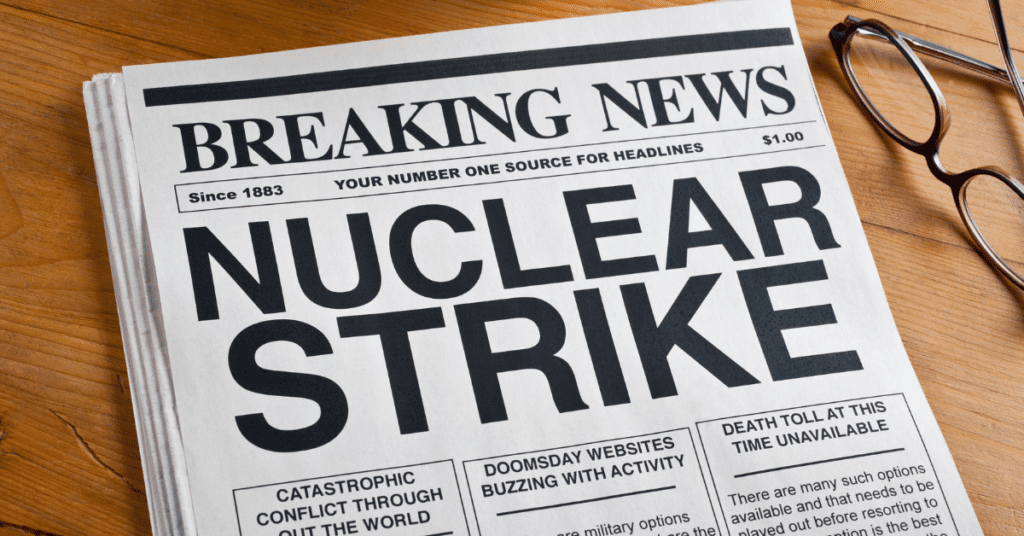
#12) Personal Hygiene Items

While these may not be absolute “essentials”, the truth is that life will get very unpleasant very quickly without them. For example, what would you do without toilet paper? Just think about it. Imagine that you just finished your last roll of toilet paper and now you can’t get any more. What would you do?

The truth is that soap, toothbrushes, toothpaste, shampoo, toilet paper and other hygiene products are things that we completely take for granted in society today. So what would happen if we could not go out and buy them any longer?

#13) A First Aid Kit And Other Medical Supplies

One a more serious note, you may not be able to access a hospital or a doctor during a major crisis. In your survival supplies, be absolutely certain that you have a good first aid kit and any other medical supplies that you think you may need.

#14) Extra Gasoline

There may come a day when gasoline is rationed or is simply not available at all. If that happens, how will you get around? Be certain to have some extra gasoline stored away just in case you find yourself really needing to get somewhere someday.

#15) A Sewing Kit

If you were not able to run out and buy new clothes for you and your family, what would you do? Well, you would want to repair the clothes that you have and make them last as long as possible. Without a good sewing kit that will be very difficult to do.

#16) Self-Defense Equipment

Whether it is pepper spray to fend off wild animals or something more “robust” to fend off wild humans, millions of Americans will one day be thankful that they have something to defend themselves with.

#17) A Compass

In the event of a major emergency, you and your family may find yourselves having to be on the move. If you are in a wilderness area, it will be very hard to tell what direction you are heading without a compass. It is always a good idea to have at least one compass stored up.

#18) A Hiking Backpack

If you and your family suddenly have to “bug out”, what will you carry all of your survival supplies in? Having a good hiking backpack or “survival bag” for everyone in your family is extremely important. If something happened in the city where you live and you suddenly had to “go”, what would you put your most important stuff in? How would you carry it all if you had to travel by foot? These are very important things to think about.

#19) A Community

During a long-term crisis, it is those who are willing to work together that will have the best chance of making it. Whether it is your family, your friends, a church or a local group of people that you know, make sure that you have some people that you can rely on and work together with in the event that everything hits the fan. Loners are going to have a really hard time of surviving for long.

#20) A Backup Plan

Lastly, it is always, always, always important to have a backup plan for everything.

If someone comes in and steals all the food that you have stored up, what are you going to do?

If travel is restricted and your can’t get to your “bug out” location immediately do you have a Plan B?

If you have built your house into an impregnable survival fortress but circumstances force you to leave do you have an alternate plan?

The truth is that crisis situations rarely unfold just as we envision. It is important to be flexible and to be ready with backup plans when disaster strikes.

You don’t want to end up like the folks in New Orleans after Hurricane Katrina. You don’t want to have to rely on the government to take care of you if something really bad happens.

Right now the U.S. strategic grain reserve contains only enough wheat to make half a loaf of bread for each of the approximately 300 million people in the United States.

How long do you think that is going to last?

Now is the time to get ready.

Now is the time to prepare.

The United States economy is going to collapse and incredibly hard times are coming.

Will you be able to survive when it happens?

I want to present you one of the most interesting sites, where you will see new articles daily! www.321gold.com

Countries Most Likely to Collapse in the Upcoming Future

First take a look at one of the most shocking videos in the world! This video actually shows us what the secret of the Trump family is related to their expressive health!!! –FULL VIDEO HERE

Predicting the collapse of a country is like reading between the lines of history, economics, and politics. Some nations, however, are walking on thin ice, where even a small additional burden could lead to their downfall. In this article, we’ll explore 11 countries facing severe risks that could put them on the brink of collapse by 2027. Some of these might surprise you.

1. Lebanon: A country where nothing works anymore
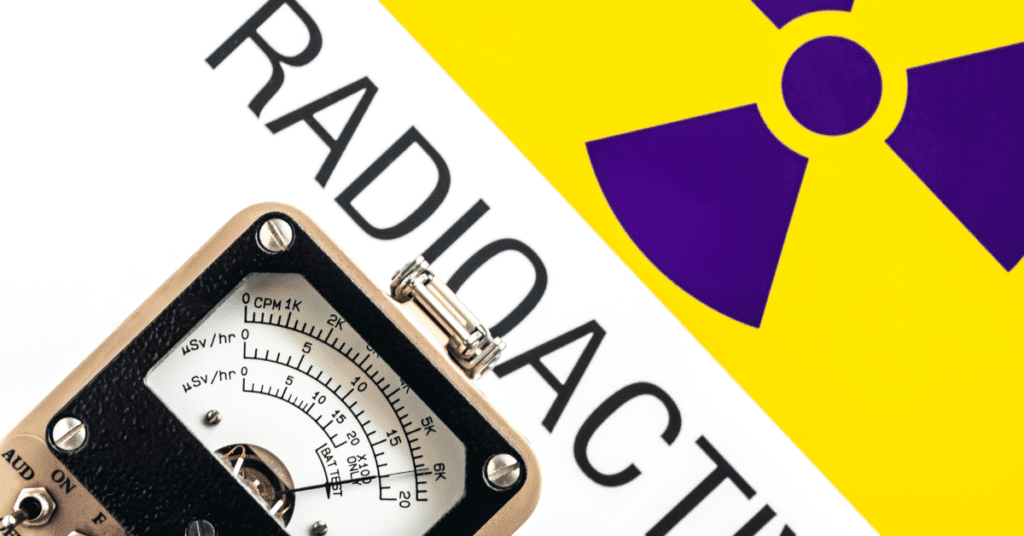
Once hailed as the “Switzerland of the Middle East,” Lebanon is now in absolute economic chaos. Hyperinflation, currency collapse, and political corruption have brought the state to its knees. Ordinary citizens struggle to secure basic needs like food and fuel. Can Lebanon still be saved, or will it follow the fate of nations that fragmented into smaller entities?

You’ll Understand Everything After Watching This VIDEO! 

2. Afghanistan: Taliban isolation and hunger
Since the Taliban regained power, Afghanistan has plunged into international isolation. Its economy is collapsing, people are starving, and humanitarian organizations cannot meet the overwhelming needs. If the situation doesn’t improve, the state risks fragmentation into territories controlled by armed factions.

3. Haiti: From freedom to a nation ruled by gangs
Haiti has been grappling with a crisis for years. With no functioning government, armed gangs dominate cities. Add to that natural disasters like earthquakes and hurricanes, and you have a recipe for complete collapse. Can Haiti ever rise again?

4. Sudan: A nation in perpetual conflict
Sudan’s civil war between the army and militias is spiraling into catastrophe. Thousands are dead, millions are displaced, and famine looms large. If the conflict continues, Sudan could disintegrate into smaller regions controlled by local warlords.

5. Venezuela: From riches to rags
Home to some of the world’s largest oil reserves, Venezuela has been in freefall for years. Hyperinflation, food shortages, and mass emigration have devastated the nation. Could Nicolás Maduro’s regime fall, or will Venezuela remain stuck in this “frozen collapse” for decades?

6. Myanmar: A coup that crushed hope
The 2021 military coup plunged Myanmar into chaos. Protests, uprisings, and ethnic conflicts have become the norm. If the military junta doesn’t relinquish power, the country risks breaking into warring regions.

7. Yemen: A nation where survival is a battle
Yemen is the epitome of disaster. Its civil war between Houthi rebels and the internationally recognized government has raged for years. Millions suffer from hunger and disease. If the conflict isn’t resolved, Yemen could vanish as a functioning state altogether.

8. North Korea: Behind the curtain of isolation
Kim Jong Un’s regime appears solid, but what if it isn’t? Economic sanctions, famine, and a possible power struggle after his death could lead to an unexpected collapse. If that happens, the chaos could be unimaginable.

9. Pakistan: Battling economic and political storms
Pakistan is grappling with an economic crisis deepened by debts and political instability. Extremism, corruption, and worsening relations with neighbors could weaken the country to the point of losing control over its regions.

The country is beset by enemies and is in a constant state of unrest. Frequent power outages and riots exacerbate the situation. The fact that Pakistan maintains the second-largest army does not help, given its current state.

I also feel that their military power is overrated. It’s hard to believe they rank as the seventh strongest considering the ongoing protests.

10. Somalia: A collapse that never ended
Somalia has been a failed state for decades. The terrorist group Al-Shabaab still controls large swathes of territory, while the central government remains weak. Without minimal international support, total disintegration seems inevitable.

11. Georgia

Georgia is a country in the Caucasus region. Located at the crossroads between Eastern Europe and Western Asia, it is bounded to the west by the Black Sea, to the north by the Russian Federation, to the south by Turkey and Armenia, and to the southeast by Azerbaijan. The country’s capital and largest… read more

The most shocking videos in the world! (Full video below)

Georgia is underrated. They are very similar to Ukraine, but it isn’t a full-scale war like in Ukraine. They face the threat from Russia, South Ossetia, and Abkhazia. Also, the threat from a joint invasion from Russia and Armenia is possible. So, it is likely.

Why Do Countries Most Of Time Collapse?
Normally, the collapse of a state is always the result of a combination of factors:

  • Economic instability: Hyperinflation, overwhelming debts, or resource shortages.
  • Political corruption: Weak governments unable to address crises.
  • Civil conflicts: Wars, ethnic tensions, or regional uprisings.
  • Climate change: Worsening conditions, natural disasters, and resource depletion.
  • International isolation: Sanctions or loss of foreign support.

Can Any of These Countries Be Saved?
History shows us that even nations on the brink of collapse can change course with the right leadership, international assistance, or societal unity. While rescue is possible, these cases will require far more than just hope.

Which other countries do you think are at risk? Let’s discuss.

Beyond the most vulnerable states, there are also numerous other countries that could face significant challenges if their situations do not improve.

Here’s a broader look at nations where trouble may deepen:

  1. Sri Lanka – Still recovering from its 2022 financial collapse, with inflation and mounting debts remaining major hurdles.
  2. Ethiopia – The Tigray conflict has eased, but ethnic tensions and economic woes could destabilize the country again.
  3. Libya – Political and military division between the east and west prevents the country from restoring order.
  4. Belarus – Lukashenko’s regime relies heavily on Russia, but domestic protests and international isolation are increasing the pressure.
  5. Iran – Sanctions, domestic unrest, and regional tensions could severely threaten the regime’s stability.
  6. Zimbabwe – Chronic corruption, hyperinflation, and authoritarian governance undermine hope for improving living conditions.
  7. Nigeria – Boko Haram violence, economic inequality, and corruption destabilize Africa’s most populous nation.
  8. Democratic Republic of Congo – Ongoing conflicts and mismanagement of natural resources deepen poverty and unrest.
  9. Bangladesh – Climate change and political unrest could pose major risks to this densely populated country.
  10. Eritrea – One of the world’s most closed-off nations, facing poverty, repression, and isolation.
  11. Kazakhstan – Political unrest and tensions with neighbours could affect the stability of this oil-rich country.
  12. Tunisia – Democratic gains are threatened by political crises and economic struggles.
  13. Armenia – Tensions with Azerbaijan over Nagorno-Karabakh continue to jeopardize regional peace.
  14. Papua New Guinea – Violence, poverty, and corruption hinder the country’s potential for economic growth.
  15. Mali – Terrorist attacks and military coups threaten the future of this West African nation.
  16. Honduras – Criminal gangs and corruption create unbearable conditions for its citizens.
  17. Colombia – Despite peace agreements with FARC, violence remains an issue, with new drug cartels gaining strength.
  18. El Salvador – President Bukele faces accusations of authoritarianism, while gang violence remains a constant threat.
  19. Mozambique – Islamic insurgencies in the north and widespread poverty destabilize this country.
  20. Bosnia and Herzegovina – Ethnic tensions and weak political leadership risk undermining the fragile peace.

These countries may not necessarily collapse, but they face serious challenges that could affect their future.

What other nations do you think are at risk? Let’s discuss!

You’ll Understand Everything After Watching This VIDEO! 

I want to present you one of the most interesting sites, where you will see new articles daily! www.321gold.com

Expect Government Crackdowns… The World was Headed Towards a Global Depression

First take a look at one of the most shocking videos in the world! This video actually shows us what the secret of the Trump family is related to their expressive health!!! –FULL VIDEO HERE

For those professing a preference for one type of government over another, anugly reality is they all cut from the same cloth. Whether we are talking about Democracy, Communism, Socialism, or Fascism the strong link they share is one of dominance and a desire to control. While seen as vastly different systems with distinct goals, each is rooted in the promise people should sacrifice as needed for “the greater good.” The main flaw in a democracy is that it allows a simple majority to force their desires upon others. This is why our forefathers set checks and balances in the Constitution, however, even these do not guarantee freedom will remain. 

Today, the burden of risk and the amount of “skin in the game” is not equally shared by all of society. Over time our financial system and institutions have been corrupted by crony capitalism and a political system that panders to the masses by exchanging favors for baubles. It could be argued that those in power don’t have to take away our freedom by force if we are willing to surrender it or trade it for a few paid weeks off work. Nor do they have to be fair in how they go about this if they simply get a majority of the populace to go along with their plan.

All Americans  Will Lose Their Home, Income And Power By September 16, 2025

Watch the video below!

The suspicion governments are self-serving creatures is apparent in the old school British imperial definition of “commerce” which used free trade as a cover for the military dominance of weak nations. Those put in a position of being exploited often saw this as simply a ruse promoted by those wishing to abuse them. In short, opening borders and turning off protectionism simply makes it easier to rob countries of their wealth. America, a wayward child of England, has been accused of following this same path.

In an article from 2024, a case was made that the world was headed towards an economic crisis due to several factors. The problem is that such a scenario encompasses all aspects of life, from food and energy, to supply chains, geopolitics, and possibly even war. This article is an effort to offer up some ideas on how governments might respond to such an event based on current trends and some of the events that have occurred during the covid-19 pandemic. If we accept the idea that governments are self-serving and that a huge majority of the people suffer during an economic depression, we should expect frictions to develop as the populace seeks solutions to ease their pain. 

Sadly, governments across the world have overreached and crushed the rights of individuals during the pandemic. People have been denied the ability to travel, locked in their homes, followed by drones, and even been jailed. This may have been just a taste of what we might expect if governments are put under pressure to perform. Many people have pointed to the fact that in the past “war has been the go-to answer” often used to take our eyes off of problems. Hopefully, that will not be the case, however, many of the other options possible in the age of almost total surveillance do not seem much better. 

Gone Viral! The most shocking videos in the world… 7 Hidden Signs That Martial Law Will Be Declared

It is wise to remember that when all is said and done, those in power will not be kind to us but they will rapidly throw us under the bus without a thought. Silencing dissidents or those that protest or disagree by limiting free speech is only a start. Lock-downs and curfews take on a whole new meaning when harshly enforced. They can include things like house arrest, cutting power, links to the internet and communication, and even water to areas where unrest gets out of hand. You can expect governments to remove anything that gives us the power to control our fate.

The topic of our future and culture always circles back to and is directly linked to the issue of jobs vanishing as automation and an army of robots march into our workplace. This can result in a future that takes on a very grim dystopian appearance. The fear of being replaced by a robot or seeing your job being outsourced or eliminated is on the rise. Do not be surprised if in the end those displaced from the job market are only given enough to ensure they remain docile and behave. If and when this becomes an issue conflict and violence will arise.

While some people credit Rahm Emanuel with the saying, Winston Churchill was the first to say, “Never let a good crisis go to waste.” He said it in the mid-1940s as we were approaching the end of World War II, and history indicates those in government have taken heed. The one thing we can count on is that when things crumble, the old, “we should have done more” or the “it would have been far worse” lines always flow forth from those in charge. Under this logic, we should be prepared to be subjected to massive abuse by those with strong agendas.  

Possibly, one of the most dire threats we face flows from the combination of big tech and those in pursuit of the highly touted one-world agenda. This brings together a slew of organizations, governments, companies, wealthy, individuals, and bankers with the goal of expanding their power. The gathering in Davos of the World Economic Forum is not for our benefit but more for plutocrats like Facebook’s Mark Zuckerberg and Amazon’s Jeff Bezos that desire to “break the world” with their ruthless agendas to bring more political power into their hands. Recently a great deal of attention has been given to some of the ideas and vision the WEF has floated. One of the most powerful became visible when WEF public relations released a video entitled: “8 Predictions for the World in 2030. Its 2030 agenda offers a telling glimpse into what the technocratic elite has in store for the rest of us. It promotes the idea that  by 2030 “You will own nothing. And you’ll be happy. 

How do you begin to fight or turn back a force that has even incorporated and leveraged the ever-present smartphone as an ultra-powerful surveillance device? By developing programs to organize phone data so that it provides real-time intelligence on every citizen, and using it to guide and influence our actions the power of the state has been deeply enhanced. The digital age has made it far easier for government to seize our computers and records to shape a case against anyone by massaging the data as they see fit. The reason we hear so little criticism of these actions from our government may be that we are next in line to have our freedom culled. Governments are not the friend of the average man. Orwell wrote about how governments could take on a life of their own and criticized totalitarianism throughout his writings.

Totalitarianism, the most extreme and complete form of authoritarianism is a political concept that defines a mode of government, which prohibits opposition parties, restricts individual opposition to the state and its claims, and exercises an extremely high degree of control over public and private life. Political power in totalitarian states is generally pushed by those on the far left or right with strong agendas and an all-encompassing propaganda campaign, which is disseminated through mass media. Signs of its growth are often marked by political repression, growing control over the economy, restriction of speech, and mass surveillance.

Of course, a huge step in individuals losing control over their lives would be the adoption of a single world currency.Those in charge of our financial machinery have indicated to the public their desire for more power. This means creating a truly global centralized economic system and a highly controlled world currency framework dominated by a select cult of banking oligarchs. This would, in effect makes the rest of the human race their slaves. The banking elites are positioning themselves to avoid blame for a disaster in which all fiat currencies fall in value by selling us on an elaborate recovery con-game which includes converting to a new worldwide currency. Remember, this is conceived and perpetuated by those with the most to gain. 

For years the IMF has been discussing replacing the dollar with the SDR as the world reserve currency. It would require governments to borrow from the world central banking authority, rather than printing currency to finance their infrastructure programs. With governments floating the idea of going cashless and to digital currencies, this would give them even greater control over our lives. To be clear, the elites are positioned and merely waiting for a geopolitical disaster or catastrophe so overwhelming that when the time arrives they can portray themselves as our saviors by carrying out this plan. 

This is all part of the New World Order and globalization idea pushed by many of the rich elite and world leaders. It contends that larger, more cooperative governments under one financial unit will benefit us all. The fact is Americans have a great deal to lose if the dollar is dethroned and declines in value. Those who will be crucified are the middle-class Americans whose wealth is locked into or are holding long-term USD bonds thinking they are a safe investment.  To Americans, the fate of dollar-dominated assets and their value when the dust finally settles should be a huge concern but most Americans fail to grasp the implications. 

The transition to a world currency would take a far greater toll on paper assets than tangible goods. While recognizing the flaws of the dollar and our current system I have come to believe the other fiat currencies such as the euro and yen hold even less merit. This includes cryptocurrencies such as bitcoin. Regardless, in the end, we should expect to be told and not given an option as to what is coming. If events unfold in the way those promoting a one-world currency hope, they will be able to portray cleaning up a financial mess as a blessing. The truth is, they will benefit greatly from putting a dagger in the heart of freedom. This is not written to frighten or as a prediction of doom but to dampen any illusions those at the top value those below them.

You’ll Understand Everything After Watching This VIDEO! 

I want to present you one of the most interesting sites, where you will see new articles daily! www.321gold.com

How Would it Impact Global Finance a World Currency?

Here is the detailed explanation from a user’s.

Assuming the whole world starts sharing a common currency whilst maintaining all existing border controls and barriers to trade and the movement of goods, capital and labour, there would be some fairly disastrous effects.

(TL;DR: most countries would exist in a state of disequilibrium, with very high unemployment in some and very high inflation in others, due to asymmetric economic shocks. Exporting firms would find it cheaper to obtain finance and international trade would increase significantly. Most nations would end up finding a World Currency very painful, and the only way to conceivably even slightly make it work is with a World Federation, i.e.: abolishing the idea of sovereign nations).

First, defining what a single currency entails: it means that all countries would give-up control of their money supply and interest rates (i.e.: monetary policy) to a hypothetical World Central Bank. This is NOT the same as the World Bank, which gives loans for development projects in countries – the World Central Bank instead would control the global money supply and interest rates for this new currency.

Secondly, some definitions: monetary policy is control the money supply and interest rates, and is managed by the central bank. Fiscal policy is control of government finances, and includes things like tax rates, government spending etc. The exchange rate is the value of the currency against other outside currencies – in a common global monetary union, take that to be the nominal value of the currency.

Now, it’s important to understand the idea of an “Optimum Currency Area (OCA)”, that is, a cluster/region of countries that can form a currency union without significant negative economic effects.

There are various theories for what constitutes an OCA, but the most famous is the one developed by Canadian economist Robert Mundell, who won the Nobel Memorial Prize in Economics for his work on OCAs and monetary union in 1999. Mundell theorised that currency unions need to have a high level of labour and capital mobility to work successfully. Say country A and country B share a currency (enter a currency union). Now, an asymmetric shock (which is an economic shock that impacts different countries in different ways) hits A negatively, causing a contraction of aggregate demand (AD) in country A. If it had its own currency, its exchange rate would depreciate against the rest of the world to restore competitiveness, reducing the price of exports and increasing the quantity of exports sold. This will allow AD to start increasing again and equilibrium will be restored. In a currency union, the exchange rate will depreciate slightly, but not all the way, as country B has not had a contraction of demand. This means both countries will now exist in a macroeconomic disequilibrium: A’s exchange rate is overvalued, hurting competitiveness and causing unemployment, and B’s exchange rate is undervalued, increasing exports and causing inflationary pressure. To restore equilibrium, labour and capital needs to be able to move from A into B – hence, an Optimum Currency Area needs a high level of labour and capital mobility across borders.

The incredibly highly integrated Eurozone, which has open borders and a common factor markets, already suffers from insufficient labour mobility across borders for a number of reasons, including differences in pension schemes, language barriers, differences in qualification acceptance etc. So the world does not in any capacity have sufficient mobility of labour and capital across borders: there are way too many barriers to the movement of factors of production. A world-currency implemented under anything close to the status-quo idea of independent nation states and borders would result in most countries being in a permanent state of disequilibrium, with high unemployment in some places and high inflation in others.

The world as a whole is also far too vulnerable to asymmetric shocks for it to be an OCA. Commodity-exporting countries in particular struggle to join OCAs as shocks to commodity markets are often far sharper than shocks that hit other industries.

In addition, countries would lose the ability to use monetary policy to correct economic shocks, that is, raising interest rates in times of high inflation and lowering them in times of high unemployment and low inflation. They would be forced to use fiscal policy to correct shocks, but different countries have different approaches to fiscal policy and without some sort of fiscal-policy rules and fiscal transfers implemented by the World Authority overseeing this, there would likely be many cases of countries’ fiscal responses negatively impacting other nations who are in different stages of their economic cycle; the global interest rate for some countries would end up too high and for others, too low. There is also the issue that many countries would become more vulnerable to sovereign default as they would have foregone control of interest rates and the money supply. This would likely result in a series of Greek-like disasters in countries with severe downturns, particularly in countries with poor fiscal discipline.

The case of the Eurozone shows its almost impossible to make a successful currency union without fiscal union and transfers, which effectively means to make a currency union work it needs to be federal entity with a common government.

Finally, Ronald McKinnon and the McKinnon Criterion tells us that in order to minimise the likelihood of asymmetric shocks, countries that enter a currency union should/must have a high level of trade amongst each other. This is not true for the whole world, and likely will not be for the forseeable future purely down to distances (the Gravity Model of trade tells us the value of trade between two nations is inversely proportional to the distance between them).

Now, common currency areas DO see increases in trade as common currencies reduce the cost of exporting and importing. It also reduces the uncertainty export-industry firms face in what their foreign revenues will be, which without a currency union, would fluctuate depending on the exchange rate. This increases investors’ and banks’ confidence in these firms, reducing their cost of obtaining finance and increasing production, thereby increasing exports. When this occurs in all currency union members, you get a surge in trade. Some economists therefore theorise that the creation of OCA is endogenous to STARTING a currency-union, in that a common currency facilitates more trade which brings the union closer to an OCA.

It also can make firms more efficient. As an example, pre-Eurozone, it was common for unions to negotiate high wages, which firms would accept, expecting the government to devalue the exchange rate to reduce the price of exports and make up for the lost competitiveness. Workers in different countries were effectively competing against each other; the introduction of a common currency, the Euro, removed this mechanism, making wage-setting more economically sensible and firms more competitive, reducing prices.

Overall, in the status-quo, a world currency union would result in the vast majority of countries being in a state of economic disequilibrium. For it to even slightly work, you would need a common world government with fiscal rules at the very least, and a world federation at best – and even then, much of the world would remain in disequilibrium as asymmetric shocks can never be totally removed.

Now, if you propose a global currency union AND the removal of all barriers to the movement of goods, capital and labour (i.e.: an open border world), with a common government, that gets more interesting but is beyond the scope of what I can answer at the moment.

I want to present you one of the most interesting sites, where you will see new articles daily! www.321gold.com