The Great Depression was caused by much more than Black Tuesday, the day the stock market crashed. From what I understand, the biggest thing that caused the depression was the loss of confidence in the banking system. There was a run on the banks, destroying their financial base, which in turn forced them to liquify assets. That had the net result of turning what had been good investments into bad, putting the banks in worse conditions.
There are a number of very serious differences between the economy of the 1920s and the economy today. I could talk about a lot of different things that fall into this, but the main point is that the government is meddling in the economy much more today, than they were back then. Giving Congress the benefit of the doubt, that meddling has largely been done with the intent of making things better; but Congress seems incapable of learning the lesson that there are always unintended consequences to their actions. Some of those actions include:
Not allowing banks to fail. While nobody wants to see banks fail, buying up their debt and/or assets to prevent failure or to pass those assets on to other banks at a reduced cost, merely puts off the financial impact, while increasing the national debt.
Not allowing major corporations to fail. Instead, the government props them up with taxpayer dollars.
The trillion-plus-dollar spending packages due to COVID relief and the “infrastructure bill” have jacked up the national debt to previously unheard of levels.
Increased dependence on the protection provided by Welfare and other related programs adds to the national debt, while training people to depend on the government to take care of them, rather than taking care of themselves. In the case of a recession or depression, more people would be receiving that aid, driving the national debt rise even faster.
The FDIC, which exists to guarantee depositor’s funds, was in its infancy, with only the largest banks as members, before the Great Depression. Today, pretty much every bank is a member of FDIC, which is backed by the US government. Should the FDIC be unable to pay, the government would be forced to, increasing the national debt.
Each of these things has been done to help protect our economy, “cushioning” any impact from a negative turn in the economy. But the unintended consequence is that they all have the net effect of increasing the national debt, one of the major things that is driving us closer to a financial collapse. In other words, what they are really doing is kicking the collapse down the road, hoping that in doing so, they can make it disappear. That just means that when the collapse does finally come, it will be worse.
There’s another hidden consequence of these actions. That is, as the Federal Reserve keeps “printing” more money to meet all these government “obligations,” the value of our money on the international stage keeps going down. In other words, we get inflation. Eventually, Chinese products won’t be cheaper, but we’ll still be forced to pay for them, because we won’t be manufacturing competitive products here at home.
The ultra-wealthy are planning your future right now. They’ll call it ‘utopia’ and sell it to you as such, but it’s actually the opposite. Welcome to the first of a two-part series.
Utopia is a place of “ideal perfection, especially in laws, government, and social conditions.” At least, that’s the dictionary definition.
The thing is, despite humans having tried for thousands of years to attain Eden-esque perfection, it’s impossible. Worse, the irony of such efforts is literally baked into the word ‘utopia:’
In 1516, English humanist Sir Thomas More published a book titled Utopia, which compared social and economic conditions in Europe with those of an ideal society on an imaginary island located off the coast of the Americas. More wanted to imply that the perfect conditions on his fictional island could never really exist, so he called it “Utopia,” a name he created by combining the Greek words ou (“not, no”) and topos (“place”).
Still, that doesn’t stop people from trying to create fictional paradise. The latest attempts are — unsurprisingly — conceived of, funded by, and built by our billionaire overlords, who aim to own everything and define how our lives will be lived in the future.
At the same time, a paradox is unfolding. While several attempts at billionaire-initiated paradises are currently in the works, some efforts are failing, some are falling apart, and some are simply struggling to get off the ground.
What we know about Silicon Valley elites, bitcoin bros, and AI billionaires is that they dream big and have virtually limitless finances. So even failed attempts at utopia — or whatever their version of it is — gets the entire cohort a step closer to decoding a formula that might stick. It’s like unlimited funding to indulge a God complex.
In part one of this series, we’re looking at four concepts for creating paradise on earth crafted by the freedom loving, libertarian, optimized-living-through-technology crowd. What exactly do these communities promise? Who’s behind them? And most importantly, could they just be 15-minute dystopian wolves in utopian sheep’s clothing? Let’s dive in.
1. Próspera (Honduras)
Próspera began as a bold libertarian experiment on the tropical island of Roatán, off the northern coast of Honduras. It’s the brainchild of Erick Brimen, a Venezuelan-born wealth fund manager who imagined a city run not by politicians, but by market forces and blockchain logic. He’s aiming to create a low-tax, deregulated tech haven where businesses can make their own laws, or choose to implement existing national laws from a menu of 36 countries. Residents pay low taxes (payable in Bitcoin), and biotech startups push the limits of radical life extension with experimental, as yet unproven treatments disallowed in other countries.
With venture capital backing from Coinbase and Sam Altman–linked projects, plus support from figures like Peter Thiel, Próspera has quickly become a magnet for crypto evangelists, longevity obsessives, and deregulation devotees. It hosts conferences with themes like: “Make death optional.” It’s creating a walled city with private arbitration courts, judges who adjudicate online from Arizona (no idea why Arizona — our research was not explicit), and QR-code entry checkpoints.
But like all utopias, this charter city dream has clashed with reality. One critic called it a “libertarian fantasy… that’s not going to turn out well.” The Honduran government that initially supported the project and allowed for the zoning laws making it possible has since collapsed in scandal — with the former president serving time in US prison for conspiring to import and distribute over 400 tons of cocaine. That’s a lot of blow.
Locals in the nearby village of Crawfish Rock have not taken kindly to the idea of the gated city and have accused Próspera of land grabs, environmental damage, and trying to push them out. When the current democratic socialist President, Xiomara Castro, declared the former administration’s zoning laws unconstitutional, Próspera fought back in international court, demanding nearly $11 billion USD in damages — about a third of the country’s GDP — an amount that would bankrupt the country if they lose the case.
Brimen is doubling down, lobbying American politicians to argue in his favor and launching a spin-off project aimed at Africa.
This all plays out as an ironic twist of history: a 21st-century version of the banana republic, complete with foreign investors, private courts, and corporate control over land, law, and labor. The term ‘banana republic’ was coined by author O. Henry to describe Honduras — a place where US fruit companies ran the economy. Now, crypto-capitalists and Silicon Valley VCs are picking up where the plantations left off, except this time, they’re promising immortality instead of bananas.
2. NEOM (Saudi Arabia)
NEOM was supposed to be Saudi Arabia’s leap into the future: a $500 billion high-tech oasis in the desert that would make even Silicon Valley blush. Conceived in 2017 by Crown Prince Mohammed bin Salman as the crown jewel of his Vision 2030 plan, NEOM promised flying taxis, robot dinosaurs, artificial moons, a desert ski resort with fake snow, and a 170-kilometer mirrored city called The Line.
This mirrored city was meant to stretch 170 kilometers across the desert with no cars, no roads, and no emissions — just smart infrastructure, biometric surveillance, and those previously mentioned flying taxis.
But like many utopias, the fantasy is already buckling under the weight of reality. The goal was for The Line to eventually be home to 9 million people, with 1.5 million residents by 2030. Middle East Eye reports that Saudi officials now predict fewer than 300,000 in that time frame. Only 2.4 kilometers of The Line may actually be completed by 2030. Oil revenues — the main funding source — have declined sharply, and insiders say the kingdom is facing an “environment of limited resources.” Budget reviews are underway, and other NEOM projects (like the year-round ski resort) have been shelved, delayed, or drastically scaled back.
Behind the glossy renderings lies a construction project with a dystopian work culture. NEOM’s former CEO, Nadhmi al-Nasr, developed a reputation for abusive management. “I drive everybody like a slave,” he said, celebrating “[w]hen they drop down dead… That’s how I do my projects.” In one case, he told an employee to “walk into the desert and die” so he could urinate on their grave. As a result, there has been a mass exodus of foreign executives, many of whom forfeited six-figure contracts just to escape the toxic environment.
Meanwhile, members of the Howeitat tribe, native to the land NEOM occupies, have resisted the development. Many have been forcibly removed, at least one activist was killed, and others have been imprisoned for resisting eviction. Human rights groups have condemned the project, while NEOM’s own consultants warned that the mega-structure could actually change the weather and decimate bird populations due to its massive mirrored walls.
None of this matters; Saudi officials press on. Promotional videos still promise a gleaming future where “Neomians” live in harmony with nature, technology, and robot dinosaurs. But those on the ground tell a different story — of constant surveillance, sexual harassment allegations ignored by leadership, and Orwellian control over employee life. Promises of a liberalized social zone — with alcohol, gender mixing, freedom — have quietly been walked back by a government known for its public stonings and other extreme punishment for ‘immorality.’
NEOM may, in fact, never turn out to be the future of urban life. But it may just be the world’s most expensive monument to authoritarian delusion: a dystopian nightmare of a city built on sand, surveillance, and slogans.
3. Telosa (Somewhere, USA)
Telosa is what happens when a billionaire tries to build a utopian city without using the word ‘utopia.’ Marc Lore, former Walmart executive and founder of Jet.com and Diapers.com, envisions a new city rising from scratch somewhere in the American desert (or possibly Appalachia), designed to be sustainable, walkable, tech-forward, and just equitable enough to keep you from asking too many questions.
According to Telosa’s website, this categorically, definitely, 100 percent isn’t a utopia.
Is the goal to create a utopia?
No, we are absolutely not attempting to create a utopia. Utopian projects are focused on creating a perfect, idealistic state — we are not. We are firmly grounded in reality and what is possible.
We are focused on the best, most sustainable solutions for infrastructure, urban design, economic vibrancy and city services, but we fully recognize that no solution is perfect and all human systems have flaws. Therefore, we are committed to new ideas, finding the best way to solve difficult problems and constant improvement.
And yet the renderings and promo videos suggest otherwise: gleaming towers, shaded plazas, handicap-accessible courtyards, and monorails slicing silently through eco-optimized zones. If it looks like utopia, smells like utopia, and plans to engineer human behavior like utopia — well, you do the math.
The project is called “Telosa,” from the Greek word telos — meaning “highest purpose.” Hey — stop calling it utopia!
The big idea is for 50,000 people to move to this yet-to-be-determined place by 2030 and have the population eventually grow to 5 million. Everyone lives within a short walk (15 minutes maybe?) of everything they need — a school, a park, a job (lolz!), and probably an AI wellness coach. Cars, of course, are banned. There will be solar-powered towers and vertical farms and an economy based on “equitism,” a remix of a 19th-century idea where the city itself owns the land and uses rising property values to fund social services.
But for all its lofty ideas, Telosa has yet to put a single shovel in the ground. There’s no final site, no government approval, and no clear funding beyond Lore’s initial push. It’s still just a shimmering concept, a mirage sketched by a star architect (Bjarke Ingels) and floated in interviews, TED talks, and design expos.
Critics argue that if Lore really wanted to help people, he could invest in solving infrastructure problems in existing cities. Others point out that “15-minute cities” — the model Telosa clearly mirrors — have become a global flashpoint, praised by urban planners but derided by skeptics as a way to centralize control, limit movement, and monitor citizens.
So far, Telosa’s biggest achievement is that it’s really good at marketing a city that doesn’t exist. If it ever does gets built, we may finally get to ask: does a billionaire-designed city really offer freedom — or just the illusion of choice in a world where the architecture has already made the decisions for you?
4. Seasteading & Arkpad (Southeast Asia)
If you’ve ever dreamed of escaping taxes, regulations, and society itself, there’s a billionaire-funded plan for that: Seasteading — the floating libertarian fantasy that just won’t sink, no matter how many times it fails.
First floated (literally and ideologically) by the Seasteading Institute in 2008, the project was originally funded by… wait for it… Peter Thiel. He envisioned self-governing cities bobbing peacefully in international waters until backing away from the idea and stating they were “not quite feasible from an engineering perspective.”
The concept was a nation without a nation, where entrepreneurs could escape pesky things like labor laws, zoning, and democracy. In short: Silicon Valley meets Waterworld, minus the humility.
An initial prototype near Thailand ended with Thai authorities raiding the floating platform and accusing the residents of endangering national sovereignty, an offense punishable by life imprisonment or death. The couple that lived on the house boat went into hiding and the Thai navy eventually hauled away what was essentially a raft with Wi-Fi.
The broader Seasteading movement has since splintered, evolved, and — most recently — mutated into a newer project with fresher branding: Arkpad. “By building a community in the ocean, you’re not just creating a home; you’re crafting a legacy of innovation, freedom, and sustainability,” reads the marketing copy.
Arkpad bills itself as a “sovereign lifestyle project” and a “network state” — crypto-native language for the same old dream: private governance, no taxes, total control. Based in the Philippines, Arkpad is aiming to build on ocean-based platforms and create a floating community, complete with decentralized ID systems, underwater real estate, and NFTs for residency. Because, of course.
Their YouTube channel mixes crypto sermons with dreamy renderings of sleek structures rising from the sea — modern-day Noah’s Arks, minus the animals or flood, but heavy on Bitcoin and barnacles. Watch the videos carefully and you’ll see the architects’ sleek computer-generated renderings blur into the reality of what an Arkpad really is: a concrete block floating in the middle of absolutely nowhere. No word on whether they supply residents with free Dramamine.
Check out that roof deck — no Jimmy Buffett vibes here.
Just like Seasteading before it, Arkpad suffers from a chronic case of reality avoidance. Engineering constraints, rising ocean temperatures, maritime law, international sovereignty, and basic logistical challenges all still exist. What’s more, these projects have always been less about freedom for all and more about escape for the few. Not everyone is invited to these floating utopias. They’re luxury lifeboats for a digital elite preparing to sail away from the consequences of the world they helped wreck.
Until further notice, Seasteading and Arkpad remain what they’ve always been: libertarian lighthouses in the fog — glowing ideals with no mooring in the real world.
Final thought: utopias always fail
Whether real or imagined, all these utopian concepts promise clean slates and high-tech harmony in their own way, plugged into the seductive guarantee of a new way to live. Blockchain ruled and perfect in efficiency, there remains only one slight problem: Reality.
History shows that when elites indulge in the fantasy of utopias, reality always gets in the way. Wealthy eccentricity is tolerable for a small group of like-minded disciples, but humans are not robots. Therefore, it’s unlikely that a utopia cooked up by some micro-dosing, immortality-seeking tech bro could ever be scaled up except through heavy reliance on surveillance, coercion, and control — where things eventually devolve into socially engineered, privacy-erasing digital prisons, wrapped in glossy marketing brochures and eco-communal delusion.
There’s also the problem of governments — they’re not into the whole competition thing. But hey, that’s not going to stop these billionaires from trying. So in part two of this series, we’ll look at some of the other ways billionaires are planning to control the future of urban living and how it might affect you.
The evolution of economies from agriculture to an industrialized system has prominently shaped modern society. However, what if the economy had only been based on agriculture?
In that case, the unemployment rates would not have varied as wildly as it does today. It would have affected various sectors such as the participation of men and women in the workforce, demand for nutrition based on population, and child labor. I will tell you why – and we don’t need to look far beyond. In pre-industrial Europe, male unemployment was estimated to be as low as 2-3% compared to the 8-12% seen during industrial downturns in the 19th and 20th centuries.
I know, you are probably wondering why we don’t have such great unemployment figures now, but that’s how the world has changed. And it’s interesting to think how things would have been otherwise. Sure, we may not have had an iPhone in our hands – but what was the trade-off?
Even today, smallholder farms do better when it comes to job creation than industrialized farms. Interesting, right?
We Would Have Had Lower Unemployment Rates for Men
If an economy is entirely based on agriculture, the role of men in the workforce will become limited due to the seasonal cycles of vegetation. I am emphasizing ‘men’ here since the agricultural economy was dependant on men.
The traditional way of working in agriculture was male-dominated and labor roles for men were sufficient that they could lead to consistent employment opportunities throughout the year. It is not the same in the industrial sector where downturns in the economy or technology can lead to huge mass layoffs that contribute to certain unemployment rates.
The constant need for labor for planting, tending, and harvesting is a way to provide consistent employment throughout the year. So, stability in agricultural work can lower unemployment rates for men.
Lesser Demand for Women in the Working Sector
Not everything would have been as rosy though.
In the olden times, agriculture was majorly handled by the family labors and women played a crucial role in that. Women were engaged in planting, hoeing seeds, weeding seeds, sorting, and harvesting. However, it can supposed that the demand for working in the industrialized sector for women was less as their roles were quite limited to home.
This all changed with the Industrial Revolution, which increased employment rates for women as well in the factories due to which women looking for financial independence and better wages were attracted.
Let’s know a bit about it in this context.
In pre-industrial America, the role of women and men was almost equal as their center of production was the household. Most families lived on farms and worked together throughout the year from sowing seeds to harvesting. Within this scene, where the men were the heads of households, women were also equally involved as caretakers and goods producers. The roles of men and women were equally important.
From the first stage of industrialization, men started to work outside the home in the factories, where they had to work under other owners. However, this created a men-dominated industrial environment, due to which the roles of women became limited to the household.
As a matter of fact, if the economy was solely based on agriculture, the demand for women in the industrial workforce would have been lesser and their roles would be domestic.
Improved Growth of Nutrition and Population
Technological growth in the agriculture sector has always improved the ways of crop production. Without the Industrial Revolution, the focus would have been mainly on improving farming methods. The technological advancement in farming methods would have led to increased crop productivity. This way fewer people would need to migrate to urban areas for employment and access to fresh food and grains would be higher for people living in agricultural areas. Industrialization has played a significant role in improving farming methods, which led to more and enough crop production for the population.
However, where the role of industrialization helped to improve agriculture technologies to provide better nutrition for the increasing population, it has brought several disadvantages as well. In modern times, the role of industrialization is vigorously affecting agriculture resulting in deforestation, which is a serious issue to resolve worldwide.
Child Labor Would Have been Different
One of the main issues with industrialization is child labor, where children are provided with work based on their abilities in factories for long hours at lower wages. The amount of child labor could have been lower if the industry was solely based on agriculture as the children’s work would have been limited to their family units and they did not have to work for long hours in factories. This way children could get more time to focus on their education.
This impact was so harsh that it still goes on today. Even in a developed country like the U.S., which stands among the largest economies in the world, child labor is a critical issue to resolve. From the first to the fourth industrial revolution, where the role of women drastically improved, which is good for gender equality, child labor increased as well.
Back then in the agriculture-based system, it was good for kids when they could work with their families as a helping hand and could make time for their education as well. Now, it’s different – children have to focus on working for minimum wages and have to do hazardous work in factories or agriculture sites for long hours.
While industrialization has led to significant economic and technological growth rapidly, the economy based on the agricultural sector has its distinct advantages on stability in employment rates, gender roles, nutrition, child labor, and education.
This scenario is supposed to deliver an understanding of the potential outcomes on the economy due to the agriculture-based sector and industrialization. There are two aspects to this. When we move away from an agrarian economy, like the U.S. has, it is more dependent on other nations on food. But it has made its gains as it has focused on being a leader in the industrialized economy.
In short, both have their advantages in different aspects and come with various potential challenges for everyone to face. However, in modern times, it can be ensured that both are equally necessary for the economic growth of a country.
The thought of an economic collapse is not just unsettling, it’s terrifying. The reality is that economic collapses can hit suddenly and with devastating force, leaving those unprepared in dire circumstances. The warning signs are there, but most people ignore them until it’s too late. Rising debt levels, stock market instability, and growing social unrest are all flashing red signals that an economic meltdown is looming closer than we’d like to think. We will break down these key indicators so you can recognize the danger and take action before it’s too late.
Getting back to the main point, let’s see what signs to look out for that an economic collapse is right around the corner.
1. Skyrocketing Debt Levels
One of the clearest indicators that an economic collapse may be impending is the rise in both public and private debt. When debt levels rise beyond sustainable limits, the entire financial system becomes fragile, like a house of cards. Governments borrow excessively to fund programs, private citizens max out their credit cards, and corporations take on huge loans to fuel expansion—all signs of an economy living on borrowed time.
Currently, global debt levels have reached unprecedented heights, with the United States national debt exceeding $33.1 trillion and many other countries facing similarly unsustainable debt loads. Household debt in the U.S. has also surged, with consumer debt (including credit cards, auto loans, and student loans) surpassing $17 trillion. These staggering figures are a clear warning that the financial system is under immense strain. Rising interest rates make it harder for both individuals and governments to service their debts, which could lead to defaults and a potential financial crisis.
Government debt, in particular, is a significant red flag. When countries take on more debt than they can realistically pay back, they often resort to printing more money, leading to inflation. We’ve seen this happen in places like Argentina and Zimbabwe, where hyperinflation eroded the value of currency to almost nothing. When debt reaches critical levels, investors lose confidence, interest rates spike, and the government may default, pushing the economy into a tailspin.
On a personal level, rising household debt means that people are living paycheck to paycheck, struggling to cover their expenses. This fragile balance means that even a small shock—like rising interest rates or job losses—can lead to widespread financial ruin, contributing to the larger economic collapse.
Protect yourself from this by learning how to grow your own crops, to become self-sufficient. Buying a medicinal garden kit now can help you have a lower reliance on big pharma medication. Building a root cellar will help you feed your family, and so on.
2. Stock Market Instability
The stock market is often viewed as a barometer of economic health, and significant instability can be a key indicator that trouble is brewing. When stock prices swing wildly, it’s usually a sign that investors are losing confidence in the economy. These fluctuations often reflect underlying economic weaknesses that aren’t immediately visible to the average person.
Recent market volatility has been driven by various factors, including rising interest rates, fears of a recession, and geopolitical tensions. The U.S. stock market experienced significant sell-offs in 2022, and 2023 has seen continued instability with fears of a potential bubble in the tech sector. High valuations, particularly in sectors like technology, have led to concerns that we are in yet another speculative bubble similar to the dot-com era.
A major warning sign is when stock prices are inflated well beyond what the companies are actually worth. This creates a bubble, and we all know what happens to bubbles—they eventually burst. Remember the dot-com bubble of the late 1990s or the housing bubble of 2008? In both cases, stock prices reached unsustainable levels before crashing down, taking the economy with them.
Market instability can also be sparked by geopolitical events, changes in government policy, or sudden economic shifts, creating a ripple effect that eventually reaches everyone. When you start seeing stock market crashes, mass sell-offs, or emergency measures taken by financial institutions, it’s time to pay attention—these are the tremors that come before the earthquake.
3. Social Unrest and Political Instability
Another key signal of an impending economic collapse is rising social unrest and political instability. When people are struggling financially, they tend to lose faith in the government’s ability to lead, and this can lead to protests, strikes, and even riots. Social unrest is often fueled by high unemployment rates, inequality, and rising living costs—all of which can be exacerbated by poor economic conditions.
In 2023, we have seen significant protests in countries like France over pension reforms and rising living costs. Similarly, unrest in countries like Sri Lanka and Lebanon, driven by economic mismanagement and shortages of basic goods, has led to widespread demonstrations and political turmoil. These events highlight how economic hardship can quickly lead to a breakdown in social order.
The situation can quickly spiral out of control. When people can no longer afford basic necessities, frustration turns to anger, and that anger is often directed toward those in power. This leads to political instability, and in some cases, governments may be overthrown or forced to implement drastic measures to maintain control. We’ve seen this pattern play out in countries like Venezuela, where economic mismanagement led to severe shortages of food and medicine, and widespread social unrest followed.
When social cohesion begins to fray, it’s a strong indicator that an economic collapse is near. Social unrest doesn’t just reflect dissatisfaction—it also disrupts businesses, decreases productivity, and scares off investors, further weakening the economy. A society on edge is a society on the brink of economic failure.
Protecting your family becomes vital. That is why we so often talk about the Bug-In Guide by Navy Seal Joel Lambert. It teaches you vital things like:
What hiding places looters never check
Violence-free ways to keep looters off your property
How to hide that you still have power left in a blackout
How to use a car battery to power up your radios
What vital medical supplies you need to always keep in your house
Preserving food without a fridge
And much more
Joel Lambert did a great job and creating a comprehensive resource that saves lives. We have to recommend it for anyone looking for lost or overlooked knowledge that actually works.
4. Bank Instability and Financial Crises
Banks are the lifeblood of any economy, and when they start to fail, it’s a clear sign that an economic collapse may be imminent. Banks take in deposits and lend money to individuals and businesses, keeping the gears of the economy turning. But when banks start running into trouble—whether due to bad loans, risky investments, or a lack of liquidity—the consequences can be dire.
The sudden failure of SVB (2023) and other regional banks sparked fears of a broader banking crisis, highlighting the fragility of the financial system. Banks limiting withdrawals or imposing stricter regulations are also warning signs that confidence in the system is wavering.
One of the most obvious warning signs is when banks begin limiting withdrawals or imposing capital controls. If people start losing faith in the banking system, it can lead to a bank run—where everyone rushes to withdraw their money at the same time, draining the bank of its reserves. We saw this during the 2008 financial crisis when banks like Lehman Brothers collapsed, sparking panic and chaos in financial markets around the world.
Banks are also heavily interconnected, meaning that the failure of one major institution can trigger a domino effect, leading to a broader financial crisis. If you hear news of large banks struggling or requiring government bailouts, it’s a major red flag that economic collapse might be closer than you think.
You cannot do anything when the banks collapse. You will basically not have access to your money anymore. And money might even be worthless in a huge economic collapse.
5. Currency Devaluation and Inflation
Another telltale sign that an economic collapse is on the way is the rapid devaluation of currency. When a nation’s currency begins to lose value quickly, it’s often because the government has been printing too much money or because confidence in the economy is waning. This leads to inflation, where the purchasing power of money declines, and everyday items become more expensive.
In 2023, inflation has remained a significant concern in many parts of the world. 2024 was not much better. The U.S. has seen inflation rates hovering above historical averages, while countries like Argentina are dealing with inflation rates exceeding 100%. Currency devaluation and rising costs are eroding purchasing power, making it harder for people to afford basic necessities.
Hyperinflation is the extreme end of this spectrum, where prices skyrocket at an uncontrollable rate. People in countries like Venezuela and Zimbabwe have experienced hyperinflation so severe that their currency became virtually worthless. When inflation gets out of control, it’s often too late for corrective measures, and an economic collapse follows shortly thereafter.
Currency devaluation also affects imports, making them more expensive and leading to further inflation. For nations that rely on imports for food, fuel, or other essentials, this creates a vicious cycle that can lead to widespread shortages and economic instability.
Final Thoughts
Economic collapse is a frightening prospect, but it rarely comes without warning. Skyrocketing debt levels, stock market instability, social unrest, bank failures, and currency devaluation are all indicators that the economy is in trouble. By paying attention to these warning signs, you can take steps to prepare yourself and your family for what might come next.
Preparation is key. Stockpile essentials, diversify your income, reduce your debts, and stay informed. The more you understand these warning signs, the better equipped you’ll be to weather the storm when the economic collapse begins. Remember, the key to survival isn’t just having the right supplies—it’s knowing when to act, staying calm, and adapting to the changing landscape.
I want to present you one of the most interesting sites, where you will see new articles daily! www.321gold.com
INTRODUCTION – My hope is that greater numbers of readers will be exposed to this important piece of research and citizen journalism.
Today, I’m publishing a long, but abridged, version of Part 2 of Michael Bryant’s “Timeline to Covid Tyranny.” I’m publishing these excerpts because I believe this document deserves much larger readership levels than it’s probably received to date.
While a lengthy read, Mr. Bryant has identified almost all of the key events that ultimately produced the most significant and ominous event of my lifetime.
From the events Bryant has identified, it’s possible to better connect many of the key dots that produced what Bryant argues is a faux pandemic, one that resulted in myriad crimes against humanity – crimes that the perpetrators got away with.
From reading all of Parts 1 – 3, one gets a much-better sense of the roster of Deep State members. (Bryant provides names of key organizations and and brief bios of many of the key actors).
Also, Bryant’s formidable research strongly suggests that the end game or reason for the “Pandemic of the Century” may have been an effort to cover-up a possible seismic economic/financial implosion or explosion.
Readers will also see the importance of censorship initiatives and how “narrative control” efforts were utilized to create mass fear in the public and to suppress any significant push-back against “vaccine hesitancy.”
One of my take-aways is that the “public health establishment” long ago morphed into the “Vaccine Promotion Establishment.” (In Part 2, I was struck by the fact Bryant highlighted several events that suggest that a “new” mRNA flu vaccine seems to have been very important to the Powers that Be, as well as the effort to roll-out numerous other mRNA “vaccines” in the future.)
Like myself, most readers will be struck by the massive and long-term levels of coordination that was clearly required to stage the Covid event.
Like Bryant and many other chroniclers of non-authorized narratives, I’m convinced Covid had to be planned and had to be planned for reasons that, almost certainly, had little to do with protecting the public from contagious respiratory viruses.
Notes:
What follows are excerpts from a longer document. For those interested in a deeper dive, I enthusiastically recommend reading or skimming all three installments. According to Bryant:
In Timeline to Covid Tyranny – Part One: Constructing the Biosecurity Empire (1999–2018), “we examined how the political apparatus for a rolling, worldwide state of emergency was assembled, piece by piece, and how the infrastructure for the biosecurity state was constructed.”
Note: I previously published a piece where I expounded on many of Bryant’s key timeline events.
Part 3 (to be summarized in a similar piece I will publish tomorrow) covers “The Year 2020 and How the World was Smashed to Pieces.”
Today’s piece is headlined:
Timeline to Covid Tyranny – Part Two: The Year 2019 and The Coming Storm – This piece “reviews the events leading up to the ‘shock and awe’ campaign of 2020.”
Emphasis, via boldfaced text, was added by myself and not by the author, Mr. Bryant. The sub-headlines were also added by Bill Rice, Jr and I added three photos/memes.
All three of Bryant’s articles (with future installments to come) are published at the website of the non-profit organization “Health Freedom Defense Fund,” which was founded by Leslie Manoonkian.
2019 Timeline of Key Events …
By Michael Bryant
January 16, 2019 — The World Health Organization (WHO) publishes Ten Threats to Global Health in 2019. Climate change and a looming influenza pandemic are some of the significant global health threats the world can expect in 2019, according to the WHO. The organization also names vaccine hesitancy as one of the world’s top ten global health threats.
January 23, 2019 — CNBC’s Becky Quick interviews Bill Gates at the World Economic Forum (WEF) meeting in Davos, Switzerland. Echoing what he wrote in his Wall Street Journal essay, “The Best Investment I’ve Ever Made,” Gates cites his investments in global health organizations aimed at increasing access to vaccines as his most lucrative to date, earning him a 20-to-1 ($200 billion made on $20 billion) return.
January 24, 2019 — “Imperial College scientists present vaccine revolution to world leaders at the WEF in Davos,” reads a headline in that London university’s campus newspaper.
The article contains this breaking news: “Professor Robin Shattock, Head of Mucosal Infection and Immunity within the Department of Medicine, is working on the manufacturing of RNA vaccines to create quicker and more accessible responsiveness to outbreaks of known pathogens — such as flu, and unknown pathogens, called Disease X. His team is improving the production system of vaccines to quickly provide tens of thousands of new vaccine doses within weeks of a new threat being identified. Currently, vaccines can take 10 years or more to develop.”
Adam Schiff leads effort to fight ‘vaccine misinformation’
February 14, 2019 — Then-US Rep. Adam Schiff (D-CA) sends a letter to Facebook CEO Mark Zuckerberg expressing his concerns about “medically inaccurate information on vaccines” that might “violate Facebook’s terms of service.”
Schiff (who has since been elected to the US Senate) also sends a letter to Amazon CEO Jeff Bezos wanting to know what Amazon has been doing to fight anti-vaccine “misinformation” and to ask if Amazon plans to take such misinformed books and movies out of its search results.
The California congressman’s campaign to remove “anti-vaccination content”sets the stage for censorship of anyone who questions vaccines. It is also a precursor to his 2021 US House campaign and to his ongoing legislative efforts to stop “the spread of COVID-19 vaccine misinformation” on respective platforms. In a September 9, 2021, letter, Schiff asks both Facebook and Amazon to give “a more thorough explanation” of their efforts to “mitigate the dangerous spread of vaccine misinformation.”
Bill Gates’ influential speech put into action …
February 14, 2019 — In Munich, on the eve of the 2019 Munich Security Conference, the Nuclear Threat Initiative (NTI) and its partners from Georgetown University and the Center for Global Development convene a tabletop exercise with senior leaders from around the world with the goal of making recommendations to improve the global system for responding to deliberate, high-consequence biological events.
Also notable is the fact that the Munich exercise was inspired by a speech Bill Gates gave two years earlier—at the 2017 Munich Security Conference (MSC), during which he said:
“The good news is that with advances in biotechnology, new vaccines and drugs can help prevent epidemics from spreading out of control. First and most importantly, we have to build an arsenal of new weapons—vaccines, drugs, and diagnostics. Vaccines can be especially important in containing epidemics. But today, it typically takes up to ten years to develop and license a new vaccine. To significantly curb deaths from a fast-moving airborne pathogen, we would have to get that down considerably—to 90 days or less. The really big breakthrough potential is in emerging technology platforms that leverage recent advances in genomics to dramatically reduce the time needed to develop vaccines.”
Another point of special interest: The NTI’s final report on the 2019 tabletop drill, titled “A Spreading Plague: Lessons and Recommendations for Responding to a Deliberate Biological Event,” quotes Gates’ speech verbatim: “We ignore the link between health security and international security at our own peril.”
February 27, 2019 — The Coalition for Epidemic Preparedness Innovations (CEPI) announces that it has awarded a $34 million contract to CureVac to advance The RNA Printer™,” which it calls “a mRNA vaccine platform that can rapidly combat multiple diseases.”
CEPI CEO Dr. Richard Hatchett is quoted in the announcement as saying: “CureVac’s vaccine platform could be a game-changer, radically improving our ability to respond to the emergence of Disease X. Disease X could emerge suddenly and have deadly consequences—we’ve seen this happen with Ebola, MERS coronavirus, Zika, and countless other diseases. That’s why we’re striving to develop rapid-response vaccine platforms—like CureVac’s mRNA technology—to defend against these unknown pathogens.”
CEPI regards itself as “an influential entity coordinating global vaccine investment in close collaboration with the pharmaceutical industry.” It is a brainchild of the WEF and the Bill & Melinda Gates Foundation.
CEPI was serious about getting vaccine contents into everyone’s veins.
March 11, 2019 — The United Nations unveils a global influenza strategy to prevent the “real” threat of pandemic. Meanwhile, the WHO announces a revised Global Influenza Strategy for 2019–2030. WHO Director-General Dr. Tedros Ghebreyesus warns, “The threat of pandemic influenza is ever-present. The on-going risk of a new influenza virus transmitting from animals to humans and potentially causing a pandemic is real. The question is not if we will have another pandemic, but when.”
March 13, 2019 — Moderna submits its Form 10-K Annual Report to the US Securities and Exchange Commission (SEC). (In the document), Moderna notes:
“Currently, mRNA is considered a gene therapy product by the FDA.“
“In addition, because no product in which mRNA is the primary active ingredient has been approved, the regulatory pathway for approval is uncertain.
Directly after these statements, Moderna confesses:
“We have incurred significant losses since our inception and anticipate that we will continue to incur significant losses for the foreseeable future.“
“We have incurred net losses in each year since our inception in 2009, including net losses of $384.7 million, $255.9 million and $216.2 million for the years ended December 31, 2018, 2017 and 2016, respectively. As of December 31, 2018, we had an accumulated deficit of $1.0 billion.”
NOTE: In 2020, due to “emergency measures,” mRNA products would be excluded from gene therapy regulations (GTP). In the US and the EU, mRNA products fighting infectious diseases would be considered a new class of vaccine and would thus slip into the established regulatory pathway of a “biologic.”
May 8, 2019 — Germany convenes the CDU/CSU parliamentary group in the Bundestag to discuss the topic “Strengthening global health — implementing the UN Sustainable Development Goals.”
Federal Health Minister Jens Spahn says Germany must also do its part to strengthen global health. Recalling that the WHO counts anti-vaccination campaigners among the ten greatest risks to global health, he cites vaccination fatigue in Germany in relation to a resurgence of measles and voices his support for compulsory vaccination.
BACKGROUND: The One Health concept was developed in September 2004 by leading health experts during a World Conservation Society symposium held at Rockefeller University. The symposium slogan was “One World, One Health” and its final product was The Manhattan Principles, which contained twelve recommendations for “a more holistic approach” to preventing epidemics.
The symposium’s keynote speaker was William H. Foege, MD, MPH, and Emeritus Presidential Distinguished Professor at Emory University. Between 1984 and 2000, he and colleagues from the WHO, UNICEF, the World Bank, and UN Development Program, and the Rockefeller Foundation formed and ran a working group called the Task Force for Child Survival and Development, whose primary goal was to accelerate childhood immunization.Later, the Bill & Melinda Gates Foundation (BMGF) would establish the William H. Foege Fellowship in Global Health to honor the career and achievements of “one of the world’s leading figures in public health.”
May 13, 2019 — At the Chicago Council on Global Affairs, WEF founder Klaus Schwab (whose title later became executive chairman) proclaims that the Fourth Industrial Revolution has begun. To quote Schwab: “As new technologies disrupt our political, economic, and personal lives, the notion that we can revert to the booming manufacturing towns of yesteryear is wishful thinking. A successful global future will require states, individuals, and organizations to innovate and cooperate in entirely new ways.”
May 15, 2019 — The WHO and the Wellcome Trust join forces to combat epidemics and drug-resistant infections.
NOTE: In 2020, the UK’s Wellcome Trust will have a financial endowment of £29.1 billion, making it the fourth wealthiest charitable foundation in the world and one of the world’s top funders of biomedical and pharmaceutical research.
June 13, 2019 — New York State ends the religious exemption to vaccine mandates. The Democrat-led Senate and Assembly both vote to repeal the exemption, and Gov. Andrew Cuomo signs the measure minutes after the final vote.
July 2019 — The European Union publishes its 2019–2022 “Roadmap On Vaccination,” which includes a series of “timelines and deliverables” that are designed to reach the EU’s goal of combining an EU vaccine card with a passport for EU citizens. This roadmap explores the feasibility of developing a common EU vaccination card.
Trusted News Initiative created six months before official Covid ….
July 11, 2019 — The Trusted News Initiative (TNI) is created by the British Broadcasting Corporation (BBC) with the “specific aims of flagging disinformation during elections” and censoring what it deems misinformation. Besides the BBC, partners of the initiative include the Associated Press, CBC/Radio-Canada, the European Broadcasting Union, Meta (parent of Facebook), Microsoft, Thomson Reuters,Google, Twitter, and The Washington Post.
NOTE: In 2020, TNI will change its focus from elections to “combating the spread of harmful vaccine disinformation” during the pandemic.
August 5, 2019 — The first draft of the WHO’s Immunisation Agenda 2030: Towards a Vision and Strategy for Vaccines and Immunization for the Decade Ahead is released. The document outlines the WHO’s global vision and strategy for a new decade (2021–2030) of vaccines and immunization.
August 7, 2019 — Kary Mullis, the 1993 Nobel Prize-winning inventor of the polymerase chain reaction (PCR) device, dies. Mullis has stated on numerous occasions that the PCR is not a tool for diagnosing the presence of a disease but is only a research tool.
“PCR testing has been erroneously chosen as the gold standard for diagnosing COVID-19 infection and disease, even if it has never been validated, nor standardized. The symptoms of COVID-19 disease cannot be specified, because they can be anything, everything, and nothing at all according to the authorities. They range from clinically observable symptoms likely to lead to death to no symptoms at all — from near death to complete health. All the foregoing shows the entire scope of COVID-19 diagnostic science is flawed.” — Fabio Franchi, MD, and Jerneja Tomsic, PhD, Comments on Kämmerer, et al. (2023) regarding RT-PCR Testing
August 9, 2019 — The BIS issues a working paper called “(Un)conventional policy and the effective lower bound” that describes “unconventional monetary policy measures” that would “insulate the real economy from further deterioration in financial conditions.” The paper indicates that, by offering “direct credit to the economy” during a crisis, central bank lending “can replace commercial banks in providing loans to firms.” As described by famed historian Carroll Quigley in one of his influential books, the BIS was the apex of efforts by elite bankers “to create a world system of financial control in private hands able to dominate the political system of each country and the economy of the world as a whole” (Tragedy and Hope, Chapter 20).
August 9, 2019 — Remdesivir is dropped from the Ebola trial in the Democratic Republic of Congo (DRC) after increased risk of death and kidney failure are reported. The independent Data and Safety Monitoring Board (DSMB) recommends the early termination of an Ebola Therapeutics Trial in the DRC, explaining: “The mortality rate in the remdesivir treatment group, 53% (93/175), was similar to ZMapp.”
NOTE: Three years later, emergency room physician Paul Maric would testify in the Covid-19 hearings held by US Sen. Ron Johnson (R-WI) that remdesivir’s use during the “pandemic” had provably increased the risk of death and caused renal failure.
August 12–19, 2019 — US Rep. Bobby Rush (D-IL) takes part in the Aspen Institute’s week-long conference in Rwanda, East Africa, which is underwritten by the Bill & Melinda Gates Foundation and the Rockefeller Brothers Fund. While attending the event, Rush meets with Gates Foundation representatives to discuss which companies a future government contact tracing program will award contracts to. This is before any mention of a pandemic.
NOTE: Nine months after these meetings, on May 1, 2020, Rush would introduce in Congress HR 6666, the $100 billion COVID-19 Testing, Reaching and Contacting Everyone (TRACE) Act. Then, thirteen days later, Speaker of the House Nancy Pelosi slides $75 billion for “Covid-19 testing, tracing and isolation efforts” into the $3 trillion Covid relief package.
August 15, 2019 — BlackRock, the world’s most powerful investment fund (managing around $7 trillion in stock and bond funds), issues a white paper, “Dealing with the Next Downturn,” which points to a pending financial cataclysm. The paper suggests the US Federal Reserve may need to inject liquidity directly into the financial system to prevent this “dramatic downturn.” It notes: “Unprecedented policies will be needed to respond to the next economic downturn. Monetary policy is almost exhausted as global interest rates plunge towards zero or below. An unprecedented response is needed when monetary policy is exhausted and fiscal policy alone is not enough. That response will likely involve ‘going direct‘ — that is, finding ways to get central bank money directly in the hands of public and private sector spenders.”
August 22–24, 2019 — The central bankers of the Group of Seven (G7) industrialized nations meet in Jackson Hole, Wyoming, to discuss BlackRock’s “going direct” paper and to weigh in on emergency measures that can be taken to prevent the looming financial meltdown. At that meeting, James Bullard, president of the Federal Reserve Bank of St. Louis, famously states: “We just have to stop thinking that next year things are going to be normal.”
NOTE: In 2020, BlackRock will be hired by the Federal Reserve, the Bank of Canada, and Sweden’s central bank to implement a bailout plan.
August 29, 2019 — The Bill & Melinda Gates Foundation (BMGF) and fellow philanthropy Flu Lab announce they have awarded grants to eight researchers in the field of vaccinology. The hope is that the recipients’ research will pave the way for a universal flu vaccine:
Data Modernization System launched – Surveillance emphasized …
September 1, 2019 — The CDC’s Data Modernization Initiative (DMI) is launched, including its Public Health 21st Century Surveillance Superhighway plan. The DMI is designed to harmonize state, tribal, local, and territorial public health jurisdictions and private and public sector partners to create modern, interoperable, and real-time public health data and surveillance systems.
September 12, 2019 — The European Commission (EC) and the WHO jointly launch the first Global Vaccination Summit. The event, held in Brussels, includes 400 invited political leaders and stakeholders from scientific, medical, philanthropic and civil society organizations and from the pharmaceutical industry. They discuss the problem of vaccine shortages, the growing issue of misinformation, and the diminishing public confidence in the value of vaccines. Their stated goal is to propel global action against vaccine-preventable diseases and against the spread of vaccine misinformation. At the end of the summit, the EC and WHO release a report, “Ten Actions Towards Vaccination For All.” Among their recommendations:
Tackle the root causes of vaccine hesitancy;
Continue efforts and investments in novel models of funding and incentives, in research, and in development and innovation of new or improved vaccine[s] and [vaccine] delivery devices;
Empower healthcare professionals at all levels as well as the media to provide effective, transparent and objective information to the public and to fight false and misleading information;
Align and integrate vaccination in global health and development agendas through a renewed Immunization Agenda 2030.
In Round Table 1, titled “In Vaccines We Trust: Stepping up action to increase vaccine confidence,” the panel explored strategies for increasing vaccine confidence and improving vaccination coverage rates. The role of the media, including search engines and social networks, was highlighted. A call was made to create a coalition of vaccine champions: The United Forces for Vaccination. Also, a call was issued for a “social movement for vaccination,” which would include positive messages about immunization to be incorporated into television shows to reinforce vaccination as a social norm.
September 17, 2019 — The repo market explodes, causing panic in the financial markets, writes Georg Erber, author of “The Repo-Crisis of September 2019.”
A sudden and unexpected spike, mirroring the financial panic of 2007–2008, saw secured overnight financing rates increase from 2.43% on September 16 to 5.25% on September 17 and reach as high as 10% during the trading day.
The Fed was forced to supply a $53.2 billion liquidity injection on Tuesday the 17th and again immediately to inject an additional $75 billion on Wednesday the 18th. The New York Fed continued to lend a daily amount of $75 billion overnight to market participants every morning of the week, through Friday, September 20. Also, the New York Fed continued to offer liquidity to market participants for several months in an effort to control and limit volatility.
September 19, 2019 — An article in Biometric Update announces that ID2020 has launched a program to establisha vaccine digital passport. ID2020, also known as the Digital Identity Alliance, is an electronic identification program that uses vaccination as a platform for digital identity. Among the founding partners of ID2020 are Microsoft (founded by Bill Gates), GAVI, the Vaccine Alliance (funded by Gates), the Rockefeller Foundation, and IDEO, an international design and consulting firm that works for transnational pharmaceutical corporations and technology firms.
September 19, 2019 — The White House announces that Donald Trump has signed Executive Order 13887 to modernize influenza vaccines in the US for the purpose of promoting national security and public health. The modernization is intended to:
Reduce reliance on more time-consuming, egg-based vaccine production;
Improve the speed of vaccine production; and
Advance the development of new, more effective vaccines.
EO 13887 establishes a National Influenza Vaccine Task Force, whose aim is to develop “a five-year national plan to promote the use of more agile and scalable vaccine manufacturing technologies and to accelerate development of vaccines that protect against many or all influenza viruses.”
September 19, 2019 — The Global Preparedness Monitoring Board (GPMB), a monitoring and advocacy body that was co-convened by the World Bank Group and the WHO in May 2018, today announces it has released its first annual report, “A World at Risk: Accelerating Global Preparedness for Health Emergencies.” The report (whose cover features an enlarged photo of a coronavirus cell) warns that the world is not prepared for a “fast-moving airborne pandemic that could kill up to 80 million people, disrupt economies and create social chaos.”
Its key messages include:
Our world is at acute risk from potentially devastating epidemics/pandemics that would not only cause tremendous loss of life, but significantly disrupt economies and create social chaos;
Leaders are responsible for protecting the security of their people, including health security, yet time and again, world leaders have failed to follow through on commitments around preparedness;
The world has many of the collective tools to prevent and prepare for an outbreak, but current efforts are grossly insufficient and THE NEED FOR NEW VACCINES AND DRUGS IS CRITICAL.I now call Public Health Agencies “Vaccine Promotion Agencies.”
The illustrious members of the GPMB board are: Gro Harlem Brundtland, co-chair and former WHO Director-General; Dr. Chris Elias, president of the Global Development Program of the Bill & Melinda Gates Foundation (BMGF); Sir Jeremy Farrar, director of the UK’s Wellcome Trust; Dr. Anthony Fauci, director of the National Institute of Allergy and Infectious Diseases (NIAID); Dr. George Gao, director-general of the Chinese Center for Disease Control and Prevention in the People’s Republic of China; and Henrietta Fore, the executive director of UNICEF.
September 20, 2019 — The Council on Foreign Relations’ Foreign Policy magazine publishes “The World Knows An Apocalyptic Pandemic Is Coming. But nobody is interested in doing anything about it” by Laurie Garrett. Garrett, who joined the CFR in 2004 as a senior fellow of the Global Health Program, has worked on a variety of public health issues, including SARS, avian flu, and the intersection of HIV and AIDS with national security.
NOTE: Another significant Garrett article, “The Next Pandemic?,” would be published in the July/August 2005 issue of the same magazine.
October 2019 — A so-called “Coordinating Draft” of the Crimson Contagion 2019 Functional Exercise Key Findings After-Action Report is distributed “for official use only” by the HHS’ Office of the Assistant Secretary for Preparedness and Response (ASPR), headed by Dr. Robert Kadlec. For details on the report, click on the above link. For information on the exercise itself, see January 24, 2019, in this timeline. And for more facts on this secretive exercise, read Jeffrey A. Tucker’s December 22, 2022, article, What Is Crimson Contagion?, at the Brownstone Institute website.
Event 201 Pandemic Exercise …
October 18, 2019 — The Event 201 Pandemic Exercise—the fifth of five tabletop exercises sponsored by the John Hopkins Center for Heath Security between 2001 and 2019—is conducted in New York City. Co-sponsors include the WEF and the BMGF. Its main financier is George Soros’ Open Philanthropy Foundation.
NOTE: This simulation of a coronavirus pandemic accurately—and, looking back on it, eerily—portrays many of the events that would happen during the real-world coronavirus “pandemic” a full six weeks later. The scenario simulates an outbreak of a novel zoonotic coronavirus that eventually becomes transmissible from person to person, leading to a severe pandemic. The pathogen and the disease it causes are modeled on SARS.
The “exercise players” draw these conclusions (paraphrased below):
Industry, national governments, and international organizations must work together to build up international stockpiles of medical countermeasures (MCMs), which will enable rapid and equitable distribution during a severe pandemic;
The ability to rapidly develop, manufacture, distribute, and dispense large quantities of MCMs will be needed to contain and control a global outbreak. Coordinating with the WHO, CEPI, GAVI, and other relevant multilateral and domestic mechanisms, investments should be made in new technologies and industrial approaches, which will require addressing legal and regulatory barriers;
There is a need to identify critical nodes of the banking system and the global and national economies considered too essential to fail (some will likely need emergency international financial support);
Governments and the private sector (particularly traditional and social media companies) should give greater priority to developing methods to combat misinformation and disinformation prior to the next pandemic response. This will require flooding the media with fast, accurate, and consistent information. Media companies should commit to ensuring that authoritative messages are prioritized and that false messages are suppressed, including through the use of technology;
Accomplishing the above goals will require collaboration among governments, international organizations and global business.
Event 201 is introduced by Anita Cicero, Deputy Director of the Johns Hopkins Center for Health Security, and chaired by Tom Inglesby, MD, director of the John Hopkins Center for Health Security. The high-ranking participants who simulate the worldwide coronavirus pandemic include:
Sofia Borges, Senior Vice President at the United Nations Foundation
Brad Connett, President of the U.S. Medical Group, owned by Henry Schein, Inc.
Christopher Elias, President of the Global Development division of the Bill & Melinda Gates Foundation
Tim Evans, former Senior Director of Health at the World Bank Group
George Gao, Director-General of the Chinese Center for Disease Control and Prevention
Avril Haines, former Deputy Director of the Central Intelligence Agency and former Deputy National Security Advisor
Jane Halton, Senior Board Member of the Coalition for Epidemic Preparedness Innovations (CEPI) and appointed to the Australian National COVID-19 Coordination Commission
Matthew Harrington, Global Chief Operations Officer of Edelman (the largest public relations firm in the world by revenue)
Martin Knuchel, Senior Director and Head of Crisis, Emergency & Business Continuity Management for Lufthansa Group Airlines
Eduardo Martinez, President of the UPS Foundation, formerly Chairperson of the WEF’s Global Agenda Council on Humanitarian Response, and currently (in 2019) serving on the WEF’s Managing the Risk and Impact of Future Epidemics Steering Committee
Rear Admiral Stephen C. Redd, Director of the Office of Public Health Preparedness and Response at the Centers for Disease Control and Prevention (CDC)
Hasti Taghi, Vice President and Executive Advisor of NBCUniversal Media
Adrian Thomas, Vice President of Johnson & Johnson
Lavan Thiru, Chief Representative of the Monetary Authority of Singapore
October 28–30, 2019 — The Milken Institute’s Future of Health Summit is held in Washington, D.C. The annual summit bills itself as an event that brings together “thought leaders and decision-makers to confront some of the world’s most significant health challenges by matching human, financial, and educational resources with the most innovative and impactful ideas.”
At this year’s summit, the most notable discussion occurs on the 29th at the workshop “Making Influenza History: The Quest for a Universal Vaccine.” Key speakers at this plenary session include Dr. Anthony Fauci, director of the NIAID; Margaret Hamburg, former FDA commissioner; Bruce Gellin, President of Global Immunization at the Sabin Vaccine Institute; and Rick Bright, former director of HHS Biomedical Advanced Research and Development Authority (BARDA).
The primary theme of the discussion is “the need for more funding for research, better collaboration between the private and government sectors, advances in technology in flu research and the goal of a universal flu vaccine.” Moderator Michael Specter kicks off the workshop by making the strong point that the current system of vaccine development and procurement needs to be “blown up” and replaced with a new way of producing vaccines that would reduce time and costs of vaccine production and commercialization.
Rick Bright, for his part, suggests problems of lengthy clinical trials and regulations could be sidestepped if “there were an urgent call for an entity of excitement that is completely disruptive and is not beholden to bureaucratic strings and processes.”
Another theme of the discussion was the “need” for a newer and more frightening disease to emerge,as the flu no longer creates enough fear in the population to warrant a “universal vaccine.” [Emphasis added.]
Foreshadowing the about-to-be-released corona event, Bright ominously said: “[I]t is not too crazy to think that an outbreak of a novel avian virus could occur in China somewhere.”
November 7, 2019 — Netflix features billionaire Bill Gates in Episode 7 of Season 2 of “The Next Pandemic” documentary. In it, Gates predicts that a killer virus could originate in China’s wet markets and would rapidly infect the world.
December 4, 2019 — The House’s Committee on Energy and Commerce Subcommittee on Oversight and Investigations holds a hearing on “Flu Season: U.S. Public Health Preparedness and Response.
In that meeting, Susan Brooks (R-IN) brought up the White House Executive Order “Modernizing Influenza Vaccines in the United States to Promote National Security and Public Health” (see September 19th) and the need to “speed up” vaccine production as well as the need for more funding. She asked:
“The EO recommended a range of government actions to improve the 80-year-old egg-based technology used in today’s vaccines and speed the vaccine manufacturing process …
(Bill Rice, Jr. comment: The traditional flu vaccine was apparently changed. I wonder if this change created more ILI cases, many of which might have been re-labeled “Covid cases.” Question: Did a new type of flu “vaccine” create many illnesses and hospitalizations, which led to many people then dying in hospitals due to the Covid protocols?)
Big News from Wuhan …
December 12–29, 2019 — This eighteen-day period is said to be the range of dates of the original onset of a pneumonia of unknown etiology (PUE) in Wuhan, China. A few days later, in early January 2020, the CDC would issue a report titled “Outbreak of Pneumonia of Unknown Etiology (PUE) in Wuhan, China.” The CDC report, which came from the World Health Organization, is about the Wuhan patients who, according to the Wuhan Municipal Health Commission (WMHC), came down with the PUE between December 12 and 29, 2019 — said to be the earliest symptom onset dates of the “unexplained viral pneumonia.”
The report notes: “Patients involved in the cluster reportedly have had fever, dyspnea, and bilateral lung infiltrates on chest radiograph. Of the 59 cases, seven are critically ill, and the remaining patients are in stable condition. No deaths have been reported and no health care providers have been reported to be ill. The Wuhan Municipal Health Commission has not reported human-to-human transmission.”
December 17, 2019 — The European Investment Bank (EIB) and BioNTech announce the signing of a contract that provides financing of €50 million to BioNTech. The German company’s CFO, Dr. Sierk Poetting, said of the financing: “We see the funding of the European Investment Bank as a token of trust in BioNTech as a innovative, and fast-growing company. We aim to build a global biotechnology leader. Our focus is to develop and commercialize the next generation of immunotherapies, as we aspire to individualize cancer medicine. The EIB’s funding will increase the production capacities for our mRNA-based product candidates and also create new jobs.”
December 18, 2019 — Researchers at the Massachusetts Institute of Technology (MIT) report the development of a “novel way to record a patient’s vaccination history,” using smartphone-readable nanocrystals called “quantum dots” that are embedded in the skin using micro-needles. The research is funded by the Bill & Melinda Gates Foundation and the Koch Institute Support Grant from the National Cancer Institute.
December 31, 2019 — The last day of 2019 marks the first official day that Covid-19 attracts the attention of the WHO and the CDC. The WHO is informed of cases of pneumonia of unknown cause in Wuhan, China. “A total of 44 cases have been reported: 11 patients are severely ill, while the remaining 33 are in stable condition. The cause has not yet been identified or confirmed.” Meanwhile, the CDC says it first learned of a “cluster of 27 cases of pneumonia” of unexplained origin in Wuhan.
Süddeutsche Zeitung, one of the largest and most influential daily newspapers in Germany, reports this news with the headline: “Mysterious lung disease breaks out in central China.” The newspaper article states:
“A mysterious lung disease has broken out in the central Chinese metropolis of Wuhan. So far, 27 patients have been identified, the city’s health commission reported. The People’s Daily countered online rumors that this could be a new outbreak of the SARS lung disease. The health commission reported that many of the infections could be traced back to visits to Wuhan’s Huanan Seafood Market.”
This question must be asked: How is it that a “mysterious lung disease” that caused a mere 27 cases of illness in a Chinese city of 11 million people receives such extensive attention in the Western media on the other side of the world?
I want to present you one of the most interesting sites, where you will see new articles daily! www.321gold.com
The last few years have been interesting at best. Starting with the pandemic, we’ve seen disaster after disaster strike not only our country, but the world. We’ve also seen a constant string of shortages in everything from baby food to eggs. There have been enough of these shortages that some people are wondering whether there are nefarious forces working behind the scenes to bring them about. The large number of food processing plant fires in the last year has merely added to this speculation.
As preppers, we are in better shape to deal with these shortages than anyone else is. Most of us have extensive stockpiles, allowing us to work out of them, just as we did during the pandemic. But as many of us experienced during that time, it is possible for the shortages to outlast our stockpiles. The obvious answer to that is to expand our stockpiles, but that’s not always possible. As we all know, stockpiling is expensive.
Many preppers are moving more and more towards self-sufficiency, especially the more experienced ones. This is always beneficial and may be even more so during these times of shortages. I’m sure that anyone who had chickens was content during the recent egg shortage and hope that nobody lost any hens in the middle of the night.
This illustrates fairly well where we need to be as preppers. The less we need to depend on society around us, the better. While there are many conveniences that society at large can provide, they all come at a price. Part of that price is dependency. When we become accustomed to using all the conveniences that the world provides us with, we become dependent on those products and services.
One of the problems that we all face, in becoming self-sufficient, is that there are so many things that we need. Yet our ancestors got by without many of those things. Perhaps part of our problem as preppers who are trying to become self-sufficient, is that we are trying to maintain the commercialized American lifestyle we’ve all become accustomed to, rather than simplifying our lifestyle, so that we don’t need so many things. if we were able to simplify, then it would become easier to become self-sufficient.
That may sound easier than it actually is, as we’re accustomed to having all those conveniences. But when we look at those who have gone off grid or who are homesteading, we find that a large part of what they have done, in order to live the lifestyle they are living, is that they have simplified their lives. They are able to grow or make most of what they need, because they need less.
This is not to say that those people don’t buy anything or that they don’t need anything that comes out of a factory. But you can be pretty sure that they aren’t buying the latest iPhone as soon as it comes out. Some of those people might even still be using the indestructible Nokia 3310.
As preppers, one of our criteria for any purchase needs to be how long our purchases will last. If we assume that we’re going to face a TEOTWAWKI event sometime in our life, and most of us act as if that’s what we believe, then we should make all our purchases with that in mind. The clothes that we buy, our shoes, the cars that we drive and yes, even our cell phones, must be bought with the idea that we will use them for the next 20 or 30 years.
Taking that a step further, we shouldn’t throw away our old one, unless it is unusable. I still have an old tablet, which I used before getting an iPad back in 2012. I’m still using the same iPad, but that older tablet still works. Although I don’t use it, I keep it charged and available as my backup, should I ever need it.
We can do the same with many other things. Are you buying a new car? Then there’s nothing that says you need to get rid of the old one. If it’s paid off and it still runs, put it up on blocks in the backyard. It may not be an attractive addition to the landscaping, but it gives you a backup, should something happen to your new ride, any time that cars are scarce (new cars still are, the chip shortage isn’t over).
Back in 1949 the world was still recovering from World War II. The Korean War wouldn’t start for another year, but George Orwell was already focused on the dangers of communism and the totalitarianist government it builds. World War II was started by totalitarian governments; but worse than that was how such governments treat the citizens living under their control.
In his book 1984, the government, encapsulated in the persona of “Big Brother,” knew everything about everyone; where they were, what they were doing and even what they were thinking much of the time. This was used to keep control of people to an extreme that even the now defunct Soviet Union couldn’t reach. Yet with modern technology, the reality of such a government could very well be forming around us and we don’t even see it happening.
As we know, the government is actively spying on every one of us. That’s the essence of Edward Snowden’s message, since he left the employ of the NSA. While that spying is intended to help prevent terrorism, we’ve seen some in government be awfully free in their use of that term. One can quickly find themselves labeled as a terrorist if the political winds blow the wrong way.
On top of the NSA, big tech is in cahoots with government in a number of ways, most especially with providing information to law enforcement officers, as they seek to solve crimes. But that same information which is being used for the good of tracking down and convicting criminals can very well be used against the rest of us. After all, any of us can become an instant felon, simply by Congress passing a law making something that has been legal, suddenly illegal.
An excellent case in point is the current push by Democrats to restrict our Second Amendment rights. Should they do that, then millions of law-abiding citizens will suddenly be faced with the option of turning in valuable firearms or hiding them from the government. Will the government hunt down those who haven’t turned in their guns, using the same tools they are currently using to track down criminals? Only time will tell.
So, what can we do to keep the government from having an idea where we are and what we are doing? To start with, we need to understand that the government has multiple means of tracking us, not just one or two. That means we’re going to have to defeat them all, if we expect to protect ourselves from electronic spying.
Here are a few places to start.
Use a Burner Phone
The easiest way for the government to track any of us is through our smartphone. We really don’t have a handle on everything that our phones are doing in the background, while we’re not looking.
Yet there’s nearly constant communication between our phones and the local cell phone tower.
It’s clear that the communications we have through our phones is readily available to the NSA and others.
You can even pay online services to do a little spying on family members, seeing their text messages, who they’ve talked to, what they’ve looked at online and where they’ve been. If you and I can do this, then you can be sure the government can do more.
Shut Off GPS Tracking
One of the most common ways our phones help the government keep track of us is through the phone’s GPS. Google and Apple keep track of our every move through that part of the phone.
If you go to Google Maps and click on your timeline in the menu, it will show you everywhere you’ve been, for the last several years.
This feature alone could put you in danger if you just happen to be in the same place that a crime was committed. While that alone wouldn’t be enough to convict you; it would be enough to make you a suspect.
And that’s just one example of how the GPs could be used against you. What if they want to track you down because it has been reported that you said something against the government; they’d have no trouble tracking you down.
Clean Out Internet Browsing Activity and Cookies
One of the big ways that companies use the internet to keep tabs on us is through our browsing history and the cookies downloaded to our computers by the various websites we visit.
A lot can be learned about who we are and what we do by looking at that. That’s why major corporations invest so much in data mining, looking for people to buy their products.
Haven’t you seen how you can look at something online, then find advertisements for the same sort of product showing up in your Facebook feed and just about any online article you read?
That information is also admissible in court as a means of defining your character. Government prosecutors could build a totally false narrative about you as a terrorist or planning mass murder, backed up by no more than the websites you have visited. Simple curiosity can and will be used against you, perhaps even in a court of law.
Get Rid of Alexa, Siri, and other Voice-recognition Assistants
One of the key elements of Orwell’s imaginary society in 1984 was that the government was tracking what everyone was doing through their television sets.
Yet today, rather than the government having to hide that capability in our TV sets, we buy devices and use them in our homes.
Those devices track everything we do, listening in on our conversations, so that they can “serve us” better.
Employees of those companies have come forth, confessing how employees at big tech companies listen in on people’s private lives.
If they’re doing it, then the government has access to it too. Remember, everything that device does goes over the internet and the NSA is tapped into that thoroughly.
Create Alternative e-Mail Accounts for Memberships
Our online identity is largely tied into our e-mail account.
Pretty much everything you sign up for, from buying dog food to looking at different sites, involves creating an account using that e-mail address. That online presence can lead government agents to look into all areas of your online existence.
The solution is to create multiple ‘personas,’ utilizing them for different things.
In order to do this, you’re going to have to provide false information at some point, as pretty much all e-mail services try to verify that you’re a real person and that you’re who you say you are.
Create Site-specific Passwords
Passwords are the bane of modern existence, with more and more websites requiring a membership and password for access. Even those that don’t are likely to require you setting up an account to buy anything.
The information attached to that account Is just one more source for the government to look at.
Most of us pick a password and use it for as much as we can. The problem with that is that once someone figures out your password, they can try it on a variety of different platforms, trying to access your account and see what you’ve been doing.
Four different products, bought from different vendors, could easily become the parts of a bomb in some investigator’s imagination.
Avoid JavaScript
JavaScript abounds throughout the internet, having been created to make it possible for web pages to be interactive.
Unfortunately, it’s full of security holes, having been created many of the more modern modes of hacking were invented. Today, breaking into JavaScript is considered small potatoes by hackers.
Keep in mind that the government employs hackers too; they’re called “white hat hackers,” and while that term was originally coined in regards to people who were trained in hacking in order to play the “red team” in online security simulations, it’s used for any hacker who does their work as part of “legitimate” business.
Of course, as far as the government is concerned, anything they do is legitimate, regardless of what the law says.
Encrypt e-Mail
We’ve already discussed how the NSA is recording and reading every bit of communications that flows across the internet. That includes your e-mail. They know if you’re making an inquiry about buying a new home, having an online affair or discussing business secrets.
According to Snowden, some of those government employees are looking over people’s shoulders, watching their lives as if it were a live soap opera.
The world’s best code breakers work for the NSA and the majority of the world’s supercomputers are housed in their facilities. So the idea that they can’t break into an encrypted e-mail is ridiculous. Nevertheless, encrypting still makes it harder, meaning that they’d have to have a pretty good reason to bother.
While not perfect, encrypting your e-mail at least protects you from casual view.
Avoid Online, Credit Card and Debit Card Purchases
Probably one of the earliest ways that law enforcement used the benefits of the internet to solve crimes is through tracking credit card use. We’ve all seen cop shows where they tracked a suspect by looking at where they were using their credit card. That’s child’s play for the government today.
Of course, the government isn’t the only one tracking our online purchases, although I don’t think that companies have the ability to get into the records of our credit and debit card usage like the government can.
Either way, it can provide the government with a lot of information that you might not want them to know. Better to use cash and keep your transactions anonymous.
If you’ve got to buy things online, then use prepaid Visa and MasterCard gift cards, not associated with any bank account you have.
You can buy these easily at the checkout in many major stores, in denominations up to $500. That makes it possible to make a lot of purchase anonymously.
Then have the item shipped to an address that can’t be readily traced to you, like a PO box that you rented using a false address.
Don’t Fill Out Profile Data
One of the easiest ways for the government, criminals, companies and just about anyone else has of getting information about any of us is through our online profiles.
Social media has encourages people to live an open life, with everything about them becoming common knowledge. But that information can become dangerous if it gets into the wrong hands.
Save that information, so that you can give it to who you want to, rather than whoever wants it.
While it might not be quite as “neighborly” in the online community, holding that information back could help protect you from the government or from criminals.
One Final Thought
Doing the things I’ve mentioned in this article are likely to have unintended consequences. That is, they’re likely to make you look suspicious to anyone investigating you.
But then, if you haven’t done anything wrong, it really doesn’t matter how suspicious they think you look. They still have to find evidence, not suspicion, in order to take any action against you.
Your ready answer to this suspicion should be that you are protecting yourself from criminals. Even government agencies recommend taking precautions for that reason, so by stating that, you’re throwing the onus back on them. If they don’t like that, it’s just too bad.
China has proven that even a state-driven economy fosters many limitations and blind spots. State-driven economies also sport the ability to rapidly get things done. Using the power of the state, China has the ability to use its predatory economic system to ramp up production at record speed. It could be argued that it is best not to over or under-estimate China.
A recent and glaring example of how such an economic system can ramp up production is visible in how China has rapidly positioned itself as the world’s low-price Electric Vehicle producer.While high tariffs and other barriers may slow the sales of China’s EVs in many developed countries, it is likely they will sell well in many markets. In just a few years China has overtaken Tesla and become the world’s low-cost EV producer. Now it is poised to crush Tesla by introducing new improvements.BYD, China’s largest EV producer has just announced it can, in only 5 minutes, now charge a battery to 60%.
When we choose to ignore what is occurring we should expect to be surprised at some point. This issue is front and center in the aviation industry. Few people are paying attention to the fact that China is preparing to move up the manufacturing food chain and challenge Western aerospace giants like Boeing and Airbus. Following the commercial entry of the C919. China set its sights on developing a wide-body aircraft with a range of up to 12,000 kilometers.
The C929 started in 2015 when Comac partnered with Russia’s United Aircraft Corporation (UAC) to develop a new aircraft. China was to bear the full development costs, and Russia agreed to provide technical support. China’s large-scale manufacturing expertise and supply chain management coupled with Russia’s strengths in materials, aerodynamics, and engine technology appeared to be a good match.The final assembly line was to be based in China, with the goal of targeting sales in China, Russia, and the broader Asian region.In 2022, Russia withdrew from the project after failing to meet its commitments and China continued on its own.
Little noticed or intentionally ignored by much of the Western world, and especially America, is that sales of the C909 and the C919 are gaining traction. One video exploresthe rise of China’s aerospace industry – it claims the overlooked C909, the C919, and now, the ultra-long-haul wide-body C939 are game changers.It then questions what this means for Boeing, Airbus, and $6 trillion of future aircraft sales. But, it doesn’t stop there, above, embedded in the text is a link to a video touting the C929, here is another link to a video diving into even a larger Chinese aircraft, the COMAC C939.
As for the C929,while many people chose to ignore this, that did not halt its development, the C929 is now a reality it is a long-range wide-body aircraft entirely developed by China. With a capacity of 280 passengers. The C929 puts China in a position to reshape the aviation global landscape, the plane is designed to compete directly with the Boeing 787 and the Airbus 350. How contentious will the competition be going forward? It seems that the US has already weighed in and warned Ireland not to buy China’s C919 aircraft, go to…
Adding to the allure of these Chinese aircraft are a slew of avionic upgrades and improvements. These are coupled with far lower prices due to China’s predatory economic system. Telling companies and even countries not to buy Chinese aircraft most likely will not be enough. To all the skeptics who immediately scream that many people have no intention and would never fly in a Chinese-made aircraft, it doesn’t matter. Simply put, other people will fly in them.
The fact China is making great strides in creating a threat to the main Western aviation industry duopoly. We should not forget years ago the Chinese went into space. Just because China cranks out a lot of cheap goods for consumers does not mean they are low-tech. When it comes to economic dominance, they are playing the long game.
This article is not meant to counter the notion that China is on the edge of economic collapse. Its planned economy has a history of major blunders. China remains in some ways a paper tiger, often overestimated, however, as long as its people remain under the control of the Chinese Communist Party and its predatory economic system, China will remain a rival and global power.
I want to present you one of the most interesting sites, where you will see new articles daily! www.321gold.com
In our tech-driven world, where everything from smartphones to home appliances relies on delicate electronics, the threat of an electromagnetic pulse (EMP) looms larger than ever.
An EMP which is a sudden burst of electromagnetic energy can fry circuits, disrupt power grids, and render devices useless in an instant.
Whether caused by a natural event like a solar flare or a man-made attack, the consequences could be devastating.
Enter the EMP Shield, a device designed to safeguard your electronics and electrical systems from such catastrophic events.
Let’s explore what EMP Shields are, the types available, why they’re essential, the probability of an EMP event, and our top recommendations for protecting your home, vehicle, and gadgets.
What is an EMP Shield?
An EMP Shield is a specialized surge protection device engineered to shield electronic equipment and electrical systems from the destructive effects of electromagnetic pulses, lightning strikes, and power surges.
Unlike standard surge protectors, EMP Shields are designed to handle the extreme voltage spikes and rapid energy bursts associated with EMPs, which can occur in three phases (E1, E2, E3) and vary in intensity and duration.
These devices work by detecting overvoltage conditions and diverting excess energy to the ground in nanoseconds, protecting connected systems before damage occurs.
Think of an EMP Shield as a lightning-fast gatekeeper for your electronics.
Whether installed at your home’s breaker box, wired into a vehicle, or used to protect a solar power system, it ensures that sensitive circuits remain safe from sudden electromagnetic disruptions.
Types of EMP Shields
EMP Shields come in various forms, each tailored to specific applications. Here are the main types available:
Whole-Home EMP Shields
Purpose: Protects an entire home’s electrical system, including appliances, HVAC units, and smart devices.
Installation: Typically wired into the main breaker box by a licensed electrician.
Features: Rated for high joule capacity (energy absorption) and tested to military standards (e.g., MIL-STD-188-125-1). Often includes protection against lightning and solar flares.
Example: EMP Shield Home Unit, designed to handle 120/240V systems.
Vehicle EMP Shields
Purpose: Safeguards a vehicle’s electronic control modules, infotainment systems, and sensors, which are critical in modern cars.
Installation: Connected to the vehicle’s battery or electrical system.
Features: Compact, durable, and designed for 12V or 24V systems. Protects against EMPs and electrical surges during jump-starts or alternator issues.
Example: EMP Shield Vehicle Unit, suitable for cars, trucks, and RVs.
Solar and Generator EMP Shields
Purpose: Shields off-grid power systems, such as solar panels and backup generators, from EMPs and surges.
Installation: Integrated into the solar inverter or generator’s electrical circuit.
Features: Protects renewable energy setups, ensuring power availability post-EMP event.
Example: EMP Shield Micro for solar systems, compatible with microinverters.
Faraday Bags and Cages
Purpose: Portable protection for small electronics like smartphones, laptops, radios, and medical devices.
Design: Constructed from conductive materials (e.g., copper, nickel, or TitanRF fabric) to block electromagnetic radiation. Faraday cages are larger enclosures for equipment like generators.
Features: Lightweight, reusable, and often waterproof. Some, like the Rapture Faraday Bag, offer 1,060L capacity for large items.
Use Case: Ideal for preppers or those wanting to store backup devices safely.
Industrial and Military-Grade Shields
Purpose: Protects critical infrastructure, data centers, or military equipment from high-intensity EMPs, including high-altitude electromagnetic pulses (HEMP) and intentional electromagnetic interference (IEMI).
Features: Custom-engineered with hardened enclosures and advanced shielding materials like mu-metal or galvanized steel.
Example: MAJR Products’ HEMP shielding solutions for military applications.
Each type serves a unique purpose, so your choice depends on what you’re protecting—your home, car, or portable devices.
Why Are EMP Shields Needed?
The modern world’s reliance on technology makes EMP protection a necessity.
An EMP event could disrupt or destroy critical infrastructure, including power grids, telecommunications, transportation, and banking systems.
Here’s why EMP Shields are a wise investment:
Dependence on Electronics: From medical devices to smart homes, our lives revolve around technology. An EMP could render these systems inoperable, leading to chaos. For example, a 2014 congressional hearing highlighted that a nuclear EMP attack could collapse the U.S. electric grid for months or years, potentially causing societal breakdown.
Natural Threats: Solar flares, like the 1859 Carrington Event, can produce geomagnetic storms that mimic EMP effects. NASA notes that solar flares release energy toward Earth at the speed of light, potentially disrupting radio communications and power grids. Another Carrington-level event could cause widespread blackouts.
Man-Made Threats: High-altitude nuclear detonations or terrorist IEMI attacks could target critical infrastructure. Even low-yield nuclear weapons can produce catastrophic EMPs, and nations like North Korea have practiced such scenarios. The rise of affordable IEMI devices, which can be built for a few hundred dollars, increases the risk of localized attacks on hospitals, banks, or water systems.
Economic and Personal Impact: Replacing damaged electronics or rebuilding infrastructure post-EMP would be costly and time-consuming. EMP Shields offer a proactive, cost-effective solution compared to recovery efforts.
Interactive EMC Diagram
Probability and Statistics of EMP Events
While EMP events are low-probability, high-impact scenarios, their likelihood is not zero, and the consequences are severe. Here are key statistics and insights:
Natural EMPs (Solar Flares):
The 1859 Carrington Event, a massive solar storm, disrupted telegraph systems worldwide. Experts estimate a 12% chance of a similar event occurring in the next decade.
Smaller solar flares occur regularly, with NASA recording 11-year solar cycles. A 2012 near-miss solar storm could have caused $2 trillion in damages if it had hit Earth.
Man-Made EMPs:
A 2014 congressional report warned that a nuclear EMP attack could kill 9 out of 10 Americans through starvation, disease, and societal collapse due to prolonged grid failure.
The EMP Commission found that even a 1-kiloton nuclear weapon could produce a catastrophic EMP, and countries like Russia, China, and North Korea may possess such capabilities.
IEMI attacks are more probable due to their low cost and accessibility. A single IEMI device could disrupt local infrastructure, with no reliable probability estimates due to their covert nature.
Grid Vulnerability:
The U.S. electric grid is aging and overburdened, making it highly susceptible to EMPs. The EMP Commission estimated that protecting key grid components would cost $2–4 billion, a fraction of potential recovery costs.
A 2019 Electric Power Research Institute report suggested that an EMP attack would likely cause regional blackouts rather than nationwide failure, but recovery could still take weeks or months.
While the exact probability of an EMP event is hard to pin down, the growing geopolitical tensions and increasing solar activity make preparation a prudent choice.
Recommendations for EMP Protection
Choosing the right EMP Shield depends on your needs, budget, and level of preparedness.
Here are our top recommendations, along with practical tips:
Best Whole-Home EMP Shield: EMP Shield Home Unit
Why: Tested to military standards, UL 1449 certified, and backed by a 10-year warranty. Protects against EMPs, lightning, and surges with a $25,000 insurance policy.
Price: ~$350–$400.
Tip: Hire a licensed electrician for proper installation to ensure maximum effectiveness.
Best Vehicle EMP Shield: EMP Shield Vehicle Unit
Why: Compact and easy to install, it protects modern vehicles’ sensitive electronics. Ideal for preppers or those in rural areas reliant on cars.
Price: ~$350.
Tip: Pair with a Faraday bag for portable devices like GPS units or radios.
Best Faraday Bag: Rapture Extra-Large Faraday Bag
Why: Made from TitanRF fabric, it’s waterproof, military-certified, and has a 1,060L capacity for generators or large electronics. Also blocks WiFi, 5G, and other signals for privacy.
Price: ~$200–$300.
Tip: Store backup devices (e.g., radios, flashlights) in a Faraday bag for quick access post-EMP.
Best Budget Option: DIY Faraday Cage
How: Wrap devices in non-conductive material (e.g., cloth or paper), then cover with three layers of aluminum foil, ensuring no gaps. Ground the enclosure for better protection.
Cost: Minimal (under $10).
Tip: Test effectiveness by placing a phone inside and checking if it receives signals.
General Tips
Prioritize Critical Devices: Protect essentials like medical equipment, communication devices, and power sources first.
Combine Solutions: Use a whole-home shield for infrastructure and Faraday bags for portable devices.
Stay Informed: Monitor solar activity through NASA’s Space Weather Prediction Center and geopolitical risks via credible news sources.
Emergency Supplies: Stock food, water, and medical kits, as an EMP could disrupt supply chains.
Final Thoughts: Be Prepared, Not Paranoid
EMP Shields are not about succumbing to fear but about taking practical steps to protect what matters most in an uncertain world.
While the odds of a catastrophic EMP event are low, the potential impact is staggering—think blackouts, communication failures, and economic disruption.
By investing in an EMP Shield or Faraday bag, you’re ensuring that your home, vehicle, or critical devices remain functional when it counts.
For most readers, we recommend starting with a whole-home EMP Shield like the EMP Shield Home Unit for comprehensive protection, complemented by a Faraday bag for portable electronics.
If you’re on a budget, a DIY Faraday cage is a great first step. Whatever you choose, act now—because when it comes to EMPs, preparation is the only defense.
Have you invested in EMP protection, or are you considering it?
Share your thoughts in the comments, and let’s keep the conversation going.
I want to present you one of the most interesting sites, where you will see new articles daily! www.321gold.com
According to: investopedia.com- In many ways, the American Dream is a concept of optimism. It implies equal opportunity and that any individual can aspire to financial stability and even superior wealth—regardless of their background—through hard work, entrepreneurial ventures, or other means. A large component of financial stability and the American Dream is owning your own home. The Great Recession and the ensuing housing collapse in 2008 cast doubt on the so-called “American Dream.” The economic crisis precipitated by the 2020 lockdowns and job losses didn’t help.
When we solve a problem, after a while, we tend to forget what solved the problem and go back to what we used to do that caused the thing to go over the cliff in the first place.
That was the 2008 mortgage and financial crisis, as it forgot the lessons of the Great Depression.
In the 1920’s, when the economy was booming and it seemed like the party would never stop, banks lent out a ton of money on credit, with the presumption that all that money would be paid back and that there was sufficient collateral to cover it.
Except, there wasn’t.
One of the biggest assets that people might own that a bank could recover is real property. As Will Rogers once noted: “Buy land. They ain’t makin’ any more of the stuff.” Real property was something that pretty much always appreciated in value.
Prior to the early 1900’s, most people didn’t own their own homes. Most people rented. Many lived in tenements and apartments in cities, or lived as tenants on farms in rural areas. Land speculators often bought what was left of the government land grants as the frontier closed.
But, in the 1920’s, that began to change as banks felt more confident in lending credit for new construction. There were significant speculation bubbles. People bought property and built homes on future credit that wasn’t based on anything but hope.
And as the stock market ticked ever higher and higher, banks bet on it. With the deposit money of their customers.
And then the Stock Market Crash of 1929 hit.
Banks that were significantly overleveraged and undercapitalized were hit hard. Many just failed, and those who had their deposits at banks that became insolvent just lost everything. There was no deposit insurance. If your bank went under, you were screwed out of your entire savings.
And if you lost your job, that meant you also lost any means of continuing to pay back that home loan.
Additionally, there were suddenly vast quantities of new construction for sale… that nobody could afford any longer. That drove down property values everywhere.
Suddenly, your property that was worth $10,000 last year might now only be worth $5,000. But you might still owe $8,000 – what we call “underwater.” If you default or declare bankruptcy, the bank loses. And you’re out on the street.
And then, what could the bank do with the house? How could they sell it? Nobody was buying. So, the bank suddenly has a ton of illiquid assets.
More foreclosures in a neighborhood continues to lower the property values further, and the destructive cycle just ends up repeating itself.
The Hoover administration tried economic protectionism. At the administration’s pushing, Congress passed the Smoot-Hawley Act of 1930, which imposed schedules of high tariffs on over twenty thousand types of imported goods, to protect American business, by golly.
It backfired spectacularly and greatly exacerbated the worsening Depression.
Weather conditions didn’t help. A severe drought ravaged the Midwest and Great Plains starting in 1930. Farmers had been using what in retrospect were poor farming practices, tearing down line fences and forest windbreaks and not planting cover crops for winters. The thin layer of good topsoil in the Great Plains turned to dust and became an ecological nightmare.
Farms started going under as crops failed. The Smoot-Hawley tariffs only made things worse.
Additionally, the money supply dried up. The banks that survived, like J.P. Morgan Chase, just turned off the credit spigot to stay afloat. They stopped lending. Why? Again: illiquid assets. The banks were holding on to all these properties and other assets that they couldn’t sell. And people didn’t trust the banks because so many had lost everything depositing their savings there. Because the banks couldn’t sell anything they had, and nobody would give them any cash, they didn’t have any money to give out.
Part of the problem was the gold standard. Under the Federal Reserve Act, at least 40% of the money in circulation had to be backed by gold reserves held by the federal government. So, there was no modern tool of being able to print more money to help increase liquidity.
On top of that, gold became more expensive. Mortgages often had clauses that allowed banks to demand repayment in gold because of the gold standard. By 1932, that resulted in a disparity in payment between the dollar and the value of gold that meant that if a debtor was forced to repay in gold, it could cost him as much as $1.69 for every dollar he owed. This led to more bankruptcies and foreclosures still.
Because of the tariffs, the lack of money supply, the collapse of agriculture, and lack of consumer spending, rampant deflation initially set in. This made exported American goods increasingly more expensive for overseas importers, even where other nations had not instituted retaliatory tariffs of their own. Manufacturing began to collapse. The steel industry followed.
And the Depression spiraled out of control.
When Roosevelt took over from Hoover in 1932, the nation was becoming increasingly desperate.
The New Deal
Roosevelt ran on a radical new idea that he called “The New Deal.” The premise was that the government would intervene in the economy and prop it up through deficit spending and government borrowing. The New Deal would create government programs to put people back to work and get people back to farming and building things, and that eventually, once people got back on their feet, the government could take those supports out.
Various New Deal reforms were leveled at the financial sector to try to get the credit flowing again.
One reform was put on the banks directly: the Glass-Steagall Act. One of the problems with the banking crisis was that banks could gamble with depositor’s money. The Glass-Steagall Act separated investment banks from commercial banks. Investment banks are gamblers. These deal with stock and bonds and venture capital and hedge funds and Wall Street. Commercial banks are the Savings and Loan where you put your nest egg. The Glass Steagall Act put a firewall between the two. The idea was that Wall Street could melt to the ground and Main Street wouldn’t go with it.
Another was to protect depositors. Commercial banks would be required to pay into a new Federal Deposit Insurance Corporation: the FDIC, which would make sure that depositors would get paid back if the bank collapsed. That encouraged people to trust banks again. People would deposit their money, and banks could use that money to start giving out loans again.
A third was to help reduce the risk of default on certain types of loans through surety agreements. Sureties had been around forever: they’re a promise to pay a debt if the original debtor defaults.
The Federal government aimed these programs at home loans in particular, to try to reduce the homelessness problem. And so, in 1938 with the National Housing Act, the government formed the Federal National Mortgage Association, or FNMA. FNMA, or “Fannie Mae,” would buy the mortgages from the banks, who would continue to “service” the mortgages. From the perspective of the consumer, it looked just like their ordinary transaction: get a loan from the bank, pay the bank. The bank kept some money for “service fees,” and the Feds took over the loan, and importantly: the risk of default. This created a secondary market for mortgages for the first time in history.
But Fannie would only buy that mortgage if it met certain criteria, such as debt to income ratios, term of the loan, and more. If banks wanted to make other loans, that was fine, but Fannie wouldn’t buy them.
And the program basically worked. Banks started lending again. Credit slowly started to thaw out. Banks started getting more liquidity in their balance sheets. People started being able to buy homes again.
After World War II, the housing market took off again, fueled in part by the GI Bill and a push for suburbanization and the creation of easily duplicated, cheap ranch houses on a standardized template.
But in the background still driving things along was always Fannie Mae and the prime 30 year fixed-rate mortgage, which had become as much a part of the standardized American experience as baseball. Housing prices rose steadily home ownership became a stable part of the American economy. Virtually every person in the country could see a viable path to owning their own home.
By the 1960’s, FNMA owned more than 90% of the residential mortgages in the United States and individual home ownership had risen to the highest levels ever recorded. This led to the greatest expansion of the middle class in history.
So, of course, like all wildly successful government programs, we had to fix it.
Privatization
In 1954, FNMA was semi-privatized into a public-private hybrid where the government owned the preferred stock (with better voting rights within the corporation,) and the public held the common stock (which gave dividends, but inferior voting rights).
And in 1968, Fannie Mae was privatized entirely, with a small slice of it (known as Ginnie Mae) carved off to maintain Federal Housing Authority loans, Veterans Administration loans, and Farmer’s Home Administration mortgage insurance. Because Fannie Mae had a near monopoly on the secondary mortgage market, the government created the Federal Home Loan Mortgage Corporation to compete with it: Freddie Mac.
By 1981, Fannie and Freddie were doing well as private companies, and Fannie came up with a great idea that had been done in limited settings: pass-through mortgage derivatives. They would bundle up various mortgages and sell them as a type of bond to investors. Investors loved the idea. The housing market had been extremely stable for nearly fifty years and offered a modest, but highly reliable return. And so the commercial home loan mortgage backed security was born.
Keep this in mind. It will be important later.
The Savings and Loan Crisis
By the early 1980’s, the economy had been stable for 30 years (more or less,) and thanks to the Glass-Steagall Act, commercial banks were doing okay even with the “stagflation” of the 1970’s. Home prices continued to rise about on par with wage growth.
But one type of commercial banks, the Savings and Loan banks, wanted to do better than okay. S&L’s were the kind of bank in It’s a Wonderful Life. S&L’s were specifically singled out in federal legislation, like credit unions, for a single purpose: to promote and facilitate home ownership, small businesses, car loans, that sort of stuff.
A business-friendly Congress agreed. They passed two laws in 1980 (signed by Jimmy Carter) and 1982 (Signed by Ronald Reagan) that allowed banks to offer a variety of new savings and lending options, including the Adjustable Rate Mortgage, and dramatically reduced the oversight of these banks.
Adjustable rate mortgages work by locking in a fixed rate for a short term, and then after that initial term, the mortgage rate would re-adjust every additional term after that. If the prime interest rates set by the Federal Reserve stayed high, lenders would get hammered.
But S&L’s had a fix in mind for consumers: just keep refinancing your home every time the first term is up. Home prices would just always continue to rise, right? They could collect closing costs every couple of years, and consumers remained essentially chained to them in debt with a steady stream of revenue that would always be secured if something happened. It was perfect.
Keep these types of mortgages in mind. It will be important later.
By the mid-1980’s, the lack of oversight allowed S&L’s to start making riskier and riskier decisions, offering certificates of deposit with wild interest rates, as much as eight to ten percent. They were exempted from FDIC oversight, while still keeping deposits federally insured (what could go wrong there, right?)
And then the Federal Reserve, in an effort to reduce inflation, raised short-term interest rates, which sent ripple effects through these S&L’s, who had been made very vulnerable to that particular issue through these bad decisions, lack of appropriate capitalization, and overpromising depositors.
By 1992, almost a third of savings and loan banks nationwide had collapsed.
This crisis led to the Financial Institutions Reform, Recovery and Enforcement Act of 1989 (FIRREA), which put back some of the same oversights that had been taken off because people wanted to make more money, particularly better capitalization rules (which were tied to risk,) increased deposit insurance premiums and brought back some FDIC oversight, and reduced these banks’ portfolio caps in non-residential mortgages.
Keep this in mind. It will be important later.
The Repeal of Glass-Steagall
Remember how back in the 30’s, in the midst of the Great Depression, we instituted that firewall between investment banks and commercial banks?
Again, it worked so well, we had to fix it.
Starting in the 1960’s, the federal regulators began to start to allow commercial banks to get back into the securities game again. The list was limited, and was supposed to stay in relatively safe stuff.
This accelerated under Reagan’s policy of deregulation, and continued under Clinton in the 1990’s. By 1999, Bill Clinton declared that Glass-Steagall no longer served any meaningful purpose, and most people had declared it dead well before that. The law was officially repealed in 1999 with the Gramm-Leach-Bliley Act.
Immediately, investment and commercial banks start merging again. Bear Stearns, Lehman Brothers, Citibank, all of these investment banks start buying out the commercial banks or merging.
And there’s a culture difference between those.
Remember: investment banks are gamblers. These are the Wall Street guys. They’re risk takers. They’re hedge fund managers. These are your Gordon Gekko type guys. Commercial banks are Main Street guys. They’re generally conservative, George Bailey types.
And the investment banker culture won out over the course of the 2000’s. George Bailey starts snorting coke and putting on Ray Bans with a blazer and jeans.
Sub-Prime, NINJA, and ARM Loans
In the early 1990’s, affordable housing started to become a greater and greater issue. George H.W. Bush signed legislation in late 1992 amending Fannie and Freddie’s charters to push them to make loans to people with lesser means than the traditional prime criteria. The Clinton Administration continued pushing Fannie and Freddie to accept more low and moderate income earners.
That meant taking on riskier loans.
The Clinton administration put rules in place in 2000 to curb predatory lending practices, and rules that disallowed those risky loans from counting towards their low-income targets.
The Bush administration took those predatory lending rules off in 2004, and allowed those risky, “sub-prime” mortgages to count towards the low-income targets set by Housing and Urban Development.
Remember those ARM mortgages?
Heh, heh. This is getting long, and you probably glossed over that, didn’t you? I told you it was going to be important.
Banks started making riskier and riskier loans, often those ARM loans. They could meet their HUD targets and make tons of money. And again: the gravy train was endless, right? The housing market had not lost value for over fifty years, even in the recessions of the 70’s and 80’s.
So, they put more people in houses. Bigger houses. More expensive houses. The economy was doing good. New construction was hot. Contractors couldn’t build the McMansions fast enough.
Banks started a race to the bottom with these sub-prime loans, getting all the way to NINJA loans: No Income, No Job, No Assets required. You’re a homeless person selling Etsy products out of your car? You’re already prequalified on a quarter-million subdivision home with a quarter-acre. Congratulations.
As long as you could afford the payments, you were in.
De-regulation
In the early 2000’s, the Bush administration wanted to keep the economy going. There was a low-level recession from March 2001 to November 2001 following the dot-com crash. The administration lifted a number of securities and financial sector oversight rules. One of those rules was about capitalization.
Remember that? I told you that was going to be important.
Capitalization requirements are how much reserve cash a bank needs to keep on hand to prevent collapse if something happens, against their liability sheets. Remember: that’s how banks got in trouble before the Great Depression and again right before the Savings and Loan Crisis. They took on too many liabilities and didn’t have enough capital to actually pay it all out.
The Bush administration relaxed the rules on required capitalization and what assets could count as capital. Some of those assets turned out not to be very useful.
Collateralized Debt Obligations and the Mortgage Backed Security
Remember, back in 1981, when Fannie starts issuing those mortgage backed securities, re-selling them as bonds with a low, but reliable interest rate?
That gets more complicated after 2004–2005 with the increased use of a financial tool called the collateralized debt obligation. Basically, a CDO is just a promise to pay investors in a sequence based on the cash flow from something the CDO invests in. The rate of return was tied to how risky the CDO was.
In the 70’s and 80’s, CDOs were pretty safe, mundane things. They were basically like index funds; they invested in a lot of stuff and did okay. But by the mid-2000’s, CDOs were becoming riskier and riskier, while providing more and more reward. CDOs bought up mortgages like crazy, because they had increasingly higher interest rates as the subprime mortgages started taking off.
But people were nervous about investing solely in these high-risk CDOs. And so, investment banks that bought up those mortgage-backed securities started to bundle together some high-risk mortgages with some regular, low-risk mortgages and promising that they were safer.
And then some investment banks started to lie about how many of those high-risk mortgages were in them. Why? Again: the housing market was super-stable and always going up. Those loans only looked high-risk on paper, right? I mean, those debtors could always just keep refinancing every couple of years.
So banks bought up those assets and added them to their capitalization sheets.
You see it, right? You see the problem here? Not yet?
Keep this in mind. It will be important in just a minute.
The Collapse
I remember being in college in the early 2000’s, and asking the loan officer at our local bank how some of the people I knew were making maybe $10–12 an hour could afford these massive homes and boats and jet skis and campers. My parents were teachers; they weren’t doing bad, but we couldn’t afford all that and I knew they were doing better than some of those people. The loan officer shook his head and said, “They can’t. They can afford the payments.”
Some of those people didn’t have furniture in their homes. If they had a party, they rented furniture for a couple days. I’m serious. That was a thing. Many of them were in deep, crippling credit card debt, paying off the balances of one with another, and justifying it with the idea that it would be okay when the next raise kicked in.
It was a classic speculation bubble.
Then in late 2006–2007, that bubble burst.
The housing market became oversupplied. People stopped buying the new construction and the existing homes as much. And home values started to drop.
And suddenly, because home values plateaued and then dropped, so too did the little bit of equity that many of these purchasers, in debt up to their eyeballs, had in their homes. Without more equity, they couldn’t refinance. And because they could’t refinance, those ARM loans or other loans kicked in, and the interest rates on them skyrocketed.
And suddenly, they couldn’t make the payments anymore.
And then they went into default on their mortgages.
Followed by foreclosure.
And often bankruptcy.
It turned into a vicious cycle. Once one or two neighbors end up losing their homes in foreclosure, it affects the property values of everyone else around those properties like a contagion. Healthier borrowers started to become impacted as property values declined and now they couldn’t refinance.
In 2007, lenders foreclosed on 79% more homes than in 2006: 1.3 million foreclosures. In 2008, this skyrocketed another 81% still: 2.3 million. By August of 2008, nearly one in ten mortgages nationally were in default and foreclosure proceedings. By one year later, this had risen to over 14% nationally.
The Recession
Remember, the financial sector had heavily invested in all of those housing market securities. They thought they were safe. They thought that the housing market would never go anywhere but up. They built their whole foundation on it.
And they had relied on those securities to meet their capitalization requirements.
Securities that suddenly turned out to be nearly worthless.
Huge banks ran out of liquid cash almost immediately. This is what happened to Bear Stearns, Lehman Brothers, Goldman Sachs, Citibank, and more. They were suddenly holding on to billions upon billions of dollars of assets that were either worthless, or completely frozen. They couldn’t sell the bits of stuff that was even worth anything.
And because their assets weren’t liquid, they didn’t have money to lend anymore.
And that lack of credit is what grinds the economy to a halt.
That impacted every sector of business in the United States. Which impacted every sector of business in the world. And that meant that businesses started having to lay people off because they couldn’t get the money to keep paying them.
And then because those people lost their jobs, they started to default on their mortgages. Which rippled through the CDO market again.
This was why it was so critical for the Federal Reserve to buy those toxic assets and provide the banks with liquid cash in their place. They had to get the credit flowing again to re-start the gears of the economy. Without it, we almost certainly would have seen a full repeat of the Great Depression.
And that brings us to today.
That’s the abbreviated, oversimplified explanation. It’s more complicated than this, and there’s other factors that contributed, but that’s kind of the main story in basic terms. That’s roughly how 10 million homes went into foreclosure.
And we still haven’t fully recovered. Over twice as many people rent as opposed to own. Less than one-third of people who have lost a home in foreclosure in the last decade will be able to repurchase another again. Roughly 2/3ds of those people who lost their homes have so damaged their credit that they will never qualify again. Hundreds of thousands, if not millions more, were so emotionally traumatized by the experience that they simply refuse to go through it again.
And that number of renters to owners is substantially higher for my generation, the Millenials, who have never seen any substantial portion of the post-2008 recovery. We still haven’t made up the wages that would allow us to save enough to purchase, even setting aside the massive increase in student debt we carry.
75% of my generation wants to own a home. Less than 35% do.
And, in case reading this wasn’t chilling enough for you, the present administration has been lifting some of the exact rules and regulations that were put into place after the 2008 collapse that were lifted in 2004 that were put in place after the 1980’s collapse after those were lifted. Because it worked so well the first two times.
Mostly Standard Addendum and Disclaimer: read this before you comment.
I welcome rational, reasoned debate on the merits with reliable, credible sources.
But coming on here and calling me names, pissing and moaning about how biased I am, et cetera and BNBR violation and so forth, will result in a swift one-way frogmarch out the airlock. Doing the same to others will result in the same treatment.
Essentially, act like an adult and don’t be a dick about it.
Look, this is pretty oversimplified. Ph.D. theses have been written about this. I’m trying to make it at least remotely accessible to those with the patience to read it. Don’t be pedantic about it, please?
Getting cute with me about my commenting rules and how my answer doesn’t follow my rules and blah, blah, whine, blah is getting old. Stay on topic or you’ll get to watch the debate from the outside.
Same with whining about these rules and something something free speech and censorship.
If you want to argue and you’re not sure how to not be a dick about it, just post a picture of a cute baby animal instead, all right? Your displeasure and disagreement will be duly noted. Pinkie swear.
If you have to consider whether or not you’re over the line, the answer is most likely yes.












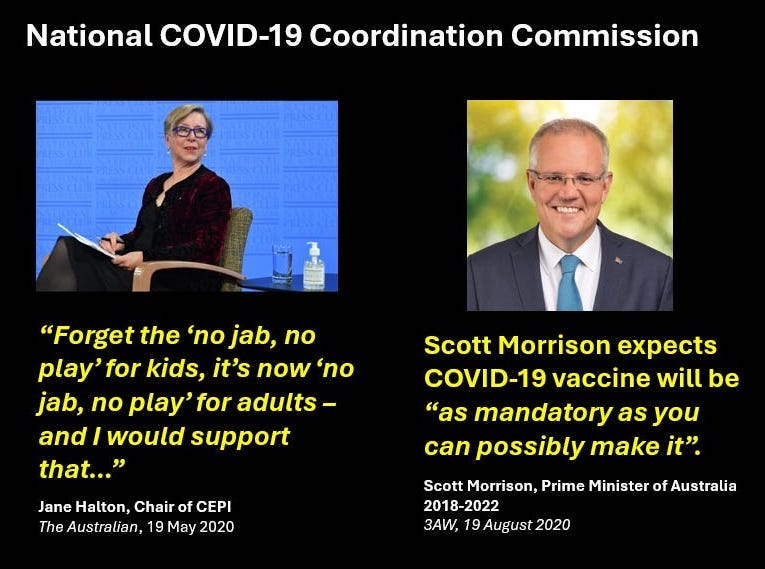









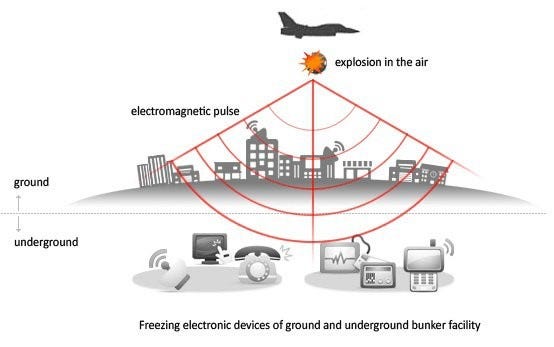
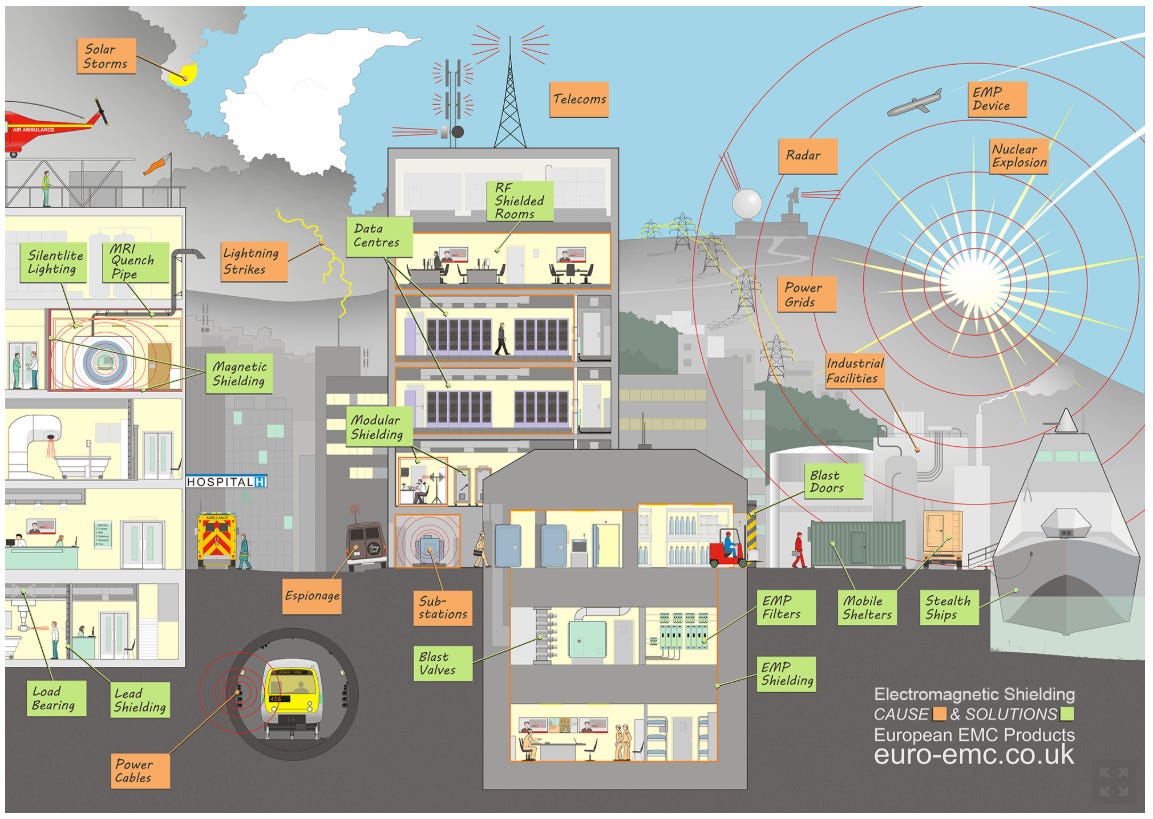
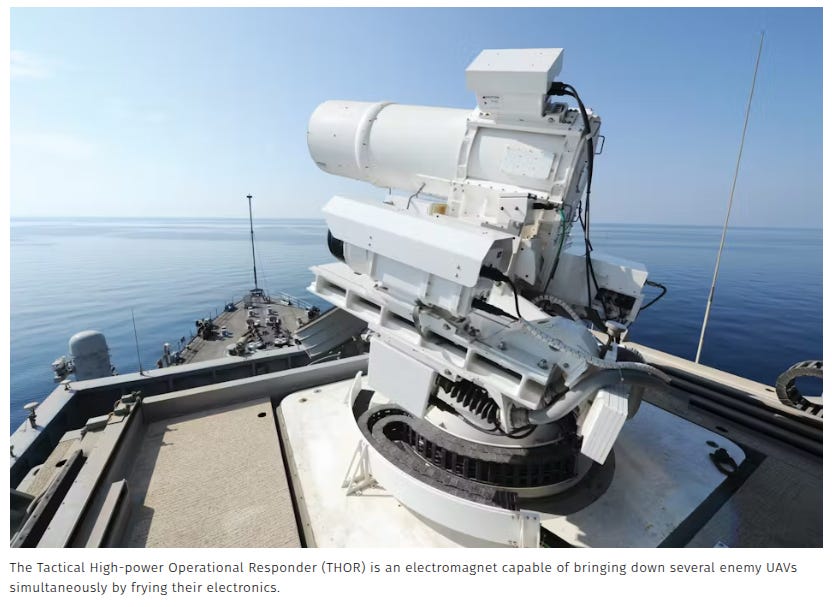








 Preppgroup