It is the final backup plan for a lot of us in the case of a disaster. A generous supply of cold hard cash to buy our way out of trouble, pick up as many last-minute supplies as possible or to acquire resources that are unavailable to anyone with a credit card in a world where the electricity is out and the internet is down. We frequently talk about having cash for emergencies, but how much cash should you have if the grid goes down? What will you be able to purchase with your doomsday supply and how long would it last in the first place?
One of our readers made a recommendation the other day to have between $500 and $1000 in cash for your bug out bag and at the time it prompted me to consider again if this amount makes sense. In my personal preparedness plans I have a supply of cash but I am always trying to figure out if what I have is enough or too much. Will it even matter when TEOTWAWKI comes and how can I best use the cash I have to survive?
Why do you need to have cash on hand?
You want to know the time when you will need cash the most? It will be when you can’t get to it. How many of you right now have no cash at all in your wallets or purses? I used to be the same way. I never had cash and relied on the ready availability of cash machines or most often the ability to pay for virtually everything with a debit card. How convenient is it to never have to make change or worry if you have enough cash when with the swipe of a card your bank account funds are at your disposal. This is a great technological advance, but the problem is that this requires two things to be functioning. First, the card readers and ATM machines require electricity. If the electricity is out, neither of these two machines works. The second thing is a network connection. If the network is down, even with electricity the transaction won’t work and you can’t pay for goods or get cash from your bank.
In a disaster, one of the first casualties is electricity. This doesn’t have to be due to some cosmic solar flare that has rendered the grid useless, it could be as destructive and common as a fire, flood, earthquake, tornado or winter storm. It could also be from simple vandalism or perhaps terrorism. A major fiber optic cable was cut in Arizona back in February leaving businesses without the ability to accept payments. When the electricity is out, you aren’t going to be able to access your cash via the normal means so having a supply on hand is going to be a huge advantage for you in the right circumstances.
Even if there is no natural disaster, you are still at the mercy of your bank. What if your bank closes or there is a bank holiday declared because of some economic crisis. In any of these situations, if you are dependent on access to money that is controlled by either technology or physical limitations like a bank office it is wise to have a backup plan should either of those two conditions prevent you from getting cash.
What is cash good for in a crisis?
I think there are two levels to consider when it comes to keeping cash on hand. There is the bug out scenario mentioned above where you would have some “walking around money” to take care of relatively minor needs like food, a hotel or gas. The second is for a longer or more widespread unavailability of funds. Let’s say the economy tanks and the price of everything skyrockets but stores are still open for business. Your bank is one of the casualties, but you had a few thousand dollars of cash stored away that you could use to purchase food, gas and necessary preparedness items for your family. In this scenario, the government is still backing the fiat currency and vendors are still accepting it as a form of payment. For this scenario having a few thousand dollars makes sense.
But what if we have an extreme event where the currency is devalued and is essentially worthless? Your thousands of dollars might only buy you a loaf of bread. Don’t believe it can happen? It did to the Weimar Republic after WWI so it can happen again. That isn’t to say it will, but you should balance how much money you have squirreled away under your mattress with supplies you can purchase now that will last and keep you alive during that same event. My goal is to make sure I have the basics I need to survive at home for several months to a year without needing to spend any cash. This way, if the money is worthless, I still have what my family needs to survive.
If we have a regional disaster where you can bug out to a safer location, your cash should serve you well. Of course if you are in a safer location, assuming electricity was working your access to bank funds should still be working. If this is truly the end of the world as we know it, how long will that cash you have be worth anything?
How much cash do you need?
So the million dollar question is how much cash should you have if the grid goes down? I always try to plan for the worst case scenario. My rationale is that if I am prepared for the end of the world as we know it, I should be just as prepared for any lesser disaster or crisis I may be faced with. The way I see it is if we do have a disaster, you aren’t going to be using that cash most likely to pay your mortgage, student loans, rent, or your credit card bills. Cash will go to life saving supplies and this will need to be used in the earliest hours of any crisis before all of the goods are gone or the cash is worthless. Once people realize for example that the government has been temporarily destroyed, they aren’t going to want to take your $500 for a tank of gas. They are going to want guns, food or bullets.
I also don’t see you using your cash to buy passage to another country, but that’s just me. I know there is a historical precedent for that, but I am not planning on that being something I realistically attempt with my family. I am also not planning on bribing any officials with cash either. My cash is for last-minute necessities and then it is back into the hopefully safe confines of my home to plan the next steps. For that I have only a couple of thousand dollars in cash stored away. I figure if I need more than that I didn’t plan well. Also, I would rather spend my money on supplies like long-term storable food and equipment than having a large horde of cash. With that amount, I figure I can make one last run if needed or be able to weather any short-term emergency when I can’t access cash.
What is the best place to hide cash in your home?
I wrote a post awhile back titled, How to hide your money where the bankers won’t find it that had lots of good ideas for reasonably safe places you could store cash. As I said in that article, you do have risks involved with keeping cash in your house, but I think you have just the same, if not worse risks relying on banks to keep your money safe and give it back when you want it. There are a million places to hide cash, but you can get tricky and buy a fake shaving cream safe to store several hundred dollars in there. Just be careful you don’t throw that away. There are other options like wall clocks with a hidden compartment inside that might be less prone to getting tossed in the trash. Your imagination is really all that is needed for a good hiding place, but I would caution you that you don’t store cash in too many places or you could forget where you hid it. This happened to me when I had hidden some cash behind an item that I ended up giving to my daughter because I thought I didn’t need it anymore. Imagine my surprise when she came into the living room and said, “Dad, I found an envelope with a lot of money in it”. I gave her a twenty for a reward…
What about you? How much cash do you think you need to have on hand and what do you plan on spending it on if the grid goes down?
Without laws, society would be chaotic and people would be able to do whatever they wanted. This could lead to violence, theft, and other crimes. Laws also protect our rights as citizens. They give us the right to a fair trial, the right to vote, and the freedom to express ourselves.
What would happen if there were no laws? I believe the human conscience can help a law-abiding citizen remain lawful with or without the laws.
At first, total anarchy. People are made aware that no laws exist. All major highways quickly fill with crashes because a small minority of idiots go fast or in the wrong lane or both. Since, presumably, police have stopped policing, except for perhaps a few renegades who simply enact vigilante justice on anyone they disagree with, the crazies start running the asylum within hours. Hate crimes increase by orders of magnitude, with nobody bothering to stop lynch mobs from going on witch hunts.
Corporations are initially hit quite badly (more on this later), with people looting and overwhelming their mostly deterrent-based security. Because people are not generally psychos, even armed security does not generally shoot looters.
Currency quickly begins to undergo hyperinflation, as do things like precious metals. Weapons sales increase considerably, seeing as now all civilians, for the time being, must rely on their own means or their connections for self-defense, instead of relying on the legal system.
The existing vestiges of interpersonal power, namely, large corporations that produce a necessary good, criminal gangs, remnants of the police force, possibly churches or mosques or synogogues, and neighborhood watches quickly, within weeks to months, become the most powerful organizations in their respective territory. Free to shoot anyone who doesn’t agree, or simply withhold from them resources that they need, the monopolistic and collusive organizations quickly gather territory and start punishing people who violate their unwritten or written rules. Those in rural areas find themselves cut off from supplies and in danger of falling victim to criminal gangs, extremist groups, and new military forces alike, with their local defensive abilities bring far overwhelmed by their attacker’s capabilities. Local law becomes quite strict. If I had to guess, religious rural areas would tend to form heavily religious local laws, but more focused on defense, securing resources, and group cohesion, than on truly religious matters. Religious extremists would also play into the mix, likely forming their own proto-state similar to the Islamic State in Iraq and a Syria, but perhaps not quite as large or as bad.
I highly recommend this book! Here’s just a small glimpse of what you’ll find in The Lost SuperFoods:
Overall, we’d go from liberty to rugged individualism to factional and sectarian totalitarianism fairly quickly.
Some people might attempt to re-form the previous state. Others might go for the state of their dreams, and still others might just do whatever they can to maintain power and stability in their new state. There would be a good many people who decide to “bug out” upon the government abolishing itself and society collapsing. Some such people would be well-prepared survivalists with a bunker in the wilderness stocked with food, weapons, medicine, etc. Others would just bring a hiking tent and whatever groceries they could carry on foot or on bike to a remote area. Highways may become a problem because traffic could back up hundreds of kilometers from anywhere habitable, potentially leading to mass starvation on highways without car-traversible roads. The logic of bugging out is questionable. On the one hand, someone with years worth of food and a large group with them going off to a secluded bunker might be better off than the medium-sized towns. On the other hand. A small group can be easily overwhelmed by criminal gangs and pillaging armies, often being murdered or starving as a result. This was best seen in Argentina’s economic collapse of 2001, where after society had recovered, the government had found rural survivalists dead in their bunkers, their supplies looted and their defenses overwhelmed by criminal gangs.
Big cities would face another problem. There is simply no way for dense urban cores to get enough food without imports. As freeways, harbors, airports, and possibly even railways would likely be not operational, and emergency relief organizations would be overwhelmed and underfunded, because nobody would be paying taxes and money couldn’t buy much anyway, as well as because a lot of people would stop working and focus on their own survival, and because the sheer scale would be too enormous to control, starvation would be a real problem in city cores once stored food had been exhausted.
Individual farmers would suffer as well, with much of their crop likely being pillaged by new governments and criminal gangs to feed their subjects or sell/barter for exorbitant prices.
However, large farming corporations would probably be able to hire good security, and so could largely just ramp up prices. They could try to collude with power plant owners and factory owners to form a new state, or simply become the agro-industrial complex of other formative states.
Overall, law and order would eventually return, though likely not in exactly the same form. There is a notion of originalism, which basically states that after the instability would come a reboot of the original state or one with similar goals, or goals desirable to the people.
On the other hand instability has also in the past resulted in significant rethinking of the state. The US for example might see a leftwing West coast socialist democracy arise, or a reactionary southern feudalist theocracy with family and small town values as the cornerstone of government. Chances are that any new state would offer a vacant promise that the lawless times would never occur again, and blame ideological dissenters for causing the problem, instead of an arbitrary ruling that laws shall be eliminated. Any new state would probably be heavily focused on defense, expansion (reclaiming their rightful homeland) and agrarian living for at least a few years, so it’s unlikely that first world service economies would arise within that time or that states focused on economic liberty would arise either.actually, it’s pretty likely that even a new state that preaches rugged individualism would be more collectivist and have higher taxes than the current US, or most western democracies.
Overall, you’d like see most states trying to imitate their former country for legitimacy, even if they share little in common besides borders. This is a lot like how, Russia, France, Italy, the Papal states, the Holy a Roman empire, Byzantium, and probably others, all claimed to be the true heir to the Roman empire, despite being only vaguely descended from it, if at all.
Most-likely, the country would resurface as multiple smaller authoritarian states vying for power.
If you have any dissatisfaction with my content, you can tell me here and I will fix the problem, because I care about every reader and even more so about your opinion!
While trying to figure out the answer, I’ve looked inside of prepping blogs to find a consensus for the criteria known to be essential for any place to survive in during the wake of such an event. That is, any event that can potentially destabilize society to the point of no return to normal any time soon. It will be important for you to have whatever supplies you need ready ahead of time before you travel to your destination. So start getting ready.
That being said, the criteria for the best area to survive in can be broken into three categories:
1. Human factors, 2. Natural factors, and 3. Economic factors
Human Factors:
Low population density (40 people per sq. mile or less)
Distance to major/minor cities (50+ miles away)
Distance to military bases (50+ miles away)
Distance to nuclear power plants (100+ miles away)
Distance to interstate highways
Low poverty rate
Low violent crime rate
Natural Factors:
Easy access to fresh water
Abundance of wild game
Low natural disaster risk
Dense forest cover
Adequate soil textures
Adequate rainfall
Low drought risk
Economic Factors:
Higher job growth
High abundance of non-renewable natural resources available for extraction (coal, oil, natural gas, metals and minerals, lumber, etc.
Higher educated citizens
Now that we know what to look for, I’ll narrow down a map of the U.S. by one category at a time using other maps I have compiled. The “Orange” counties are those disqualified, which will then become and remain dark gray when the next factor is applied. For simplicity reasons, we’ll focus on the continental U.S. But before starting I will say that the state of Hawaii is probably a fairly safe place to be considering its isolation, moderate climate, and the Polynesians have managed living there by themselves for millennia.
The first most important thing is population density or lack of it. This is common sense since you don’t wanna be around massive numbers of unprepared people when SHTF. Ideally anywhere under 40 people per square mile is best. The blue shaded counties are where to go.
Next is proximity to major and minor cities. A distance of at least 50 miles away is best.
We are now isolated from any major threats from large populations and groups of people. But, there is still the possibility of martial law being put into effect. So it’s best to keep our distance from military bases.
The last places to “watch out” from are areas with already high poverty and crime rates. When they no longer can depend on Uncle Sam for their existence, it will get ugly. Avoiding these areas may potentially eliminate our options in the Southern states but I would like to keep them open for now for climate reasons. We’ll use a 25% poverty rate limit for the south and 20% everywhere else. (The south includes WV, southern MO, and eastern half of OK and TX)
I won’t make any exception for violent crime rates. Those will be applied evenly across the board. Lighter counties are safer.
We are now looking at a map of what are probably the “safest” counties in the United States. But now that the potential for human threat is minimized, we must figure out where is the best place to settle down based on what resources there will be available. The most important thing is easy access to fresh water always within close proximity.
Next in my opinion is wild game abundance, which you need for food during winters and harsh growing seasons, and for protein in general.
You wanna be safe from natural disasters such as tornadoes and hurricanes. Given recent events I think it’s safe to eliminate the lone county remaining in Florida.
This is a potentially controversial assumption, but the amount of forest cover over an area may be a good indicator for how much local resources there will be for us to utilize for our way of life. Everything from ecosystems that support wild game and edible plants to having plentiful amounts of lumber if needed (especially in the winter). Forests are just as useful as farmland. At least 25% forest cover is beneficial.
We need to grow food. This requires a number of things. Most important of them are good soil textures and rainfall. Drought-prone areas must be avoided. Warm climate isn’t necessary and depending on your environment you can expect to have different lengths of growing seasons. I will subtract all these variables all at once from the next map.
The best soil textures are ones with a close to even mixture of sand, silt, and clay, together known as loam. This mixture holds nutrients best. Anywhere on the scale from sandy loam to clay loam will work for most vegetables, fruits, wheat, nuts, and other produce.
This map is just for reference. Knowing your plant hardiness zones is key to scheduling your growing seasons with which types of produce you can expect to grow based on the average climate of your zone. Generally speaking, your options get wider the more south you go with more varieties of produce able to grow in warmer climates. There is also the potential for yielding not just one but two or more crop yields in a year with longer growing seasons in warm climates.
Rain should be 20 inches or more a year. So anything from dark green (40″+) all the way to light orange (20″) is good. Of course avoid regions that most often experience drought.
With all agricultural factors considered, this is what’s left on the map.
A variety of choices are left spanning different parts of the US. These are places that have everything we “need” to survive. You can perhaps at this point choose to pick whichever is closest to where you currently live. It is arguable that depending on the nature of the apocalyptic event the local economy may or may not make a difference on your quality of life. But let’s see where factoring it leads us.
A strong local economy in a rural area can indicate the presence of a stable natural resource based economy be it agriculture, mining, logging, etc. These resources can potentially be very important for the economic growth of the area and in the rebuilding of other economies through the exporting of these resources. It’s best to pick the areas with current stable job growth with high natural resource reserves.
Areas with 2.5%+ job growth with heavy natural resource reserves and industries:
The culture of where you live can be rather important. To borrow from one commenter, “You need a community. No matter how much of a bad ass you are you have to sleep sometime. It is great to consider things like natural resources and growing conditions, but you also need people with the knowledge to put those attributes to work for the community.” Areas with a high concentration of college graduates can indicate the presence of a college or of other skilled service providers which can potentially contribute to the needs of a community in areas such as healthcare, engineering, agriculture, etc. Areas with a population of at least 20% college graduates would be good.
We have 5 finalists:
Archuleta Co., CO
Hinsdale Co., CO
San Juan Co., CO
Hubbard Co., MN
Highland Co., VA
At this point, let’s eliminate by comparing.
For extra isolation, eliminate Highland County, VA.
For better access to water, rain, and wild game, eliminate Archuleta County, CO.
For a place with less poverty and crime, stay out of San Juan County, CO.
At this point the decision for me comes down to the potential for future economic growth and a population that is more wilderness survival conscious, which leaves us our winner….
Hinsdale County, Colorado
I welcome any suggestions from you for additions, corrections, or edits to help accurately improve the results I have found and will perhaps make updates to everything based on them in the future
MUST WATCH BELOW!!!
Food Confiscation: How to protect your food stores and production from government confiscation
The factor that most Preppers are concerned about most is virtually always linked to government collapse, unrest with war, or other disastrous scenarios.
Nevertheless, with as much prepping as many of us do, it’s essential to understand which laws may not lean in our favor and those that do.
This is why I’ve created an article that’s simple to understand and broken down easily. Throughout this article, I’ve listed each state which may negatively or positively impact you.
This keeps it short and sweet so you’re left with a considerable amount of knowledge to keep you out of trouble.
Plus, you may even find a state that suits your prepping style better than the one you’re currently residing in. First, let’s cover the federal laws.
Top 6 Federal Laws To Know.
1: Anti-Hoarding Laws
The main idea of prepping is to store as much food, water, ammo, weaponry, first-aid, and other essential items as possible to make survival in any SHTF scenario more likely. A law that can come between this, however, is the federal anti-hoarding law.
This law means that if you have too much food, water, or other supplies stored, the government can take it from you. There is a catch, though; This law only applies if the food was obtained during a crisis.
Many people think that this law applies in all cases, but if you buy supplies outside a crisis, then it is perfectly legal and the government cannot legally take your cache. Nevertheless, if they don’t know about it, it doesn’t exist, right?
2: Explosive Laws
Explosives are sought after to possess by many preppers, as explosives are essentially the biggest middle finger to most protection materials like armor. Not to mention it’s clearing abilities.
First and foremost, you need a license to possess explosives, I’m not talking fireworks, but the big boy explosives like tannerite. Many types of explosives are not technically explosives until they’re mixed with certain chemicals, though.
However, as soon as they’re mixed and become explosive and you do not possess a license, you can land yourself in big trouble, in any state. To avoid this, go down the list below and check out the state website.
3: Moonshine Laws
If you’re surprised that I’ve included this law, don’t be. It’s not just about the buzz, but the fuel that moonshine can provide you to power certain equipment. If I told you that it’s federally legal to make moonshine at home, you’d call me crazy, but it’s true.
There is a catch, though. Firstly, you’ll need a federal license to do this legally. Then, you have tons of restrictions. The main being that alcohol can only be used for fuel, not drinking. Although it’s the same as what the moonshine is made of; you understand…right?
There is no limit as to what size of the distillery you can have, but if it’s used for alcohol, it can only be up to one gallon. Nevertheless, it’s a great way to make your fuel at home legally, for a “couple of reasons.”
4: OSHA Gasoline Regulations
Gasoline is needed to power most vehicles and other means of transportation or equipment, which are in many plans being made by preppers to escape town while bugging out. The gasoline can also be used for generators.
If you are currently storing gasoline or plan to store gasoline in the future, then understanding the laws put forward by OSHA is critical. OSHA states that gasoline cannot be stored near exits, stairways, or near highly trafficked areas.
They also state that any storage area must be OSHA approved, as well as the nozzle and hose used if any. Not following these laws could land you an expensive ticket, or worse. Keep in mind, any container used to store gasoline must also be approved to store gasoline.
5: Selling & Growing Tobacco
A product, or plant, rather, that I see many preppers store for bartering, personal use, and more is tobacco. This plant, which is used in cigarettes, cigars, and snuff products is legal to grow on your personal property.
You don’t even need a license to do so, but this must only be for personal use. Now the very law that makes this legal for only personal use may not even exist if SHTF, which is something to think about if that’s when you plan to barter it.
This is great, considering all of the opportunities this brings. This way, if you own a farm, homestead, or any other area great for tobacco growing, you can do so without worry of any prosecution.
6: Martial Law
This is one of our worst nightmares: government takeover, literally. Martial law, while not enforced in everyday life, is worth knowing what it is. Martial law starts with military control of the public, in most cases. If the civil rule fails, Martial law is there to take over.
If a SHTF scenario like nuclear war, EMP, solar flare, or mega volcanic eruption occurred, Martial law would likely be enforced. This will bypass essentially all of your rights, privately and publicly.
Although Martial law is unlikely to happen, if it does, you should be prepared. Not only prepared by having food and water, which is important if civil unrest occurs, but prepared to give up your rights. We cannot fight our Military, so preparing is the next best option.
Top 6 Factors To Consider In All 50 States
1: Handgun Carry Laws
If you’re like most preppers, you have some sort of firearm ready to protect you and your family. Since covering all firearms would require us to omit much of the article, we will only be covering handguns, which often have the strictest laws.
Many states require a license to either carry openly or concealed. If you’ve recently moved, or see a move in the future to another state, knowing if open or concealed carry is allowed or not could be a make it or break it deal for you.
This is also important for novices to know because it’s easy to cover your handgun strapped to your belt with your shirt which would make it concealed and land you in trouble, depending on the state. Nevertheless, you’ll see the laws for this very topic under every state.
2: Taser Laws
If you live in a state that prohibits concealed carry or just simply want to carry a taser instead, knowing the taser laws for your state is also critical. Tasers are not necessarily something known to pose a deadly threat, but possessing one in some states can land you in jail.
Many states allow them, but only openly, or vice versa. These are also great for use in areas where firearms are illegal, and pack a punch if used correctly. This list will cover the taser laws in every state.
This list is for regular tasers, not stun guns or other complex tasers like tools. Many states prohibit stun guns, so do not get the two confused and get yourself into trouble. Nonetheless, tasers are a great tool to have, especially if you do not have a firearm.
3: Knife Laws
I don’t know about you, but I and many other individuals carry a knife at all times of some sort. I’ll be honest, I was very surprised at the sheer amount of knife laws throughout the states. There are many different knives, all falling under different types of weapons.
Some of them are known as deadly weapons, others, known as non-deadly, some of them are even illegal if it looks too intimidating which could “scare” someone, Nevertheless, I’ve covered the general knife laws for every state.
Most notably, I found that pocket knives were legal in an overwhelming amount of states, but others like gravity or butterfly knives were legal, only if carried openly. Several types of knives exist, so please check the state website for more information if you do not see yours.
4: Rain Harvesting Laws
Water is essential to store for anyone, but this is especially the case for preppers, as this is one of the most common preps. This is not the only reason to catch rainwater, though. Rainwater is a great source of water for everyday use.
This is especially the case for those of you who live off-grid or do not have many other resources for water readily available. This law is important to know because it’s easy to set up a rain harvesting system and not think about whether or not it’s legal, because it seems so natural to do.
Something just does not sit right with me as to the government regulating mother nature’s gift. I’ve covered its legality in every state, this way you can stay out of trouble if it turns out to be illegal or regulated in your state.
5: Trapping Laws
Many preppers live off-grid and naturally assume that trapping is perfectly fine to do, and this is true in most cases. However, some states make this act outright illegal or require you to trap during a specific time of the year, depending on the animal.
Since there is not enough room to cover each animal here, I’ve covered whether or not it’s actually legal in each state. Many states also require a permit, and some others require one to catch certain animals, so it’s best to check the states website to view the specifics.
Nevertheless, this list will cover which states allow it, just in case you’re unknowingly trapping where you shouldn’t or if you want to know this fact about other states, which may be the case if you want to move at some point and trapping is a food source for you.
6: Solar Laws
Solar panels are undoubtedly one of the most renowned, world-changing pieces of technology ever created. They’re used by collecting sun rays and turning them into energy, which can be used to power anything from homes, businesses, equipment, and more.
Many states require a permit to use solar panels, others only allow them for certain uses, and some states require you to stay connected via the grid. This kind of defeats some of the purpose that many are seeking – off-grid use.
The laws for solar panels are pretty different from state to state, which is why I’ve added them to this list. Some states also provide incentives to use solar, or if you stay connected via the grid.
6 Critical Laws To Know For Preppers: All 50 States
1: Alabama
Alabama State Website
Handgun Carry Laws: Alabama requires that everyone who carries a concealed handgun must possess a permit, open carry does not require one.
Taser Laws: No laws were found that banned the use of any type of taser in the state of Alabama.
Knife Laws: Switchblades, butterfly knives, gravity knives, dirks, stilettos, and all folding knives are legal. Knives such as bowies are illegal when concealed.
Rain Harvesting Laws: This is considered a right on private property for all residents.
Trapping Laws: Trapping is legal in this state.
Solar Laws: Disconnecting from Alabama power is illegal, so you must pay up to $5 or more per kilowatt used by solar to Alabama power.
2: Alaska
Alaska State Website
Handgun Carry Laws: Open and concealed carry requires no permit to use.
Taser Laws: There are no laws in Alabama that prevent the use of any Taser.
Knife Laws: There are no knives that are illegal in Alaska at this time, whether it be open carry or concealed carry.
Rain Harvesting Laws: This is legal under all circumstances in Alaska.
Trapping Laws: Trapping is legal in this state.
Solar Laws: Perfectly legal, but Alaska lacks much sunlight, which may affect the solar charge.
3: Arizona
Arizona State Website
Handgun Carry Laws: No permit is needed for open carry, but concealed carry requires a permit.
Taser Laws: Tasers are legal in Arizona, no types banned.
Knife Laws: Arizona has no laws as to what types are illegal.
Rain Harvesting Laws: This state allows rain harvesting systems for all residents.
Trapping Laws: Trapping is legal in this state.
Solar Laws: You must pay a solar tax if you disconnect from the power grid, which is illegal otherwise.
4: Arkansas
Arkansas State Website
Handgun Carry Laws: Open carry allowed with no permit, concealed carry requires a permit.
Taser Laws: Tasers are legal to use in this state.
Knife Laws: All knives are legal in the state of Arkansas.
Rain Harvesting Laws: The state allows this with only a few minor restrictions.
Trapping Laws: Trapping is legal in this state.
Solar Laws: There are zero laws here stating it’s illegal or requires taxes.
5: California
California State Website
Handgun Carry Laws: Concealed allowed with a permit. Open carry prohibited.
Taser Laws: Tasers are legal to use in this state.
Knife Laws: Hidden knives such as key knives, canes, and other similar styles are illegal in California. Most switchblades and daggers are also illegal. Pocket knives are legal.
Rain Harvesting Laws: Rainwater catching is legal in the state of California.
Trapping Laws: Trapping is legal in this state.
Solar Laws: It is illegal to use Solar in California unless you obtain a permit in some areas of the state.
6: Colorado
Colorado State Website
Handgun Carry Laws: Colorado allows open carry without a permit, concealed carry requires a permit.
Taser Laws: Tasers are legal to use in this state.
Knife Laws: Colorado bans the use of all ballistic knives. However, bowies, butterfly knives, balisongs, stilettos, and dirks are legal.
Rain Harvesting Laws: Residents can catch a maximum of 110 gallons at any one point.
Trapping Laws: Trapping is legal in this state.
Solar Laws: Colorado says that it’s legal to use solar, but some areas require you to be connected to the grid.
7: Connecticut
Connecticut State Website
Handgun Carry Laws: Must have a permit for both open and concealed carry.
Taser Laws: Tasers are legal to use in this state.
Knife Laws: There are no knives which are found to be illegal in Connecticut, many knives have maximum sizes to keep under to stay legal.
Rain Harvesting Laws: This is legal and has zero regulations in Connecticut.
Trapping Laws: Trapping is legal in this state.
Solar Laws: Solar is legal in Connecticut.
8: Delaware
Delaware State Website
Handgun Carry Laws: Open carry prohibited, concealed carry requires a permit in Delaware.
Taser Laws: Tasers are legal to use in this state.
Knife Laws: Any knife which will not set off a metal detector is illegal, plus any knife over 3”. No other restrictions were found.
Rain Harvesting Laws: Delaware allows the harvest of rainwater, with no regulations.
Trapping Laws: Trapping is legal in this state.
Solar Laws: Solar use is encouraged in all areas of Delaware.
9: Florida
Florida State Website
Handgun Carry Laws: Open carry prohibited in some cases, concealed requires a Florida permit.
Taser Laws: Tasers are legal to use in this state.
Knife Laws: Ballistic knives are not legal. Knives are legal under 4”, but all knives require permits if over 4”.
Rain Harvesting Laws: Zero regulations exist in Florida for rainwater collection.
Trapping Laws: Trapping is legal in this state.
Solar Laws: Florida is still in a mess with solar laws, but it now appears to be legal.
10: Georgia
Georgia State Website
Handgun Carry Laws: Open carry allowed, concealed is legal with a permit.
Taser Laws: Tasers are legal to use in this state.
Knife Laws: There are no restrictions as to what you can carry, but you must have a permit if the knife is over 12”.
Rain Harvesting Laws: Must only be collected for the use of outdoor purposes.
Trapping Laws: Trapping is legal in this state.
Solar Laws: Georgia allows for full disconnect from the grid by using solar power.
11: Hawaii
Hawaii State Website
Handgun Carry Laws: Both concealed and open carry requires a permit.
Taser Laws: It is illegal to own a taser of any type in Hawaii.
Knife Laws: Tactical knives are legal. Butterfly knives and switchblades are illegal. Any knife that is considered dangerous is also illegal to carry, open or concealed.
Rain Harvesting Laws: Hawaii enforces no type of regulations for collecting rainwater
Trapping Laws: Trapping is legal in this state.
Solar Laws: Solar panel usage is legal in Hawaii.
12: Idaho
Idaho State Website
Handgun Carry Laws: No permit is required to carry a handgun concealed or openly.
Taser Laws: Tasers are legal to use in this state.
Knife Laws: Only pocket knives are legal, all other types are illegal unless they are shorter than 4” unless you have a permit.
Rain Harvesting Laws: Virtually no regulations on collecting rainwater.
Trapping Laws: Trapping is legal in this state.
Solar Laws: All residents are allowed to use solar energy and stay off-grid.
13: Illinois
Illinois State Website
Handgun Carry Laws: Open carry is prohibited, although concealed is allowed with a permit.
Taser Laws: Tasers are legal to use in this state.
Knife Laws: Ballistic knives, throwing knives, and switchblades are illegal unless you have a firearm permit, which makes switchblades legal. Pocket Knives are legal.
Rain Harvesting Laws: Many regulations exist in this state. Cannot store rainwater.
Trapping Laws: Trapping is legal in this state.
Solar Laws: Solar is encouraged here.
14: Indiana
Indiana State Website
Handgun Carry Laws: Concealed and open carry requires a license in Indiana.
Taser Laws: Tasers are legal to use in this state.
Knife Laws: Any throwing knife or ballistic knife is illegal, but knives such as dirks, daggers, and pocket knives are legal.
Rain Harvesting Laws: Indiana promotes the act of collecting rainwater.
Trapping Laws: Trapping is legal in this state.
Solar Laws: Unfortunately, solar energy is illegal in Indiana, except for some cases when they’re placed on or near log cabins.
15: Iowa
Iowa State Website
Handgun Carry Laws: Licenses are required to carry openly and concealed in Iowa.
Taser Laws: Tasers are legal to use in this state.
Knife Laws: Ballistic knives are illegal. It is also legal to open carry any knife, but illegal to carry knives longer than 5”.
Rain Harvesting Laws: Zero regulations exist that prevent rainwater collecting.
Trapping Laws: Trapping is legal in this state.
Solar Laws: Iowa promotes solar use, but many areas require a permit.
16: Kansas
Kansas State Website
Handgun Carry Laws: Kansas does not require a permit to carry a handgun concealed or openly.
Taser Laws: Tasers are legal to use in this state.
Knife Laws: Many knives like Bowie’s, daggers, and stilettos are legal. Ballistic knives and throwing stars are illegal.
Rain Harvesting Laws: Rainwater collecting is legal in this state.
Trapping Laws: Trapping is legal in this state.
Solar Laws: Some areas allow solar use, but it requires you to be connected to the grid. Others don’t, so it’s best to contact your city hall.
17: Kentucky
Kentucky State Website
Handgun Carry Laws: Concealed requires a permit, however, open carry does not.
Taser Laws: Tasers are legal to use in this state.
Knife Laws: All knives are legal in Kentucky, but if not a pocket knife or hunting knife, it cannot be legally concealed.
Rain Harvesting Laws: The state of Kentucky allows rainwater collecting for all.
Trapping Laws: Trapping is legal in this state.
Solar Laws: Kentucky allows full-spectrum use of solar panels throughout the state.
18: Louisiana
Louisiana State Website
Handgun Carry Laws: Open carry does not require a permit, concealed carry does in Louisiana.
Taser Laws: Tasers are legal to use in this state.
Knife Laws: Automatic knives are illegal, but all other knives are legal in Louisiana.
Rain Harvesting Laws: This act is legal, as long as each tank is adequately protected.
Trapping Laws: Trapping is legal in this state.
Solar Laws: Solar panel use if found to be legal, requiring no permits.
19: Maine
Maine State Website
Handgun Carry Laws: Permits are not required to carry a handgun openly or concealed in Maine.
Taser Laws: Tasers are legal to use in this state.
Knife Laws: Concealed carry of dirks, switchblades, and stilettos are illegal. These are otherwise legally openly carried, including pocket knives, hunting knives, and throwing stars.
Rain Harvesting Laws: There are zero regulations for collecting rainwater.
Trapping Laws: Trapping is legal in this state.
Solar Laws: There were no anti-solar laws found in Maine, a state that encourages solar use.
20: Maryland
Maryland State Website
Handgun Carry Laws: Open and concealed carry both require a permit in the state of Maryland
Taser Laws: Tasers are legal to use in this state.
Knife Laws: All knives of any type are legal in the state of Maryland. Almost all knives are illegal to conceal, except knives similarly sized to pocket knives.
Rain Harvesting Laws: No regulations were found in Maryland for collecting rainwater.
Trapping Laws: Trapping is legal in this state.
Solar Laws: Solar power is legal in Maine, but expect to have to get a license to do so legally.
21: Massachusetts
Massachusetts State Website
Handgun Carry Laws: Massachusetts requires a permit for concealed and open carry.
Taser Laws: It is illegal to own a taser of any type in Massachusetts.
Knife Laws: Generally, all knives are legal. However, any knife that can be locked open is illegal, or if it’s perceived as dangerous. Spring release knives are also illegal.
Rain Harvesting Laws: Massachusetts allows the act of collecting rainwater.
Trapping Laws: Trapping is legal in this state.
Solar Laws: Solar energy is legal in Massachusetts, but permits may be required in some areas.
22: Michigan
Michigan State Website
Handgun Carry Laws: Open carry is allowed without a permit, but concealed carry requires a Michigan permit.
Taser Laws: Tasers are legal to use in this state.
Knife Laws: All legal knives can be carried openly. This includes daggers, bowie knives, dirks, butterfly knives, and switchblades.
Rain Harvesting Laws: Collecting rainwater is legal in the state of Michigan.
Trapping Laws: Trapping is legal in this state.
Solar Laws: Michigan allows the use of solar panels, rarely requiring a permit to use them.
23: Minnesota
Minnesota State Website
Handgun Carry Laws: Permits to carry is required for both open and concealed carry.
Taser Laws: Tasers are legal to use in this state.
Knife Laws: Knives can only be carried with the purpose of utility. Any knife that is designed to cause harm is illegal.
Rain Harvesting Laws: Collecting rainwater is legal with zero regulations found.
Trapping Laws: Trapping is legal in this state.
Solar Laws: Fees may be required in your area, but solar panels are otherwise legal.
24: Mississippi
Mississippi State Website
Handgun Carry Laws: Concealed carry requires a permit, open carry, however, does not.
Taser Laws: Tasers are legal to use in this state.
Knife Laws: Any knife is legal, provided you do not conceal a bowie, switchblade, or butcher knife, as doing so is illegal.
Rain Harvesting Laws: It is legal to collect rainwater in Mississippi.
Trapping Laws: Trapping is legal in this state.
Solar Laws: It appears that Mississippi requires you to be connected to the grid for solar use to be legal.
25: Missouri
Missouri State Website
Handgun Carry Laws: You do not need a permit to carry a handgun openly or concealed.
Taser Laws: Tasers are legal to use in this state.
Knife Laws: Missouri allows the use of daggers, throwing stars, slim knives, dirks, and switchblades. Pocket Knives and hunting knives are also legal. You can conceal a knife under 4”.
Rain Harvesting Laws: Rainwater collecting is not regulated in this state.
Trapping Laws: Trapping is legal in this state.
Solar Laws: Missouri has zero laws negatively affecting solar usage.
26: Montana
Montana State Website
Handgun Carry Laws: Concealed carry does require a handgun permit, but open carry does not.
Taser Laws: Tasers are legal to use in this state.
Knife Laws: There are not any laws that prohibit any certain type. Just the size, which maxes out at 4”.
Rain Harvesting Laws: No laws or regulations were found for collecting rainwater in Montana.
Trapping Laws: Trapping is legal in this state.
Solar Laws: Incentives are given to some people who install and use solar in Montana.
27: Nebraska
Nebraska State Website
Handgun Carry Laws: This state only requires a permit for concealed carry, open carry does not.
Taser Laws: Tasers are legal to use in this state.
Knife Laws: Ballistic knives, stilettos, switchblades, and bowies are legal to use, although you cannot conceal any knife over 3.5”.
Rain Harvesting Laws: Rainwater collecting is legal in this state with no regulations.
Trapping Laws: Trapping is legal in this state.
Solar Laws: Nebraska has very relaxed solar laws, making them legal in this state.
28: Nevada
Nevada State Website
Handgun Carry Laws: Nevada allows you to carry openly, but requires a permit for concealed carry.
Taser Laws: Tasers are legal to use in this state.
Knife Laws: Bailsongs, throwing knives and stars, dirks, daggers, and hunting knives are legal in Nevada. However, these knives are illegal to conceal, except for pocket knives.
Rain Harvesting Laws: Must possess a water rights grant, otherwise illegal.
Trapping Laws: Trapping is legal in this state.
Solar Laws: Permits are required in most areas to use solar, but it is otherwise legal.
29: New Hampshire
New Hampshire State Website
Handgun Carry Laws: License required for concealed and open carry, although open carry only requires a loaded firearm permit.
Taser Laws: Tasers are legal to use in this state.
Knife Laws: All knives in the state of New Hampshire are legal.
Rain Harvesting Laws: This state has no regulations for collecting rainwater.
Trapping Laws: Trapping is legal in this state.
Solar Laws: New Hampshire offers incentives to those who use solar while tied to the grid, they are also legally untied.
30: New Jersey
New Jersey State Website
Handgun Carry Laws: New Jersey requires everyone to possess a permit for open and concealed carry.
Taser Laws: It is illegal to own a taser of any type in New Jersey
Knife Laws: Bowies, throwing stars and knives, balisongs, and pocket knives are legal in New Jersey. You cannot conceal carry any of them except for pocket knives.
Rain Harvesting Laws: Rebates available. Otherwise, zero regulations were found.
Trapping Laws: Trapping is legal in this state.
Solar Laws: In most cases, residential homes can legally be untied and powered by solar.
31: New Mexico
New Mexico State Website
Handgun Carry Laws: Concealed carry does require a permit in New Mexico, but open carry does not.
Taser Laws: Tasers are legal to use in this state.
Knife Laws: Stabbing knives, bowies, throwing knives, dirks, and daggers are legal. These are illegal to conceal, however, except for pocket knives.
Rain Harvesting Laws: The collection of rainwater is legal in New Mexico.
Trapping Laws: Trapping is legal in this state.
Solar Laws: Most areas require a permit, but solar panels are legal in New Mexico.
32: New York
New York State Website
Handgun Carry Laws: Open carry is prohibited, but concealed carry is allowed with a New York permit.
Taser Laws: It is illegal to own a taser of any type in New York.
Knife Laws: Hunting knives, stilettos, gravity knives, and daggers are legal to possess in New York. Ballistic knives, cane swords, and knuckles knives are illegal.
Rain Harvesting Laws: Taught in school and heavily encouraged, no requirements.
Trapping Laws: Trapping is legal in this state.
Solar Laws: New York is strict with solar panel usage, but if you play your cards right, this can be done legally.
33: North Carolina
North Carolina State Website
Handgun Carry Laws: Open carry is permissible without a permit, but the state does require a permit for concealed carry.
Taser Laws: Tasers are legal to use in this state.
Knife Laws: Gravity knives, bowies, dirks, stabbing knives and switchblades are legal. It is illegal to possess ballistic knives, bowies, dirks, and daggers while they are concealed.
Rain Harvesting Laws: Rainwater is legal in North Carolina, with no negative regulations.
Trapping Laws: Trapping is legal in this state.
Solar Laws: Solar panels are legal to use to power your home, untied from the grid.
34: North Dakota
North Dakota State Website
Handgun Carry Laws: No permit is required in North Dakota to possess a handgun, openly or concealed.
Taser Laws: Tasers are legal to use in this state.
Knife Laws: All knives are legal in North Dakota. However, some of them cannot be concealed. This includes gravity knives, scimitar, dirk, daggers, and sabers.
Rain Harvesting Laws: The collection of rainwater is found to be legal in this state.
Trapping Laws: Trapping is legal in this state.
Solar Laws: Solar panels are legal to use in the state of North Dakota.
35: Ohio
Ohio State Website
Handgun Carry Laws: A license is needed to carry a handgun concealed, but not openly in Ohio.
Taser Laws: Tasers are legal to use in this state.
Knife Laws: Gravity knives, balisongs, ballistic knives, stilettos dirks, and daggers are legal. Any knife considered a deadly weapon is illegal.
Rain Harvesting Laws: Collecting rainwater is legal for use of fewer than 25 people.
Trapping Laws Laws: Trapping is legal in this state.
Solar Laws: There are now laws that make solar panel usage illegal in Ohio.
36: Oklahoma
Oklahoma State Website
Handgun Carry Laws: Open carry does not require a license, but you’ll need one to carry concealed.
Taser Laws: Tasers are legal to use in this state.
Knife Laws: Daggers, stabbing knives, switchblades, gravity knives, and stilettos are legal, including many others as zero knives are illegal. However, Any weapon considered offensive or over the top is illegal.
Rain Harvesting Laws: Oklahoma has zero regulations on collecting rainwater.
Trapping Laws: Trapping is legal in this state.
Solar Laws: You’ll need a permit in most areas, but solar is otherwise legal in this state.
37: Oregon
Oregon State Website
Handgun Carry Laws: Allowed to open carry without a permit, but must possess a license to carry concealed.
Taser Laws: Tasers are legal to use in this state.
Knife Laws: Automatic knives, daggers, dirks, gravity knives, balisongs, and stilettos are legal to use in Oregon. These are illegal to carry concealed. Pocket knives can be concealed carried.
Rain Harvesting Laws: Legal only by collecting via roof systems, others no regulations.
Trapping Laws: Trapping is legal in this state.
Solar Laws: Solar is legal in Oregon with no laws requiring permits.
38: Pennsylvania
Pennsylvania State Website
Handgun Carry Laws: No permit is needed for open carry, but it does require one for concealed carry.
Taser Laws: Tasers are legal to use in this state.
Knife Laws: Penknives, daggers, disguised knives, and bowies are legal but cannot be concealed. All other knives are legal, but it must not be offensive.
Rain Harvesting Laws: This state enforces zero regulations for collecting rainwater
Trapping Laws: Trapping is legal in this state.
Solar Laws: Pennsylvania does not allow anyone to be disconnected from the grid, but solar panels are legal in this state.
39: Rhode Island
Rhode Island State Website
Handgun Carry Laws: You will need a permit in Rhode Island for the open and concealed carry of a handgun.
Taser Laws: It is illegal to own a taser of any type in Rhode Island.
Knife Laws: Dirks, daggers, sword canes, and stabbing knives are legal in Rhode Island, but they must be openly carried. All other knives are otherwise legal.
Rain Harvesting Laws: 10% installation tax credit given to people collecting rainwater.
Trapping Laws: Trapping is legal in this state.
Solar Laws: You’ll find that the incentives are nice, as they are offered when solar panels are used in Rhode Island.
40: South Carolina
South Carolina State Website
Handgun Carry Laws: Open carry is prohibited in South Carolina, although concealed carry is allowed with a permit.
Taser Laws: Tasers are legal to use in this state.
Knife Laws: All knives are legal. Balisongs, dirks, stilettos, switchblades, and stabbing knives are legal. These cannot be concealed.
Rain Harvesting Laws: Legal with zero regulations found in South Carolina.
Trapping Laws: Trapping is legal in this state.
Solar Laws: Incentives are offered in the state of South Carolina, offering incentives.
41: South Dakota
South Dakota State Website
Handgun Carry Laws: Concealed carry requires you to possess a permit, but concealed carry is legal without one.
Taser Laws: Tasers are legal to use in this state.
Knife Laws: There are no knife laws in South Dakota.
Rain Harvesting Laws: Zero regulations were found for collecting rainwater.
Trapping Laws: Trapping is legal in this state.
Solar Laws: There are no laws that make solar panel use illegal in this state, nor are there any permits required for common usage.
42: Tennessee
Tennessee State Website
Handgun Carry Laws: A handgun license is needed for carrying openly and concealed in Tennessee.
Taser Laws: Tasers are legal to use in this state.
Knife Laws: There are no knife laws in Tennessee.
Rain Harvesting Laws: Rainwater collection is legal in Tennessee with no regulations.
Trapping Laws: Trapping is legal in this state.
Solar Laws: Tennessee allows the usage of solar panels in all areas of the state.
43: Texas
Texas State Website
Handgun Carry Laws: Texas requires all who possess a handgun to have a Texas license to carry.
Taser Laws: Tasers are legal to use in this state.
Knife Laws: Most knives are legal, except for ones that feature knuckle buster similarities. All blades legally max out at 5.5”.
Rain Harvesting Laws: Rainwater collecting systems must be built into the home.
Trapping Laws: Trapping is legal in this state.
Solar Laws: Most areas do not require a grid connection, but solar is legal in the entire state.
44: Utah
Utah State Website
Handgun Carry Laws: All handgun carriers are required by law to possess a permit in Utah.
Taser Laws: Tasers are legal to use in this state.
Knife Laws: Any weapon considered dangerous to human life is illegal. However, dirks, daggers, gravity knives, bowies, stilettos, and automatic knives are legal, openly carried. Pocket knives can be concealed carried.
Rain Harvesting Laws: Registered =2500 GALs, non registered =200 GALs
Trapping Laws: Trapping is legal in this state.
Solar Laws: Utah allows everyone to power their homes using solar energy.
45: Vermont
Vermont State Website
Handgun Carry Laws: Vermont does not require anyone to possess a permit to carry a handgun, openly or concealed.
Taser Laws: Tasers are legal to use in this state.
Knife Laws: Knives such as the dagger, stilettos, throwing stars, stabbing knives, and disguised knives are legal, openly carried. Switchblades are legally openly carried under 3’.
Rain Harvesting Laws: There were zero regulations found for collecting rainwater.
Trapping Laws: Trapping is legal in this state.
Solar Laws: You will not need any permits to use solar energy in Vermont, nor do you have to be connected via the grid; but if you are, you may receive incentives.
46: Virginia
Virginia State Website
Handgun Carry Laws: Permit is not required for open carrying, but you will need one to carry a handgun concealed.
Taser Laws: Tasers are legal to use in this state.
Knife Laws: Daggers, dirks, gravity knives, switchblades, and throwing knives and stars are legal in Virginia. These cannot be openly carried, but pocket knives can be.
Rain Harvesting Laws: No regulations found, installment income tax credit available.
Trapping Laws: Trapping is legal in this state.
Solar Laws: Virginia allows the use of solar panels throughout the entire state.
47: Washington
Washington State Website
Handgun Carry Laws: Permissible to carry openly, but may not draw under any circumstances. Concealed carry requires a permit.
Taser Laws: Tasers are legal to use in this state.
Knife Laws: Throwing stars, dirks, disguised knives, stilettos, and daggers are legal. Pocket knives are also legal. Switchblades are illegal under any circumstance.
Rain Harvesting Laws: No regulations were found that prohibit collecting rainwater.
Trapping Laws: Trapping is legal in this state.
Solar Laws: Solar usage is legal throughout Washington, and grid tying is not required.
48: West Virginia
West Virginia State Website
Handgun Carry Laws: No permit needed to carry openly, but you’ll need one to carry concealed in West Virginia.
Taser Laws: Tasers are legal to use in this state.
Knife Laws: All knives are legal in West Virginia, but some of them must be openly carried. This includes most knives over 3.5’. Daggers, gravity knives, switchblades, dirks, and stilettos cannot be concealed carried, nor any knife over 3.5”.
Rain Harvesting Laws: Rainwater collecting in West Virginia has zero regulations.
Trapping Laws: Trapping is legal in this state.
Solar Laws: You are allowed to power your home via solar in the state of West Virginia, with no license required.
49: Wisconsin
Wisconsin State Website
Handgun Carry Laws: Wisconsin does not require a permit for open carry, but it is a must to carry a license for concealed.
Taser Laws: Tasers are legal to use in this state.
Knife Laws: There are no knife laws in Wisconsin.
Rain Harvesting Laws: This state has no regulations that prohibit this.
Trapping Laws: Trapping is legal in this state.
Solar Laws: No laws are stated that solar use is illegal in Wisconsin, and you do not have to be connected via a grid.
50: Wyoming
Wyoming State Website
Handgun Carry Laws: No permit is required for open carry or concealed carry for residents of Wyoming; they are voluntary to make specific processes simpler. Nonresidents are required to have a license to carry from a state that Wyoming honors.
Taser Laws: Tasers are legal to use in this state.
Knife Laws: There are no knife laws in Wisconsin.
Rain Harvesting Laws: The collection of rainwater is legal with zero regulations.
Trapping Laws: Trapping is legal in this state.
Solar Laws: There do not appear to be any laws that state solar use is not legal in Washington.
Disclaimer: None of this is legal advice. Please check with your local government to ensure these laws haven’t changed and are accurate before you follow them as true; we hold no responsibility for any actions taken motivated by this article.
Verdict
This article was created for those looking to learn a few laws about their state, this way you can be informed about laws, some of which you may not have known even existed. Many of them do not go into detail, which is nearly impossible, as many laws have pages worth of information.
However, this list should give you a good idea of what to look for in each state, this way you stay out of trouble. You may even find a state that suits your prepping style better than the one you currently dwell in.
Nevertheless, if you know of an interesting law that we did not include in this list, let everyone know by commenting below. The final rule, which is essential for every prepper to understand, is to simply keep private.
The causes of deflation are linked directly to fractional reserve banking causing fiat money inflation and the massive credit inflation of the past 70 years. The only cure for credit inflation like we have had is a big credit deflation. Thanks to government protection and encouragement banks were able to lend with first only small cash holdings in reserve. In the last decade our government and the Federal Reserve Bank required no reserves backing your deposits. None! We had a credit binge. Even the FDIC (Federal Deposit Insurance Corporation) and FNMA, Fannie Mae – the Federal National Mortgage Association both went bankrupt and had to be nationalized. You and I the taxpayers now own them. We are on the hook to pay for future failures.
The following is a long list I think shows why the argument for a deflation leading to hyperdeflation is valid. The GREATER DEPRESSION that started in 2000. It’s an end of a mania bubble and an 90 year long Kondratiev long wave cycle that all capitalist economies apparently go through. We are in a Kondratiev wave winter right now. Most asset values will drop by 90 percent into 2025 and unemployment may hit 30%.
When seeking the cause of deflation we need to remember that the real cause was credit inflation. Many items on this list are manifestations of the credit bubble popping. What is remarkable is the depth and number of related items on the list.
This Kondratiev long wave took some 80 years start to finish and the next on may take 100 years.
10 Causes of Deflation Leading To The Greater Depression:
1- Growth of government at all levels federal, state, county and city due to the socialist neo-Keynesian belief that the economy can be micromanaged. Money is sucked away from the free market economy to fund inefficient and bloated programs. Eventually the largess grows to be one third of the economy and then causes it to get top heavy and crash. The big government parasite that is welfarism sucks all the life from the economy. This Kondratiev long wave took some 80 years start to finish and the next on may take 100 years.
2- Military waste. Wars and much of the money spent by all the different divisions of our defense departments is poured down a hole in the ground-never to be seen again. Oil, food, time, materials, manpower, blood and lives wasted.
3- Governments support of favorite industries that would not make it in a free economy. Real estate bubble – unwise lending practices such as everyone should own a home nonsense. Government Oil depletion allowances meant there was no incentive to conserve or develop alternate energy sources. Solar best!
4- Real estate deflation – end of a mania – Prices down 33 per cent already leading to reduced wealth of individuals, reduced capital gains tax revenue and reduced real estate property tax revenue.
5- The coming stock market losses will make people feel poorer so they don’t spend. Pension and retirement accounts lose money on stock and bond investments hurting ability to pay those retiring. 90% drop predicted. In a secular bear market with a bear market rally (B wave) rally topping in the first months of 2025. If you draw a line connecting the bottoms of the index moves you get a straight line pointing down to the right. This is a bearish technical chart pattern called a declining neckline.
6- Oil. High petroleum prices sucking money out of people’s pockets that could have gone to purchasing goods and services in the market. We are all on an oil food chain using dead dinosaur and prehistoric plant deposits for our energy instead of whale blubber like we used to. Oil money is sent to foreign countries, which, in some cases is used to pay for attacks on America. Then there is the inefficient gas guzzling autos, appliances, lighting and phantom loads on TVs, computers, microwaves etc. Heat rises right. Why are all the working parts of refrigerators underneath the area meant to be cooled? Heat rises up through the whole refrigerator or freezer box. What a waste of trillions of dollars of oil all these years.
7- Job losses – high unemployment meaning less money is around to buy goods and services. Thus, slow sales causes businesses to lay off more workers in a vicious circle cycle snowball effect.
8- Collectable items, antiques, art and possessions in general loosing value. Lower prices when people try to sell. They feel less wealthy and cannot buy as many necessities. There will be many bargains in all kinds of property and possessions at the bottom as people sell assets to stay afloat.
9- Credit tightens up. Banks and other lenders fears lead to strict lending standards. Businesses can’t expand. A low interest rate is sure sign money is on sale. It is a sign of weak demand and deflation. Transparency is code for more oversight & rules, by the way.
10- The Internet has lowered the cost of doing business online. This means it is easier to startup a business. Business and jobs also go offshore to cheapest providers. Prices drop each year due to this and quantity of scale price reductions. Think calculators.
This global deflationary depression will be twice as big and twice as long as their 1930’s depression that brought socialist fascist Franklin Roosevelt into power.
If you have any dissatisfaction with my content, you can tell me here and I will fix the problem, because I care about every reader and even more so about your opinion!
“Those who fail to learn from history are doomed to repeat it.”-Sir Winston Churchill
In my previously published article series we examined the Panic of 1819 and the precedent it set for the bigger financial meltdowns that would come. We also examined the “Postwar Boom Period,” of the 1920’s about how economic growth created successful business profits which raised the standard of living for most Americans. As a result of this prosperity, Americans had enough spare cash to get involved in real estate speculations and stock market investments. A wave of chance taking swept the nation. Everywhere there was uncontrollable wasteful spending and powerful profiteering. In one of his campaign speeches President Hoover said: “…we shall soon, with the help of God, be in sight of the day when poverty will be banished from this nation.” Oh yes, things were certainly looking nifty. America belonged to the businessmen. It was theirs to exploit to the fullest. As a result of growing consumer credit, Americans were able to buy many more luxuries than they could afford. American businessmen and financial experts felt too confident that erratic fluctuations in the business cycle were finally under control. Their confidence and cockiness fogged their judgment to the point that they failed to see the danger signals that were everywhere. Nonetheless, they were so convincing in their future predictions that even President Hoover was taken in by what they said. It was a terrific time for him to assume office. Business was strong, the American people were enjoying prosperous lives, industry was thriving and the biggest stock market boom in the history of the United States was almost into its fifth year. He swelled with pride as he entered his first term, addressing the nation, “I have no fears for the future of our country. It is bright with hope.” Little did he know, his troubles would begin in late autumn of 1929. He would end his fourth year as an object of scorn and ridicule as the depression deepened. Voters felt that he was a “do-nothing” president who helped cause the Greatest Depression America has as of yet ever faced. This article, part 1 of a 3 part series, covers the beginnings of the mother of all economic meltdowns, the Great Depression. Parts 2 and 3 cover the Depression itself and its effects on America and the history of this great nation.
Some Warning Signs of Economic Difficulty Ahead
Already in 1928 at least 549 banks closed their doors and the funds of thousands of depositors were frozen. This was seen especially in Florida where the land boom collapsed as a result of the devastating hurricane of 1926. In comparison to the previous years, residential construction throughout the nation was dwindling which directly affected the industries that supplied them with materials. Though business inventories had tripled, by 1929 consumer spending was already slipping. Yet the stock market continued to flourish. Unconstrained speculation began to worry financiers and the president also, though he unsuccessfully urged the New York Stock Exchange to suppress the maneuvering of securities. Economic experts were personally advising their friends to get out of the market before the crash came. Stocks were being forced up to mind-blowing prices by speculative buyers. People were borrowing money from banks to continue investing into the speculative markets instead of into businesses. Inflation was out of control, especially with regards to credit. The American banking system had long refused to exercise self-control and was heading for trouble. The roller coaster ride was now in its final stage, inching its way towards the peak as industrial production, labor and commodity prices began a steady decline. As the stock market began to behave erratically during the months of September and most of October of 1929, the roller coaster finally positioned itself for the downward plunge.
The Beat Down of the American Dream
The Panic of 1929 and the ensuing depression were the most terrible the country had ever suffered. The stock market crash in October 23, 1929 wiped out an average of more than a billion dollars worth of paper values a day. When the stock market crashed there was almost $11,000,000,000 in loans placed against speculative stocks. After the crash, there was a mad scramble to get liquid. Panic selling prevailed. By the end of the day on October 29, 1929, a record of 16,410,030 shares had been sold with a total loss in value of 880 issues, which was roughly estimated to be more than $8,000,000,000. Investors by the thousands had entire fortunes wiped out. Millions of people invested in gilt-edged securities lost all their savings. Unemployment, which stood at 1,500,000 in the month of the collapse, had risen to 4,500,000 by October of 1930. A staggering total of 15 million were unemployed throughout the whole depression. Those who worked did so for extremely reduced wages. The flow of money into productive business slowed down to a trickle. The country was suffering from under consumption, not overproduction. Some attribute this panic to over-expansion and debt, overextended notes and discounts, over investment and falling prices. Banks were weighed down with government bonds, real estate mortgages based on exceedingly appreciated valuations and highly speculative securities. Mass hysteria reigned. Most government and business leaders kept insisting that the economic conditions were stable. Even President Hoover said in May, 1930, “We have now passed the worst and shall rapidly recover.” Although this prosperity propaganda was not true, it at least managed to put the nation’s fears momentarily at rest. It contributed to a booming stock market recovery during the first months of 1930 when the Dow Jones Industrial average went from a low of 198 to 294. Nonetheless, it was too late. The roller coaster had already started down a devastating downward economic spiral. There was no stopping to its incredible speed.
Devastating Effects and The Law of Attraction
The Great Depression, beginning in the United States had spread to most of the world’s industrial countries, bringing foreign trade to a standstill. There was a rapid decline in production and sales of goods. Thirteen to Fifteen million people were left unemployed as a result of plant shut-downs. Bankrupt businesses and banks closed their doors. Depositors who had entrusted the bank with their life savings discovered much to their shock and dismay that they were wiped out by the bank collapse. Americans were glued to their radios day and night in the hopes of hearing some news that the ordeal was over. Large numbers of concerned people, afraid that their bank would fail, would run to the bank and withdraw all their money. As withdrawals continued, bankers refused to borrow or give out any loans. As the Depression got worse, people lost faith in the banks. Those who had money and gold hoarded it. On December 11, 1930, the largest bank failure in the nation’s history took place when the bank of the United States closed its doors in New York City. Almost 400,000 depositors were affected by the bank’s failure. On December 23-26, 1930, the Chelsea Bank and Trust Company, with six offices in the New York region, was forced to close by a run that was started the day before. Three days later 20 small banks in six Southern and Midwestern states also closed. In 1931, there were 2,294 bank failures, twice that of 1930. Bank failures and the stock market crash reduced the whole of purchasing power.
On October 1, 1931 U.S. Steel cut the wages of 220,000 workers by 10 percent. Also, that same year, President Hoover in his annual message to Congress on December 8th called for increased taxation to make up for the deficit of $902,000,000 for the fiscal year of 1930-1931.
The American people were in a serious financial hole with nothing to grab onto to bail themselves out. Many had to depend on charity in order to survive. Farm and home foreclosures were at an all-time high. Everywhere Americans were suffering physical and emotional hardships. People were not buying. They just couldn’t afford to do it anymore. Gone was the exuberance of “the good old Days”. In Part 2 of this 3 part series, we’ll examine the effects of the Great Depression on America.
If you have any dissatisfaction with my content, you can tell me here and I will fix the problem, because I care about every reader and even more so about your opinion!
We have not yet become walking zombies but I declare we may actually be a country of sleep walking idiots who need to wake up before it’s too late!.
In view of today’s time it is in my opinion that more and more people are beginning to feel that we now live in some uncertain times and everyone is simply trying to makes sense of all the mess and confusion.
A 2012 poll from the Pew Foundation claims that 40% of Americans believe that the 2nd coming of Jesus Christ will occur by the year 2050. I think it will happen sooner than that however, it is stunning that even though we are witnessing Islamic encroachment, houses of worship falling away and mass immorality of society we do see many American Christians standing strong.
What is interesting to me about website analytics is it not only will provide you with how many individuals visit my website, but it will also inform me of what exactly they are looking at and how long they are on the site. I find it interesting that despite the fact of the very valuable and informative content I provide most visitors fly through the site and then are off to other important website such as facebook to “like” the ridiculous photo or comment someone just shared.
The world-wide-web, that we must not forget, created by Al Gore, can be extremely mind boggling. From time to time a person may actually slow the heck down and take a moment to actually contemplate what it is they are actually reading.
To the defense of those who function in this manner, it may simply be because everything changes at such a rapid rate these days that it may just be easier to not deal with things until they are actually affecting you directly in a manner that you notice. But usually by then it is too late for you to do anything about it. There is absolutely nothing wrong with your continued living of life in this manner until everything comes crashing down that is and then you will be seeking help from those who prepared and then they will have the right to throw the “I told you so in your face”. Those who pay no attention to the warning being provided for free will soon be in the category of those that represent the old saying; ?They never knew what hit them.?
Since 1948 Biblical prophecies about the 2nd coming of Jesus Christ have been occurring on a mass scale in comparison to the last 1500 years or so of history. So why are most people not caring at all about this? Jesus Chris himself said it best. In chapter 24 of Matthew, Jesus lays out the exact world circumstances that are going to happen prior to His 2nd coming.
But as the days of Noah were, so shall also the coming of the Son of man be. For as in the days that were before the flood they were eating and drinking, marrying and giving in marriage, until the day that Noah entered into the ark, And knew not until the flood came, and took them all away; so shall also the coming of the Son of man be.? (Mt 24: 37-39)
Eating, marrying, and drinking are pretty common things in today’s era, so is there anything wrong with this picture? Most people are simply too preoccupied with their own daily affairs to pay much attention to anything else. The price they will pay for being so easily distracted is more than likely beyond their comprehension; what they fail to realize is their decision to ignore the warnings will most definitely cost those around them they care for as well.
Part of the problem today is that many are raised and taught in a system with secularist teachers, who are eager to fill pupils mind with mass false instruction and untrue historical “facts”.
For example, anyone in the United States who picks up a picket-sign and goes off to protest in favor of the Palestinians case for State creation or their hypothetical genocide and maltreatment by Israel are perfect specimens of victims who have been subjected to lazy, outrageous and false teachings of history.
Those very few who were willing to seek truth outside of the bogus de-education in the standard dumbing down institutions, and took the time to properly research the actual facts will take note that before 1948, a Palestinian State never existed., Historically, Palestinians have been a band of tribes that lived my nomadic means wandering throughout the region for as long as history documents and have no more been a state than my backyard is Babylon.
After years of launching rockets and detonating bombs against Israel and sending suicide bombers in to kill Israel men, women, and children, is accepted because we have failed to check the teaching curriculum, and we have failed to examine the character and intentions of those hired to instruct our children all while our education system is dismantled into rubbish; because your too busy? That is absurd!.
Society overlooks the very serious dire warnings outlined in scripture about how we are to consider Israel. If we continue living and creating a society of sleazy filth and a nation of immorality, continue turning a blind-eye to the corruption in government in the White House all the way down to city municipalities and in addition to our egotistical worship of anything material, then we are left with only one last remaining hope that keep us from being next from being labeled just another country that has fallen under the hand of God’s judgment. This passage from the Bible is straight forward.
Regarding Israel God said, “And I will bless them that bless thee, and curse him that curseth thee: and in thee shall all families of the earth be blessed.” (Gen 12:3)
We have to end the continuous absurdity of our time.
I will leave you with one last verse from the prophet Jeremiah.
“A voice was heard upon the high places, weeping and supplications of the children of Israel, for they have perverted their way, and they have forgotten the Lord their God.” (Jer 3:21)
You are stuck in an urban collapse and all you can think is “I gotta get outta dodge”.
When it comes to sh-t hits the fan scenarios, whether it be a plague, nuclear attack, natural disaster, or the next pandemic, it’s a lot easier to cruise to your safe haven that is 100 miles away than it is to walk there. In this circumstance, you are going to need a reliable and efficient bug-out vehicle.
There have long been talks of what bug-out vehicles are. Some might have a more romantic view of the world and picture a diesel loaded four-wheel-drive dune buggy complete with exterior spikes and the rest of the apocalyptic decor that you would see on the standard Mad Max vehicle. Other bug-out vehicle designs are more practical because when we’re looking at a vehicle that’s going to save our necks and get us out of trouble, we need something reliable, fuel-efficient, able to fit our supplies, that blends in, is low in maintenance and won’t leave you broke.
As much as we would all enjoy looking at wasteland designs to find the best apocalyptic rover, this list is going to consist of the real bug-out vehicles that you can get, on a budget, and what to look out for if you are in the market for not only a bug-out vehicle but a vehicle that you can take to enjoy the outdoors, and still blend in the urban environment. Essentially, I hope for this piece to act as a buyer’s guide for those shopping around for a second-hand vehicle that you can turn into a practical and affordable multipurpose ‘get out of dodge’ vehicle.
What is a bug-out vehicle?
There are a lot of different shapes, sizes and makes to describe what a bug-out vehicle is, but what it isn’t is a Ferrari sports car. Instead, if you have ever been to a farm you will notice that most have that one vehicle that has been lasted for tens of years and has been used to carry things, to chase things, to pull things, and to drive over a lot of difficult terrains. On top of that, it’s this sort of vehicle that is reliable because it has simple parts that can be replaced in an instant, and doesn’t take a rocket scientist to fix. That’s what a bug-out vehicle is.
The use of a bug-out vehicle is simple. It’s the transport you can rely upon to get you and your family to safety when the SHTF. More simply put, it’s a vehicle to bug out with. Although we might have this vehicle, not all circumstances require us to bug out, and if you haven’t already got the prepper basics sorted for when the SHTF, you might need to organize that before you start considering a bug-out vehicle.
Of course, when you get to the point where you are choosing bug-out locations, forming a bug-out plan, and coordinating rendezvous points and default actions for you and your community, you are going to need to choose a vehicle that is sturdy, reliable and will last. So let’s take a look at what we need in a bug-out vehicle.
What are the things we need to look for in a bug-out vehicle?
Considering its purpose, the bug out vehicle isn’t any normal vehicle. Not only should it be reliable and easy to fix, but it should be able to keep you and your family safe, should there be any imminent threat. Because we are using this type of vehicle to both get out of the city and urban areas and then to be effective in its operation as an end-of-the-world vehicle, certain characteristics make a bug-out vehicle a certain breed.
The things you need to look out for when choosing a bug-out vehicle are:
Low maintenance – Having a low maintenance vehicle is important when it breaks down as you will be able to fix it yourself, or will easily find someone that has enough experience to lend a hand and get it working again. This also means that it has readily available parts, should you need them. For most people, buying a bug-out vehicle will be in the form of a second-hand buy which may require some replacements before it is reliable. Do the work in advance and find out if you can get the parts at local retailers. If they are widely available then that saves you the money and the time to get that part.
Being low maintenance also means choosing a vehicle with limited electrics, especially if you are concerned about having your car hacked, as you can see in this video on a hacker remotely hacking and shutting down a Jeep on the highway.
Fuel-efficient – Depending on the event you may need to bug out over quite some distance without stopping at any fuel stations (which will either be full or closed), so you need something that has a good gas mileage.
Space – Always have more space than less. With the way family vehicles have been developed, some options fit the bug out vehicle’s characteristics. Even if you are a lonesome prepper, there’s no telling who you might meet when you bug out, or what friend might call you saying “I know you’re into survival, do you have a plan?” – this will happen. At this point, you can choose to be a hero or continue on your way to safety, your call. Having that space will also help when you come across any extra supplies you might want to pick up.
For the number of people you are traveling with, the size is an issue. Sure if you are just one person, a four-seater vehicle is perfect. But when you are a full family, space will be quickly filled with bug-out bags, water, food, and other supplies. You need to have a rough idea of how much space you need, plus extra when shopping around.
Speed – We’re not entering the Grand Prix with this thing but it can’t be slow. Some military trucks are known for this. They are efficient at crossing a variety of terrain and can carry big loads, but they’re essentially turtles on the road. You need something a bit faster.
Noise – Sure, it’s nice to have a loud car if you want the attention with a sports car or a nice loud easy rider motorbike when you are roaring down the street, but they are also vehicles that can be heard from miles away and through thickets of trees. Anyone in a 5-mile radius is going to be easily able to find your bug out location, and they’re also going to be able to hear when you leave so that they can raid your food, water, and ammunition supplies. Having something more inconspicuous is tough, I know, but it helps when you are trying to be a little more covert.
All-terrain – No matter what you are preparing for, there may be a chance where you will need to go off-road, through different terrain and various types of weather. It comes with no surprise that you need a vehicle capable of traversing different terrain environments, and for many preppers and survivalists, this is why the bug out vehicle is generally the vehicle you use when you go camping and 4WD’ing through the outdoors. Don’t get me wrong, as soon as you start bugging out you’re not going off-road straight away, but as many bug-out locations will be located in regional areas, and supply caches might be outdoors, you are going to need a vehicle that can work in those environments.
7 best bug out vehicles for when the SHTF
So we have a list of things we need in a vehicle, but what on earth fits that specific type? These vehicles are not meant to break the bank, so that should you look into starting a project bug-out vehicle, you can instead be a little more budget-savvy with your vehicle, and in turn, have an extra amount to spend on extras that would make good additions to the vehicle or any necessary repairs that need to be made if you are purchasing your bug-out vehicle as a second-hand car.
So let’s take a look at the most suitable bug-out vehicles with what we identified above:
Mercedes G-Wagon – These vehicles are beasts. This is why they are used by some militaries around the world. There are several models of the Mercedez Benz G-Wagon. The more modern versions of the car are more luxury 4WD made for city environments. Two G-Wagons make great bug-out vehicles. The first is the classic 1980s and 90s G-Wagon. They’re simple in their design and parts and have been described as workhorses of the countryside. The 80s original G-Wagon has no electronics in the engine and with its backside seating, can seat up to seven people. If you take a good look around car sales sites, you can find one of these for a bargain.
The more modern type of G-Wagon, and one that I have used in the military, is a rigid vehicle capable of driving through any terrain and is highly customizable. The problem is with the G-Wagon it is a bit more of a fuel guzzler than the average SUV, with its fuel usage at an average of 13mpg in the city and 14mpg on the highways.
Jeep – The Jeep Wrangler series is a very customizable 4×4 city that performs well as an urban everyday drive vehicle as well out in the wilderness. One of the things a lot of outdoor goers love about the Jeep is its capacity to pack a lot of weight. That extra cargo space is important when considering bugging out as you will need to carry supplies with you, and for the duration of your bug out period. That is of course unless you haven’t already cached a supply at your bug out location. The fuel usage on these is for a 2014 3.6L model is 17mpg in the city and 21mpg on the highways.
Humvee – The Humvee is another military service vehicle that has never failed to impress in its operation, as well as carriage and hauling power. While some of the newer models of the Humvee are more for the preppers’ ‘dream’ budget, the 1998-2001 models, both surplus, and civilian, are more affordable with people snagging these up for $20,000-$30,000 for ex-service models. There are some auction sites where survivalists have scored themselves as a lucky win for a Hummer worth $10,000, so it pays to shop around, especially when you’re looking for these types of timeless vehicles. The fuel usage on these is for a 2006 3.5L model is 14mpg in the city and 18mpg on the highways.
Ford 4×4 F-Series – Everyone knows someone that owns an F-Series truck. Whether it be an F350, F250, or even an F150, they’ve all got the power, space, and functionality for any family to be safely moved from point A to point B. These trucks are common on American roads as they are reliable and are pretty fuel-efficient for the power that they have. There is a reason why worksite car parks are full of series vehicles, they are a big, powerful, affordable, family truck with a big tank, enough storage space in the back for jerry cans, and if you need it to, it can tow big objects. The fuel usage on an F150 5L is 15mpg in the city and 22mpg on the highways.
RAM Outdoorsman – These beasts are such a budget vehicle with many second-hand options available for under $20,000 and need very little work to maintain. Any type of RAM truck is useful as a bug-out vehicle. The Outdoorsman is a good bug out vehicle for its big amount of space with a flatbed trailer, and the ability to easily tow a trailer as well (be it a horse float packed with supplies or a pop-up camper trailer. These vehicles are also very suitable as a day car, as they are fuel-efficient and spacious for everyday use. The fuel usage on these is for a 5.7L is 18mpg in the city and 25mpg on the highways.
Toyota 4Runner – Toyota is one of the most popular vehicle makers for campers and outdoors lovers, and one of its outdoor favorites is the 4Runner. That suits us when we’re looking for a bug-out vehicle because we’re after the same thing, a reliable vehicle for the outdoors. Out of all of these vehicles, I’d choose the 4Runner as there are a few very attractive options it comes with for such a low price of under $40,000. First, it fits seven people on board, which when you’re packing supplies, is much-needed extra space. When you fold the back seats down you also have a huge amount of cargo space, as well as on the top of the roof racks (which you can do with all of these vehicles). The fuel rate for the 4Runner is at an average for these SUVs at about 17mpg in the city, and 21mpg on the highway.
Toyota Tacoma – The Tacoma is another one of Toyota’s great outdoors SUVs but comes with a few different specifications. Where the 4Runner is a more family-based vehicle, the Tacoma is more of a power-based vehicle to be used to tow things, carry a lot, and do moreover difficult terrain. I like the Tacoma quite a lot, especially because even though it is quite similar to the 4Runner, it is several thousand dollars cheaper in average pricing, and it has the benefit of a more fuel-efficient system with a 19mpg for city areas and a 24mpg for highways.
The best bug-out vehicle accessories
Just getting one of these vehicles on its own is a big step in your bug-out plans. All of them fit the needs we have when we are bugging out as they are have the size we need to pack supplies, gear and fit our loved ones in, they can perform well off-road, should we need it to, and they’re fuel-efficient and budget options for bug-out vehicles. But when you do get a bug-out vehicle, there might be some additions you want to consider to perform the duties that a bug-out vehicle needs to. This would include great survival tires, which you can find comparisons on Auto Clown. After all, we’re planning on using this vehicle when the SHTF, and whatever that might be, some of these things are going to come in handy.
Lightbars and work lights: having bright LED working flood lights on the side and the back of your vehicle are going to help a lot. There may be situations where instead of bugging out, you might want to provide a helping hand to a nearby town, or your local area, whether it be after a horrible storm or the much-needed repair and assistance after a flood. As some of these incidents can cause blackouts, having working lights for evening work on the side and rear of your bug out vehicle turns it into a workstation. That, and when you are outdoors and are setting up camp or at your bug out location, these lights give you the chance to have all-around visibility to ensure the area is clear, and to allow you to see your surrounding area to set up camp at night. A good option for work lights on your bug out vehicle is Lite-Way’s Cree LED lights and Yitamotor’s light bar.
Roofracks – Of course, anything you can do for extra storage space is going to help. Every good bug out vehicle should have roof racks. They’re the perfect way to store extra water jerries, solar panel systems, containers with food supplies, or extra fuel. Whatever you are packing consider if you need it on the trip, or whether it’s to use when you arrive at your bug out location. If it is to use when you arrive, pop it on the roof so that you have more space inside your bug out vehicle. Having steady roof racks with a hard surface can also be used to implement a popup tent that you can climb up into and be off the ground.
Storage tanks – If you are bugging out, you are going to need some supplies. As for most of us, staying in the home is the most favorable option. When you do bug out, you’re going to have to take a lot of supplies with you, and most of it is going to be food, water, and fuel. When it comes to water and fuel, some basic additions you should make to your bug out vehicle are jerry cans. Most decent jerry cans can be picked up from army surplus areas, or you can buy them new. They should be marked either ‘water’ or ‘fuel’ to not confuse their contents.
In-car organizers – Okay, so this isn’t necessary, but if you are like me and you’re love having everything organized well, these Smittybilt tactical front seat covers are the perfect thing to use in your bug out vehicle. Even if you don’t carry a firearm, these in-car organizers are for your outdoor tools, survival gear, first aid equipment, knives, communications accessories, and snack bars for the family and yourself for while you are traveling.
Why Motorcycles Are A Prepper’s Best Friend
Any prepper knows that SHTF scenarios can happen at any time and when it does, it’s best to be mobile. Americans that drive in cars waste an average of 42 hours a year stuck in traffic, according to the Texas A&M Transportation Institute. What you need is a vehicle that can get you past any traffic and handle tough roads. So what would make a motorcycle the best bug out vehicle (BOV)?
Off-Road Capability
While you may enjoy paved roads now, there is no telling whether or not those roads are available after an SHTF event. Last year, the US was struck with several events that affected road conditions like wildfires, massive rainfall events, hurricanes, and even drought. So the BOV you need to use when you’re evacuating needs to be able to handle any dramatic shifts in terrain. Motorcycles can conquer different types of terrain. They have been proven to be effective in traversing water, sand, mud, and uneven land. What you’ll need to make sure is that you carefully consider the motorcycle options to choose from. That way, you can double-check if the motorcycle you’ve got your eye on can rise to the task of being your effective BOV.
Immediate Action
In the end-of-the-world scenario, every second can mean the difference between life and death. Of course, you’ll need to assess the situation first so you don’t go barrelling out into more chaos. Once you’ve determined that it is better to evacuate rather than to hunker down, your bug out vehicle needs to be something that you can use for immediate action. Take, for example, Dr. Witt who saved 8 premature babies from wildfire by using his motorcycle to evacuate them. He considered using his truck as it would carry more load but the roads were blocked by emergency vehicles. If he did not choose to make the split-second decision to jump on his motorcycle and sped off to save those kids, they’d probably been listed as casualties. Dramatics aside, you need a BOV that affords you that level of immediate action. So if you find yourself needing to get away, a motorcycle is something that you can rely on.
Easy to Conceal
Never underestimate how highly valued mobility will be after a disaster strikes. If you think back to movies like Resident Evil 3, Zombieland, and Mad Max, mobility means survival. Granted those examples are fiction, there is no denying the reality that vehicles are highly coveted. So it follows that your post-SHTF vehicle will be highly coveted—especially by those that do not have their vehicles. A motorcycle is handy because it’s easy to conceal if you’ve got the right tarp for it. Hiding your vehicle is important since it keeps it safe from scavengers and it also does not advertise your position. If you’ve got a home base, a motorcycle is easy to store so it’s not exposed to the elements.
Fuel Economy
For a prepper that’s gearing up for anything, the subject of cost often comes up. The cost of the things you buy or make should be worth it in the interim and the long run. If you’ve got a BOV plan in the works, gasoline should be one of your primary considerations. You may think that the price of gas is exorbitant now but just wait until that point where gas is no longer easily obtainable. So your BOV needs to be something that doesn’t wipe out your fuel reserves and doesn’t presently drive you to the poor house. A motorcycle doesn’t take up much gas, yet can go for several miles. Therefore, the current cost and future cost of a motorcycle are logical and practical. Also, it is worth remembering that your BOV isn’t something that you use once and toss away. It is an investment that can help keep you and your homestead thriving after a disaster has hit everything else.
A motorcycle is a vehicle that has all the makings of a reliable bug-out vehicle. What you’ll need to do to make sure that it stays that way is to brush up on your understanding of motorcycles, that is if you aren’t already familiar with its ins and outs. Always keep in mind that your BOV will only ever be as good as you prepare it to be.
Over to you…
Bug out vehicles are a certain breed, but when you get one, it doesn’t just mean its purpose is for when the SHTF. For me, I am an outdoors regular as I enjoy camping, hiking, and exploring the outdoors, and when I first chose a vehicle for that purpose I was not even thinking of a bug-out vehicle. So as you can see, the two go hand-in-hand, and whether you are a hunting enthusiast, into fishing, or just love the outdoors like me, one of these vehicles will give you everything you need to do that, as well as to act as a bug-out vehicle, should the need arise.
The extra gear that I have mentioned at the end of this post, is also stuff that I use when I go camping and are things that will no doubt be useful for any practical prepper and survivalist.
In writing this post, I hope I have given you some ideas of what it is you might be looking for in a good bug-out vehicle, so that should a natural disaster, or a worst-case scenario warning be aired, you will be ready to jump in your bug out vehicle, and get out of dodge to keep you are your family safe.
If you already have a bug-out vehicle, let me know in the comment section below what type you have!
Prolonged power outages, often caused by weather events, hit some parts of the US harder than others
Most people rarely think about where their electricity comes from—until it’s not there. Long-term power outages remain relatively infrequent. But with aging infrastructure, ever-worsening extreme weather events, and geopolitical instability increasing, long-term blackouts are becoming more common. When a long-term power outage does hit, it can create havoc.
The last few years have shown that even long-reliable electrical grids can experience catastrophic problems—leaving many thousands of homes without power for hours and sometimes even days. With global climate change worsening, power outages are poised to become a much more common event in our daily lives.
But just because blackouts are becoming more frequent doesn’t mean you can’t protect yourself. Preparation is critical to surviving a long-term power outage.
Common Reasons for a Long-Term Power Outage
Power outages can result from a whole catalog of issues, the most common being natural disasters and extreme weather. Weather-related events account for roughly 83% of all power cuts.
Extreme weather: The most common reason for long-term power outages is when high winds, snow, ice, or extreme temperatures, such as an extended heat wave, arrive.
Spikes in power demand: During periods of high power demand, usually in either very hot or cold weather, aging electrical grids and infrastructure can struggle to keep up.
Power surges: A power surge is an unusually high voltage event that typically lasts for a short period. A surge can cause an outage itself or occur after utility providers restore power, potentially damaging home appliances.
Human error: One of the worst outages in U.S. history, the Northeast Blackout of 1965, was caused by a maintenance worker incorrectly laying a protective relay on a transmission line.
Trees/Vehicles/Animals: Fallen trees, often during storms, are a significant source of outages, while simple vehicle collisions with a utility pole can be hugely damaging. You’d also be amazed at how much damage squirrels, rats, and other animals can do to electrical equipment.
Natural disasters: Power outages often follow in the wake of earthquakes, tornadoes, hurricanes, floods, wildfires, and volcanic eruptions.
How Likely Is an Extended Power Outage?
With aging grid infrastructure unable to keep up with growing demands for electricity, power outages will likely be a factor in our lives for many years to come. With increasingly erratic weather patterns and extreme weather events due to climate change, it can sometimes feel like we are always just a few steps away from disaster.
To date, most power outages in the United States remain relatively small scale. The average person experienced eight hours of power interruptions in 2020. U.S. utility customers experienced a total of 1.33 billion outage hours, higher than in 2019 but lower than in 2018, much of it due to a series of natural disasters that year, such as Hurricane Isaias. Maine, West Virginia, and California experienced the most prolonged outages, with residents of Maine experiencing 15 hours’ worth of outages per year on average.
While there are certainly hotspots, other parts of the country see far fewer outages, with the District of Columbia coming out on top, with just 77 minutes of power interruptions each year.
In 2021, Texas suffered a major power crisis. Over 4.5M homes and businesses were left without power in the dead of winter, many for days. At least 246 people died due to the long-term power outage.
It’s easy to get into a Doomsday scenario when thinking about an extended power outage. The Northeast Blackout of 1965 affected over 30 million people. It lasted 14 hours, making it one of the most widespread outages in U.S. history. But what would happen if something like that continued for days or weeks?
The U.S. government has contingency plans for such an event that would probably see the Army and National Guard step in to prevent widespread panic.
A 14-hour outage pales compared to Venezuela’s five-day blackout in 2019, which affected 70% of the country. The results were dramatic and frequently harrowing. In hospitals, vital life-saving equipment failed, leaving medical professionals battling alone while people remained trapped in lifts, on public transport, or even in their homes.
Extended power outages in the U.S. remain relatively infrequent. Still, with an ever greater strain placed on our power grids—along with increasingly extreme weather—we will probably see more blackouts in the future. Preparation has never been more vital.
What to Do to Prepare for a Long-term Power Outage
Unless you’re living completely off-grid, it’s difficult to escape power outages altogether. But there are numerous things you can do to prepare.
Safe Drinking Water
While your water supply won’t necessarily fail during a long-term power outage, it is possible. Humans require around half a gallon of water per day to remain healthy. It’s essential to stock up on clean drinking water for you, your family, and your pets before a disaster strikes.
Food & Supplies
Food is not as vital to the human body in the short term as water. But it will soon be a top priority during an extended power outage. Stock up sufficiently on non-perishable food, such as canned meats, fruits and vegetables, fruit bars, granola, peanut butter, and other high-energy foods that don’t require refrigeration. If you have an electric stove, keep in mind that you won’t be able to use it if you don’t have home backup power.
Remember the little things like a manual can-opener, and be aware of the necessities for good health. You might be able to survive for a while on Twinkies and chocolate bars, but it won’t be pretty.
Consider what other supplies you might need if you can’t leave your home for several days. If you rely on prescription or over-the-counter drugs—or other medical supplies—try to keep at least a week’s supply at home—if not more.
Lighting
When everything goes dark, it’s crucial to have lighting alternatives close to hand and ready to go. Keep a box containing LED lights, flashlights, and extra batteries, in an easily-accessible place. Candles have long been a go-to solution during blackouts but are not recommended as they pose a significant fire hazard.
Personal headlamps are inexpensive and give people more freedom to navigate a pitch-black environment.
Backup Power Solutions
With food and water supplies covered, next up is ensuring you have a viable backup power source. Make sure you always have it charged and easily accessible.
Off-grid solutions like the DELTA solar generators are an excellent way to maintain a reserve supply of electricity and generate additional power during sunlight hours. You can customize your Smart Home Ecosystem to create an off-grid home backup power solution that integrates with your home electrical supply.
With backup power solutions, you have a reliable failsafe when an outage strikes. Plus, with new battery technologies that offer higher capacities at lower prices than ever, you could run an entire household off your solar generator and outlast the blackout.
If you’re interested in investing in solar, don’t forget to check for tax breaks and incentives that can significantly offset your investment.
Preparing Based on Weather Conditions
A power outage during winter is very different from one during summer, and you should adjust your emergency plan accordingly.
In winter, you’ll need plenty of winter clothing, blankets, and space heaters to run with your backup power supply. You likely need fans and more water to offset the higher temperatures in summer. You should also use as much natural ventilation as possible around your house.
In extreme heat or a heat wave, fans may not be enough. The EcoFlow Wave Portable Air Conditioner can output 4,000 BTUs of cooling power for 12 hours when paired with a DELTA Pro Portable Power Station. Both can be recharged using portable solar panels.
How to Protect Yourself During a Long-Term Power Outage
Preparing for a power outage is only half the battle. When one does hit, it’s essential to know how to protect yourself, your family, and your home.
Don’t Leave Appliances Plugged In
A significant risk during a blackout is a power surge, which occurs when a massive volume of power overloads the system. It can cause severe damage to appliances that are left plugged in, so unplug everything in your home as soon as you realize the power has gone off. Either that or invest in high-quality surge protectors.
You can leave a few lights switched on so that you’ll know when the power returns.
Limit Water Use & Consumption
As soon as the power disappears, you must keep an eye on water use and consumption. It’s not a given that your water supply will fail, but it certainly can happen, and you may only have a limited supply.
Be mindful of how much water you and your household are consuming. You don’t need us to tell you that drinking water should take precedence over showers when your water supply is compromised.
Ration Your Food
Apart from dieting, most people in the first world have never needed to ration their food. But rationing food is vital during any power outage. You never know for sure how long you’ll be without power or when you can buy more food.
An outage can be incredibly stressful, and stress often leads to over-eating. It’s crucial that you don’t charge through your supplies too quickly. Not only will it not help in a stressful situation, but you may end up adding to your anxiety—and endangering your health—by running out of food.
What to Do After an Extended Power Outage
When the power suddenly clicks back on, it’s natural to feel an enormous sense of relief that life has returned to normal. As tempting as it can be to just switch on the TV and enjoy the return of your power supply, there are a few things you’ll need to do after an extended power outage.
Replenish Any Emergency Supplies
It’s important not to get complacent. Yes, the likelihood of another outage immediately following this one may seem low. But repeated outages are actually quite frequent—particularly when the root cause is the vulnerability of an aging electricity grid.
Replenish your emergency supplies to their original levels as quickly as possible. Pay attention to what worked and what didn’t to improve your quality of life the next time a blackout strikes. If you don’t have a reliable home backup power solution, now is probably the time to start shopping.
Check Food for Safety
If your power (and refrigeration) has been off for days, check perishable items as quickly as possible.
Any food exposed to temperatures above 40 °F for more than two hours may carry bacteria and disease. Anything in your fridge that gives off a pungent odor or turns an unappealing shade of gray should go immediately in the trash.
When in doubt, throw it out!
Reconnect Appliances
You’ll probably be itching to get back to normal but don’t run around the house frantically reconnecting every appliance quickly. As mentioned, power surges can prove catastrophic and often occur just after a major power outage when everybody is running around their homes, reconnecting appliances and devices.
We’re not saying you should remain in power outage mode for any longer than necessary. Simply waiting an extra hour should ensure the risk of a surge has passed. Start by connecting only essential appliances at first.
Frequently Asked Questions
What Would Happen if There Were a Long Power Outage?
Our society depends almost entirely on electricity. A long-term power outage would have catastrophic effects. Crime rates rise during blackouts, and our economic system could effectively collapse. A few days without power might be doable. Anything more prolonged, and things would likely go downhill fast.
Final Thoughts
Power outages are often considered more of a nuisance than a threat to human life. But they can be deadly for some—especially when accompanied by extreme temperatures. Simple steps like organizing an emergency stockpile of water, food, medication, and other supplies—and purchasing a reliable backup power source—can prepare you to ride out the outage with as little stress as possible.
For a wide selection of high-performance home backup and off-grid power solutions, consider EcoFlow. Our selection of portable power stations, solar generators, power kits, and more let you customize your Smart Home Ecosystem to meet your electricity needs—even during a long-term power outage.
Have you ever wondered what makes a person snap? What causes a normal, quiet, everyday citizen, loving mother, or doting father to lose it all and fight like a caged animal? What can cause a small village to rise up and rebel against an oppressive police force and start killing them? What is the switch that gets flipped that causes a city to pour two million people into the streets, chanting and demanding to be heard by their government?
Lately it feels more and more as though we are on standing on the edge of some yawning precipice peering over the crest into darkness. What is more troubling to me is that we have been down this path before. The sense of unease is almost palpable to me sometimes; it is more evident if you are paying attention. If you are able to eliminate the white noise of the world for a minute; hit the pause button on the playlist of daily life for a while and look around, listen, you may start to recognize that you too are caught up in events that will soon change all our lives.
For several years I have felt an unsettling sense that we need to be prepared, that life is going to throw us a big, fat, greasy curve ball soon and we better not be caught napping. To try and proactively address that warning voice I started planning and taking steps to prepare my family to be able to weather events in the future. I am certainly not alone in this concern as you can easily see by the tremendous growth of the prepper movement. In the spectrum of probable events, there are a lot of potential scenarios. Natural disasters and emergencies occur every day all over the world, but you have to broaden your gaze and look to current events and history as well. One of the things that I think is a valid potential event to consider is a collapse of our way of life which leads to an authoritarian oppressive government.
Are we reaching a tipping point?
SS soldiers guarding the column of captive Jews in the Warsaw ghetto.
We have seen in recent events, by now almost too numerous to mention, the effects of a rising frustration with the way things are. It isn’t necessary to go into all of the individual reasons, but as a society there are more and more outpourings of frustration on a global scale. There are increasingly tightening restrictions against people. There is a manipulation of markets and the economy. There is a great increase in the loss of freedom and there is a more open antagonism and almost outright animosity by Government towards their people.
Governments exist either because they have come to power through force and violence or they have been elected and given power by the people. The force and violence crowd usually have their roots in the military and we like to call them Dictators. There have been a ton of them throughout history; Hitler, Stalin, Mao, Kim Jong iL and now his son, Saddam, Gaddafi, the list goes on and on. Dictators don’t care about the people and usually kill anyone who gets in their way. It is a fact that government has killed more people than any other cause, disease or reason.
The other side of the coin is what is usually called Democacies. I am lumping a lot of governments in here I know, but the democracies are usually elected and formed with the consent of the people with the noble goal of securing rights or protecting the people over whom they govern. Almost without fail however, Democratic Governments eventually do not want to answer to the people and at some point they most certainly will not be told what to do by the people to the point of ignoring the will of the people (for the people’s own good of course). Now these governments that are supposed to secure the liberties of their people are becoming more openly hostile to the same people they have sworn to defend. Funnily enough the democratically elected governments now seem to want to hang on to power with the same methods of force and violence as dictators. How else can you explain arming themselves with ammo, ignoring the constitution, purchasing assault vehicles and preparing to confiscate firearms?
When governments will steal money outright from the citizens in order to pay bills that were not incurred by the people we have a problem. When government spies on its people and uses that information against them punitively we have a problem. When Government uses the force of the military that was supposed to defend the people that was paid for by the people, for the purposes of killing the people, we have a big problem. When someone brings to light crimes by the government and is labeled as the one who is a danger, we have a problem.
The problem is that governments around the world are viewing their people as the problem and there really seems to be only one way throughout history that this is ever rectified. My fear is that we are already set on a course that won’t be changed with laws, great political leaders, or a return to the values of a golden age in time long past.
The Fine Line – The Straw that breaks the camel’s back
The fine line between someone who is a law-abiding citizen and a murderer is one that exists purely in our souls. There is nothing physical that is different from a person who follows the rules and someone who breaks them. The urge to pull the trigger isn’t something you can see and it isn’t a trait to test for, so it must be our own individual sense of right and wrong. Of good and evil.
I know that some will argue that a psychopath is definitely recognizable by character traits and maybe even brainwaves or chemistry. That may be true, but you can be a psychopath (clinically) without ever hurting anyone. By the same token, you can take a life while being perfectly “sane”.
If you hold a knife in your hand, you are just as capable of using that to stab or cut someone as the murderer in the next town, but that thought never enters the mind of an overwhelming majority of people. A baseball bat in your hands can easily be swung with great force connecting it to the back of a skull, but this thought never appears in our heads; that is unless we are forced into a corner. When a person is in desperate fear for their lives, the unspoken rules of right and wrong are broken. The processes that we follow every day are overridden in the cause of rage or self-preservation. What was unthinkable before is now very real, necessary and even righteous with the right circumstances.
When the right buttons are pushed, anyone can lose it. When the fear of dying or of losing someone you love is so overpowering, the “fine line” that has been keeping us sane, law-abiding and good is easily shattered. When this happens, all bets are off.
We as a people, a country are still rather firmly attached on the good side of this line. We have not yet completely been driven to abandon all hope and lash out. We have not yet been so harmed, have not gotten to the point that we have nothing to lose and are ready to lose it, but this may be coming in the future.
The force and violence that is being used now to quell the dissatisfaction of people globally is increasing. The methods to cease the complaining of the rabble has been relatively minor with some exceptions. Tear gas, rubber bullets, mace and batons only work up to a point though. When the time comes that people can no longer abide, there won’t be enough police to stop them using riot control techniques. The military doesn’t have enough people to stop the entire population unless those people peacefully agree to surrender, so what will they do? Do you believe any government will quietly step down and admit that they are obviously not speaking for the people anymore? No. They will resort to more force and violence and people will die. Either that or you have a coup like they had in Egypt and guess who took over to “restore order”? Yep, the Military.
What will be the inevitable response by the authorities?
The Chinese people who started to revolt against the police in their town did so because the authorities were “placing restrictions on their culture, language and religion”. China is no picnic compared to America and we clearly know they have lived through far worse oppression than we have, but this was the straw that broke the camel’s back for them?
The protests which turned into an estimated two million citizens of Brazil had started simply enough with a protest over a rise in the rates of public transportation.
In America, what will be the trigger that causes people to rise up and say we aren’t going to take this anymore and more importantly what will happen when/if we do?
What will happen if we don’t change the path we are on?
The execution of the last Jew in Vinnytsia, made by an officer of the German Einsatzgruppen
There is a quote that has always struck me as very sad and telling from Aleksandr Solzhenitsyn in his book The Gulag Archipelago. Solzhenitsyn was a Russian who was sentenced to 8 years in a Soviet prison camp for essentially writing things about Stalin that the government didn’t like. During this time in Soviet Russia, to stifle dissent, millions were killed or sent to prison camps. In this passage Solzhenitsyn is talking about regret that everyone felt because they simply went along with this tyranny and didn’t oppose it.
“AND HOW WE BURNED IN THE CAMPS LATER, THINKING: WHAT WOULD THINGS HAVE BEEN LIKE IF EVERY SECURITY OPERATIVE, WHEN HE WENT OUT AT NIGHT TO MAKE AN ARREST, HAD BEEN UNCERTAIN WHETHER HE WOULD RETURN ALIVE AND HAD TO SAY GOOD-BYE TO HIS FAMILY? OR IF, DURING PERIODS OF MASS ARRESTS, AS FOR EXAMPLE IN LENINGRAD, WHEN THEY ARRESTED A QUARTER OF THE ENTIRE CITY, PEOPLE HAD NOT SIMPLY SAT THERE IN THEIR LAIRS, PALING WITH TERROR AT EVERY BANG OF THE DOWNSTAIRS DOOR AND AT EVERY STEP ON THE STAIRCASE, BUT HAD UNDERSTOOD THEY HAD NOTHING LEFT TO LOSE AND HAD BOLDLY SET UP IN THE DOWNSTAIRS HALL AN AMBUSH OF HALF A DOZEN PEOPLE WITH AXES, HAMMERS, POKERS, OR WHATEVER ELSE WAS AT HAND?… THE ORGANS WOULD VERY QUICKLY HAVE SUFFERED A SHORTAGE OF OFFICERS AND TRANSPORT AND, NOTWITHSTANDING ALL OF STALIN’S THIRST, THE CURSED MACHINE WOULD HAVE GROUND TO A HALT! IF…IF…WE DIDN’T LOVE FREEDOM ENOUGH. AND EVEN MORE – WE HAD NO AWARENESS OF THE REAL SITUATION…. WE PURELY AND SIMPLY DESERVED EVERYTHING THAT HAPPENED AFTERWARD.” – ALEKSANDR SOLZHENITSYN
Will this be our fate too? Will we slowly be conditioned to accept atrocities like this and to be completely defanged so that we can be herded into camps without so much as a whimper as well? That’s crazy you say! Is it? Right now, our government is hunting down someone who simply exposed how they (government) were illegally spying on all of us. Our government is buying arms and stockpiling weapons for use domestically not in some war. Our government has the IRS actively harassing a single political/opposition party. Our government has shown that they will lock down a town and go door to door while making the citizens stay cowered inside. Our government has stated that they can imprison anyone without cause for an indefinite amount of time.
Can you seriously argue that we aren’t headed down the same path as others have in our not too distant past?
This is not a call to armed Revolution, but I do think we should all be very wary of this course we are on and the echos of history. We should not be silent in the face of increasing oppression. We should not simply go along quietly because of the fear that we may get in trouble, or worse that we believe the government is only looking out for our best interests. You only need to look at the people in Poland who quietly went into the Warsaw ghettos. You don’t have to look any further than the Holocaust to see what quietly going along will get you.
This is not a fate that I will be bringing on my family.


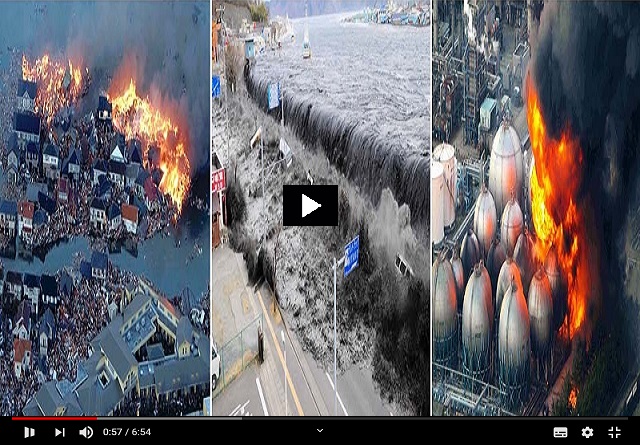



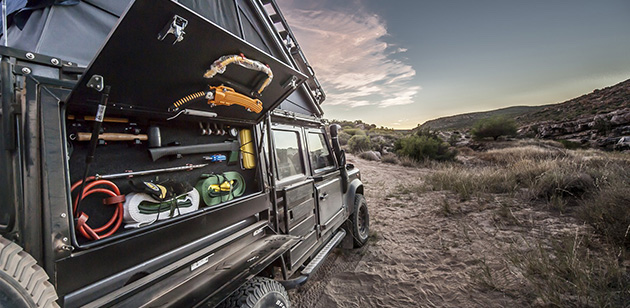
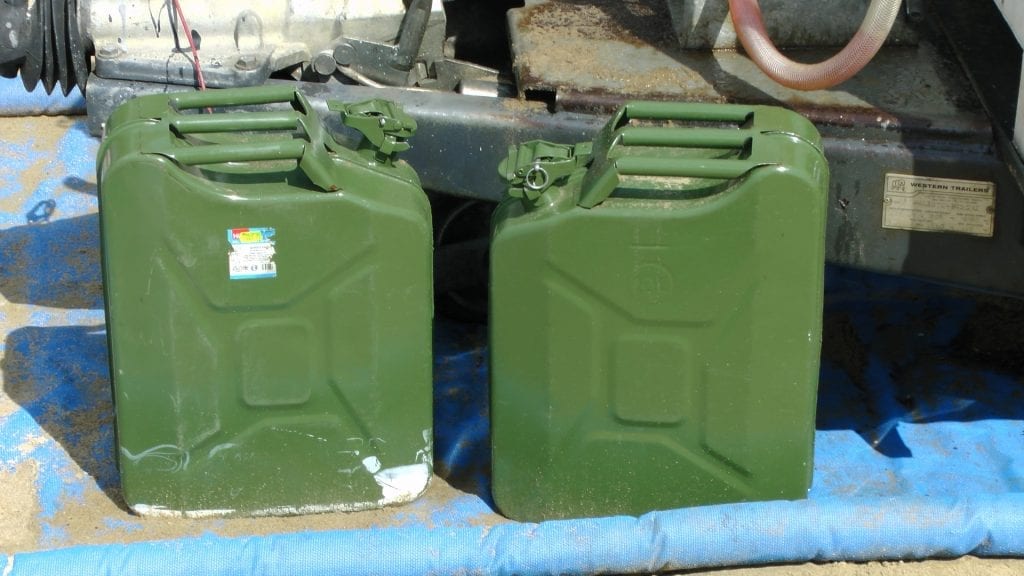




 Preppgroup