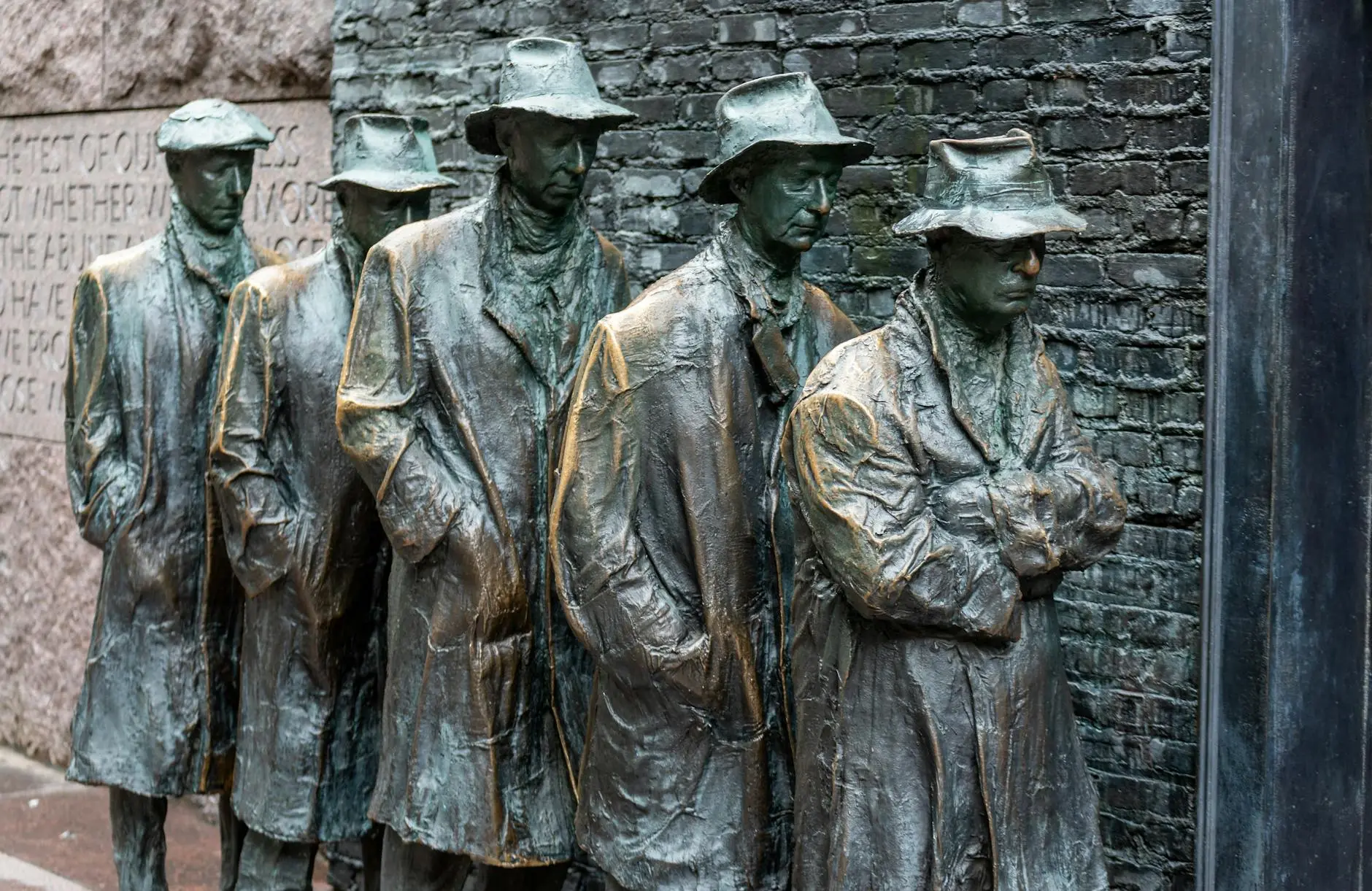
It isn’t difficult to see shades of the Great Depression in the Great Recession, and in today’s volatile economy.
Still, the hardship of the late 1920s and the 1930s has yet to be replicated on such a grand scale. The 25% unemployment rate was a reality back then. But corners were cut, ends were met, and the generation that lived through it still stands as a testament to getting past tough times.
Here’s a list of 10 survival lessons that were formed during that era that may help us recover, as well as remind us that, hey, it could be worse.
If you want to see what happens when things go south, all you have to do is look at Venezuela: no electricity, no running water, no law, no antibiotics, no painkillers, no anesthetics, no insulin or other important things.
We live in a largely consumer society, always buying the latest and greatest of everything – cars, clothes, toys. But when you don’t have money to replace it, you need to make do with what you have.
Not only that, but you need to make sure that what you have will last as long as possible. That means properly taking care of everything. If the cost of a pair of pants is going to put a strain in the budget, then you’d better make sure you can wear those pants for as long as possible. For example, don’t put your keys in your pockets, because they might wear a hole in them. Don’t put your change there either, for the same reason. Instead, use a leather change purse that won’t wear through the fabric.
The same can be said for anything. Preventative maintenance will make any car last longer, yet thousands of cars per year end up in the junkyard, simply for ignoring the need to change the oil.
2. Fix it, don’t replace it
Not only are we consumers, but we’re consumers that are accustomed to throwing things away. Long gone are the days of the local “fix-it shop,” where you could get just about anything repaired. Today, we throw it away and buy another one. That’s one thing if it’s a $5 item, but people do it with smartphones that cost hundreds of dollars, too.
Many things that break can be fixed, at times simply by scavenging parts from another one. Yet few people do this anymore. But when money becomes tight, this is a great way of making the dollars you have stretch a little bit farther.
3. Don’t pay someone to do what you can do yourself
A generation ago, most young men grew up learning some basic auto mechanics, carpentry and plumbing from their dads. By the time they moved out of their parents’ home, they’d have their own tool kit, filled with a combination of their father’s pass-me-downs and a few new ones that they’d bought on their own. They were proud of their ability to do things on their own.
Today, not enough young men graduating high school or college have any tools, let alone the knowledge to use them properly. They pay someone else to do it, rather than learning how to do it. While this might be good for the economy overall, it’s not good for their personal economy.
Buying tools and learning how to use them is an investment. If you hire a plumber to replace a faucet, it will cost an average of $242. But you can buy the tools to do it yourself for less than $40. So you save over $200 on that faucet replacement. Not only that, but every faucet you replace after that doesn’t cost you a penny for tools or labor.
4. Raise your own food
Other than the wealthy, the people who were impacted the least during the Great Depression were those who grew their own food. Millions of people had a vegetable garden and a henhouse behind their home. At a minimum, they would be growing some vegetables and have a steady source of eggs to feed their families. While that may not be much of a diet, when you don’t have a job, it can seem like food fit for a king.
5. Learn how to cook
Speaking about food fit for a king, we’re losing the art of knowing how to cook. We are used to using instant meals, frozen foods and “just add meat” packaged mixes. That’s great and it’s convenient, but when you don’t have the meat to add or the right ingredients to add to the packaged meal, it comes out rather flat.
Truly knowing how to cook means knowing how to make something well worth eating out of the ingredients you have available. How many people today know what to do if they don’t have butter or margarine to use in a recipe? What can you use if you don’t have enough flour? How can you turn that milk into yogurt or cheese, instead of letting it go to waste?
True cooks can turn simple ingredients into that meal fit for a king. They know how to get the most out of their spice cabinet and what they can do to make a disastrous recipe turn out anyway. Those skills can do a lot for the family’s morale and nutrition in hard times.
6. Avoid buying on credit
Credit kills during a financial downturn. Those who lost fortunes in the Great Depression were those who had bought everything on credit. When they couldn’t pay, their creditors came to repossess what they had bought. Many went from rich to poor in the blink of an eye.
The same can happen at any moment. The banks and creditors of today are not more hesitant to demand payment than those of the past. When you can’t pay, you lose.
7. Avoid self-indulgence
In the last 20 or 30 years we’ve been faced with a new phenomenon here in the United States — that of buying indulgent foods. We think nothing of spending $7 for a cup of coffee or an ice cream. Yet, it wasn’t all that long ago that we wouldn’t think of doing such a thing, except for the most special of occasions.
Our self-indulgence isn’t limited to our food, either. Designer clothing, fancy cars, elaborate cell phones and a host of other products are a normal part of everyday life. Many of the things we think of as “normal” today would have been luxuries to our parents, if they even existed.
Each of those indulgences is a liability. When tough times come, they become a burden on your budget. Countless people who qualify as poor pay $100 cell phone bills. They have put a luxury in front of their necessities. That’s a recipe for financial disaster, especially when times get hard.
8. Save, save, save
The Great Depression was marked by the Stock Market Crash of 1929. That crash was caused mostly by people who bought stocks on “margin,” putting up only a small percentage of the value in hard assets. When they lost on the market, they didn’t have the money to pay their losses. This happened countless times, as people who didn’t really know the market became rich on it. But they didn’t cash in when they should have, and went from rich to poor in one afternoon of bear markets.
Had those same people put the money they had invested in savings, they would have survived the crash. Not only that, but they would have had money to feed their families and pay their mortgages, when others did not.
9. Keep your chin up
No matter how bad the situation is, you can always do something to make it better. I mentioned earlier that there were many great businesses which were founded during the Great Depression. That wasn’t an accident. These were men and women who spat in the eyes of destiny. They decided that they weren’t going to become part of the depression and made some bold moves. But they had the guts and the drive to make it happen.
I don’t care what survival situation you might face. The thing that will do the most to see you through is to stare the problem in the eye and laugh. You can overcome if you are convinced that you can. But if you are convinced that you can’t, you’ve already lost the battle.
The Great Depression, which began with the stock market crash of 1929, was one of the most severe economic downturns in modern history. Spanning almost a decade, it profoundly changed the financial landscape of the United States and the world. Millions of people faced unemployment, businesses closed their doors, and families struggled to make ends meet, leading to lasting social and psychological effects. The responses of governments and institutions during this tumultuous period shaped the policies and regulations of the present day. This article seeks to explore the multifaceted history of the Great Depression, examining its causes, consequences, and the pivotal lessons learned from this challenging period in American history.
Causes of the Great Depression
The Great Depression did not strike spontaneously; rather, it was the result of a complex interplay of multiple factors that converged to create an environment ripe for financial disaster. One of the primary causes was the stock market crash that occurred on October 29, 1929, commonly referred to as Black Tuesday. This event prompted widespread panic as investors rapidly sold off stocks, leading to a drastic drop in stock prices. However, the roots of the Great Depression extend beyond this dramatic event.
Beyond the stock market turmoil, the 1920s—often dubbed the “Roaring Twenties”—was characterized by speculative investment and excessive risk-taking behavior. Many investors bought stocks on margin, borrowing money to purchase more shares than they could afford. When the market began to decline, these margins became unsustainable, leading to massive sell-offs that accelerated the decline. This heavy reliance on speculation created an unsound financial system, undermining confidence in the market.
Additionally, the banking system’s weaknesses played a significant role in triggering the economic crisis. Many banks had overextended themselves through risky loans, particularly in real estate. When the stock market crashed, many banks were unable to recover their debts, leading to a cascade of bank failures. As banks closed their doors and depositors rushed to withdraw their savings, the banking system became increasingly unstable, further deepening the economic crisis.
International trade tensions and protectionist policies also contributed to the downturn. Following the stock market crash, the United States implemented the Smoot-Hawley Tariff in 1930, which significantly raised tariffs on imported goods. This policy aimed to protect domestic industries but backfired as foreign nations retaliated with their own tariffs. The result was a dramatic decline in international trade, exacerbating the economic malaise experienced both in the U.S. and worldwide.
Furthermore, agricultural overproduction in the 1920s led to plummeting prices for farmers. The Dust Bowl, a severe drought that affected the Great Plains in the 1930s, further devastated agriculture and displaced thousands of families, adding to the economic despair. Many farm families migrated to cities in search of work, only to find unemployment and limited opportunities.
Finally, the lack of a coordinated international response to economic troubles also played a role. As nations faced their own financial struggles, the absence of effective international cooperation led to an environment of isolationism and a reluctance to implement necessary reforms.
In conclusion, the Great Depression was a multifaceted phenomenon with roots in financial speculation, banking failures, protectionist policies, agricultural decline, and inadequate international response. Understanding these causes is vital for analyzing the subsequent consequences and lessons learned from this historical period.
The Great Depression’s economic consequences
The economic ramifications of the Great Depression were severe and far-reaching. Unemployment rates skyrocketed, reaching nearly 25% in the United States at the height of the crisis. This staggering figure represents millions of individuals and families who lost their sources of income, casting a pall over the entire economy. As businesses shuttered and industries collapsed, the consequences extended well beyond the immediate loss of jobs; the foundations of the economy were shaken to their core.
The impact on commerce was equally dire. Banks failing resulted in the disappearance of individuals’ savings and further reductions in consumer spending. With people lacking confidence in the financial system, many chose to hoard cash rather than spend it, leading to deflation—a decrease in the general price level of goods and services. As businesses saw their revenues dwindle, they were forced to cut costs, which often meant layoffs and wage reductions. This vicious cycle perpetuated the economic downturn, as decreased spending led to further business closures, resulting in even more unemployment.
The agricultural sector was particularly hard hit during the Great Depression. Farmers, already struggling with debts from overproduction and falling prices, faced additional challenges as drought conditions in the Dust Bowl destroyed crops and pastures. Agricultural prices plummeted, and many farmers were unable to meet mortgage payments or cover living expenses. This led to widespread foreclosures on farms, resulting in massive dislocation of farming families—many of whom migrated towards California and other states in search of work.
The effects of the Great Depression were not isolated to the United States but were felt worldwide. Many countries experienced economic downturns in tandem with the U.S., creating a global economic crisis. This situation was exacerbated by interconnected economies, where the economic struggles of one nation rippled through international markets. Import and export rates plummeted, and countries were unable to revive their economies without cooperation or assistance from others.
In response to the economic turmoil, governments began to implement relief and recovery programs, such as the New Deal initiated by President Franklin D. Roosevelt. This marked a significant shift in government involvement in the economy and laid the groundwork for future economic policies. However, these efforts were often met with resistance and skepticism. The effectiveness of government intervention was debated, evaluating its role in addressing or prolonging the economic hardships.
Ultimately, the economic consequences of the Great Depression reshaped the financial landscape. Innovations in labor protections, social security systems, and federal regulations aimed at stabilizing the economy were introduced as a direct response to the financial crisis. These measures would pave the way for future economic reforms worldwide.
Social effects on American society
The Great Depression had profound and lasting effects on American society, transforming the very fabric of social interactions, community structures, and family dynamics. In the wake of financial collapse, the impact of widespread unemployment, poverty, and hardship rippled through every class and demographic, altering how individuals and families navigated their daily lives.
One of the most immediate social ramifications of the Great Depression was the staggering rise in unemployment. As businesses closed and jobs vanished, millions of Americans found themselves out of work. The psychological toll of unemployment was significant. For many, work had represented not just a source of income but also a sense of identity and purpose. The inability to provide for one’s family fostered feelings of shame and despair, leading to a rise in mental health issues, including depression and anxiety.
Family dynamics were also profoundly affected. In many cases, traditional roles were upended, with men—the primary breadwinners—struggling to find work and women increasingly stepping into roles as wage earners. Some women took on domestic work, while others sought employment in factories or other sectors that were less severely impacted by the downturn. The need for dual-income households, although often challenging, began to shift societal expectations around gender roles and responsibilities. As a result, there was a gradual transformation in perceptions of women’s work and capabilities during and after the Great Depression.
Communities across the country banded together during this tumultuous time, forming support networks to assist those in need. Mutual aid societies, food banks, and community organizations emerged to help families facing hunger and poverty. Neighborly cooperation became a crucial means of survival; however, it also illustrated the social fractures becoming apparent. Ethnic and racial minorities, particularly African Americans and immigrants, often faced disproportionate challenges due to systemic discrimination in accessing employment and government assistance. This inequity laid bare the longstanding racial divides within American society.
Furthermore, the Great Depression had a lasting impact on the education of children and young adults. Financial hardships led many families to withdraw their children from school to contribute to work. Poverty-stricken families were often unable to afford basic school supplies, leading to diminished educational opportunities for the youth. Such disruptions had long-lasting consequences, hindering the ability of future generations to achieve upward mobility.
Cultural expressions during the Great Depression also evolved, reflecting the prevailing moods of despair, hope, and resilience. Art, literature, and music from this period captured the struggles, aspirations, and daily realities of the American populace. A notable cultural response was the Federal Art Project initiated as part of the New Deal, which aimed to provide jobs for artists while making art accessible to the general public. Similarly, the themes of folk music and the emergence of socially conscious literature resonated with those grappling with their own hardships.
Ultimately, the Great Depression left an indelible mark on American society. The experiences of this period fostered a collective consciousness that influenced values regarding community, government responsibility, and economic security. The lessons learned from this era would continue to shape societal attitudes towards the economy and social welfare in the decades to come.
Government response to Great Depression and reform
The Great Depression precipitated a significant transformation in the relationship between the American government and its citizens. Faced with unprecedented economic hardship, governmental responses evolved from initial inaction to a series of proactive measures aimed at alleviating suffering and stimulating recovery. President Franklin D. Roosevelt’s New Deal emerged as the cornerstone of this response, redefining the role of the federal government in addressing economic and social challenges.
Initially, the government’s response to the onset of the Great Depression was marked by hesitation and limited interventions. President Herbert Hoover, who assumed office just before the crash, believed in limited government involvement in the market, adhering to the principles of laissez-faire economics. His administration’s efforts to stimulate the economy through voluntary cooperation with businesses were largely ineffective, resulting in widespread frustration among the populace as conditions worsened.
Recognizing that more aggressive intervention was necessary, Franklin D. Roosevelt took office in 1933, promising a “New Deal” for the American people. This ambitious program encompassed a wide array of initiatives, prioritizing economic recovery, job creation, and social reform. The Hundred Days, a period early in Roosevelt’s presidency marked by a flurry of legislative activity, set the groundwork for sweeping reforms. Key measures included the establishment of the Civilian Conservation Corps (CCC), which provided jobs for young men in public works projects, and the Public Works Administration (PWA), aimed at large-scale infrastructure development to stimulate employment.
The New Deal also significantly altered the landscape of financial regulation. The Banking Act of 1933, which established the Federal Deposit Insurance Corporation (FDIC), helped restore public confidence in the banking system by insuring deposits. This was crucial in preventing further runs on banks and fostering stability. Additionally, the Securities Act of 1933 instituted regulations on the stock market, aimed at curbing the reckless speculation that contributed to the financial crisis.
Furthermore, agricultural programs like the Agricultural Adjustment Administration (AAA) sought to address the struggles facing farmers by instituting measures to reduce crop production and stabilize prices. While these initiatives were often controversial, they aimed to mitigate the plight of rural America during a tumultuous time in agricultural history.
In addition to economic measures, the New Deal initiated significant social reforms, particularly the establishment of social safety nets. The creation of the Social Security Act in 1935 laid the foundation for a system that would provide financial assistance to retirees, the unemployed, and those with disabilities. This marked a critical shift towards a more welfare-oriented state, reshaping America’s social contract with its citizens.
Despite substantial efforts, the New Deal faced criticism from various quarters. Some believed that Roosevelt’s measures did not go far enough to support struggling individuals and communities, while others argued that the interventionist approach expanded government power disproportionately. Detractors included both conservatives fearing an encroachment upon capitalistic principles and leftist groups demanding more radical reforms.
The multifaceted response to the Great Depression not only sought to rebuild the economy but also spurred a cultural shift in attitudes towards government intervention. The lessons learned from this period influenced future policies and established a legacy of federal involvement in economic and social welfare that persists to this day.
Long-Term Impact and Great Depression’s Lessons Learned
The Great Depression fundamentally reshaped the American economic landscape and has had lasting implications for the world. The struggles and reforms of this era laid the foundations for contemporary economic policies and political ideologies. The lessons learned during this tumultuous period have provided valuable insights into the complexities of managing economic crises and the necessity of resilience in the face of adversity.
One of the most significant long-term impacts of the Great Depression was the redefinition of the role of the federal government in the economy. The New Deal established a precedent for large-scale government intervention to address economic challenges. Policymakers began to understand that unregulated capitalism could lead to devastating consequences, and thus a balance was needed between market forces and government oversight. The establishment of regulatory bodies, like the Securities and Exchange Commission (SEC) and the FDIC, ensured that safeguards were put in place to protect against future financial catastrophes.
Moreover, the social safety nets created during the New Deal, including Social Security and unemployment insurance, have become permanent fixtures within the American social welfare system. These programs represent a commitment to the well-being of citizens in times of crisis, offering a measure of economic security that had been previously absent. The collective understanding of the government’s responsibility to care for its citizens during economic downturns continues to influence political discussions about the role of social welfare today.
The Great Depression also catalyzed social movements advocating for civil rights and labor reforms. The economic struggles experienced by marginalized populations highlighted systemic inequalities that needed addressing, sowing seeds for the civil rights movements in subsequent decades. Labor unions gained strength during the Depression, advocating for workers’ rights and better conditions. This shift towards organized labor would reshape workplace regulations and usher in significant reforms aimed at protecting workers.
Additionally, the Great Depression taught lessons about the interconnectivity of global economies. The protectionist measures that followed the initial crash, such as high tariffs, created a ripple effect that exacerbated global economic challenges. The experience highlighted the necessity of international cooperation and coordination in resolving economic issues, emphasizing that isolated actions can lead to broader, unintended consequences.
Finally, the lessons of the Great Depression resonate in contemporary economic discourse. The importance of crisis management, timely federal intervention, and the protection of vulnerable populations remain pivotal themes in national and global economic policies. The economic downturn of 2008, often compared to the Great Depression, underscored the ongoing relevance of these historical lessons and the need for vigilance against economic pitfalls.
In conclusion, the legacy of the Great Depression shaped not only the policies of the United States but also the ways in which societies around the world address economic crises. The insights gained from this era serve as an essential reminder of the importance of adaptability, cooperation, and compassion in navigating challenges that affect the economic landscape. For more about the lessons from the Great Depression read also our article The Great Depression: Lessons from the Economic Catastrophe of 1929.
Conclusion
The Great Depression stands out as a pivotal moment in history that reshaped the economic, social, and political dimensions of American life. The complex interplay of causes leading to the collapse, the profound economic consequences, and the lasting impacts on society illustrate the depth of this historical crisis. Through examining the governmental responses and the lessons learned, we see how transformative this era was for American policy and public perception.
The challenges faced during the Great Depression still resonate today, shaping contemporary discourse concerning economic stability, welfare, and government intervention. The enduring legacy of this period serves as a testament to human resilience and adaptability in the face of tremendous adversity. As we reflect on the lessons of the Great Depression, it becomes evident that understanding the past is crucial in forging a path towards a more equitable and prosperous future.
More specifically, gold is a useful investment during times of inflation of paper currency or, paradoxically, deflation caused by either industrialization or a shrinking money supply.
For example, the paper currencies of the North and South in the U.S. Civil war had vastly different “gold premiums,” which refers to the differential value between a gold dollar and a paper dollar when the two were both in circulation. The South started printing paper currency which, basically, was to be convertible to gold dollars once they won the war. The South also was confiscating supplies with what amounted to paper IOU’s which, due to their defeat, proved to be ultimately useless. As you can imagine, the longer the war went on, the less faith people had in Confederate paper money. Confederate dollars eventually reached approximately 1/50th of their worth and, then, nothing, compared to real gold dollars.
In the North, the gold premium reached about 250% at its maximum, but every greenback was eventually fully convertible into a gold dollar, and the two fully equalized in the late 1870s. Paper money, after all, is far more cost effective logistically than bags of gold dollars. If you, hypothetically, spent the war charging $1.50 on average for your wares or services for every $1.00 you charged in gold dollars, then everything you got paid for in greenbacks would have been far more profitable for you if you held onto the money till 1880.
Gold in general is also prone to supply and demand as a commodity which, historically, has led to some odd results. In India, during British domination in the age of mercantilism, British taxation and exportation of gold out of India led to a lessening supply a specie in India. This resulted in massive deflation which increased the local value of gold exponentially. Indians who hoarded gold saw its value increasing year after year and decade after decade even as industrialization began reducing the real costs of many imported goods. This phenomenon makes economic data about India’s real GDP during the period and its PPP very contentious, and looking at just how much “money” was in the economy in the form of gold or silver would suggest that everyone alive at the Battle of Calcutta should have been starving to death by the late 1800s.
As far as the Great Depression is concerned, I would first ask you “Where?” The answer for Germany would be different than the United States or France or Argentina because of the complicated implications of monetary theory and policies in different countries with different systems. As a non-perishable good, gold and silver are as good an investment any. On the other hand, it’s not as good an investment as other appreciating assets such as fine art. And like fine art, gold was not used much by individuals for barter, but it was an asset you could sell to get money.
In general, though, had your family invested in gold in 1780 and kept it till now, it would have been one of the worst hypothetical investments you could have made back then. Even recently, countries with histories of high inflation typically will see people keep their savings denominated in one of the world’s major reserve currencies like the U.S. dollar.
I want to present you one of the most interesting sites, where you will see new articles daily! www.321gold.com
This post will focus on shopping, but first, a brief overview of American agriculture:
Crop failure in the Dust Bowl (more on that in another post) is a common image of Great Depression hardship, but despite this regional crisis, America was overproducing food during the Depression to the point of economic disaster. There are several books that talk about this phenomenon including Harvey Levenstein’s Paradox of Plenty. This overproduction stemmed largely from World War I, when farmers responded to a massive increase in demand for agricultural goods by ramping up production. Future president Hoover headed up the Federal task force responsible for helping feed Europe. After the war, farmers kept producing at wartime levels even as demand dropped, resulting in a glut of nearly worthless crops. The government tried to address this by buying up excess crops to stabilize the market, but farmers just kept growing at wartime levels and selling to the government. This paradox — too much food and starvation at the same time — is the central topic of Levenstein’s book. People struggled to feed themselves during the Great Depression not because there wasn’t enough food, but because they were unemployed and couldn’t afford to buy the plentiful food. There are some exceptions, such as where regional issues caused food shortages, but poverty was the biggest factor in food insecurity.
I should note that getting food differed significantly depending on where you were in the country — food production and distribution was far less standardized than it is today. The rural/urban divide is one of the most significant areas of difference. You might have noticed that most of the recipes I’ve written about use primarily shelf-stable dry ingredients. If you didn’t live in a rural location or near a distribution hub (like Omaha for meat) reliably acquiring fresh ingredients could be costly and difficult. If you didn’t live on a farm, chances were pretty good that you were getting meat, produce, and dried goods from three different places. Supermarkets were in existence (Piggly Wiggly opened in Tennessee in 1916), but clusters of smaller independent stores and vendors were more common. In Putting Meat on the American Table, Roger Horowitz discusses how these general stores, butchers, and pushcart vendors would frequently operate in close proximity.
Small regional chains of grocers existed, including some that are still around today like Kroger. Despite anti-chain legislation (especially at the state and local level) aimed at protecting small businesses, it was mostly chain stores and supermarkets that survived the economic uncertainty of the Depression. Counter service –where an employee would fetch items from a list — was still common. We think of curbside pickup and grocery deliveries as something new, but they were much more common than self-service. Speaking of food delivery services, milk delivery was still common during the Great Depression, especially in urban areas. Animal-based fats and proteins were a major part of the American diet (dietitians thought animal-derived nutrients were healthier than plant-based nutrients) during the Great Depression even if people were forced to find ways to stretch how far they went.
MUST WATCH!!! These common medicines could become unavailable in 2026!!! (Full video HERE)
The Great Depression led to unprecedented levels of unemployment, widespread poverty, and a fundamental re-evaluation of the American financial system. The aftermath of this colossal economic crisis spurred significant changes in regulations and policies aimed at stabilizing the financial sector and restoring public trust. This article explores how the American financial system transformed following the Great Depression, focusing on key legislative responses and the establishment of institutions designed to safeguard against future economic turmoil. By understanding this historical context, we can better appreciate the foundational reforms that continue to influence contemporary financial regulations.
Causes of the Great Depression
The Great Depression was precipitated by a myriad of factors that intertwined across various sectors of the economy. One of the foremost contributors was the stock market crash of October 1929, which acted as a tipping point. Prior to the crash, the 1920s had been marked by excesses in speculation and an unregulated financial environment. Investors, driven by the belief that stock prices would continue to soar indefinitely, engaged in margin trading, buying shares on credit, and inflating the stock market bubble.
When the bubble finally burst, millions of investors lost their savings overnight, leading to panic and a mass sell-off of stocks. The resulting crash wiped trillions from the stock market and devastated public confidence. Banks, heavily invested in the stock market and also involved in real estate loans, began to fail. As the public rushed to withdraw their deposits, many banks could not meet the demand, leading to further financial instability.
The interconnectivity of financial institutions also played a significant role in exacerbating the crisis. Many banks did not have the proper regulations in place to safeguard against the excessive risk they were taking on with speculative investments. The resulting wave of bank failures meant that individuals lost their savings and, as a consequence, consumer spending plummeted, further deepening the economic downturn.
The agricultural sector also suffered greatly during this time. Overproduction in the 1920s led to falling prices for crops, and when the Dust Bowl hit, many farmers were unable to sustain themselves or pay off their debts, leading to widespread foreclosures and further economic contractions. As unemployment rates soared, reaching around 25% at the height of the Great Depression, governments worldwide struggled to respond effectively to the crisis.
Internationally, the situation was compounded by protectionist policies such as the Smoot-Hawley Tariff, enacted in 1930, which raised tariffs on imported goods, leading to retaliatory tariffs from other countries and a steep decline in global trade. This international dimension illustrated how interconnected the global economy had become, yet how fragile it was in the face of overwhelming economic distress.
In conclusion, the complexities of the Great Depression’s causes illustrate a combination of reckless financial speculation, a lack of regulatory oversight, agricultural decline, and poor international economic policies. These foundational issues set the stage for the subsequent transformations in the American financial system, as the lessons learned forced lawmakers and financial leaders to reevaluate and implement critical reforms to prevent a similar catastrophe in the future.
Key Legislation and Reforms
Legislative changes following the Great Depression were pivotal in restructuring the American financial system. Several key pieces of legislation were enacted in response to the crisis, most notably the Banking Act of 1933, which established the Federal Deposit Insurance Corporation (FDIC) and implemented measures to restore trust in the banking system. This legislation aimed to protect depositors by insuring deposits up to a certain limit, which helped to quell the panic that had led to bank runs.
Furthermore, the Glass-Steagall Act separated commercial banks from investment banks, effectively preventing the conflicts of interest that had contributed to the financial crisis. This separation was crucial in stabilizing the banking sector, ensuring that commercial banks focused on traditional banking activities while investment banks could engage in riskier ventures without compromising the safety of public deposits.
The Securities Act of 1933 and the Securities Exchange Act of 1934 were enacted to regulate the stock market, requiring transparency and accountability from companies issuing public securities. These laws mandated disclosure of financial information to protect investors and prevent fraudulent practices, significantly altering the operational landscape of the American financial markets.
Establishment of the Federal Deposit Insurance Corporation (FDIC)
The establishment of the FDIC in 1933 marked a significant turning point in the American financial system. With the backdrop of widespread bank failures during the Great Depression, the FDIC was created as part of the Banking Act of 1933 to restore public confidence in the banking sector. The primary objective of the FDIC is to provide deposit insurance to depositors, guaranteeing their deposits up to a certain amount, currently set at $250,000 per depositor, per insured bank.
The creation of the FDIC helped to prevent the kind of bank runs that had plagued the economy in the early 1930s. Knowing that their deposits were insured, individuals were less likely to panic and withdraw their savings, which in turn stabilized the banking system. Initially, the FDIC was funded through premiums paid by banks, creating an incentive for banks to operate safely and soundly.
In addition to providing deposit insurance, the FDIC played an essential role in overseeing financial institutions and ensuring their stability. It conducted regular examinations of member banks, assessing their solvency and compliance with regulations. This oversight was crucial in preventing risky practices that had contributed to the financial collapse.
Moreover, the FDIC has adapted over the years to respond to changes in the financial landscape. It has evolved its insurance policies and regulatory framework to address challenges posed by new financial products and technologies. The organization has also played an integral role in crisis situations, providing stability during banking panics and financial crises, including the recent 2008 financial crisis.
In essence, the FDIC has become a cornerstone of the American financial system, fostering trust and stability. By protecting depositors and ensuring the safety of the financial system, the FDIC has contributed to a more resilient economy that can better withstand economic shocks and crises.
The Role of the Securities and Exchange Commission (SEC)
The Securities and Exchange Commission (SEC), established in 1934, emerged as a crucial regulatory body in the wake of the Great Depression. Its formation was a direct response to the rampant speculation and fraudulent practices that had led to the stock market crash of 1929 and the subsequent financial turmoil. The SEC’s primary mission is to protect investors, maintain fair and efficient markets, and facilitate capital formation.
One of the SEC’s key functions is to oversee and enforce securities laws governing the issuance and trading of stocks and bonds. It requires public companies to provide accurate and timely financial disclosures, ensuring that investors have access to the information necessary to make informed decisions. This accountability has been vital in restoring investor confidence in the financial markets and preventing fraudulent schemes.
The SEC also plays a significant role in regulating brokerage firms and exchanges, setting standards for their conduct and operations. By promoting transparency and accountability, the SEC seeks to deter misconduct and ensure that the financial markets operate fairly. It investigates potential violations of securities laws, pursuing enforcement actions against companies and individuals who engage in fraudulent practices.
Through its regulatory framework, the SEC has also adjusted to the evolving landscape of financial markets, particularly with the rise of technology and online trading. It has implemented new rules and regulations to address the unique challenges posed by algorithmic trading, cryptocurrency investments, and other innovations in the financial sector. The SEC continues to advocate for the protection of retail investors, particularly those who may be more vulnerable to market manipulation and misinformation.
In conclusion, the SEC has played a fundamental role in shaping the modern financial landscape. Its regulatory oversight protects investors and promotes fair market practices, fostering trust in the financial system. As the financial markets continue to evolve, the SEC’s adaptability will remain essential to preventing abuses and ensuring a stable economic environment.
Long-term Impacts on Modern Financial Regulations
The long-term impacts of the reforms instituted post-Great Depression have had profound implications for modern financial regulations. The reforms laid the groundwork for regulatory frameworks that not only aimed to stabilize the banking and financial sectors but also shaped the relationships between financial institutions, investors, and the government.
One of the most notable changes was the establishment of comprehensive oversight mechanisms that ensure financial institutions adhere to ethical and operational standards. The lessons learned from the Great Depression have instilled a culture of accountability and prudence within the financial industry, with regulations evolving to address emerging threats and complexities.
The Glass-Steagall Act, which separated commercial and investment banking, remained in place for several decades, significantly influencing the operations of financial institutions. However, its eventual repeal in 1999 led to a re-convergence of these sectors, a factor that has been critically examined in light of the 2008 financial crisis. This resurgence of integrated financial practices has spurred renewed discussions about the need for regulatory safeguards that can mitigate systemic risks.
Moreover, the implementation of the Dodd-Frank Wall Street Reform and Consumer Protection Act in 2010 further exemplifies the ongoing evolution of financial regulation in response to past crises. Dodd-Frank introduced measures designed to prevent excessive risk-taking by financial institutions, improve consumer protections, and promote financial stability.
In addition, the integration of technology in finance has prompted regulators to reconsider existing frameworks. The rise of fintech companies, cryptocurrency, and digital assets represents a significant shift that regulators must navigate to protect investors while fostering innovation. As a result, modern financial regulations continue to evolve, aiming to balance the need for oversight with the benefits of technological advancements.
In summary, the long-term impacts of the reforms inspired by the Great Depression continue to shape the landscape of the American financial system. The imperative to safeguard against catastrophic financial failures has become a cornerstone of regulatory practice, with ongoing adaptation ensuring the resilience and integrity of the financial sector.
Conclusion
In conclusion, the American financial system underwent a monumental transformation following the Great Depression, driven by a series of legislative reforms and the establishment of regulatory institutions designed to protect consumers and restore public confidence. The history of this period emphasizes the importance of a regulated financial environment to safeguard against the risks associated with unbridled speculation and financial malpractice. The establishment of the FDIC and the SEC illustrates a commitment to transparency, accountability, and stability, principles that continue to resonate in modern financial practices. As we look to the future, the lessons learned from the Great Depression remain vital, guiding ongoing efforts to adapt financial regulations to an ever-evolving economic landscape.
This article is written from the perspective of an acquaintance.
I’m a jeweller and gold dealer based in France. When Yugoslavia was imploding some years ago, a man brought to my shop a bag of gold coins to sell. He told me he had left Yugoslavia with wife and children and abandoned his house, his property investments and shops. All he had left was his family, a big stack of worthless banknotes and the gold coins, which he sold for a good price. I hope he managed to build back his wealth, it’s generally easier the second time around.
Gold is a store of value, it has always had value, and it always will. On average, it’s worth the same today, in purchasing power, as it was worth 100 years ago or 2000 years ago. People here talk about “apocalyptic events”. Ok, let’s talk about that. What do you mean? Alien invasion? World collapse? Just how is the world going to collapse so that money has zero value? War? Even in a war, gold has value, as people will trade just about anything to get out. Don’t look to Hollywood or books as to what you think of as a likely apocalyptic event. We live in the real world, not a fantasy world, and I suggest you consider what could REALLY happen in our REAL world.
Obviously, even if paper money loses most of its value, it will still have some. By having some gold, you can change it for much more paper money than you would have had if you had kept your wealth in cash. The law of supply and demand will always prevail and there will always be traders prepared, for example, to sell you gold at one million dollars per ounce and buy it back at $980,000 per ounce. This gives a value in dollars for gold and gives the paper dollars a value, as everyone knows they can get almost a millionth of an ounce of gold for every paper dollar. If the government prints more paper, the price of gold and all other goods will simply go up. A hundred years ago, a dollar would get you roughly a twentieth of an ounce of gold, today you will only get one 1757/th of an ounce. The dollar has been losing value in relation to gold since 1933 and will continue to do so, unless the US government starts buying gold in every time new dollars are printed (as it should do). The US dollar was once worth five times as much as the Swiss franc, today it’s worth less than one Swiss franc….. You need to understand that gold isn’t going up in price, it’s your money that’s going down in value (unless you live in Switzerland).
In Africa and South America, paper money regularly loses value and people have taken to keeping their spare wealth in gold and silver coins and jewellery. No government can make your gold or silver worthless; it can always be sold somewhere for its full value.
And I’m getting pretty sick of people saying you can trade with fresh water, tobacco, toilet paper or food. There has never been a long-term situation where gold or silver couldn’t be traded for essential goods. You can’t do much trade with bottles of water. And in each case, precious metals could also be traded for banknotes, no matter how low in value they were, so that small transactions could be done with notes. Sure, you can keep some water and food, but don’t dream you will be doing any trade with them.
In WWII in the Netherlands, when my mother and uncle were starving in the city, my grandmother set off into the countryside to try and get some food for her family. She came upon a farm and asked to trade for some food. The farmer told my grandmother she was unlikely to have anything that would interest him. He showed her a room full of antique silverware and candlesticks, clocks and linen he had taken in exchange for food from starving citizens. He said he would not take any banknotes, only gold, as the war was ending, but my grandmother had no gold. She then mentioned that she had some salt. This interested the farmer a lot, and she traded some salt for food and pushed it back to town in a baby stroller (which she had borrowed against a promise of a share of her purchases.) So, you can see that even in a war, gold has some value, as, apparently, does salt and strollers. Tobacco and coffee also had some value at the time, but again, gold was far more portable and non-perishable. If your family is starving to death, you will pay whatever it takes to buy food. It’s a seller’s market and if he wants gold, you’ll trade it to survive, whatever the price.
It’s thus worth keeping at least a part of your wealth in gold, to protect against what might go wrong. You won’t get rich with it, but it won’t lose its value and if you ever have to flee with your family, it can be damned useful and might even save your life.
The fall of Shanghai, 1948, people struggling to change their gold.
I want to present you one of the most interesting sites, where you will see new articles daily! www.321gold.com
The most shocking videos in the world! This video actually shows us what the secret of the Trump family is related to their expressive health!!! Video HERE.
None of us is really looking forward to the next great depression, even while we’re all expecting it to come. The reality is that rough financial times are worrisome for everyone, including the most prepared preppers amongst us. While you and I might be better off than our neighbors are, there’s still the possibility of losing our jobs, followed by our cars and then our homes.
Since one of the marks of depression is high unemployment, there’s no guarantee that any of us will manage to keep our jobs or even find another job if we lose ours. While 75% of people managed to keep their jobs back in the Great Depression of the last century, it is the 25% of them who lost their jobs that we all focus on.
This shaky job market, coupled with a potential for high inflation make for a rough financial time for just about everyone. Oh, there are always those who have enough money that it doesn’t really matter; I’m not one of those people and I doubt that you are either.
While we don’t know just when that next depression is going to come or what will be the actual trigger, there are plenty of things going on in the current economy to give us concern.
More and more economists and financial planners of all stripes are warning people about the collapse that’s coming. Some even going so far as to say that it will be much worse than the Great Depression of the last century.
So, what are we going to do when it comes? Or, perhaps even more importantly, what should we avoid doing when it comes?
Don’t Panic
The first thing to realize is that the shape of the economy, including the shape of the stock market, is largely psychological. Stocks rise and fall in value due to people’s perceptions, more than anything tangible that can be pointed to.
Once those people realize the mistake they’ve made, things can turn around just as quickly. It’s easy to fall into fear during times of uncertainty.
But that fear will cause you to make poor decisions, just like those people trading on the stock market.
While there may be plenty to be fearful about, you don’t have to fall for it, even if everyone else does. Rather, think through your situation and make the best possible decisions to protect yourself and your family.
Remember, even though 25% of workers lost their jobs during the Great Depression, 75% of the people managed to keep theirs. Work on being part of that 75%.
Don’t Quit Your Job
Whatever you do, don’t quit your job, no matter how bad you think it is or how much you feel they don’t appreciate you. At least you have a job and you can pay the bills.
If you quit, without already having another job that you’re contracted for, you may not end up being able to get another job for months or even years.
If you don’t feel that the job is meeting your financial needs, then the answer isn’t quitting, it’s reevaluating your spending and looking for a way to lower your costs.
Chances are that you’re living above your means. That’s not your employer’s fault, so you can’t expect them to pay for it.
Don’t Take Your Job for Granted
With so many people losing their jobs, the one thing you want to do is make sure you keep your own. In many companies, that means becoming the indispensable person. The last one they would want to lay off.
That won’t work in jobs which are controlled by unions, as all that matters then is seniority, but if that’s not an issue for the job you have, then do whatever you have to, in order to make them think that they can’t live without you.
More than anything, this means going above and beyond on a regular basis.
I did this in my engineering career, earning myself a number of promotions. I then passed that work ethic on to my children. When my son’s company (he works for a petroleum company) was laying people off left and right, he got a 40% raise, because they couldn’t afford to lose him.
Don’t Buy Anything on Credit
The people who have the most trouble dealing with any financial downturn are those who are saddled with a lot of debt. That can be exacerbated even more by losing a job.
But even for those who manage to keep their jobs, unnecessary debt becomes a burden that’s hard to bear.
It’s not a hard and fast rule, but inflation generally goes hand-in-hand with times of economic downturn.
While that doesn’t mean that the cost of those debts will climb in any way, it does mean that the amount of disposable income available will shrink, leading to making some hard decisions, like paying for the new car or eating.
For those who lose their jobs, all those debts make it harder to survive, financially speaking.
Not only are they likely to lose whatever they bought on credit, but in trying to do everything they can to keep their heads above water, financially speaking, they might end up losing something even more important, like their home, because of that car payment.
Cosigning on a loan is a risky move at any time. By doing so, you’re promising to make the payment, if the borrower can’t. That puts your finances in captivity to their ability to pay their obligations.
If they don’t follow the kind of advice I’m writing in this article and end up losing their job, you’re going to end up being legally forced to pay for whatever you cosigned on.
During a time of financial depression, that could be enough to sink your own finances.
Don’t Switch to an Adjustable Rate Mortgage
The “Great Recession” of 2008-2009 was caused by adjustable rate and balloon mortgages. Written in the time of President Clinton’s presidency, these were intended to make it possible for people who couldn’t otherwise afford a home, the ability to buy one.
The idea was sold on the basis of some financial projections that didn’t come to pass.
When the interest rate or mortgage payment went up, the people who had taken out those loans found themselves unable to make their payments.
It was even worse for those whose mortgages included balloon payments, as they hadn’t prepared for that huge payment.
The result was that thousands of people lost their homes, pushing the nation and then the world into the recession.
There’s nothing wrong with refinancing, if it can be done in such a way as to save you money. But take care when doing so, that you understand exactly what the terms of the loan are.
Don’t accept something which will cause your payments to go up sometime in the future. As we’ve all seen, that’s dangerous.
Don’t Make Investments that Aren’t Secure
The last Great Depression came about largely due to people investing money they didn’t have, in stocks they didn’t understand. They were essentially buying stocks with borrowed money. That still happens today, with people “leveraging” their funds to buy more than they otherwise would be able to.
The problem with that investment, like any other investment, is that it can go down, just as easily as it can go up.
The “sure thing” your buddy talks you into may not be anywhere near as sure as he thinks it is. While some percentage of those really do pay off; most do not, leaving people with a sizeable loss.
My personal philosophy about investing is that I see it as a gamble. As such, I won’t invest any more than I feel I can afford to lose. While I’ve missed a lot of opportunities that way, including a recent one that could have paid me 30 to 1, I haven’t lost any money that way either.
Don’t Upgrade Your Lifestyle
Perhaps one of the more foolish things that someone can do during a depression, besides taking on new debt, is to upgrade their lifestyle.
Even if you get a promotion at work, with a nice fat raise, there’s no real security that you’ll hang onto that during a time of depression.
Rather than spending that money to buy a new car or a boat, use it to pay down your debt, so that later, when the economy is on steadier ground, you can afford to really enjoy it.
If anything, a depression is a time to bring down your lifestyle a bit; doing everything you can to lower your expenses. That will give you more flexibility with your finances, especially if things take a turn for the worst.
Don’t Keep Your Wealth in Cash
I know this is going to sound like a contradiction to the last item; but don’t keep your money in cash either.
Rather, put it into some sort of investment that is secure; while at the same time not requiring any borrowing on your part.
Assuming that you are buying at the beginning of the inflationary cycle, probably the most secure investment would be in precious metals.
That isn’t the only secure investment though. Bonds, especially federal and municipal bonds are secure investments. So are utility stocks and some of the blue chip stocks. Look to invest in things that will have to exist through the depression because people need them. Those are the places to invest.
My favorite investment, for people who don’t have a lot to invest, is to invest in non-perishable food. On the average, food has been going up about 8% per year, even while the general inflation rate has been hovering under 1%.
So, if someone buys $1,000 worth of food and holds onto it for five years, it will be worth almost $1,500 at the end of that time. They don’t even have to sell it to cash in either; all they’ve got to do is eat it and use the money they would normally spend on that food for other things.
Don’t Defraud Your Creditors
Finally, do everything you can to avoid defrauding your creditors. There are things you can do to protect your relationship with them, even if you can’t make your payments.
The last thing that any creditor wants is to have one of their customers default, causing them to repossess property. They’re not in the business of selling that property; they’re in the business of selling loans.
While loan forgiveness is rather rare, you might be able to get a forbearance or deferment on that loan. Both are common for student loans and mortgage companies are amiable to working with you in that way as well. Make contact with your lender, telling them what your situation is and asking them what they can do for you.
Remember, you won’t be the only one going through hard financial times. They’re probably going to be even more aware of the problems going on than you are, as they are going to have a wider picture to look at. As such, they would rather work with you, than have to go through foreclosure.













 Preppgroup