It started as a random conversation with an old truck driver I met at a gas station somewhere between nowhere and “you shouldn’t be here.” He looked tired… the kind of tired you don’t fix with sleep. We ended up talking about fuel prices—because what else do strangers talk about these days?
But then he said something that stuck with me:
“Oil isn’t expensive yet… it’s controlled.”
At the time, I laughed it off. Now I’m not so sure.
The illusion of stability
If you look at the surface, things seem chaotic but manageable. Oil jumps, then drops. Gold rises, then falls. Markets breathe like nothing is really broken.
But dig just a little deeper and it starts to feel… staged.
Right now, oil prices are swinging wildly depending on rumors of peace or escalation in the Middle East. Just recently, prices dropped when talks of a possible Iran peace plan appeared—only to rebound again when those talks were denied.
At the same time, experts are warning that if the conflict drags on, oil could explode toward $150 per barrel, which historically signals something much darker than just “inflation”.
And here’s where it gets strange…
Gold isn’t reacting like it should
You’d expect gold to skyrocket during war, right?
That’s what everyone says. Safe haven. Crisis asset. The ultimate fallback.
Except… it’s not behaving normally.
Gold hit insane highs earlier this year—above $5,000 per ounce—but then dropped more than 20% even while the conflict continued.
Let that sink in.
War intensifies → gold falls.
That’s not how the story usually goes.
Some analysts say it’s because of interest rates, or a strong dollar. Others claim it’s just “market correction.” And sure, that’s probably part of it.
But what if there’s another layer?
The petrodollar crack nobody talks about
Here’s where things start to feel like a conspiracy thread I once read at 3AM… except now it’s backed by real signals.
There are growing signs that the entire oil-dollar system—the thing that has quietly powered global finance for decades—is starting to fracture.
Countries are experimenting with selling oil in other currencies. Some shipments are reportedly being settled outside the dollar system altogether.
If that system breaks, even partially, it changes everything:
Oil stops being just energy → becomes geopolitical leverage
The dollar weakens structurally
Gold stops being a “backup”… and becomes the only neutral asset
And suddenly, the weird behavior of gold makes more sense.
What if it’s not falling because it’s weak… What if it’s being suppressed while systems shift behind the scenes?
The real danger isn’t price — it’s disruption
Here’s the part that actually scared me.
It’s not about oil going up or gold going down.
It’s about breakdown.
The Strait of Hormuz carries about 20% of global oil supply.
Any disruption there sends shockwaves through everything—food, transport, energy.
We’ve already seen oil jump over 30% in just days during recent tensions.
And when oil spikes like that, it doesn’t just affect markets.
The modern urban experience is predicated on an almost invisible trust: the assumption that financial systems operate seamlessly in the background of daily life, quietly supporting the routines of millions without ever demanding attention. On what appeared to be an ordinary weekday, this trust was suddenly disrupted in a way that was both banal and profound: every automated teller machine (ATM) within my immediate city had inexplicably run out of cash. The event, seemingly minor at first glance, evolved into a fascinating case study in human behavior, social adaptation, and the fragility of infrastructural confidence in contemporary society.
The morning began under normal circumstances. Commuters moved through streets in familiar patterns, stores opened their shutters, and the city hummed with a predictable cadence of transactions and interactions. For most, including myself, the first encounter with the impending disruption was perfunctory. My intention had been merely to withdraw a modest amount of cash for incidental expenses—a transaction so routine that it scarcely registers in consciousness. Yet the experience quickly escalated beyond mere inconvenience, revealing deeper truths about dependence on technological and financial systems.
The first ATM presented the anomaly in its simplest form: a flat, uninformative error message. “Transaction unavailable,” it read, without further elaboration. To contextualize this moment academically, it is crucial to note the psychological mechanisms at play. Humans possess an innate expectation of consistency within habitual systems, a phenomenon extensively documented in behavioral economics. When these expectations are violated—even minimally—the cognitive response is one of temporary disbelief, often accompanied by repeated action to verify accuracy. I found myself reentering my personal identification number, as if repetition alone could compel the system to rectify itself. This instinctual behavior underscores a fundamental aspect of human-system interaction: the reliance on habitual patterns to mediate uncertainty.
Subsequent interactions with additional ATMs confirmed the broader systemic failure. Unlike isolated malfunctions, this pattern was geographically dispersed, encompassing multiple banking institutions and neighborhoods. At this point, observational data becomes particularly illuminating. Individuals in my vicinity demonstrated variations in behavioral adaptation: some withdrew entirely, displaying classical avoidance behavior; others persisted with repetitive attempts, an expression of ritualized coping in response to perceived control deficits. A small subset engaged in social verification, seeking reassurance from strangers, a phenomenon aligned with social proof theory, wherein human behavior is influenced by the actions and confirmations of others in ambiguous situations.
The failure of ATMs catalyzed emergent social behaviors that merit rigorous examination. As clusters of affected individuals coalesced, minor interactions evolved into cooperative problem-solving attempts. People began sharing information about functional machines, informal limits imposed by bank branches, and alternative methods of transaction. This spontaneous coordination can be framed through the lens of complex systems theory: when a stable equilibrium is disrupted, local agents self-organize to compensate for systemic deficits, producing adaptive behaviors that were neither centrally directed nor formally regulated.
One particularly illustrative example occurred outside a medium-sized branch of a national bank. The queue, initially static and orderly, began to exhibit dynamic prioritization behaviors. Customers with pre-established relationships with bank staff were often processed more quickly, while others negotiated informal withdrawal limits. From a sociological perspective, these interactions reveal latent social capital operating as a functional buffer during infrastructural instability. Trust and pre-existing social networks mediated access to resources in ways that are rarely visible during normal operations.
Economic implications of the ATM shortage were immediately tangible. Small businesses, heavily reliant on cash transactions for daily liquidity, displayed adaptive strategies ranging from temporary suspension of services to creative workarounds such as informal tabs or deferred payment arrangements. The microeconomic consequences are significant: cash unavailability imposes transaction friction costs, increases opportunity costs for both consumers and vendors, and introduces temporary market inefficiencies. These observations align with foundational economic theories regarding the liquidity preference and the role of transactional media in market fluidity.
Simultaneously, psychological stressors associated with resource scarcity became evident. Several individuals exhibited behaviors indicative of heightened anxiety: repetitive checking of devices, abrupt movements between ATMs, and frequent consultation with peers. Classical stress theory posits that such behaviors are manifestations of acute environmental uncertainty, wherein the cognitive load of unpredictability elicits adaptive yet energetically costly responses. Notably, these reactions were moderated by age, prior exposure to financial uncertainty, and the robustness of social support networks, illustrating the interplay between individual resilience and systemic vulnerability.
The broader sociocultural narrative is equally compelling. Within hours, informal digital communication channels, particularly social media platforms, became conduits for real-time information dissemination. Users shared precise locations of operational ATMs, withdrawal limits imposed by branches, and anecdotal strategies to mitigate the disruption. This self-organizing informational network exemplifies emergent resilience in contemporary urban societies, highlighting the capacity of decentralized communication systems to compensate for physical infrastructural failures.
From a behavioral economics standpoint, the ATM shortage offers fertile ground for analysis. Individuals were forced to recalibrate expectations regarding liquidity, invoking both cognitive and affective mechanisms. The anticipation of scarcity prompted preemptive behaviors such as consolidating cash holdings, negotiating alternative transaction methods, and revising expenditure priorities. Such adaptive strategies mirror the predictive elements of prospect theory, wherein perceived losses exert disproportionately greater influence than equivalent gains.
Furthermore, the incident illuminated the latent interdependence of technological, financial, and social systems. Automated financial infrastructure, often assumed infallible, proved vulnerable to operational depletion. The resulting human responses—both cooperative and individualistic—expose the layered complexity of urban systems, where technological failure cascades into social, economic, and psychological domains. This phenomenon underscores the necessity of resilience planning, not merely in technical redundancies but also in fostering adaptive social behaviors and distributed problem-solving capacities.
The personal dimension of the experience warrants reflection. Observing human behavior in real-time, as systems faltered, provided insights into collective adaptation. Moments of altruism, such as offering shared resources, advising others on functional alternatives, or providing emotional reassurance, were interspersed with more self-interested behaviors. This duality exemplifies the nuanced spectrum of human responses to environmental perturbations, challenging simplistic dichotomies between cooperation and competition.
In analyzing the incident within a wider urban context, it becomes apparent that the ATM failure functioned as both a stressor and a lens for understanding the subtle mechanics of societal dependence on automated systems. The absence of cash revealed how deeply interwoven such technologies are with daily life, shaping behavior, expectations, and interactions in ways that are often invisible until disrupted. Moreover, the adaptive behaviors observed—both spontaneous and socially mediated—demonstrate that resilience is not solely a property of infrastructure but also of human cognition, social networks, and cultural norms.
The day concluded with varying degrees of resolution. While some ATMs were restocked and branches implemented rationed withdrawals, the psychological imprint of scarcity lingered. Individuals recalibrated their relationship to cash, liquidity, and system reliability, often expressing heightened awareness of their dependence on external mechanisms. Such experiential learning aligns with constructs in behavioral finance and resilience theory, illustrating how singular events can recalibrate risk perception and adaptive capacity over both short and long temporal scales.
In summation, the incident of city-wide ATM depletion is far more than a mere inconvenience; it constitutes a multi-layered case study in the interrelation of technology, society, and human behavior. The observable patterns of adaptation—ranging from cooperative problem-solving and social network utilization to cognitive recalibration under scarcity—provide a valuable lens for understanding resilience in complex urban systems. As cities increasingly rely on automated infrastructures, such episodes serve as vital reminders that systemic trust is contingent, behavioral adaptation is critical, and the human element remains central to navigating uncertainty in the modern financial landscape.
As the day progressed, the initial novelty of the ATM shortages gave way to more substantive behavioral shifts, which are of particular interest when examining the interplay between infrastructural failure and human adaptation. Individuals who had initially responded with frustration or repetitive verification attempts began to develop strategies that balanced resource acquisition with social coordination. For instance, several local cafés that traditionally relied on card and contactless payments suddenly instituted informal cash-collection protocols. Patrons were encouraged to pool funds, defer partial payments, or trade services in lieu of monetary transactions. Such emergent microeconomies highlight the adaptive flexibility inherent in urban populations and reflect a broader sociological principle: human systems are capable of improvisation when standard mechanisms fail.
Observation of these adaptive behaviors also reveals patterns consistent with the theory of bounded rationality. Faced with incomplete information and operational constraints, individuals adopted satisficing strategies—making decisions that were “good enough” rather than optimal. For example, one small vendor reported limiting daily withdrawals to a fixed quota per customer, while another encouraged bulk purchases only from regular clients to conserve liquidity. These strategies, though suboptimal from a purely transactional perspective, minimized systemic stress and maintained functional continuity. Such improvisation demonstrates a form of resilience that is socially mediated and pragmatically grounded.
The spatial distribution of adaptive behaviors was similarly instructive. In wealthier neighborhoods, individuals leveraged pre-existing social capital and digital networks to locate functioning ATMs, creating a quasi-informal allocation of scarce resources. By contrast, in economically diverse districts, coordination often manifested in collective waiting, communal negotiation of limited withdrawals, or bartering arrangements with local merchants. These distinctions underscore the intersectionality of socioeconomic status, network connectivity, and system access—highlighting how pre-existing inequalities can amplify the effects of infrastructural disruptions, a phenomenon frequently explored in urban studies and disaster sociology.
A particularly striking instance occurred in a mid-sized bank branch, where the combination of scarcity and social hierarchy became vividly observable. Customers with long-standing relationships with bank personnel received expedited processing or were informed of alternative withdrawal options. Those without prior rapport were subjected to longer waits and tighter withdrawal limits. This scenario exemplifies the operationalization of social capital under resource constraints and resonates with Bourdieu’s conceptualization of relational networks as forms of capital that confer practical advantage, particularly in contexts of systemic scarcity.
The psychological ramifications of the ATM shortage extended beyond immediate transactional inconvenience. Cognitive load theory provides a useful framework for understanding the heightened stress observed among urban residents. Constant monitoring of multiple ATMs, coordination with peers, and strategic planning for alternative transaction routes cumulatively increased mental effort, producing observable behaviors such as erratic movement patterns, frequent re-checking of digital banking applications, and spontaneous consultation with strangers for local intelligence. Such cognitive adaptations, while energetically costly, represent critical mechanisms for maintaining functional engagement under conditions of uncertainty.
Simultaneously, the social dimension of behavioral adaptation was pronounced. Informal networks emerged as both informational and normative structures, enabling individuals to coordinate responses, validate strategies, and enforce emergent norms. For instance, in one neighborhood, residents collectively decided to stagger their visits to the few operational ATMs to reduce congestion, an unplanned yet highly effective approach to resource management. This exemplifies the principle of collective action under decentralized governance: even in the absence of formal directives, communities can self-regulate to optimize outcomes under constraint.
Economic analysis of the day’s events further illustrates the interdependence between liquidity access and market stability. Microtransactions stalled as cash shortages permeated supply chains, with smaller vendors particularly affected due to their reliance on immediate cash turnover. The resultant friction introduced temporal inefficiencies and required on-the-fly recalibration of pricing, inventory, and customer relations. Macroscopically, such phenomena demonstrate the systemic vulnerability inherent in modern economies, wherein even localized disruptions in cash availability can propagate through consumer behavior, vendor operations, and ancillary service sectors.
Equally noteworthy was the interplay between digital technology and human adaptive behavior. Mobile applications, online payment platforms, and social media channels functioned as parallel infrastructures, partially compensating for the breakdown of physical cash distribution. Residents disseminated real-time information regarding operational ATMs, withdrawal limitations, and logistical tips, thereby creating emergent networks of shared intelligence. This duality—technological infrastructure supplemented by human coordination—highlights the complex adaptive system characteristics of urban socio-economic ecosystems, where redundancy and decentralization mitigate systemic fragility.
The event also catalyzed introspective reflection among participants. Several individuals reported heightened awareness of their dependence on financial infrastructure, prompting considerations of cash reserves, emergency planning, and personal resilience. In behavioral finance, such experiential learning can recalibrate risk perception, influencing future behavior regarding liquidity management and trust in automated systems. The psychological imprint of scarcity, particularly when experienced collectively, thus operates as both a motivational and adaptive mechanism.
Moreover, the incident offers insights into cultural norms and social etiquette surrounding scarcity. Observations indicated a predominance of orderly compliance and cooperative negotiation, rather than competitive or aggressive behavior. Patrons waiting in extended queues often engaged in small acts of mutual support: sharing information, assisting with card or application issues, or moderating expectations of one another. This emergent prosocial behavior reflects normative adaptation and the internalization of social cohesion principles, consistent with anthropological studies of human response to environmental stressors.
Finally, the longitudinal impact of such events extends beyond the immediate temporal frame. The recalibration of individual and collective routines—adjustments in cash holding, reliance on alternative payment systems, and emergent social protocols—illustrates the capacity for systemic learning. Communities internalize lessons from temporary disruptions, creating informal institutional knowledge that enhances resilience in anticipation of future failures. From an urban planning and policy perspective, these dynamics underscore the importance of integrating behavioral insights, social network analysis, and technological redundancy into resilience strategies for financial infrastructure.
In conclusion, the city-wide ATM shortage represents a multi-faceted phenomenon with implications spanning behavioral economics, social psychology, urban sociology, and financial systems analysis. The convergence of technological failure, human adaptive behavior, and social coordination offers a comprehensive case study in resilience, vulnerability, and the latent structures underpinning modern urban life. By examining individual responses, emergent social norms, and systemic vulnerabilities, this event underscores the intricate interdependencies of contemporary financial and social systems, revealing that even seemingly minor infrastructural disruptions can serve as critical windows into the complex dynamics of human society.
As the afternoon unfolded, the initial collective curiosity gave way to more complex patterns of social adaptation. In urban environments, unexpected scarcity often functions as a lens that illuminates latent social structures, and the ATM shortages provided precisely this. Individuals and communities began to enact subtle but systematic behavioral modifications, revealing both the fragility and resilience of daily life dependent on automated financial infrastructure.
One particularly illustrative example involved a neighborhood grocery store that had historically operated with a predominantly cash-based clientele. When multiple residents attempted to withdraw funds and were unsuccessful, the store’s proprietor implemented an ad hoc system: customers could select goods and register the total, then pay in staggered installments or provide collateral in the form of future labor or barterable items. While this arrangement would appear informal, it functioned as a locally enforced contract, demonstrating adaptive governance at the microeconomic level. From a sociological perspective, this mechanism reflects Ostrom’s principles of self-organization in resource-limited environments: participants adhere to emergent rules to maintain mutual benefit and social cohesion.
Psychological responses among individuals were equally varied. Observations suggested a spectrum of affective reactions: mild irritation and cognitive dissonance at disrupted routines, moderate anxiety reflected in repeated attempts at withdrawal, and, in some cases, proactive problem-solving behaviors indicative of high adaptive capacity. This distribution aligns with stress-response models, wherein environmental unpredictability elicits a range of coping mechanisms, influenced by prior exposure, socio-economic status, and networked support structures.
Mobile technology emerged as a compensatory infrastructure. Social media platforms, messaging apps, and banking notifications provided real-time intelligence on which ATMs were operational, withdrawal limits, and branch-specific policies. Importantly, this digital mediation facilitated both coordination and information diffusion, enabling residents to optimize their actions under constrained conditions. Here, one observes a hybridized adaptive system: technological redundancy coupled with emergent human coordination produces functional continuity, even when primary systems fail.
The behavioral dynamics observed also offer insight into human decision-making under perceived scarcity. Many individuals recalibrated their liquidity preferences in real time, opting to conserve cash, consolidate purchases, or shift entirely to digital methods where feasible. These adaptive decisions reflect principles articulated in prospect theory: the cognitive weight of potential loss often exceeds equivalent gain, prompting risk-averse strategies that prioritize resource security over transactional convenience.
A particularly salient case study occurred at a mid-sized bank branch where institutional rules were insufficient to accommodate demand. Customers were subject to rationed withdrawals and staggered access. Notably, those with pre-existing relationships with bank personnel—long-standing clients—were often granted preferential treatment, revealing the operationalization of social capital in acute scarcity. Conversely, newcomers navigated a more rigid procedural environment. This asymmetry illustrates a critical intersection of socio-economic inequality and systemic dependence: access to resources is mediated not solely by procedural mechanisms but by relational networks and historical trust.
The societal impact extended beyond transactional inconvenience. Retail operations, public transportation, and informal service exchanges were affected, necessitating collective improvisation. Small businesses introduced flexible payment arrangements, while commuters coordinated ridesharing or alternative travel plans in response to disrupted cash access. Such behaviors exemplify distributed problem-solving and adaptive governance within micro-communities, highlighting the capacity for resilience absent centralized intervention.
From a macroeconomic lens, the ATM shortages provide a natural experiment in liquidity constraints and market responses. Transactional friction increased operational inefficiency, temporarily altering consumption patterns and supply chain behaviors. Microeconomic agents, particularly those dependent on daily cash turnover, had to innovate to maintain operational viability. This scenario underscores the sensitivity of localized economies to infrastructural perturbations, illustrating the complex interdependencies between individual behavior, institutional capacity, and systemic stability.
The day also afforded nuanced insight into emergent social norms under duress. Despite pervasive scarcity, cooperative behaviors predominated: individuals shared information about functional ATMs, assisted one another in navigating banking protocols, and mediated tensions in crowded branches. These interactions demonstrate that social cohesion can act as a stabilizing factor in conditions of infrastructural instability, reinforcing anthropological observations that humans exhibit prosocial tendencies when environmental uncertainty threatens collective welfare.
Importantly, these behavioral and social adaptations were not uniform. Variation arose from differential access to digital tools, socio-economic stratification, and pre-existing social networks. In higher-income neighborhoods, residents leveraged app-based banking, ride-hailing services, and private networks to circumvent cash shortages. In contrast, economically diverse districts relied on collective negotiation, informal credit arrangements, and community coordination to maintain transactional flow. These contrasts provide empirical support for theories of structural inequality and resilience: the capacity to adapt to infrastructural stress is unevenly distributed, reinforcing pre-existing societal disparities.
The cumulative effect of these dynamics was a heightened collective awareness of systemic dependency. Individuals reported increased attention to cash reserves, emergent contingency planning, and reflective evaluation of habitual reliance on automated financial systems. In behavioral finance, such episodes are instructive: the psychological salience of scarcity can recalibrate risk assessment, trust in institutions, and personal financial management practices.
Moreover, the ATM shortages catalyzed a subtle but meaningful reconsideration of urban interdependence. As automated systems faltered, social networks, local governance, and informal economic practices emerged as critical mediators of continuity. The interplay of technological infrastructure with human adaptive behavior revealed the multi-layered architecture of urban resilience: system stability is contingent not only on engineering robustness but on the cognitive, social, and cultural capacities of its users.
In synthesis, the day’s events illuminate fundamental principles about the modern urban experience. Infrastructure, while often invisible and assumed reliable, is inherently contingent; disruption exposes both vulnerability and adaptive potential. Human behavior, shaped by cognitive heuristics, social networks, and institutional knowledge, compensates for systemic failure in ways that are contextually variable yet remarkably consistent in function. By examining these interactions, one gains insight into the delicate balance between technology, society, and individual agency—a balance that is continuously negotiated and renegotiated in the rhythms of everyday life.
In conclusion, the ATM shortages of that day serve as more than a mere anecdote; they constitute a comprehensive lens through which to examine the interdependence of financial infrastructure, human behavior, and social organization. From individual stress responses and adaptive strategies to community-level improvisation and emergent norms, the event underscores the intricate and dynamic interconnections that sustain urban life. As cities become increasingly reliant on automated systems, such episodes are instructive reminders that resilience emerges not solely from technological redundancy but from the complex interplay of human ingenuity, social cohesion, and adaptive capacity. The insights drawn from this incident carry implications for urban planning, behavioral economics, and the design of socio-technical systems, providing a nuanced perspective on the ways in which societies navigate uncertainty and scarcity in the contemporary world.
As evening descended, the cityscape exhibited a more subdued rhythm, yet the cognitive and social reverberations of the ATM shortages persisted. The collective experience of scarcity functioned as both a stressor and a catalyst for reflection, illuminating latent vulnerabilities within everyday systems. Individuals who had initially approached the situation with curiosity or mild frustration now engaged in more deliberate cognitive processing, weighing risks, recalibrating routines, and negotiating alternative strategies for liquidity and sustenance. The psychological mechanisms underpinning these behaviors are consistent with contemporary research on adaptive cognition and resource uncertainty: humans dynamically adjust decision-making heuristics in response to environmental constraints, balancing immediate need with anticipatory planning.
Within residential neighborhoods, micro-level adaptations were particularly notable. Households adopted rationing strategies, modifying consumption patterns to align with available cash. Families coordinated with neighbors, leveraging informal trust networks to pool resources or facilitate reciprocal exchange. Children were enlisted in practical roles, such as monitoring ATM status updates via mobile applications or assisting in negotiating alternative payment arrangements. These behaviors exemplify the intergenerational transmission of adaptive strategies, a phenomenon increasingly recognized in resilience theory and disaster preparedness literature.
Simultaneously, public and private institutions demonstrated variable capacities for systemic mitigation. Banks, constrained by logistical limitations, instituted rationed withdrawals, communicated selectively through digital channels, and prioritized long-standing clients for expedited service. Retailers, from convenience stores to local cafés, enacted flexible transactional frameworks, allowing deferred payments, barter, and shared credit. These emergent institutional adaptations underscore the dual necessity of formal contingency planning and responsive improvisation in maintaining functional continuity under infrastructural stress.
The behavioral heterogeneity among urban residents offers further insight into the interplay of socio-economic status, cognitive strategies, and social capital. Observations revealed that individuals with higher digital literacy or broader personal networks navigated scarcity with relative efficiency, accessing real-time information, locating operational ATMs, and coordinating peer assistance. Conversely, residents with limited connectivity or weaker social ties relied more heavily on spontaneous negotiation, improvisation, and collective adaptation. These disparities illustrate the structural dimensions of resilience: while human ingenuity can compensate for systemic failure, its efficacy is modulated by access to resources, knowledge, and networks.
From a socio-psychological perspective, the ATM shortages also catalyzed emergent prosocial behaviors. Extended queues, which might have engendered frustration or conflict under different circumstances, instead became sites of information exchange, cooperative strategizing, and social reinforcement. Strangers shared operational intelligence, assisted each other with procedural steps, and mediated tensions arising from limited cash access. Such behaviors reflect foundational theories in social psychology, particularly regarding the activation of cooperative norms in contexts of scarcity and shared risk. Notably, these patterns were most pronounced where pre-existing communal bonds or localized networks facilitated trust and mutual recognition.
In examining the macroeconomic implications, the temporary cash shortage illustrates the sensitivity of localized markets to infrastructural perturbations. Transactional delays and constraints disrupted microeconomic equilibrium, introducing opportunity costs for both consumers and vendors. Small-scale enterprises were particularly affected, often requiring rapid adjustments to pricing, inventory allocation, and customer interaction protocols. This scenario underscores the critical interdependence of liquidity, consumer behavior, and economic stability, offering a practical case study in urban economic vulnerability.
Moreover, the event prompted reflection on the ethical dimensions of systemic dependency and resource allocation. Preferential treatment of established clients, rationing protocols, and informal barter arrangements highlighted implicit hierarchies embedded within ostensibly neutral systems. Such disparities raise important questions regarding equity, access, and the social responsibilities of both institutions and individuals when infrastructure falters. The ethical calculus of prioritization under scarcity, while seldom visible during normal operations, becomes explicit in moments of systemic stress.
The incident’s cumulative effect extended to broader considerations of urban resilience and planning. It highlighted the necessity of redundancy in financial systems, not merely in technological infrastructure but in social and behavioral contingencies. Community networks, digital communication channels, and informal resource-sharing mechanisms functioned as parallel infrastructures, compensating for the limitations of formalized systems. Recognizing and integrating these human-centric mechanisms into resilience planning enhances both adaptive capacity and societal robustness, aligning with contemporary models of socio-technical system design.
Finally, the ATM shortages served as a catalyst for individual introspection. Residents, myself included, reconsidered habitual reliance on automated systems, recalibrated financial strategies, and developed contingency awareness. The event revealed the subtle yet profound interdependence between human behavior and technological infrastructure, illustrating that resilience is as much a cognitive and social phenomenon as it is a logistical or engineering challenge. In reflecting upon these dynamics, one appreciates that the stability of urban life is contingent upon both the reliability of external systems and the adaptive capacities of the individuals who inhabit them.
In conclusion, the day when all the ATMs ran out of cash transcends its immediate inconvenience to offer a rich, multi-dimensional analysis of urban life, human behavior, and systemic interdependence. The incident underscores how infrastructural disruptions, however localized or temporary, illuminate latent societal structures, behavioral heuristics, and adaptive capacities. From cognitive recalibration and social coordination to microeconomic adjustments and ethical considerations, the event provides a comprehensive lens through which to examine the complex dynamics of modern urban resilience. As cities continue to integrate automated systems into the fabric of daily life, such episodes highlight the critical need for holistic planning—one that encompasses not only technological reliability but also social adaptability, behavioral foresight, and ethical equity—ensuring that urban ecosystems can navigate uncertainty without compromising the functional or moral integrity of the communities they serve.
The modern urban experience is underpinned by a largely invisible trust: the assumption that financial systems function seamlessly, silently supporting millions of daily routines without ever demanding conscious attention. On what began as an ordinary weekday, this trust was abruptly disrupted when every automated teller machine (ATM) within the city’s central districts ran out of cash. Initially, the event seemed trivial, but as the day progressed, it revealed profound insights into human behavior, social coordination, economic dependencies, and the fragile infrastructure of contemporary urban life.
The morning commenced under familiar rhythms: commuters moving through streets, stores opening their shutters, the city humming with a predictable cadence of transactions. For most, including myself, the first encounter with this disruption was almost imperceptible. My intention had been simple—to withdraw a modest sum for incidental expenses—a routine interaction performed countless times without reflection. The first ATM displayed an uninformative error message: “Transaction unavailable.” At first, disbelief dominated; cognitive expectations in habitual systems often compel repeated verification, an instinctive attempt to restore normalcy. Human reliance on predictable patterns, extensively documented in behavioral economics, was evident as I reentered my personal identification number, anticipating the error might self-correct.
Subsequent machines confirmed the broader failure. This was no isolated malfunction; the anomaly spanned multiple financial institutions and neighborhoods. Observing those around me, a spectrum of adaptive behaviors emerged. Some individuals withdrew entirely, demonstrating avoidance behaviors, while others repeated futile attempts—ritualized coping responses to perceived control deficits. A subset engaged in social verification, consulting strangers to determine if their experience was shared, illustrating the influence of social proof in ambiguous circumstances.
As clusters of affected individuals coalesced, emergent cooperative behaviors became evident. People exchanged real-time information regarding functional ATMs, withdrawal limits, and alternative transaction methods. These spontaneous micro-networks exemplify complex systems theory: in the absence of centralized direction, decentralized agents self-organize to mitigate the effects of systemic failures. At one bank branch, queues shifted dynamically as personal relationships with staff determined processing speed. This operationalization of social capital, where trust and pre-existing connections mediated access, highlights the intricate interplay of inequality and systemic vulnerability during crises.
Economically, the impact was immediate. Small businesses, reliant on daily cash turnover, faced operational friction. Cafés and convenience stores improvised informal payment mechanisms: pooled funds, deferred payments, or barter arrangements. From a microeconomic perspective, these adaptations illustrate how transactional friction introduces temporary inefficiencies, prompting recalibrations in pricing, inventory, and service delivery. The cascading effect also reinforced the sensitivity of urban economies to disruptions in liquidity, even at a localized scale.
Psychologically, the shortages elicited diverse affective responses. Mild irritation evolved into heightened anxiety for some, expressed in repeated ATM attempts and erratic movement between locations. Cognitive load theory explains such behavior: the uncertainty imposed by environmental disruption increases mental effort as individuals monitor, plan, and coordinate. Adaptive problem-solving behaviors emerged alongside stress responses, highlighting the interrelation of cognition, uncertainty, and resource scarcity.
Digital technology functioned as a compensatory infrastructure. Social media and banking apps enabled rapid information dissemination, real-time coordination, and informal allocation of scarce resources. These emergent networks demonstrate a hybrid adaptive system, wherein technological redundancy is complemented by human coordination, maintaining functional continuity despite systemic failure. Behavioral economics further illuminates individual adaptation: anticipated scarcity recalibrated liquidity preferences, prompting conservation, strategic purchasing, and alternative transactional behaviors in alignment with prospect theory.
Several neighborhood case studies reveal the social nuances of adaptation. In one cash-centric grocery store, residents negotiated deferred payments and reciprocal labor exchanges, creating emergent micro-contracts that enforced compliance and preserved social cohesion. At a mid-sized bank, clients with historical relationships received preferential processing, whereas newcomers encountered more rigid procedural limitations. These disparities underscore the operationalization of social capital and highlight structural inequalities exacerbated during infrastructural stress.
Across residential areas, households enacted rationing strategies, coordinated with neighbors to pool resources, and delegated practical roles to children or other household members, reflecting intergenerational transmission of adaptive knowledge. Retailers, from cafés to corner shops, introduced flexible transactional systems to maintain operational continuity. Collectively, these adaptations demonstrate distributed problem-solving and highlight the capacity for localized social governance in the absence of central directives.
Macro-level observations confirm that the ATM shortages disrupted microeconomic equilibrium. Transactional delays altered consumption patterns and supply chains, affecting both consumer behavior and vendor operations. Small-scale enterprises exhibited rapid innovation to sustain liquidity, reinforcing the critical interdependence of financial systems and urban economic stability. These disruptions also illuminated latent ethical questions: rationed withdrawals, preferential treatment, and informal barter arrangements highlighted implicit hierarchies, raising important considerations regarding equity, access, and social responsibility during periods of scarcity.
Social norms during the disruption were particularly instructive. Extended queues, rather than generating conflict, often became venues for cooperative strategizing and mutual assistance. Strangers shared operational intelligence, facilitated procedural navigation, and mediated tension, exemplifying the activation of prosocial behavior under stress. Such patterns align with anthropological and social psychological studies on collective adaptation in resource-constrained environments.
Variation in adaptive capacity was strongly influenced by socio-economic factors and digital literacy. Residents with extensive networks and mobile technology navigated scarcity efficiently, while others relied on ad hoc negotiation, demonstrating that resilience is unevenly distributed and contingent upon prior access to social and technological capital. This insight is particularly relevant for urban planning, emphasizing the need to integrate human-centric resilience strategies alongside technological redundancy.
As evening fell, cognitive and social reverberations persisted. Individuals engaged in reflective planning, anticipating potential future shortages and recalibrating reliance on automated systems. These behaviors indicate that systemic disruptions function not only as immediate stressors but also as experiential learning opportunities, influencing long-term behavioral adaptation and risk perception, a concept explored in behavioral finance and resilience studies.
The incident further highlighted the interdependence of urban infrastructure, social networks, and human cognition. While automated systems failed, emergent community behaviors, technological mediation, and adaptive strategies ensured continuity. The interplay of these factors illustrates the layered nature of resilience, where system reliability is inextricably linked with social, cognitive, and cultural capacities.
In synthesizing these observations, the day’s events reveal several overarching principles: infrastructural reliability is contingent, human adaptive behavior is critical, and social networks provide essential buffers in moments of scarcity. Moreover, the incident underscores the latent inequalities in access and adaptive capacity, emphasizing the ethical and practical imperatives for inclusive resilience planning. From the recalibration of personal financial strategies to the improvisational mechanisms of small businesses and neighborhood networks, the disruption provided a comprehensive, real-world case study of socio-technical interdependence.
In conclusion, the day when all the ATMs ran out of cash transcends its immediate inconvenience to offer a rich, multidimensional analysis of contemporary urban life. The observable patterns—cognitive recalibration, cooperative problem-solving, economic adaptation, and ethical negotiation—demonstrate the complexity of modern resilience. This incident serves as a reminder that urban systems are dynamic, contingent, and deeply interwoven with human behavior, and that effective planning requires an integrative approach encompassing technological robustness, social coordination, and adaptive cognition. As cities increasingly rely on automated infrastructure, such episodes provide critical insights for scholars, policymakers, and practitioners seeking to understand and enhance the resilience of socio-technical systems in the twenty-first century.
I want to present you one of the most interesting sites, where you will see new articles daily! www.321gold.com
There is something deeply unsettling about the idea that food—the most basic necessity of human life—might not be as simple or as “natural” as we tend to believe. I didn’t always think about this. Like most people, I grew up assuming that food just appeared in stores, that farms were owned by hardworking families, and that the system, while imperfect, ultimately worked in the interest of feeding people. But over time, through reading, conversations, and simply paying attention, that belief started to crack.
The more I looked into how livestock and food systems actually function in the United States, the more I realized that what appears to be a vast, decentralized agricultural network is, in many ways, tightly controlled, highly structured, and increasingly consolidated. And once you see it, it becomes hard to unsee.
1. Introduction: A System We Rarely Question
Food is one of the few things we interact with every single day without truly questioning its origin. For most people, it begins and ends at the supermarket shelf. Neatly packaged meat, labeled, priced, and accessible—it creates a sense of order, even comfort. For a long time, I was part of that same routine. I never really asked how a system so vast could function so smoothly.
That changed gradually. Not through a single revelation, but through small moments—reading reports, watching documentaries, talking to people from rural areas, and noticing inconsistencies. The deeper I looked, the more I realized that the U.S. livestock and food supply system is not just a network of farms and markets. It is a highly structured, deeply interconnected system shaped by economic forces, technological evolution, and, increasingly, concentrated control.
2. Historical Evolution: From Decentralization to Concentration
Historically, American agriculture was decentralized. Small and medium-sized farms dominated the landscape, and local slaughterhouses served regional markets. Farmers retained a degree of autonomy, making decisions based on local conditions and personal expertise.
However, over the past half-century, several factors have driven consolidation:
Globalization of food markets
Advances in industrial farming technology
Policy frameworks favoring large-scale efficiency
The rise of vertically integrated agribusiness models
Today, a significant portion of livestock production—especially poultry and pork—is controlled by a limited number of large corporations. This transformation did not occur overnight, nor was it necessarily coordinated. It emerged from economic incentives that rewarded scale, efficiency, and predictability.
Yet, with this shift came an unintended consequence: a redistribution of control.
3. Vertical Integration and the Erosion of Farmer Autonomy
One of the most defining characteristics of modern livestock production is vertical integration. In this model:
Corporations supply animals, feed, and veterinary services
Farmers provide infrastructure and labor
The final product is controlled and distributed by the corporation
At first glance, this appears efficient—and in many ways, it is. But from the perspective of the farmer, the reality is more complex.
I remember reading an interview with a poultry farmer who described his situation in a way that stayed with me:
“I don’t really run a farm anymore. I manage a facility that belongs to someone else’s system.”
In academic terms, this represents a shift from independent production to contract dependency.
4. Industrialization of Livestock Production
Modern livestock facilities are designed for maximum efficiency. Large-scale operations house thousands—sometimes tens of thousands—of animals in controlled environments.
These systems rely on:
Climate-controlled housing
Automated feeding systems
Genetic optimization
High-density spatial arrangements
From a production standpoint, the results are undeniable:
Increased output
Lower cost per unit
Stable supply for consumers
However, this model also introduces critical concerns:
Ethical considerations regarding animal welfare
Environmental impacts (waste, emissions, water use)
Systemic vulnerability due to centralization
Standing in one of these environments—if you ever have the chance—changes your perspective. It’s not just about farming anymore. It feels closer to manufacturing.
5. Supply Chain Fragility: Lessons from Crisis
The COVID-19 pandemic provided a real-world stress test for the food system. When major processing plants shut down, even temporarily, the consequences were immediate and widespread:
Livestock could not be processed
Farmers were forced to cull animals
Retail shortages appeared
Prices fluctuated unpredictably
This paradox—simultaneous surplus and shortage—revealed a fundamental truth:
Efficiency had come at the cost of resilience.
A system optimized for normal conditions struggled under disruption. And because processing capacity is concentrated in relatively few facilities, each disruption had amplified effects.
6. Data, Technology, and the New Architecture of Control
Technology is rapidly reshaping agriculture. What was once based on experience and intuition is now increasingly guided by data.
Key developments include:
Real-time monitoring of animal health
Predictive analytics for disease prevention
Automated logistics systems
Digital tracking of supply chains
These innovations bring undeniable benefits:
Improved efficiency
Reduced waste
Enhanced traceability
But they also introduce a new dimension: control through information systems.
When production becomes data-driven, decision-making can be centralized—even if physical operations remain distributed.
7. Environmental Pressures and Systemic Stress
The livestock sector does not operate in isolation. It is deeply affected by environmental factors:
Climate change impacting feed production
Water scarcity in key regions
Disease outbreaks
Rising energy costs
These pressures create instability.
And historically, when systems face instability, responses tend to include:
Increased regulation
Greater centralization
Enhanced monitoring and control
Not necessarily by design—but as a response to complexity.
8. Economic Power and Market Influence
Market concentration has implications beyond production.
When a small number of entities control large portions of the supply chain, they can influence:
Pricing structures
Market access for farmers
Consumer availability
This does not automatically imply malicious intent. However, it does create conditions where:
Competition is limited
Alternatives are reduced
Dependency increases
And dependency, in economic systems, often translates into influence.
9. Speculative Dimensions: Control Beyond Economics
This is where analysis becomes more uncertain—but also more intriguing.
There are ongoing discussions, especially in alternative media and independent research communities, about the broader implications of centralized food systems.
Some speculative concerns include:
The potential for controlled supply adjustments
Increased reliance on digital systems for distribution
Long-term shifts toward synthetic or lab-grown food sources
The use of food systems as tools of indirect influence
It is important to approach these ideas critically. Not all are supported by evidence. However, they often emerge from observable trends:
increasing centralization
growing technological integration
reduced individual autonomy
In other words, the concern is less about what is happening now—and more about what could happen under certain conditions.
10. Psychological and Social Implications
One of the most overlooked aspects of this topic is its psychological dimension.
Most people:
Do not understand how food systems work
Have no direct connection to production
Rely entirely on external supply
This creates a form of passive dependency.
I’ve noticed this even in casual conversations. When the topic comes up, there’s often a moment of silence—followed by a realization:
“I’ve never really thought about this before.”
And maybe that’s the most important point.
11. A Subtle Shift Toward Awareness
Despite everything, there are signs of change.
More people are:
Buying from local producers
Exploring self-sufficiency
Questioning large-scale systems
This shift is not driven by panic, but by curiosity—and sometimes by quiet concern.
It reflects a desire to regain some degree of control over something fundamental.
12. Conclusion: Between Stability and Uncertainty
The U.S. livestock and food supply system is, in many ways, a remarkable achievement. It feeds millions efficiently and consistently.
But it is also:
Highly concentrated
Technologically complex
Structurally fragile under stress
And perhaps most importantly, it operates largely out of public awareness.
The question is not whether the system works—it clearly does.
The question is:
How resilient is it? And who ultimately holds control when it is tested?
That question does not have a simple answer.
But it is one worth asking.
13. When You Start Looking Closer
There’s a moment that happens—not suddenly, but gradually—when you stop seeing food as just food. It’s hard to explain unless you’ve experienced it yourself.
For me, it didn’t come from one big discovery. It came from accumulation. Reading one report, then another. Watching how often the same companies appeared across different sectors. Listening to farmers speak—not publicly, but in interviews where they seemed tired, cautious, sometimes even resigned.
At some point, the question shifts.
It’s no longer:
“How does the system work?”
It becomes:
“Who really controls it… and how much control do they actually have?”
14. The Invisible Web of Corporations
Most people know a few brand names. But very few understand how interconnected everything is behind the scenes.
In reality, the system looks less like separate companies and more like a network:
processing companies tied to distribution chains
distribution chains tied to retail giants
retail data feeding back into production decisions
And somewhere in that loop, data becomes more valuable than the product itself.
Because if you know:
how much people consume
when demand spikes
where shortages appear
You don’t just react to the market.
You can shape it.
15. Dependency: The Quiet Mechanism of Control
Dependency doesn’t look like control at first.
It looks like convenience.
Food always available
Prices relatively stable
Supply chains invisible
But over time, something subtle happens.
People lose:
the knowledge of how to produce food
the connection to land
the ability to operate outside the system
And when that happens, dependency becomes structural.
Not forced.
Just… embedded.
16. What Happens When Systems Become Too Big?
Large systems have a paradox.
They are:
incredibly powerful
extremely efficient
But also:
difficult to adapt quickly
vulnerable to single points of failure
In theory, decentralization provides resilience.
In practice, centralization dominates because it’s profitable.
And here’s where things get uncomfortable:
If a system becomes too centralized, control doesn’t need to be aggressive.
It can be passive.
Even silent.
17. The Darker “What If” Scenarios
Let’s move carefully here—but honestly.
There are discussions—again, speculative, but persistent—about how food systems could be used in extreme situations.
Not today. Not necessarily tomorrow.
But under pressure.
Some of these scenarios include:
Selective distribution during crisis Access to food prioritized based on region, status, or infrastructure.
Digital tracking of consumption Not for control initially—but for efficiency, which could later evolve.
Artificial scarcity signals Market adjustments that appear natural but are strategically influenced.
Transition to controlled production environments Less reliance on traditional farms, more on centralized, monitored systems.
None of these are confirmed realities.
But they are technically possible within the current trajectory.
And that’s enough to make people uneasy.
18. A More Personal Thought
I remember one night—nothing dramatic, just late, quiet, scrolling through articles and reports—and realizing something simple:
I had no idea where most of my food actually came from.
Not really.
Not beyond a label.
And that realization felt… strange.
Not frightening exactly.
But unsettling.
Because food is not optional.
It’s not a luxury.
It’s the one system you cannot opt out of.
19. The Emotional Undercurrent
There’s a tone that runs beneath all of this.
Not loud. Not obvious.
But present.
A mix of:
admiration for the system’s efficiency
concern about its concentration
uncertainty about its future
It’s like standing in a massive machine.
You understand that it works.
But you’re not entirely sure what happens if it stops.
Or worse—
What happens if someone decides to adjust it.
20. The Beginning of Resistance (Quiet, But Real)
Not everyone is unaware.
There’s a slow movement—almost invisible at first:
people buying directly from farms
small producers rebuilding local networks
communities experimenting with food independence
It’s not revolutionary.
It’s subtle.
But it’s growing.
And it’s driven by something very simple:
The desire to not be completely dependent.
21. Where This Might Be Going
If current trends continue, we might see:
further consolidation
deeper integration of technology
increased monitoring of production and distribution
At the same time:
alternative systems will grow
awareness will increase
trust will become a central issue
And somewhere between these two directions, the future of food will be decided.
22. Final Reflection (Darker, But Honest)
If you step back and look at everything together, one idea becomes hard to ignore:
Control over food is not just economic.
It’s structural.
It’s systemic.
And under certain conditions, it could become something more.
Not necessarily through intention.
But through capability.
And sometimes, capability alone is enough to change how we see the world.
23. A Thought Experiment (Closer to Reality Than It Should Be)
Imagine this—not as science fiction, but as a quiet extension of trends already in motion.
You wake up one morning and go to the store. Nothing dramatic at first. Shelves are still stocked, people still shopping. But there are small differences:
certain products are limited
purchase quantities are capped
prices have shifted… slightly, but noticeably
At the entrance, a digital screen informs customers of “temporary supply adjustments.”
No panic. No chaos. Just… changes.
Most people accept it.
Because the system still works.
24. Gradual Change Is the Most Effective Kind
History rarely moves in sudden, obvious collapses. More often, it shifts gradually—so gradually that people adapt without fully realizing what’s happening.
In the context of food systems, change could look like:
Increased monitoring “for efficiency”
Subtle restrictions “for stability”
Standardization “for safety”
Each step makes sense on its own.
But together, they reshape the system.
Not violently.
Quietly.
25. When Choice Becomes Limited (Without Disappearing)
One of the most interesting aspects of control is that it doesn’t require removing choice entirely.
It only requires narrowing it.
You can still buy food.
You can still choose between options.
But:
those options come from the same supply chains
those supply chains are controlled by the same systems
those systems operate under the same constraints
So the illusion of choice remains.
Even if the structure behind it becomes increasingly unified.
26. The Role of Crisis (Real or Perceived)
Crises—whether real or amplified—have always played a role in accelerating systemic change.
In food systems, crises can include:
pandemics
climate disruptions
geopolitical conflicts
supply chain failures
During such moments, decisions are made faster.
And often, those decisions involve:
centralization
regulation
control mechanisms
Not necessarily because of hidden agendas—but because centralized systems are easier to manage under pressure.
Still, the outcome is the same:
More control, less flexibility.
27. A Personal Scenario
I sometimes think about what I would actually do if the system changed significantly.
Not collapsed—just… tightened.
Would I:
start sourcing food locally?
try to become more self-sufficient?
or simply adapt like everyone else?
And the honest answer is uncomfortable.
Most of us would adapt.
Not because we agree.
But because we have no immediate alternative.
And that’s where the real power of the system lies.
28. The Silent Contract
There’s an unspoken agreement between modern society and its food systems:
“We provide stability and abundance. You provide trust and dependency.”
For decades, this contract has worked.
But like any contract, it depends on balance.
If that balance shifts—even slightly—the relationship changes.
And once dependency is deeply established, reversing it becomes extremely difficult.
29. The Edge of Speculation (But Not Fiction)
Let’s be clear: not everything discussed here is happening.
But much of it is possible.
And possibility matters.
Because the current system already has:
centralized production
data-driven logistics
limited processing points
high dependency
Which means that under the right conditions, control mechanisms could emerge naturally—not as a conspiracy, but as a consequence of structure.
Still, for many people, that distinction doesn’t make it less unsettling.
30. The Emotional Reality Most People Ignore
There’s a quiet discomfort that comes with understanding systems too well.
It’s not fear in the dramatic sense.
It’s something else:
awareness without control
understanding without influence
dependence without alternatives
And once you reach that point, you start seeing things differently.
Even something as simple as buying food feels… slightly different.
31. The Possibility of Resistance
Not all outcomes lead toward more control.
There are counter-forces:
local agriculture movements
decentralized food networks
increasing consumer awareness
technological tools that empower individuals, not just corporations
These forces are smaller—but they exist.
And sometimes, small systems are more adaptable than large ones.
32. Final Thought: The System Is Not Leaving
The modern food system is not going away.
It is too efficient, too embedded, too essential.
The question is not whether it will exist.
The question is:
What form will it take in the future?
Will it become:
more centralized
more monitored
more controlled
Or will it:
adapt toward balance
reintroduce decentralization
allow more autonomy
Right now, both paths are possible.
33. Closing Reflection (Personal, Unfiltered)
If there’s one thing this entire topic leaves me with, it’s this:
We are deeply connected to systems we barely understand.
And most of the time, that’s fine.
Until it isn’t.
Because food is not optional.
It’s not something you can step away from.
It’s the one system you will always be part of—whether you think about it or not.
And maybe that’s why this topic feels different.
Not louder.
Not more urgent.
Just… heavier.
Like something quietly important, waiting in the background.
I want to present you one of the most interesting sites, where you will see new articles daily! www.321gold.com
For a long time, I accepted the same framework most people in finance operate within—that the global economy is, at its core, a system governed by monetary policy, shaped by interest rates, and stabilized by central banks. It’s an appealing idea because it suggests control. If growth slows, you lower rates. If inflation rises, you tighten conditions. If markets panic, you inject liquidity. There is a sense that someone, somewhere, is ultimately in charge of the system. But the longer I watch what is unfolding now, the more that framework feels incomplete, almost like a simplified map that works in normal conditions but fails the moment reality becomes more physical than financial. What we are seeing today forces a different perspective—one that is much less comfortable—because it suggests that the economy is not primarily a financial construct, but an energy-dependent system, and that everything we consider “economic activity” is simply a byproduct of energy being converted into work, goods, and services.
The disruption in the Strait of Hormuz, now stretching into multiple weeks, is not just another geopolitical event that can be neatly categorized and priced into markets. It is, in practical terms, a restriction on one of the most critical physical flows in the global system. A significant share of the world’s oil and natural gas moves through that corridor, and when that flow is constrained—even partially—the impact is not theoretical. It is immediate at the physical level, even if it is delayed in how it manifests economically. This is where the disconnect begins. Financial markets, by their nature, operate on expectations. They price what participants believe will happen—future resolutions, policy responses, geopolitical outcomes. But the physical world does not operate on expectations. It operates on what is available, here and now. If a portion of energy supply is removed from the system, that energy does not exist for consumption, regardless of how markets choose to price the future.
This distinction between financial perception and physical reality is critical, because it explains why, on the surface, everything can still appear relatively stable. Benchmark prices may not reflect the full severity of the situation, supply chains may continue to function with minor disruptions, and daily life may feel largely unchanged. But beneath that surface, constraints begin to build. Energy markets start to tighten in specific regions. Physical deliveries become more expensive or harder to secure. Refined products begin to diverge from crude benchmarks. None of these signals, on their own, create a sense of crisis. But together, they form a pattern that suggests the system is under strain. And unlike demand-driven shocks, where activity can be restarted once confidence returns, a supply-driven constraint introduces a different kind of pressure—one that cannot be resolved through financial means alone.
The reason this matters is because modern economic thinking is heavily biased toward demand-side explanations. When something goes wrong, the assumption is that consumption has weakened, that credit conditions have tightened, or that confidence has deteriorated. The solution, therefore, is to stimulate demand—lower rates, increase liquidity, encourage spending. This framework has worked repeatedly over the past decades, which reinforces the belief that it is universally applicable. However, it breaks down when the problem is not insufficient demand, but insufficient supply of critical inputs. In such cases, stimulating demand does not resolve the issue; it exacerbates it. If energy is scarce, increasing consumption only intensifies the competition for limited resources, pushing prices higher without increasing availability.
What makes the current situation particularly complex is that it places policymakers in a position where traditional tools become not just ineffective, but contradictory. Inflation driven by supply constraints would normally call for tighter monetary policy, yet slowing production and weakening economic activity would argue for easing conditions. This creates a structural dilemma often described as stagflation, but in practice it feels less like a defined economic state and more like a constraint with no clean exit. There is no policy lever that simultaneously restores growth and reduces inflation when the underlying issue is physical scarcity. This is the point where the limitations of a purely financial understanding of the economy become visible.
Beyond the immediate effects on energy markets, the implications extend into areas that are less visible in the short term but far more consequential over time. Modern industrial systems are deeply dependent on continuous energy input, and when that input becomes constrained, the effects propagate unevenly. High-energy industries are typically the first to adjust, either through reduced output or temporary shutdowns, as governments and operators prioritize essential consumption. This may appear manageable at first, but the system is interconnected in ways that amplify these adjustments. Reduced industrial output affects supply chains, which in turn impacts the availability of intermediate goods, and eventually filters down to consumer products. The process is gradual, which makes it easy to underestimate, but it is cumulative.
Perhaps the most underappreciated aspect of energy constraints is their relationship to food production. Modern agriculture is not simply a function of land and labor; it is an industrial process reliant on fertilizers, machinery, and transportation, all of which are energy-intensive. The production of nitrogen-based fertilizers, for instance, depends heavily on natural gas. When gas supply is disrupted, fertilizer production declines, and the effects are not immediate but delayed. Planting decisions are affected, yields are reduced, and the consequences emerge months later in the form of lower harvests and higher food prices. This lag creates a false sense of stability in the present, even as future constraints are effectively being locked in.
Another layer of complexity arises from the uneven distribution of both resources and vulnerabilities across different regions. Economies that are heavily dependent on imported energy are inherently more exposed to disruptions in global supply, while those with domestic production capacity and resource diversity have a relative advantage. However, this does not imply immunity. Even resource-rich economies operate within a global system, and disruptions elsewhere can feed back through trade, pricing, and financial channels. Moreover, access to resources is not determined solely by availability, but by policy decisions, infrastructure, and distribution mechanisms, all of which can introduce additional constraints.
As the duration of the disruption extends, time itself becomes a critical variable. Short-term interruptions can often be absorbed through inventories, strategic reserves, and temporary adjustments. But as those buffers are depleted, the system becomes increasingly sensitive to continued constraints. Restarting disrupted flows is not instantaneous. Maritime backlogs take time to clear, storage imbalances need to be resolved, and production that has been halted may require significant time and investment to restore. In some cases, the interruption itself causes lasting damage, reducing the efficiency or capacity of the system even after normal operations resume. This creates what could be described as a “lagging deficit,” where the effects of the disruption persist beyond its apparent resolution.
What makes this moment particularly difficult to interpret is that it does not present itself as a clear break from normality. There is no single indicator that signals a transition from stability to crisis. Instead, it unfolds as a gradual divergence between what appears stable and what is becoming constrained. Markets may continue to function, prices may not fully reflect underlying scarcity, and daily life may remain largely unchanged for a period of time. But beneath that surface, the system is adjusting in ways that are not immediately visible, and those adjustments tend to become apparent only after they reach a certain threshold.
The challenge, then, is not simply to predict specific outcomes, but to recognize the nature of the constraint itself. An economy that is limited by financial conditions behaves very differently from one that is limited by physical resources. In the former, policy intervention can often restore equilibrium. In the latter, equilibrium is redefined by what is physically possible. This distinction may seem subtle, but it has profound implications. It suggests that the range of potential outcomes is wider than what most models account for, and that the path back to stability—if it exists—is likely to be more complex and more prolonged than in previous cycles.
At a broader level, this situation forces a reconsideration of how we think about growth, stability, and resilience. For decades, the assumption has been that economic expansion can continue as long as financial conditions are managed effectively. But if growth is ultimately constrained by energy availability, then that assumption becomes conditional rather than absolute. The system can expand only within the limits imposed by its physical inputs, and when those inputs are disrupted, the adjustment is not just financial—it is structural.
None of this necessarily implies an immediate or inevitable collapse. There are still pathways through which the situation could stabilize, whether through geopolitical resolution, reallocation of supply, or demand adjustments. But it does suggest that the risks are asymmetrical. If the disruption is resolved quickly, the system may absorb the shock with manageable consequences. If it persists, the effects compound in ways that are difficult to reverse. And because those effects build gradually before becoming visible, there is a tendency to underestimate them in the early stages.
What stands out most, in the end, is not any single data point or scenario, but the shift in perspective that this moment demands. When the economy is viewed primarily as a financial system, stability appears to depend on policy and market behavior. When it is viewed as an energy-dependent system, stability depends on something more fundamental—the continuous availability of the physical inputs that sustain it. And when those inputs are constrained, even temporarily, the implications extend far beyond what traditional economic frameworks are designed to capture.
If we extend this line of thinking even slightly, it becomes clear that what matters most in the current situation is not just the existence of a disruption, but its duration and the way it interacts with the rigid structures of the global system. Modern supply chains, energy networks, and industrial processes are optimized for efficiency, not resilience. They are designed to function under the assumption of continuity, where inputs arrive on time, in predictable quantities, and at relatively stable prices. When that assumption holds, the system performs remarkably well. But when it breaks—even partially—the system does not adapt smoothly. Instead, it begins to reveal how little slack actually exists within it. Buffers that were assumed to be sufficient turn out to be temporary, and redundancies that were considered unnecessary suddenly become critical.
One of the most important aspects of this dynamic is that the system does not fail all at once. It degrades in layers. At first, the adjustments are subtle and often invisible outside of specific sectors. Energy-intensive industries begin to reduce output, not because demand has disappeared, but because input costs and availability make normal operations unsustainable. This reduction may even appear rational or contained at the macro level, as if the system is efficiently reallocating resources. However, these industries are not isolated. They form the foundation of broader supply chains, and when their output declines, the effects propagate outward. Intermediate goods become less available, production timelines extend, and costs begin to rise across multiple sectors simultaneously. The process is gradual, but it is cumulative, and once it reaches a certain threshold, it becomes self-reinforcing.
What complicates this further is the interaction between physical constraints and financial expectations. Markets tend to price in future normalization, especially in situations where past experience suggests that disruptions are temporary. This creates a scenario in which forward-looking indicators may imply stability even as current conditions deteriorate. The result is a divergence between what is expected and what is actually unfolding. This divergence can persist for some time, particularly if participants believe that policy intervention or geopolitical developments will resolve the issue. However, if those expectations prove overly optimistic, the adjustment in markets can be abrupt, as prices and valuations recalibrate to reflect a reality that has already been developing beneath the surface.
A useful way to understand this is to consider how dependent the global economy is on continuous energy throughput. In periods of steady growth, improvements in efficiency allow output to increase without a proportional rise in energy consumption. This creates the impression that the relationship between energy and growth is flexible. However, in periods of contraction driven by supply constraints, the relationship becomes far more rigid. Certain baseline functions—such as heating, transportation of essential goods, and basic food production—cannot be reduced beyond a certain point without causing systemic disruption. As a result, a relatively modest reduction in total energy supply can lead to disproportionately large effects in non-essential or marginal activities. These activities are not eliminated in a coordinated manner, but rather through a process of cascading adjustments that reflect both economic and physical limitations.
The implications of this become particularly significant when considering the role of time in amplifying these effects. In the early stages of a disruption, inventories and reserves provide a buffer that masks the severity of the underlying constraint. Strategic stockpiles, such as petroleum reserves, can temporarily offset reduced supply, and businesses may rely on existing inventories to maintain operations. However, these buffers are finite, and their depletion introduces a new phase of the adjustment process. As inventories decline, the system becomes increasingly sensitive to ongoing disruptions, and the margin for error narrows. At this point, even small additional constraints can have outsized effects, as there is less capacity to absorb them.
Another critical factor is the behavior of production systems under interruption. Unlike financial systems, which can often be restarted with relative speed once conditions stabilize, physical production systems are subject to more complex dynamics. In the energy sector, for example, shutting down production is not always reversible without cost. Wells that are taken offline may experience pressure changes, reduced flow rates, or mechanical issues that require time and investment to address. Similarly, industrial facilities that halt operations may face challenges in restarting processes, particularly if they depend on continuous input flows or specialized conditions. This means that even after a disruption is resolved, the recovery process may be slower and less complete than expected, creating a persistent gap between pre-disruption capacity and actual output.
When these dynamics are combined with geopolitical uncertainty, the range of potential outcomes expands significantly. The Strait of Hormuz is not merely a transit point; it is a chokepoint that concentrates a substantial portion of global energy flows within a narrow geographic corridor. This concentration introduces a form of systemic risk, as disruptions in that location have global implications. The longer the disruption persists, the more likely it is that secondary effects will emerge, including changes in trade patterns, shifts in pricing structures, and alterations in investment behavior. These effects may not be immediately visible, but they contribute to a gradual reconfiguration of the system.
At the same time, it is important to recognize that responses to scarcity are not purely economic. They are also political and strategic. In an environment where critical resources become constrained, the incentives for cooperation can weaken, particularly if domestic pressures intensify. Governments may prioritize internal stability over external commitments, leading to restrictions on exports, adjustments in allocation policies, or interventions in markets. These actions, while rational from a national perspective, can exacerbate global imbalances, as they reduce the overall availability of resources in international markets. This creates a feedback loop in which scarcity leads to protective measures, which in turn deepen scarcity.
The potential consequences of this dynamic become more pronounced when extended over longer timeframes. A disruption lasting a few weeks may be absorbed with limited structural impact, but one that extends into months begins to affect planning cycles across multiple sectors. In agriculture, for instance, decisions made during planting seasons are based on expectations of input availability and cost. If those expectations are disrupted, the effects are not confined to the present but extend into future harvests. Similarly, in industrial production, investment decisions may be delayed or altered in response to uncertainty, affecting capacity in subsequent periods. Over time, these adjustments accumulate, leading to a measurable impact on overall economic output.
Historical comparisons can provide some context, although they are not perfect analogues. The oil crisis of the 1970s, for example, demonstrated how supply constraints can lead to a combination of high inflation and low growth, fundamentally altering economic trajectories. However, the global system today is more complex, more interconnected, and in many ways more optimized for efficiency than it was at that time. This increased complexity amplifies both the benefits of normal operation and the risks associated with disruption. As a result, while past events can offer insight into potential dynamics, they may underestimate the speed and scale at which effects can propagate in the current environment.
From a financial perspective, this introduces a different kind of risk profile than what is typically encountered in demand-driven downturns. In those scenarios, asset prices often decline in response to reduced earnings and tighter financial conditions, but the underlying capacity of the system remains intact. In a supply-constrained environment, however, the challenge is not just reduced demand, but impaired production capacity. This affects margins, disrupts business models, and introduces uncertainty that is difficult to quantify. Assets that are valued based on long-term growth assumptions become particularly sensitive to changes in discount rates and input costs, while real assets linked to physical resources may perform differently.
At the individual level, the effects of these dynamics are likely to be experienced less through abstract indicators and more through changes in everyday conditions. Prices may rise, availability of certain goods may fluctuate, and services that were previously taken for granted may become less reliable. These changes are often gradual at first, which can make them easy to dismiss or rationalize. However, as they accumulate, they contribute to a broader shift in perception, as individuals adjust their expectations and behavior in response to a changing environment.
Ultimately, the defining characteristic of the current situation is not any single outcome, but the interaction between physical constraints, financial expectations, and human behavior over time. Each of these elements influences the others, creating a system that is dynamic but not necessarily stable. Understanding this interaction requires moving beyond a purely financial framework and recognizing the role of physical inputs in shaping economic possibilities. It also requires acknowledging that adjustments to constraints are rarely smooth or evenly distributed, and that the path from disruption to equilibrium—if such an equilibrium exists—may be more complex than anticipated.
What emerges from this perspective is not a definitive prediction, but a shift in how risk is understood. Instead of focusing solely on probabilities derived from past cycles, it becomes necessary to consider structural limits and the ways in which they can alter the range of possible outcomes. This does not mean that extreme scenarios are inevitable, but it does mean that they cannot be dismissed simply because they fall outside of familiar patterns. In a system that depends fundamentally on continuous energy flow, disruptions to that flow have the potential to reshape the environment in ways that extend beyond traditional economic analysis.
If we attempt to frame what lies ahead, the difficulty is not a lack of possible scenarios, but the fact that each of them depends on variables that are largely outside the scope of traditional economic analysis. Military timelines, geopolitical decisions, insurance constraints in maritime transport, and the simple physics of energy production all play a role in determining outcomes. This makes forecasting inherently uncertain, but it does not make it impossible to outline a range of plausible paths. What becomes clear, however, is that even the more optimistic scenarios involve a degree of disruption that is materially different from what has been experienced in recent economic cycles.
In the most favorable case, the disruption is resolved relatively quickly. A ceasefire is reached, transit through the Strait resumes, and confidence returns to markets. Even under these conditions, the recovery would not be immediate. Maritime traffic would need time to normalize, with vessels clearing backlogs and supply chains rebalancing. Storage imbalances, particularly in regions close to the disruption, would need to be resolved, and production that had been curtailed would require time to ramp back up. The key point here is that even a short interruption creates a lagging effect, where the consequences extend beyond the duration of the event itself. Economic activity might stabilize, but not without a temporary contraction in growth and a period of elevated prices as the system readjusts.
A more realistic scenario, however, involves a disruption lasting several months. In such a case, the effects begin to move beyond temporary dislocation and into structural adjustment. Strategic reserves, which initially provide a buffer, would start to decline meaningfully, reducing the system’s ability to absorb further shocks. Governments, particularly in energy-importing regions, would likely implement measures to manage consumption, ranging from incentives for reduced usage to more direct forms of rationing. Industrial output would be affected more visibly, as high-energy sectors become increasingly difficult to sustain under constrained supply conditions. At the same time, the delayed effects on agriculture would begin to take shape, setting the stage for tighter food markets in subsequent seasons.
From a macroeconomic perspective, this scenario aligns with a contraction in global growth, not driven by a collapse in demand, but by the inability of the system to sustain previous levels of production. This distinction is important, because it changes how the contraction unfolds. Instead of a sharp decline followed by a policy-driven recovery, the adjustment is more prolonged and uneven. Some sectors contract significantly, while others remain relatively stable, creating a fragmented economic landscape. Inflation remains elevated, not because of excess demand, but because of persistent supply constraints. This combination challenges both policymakers and market participants, as it does not fit neatly into the frameworks that have guided decision-making in recent decades.
Extending the timeframe further introduces a set of outcomes that are more difficult to model, but increasingly relevant if the disruption persists. A prolonged restriction on energy flows—measured in six months or more—would likely lead to a more pronounced contraction in global output, as the system adjusts to a lower level of available energy. This adjustment is not simply a matter of reducing consumption; it involves a reconfiguration of economic activity to align with physical limits. Activities that are less energy-efficient or less essential are gradually reduced, while critical functions are preserved as much as possible. However, this process is not centrally coordinated at a global level, and therefore it unfolds through a combination of market forces, policy decisions, and, in some cases, coercive measures.
In such an environment, financial markets would be forced to reprice risk in a more fundamental way. Equity valuations, particularly in sectors dependent on stable input costs and long-term growth assumptions, would come under pressure as margins compress and uncertainty increases. Fixed income markets would face a different challenge, as inflation erodes real returns while higher yields reflect both risk and policy responses. The traditional balance between asset classes, which has relied on predictable relationships between growth, inflation, and interest rates, may become less reliable. In contrast, assets tied more directly to physical resources or essential infrastructure could behave differently, as their value is linked to scarcity rather than purely financial metrics.
What makes this environment particularly challenging for investors and policymakers alike is the asymmetry of outcomes. The upside, in the case of rapid resolution, is a return to conditions that are already well understood and largely priced into expectations. The downside, however, involves a set of structural adjustments that are less familiar and potentially more disruptive. This imbalance creates a situation in which the perceived stability of the present may not fully reflect the range of possible future states. In other words, the system may appear stable not because risks are low, but because they have not yet been fully realized or acknowledged.
At a deeper level, this raises questions about the assumptions that underpin long-term economic thinking. For decades, the dominant narrative has been one of continuous growth, supported by technological progress and managed through financial policy. Energy, while recognized as important, has often been treated as a variable that can be adjusted through markets and innovation. However, when supply constraints become binding, this assumption is challenged. Growth is no longer simply a function of productivity and demand, but of available energy. This does not negate the role of innovation, but it places it within a framework defined by physical limits.
The implications of this shift extend beyond economics into broader considerations of stability and resilience. Systems that are optimized for efficiency tend to perform well under normal conditions, but they are less capable of absorbing shocks. Redundancy, which appears inefficient in stable environments, becomes valuable in times of disruption. The current situation highlights this trade-off in a very direct way. The global economy has been structured to maximize output and minimize cost, often at the expense of resilience. When a critical component of that system is disrupted, the lack of redundancy becomes evident.
At the individual level, these dynamics may not be immediately visible in their full complexity, but they manifest through changes in everyday experience. Prices fluctuate in ways that are not easily explained by familiar narratives, availability of certain goods becomes less predictable, and a general sense of uncertainty begins to influence decision-making. These changes are often gradual, but they contribute to a shift in perception, as individuals begin to question assumptions that previously seemed stable. Over time, this can lead to changes in behavior that reinforce broader economic trends, creating a feedback loop between perception and reality.
What ultimately defines this moment is not a single event or outcome, but the convergence of multiple layers of constraint. Physical limitations in energy supply interact with financial systems that are not designed to account for them, while human behavior responds to both in ways that are not always predictable. The result is a system that is still functioning, but under increasing pressure, with a range of possible trajectories that extend beyond what recent experience might suggest.
In this context, the most important shift may be conceptual rather than predictive. Understanding the economy as an energy-dependent system does not provide precise forecasts, but it changes the way risks are evaluated. It emphasizes the importance of physical flows, highlights the limitations of financial tools, and underscores the role of time in amplifying or mitigating disruptions. It also suggests that stability is not simply a function of policy or market behavior, but of the underlying conditions that make those behaviors possible.
Seen from this perspective, the current situation is less about a temporary disturbance and more about a test of how the system responds to constraint. Whether that test results in adaptation, disruption, or something in between will depend on factors that are still unfolding. But what is already clear is that the assumption of seamless continuity—the idea that the system can always adjust without fundamental change—is being challenged. And once that assumption is questioned, it becomes difficult to view the economy in the same way as before.
I want to present you one of the most interesting sites, where you will see new articles daily! www.321gold.com
What Would Happen if Modern Civilization Lost Electricity and Running Water?
Introduction: A Fragile Modern World
For most people living in developed countries today, electricity and running water are so deeply embedded in daily life that imagining a world without them seems almost impossible. Lights turn on instantly with a switch. Clean drinking water flows from taps. Waste disappears down drains. Food is refrigerated, transportation is mechanized, and hospitals rely on advanced electrical technology to keep patients alive.
Yet the modern infrastructure that sustains these conveniences is far more fragile than it appears.
For most of human history, societies functioned without electricity or indoor plumbing. Even in highly industrialized countries like the United States, these technologies became universal only during the mid-20th century. In rural America during the 1930s and early 1940s, millions of households still lived without electricity. Many relied on wells, hand pumps, wood stoves, and outhouses.
Urban areas adopted modern sanitation earlier, but the transition was gradual. In cities such as Boston or New York in the early 20th century, some neighborhoods—especially on the outskirts—still depended on shared wells, outdoor toilets, and manual water collection.
Human communities adapted to those conditions through cooperation, ingenuity, and local resource management.
But there is a crucial difference between historical societies and modern civilization: scale.
Today, billions of people live in densely populated cities whose survival depends entirely on complex technological systems. If electricity and running water disappeared suddenly across a modern country—or globally—the consequences would be catastrophic.
To understand why, we must examine the hidden systems that keep modern civilization functioning.
1. The Fragility of Modern Infrastructure
Modern cities are technological ecosystems. Every system—water supply, transportation, healthcare, communication, food distribution, and sanitation—is interconnected through electricity and complex logistics networks.
A sudden failure of these systems would trigger a cascading collapse.
Imagine waking up in a megacity such as:
New York City
Tokyo
London
The lights do not turn on.
Your phone has no signal. Elevators stop working. Water does not run from the tap.
At first, people might assume the outage is temporary. But within hours, deeper problems begin to emerge.
Refrigerators warm. Food begins to spoil. Fuel pumps stop operating. Traffic lights go dark. Subway systems shut down. Electronic payment networks collapse, making it impossible to buy goods.
Within days, supermarket shelves would be empty.
Most cities maintain only three to five days of food supply. Modern supply chains rely on continuous transportation—mainly trucks powered by diesel fuel and coordinated through digital logistics networks.
Without electricity, those networks fail instantly.
High-rise apartment buildings would become nearly unlivable. Water pressure systems require electric pumps to move water to upper floors. Without them, water would not reach apartments above the lowest levels.
Elevators would remain stuck between floors.
People living on the 20th or 40th floor would suddenly face a difficult reality: climbing dozens of flights of stairs simply to leave their building.
Entire sections of cities could be abandoned within weeks.
2. Cities Without Power
When infrastructure fails, cities quickly become hostile environments.
Street lighting disappears, leaving entire districts in darkness at night. Police and emergency services struggle to respond without communication systems. Surveillance cameras stop working.
Crime rates historically increase during prolonged power outages.
One of the most famous examples occurred during the 1977 blackout in New York City, when looting and arson spread across several neighborhoods in less than 24 hours.
But that blackout lasted only 25 hours.
Now imagine a blackout lasting months—or years.
Water treatment plants require massive electric pumps to filter and transport water. Without electricity, the flow of clean drinking water stops almost immediately.
At the same time, sewage systems stop functioning.
Within days, pipes begin backing up into buildings and streets.
Urban sanitation would collapse.
Garbage collection would halt. Food waste and human waste would accumulate in densely populated areas. Rats, insects, and disease-carrying organisms would thrive.
Large cities would become extremely dangerous environments.
Many residents would attempt to flee.
3. Historical Lessons: Life Before Electricity
Human civilization has survived without electricity for thousands of years. However, historical societies were structured very differently from modern ones.
Populations were smaller, more rural, and far less dependent on complex infrastructure.
One of the most remarkable examples of pre-industrial engineering is the system of aqueducts developed by the Roman Empire.
Roman Water Systems
Ancient Rome developed an extensive water supply network capable of serving more than a million residents.
Engineers built aqueducts—channels that transported water from distant springs and mountains into cities using only gravity.
One famous aqueduct, the Pont du Gard in southern France, was constructed in the 1st century CE and carried water across the Gardon River to supply the Roman colony of Nemausus (modern Nîmes).
Some Roman aqueducts transported water over distances exceeding 100 kilometers.
For example, the aqueduct Aqua Marcia supplied Rome with water from springs more than 90 kilometers away and could deliver hundreds of thousands of cubic meters of water daily.
These systems required incredible engineering precision. Water had to flow downhill at a very slight gradient—sometimes only a few centimeters per kilometer.
Despite being built over 2,000 years ago, some Roman aqueducts continued functioning into the modern era.
But history also shows the vulnerability of such infrastructure.
When invading armies destroyed aqueducts during wars, entire cities could lose their water supply overnight. Populations often fled, leaving urban centers abandoned.
Modern cities would face similar risks—but at far greater scale.
4. Sanitation Collapse and Disease
One of the most dangerous consequences of losing electricity and running water would be the collapse of sanitation systems.
Modern sewage networks depend on electrically powered pumping stations. Wastewater travels through underground pipes to treatment facilities where it is filtered, chemically treated, and disinfected.
If those systems stop operating:
Sewage backs up into pipes
Toilets stop flushing
Wastewater floods streets and basements
This creates ideal conditions for waterborne diseases.
Historically, diseases such as:
Cholera
Typhoid fever
Dysentery
Hepatitis A
spread rapidly in communities lacking clean water and sanitation.
During the 19th century, cholera epidemics killed hundreds of thousands of people in Europe and Asia before modern sanitation systems were introduced.
In a modern collapse scenario, disease outbreaks could spread even faster due to dense populations and global travel networks.
Hospitals—already struggling without electricity—would quickly become overwhelmed.
5. Hospitals Without Electricity
Modern medicine is fundamentally dependent on electrical technology.
Hospitals rely on electricity for:
life-support machines
ventilators
surgical equipment
diagnostic imaging (CT scans, MRI, X-rays)
sterilization systems
refrigeration of medicines
Without electricity, medical care would regress by centuries.
Doctors could still perform basic procedures using manual tools, but many life-saving technologies would be unavailable.
Medicines requiring refrigeration—such as insulin and vaccines—would spoil within days.
Pharmaceutical manufacturing would also stop. Most modern drugs require complex chemical production facilities powered by electricity.
Within weeks, even common antibiotics could become scarce.
Millions of people with chronic medical conditions—diabetes, heart disease, kidney failure—would face life-threatening shortages of treatment.
6. Transportation Breakdown
Transportation is another system deeply dependent on electricity.
Gas stations rely on electric pumps to move fuel from underground tanks into vehicles. Without electricity, fuel becomes inaccessible.
Even if fuel exists, it cannot be distributed.
Modern logistics networks use computers, satellite navigation, and automated warehouses to coordinate deliveries. Without power, these systems shut down instantly.
Highways that once carried thousands of trucks per day would become eerily empty.
Food distribution would collapse.
Within one week, most urban populations would face severe shortages of essential supplies.
People would begin leaving cities in search of food and water.
This mass migration would create enormous pressure on rural areas.
7. Agriculture After Collapse
Modern agriculture is highly mechanized.
Large farms depend on:
tractors
irrigation pumps
fertilizer production
refrigeration systems
transportation networks
Without electricity and fuel, agriculture would revert to pre-industrial methods.
Farmers would rely on:
hand tools
animal labor
crop rotation
natural fertilizers
These methods can sustain small populations, but feeding billions of people would be extremely difficult.
Food production would initially drop dramatically.
Famine could spread during the early years following infrastructure collapse.
8. The First Winter
The most dangerous period after a collapse might be the first winter.
In modern homes, heating systems rely on electricity, natural gas, or fuel oil.
Without these systems:
homes become dangerously cold
food supplies decline
disease spreads more easily
Urban residents often lack access to firewood or heating equipment.
Forests near cities could quickly be stripped of trees as people attempt to gather fuel.
Exposure to cold temperatures could become one of the leading causes of death.
Children and elderly individuals would be especially vulnerable.
9. Energy Alternatives
Over time, humanity would adapt.
Societies might reintroduce older technologies that do not require electrical infrastructure.
These could include:
steam engines
diesel-powered machinery
wind-powered mills
water wheels
animal labor
Steam locomotives, for example, could once again become important transportation systems for long-distance freight.
Rail networks might replace trucking as the primary method of moving goods.
Communities would gradually reorganize around smaller, localized economies.
10. A New Post-Collapse Society
Over several decades, a new societal structure could emerge.
Cities would likely shrink dramatically. Populations would disperse into smaller towns and agricultural communities.
Large skyscrapers might be abandoned entirely.
Instead, settlements would focus on:
local food production
mechanical industry
low-energy transportation
community-based governance
This world would resemble a hybrid between the 19th-century industrial era and modern scientific knowledge.
Humanity would still possess centuries of accumulated knowledge—but without the infrastructure that once allowed that knowledge to operate at global scale.
Conclusion
Human civilization has proven remarkably adaptable throughout history.
Our ancestors survived ice ages, pandemics, wars, and technological transitions. Life without electricity is not impossible.
But the sudden loss of electricity and running water in a modern world would trigger one of the greatest crises in human history.
Cities would empty. Infrastructure would collapse. Disease, hunger, and exposure could claim millions of lives.
Yet over time, societies would adapt.
Human ingenuity would rebuild systems using simpler technologies and local resources.
The world would become slower, smaller, and more decentralized—but civilization itself would endure.
I want to present you one of the most interesting sites, where you will see new articles daily! www.321gold.com
This blog post provides general information and discussions about health and related subjects. The information and other content provided in this blog post, or in any linked materials, are not intended and should not be construed as medical advice, nor is the information a substitute for professional medical expertise or treatment.
If you or any other person has a medical concern, you should consult with your health care provider or seek other professional medical treatment. Never disregard professional medical advice or delay in seeking it because of something that have read on this blog or in any linked materials. If you think you may have a medical emergency, call your doctor or emergency services immediately.
The opinions and views expressed on this blog and website have no relation to those of any academic, hospital, health practice or other institution.
One fear that many have is not being able to get the medication they or their loved ones need for treating chronic conditions. The problem with running out of meds is much deeper than that. There are a ton of problems that our dependency on big pharma has created.
I am going to start this post with some ugly truths that we all may one day have to face in some way even if some of us don’t take any prescription medications.
You are going to have to learn how to mentally handle the prospect of what will start to happen and the result of medications not being available if you want to be truly prepared for a SHTF scenario.
There will be people that your heart aches to help but there is a good chance you either cannot or you have to decide that it is not in the best interest of your family to do so. The person may be someone very close to you.
This is a heavy article and very much an overview. There are many classes of drugs and conditions that I simply could not put in without writing an article many times this in length, If you have something to add, I highly encourage you to do so in the comments!
Did you know that 218,000 people died of prescription opiate drug overdoses in the USA between 1999-2016?
More than 49,000 of these deaths occurred in 2017 alone and included the synthetic opiates like fentanyl that are deadly in very small doses. Heroin use has also increased significantly.
Overall drug overdose deaths for 2017 was more than 72,000!
Just to put it in perspective, we lost 58,220 soldiers in the ten years we were fighting the Vietnam War.
People protested in the streets and rallied for major change during the Vietnam years. You don’t see that level of outrage about the opiate crisis, and we are losing insane amounts of the youth of America.
So using the CDC’s numbers, in 2017 alone we lost 14,000 more people due to drugs than in the entire 10 year Vietnam War. IN ONE YEAR!
The zombies in the streets SHTF fantasy
The theory: People that are addicted to opiates or other hard drugs will go nuts and be dangerous.
Yes and no. While someone that cannot get their fix is going to be volatile and on edge, there are other things that have to be considered. Withdrawal can and often kills people with severe addictions. Going off heroin or prescription painkillers cold turkey with no medical support such as medication to ease off and someone to make sure an addict gets enough food and fluid to make it through, doesn’t always work out so well. I know people that have worked in the medical industry, and they see withdrawal kill people, and it doesn’t discriminate based on age.
There will be people acting crazy but the first month of SHTF will probably be the worst for this type of thing. Those with severe addictions may very well not have the physical capabilities within a few days of not having their “fix “to cause any trouble.
A real SHTF situation also means people will be on guard and even those that cause some trouble will likely not make it that long. There will be someone out there that eliminates them when they make a wrong choice because they are desperate and not thinking clearly. Where I live, a home invasion or intrusion results in someone getting shot.
This is the same reason why lone wolves during SHTF that don’t prepare and think they will take whatever they need from others will not last long.
Compassion reminder: There are people that are born with issues that they have no control over like schizophrenia or autism. Also, there are plenty of people with chronic conditions that are faced with a terrible situation when the meds run out.
Disorders like schizophrenia are often easily controlled with medications. The effects of autism are another example.
Remember before you judge someone too harshly that they may have an actual medical condition. This is not the same scenario as someone that is addicted to street drugs or pain meds.
Those with conditions like diabetes or high blood pressure are just a few examples of those that need medicine for a major health issue.
Addicts are people too. While their behavior is not acceptable, it is important to not dehumanize them either. People make mistakes, and some overcome them if given a chance.
Suicides have increased and will get worse if meds or drugs run out for any reason
One of the major side effects for a lot of “medications for the mind” is an increased risk of suicide. Withdrawal from narcotics also increases the risk. Someone in withdrawal may feel like they are dying anyway and be more inclined to follow through.
This is one reason why someone withdrawing needs people to look out for them.
Natural remedies to ease opiate withdrawal
This is not a substitute for major treatment. Long-term opiate abuse can cause a lot of different health effects. Cardiac events are all too common no matter what age the person addicted may be. During SHTF or for those that have a less serious addiction may find that these treatments help them get through the hardest parts.
I have listed at home treatment options by symptom. These are some of the more common withdrawal effects.
Fever and sweating or chills
Ibuprofen can be used to reduce the flu-like symptoms.
Dehydration due to vomiting or diarrhea
It is critical to replace fluids and electrolytes. Pedialyte is an option during good times but something like Emergenc-E that comes in a powder form is a more realistic option to put back for a SHTF situation, and it stores in a small space. Imodium-AD can help eliminate diarrhea symptoms too.
Having the shakes
Shaky muscles and tremoring are common, but there is some evidence that St. Johns Wort can help relieve the shaking symptoms. St. Johns Wort can affect how other medications work, so it is best to find out if someone is taking other medicines.
Various mental issues
Drug addiction can affect someone’s mind in many ways. If they take other drugs on top of opiates, then the mixture can have all types of results. I am no psychologist, but when anyone is going through a hard time in their head, then it can help to take their mind off that as much as possible and direct that energy towards something else.
Staying busy can help at a certain point. Drawing, coloring, or building and creating something, for example, can create a sense of accomplishment and improve feelings of self-worth. That can be a very powerful force on the road to recovery. This is where having a supportive family and friends can be a big help and make all the difference.
Xanax is the most widely prescribed psychotropic drug in the United States and if you if you just stop taking it suddenly, your risk of death increases a lot. Those that take higher dosages are at the most risk of death if they suddenly cannot get their medication. I use this drug as an example, but there are others that have a higher death risk if a person suddenly cannot take them.
If you take medications, I recommend looking up info on withdrawal or stopping taking the medication. If you take something like this and there are alternatives, then you may consider looking into them.
If you wish to continue taking them or feel that you have to, then at least have an extra supply on hand so you can gradually wean yourself off of them if SHTF. Also, consider asking your doctor if a lower dosage is an option for your issue — the higher your dosage, the greater the withdrawal risks.
Of course, prescriptions like Xanax are often only refillable every 30 days so you legally cannot keep enough on hand to do much good in a SHTF situation. This is why I strongly encourage you to find other treatments if you can. Ask your doctor about alternatives with fewer side effects and withdrawal issues.
SSRI’s or Selective Serotonin Reuptake Inhibitors
This class of medications includes the following FDA approved drugs:
Citalopram (Celexa)
Escitalopram (Lexapro)
Fluoxetine (Prozac)
Paroxetine (Paxil, Pexeva)
Sertraline (Zoloft)
Vilazodone (Viibryd)
The side effects of stopping SSRI’s are similar to many drugs and include:
Nervous behaviors or feeling on edge
Nausea and upset stomach
Dizziness
Lethargy
Flu-like symptoms like fever, diarrhea, etc
There will be more people exhibiting some weird behavior.
We have a nation that is largely dependent on antidepressants. The ironic thing is that many of these medications increase the risk of suicide. All antidepressants including the SSRI’s listed above are required to have a warning on them that they may increase the risk of suicide and suicidal thoughts.
Consider this theory, if a medication makes you care or feel less about yourself then what is that going to do about your feelings for others. In short, if you are numb towards your self and have little love for yourself as a person, isn’t it less likely that you will feel good about others?
All the major school shootings that I have researched have something in common, and that is that the shooter was taking prescription drugs that can cause suicidal thoughts or a tendency towards violence. Most of the media doesn’t like to touch on this fact, but it is true.
SHTF may out some addicts that did an excellent job hiding the true nature of their addiction
While there are some signs of addiction or prescription drug usage, you cannot always tell the extent of someone’s problem. Some addicts have the means to use substances and hide the fact from those around them. People don’t always act majorly out of it, and plenty of people keep to themselves.
Those of you that say that they have no room for addicts during SHTF may want to consider what you would do if someone you care about turns out to be taking medication or is on drugs that are suddenly not available.
Dealing With Hypochondriacs
Some people are used to getting medical treatment for the smallest thing. Our doctor system encourages hypochondria among the population.
Small visits to doctors cost the country a lot of money in medical reimbursement costs. People are often poor judges of what is severe enough to require a doctor visit. They always go, just to make sure.
There are people out there that don’t think that medical care or advice is worth anything and will not work unless it comes directly from the mouth or office of a doctor.
There are people out there that have a lot of medical knowledge and experience. They have kits put together for their families medical needs, and so they can respond and help others around them if needed. The sad thing is that there are some that would let a medical condition get worse before actually accepting medical supplies and advice from someone that doesn’t have Ph.D. or MD after their name or a fancy office. This is a big deal because more serious medical supplies are precious during SHTF. People don’t want to get into their major stockpiles of medical supplies unless necessary.
If you worry a lot about medical stuff or have someone in your family that does, prepare now!
If you are afraid that there will be no medical care available then prepare yourself now. Learn how to do basic first aid and take care of typical emergencies as well as a few advanced things if you can take a course. If you have a spouse or partner, then this is something you should learn together so you can take care of each other and any members of your group.
You may be squeamish, but you need to try to get over that. You can be prepared to take care of many different emergencies when no help is anywhere!
Anti Depressant and Anti Psychotic Withdrawal will be a tragedy in itself. I think it will be long lasting and people will not expect it to be so bad so they will not be prepared to deal with loved ones that start to exhibit symptoms.
So what do you do if you have to take in or care for a family member that is withdrawing from medications?
First of all, you need to realize the extent of the problem as much as possible. What substance or substances are the sources of the problem?
The severity of symptoms can vary so much. If someone is going into severe withdrawal, then they may need someone to keep a close eye on them and provide food, water, and clean up of the messy symptoms. Put it this way; you are going to need a bucket or two nearby if someone is ill and cannot keep food or fluids down. Electrolytes in water are a good idea because they can quickly be depleted.
If someone is exhibiting signs of being a danger to themselves or others, you may have to confine them. No one wants to have to do this but locking someone in a room that has been checked for anything they can use to hurt themselves or others.
During SHTF, some may be hopeless cases. This can be an extremely painful conclusion to come to.
I will say that I have personally seen people that do not have the will or the true desire to change. You have to ask yourself if you can help someone. I love the idea of bringing someone out of a very dark place, but if they chose the substance over someone they cared about you have to ask if they are going to do something for you that they wouldn’t work for their spouse or child even.
Consider alternatives to what you are taking or ways to reduce your meds now.
I have readers that have told me their wonderful stories about how they started getting physically fit and taking care of themselves and reversed a lot of their health issues related to cholesterol and blood pressure. These are not younger readers either, these are active adults in their 70s, and I applaud them for making the effort because it seems like people sometimes think it is too late for them to make improvements.
Consider natural substitutions
I know that there are some medicines for which there is no comparable natural replacement, but in some cases, you can use natural supplements to control symptoms. I know of plenty of people that take garlic for blood pressure control. When I was taking the SHTF school course by Selco, I remember he mentioned that during the Balkan War, many people used garlic in place of blood pressure medicine and it worked. I made a note of that because he saw it first hand in a real SHTF situation when there truly was no major medical care available and the medications wore out fast.
ADHD Medication
I have my concerns about how children and teens will be affected when they cannot get any ADHD medication. If any of you have seen the results of this and feel comfortable sharing, please do so in the comments at the end of this post.
It seems like more and more kids are being diagnosed with ADHD. I honestly think that while this is a real condition, there are times it is used to label any child that has a hard time in a traditional school setting and needs more physical activity.
The problem is that one of the most commonly prescribed medications for ADD and ADHD are Amphetamine Salts. It is an upper, but doctors say that those with ADD experience a calming effect in many cases.
I was given Amphetamine salts a few years out of college by a doctor, and I don’t think that it calms you down. If you go to a doctor and say you can’t focus they throw pills at you, so you walk away feeling like you have done something. I stopped taking them after a few months.
Of course an upper will make you focus. Kids take this stuff all the time, and if the doctors treat them like they did me, they try to up the dose a lot more often than they should. You have to tell them no, and they still bring it up at the next visit.
My experience was 12 years ago, and I truly hope that things have changed and doctors are not trying to get you up to a high dosage as soon as possible.
A lot of Ritalin is prescribed too, but that is often changed to Adderall or the generic form, Amphetamine salts by middle school. I don’t think giving children a lifelong amphetamine habit is a good idea.
Natural Solutions and Alternative Treatments
Eliminate artificial colors and flavors from the diet
Enjoying the great outdoors. Children and adults that spend time outside tend to have the ability to concentrate better
Natural herbs and supplements such as gingko, ginseng, zinc, vitamin B-6, passion flower, and magnesium
Alternative treatment information came from Healthline, an excellent source for health and wellness information on the web.
Remember to discuss any changes with your doctor if you have access. Everyone is different, and other health issues besides ADHD may need to be considered.
Steps To Take Before SHTF
1. Make a list of medications used by members of your household.
2. Research the side effects and withdrawal effects online. Print the information and put it in a binder for reference if needed.
3. Research natural alternatives for treatment and put back a natural medical alternatives kit.
Examples may be garlic pills for blood pressure or passionflower for anxiety and depression: melatonin for sleep disorders, arnica for muscle soreness and pain.
If you don’t have a medicinal plants guide for your area, then I highly recommend getting one and learning some plants. Peterson’s Field Guide to Medicinal Plants is my go-to guide for this, and what was used at the college I attended for folk medicine classics. CBD oil is readily available at even some drug stores it seems. It can help with anxiety, stress, depression, and a variety of other disorders.
Ask your doctor about an extra prescription.
A lot of medications you can get a lot at once. I suppose some medical insurances may have restrictions, but unless something is a controlled substance, you can usually get 90-day supplies. If you can get two of these, then you at least have 180 days.
Do you have a plan for when the meds run out? Have you used any natural alternatives to successfully treat medical or mental conditions?
I remember my grandma’s stories about the Great Depression – tales of scraping by on whatever food they could get their hands on.
Never thought I’d see anything like that in my lifetime. But lately? I’m not so sure.
“Out of stock.”
Three words that have become my grocery store nemesis. From sriracha to baby formula, it seems like nothing is sacred anymore.
My veggie patch which started as a pandemic project, is now my edible insurance policy.
With food prices doing the cha-cha skyward, it got me thinking – are we heading towards a time when Depression-era foods become our new normal?
The signs are becoming hard to ignore:
The Pinch at the Checkout
Let me tell you, my weekly grocery runs have become quite the rollercoaster ride lately. Just when I thought prices couldn’t climb any higher, they’ve taken a breather – but don’t break out the champagne just yet.
Back in ’23, I nearly choked on my coffee when egg prices skyrocketed. Now, they’re still up by a whopping 19.1% compared to last year.
It’s enough to make a hen blush! And don’t get me started on lettuce – it’s jumped 10.3% in just six months.
According to the number crunchers at the Bureau of Labor Statistics, food prices have risen by 2.2% in the past year. That’s a darn sight better than the 4.4% we saw the year before, but it’s still pinching our pockets.
Here’s a quick breakdown of some increases I’ve noticed:
Eggs: +19.1% (and they’re predicting another 2.4% hike in 2024)
Beef and Veal: +4.5% (with a meaty 5.6% increase expected next year)
Food-at-home: +1.2% (looks like home cooking’s still the way to go)
Food-away-from-home: +4.1% (ouch, those restaurant bills are getting spicy)
Now, I’m no economist, but I’ve got eyes in my head and a wallet in my pocket. And let me tell you, over 80% of us regular folks feel like food prices have shot up more than these numbers suggest.
Maybe it’s because we’re at the store more often than those statisticians, or maybe it’s all the chatter about inflation on the news.
Either way, I’ve found myself getting crafty with my shopping. I’m eyeing those sales like a hawk, giving generic brands a chance, and cutting back on the fancy stuff.
Supply Chain Disruptions
Remember the great toilet paper shortage of 2020? Well, that was just the tip of the iceberg. I’ve seen firsthand how global events can wreak havoc on our food supply.
Last summer, I couldn’t find my favorite brand of pasta for weeks. The store manager told me it was due to supply chain issues. It got me thinking about how interconnected our food system is – and how fragile it is.
From pandemic lockdowns to the conflict in Ukraine disrupting grain exports, it seems like we’re constantly playing whack-a-mole with food shortages. It’s eerily reminiscent of the scarcity folks faced during the Depression.
Food Shortages
I never thought I’d see the day when I’d have to ration mustard, of all things. But there I was last week, staring at an empty condiment shelf, feeling like I’d stepped into a time warp.
It’s not just mustard that’s been hard to find lately. Over the past year, I’ve had trouble getting my hands on baby formula, Sriracha sauce, popcorn, canned pet food, and even cream cheese.
Each shortage has its own story – from factory closures to climate-related crop failures. It’s a stark reminder of how precarious our food system can be.
Changing Consumer Behavior
I’ve noticed a shift in my own shopping habits, and I’m not alone. Chatting with neighbors and friends, I’ve heard similar stories of belt-tightening and creative cooking.
I’ve noticed a few trends in my own habits recently. Bulk buying has become a go-to strategy, especially when non-perishables are on sale. I’ve also been leaning more toward generic brands, as the fancy labels just don’t seem worth the extra cost. My family has started incorporating at least two vegetarian dinners a week to cut down on meat expenses.
And as for takeout, it’s turned into a rare treat rather than the usual convenience it once was, with home cooking taking center stage.
It’s funny how these changes echo the resourcefulness of the Depression era. My grandma would probably nod approvingly at my newfound frugality.
A Scoop on the Depression-Era Diet
The Great Depression wasn’t just about empty wallets – it was about empty stomachs too. From 1929 to the late 1930s, America faced an economic downturn that left millions jobless and struggling to put food on the table.
It was rough. Soup kitchens popped up in cities, while rural folks relied on what they could grow or forage. Money was tight, and creativity in the kitchen became a necessity, not a hobby. This is what we are seeing bit by bit these days.
Preparing for a Potential Shift
Gardening
Let me tell you about my backyard. It used to be a patchy lawn that I’d mow begrudgingly every other weekend. Now? It’s my own little victory garden, and I couldn’t be prouder.
For beginners, I’ve picked up a few helpful tips along the way. Start small—there’s no need to overwhelm yourself. Even a few pots on a sunny windowsill can make a difference. Opt for high-yield plants like zucchini, tomatoes, and beans, which give you the most return for your effort.
Learning to compost is a game-changer too, as it provides free fertilizer while cutting down on waste. If space is an issue, consider joining a community garden; it not only solves the space problem but also connects you with like-minded people.
I’ll never forget the first time I made a salad entirely from my garden. It tasted like independence.
Preserving Food
Canning used to sound like something only my grandma would do. Now? I’ve got more Mason jars than I can count, and I’m not ashamed to admit it.
Here’s a quick rundown of preservation methods I’ve tried:
Method
Best For
Difficulty Level
Canning
Fruits, vegetables, sauces
Moderate
Freezing
Most fruits and vegetables
Easy
Dehydrating
Fruits, herbs, some veggies
Easy
Fermenting
Vegetables
Moderate
My latest project? Learning to make sauerkraut. It’s a bit stinky, but hey, it’s packed with probiotics and lasts forever.
Creating a Sustainable Food System
While I love my little garden, I know it’s not enough to feed my family year-round. That’s why I’ve started looking at the bigger picture of food sustainability.
I’ve joined a local food co-op, where I can buy directly from farmers in my area. It’s opened my eyes to the importance of supporting local agriculture.
Plus, the eggs taste way better than anything I’ve ever bought at a supermarket.
To build a more resilient food system, I’m exploring several strategies. I’m supporting community-supported agriculture (CSA) programs, which help connect local farmers and consumers directly. I’m also advocating for urban farming initiatives to bring food production closer to home.
Learning about permaculture principles is helping me understand sustainable farming techniques while participating in seed-saving networks, which ensures I’m contributing to long-term food security. Finally, reducing food waste through composting and creative cooking has become a key part of my approach to minimizing waste.
Who would’ve thought that the lessons of the Great Depression would become so relevant in our modern world?
Remember, our grandparents and great-grandparents didn’t just survive those times – in many ways, they thrived.
They learned skills that served them for a lifetime. Why not do the same?
I want to present you one of the most interesting sites, where you will see new articles daily! www.321gold.com
When it comes to preparing for an economic collapse, there are a lot of different schools of thought. Some people believe that stockpiling food and supplies is the best way to go, while others think that having a stash of cash on hand is the key to weathering the storm. But what if neither of those options is available to you? What if the only thing left to rely on is your own two hands? In this blog post, we are going to take a look at every possible solution for what to own when the dollar collapses.
What to Own When the Dollar Collapses
1. Gold, Silver, and Other Precious Metals
Precious metals like gold and silver have been used as a form of currency and store of value for centuries. In times of economic or political turmoil, precious metals are often seen as a safe haven asset.
Investors typically turn to gold when they are worried about inflation eroding the purchasing power of their paper money holdings. Gold is also seen as a hedge against geopolitical risk. Silver, on the other hand, is more industrial in nature and is used in many different industries, from electronics to photography. As such, it can be more sensitive to economic trends.
When considering investing in precious metals, it’s important to understand that there is no one-size-fits-all solution. Each investor’s circumstances are unique and will dictate what type of investment makes sense. But for those looking for an alternative to traditional investments like stocks and bonds, precious metals may be worth considering.
A few additional precious metals for your consideration:
Platinum: Platinum is a white metal that is rarer than gold. It is often used in jewelry and has industrial applications. Platinum prices are usually more volatile than gold prices.
Palladium: Palladium is a silvery-white metal that is similar to platinum in terms of rarity and uses. Palladium prices tend to follow the same trends as platinum prices.
Rhodium: Rhodium is another rare metal with a silvery-white color. It is often used in catalytic converters and has industrial applications. Rhodium prices can be very volatile, so it may not be suitable for all investors.
2. Foreign Currency
When it comes to foreign currency, there are a few different options that can be considered.
The Japanese yen has been one of the strongest currencies over the past few years as Japan continues to recover from its debt crisis. And with interest rates still near zero, there’s no reason to think that this trend will change anytime soon.
The euro is also often seen as a safe bet. This is because the Eurozone has been relatively stable compared to other parts of the world. Furthermore, the European Central Bank is perceived as being hawkish on inflation, which makes the euro a good choice for investors looking for stability.
The Swiss franc has also been one of the strongest performers over the past few years, thanks largely to Switzerland’s status as a stable economy during uncertain times of market turbulence. Even when the markets are relatively calm, investors are still flocking to Switzerland seeking safety. All this demand has helped push up the value of Swiss francs.
The Chinese yuan has been on the rise in recent years. This is because the Chinese economy has been growing steadily in recent years, while other economies have been struggling. As a result, the value of the yuan has been rising against other currencies. For example, since 2010, the yuan has risen by 20% against the US dollar.
3. Foreign Stocks
Investing in foreign stocks could be a very wise move. After all, if the value of the dollar plummets, then the value of foreign stocks is likely to go up since they will be priced in stronger currencies.
Of course, there are risks involved with investing in foreign stocks. For one thing, you may not be familiar with the company or understand how it operates in its home country. Additionally, political and economic conditions in other countries can impact your investment (think Brexit).
That being said, here are a few foreign stocks that could be worth considering:
Royal Dutch Shell (RDS-A): This oil giant is based in The Hague and has operations all over the world. While oil prices can sometimes be all over the place, Shell is still a well-run company with a diversified business model. As the oil prices rise, Shell’s stock continues soaring.
HSBC Holdings (HSBC): Based in London, HSBC is one of the largest banks in Europe with around 7200 branches across 80 different countries. It’s been through some tough times lately due to concerns about its growth prospects and exposure to China’s economy, but HSBC remains a solid long-term pick for many investors.
Nestle (NSRGY): A food and beverage powerhouse headquartered in Switzerland, Nestle owns some of the most iconic brands out there, including Gerber baby food, Nespresso coffee machines, and much more. Here is a live chart of this stock:
4. Foreign Bonds
When it comes to protecting your portfolio from a potential dollar collapse, there is an option to invest in foreign bonds. Foreign bonds can offer stability and diversification, as well as the potential for higher returns.
There are a number of factors to consider when investing in foreign bonds, including inflation rates, interest rates, and political risk. Inflationary risks are particularly important to consider, as high inflation can erode the value of your investment. It’s also important to be aware of currency risks – if the value of the US dollar falls relative to other currencies, your investment will lose value (in USD terms).
One way to mitigate some of these risks is to invest in foreign bonds with shorter durations – that is, bonds that mature sooner rather than later. This way you’re not exposed to as much interest rate or currency risk. Another strategy is to ladder your investments, which means investing in a series of bonds with different maturity dates, so that not all of your money is invested at once.
Of course, no investment is without risk – but by diversifying into foreign bonds you can help protect yourself against the potentially devastating effects of a collapsing dollar.
As a side note, keep in mind that a direct purchase of foreign bonds can be a highly challenging task. Try going through an exchange-traded fund or a closed-end fund to ensure a successful purchase.
The following video from Kingcademy gives a crash course on foreign bonds:
5. Bitcoin and Other Cryptocurrency
While gold, land, and various commodities propose a physical form of investment, you can diversify your assets by investing in Bitcoin and other cryptocurrency.
Bitcoin is often called “digital gold” because like gold, it is scarce (there will only ever be 21 million bitcoins in existence), durable (it can’t be destroyed or corrupted) and portable (you can carry millions of dollars’ worth of bitcoin in your pocket). It also has similar properties to gold in that it isn’t controlled by any government or central bank. This makes it an appealing choice for people who are looking to protect their wealth from inflation or a potential collapse of the US Dollar.
Other cryptocurrencies also offer similar benefits. Ethereum, for example, has been designed with the intention of being used as a global currency and platform for decentralized applications. This makes it different from Bitcoin, which was primarily designed as a digital store of value. However, both Bitcoin and Ethereum offer investors protection from inflation and the possibility of huge gains if they continue to rise in popularity and value.
6. Collectibles
Collectibles can hold their intrinsic value even when the local currency loses its own value. Here are some things to consider collecting:
Gold and silver coins: These have always been considered a safe investment, and for good reason (see the earlier discussion about precious metals). They retain their worth even in times of inflation or economic chaos.
Jewelry: Fine jewelry is not only beautiful, but it’s also an excellent investment. Look for pieces made with quality materials like gold, platinum, and diamonds. Avoid costume jewelry, which has no resale value.
Artwork: Collecting art can be a passion as well as an investment. If you buy wisely, your collection will increase in value over time. But beware of fakes! Do your research before making any purchases and consult with an expert if needed.
Classic cars: For many people, classic cars are more than just vehicles – they’re collector’s items. If you have the space (and the budget), consider investing in one or two classic cars. They could become quite valuable down the road.
Firearms: Many people view firearms as essential for self-defense in unstable times. Whether or not you agree with this sentiment, there is no denying that guns can be worth a lot of money. So, if you’re interested in firearms, start collecting now.
7. Income-Producing Real Estate
Real estate is a solid option that shields you against the devaluation of the US dollar. Let’s review the reasons:
Real estate is a physical asset that can’t be created or destroyed. Unlike paper assets like stocks and bonds, which can become worthless overnight, real estate will always have value as long as there is a demand for it.
Real estate provides a hedge against inflation. As prices go up, rents generally increase as well, providing a built-in mechanism for increasing cash flow over time. Over the long term, investments in income-producing real estate tend to keep pace with or outperform inflation.
Real estate offers potential tax advantages. In many cases, you can deduct expenses related to owning and operating an investment property from your taxable income (consult a tax advisor to confirm eligibility). Additionally, any capital gains you realize when you sell an investment property may be subject to preferential treatment under the tax code.
Income-producing real estate can generate passive income streams. If you purchase a property with the intention of renting it out, you can collect regular rental payments without having to actively manage the property yourself (though there will be some work involved in finding tenants and maintaining the property). This type of investment can provide ongoing cash flow regardless of what happens in the broader economy. Moreover, because rental properties tend to appreciate over time, such investments also offer the potential for significant capital gains when they are eventually sold.
For these reasons, investing in income-producing real estate should be considered by anyone looking to protect their wealth during an economic downturn.
8. Land and Agricultural Commodities
When the dollar collapses, land and agricultural commodities will be some of the best investments you can make. Here’s why:
Land is a physical asset that can’t be created or destroyed.
Agricultural commodities are essential for human survival and will always be in demand.
Both land and agricultural commodities are limited in supply, which means they have the potential to increase in value as demand increases.
Unlike stocks or bonds, land and agricultural commodities can’t be printed or created by central banks, so their supply is more stable.
They offer protection against inflationary pressures, as their prices tend to rise when the cost of living goes up.
They provide a hedge against political instability and economic uncertainty, as investors flock to these assets during challenging times.
9. Off the Grid Living Solutions
A major economical collapse might require more than just investing in precious metals and foreign currencies. There is a good chance you will need to live off the grid, away from your country’s control and infrastructures. Here are some things you can do to be prepared and survive:
Grow your own food: This is one of the best ways to become self-sufficient and independent from the government or other institutions. You can grow a garden with fruits and vegetables, or even keep chickens for eggs. If you have the space, consider starting a small farm. For more in-depth information, please see my article on off grid farming.
Store water: It is important to have a clean water supply in case tap water becomes contaminated or unavailable. You can store water in barrels or containers and purify it using a filtration system or boiling. You can also establish your own water system; I have a separate post that explains in detail everything there is to know about off grid water systems.
Generate your own power: Solar panels and wind turbines are becoming increasingly affordable and can help you generate electricity when traditional sources are unavailable or unreliable. Alternatively, you can invest in a generator powered by gasoline, propane, or natural gas.
Heating and cooling solutions: Consider investing in a wood-burning stove for heating, as well as insulation for your home to make it more energy efficient. For cooling, evaporative coolers are much more affordable than air conditioners and use far less energy.
Learn new skills: In an uncertain future, it may be useful to learn new skills that could help you barter or trade for goods and services.
There is much more to learn about living off the grid, which is why I invite you to read my complete guide on off grid living.
10. Barter Items
When the dollar collapses, barter items will become increasingly important. Here are some items that will be especially valuable. You will notice some similarities with the previous list, since both lists deal with items essential to your survival and independence.
Food: In a post-dollar world, food will be one of the most valuable commodities around. Stock up on non-perishable items like canned goods, grains, and nuts, which can be traded for other goods and services.
Water: Clean water is essential for survival, so it will be in high demand in a post-dollar economy. Store water in clean containers and have a filtration system ready to go in case you need to purify contaminated water. Invest in a good filtration system – click the link to view products on Amazon and select the best reviewed one.
Ammunition: In an unstable world, self-protection will be crucial. If you own firearms, stock up on ammunition as it will be difficult to come by after the dollar goes down.
Tools and supplies for basic needs, such as shelter, warmth, and hygiene: Things like matches, sewing needles, fishing line, lye soap, and bandages may not seem valuable now, but could mean the difference between life and death in a post-dollar society. Make sure you have a good supply of these items stored away.
Final Words
When it comes to investing in the face of an impending dollar collapse, there are a few key things you should keep in mind. First and foremost, diversification is key. Don’t put all your eggs in one basket, so to speak. Invest in a variety of assets that will hold their value even if the dollar does tank. Gold and silver are always reliable choices, but, as stated earlier, you can also look into investments like real estate or art.
Another important thing to remember is that timing is everything. If you wait until after the dollar has already collapsed, it will be too late to invest. You need to get ahead of the curve and start investing now. The sooner you do, the better position you’ll be in when (or if) the bottom falls out from under the dollar.
Finally, don’t panic! It’s easy to let fear take over when thinking about such a potentially catastrophic event as a currency collapse. But try to stay calm and rational; otherwise you could make some very costly mistakes with your investment portfolio.
Stay safe and be prepared!
I want to present you one of the most interesting sites, where you will see new articles daily! www.321gold.com
These days, it has become all too common for people to reach for a pill bottle or call the doctor anytime something goes wrong, or even for the smallest scrape. The simple, wacky home remedies of our grandparents, those weird concoctions formed from everyday household goods, are often mocked by today’s medical establishment. But surprisingly, the truth is that our grandparents actually knew a lot more about the world than we give them credit for, and many of these old-fashioned folk remedies actually work. Not just that, but many of them work better than the synthetic pharmaceuticals that so many people stuff their bodies with today.
Here are 40 weird, wacky, but shockingly effective home remedies that still work today, and would make grandma proud.
1. Use Garlic and Olive Oil for Athlete’s Foot
Everyone knows about the many health benefits of garlic, but did you know that it can fix your athlete’s foot problem in a jiffy? Just mince some garlic cloves, mix them with natural olive oil, and then use bit of cotton to rub this mixture onto the affected area between the toes.
2. Potato Slices for Headaches
Headaches and/or migraines can ruin even the best day, but there is a weird natural solution that works: potato slices. Just cut a few slices from a raw potato, soak them in a very thin cloth, and apply them to your forehead or directly to the temples.
3. Ease Cuticle Infections with Vinegar
Done too much manicuring? Cuticles all torn up and infected? Make a glass of vinegar and warm water, then put your fingers in it for about 15 minutes. Repeat this procedure once a day or so until the infection fades away.
4. Use Vinegar to Cure Swimmer’s Ear
There’s nothing that ruins a good day at the beach like coming home with swimmer’s ear. But when your grandparents told you to drop some vinegar in your ears, they weren’t kidding. The acidic properties of vinegar can kill off that awful swimmer’s ear bacteria, leaving you feeling like yourself again. Just take out some white vinegar, dilute it with distilled water, and put three drops into the problematic ear, three times a day, until the problem fades.
5. Olive Oil for Eczema
Feeling itchy already? Eczema can make anyone grow crazy. But olive oil, which is full of antioxidants and often used as an ingredient in professional skin creams, isn’t just good for athlete’s foot: it can ease the symptoms of eczema as well. Simply rub some olive oil onto the eczema-affected areas of your skin, and it should help quite a bit.
6. Fix Hiccups with a Spoonful of Sugar
Yes, seriously. The legends are true. Don’t get too overzealous with it, because diabetes isn’t something to mess around with, but this old-fashioned trick will halt the hiccups in their tracks. The reason why is because the behavior we call “hiccups” are actually just spasms of your diaphragm, so having a spoon of dry sugar will throw off the nerve muscles and cure their agitation.
7. Get rid of warts with duct tape
It sounds crazy, but it works. Instead of going to all the work to get your warts frozen off, just covered them with duct tape. After cleaning a wart off, just apply a strip of the tape to the affected area, and then keep it there for three days. After that, remove, rub the wart area with a pumice stone, and then apply new tape. Continue this process every three days until the wart goes the way of the dinosaurs.
8. Treat Acne with Coconut Oil
Coconut oil might seem like the cool new kid on the block, but it’s actually an old-timer that’s been around since the 1800s. In addition to many other uses, coconut oil is an effective treatment for acne, since its antibiotic properties prevent further breakouts. Just apply coconut oil to the skin, maybe mixing it with a little raw honey.
9. Have a Little Yogurt for That Bad Breath
Bad breath, officially known as halitosis, is a terrible thing to live with. But the cure for it is right there in your fridge: yogurt. At least two servings a day of this probiotic wonder, ideally a plain brand with no sugar, changes the landscape of your tongue so that it won’t breed any more the bad bacteria that produces that distinctive stink.
10. Deal with bug bites by using toothpaste
Well, not technically the toothpaste itself, but rather, the peppermint oil inside the toothpaste: if you have the pure peppermint oil itself, that’s even more effective. Either way, applying peppermint oil to a bug bite—even if it’s just through dabbing on a little toothpaste – will immediately reduce the raw itchiness we all know too well.
11. Use Licorice to Eliminate Corns
Yes, licorice, everyone’s least favorite candy. But the one thing worse than licorice is having a corn on your toe. If you soak some licorice with oil, apply it all to the affected area, then wrap it tight under plastic wrap (and maybe a sock) for 6-8 hours—for instance, overnight—this will cause the licorice to soften the corn.
12. Ease Your Hangover with Apple Cider Vinegar
Drinking might be fun, but hangovers aren’t fun for anyone. But when you used to see grandpa downing a shot of apple cider vinegar after a night with his buddies, he knew what he was doing. Apple cider vinegar balances the pH levels in your stomach after a little too much alcohol throws it off. Just gulp down a teaspoon of this vinegar, or a small shot-glass. If you can’t take it straight, dilute it with some water.
13. Constipation with beets
The human body needs to eliminate waste, and when it gets all bunched up, major discomfort ensues. One home solution you may have heard from your grandparents was to eat some fresh-steamed beets, then drink the water they were steamed in. This should clear out your colon like magic. Just be warned that when you do go, your stools or urine may be bright red: nothing to worry about, just the natural dye of the beets.
14. Vodka for stinky feet
Having trouble with foot odor? Get some vodka. No, we’re not suggesting that you get drunk and avoid the problem. The key is that alcoholic is an antiseptic, which means it eliminates the fungus that causes foot odor, and dries your feet out. Just soak a thin cloth in some vodka, swipe your foot down, and feel the smell go away.
15. Mix Cumin, Honey, Cinnamon and Ginger for Diarrhea
A bad case of the runs can keep you up all night. Instead of taking drugs that will simply constipate you, thereby causing more stomach pains, a better natural remedy is to combine a teaspoon of cumin, and the same portion of honey, cinnamon, and ginger into a paste that you can drink.
16. Lemons for an Earache
Pain in the ears can be soothed by the application of freshly-squeezed lemons. Just squeeze a lemon onto a Q-tip, and delicately rub this just inside the ear to restore pH balance.
17. Stinging Nettle for Hair Loss
You can’t force hair to regrow once it’s already gone, but you can slow down the rate of hair loss through the use of stinging nettle, an herb often used for tea. Drinking stinging nettle tea a few times a day should help, and you can also massage stinging nettle itself in your scalp.
18. Cure Nausea with Olives
Whether it’s from motion sickness or an unpleasant sight, the familiar (but unpleasant) side effects associated with nausea can be cured by eating olives, due to the tannin inside them.
19. Potatoes for Spider Bites
If a spider managed to sink its teeth into you, ease the itching and swelling by shredding a potato, wrapping the pieces in cloth, and applying to the bite area. Note, this is a treatment for symptoms of a regular, non-deadly bite: if the bite comes from a more deadly spider, such as a black widow, seek immediate medical attention.
20. Raw Honey for Chapped Lips
Don’t ever waste your money on Chapstick again. Much has been said about the healing properties of raw, organic honey, but if your lips are chapped, you can simply apply honey to the affected area—rub it on, just as you would Chapstick—and it will do the job nicely, and taste better to boot. Just make sure the honey is both raw and organic.
21. Garlic for Allergies
For a more natural antihistamine when your nasal allergies act up, eat lots of garlic, whether it’s straight bulbs or slices on crackers. Garlic contains a lot of the antioxidant quercetin, which eases allergy symptoms. If there’s no garlic in the pantry, onions work as well.
22. Buttermilk and Ginger for Diarrhea
If you don’t have cumin on hand, another weird-but-effective home remedy for diarrhea is to mix half of a teaspoon of dry ginger into a cup of buttermilk, and drink it.
23. Treat Styes with Potatoes
If you haven’t noticed, potatoes are a lot more powerful than people realize. If you get a stye on your eye, just grate a potato, wrap the gratings in a cloth, and press to the affected area to ease inflammation.
24. Avoid Mosquitoes with Garlic
If you don’t want to get eaten alive with mosquitoes, enjoy a garlic-rich diet, because mosquitoes are totally repelled by garlic. For further protection, rub garlic oil on your skin.
25. Yams for Menopause
To up your dosage of vitamin A, lower your cholesterol, and add more antioxidants to your diet, start incorporating yams—real yams, not sweet potatoes—into your regular daily diet.
26. Apples Help the Bowels
Apples are high in pectin, a naturally occurring fiber that both bulks up and softens stools. This means that apples are an effective treatment for both diarrhea andconstipation. Just make sure to eat the skin too, which contains valuable ursolic acid.
27. Banana Peel for Poison Ivy
While bananas won’t prevent you from getting the allergic rash that 85% of the population contracts from touching poison ivy, they can help. Rub the inside of a banana peel against poison ivy rash for relief from the pain and itchiness.
28. Honey for Acid Reflux
As soon as the symptoms of acid reflux begin affecting you, swallow three spoons of honey, and it should help you achieve better digestion.
29. Blackstrap molasses for Constipation
If you suffer from frequent constipation, try injecting a little blackstrap molasses into your diet, whether as a coffee additive or an extra ingredient in cookies. This molasses should ease constipation, but be careful not to over-indulge, because too much molasses will increase constipation.
30. Pine Syrup for Sore Throats
You know what helps a sore throat? Pine needles. Yes, really. To make pine syrup, collect a cup of freshly-washed pine needles, and thoroughly blend them. Meanwhile, boil water, corn syrup, and a bit of salt, mix this with the needles, then steep for a few hours. Keep this syrup in the refrigerator for at least a month, then keep it on hand forever to treat sore throats.
31. DIY Cough Syrup
If you want to make a good cough syrup from the ingredients of your pantry, mix together ¼ teaspoon ground ginger, 1 tablespoon of apple cider vinegar, ¼ teaspoon cayenne pepper, 1 tablespoon of honey, and a few spoons of water. Mix it all together, and have 1-3 teaspoons to ease coughing symptoms.
32. Garlic for toothache
Nothing will keep you up at night like a bad cavity or an exposed nerve. While garlic won’t cure the underlying issue, chewing on garlic at night, particularly chewing whole cloves in the affected area, will ease pain tremendously.
33. Put on Wet Socks to Treat a Cold
Hear us out for a minute. To treat the symptoms of a common cold, begin by soaking your feet in hot water for at least three minutes – or just taking a bath. Meanwhile, soak a pair of your socks in ice water. Put the socks on your feet, cover them up with a pair of wool socks, and then go to bed. As you sleep with these horribly cold feet, the blood vessels will constrict, pushing nutrients up into your body to push out the infection.
34. Fix Dry Skin
To soften dry skin, break down two bananas and mix them with a bit of honey. Apply this paste to the skin, let it sit for about 20 minutes, and then wash it off, and your skin should feel softer.
35. Teabags for Burns
Get a cool-temperature, wet teabag, of any tea, and place it directly on the burned area. This won’t fix the burn, but it will relieve the pain almost immediately.
36. Oil Pulling
This might have become a trend recently, but it’s actually an old practice that our grandparents learned from their grandparents. Basically, enhance your dental routine by taking a spoonful of coconut oil – though other oils work as well – and swishing it in your mouth for five minutes a day, specifically pulling it through the teeth, and then spit it out into the toilet. The oil will “pull” all of the toxins out of the mouth, allowing you to spit them out in one go. When used in addition to standard brushing and flossing, oil pulling will help digestion, reduce gingivitis, prevent receding gums, get rid of bad breath, strengthen teeth, and much, much more.
37. Help Eczema with an Oatmeal Bath
If the horrendous itchiness of eczema still has you down, you can hugely reduce the itchiness by following your grandmother’s old advice taking a bath of oatmeal. There’s a reason that so many lotions and pharmaceutical eczema treatments contain oatmeal as an ingredient: it really works! For a home solution, just make a bath for yourself, fill it with colloidal oatmeal, and then soak for a while.
38. Stop Your Snoring
Is your snoring annoying your wife or husband? Try drinking a glass of warm milk with a teaspoon of turmeric powder added to it before bed, and hear your partner’s relief.
39. Basil Leaves and Ginger for Fever
Fevers are the body’s way of pushing out an infection, but when it’s time to cut back on the heat, here’s a home solution. Crush some ginger and basil leaves together into paste, then add a teaspoon of honey. Squeeze out the liquid, and then take a drink ever four hours or so.
40. Soak Golden Raisins in Gin for Arthritis
If there’s one thing that afflicted so many of our grandparents, it was the terrible swelling pains of arthritis. But they had a home remedy that still works today. Get some golden raisins, soak them in gin, and let it sit overnight until all of the gin has been soaked up. After this is done, eat about ten raisins a day. While this won’t fix the underlying problems of arthritis, it will greatly ease the symptoms.
It is the final backup plan for a lot of us in the case of a disaster. A generous supply of cold hard cash to buy our way out of trouble, pick up as many last-minute supplies as possible or to acquire resources that are unavailable to anyone with a credit card in a world where the electricity is out and the internet is down. We frequently talk about having cash for emergencies, but how much cash should you have if the grid goes down? What will you be able to purchase with your doomsday supply and how long would it last in the first place?
One of our readers made a recommendation the other day to have between $500 and $1000 in cash for your bug out bag and at the time it prompted me to consider again if this amount makes sense. In my personal preparedness plans I have a supply of cash but I am always trying to figure out if what I have is enough or too much. Will it even matter when TEOTWAWKI comes and how can I best use the cash I have to survive?
Why do you need to have cash on hand?
You want to know the time when you will need cash the most? It will be when you can’t get to it. How many of you right now have no cash at all in your wallets or purses? I used to be the same way. I never had cash and relied on the ready availability of cash machines or most often the ability to pay for virtually everything with a debit card. How convenient is it to never have to make change or worry if you have enough cash when with the swipe of a card your bank account funds are at your disposal. This is a great technological advance, but the problem is that this requires two things to be functioning. First, the card readers and ATM machines require electricity. If the electricity is out, neither of these two machines works. The second thing is a network connection. If the network is down, even with electricity the transaction won’t work and you can’t pay for goods or get cash from your bank.
In a disaster, one of the first casualties is electricity. This doesn’t have to be due to some cosmic solar flare that has rendered the grid useless, it could be as destructive and common as a fire, flood, earthquake, tornado or winter storm. It could also be from simple vandalism or perhaps terrorism. A major fiber optic cable was cut in Arizona back in February leaving businesses without the ability to accept payments. When the electricity is out, you aren’t going to be able to access your cash via the normal means so having a supply on hand is going to be a huge advantage for you in the right circumstances.
Even if there is no natural disaster, you are still at the mercy of your bank. What if your bank closes or there is a bank holiday declared because of some economic crisis. In any of these situations, if you are dependent on access to money that is controlled by either technology or physical limitations like a bank office it is wise to have a backup plan should either of those two conditions prevent you from getting cash.
What is cash good for in a crisis?
I think there are two levels to consider when it comes to keeping cash on hand. There is the bug out scenario mentioned above where you would have some “walking around money” to take care of relatively minor needs like food, a hotel or gas. The second is for a longer or more widespread unavailability of funds. Let’s say the economy tanks and the price of everything skyrockets but stores are still open for business. Your bank is one of the casualties, but you had a few thousand dollars of cash stored away that you could use to purchase food, gas and necessary preparedness items for your family. In this scenario, the government is still backing the fiat currency and vendors are still accepting it as a form of payment. For this scenario having a few thousand dollars makes sense.
But what if we have an extreme event where the currency is devalued and is essentially worthless? Your thousands of dollars might only buy you a loaf of bread. Don’t believe it can happen? It did to the Weimar Republic after WWI so it can happen again. That isn’t to say it will, but you should balance how much money you have squirreled away under your mattress with supplies you can purchase now that will last and keep you alive during that same event. My goal is to make sure I have the basics I need to survive at home for several months to a year without needing to spend any cash. This way, if the money is worthless, I still have what my family needs to survive.
If we have a regional disaster where you can bug out to a safer location, your cash should serve you well. Of course if you are in a safer location, assuming electricity was working your access to bank funds should still be working. If this is truly the end of the world as we know it, how long will that cash you have be worth anything?
It is surprisingly simple to disrupt all credit and debit transactions. Do you have cash instead?
How much cash do you need?
So the million dollar question is how much cash should you have if the grid goes down? I always try to plan for the worst case scenario. My rationale is that if I am prepared for the end of the world as we know it, I should be just as prepared for any lesser disaster or crisis I may be faced with. The way I see it is if we do have a disaster, you aren’t going to be using that cash most likely to pay your mortgage, student loans, rent, or your credit card bills. Cash will go to life saving supplies and this will need to be used in the earliest hours of any crisis before all of the goods are gone or the cash is worthless. Once people realize for example that the government has been temporarily destroyed, they aren’t going to want to take your $500 for a tank of gas. They are going to want guns, food or bullets.
I also don’t see you using your cash to buy passage to another country, but that’s just me. I know there is a historical precedent for that, but I am not planning on that being something I realistically attempt with my family. I am also not planning on bribing any officials with cash either. My cash is for last-minute necessities and then it is back into the hopefully safe confines of my home to plan the next steps. For that I have only a couple of thousand dollars in cash stored away. I figure if I need more than that I didn’t plan well. Also, I would rather spend my money on supplies like long-term storable food and equipment than having a large horde of cash. With that amount, I figure I can make one last run if needed or be able to weather any short-term emergency when I can’t access cash.
Risks of keeping cash at home according to- bankrate.com
Planning to stash cash in your home? Consider the drawbacks:
It’s harder to track your money: Placing money in a bank account allows you to keep track of how much money is going into and out of your account. If you keep all of your money at home, it’s tougher to keep track.
You don’t have FDIC insurance: When you deposit money in an FDIC- or NCUA-insured bank or credit union, you can take comfort in knowing that your deposits will be protected and reimbursed up to $250,000 (per bank and account holder) if the bank fails. If, however, someone steals your cash, or you lose it, it’s likely gone. Homeowners’ or renters’ insurance typically only covers about $200.
It’s easier for money to be lost, stolen or destroyed: Unlike money you deposit in a bank, your cash at home can be stolen, misplaced or destroyed in a fire or natural disaster.
Some places won’t accept it: During the COVID-19 pandemic, many merchants shifted to cashless and contactless transactions, and some continue not to accept cash to this day.
No earning potential: One of the major benefits of keeping cash in a bank account is that it can grow, thanks to interest earned on bank balances. If you keep your money at home, it never grows. Your $20 is still $20 a year later, and that same $20 actually becomes less valuable due to inflation. The more money you keep in cash, the more you miss out on accruing interest.
What is the best place to hide cash in your home?
I wrote a post awhile back titled, How to hide your money where the bankers won’t find it that had lots of good ideas for reasonably safe places you could store cash. As I said in that article, you do have risks involved with keeping cash in your house, but I think you have just the same, if not worse risks relying on banks to keep your money safe and give it back when you want it. There are a million places to hide cash, but you can get tricky and buy a fake shaving cream safe to store several hundred dollars in there. Just be careful you don’t throw that away. There are other options like wall clocks with a hidden compartment inside that might be less prone to getting tossed in the trash. Your imagination is really all that is needed for a good hiding place, but I would caution you that you don’t store cash in too many places or you could forget where you hid it. This happened to me when I had hidden some cash behind an item that I ended up giving to my daughter because I thought I didn’t need it anymore. Imagine my surprise when she came into the living room and said, “Dad, I found an envelope with a lot of money in it”. I gave her a twenty for a reward…
What about you? How much cash do you think you need to have on hand and what do you plan on spending it on if the grid goes down?
I want to present you one of the most interesting sites, where you will see new articles daily! www.321gold.com




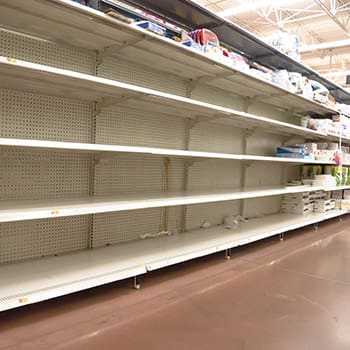
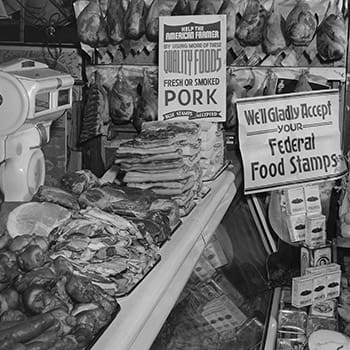




 Preppgroup