We’re not just inching toward a cashless society—we’re sleepwalking into it. And for those of us who value independence, privacy, and real preparedness, that’s a damn problem.
The push for Central Bank Digital Currencies (CBDCs)—like the “digital euro” or the potential U.S. “digital dollar”—isn’t just about modernizing the economy. It’s about control. Governments want total visibility—and eventually control—over how, when, and where you spend your money. This is the antithesis of everything this country was founded on.
CBDCs Are a Prepping Red Flag
Once cash is gone, so is your financial privacy. Every transaction tracked. Every purchase logged. Your economic identity, habits, affiliations, even your prepping activities—exposed to anyone with access to your digital footprint.
For the prepping and off-grid community, this is not a hypothetical scenario. This is the kind of centralized control grid we prepare against. And yet, the system is being built—not with jackboots—but with convenience and apathy.
Bitcoin, the Feds, and a “Strategic Reserve”
On top of that, there’s now a growing concern that even cryptocurrency—once a symbol of financial independence—is being absorbed into the state apparatus.
In March 2025, President Trump signed an Executive Order creating a Strategic Bitcoin Reserve and a U.S. Digital Asset Stockpile. These reserves are made up of seized crypto assets, primarily bitcoin, now being managed and hoarded by the federal government. Treasury and Commerce are developing acquisition strategies, and agencies are required to inventory all digital assets they hold.
On the surface, this might sound pro-crypto. But centralized government control of decentralized assets is a massive red flag. When the government begins amassing and controlling bitcoin—while simultaneously exploring the rollout of a fully trackable CBDC—you should be asking yourself: who really owns crypto anymore?
The strategic narrative might be about national prosperity, but for preppers, it reeks of consolidation, surveillance, and manipulation. Especially when we’re being told the U.S. won’t sell these assets—only “strategically steward” them.
Digital Payments, Social Scores, and the Road to Tyranny
What most people don’t understand is that digital payments are more than just convenient—they’re the perfect vehicle for surveillance and behavioral control. Once every transaction is digital, centralized powers can not only see everything—you’ve also handed them the tools to manipulate and control your actions in real-time.
Look no further than China, where the government runs a social credit system. Citizens are rewarded or punished based on their behavior—travel, online speech, purchases, even who they associate with. People with low scores have been banned from flying, taking high-speed trains, enrolling their kids in good schools, or even booking hotels. In other words, they’ve been digitally erased from society.
Think that can’t happen here? Wake up. Once CBDCs are in place, the infrastructure is already built. Just like with censorship on social media, the narrative will be wrapped in “safety” or “misinformation control”—but the effect is the same. Speak out, buy the wrong book, donate to the wrong group, or just prepare in ways the government doesn’t like—and suddenly, your access to your money is throttled, or gone altogether.
In a fully digital economy, financial access becomes a privilege—not a right. And privileges can be revoked.
That’s not freedom. That’s digital feudalism.
The Digital Dollar and Negative Rates
If physical cash is eliminated and you’re locked into a digital-only system, you lose your last escape hatch from government monetary policy. Want to withdraw your money to avoid negative interest rates? You can’t. Want to donate to a cause the government doesn’t like? Good luck.
Digital dollars can be frozen, throttled, restricted by algorithm, or devalued at will. And if you think that’s extreme, just ask Canadian truckers what happened when they protested the wrong way.
This isn’t economic policy—it’s economic programming.
No Privacy, No Freedom
Cash is anonymous. And that anonymity matters. It’s not about hiding illegal activity—it’s about living freely. When every cup of coffee, gas station stop, or ammo purchase is recorded, you’re not just a customer. You’re a data point in a social control matrix.
A government that controls your money controls you. And if that money is programmable, they can decide what you’re allowed to buy, when, and how much. This is Orwell-level stuff. And it’s happening.
Prepping for a Cashless Control Grid
This isn’t about resisting technology—it’s about resisting centralized power.
Here’s how to get ahead of the coming clampdown:
Keep Physical Cash on Hand: It’s already getting harder to use, which means it’s getting more valuable in a crisis.
Diversify into Tangibles: Precious metals, barter goods, long-shelf-life supplies. Assets that don’t require a digital handshake.
Use Privacy-Focused Crypto Cautiously: Monero, Bitcoin Lightning, self-custodied wallets—but assume surveillance is increasing.
Build Local Barter Networks: Trust and trade systems that bypass central banks and keep value in your community.
Stay Vigilant: Government policies on crypto are shifting fast. What’s legal today could be criminalized tomorrow under the guise of “safety” or “national security.”
This country was founded by people who said hell no to government overreach. It wasn’t about comfort—it was about freedom. And freedom isn’t safe, sanitized, or convenient.
Is a cashless society about progress—or is it about power. Preppers know that when the system gets too centralized, too controlled, and too damn arrogant, the only solution is to be ready to live outside it.
Humanity has constructed a doomsday Deadman switch that threatens civilization. Climate destruction will make it increasingly difficult to avoid the looming global nuclear catastrophe we’ve created.
Here’s how our future might unravel:
Late 2020s: Climate Red Alert and Infrastructure Strain
By the late 2020s, Earth’s climate is in unprecedented turmoil. Global average temperatures are consistently 1.5 °C above pre-industrial levels. Each year brings record-breaking heatwaves, “freak” floods, and droughts that batter infrastructure. Coastal cities flood more frequently, roads buckle in extreme heat, and power grids strain under surging demand for cooling.
This cascade of climate disasters sets the stage for a systemic collapse: as societies grapple with runaway warming, the resilience of critical infrastructure (power, water, transit) erodes.
Energy systems enter a crisis even before 2030. Nuclear power, which in 2025 still provided about 9% of the world’s electricity from ~440 reactors, becomes increasingly unreliable. Many nuclear plants struggle with climate stresses: cooling water sources heat up in summer, forcing reactors to reduce output or shut down to avoid unsafe temperatures. For example, a 2028 European heatwave pushes river and sea temperatures above 25 °C, triggering emergency shutdowns at multiple reactors that cannot be cooled effectively.
At the same time, stronger storms and floods threaten reactor safety. Dozens of reactors worldwide are unprepared for extreme flooding, meaning a dam failure or storm surge could lead to a Fukushima-scale accident. Worrisome reports emerge of power plants in floodplains and coasts where defenses are overtopped by rising seas and torrential rains.
By 2029, global carbon output remains high, and natural feedback loops are kicking in. In the Arctic, permafrost thaws and releases methane creating a vicious warming cycle where initial warming triggers more emissions, leading to even more warming. Scientists caution that a tipping point is near, beyond which climate change becomes self-perpetuating (a true “runaway” scenario).
Society approaches 2030 in a precarious state: aware of looming catastrophe yet unprepared for its speed. The stage is set for the coming collapse, with power grids and nuclear facilities – the backbone of the industrial world – already under severe strain.
Early 2030s: Blackouts and the First Reactor Crises
2030 marks the breaking point.
A confluence of climate catastrophes collapses power grids across multiple continents. A severe global heatwave in the summer of 2030 brings record electricity demand while many power plants (nuclear and coal alike) are derated or offline due to overheating coolant water.
Then powerful Category 5 storms strike in succession: one hurricane inundates the U.S. Eastern seaboard, while an unprecedented typhoon swamps Southeast Asia. These disasters knock out transmission lines and flood key substations, leading to prolonged blackouts in dozens of major cities. Emergency systems are overwhelmed. With communications down and transportation paralyzed, manpower shortages become acute – many operators and engineers cannot reach their stations.
Nuclear power plants are among the first to feel the emergency. Grid failure triggers automatic reactor SCRAMs (rapid shutdowns) at plants from Florida to France. Control rods halt the fission reactions, but decay heat in reactor cores still needs cooling for days to prevent meltdown.
Normally, backup diesel generators would power the cooling pumps, but the scale of the blackout means diesel resupply is uncertain and some generators fail in flooded facilities. In a grim reflection of 2011’s Fukushima disaster, several coastal reactors lose all power as storm surges drown their backup generators.
Within hours to days, the first meltdowns occur.
In 2031, a reactor in South Asia becomes a flashpoint: its cooling pumps falter after the grid collapse, leading the core to overheat. The reactor’s heart melts through containment in a matter of days, releasing a plume of radioactive steam and debris.
Nearby, an even greater danger unfolds: the plant’s spent fuel pool, packed with years of highly radioactive spent rods, boils dry without cooling. Exposed to air, the zirconium cladding of the fuel ignites, triggering a fire that belches long-lived radioisotopes directly into the atmosphere. This nightmare scenario – once narrowly avoided at Fukushima by heroic ad-hoc measures – now plays out in full.
Local and regional consequences are immediate and harrowing. Authorities, already struggling with disaster response, hastily order mass evacuations around stricken plants. In the South Asia incident, a radius of 30 km is declared a no-go zone as radiation levels spike. Over one million people are displaced in this region alone, fleeing what swiftly becomes a nuclear dead zone. Many receive significant radiation doses during the chaotic evacuation, trapped by traffic jams under drifting fallout.
Comparisons are made to Chernobyl’s 1986 evacuation – there, 130,000 people were permanently resettled and a 1,000-square-mile exclusion zone established – but the 2031 event affects an even larger population in a densely settled area.
Nearby countries track the radioactive cloud as it crosses borders. Within days, radioactive iodine and cesium are detected in cities hundreds of kilometers downwind. Governments distribute iodine tablets to help block uptake of radioactive iodine in thyroid glands, recalling measures taken after Chernobyl and Fukushima. Farmers in downwind regions watch in despair as cesium-137 contaminates soil and crops, knowing from past accidents that those lands may be unsafe for farming for decades. (After Chernobyl, for instance, radio-cesium lingering in soils kept pastures in parts of Europe under restriction for over 20 years.)
Globally, these first reactor crises send a chilling signal. Airborne radiation from the fires and vented steam reaches the upper atmosphere and begins circling the planet. Within weeks, trace amounts of cesium-137 and strontium-90 are found in faraway monitoring stations.
While the initial fallout poses the greatest danger locally, the global dispersion of radionuclides raises alarms. Public health experts warn that even low-dose fallout on crops could, when multiplied across the world, elevate cancer risks and contaminate food supplies. International markets are rocked as nations ban produce and grain imports from entire regions. The economic shock compounds the physical destruction: already destabilized by climate disasters, the global supply chain further fractures under fear of radiation in goods.
Perhaps most critical for what comes next, these early accidents erode the capacity to respond to future crises. Emergency workers who heroically battled the first meltdowns (hosing overheating reactors, attempting improvised cooling) have suffered radiation exposure or exhaustion. Large swaths of power grid remain offline, making rolling blackouts the new normal even in areas not directly hit by climate events. This energy shortage slows recovery efforts and undermines the cooling and monitoring systems at other nuclear sites. By 2032, the world faces a stark reality: roughly 10% of nuclear reactors worldwide are in some stage of crisis – either already melted down, or scrammed and struggling to keep their hot cores and spent fuel safe. What was once unthinkable now seems inevitable.
Mid-2030s: Cascading Meltdowns Across the World
As 2035 approaches, the situation spirals into a cascade of nuclear calamities. Ongoing climate chaos keeps hammering human systems. Year after year, megastorms, wildfires, and heatwaves pummel regions before they can recover. The compounded infrastructure damage means many areas have only intermittent electricity and scarce supplies.
In this environment, about half of the world’s nuclear reactors are effectively left unattended or unserviceable – some due to direct disaster impacts, others because manpower and resources have collapsed in the region. Governments in relatively stable areas attempt to initiate orderly shutdowns of reactors as a preventative measure, but even a shut reactor needs years of active cooling and oversight. In many cases, those best efforts falter.
By 2033–2035, a wave of reactor meltdowns unfolds on nearly every continent.
Nuclear reactors around the world
The numbers are staggering. What started with a few isolated accidents in 2030–32 explodes into dozens of sites in crisis. Older nuclear stations prove especially vulnerable: lacking passive cooling features, they succumb quickly when grid power and backups fail. Newer reactors touted as “meltdown-proof” also face unforeseen challenges – coolant reservoir tanks run dry when maintenance crews vanish, or hydrogen explosions (like those that blew apart Fukushima’s reactor buildings) occur due to unvented pressure.
Spent fuel pool fires add to the nightmare at many sites; analysts later estimate that these pool fires released even more radiation than the reactor core meltdowns in several cases, since pools often contained decades of fuel assemblies (holding up to 10× the long-lived radioactivity of a reactor core in each pool).
Each collapsing plant creates its own radiation footprint. By the mid-2030s, a patchwork of radioactive exclusion zones scars the Northern Hemisphere. In Eurasia, multiple zones – from Western Europe through Russia, South Asia, and East Asia – dot the map where reactors have failed. Some of these zones begin to overlap, forming a virtually continuous swath of contaminated land in parts of Europe and Asia.
In Western Europe, for example, meltdowns at two French reactors and one German reactor in 2034 force evacuations that cover large parts of the Rhine valley. Later, a catastrophe at Ukraine’s Zaporizhzhia plant (already endangered for years prior) adds to the chain, rendering areas along the Dnieper River highly radioactive once again.
North America is not spared: a meltdown at an aging Midwest U.S. plant sends radiation across several states, and Canada’s Ontario reactors – shut down due to power loss – suffer a fuel pool fire that spreads contamination through the Great Lakes region.
In total, roughly 50% of the world’s 400+ reactors are now either destroyed or abandoned. Humanity suddenly finds itself living with hundreds of Chernobyl-sized disasters at once.
Local and regional consequences reach an apocalyptic scale. Hundreds of millions of people become actual or potential refugees from high-radiation areas. Major cities near failed plants are emptied: by 2035, regions like the French Riviera, the North China Plain, and the U.S. eastern seaboard have pockets that resemble Pripyat – ghost cities left to wild animals.
The contamination of land and water is immense. Isotopes like cesium-137 and strontium-90 settle into agricultural soils. Just as Chernobyl’s fallout once contaminated 200,000+ square kilometers of Europe to some degree, the 2030s meltdowns contaminate vast expanses of the globe. Agricultural experts estimate that a significant fraction of the world’s breadbaskets are now tainted by radioactive fallout.
For example, the Punjab region and the American Midwest both see cesium levels in soil far above safe farming limits, threatening global grain supplies. In many countries, the choice is stark: eat potentially contaminated food or starve.
Livestock that graze on fallout-blanketed pastures accumulate radionuclides in their meat and milk, as British sheep did for decades after Chernobyl. Governments impose strict bans on food exports from these zones, and global food prices skyrocket. Famine looms for countries that relied on imports from now-irradiated farmlands.
Beyond human habitations, ecosystems suffer radiological damage layered on top of climate stress. Forests downwind of reactor accidents turn brown and silent as foliage and wildlife absorb heavy doses of radiation. In some intensely contaminated zones, an eerie calm prevails – reminiscent of how the core area around Chernobyl became an accidental wildlife refuge, but one where many organisms die young or show mutations.
Initially, high radiation kills or stunts many plants and animals. Forests die and animal populations plummet. Over the later 2030s, some wildlife returns to abandoned zones, benefiting from the lack of humans. However, in areas of very high contamination, biodiversity remains lower and animals show signs of chronic radiation exposure.
The web of life is poisoned: radioactive cesium and strontium work their way up food chains, affecting predators and prey alike. Combined with the ongoing climate upheavals (heat stress, wildfires, habitat shifts), the added burden of radiation pushes many species to extinction in contaminated regions. Aquatic ecosystems are also hit – radioactive runoff flows into rivers and seas, causing fish kills and long-term mutations in fish reproductive cycles.
The global consequences of this mid-2030s nuclear cascade are profound. Atmospheric circulation transports radioactive pollution around the world. By 2035–2036, background radiation levels have risen noticeably above 2020s norms in both hemispheres. Radioactive particles from multiple meltdowns are detected in the Arctic and even the Antarctic, having been carried by air currents. Although concentrations far from accident sites are low, no corner of the planet is truly untouched.
In the Northern Hemisphere, intermittent waves of fallout descend whenever rain clouds scavenge particles from the upper atmosphere – a phenomenon similar to the fallout patterns observed after nuclear weapons tests and Chernobyl, but now sustained by ongoing reactor fires and spent-fuel blazes. Public health experts warn that long-term cancer rates will climb worldwide; every additional becquerel in our food and water increases risks.
By the late 2030s, the world’s socio-economic order has largely disintegrated. The combination of climate catastrophe and radioactive contamination fractures the globalized economy. International travel is nearly nonexistent both because of infrastructure breakdown and fear of radiation exposure on long journeys. Trade in food and goods has devolved into ad-hoc local barter, since centralized distribution is impossible under constant disaster.
Regions that remain habitable form “safe zones” – relatively less contaminated and with tolerable climate – mostly in the far southern hemisphere and a few remote northern areas. For instance, parts of New Zealand, Patagonia, and Siberia (far from any meltdown sites and somewhat buffered by distance) become refuges for those able to relocate. Even so, these areas face their own challenges from extreme weather and inflows of refugees.
Humanity’s population shrinks precipitously due to famine, conflict, and radiation-related illness. What was roughly 8 billion people in 2020 falls by at least hundreds of millions (edit: more likely billions) by 2040. Those losses stem not only from immediate disaster casualties but also from secondary effects: hunger, lack of medical care, and weakened immune systems in a ravaged environment.
2040s: The Toxic Legacy Settles In
By the 2040s, the frantic pace of new catastrophes slows somewhat – not because the crises are solved, but because so much has already collapsed. Most of the vulnerable nuclear reactors have already broken down by this point or were pre-emptively shut. The ones that survived the 2030s are primarily in regions that remained functional enough to manage a safe cold shutdown or have newer designs with passive cooling. However, the world now faces the long aftermath of what has happened. The 2040s are a bleak decade of enduring fallout (literal and figurative), where humanity grapples with the toxic legacy of hundreds of reactor failures amid a climate that remains hostile.
One grim reality sets in: the radioactive contamination is far from a short-term problem. Many of the isotopes released have half-lives measured in decades or longer, meaning the radiation will persist for generations. For example, cesium-137 (half-life ~30 years) and strontium-90 (half-life ~29 years) remain abundant in the soils of meltdown zones and downwind regions.
These isotopes mimic vital nutrients (cesium behaves like potassium, strontium like calcium), so they continuously cycle through plants, animals, and water. Crops grown in contaminated soil uptake cesium; grazing animals concentrate it in their flesh; humans who consume those foods further concentrate it in their bodies. In the 2040s, scientists document how radioactivity has infiltrated the global food chain. Traces of cesium-137 show up in grain and milk even in “safe” zones, due to minute fallout that has spread worldwide.
In harder-hit areas, food contamination remains a severe obstacle to resuming agriculture – even when farmers attempt to cultivate, their produce often exceeds safety limits imposed in the old world. Consequently, hunger continues to stalk populations: arable land might be available, but not all of it can be used without slowly poisoning those who eat from it.
Another challenge is the management of radioactive waste and materials. The reactor meltdowns and fires have dispersed a lot of the radioactive inventory into the environment, but significant amounts still reside in the wreckage of power plants.
Spent fuel rods that did not burn sit in cracked pools or dry casks at sites now too hazardous for people to approach. The reactors themselves hold tons of uranium and plutonium in their ruined cores. In the 2040s, these wreckage sites are largely uncontained.
Unlike Chernobyl, where a concrete “sarcophagus” was built over the destroyed reactor, many 2030s accident sites have been simply abandoned mid-disaster. Some have rubble or sand piled by drones or remote machines to try to smother fires, but no comprehensive containment. This means groundwater leaching becomes a major concern. Rain percolating through the wrecked reactors carries radioactive contaminants into aquifers and rivers.
For communities downstream (if any remain), water sources are compromised. In coastal plants, continued leakage of radiation into the ocean is observed. By 2045, marine biologists report increased contamination in sea life far from any direct fallout, indicating that ocean currents have spread the pollutants. Strontium-90, for instance, known to accumulate in fish bones, is found in fish thousands of kilometers from any reactor site. The Pacific Ocean, already contaminated by the Fukushima incident in 2011, now receives orders of magnitude more radionuclides from multiple Pacific Rim reactor failures.
Ocean fisheries, already stressed by climate-driven acidification and overfishing, are now additionally burdened by radioactive pollution – many fishing zones are closed due to cesium levels, pushing more coastal communities into protein scarcity.
The climate crisis continues unabated in the 2040s, though its character has changed. With industrial civilization greatly diminished by mid-decade, greenhouse gas emissions from human sources have plummeted. Oil consumption is a fraction of what it was, and many coal plants are offline (some destroyed, some simply without supply lines). This initially gives a glimmer of hope that anthropogenic warming might slow.
Indeed, by the late 2040s some climatologists note a slight stabilization in CO₂ levels. However, the damage is already done in terms of triggering feedback loops. Warming continues due to inertia and feedback emissions (like methane from permafrost). By 2040 the world breached +2 °C (edit: likely more like 3) warming, and by 2050 it may be heading toward 2.5 °C (edit: quite possibly approaching 4.5) despite the collapse in human emissions.
The ongoing extreme weather further complicates the radioactive legacy. For example, wildfires in contaminated forests have become a recurring nightmare. Each summer in the 2040s, large wildfires ignite in areas with dry, hot conditions – some of those areas include the evacuated zones dense with dead trees and dry brush (around former reactor sites). When these fires rage through radioactive forests, they loft radionuclide-laden smoke into the sky.
In 2043, a massive fire in the abandoned parts of Eastern Europe (fueled by a drought and heatwave) burns hundreds of thousands of acres, re-mobilizing cesium and plutonium deposited in the soil. Soot and ash carrying these particles travel far; monitors as far away as northern Scandinavia register spikes in airborne radiation. What was effectively “locked” in the soil is thus released anew by fire – a horrific feedback where climate-induced fire boosts the spread of nuclear contaminants.
Similarly, intense storms cause flooding and dust storms that redistribute radioactive sediments. Rivers that flow through meltdown zones periodically flood and deposit radioactive silt onto downstream plains. The environmental contamination, therefore, is not a static situation; it worsens in pulses whenever climate disasters strike the polluted zones, creating secondary fallout events throughout the 2040s.
Human society in this decade adapts in grudging, hardscrabble ways. In relatively uncontaminated regions, people develop new habits to minimize radiation exposure. For example, rooftop farming and hydroponics indoors become crucial to grow food in controlled environments, to avoid contaminated soil. Water is filtered through improvised means (layers of charcoals and resins to trap radioactive isotopes). People often wear personal dosimeters and masks when venturing outside, especially on windy days that could carry dust. The specter of radiation sickness and cancer is a constant part of life.
Medical knowledge from past nuclear accidents is applied where possible. For instance, Prussian blue pills (which bind radioactive cesium in the digestive tract) are prized treatments to reduce cesium uptake; potassium iodide pills are stocked to pre-dose the thyroid in case of new radioactive iodine releases. However, these medications are in short supply as global production capacity and supply chain infrastructure is decimated.
Despite these measures, the health toll is severe. Cases of cancers (thyroid, leukemias, solid tumors) skyrocket, and with healthcare systems devastated, many go untreated.
There is also a rise in birth defects in regions that were exposed to higher radiation during the 2030s – a tragic echo of what was observed in some areas after Chernobyl, now magnified by the wider scale. Mental health is another casualty: whole generations grow up under the dual shadow of climate apocalypse and invisible radiation hazard, leading to widespread psychological trauma and “eco-radiation anxiety.”
By the end of the 2040s, some stabilization occurs in the sense that no new major nuclear disasters are unfolding (simply because so few reactors remain operational or intact). What remains of organized governments and international institutions focus on containment and mitigation. There are projects, for instance, to entomb certain high-risk reactor sites in concrete (as was done with Chernobyl) now that radiation levels around them have decayed enough to allow heavy machinery to approach for short periods. One such international effort in 2048 finally encases the remains of a major U.S. reactor that melted down 15 years prior, using robotic builders to minimize human exposure. These efforts are slow and cover only the worst offenders, but they at least aim to prevent further leakage.
2050s and Beyond: A Transformed and Radioactive World
Earth is a fundamentally altered planet. Human civilization has been gutted; what remains is a patchwork of survivor communities and a few stable enclaves attempting to rebuild amid the ruins. The climate is hotter (approaching +2.5 °C), seas are higher, and seasons are unreliable. On top of this, the planet’s surface carries the wounds of the nuclear collapse. Even as some dangers gradually subside with time, others will persist for centuries.
Radioactive decay has slightly improved conditions in the decades since the meltdowns. By 2060, it will have been ~25–30 years since the peak of the disaster. Isotopes like Iodine-131 (which caused acute thyroid exposures in 2030s) are long gone – with an 8-day half-life, they decayed away within months of release. The most intense short-term radiation from the accidents (which came from these short-lived fission products) has thus faded. Even some medium-lived isotopes like cesium-137 and strontium-90 have seen about one half-life pass. Areas that were extremely contaminated by cesium in 2035 might register roughly half the cesium levels by 2065, simply due to radioactive decay (not counting redistribution). This means that radiation levels in some exclusion zones are lower in 2060 than they were in 2040, potentially allowing limited access with protective gear.
In a few zones on the periphery of disasters, radiation has decayed enough that authorities consider letting people return with precautions (much like parts of the Fukushima exclusion zone were gradually reopened after a decade). Wildlife begins to reclaim many regions more fully as human absence continues; in moderately contaminated areas, animals have multiplied (albeit some with shorter lifespans or health effects). The paradox seen in Chernobyl’s exclusion zone – where wildlife thrives despite radiation because human pressures are removed – is now playing out on a larger scale. Some scientists in the 2050s cautiously talk of certain abandoned areas becoming de facto wildlife reserves, albeit radioactive ones.
However, other hazards will essentially be permanent on human timescales. One is plutonium. Many reactor explosions and fires spread particles of plutonium-239, an alpha-emitting isotope with a half-life of 24,000 years, into the environment. These particles are extremely dangerous if inhaled or ingested, as they can lodge in lungs or bones and irradiate tissue for a lifetime. Plutonium is heavy and tends to deposit near accident sites, but the fires and smoke did carry some of it regionally. This means certain hotspots (within, say, a few kilometers of the worst meltdowns) will remain lethally radioactive essentially forever as far as human planning is concerned.
Even after cesium decays, these areas will be unsafe to inhabit without serious cleanup (removal of topsoil, etc.). Another enduring issue is the spent fuel and waste that remain. By 2070, the fuel assemblies that did not burn up in fires have cooled radiologically (their short-lived fission products gone), but they are still highly radioactive and contain long-lived isotopes. Ideally, they would be secured in geologic repositories to isolate them from the biosphere. But with the collapse of industrial capacity, most of this waste is simply sitting wherever it was last stored. Some is in dry cask containers that can last a few decades. By the 2070s those casks may be deteriorating, potentially releasing their contents if not maintained. Thus, the world faces a slow seepage of radionuclides for centuries.
The habitability of the planet is dramatically reduced compared to pre-2030. Large regions are effectively off-limits due to radiation – especially parts of mid-latitude North America, Europe, and Asia where population was once highest. The tropics, meanwhile, suffer extreme heat and humidity that push human heat tolerance to the limit (some equatorial zones regularly see wet-bulb temperatures above 35 °C, unsurvivable without A/C).
The “safe zones” by the 2050s are those rare places with a combination of tolerable climate and minimal fallout. These tend to be in the southern hemisphere or isolated islands. Portions of South America (southern cone) and Africa (extreme south or highlands in East Africa) see clusters of survivors who have organized small agrarian societies, carefully selecting crops and livestock that can grow in changed conditions and relatively uncontaminated soils. Australia and New Zealand, which had no nuclear plants of their own and were distant from most fallout, become crucial harborages of technological memory – although Australia’s interior is severely hit by heat and drought, its southern coasts remain livable. Antarctica and the Arctic islands, free of radiation but harsh in climate, see some interest as refuges (some communities attempt to live in domed biomes on the Antarctic Peninsula, leveraging the cooler climate and abundant marine life, despite the logistical difficulties).
The collapse of industrial emissions has a small silver lining for climate by 2070: atmospheric CO₂ has finally plateaued, possibly even dipped slightly as the oceans and regrowing forests draw down carbon. But this comes at the cost of global societal collapse and mass mortality. In essence, the Earth system reset itself in part by a brutal reduction of human impact, while locking in a radioactive legacy. The climate remains warmer and more volatile than the Holocene average, but without continuous fossil fuel burning it may avoid worst-case 22nd-century projections. Nonetheless, sea levels by 2070 are higher (many coastal former cities are now tidal marshes littered with ruins), and superstorms still occur (though fewer targets remain to damage).
The surviving humans have adapted to a nomadic and subsistence lifestyle in many places, always mindful of avoiding radiation hotspots identified by their Geiger counters. The world population is a fraction of what it was, industrial civilization is dead alongside billions of humans, and those who remain are scattered and isolated.
More recent figures suggest that violent crime seems to be decreasing from the recent peaks, with the local police department using new camera technologies such as ‘Flock’ cameras to bring rates down. These cameras can detect license plates of cars that are of interest to law enforcement and alert the police instantly.
I study these trends, so I can give you the real statistics. Too many writers focus on the most populated cities and fail to consider all U.S. cities.
Readers often ask me such a question- which are the most dangerous places in America?
Of course, since I am asked such a generic question, it depends on what you consider dangerous. You’re probably thinking of crime rates. But I once wrote a about why Miami, Florida, is statistically the city in which you are most likely to die an untimely death, including characteristics such as vehicular accidents, weather, and crime. East St. Louis ranked second, largely based on crime.
The following research confirms that East St. Louis is probably the most dangerous place in the U.S. for criminal activity, which I’ve often written about. It dispels the common myth that Camden, New Jersey, and neighboring Philadelphia are among the most dangerous American cities (but they certainly have their problems). New York and Los Angeles aren’t even close to the most dangerous U.S. cities based on crime rates, which debunks another widely held myth.
Murder rates
If you only want a list of the top 10 U.S. cities with the highest homicide rates (based on the most recent data), here they are. East St. Louis is double Gary’s murder rate!
1.) East St. Louis, Illinois (164.88 homicides per 100,000)
2.) Uvalde, Texas (144.58 homicides per 100,000)
3.) Jackson, Mississippi (102.16 homicides per 100,000)
4.) Gary, Indiana (83.42 homicides per 100,000)
5.) St. Louis, Missouri (66.48 homicides per 100,000)
6.) Baltimore, Maryland (58.46 homicides per 100,000)
7.) New Orleans, Louisiana (57.83 homicides per 100,000)
8.) Detroit, Michigan (48.86 homicides per 100,000)
9.) Baton Rouge, Louisiana (38.26 homicides per 100,000)
10.) Philadelphia, Pennsylvania (35.65 homicides per 100,000)
Of course, the tragic massacre at Robb Elementary School in Uvalde, Texas, has skewed their homicide data over the past 365 days. But if you weren’t in that building on May 24, 2022, your chances of being killed in Uvalde are practically 0%. This actually serves as a metaphor when it comes to American crime, something that is very centralized and almost never puts the average American at risk, nor visitors from other cities, states, or countries.
Violent crimes
If you consider danger to include murders and non-fatal assaults, here are the top 10 U.S. cities with the highest violent crime rates (again, mostly occurring in localized areas):
1.) Detroit, Michigan (2,475 violent crimes per 100,000)
2.) East St. Louis, Illinois (2,155 violent crimes per 100,000)
3.) St. Louis, Missouri (2,145 violent crimes per 100,000)
4.) Baltimore, Maryland (2,021 violent crimes per 100,000)
5.) Memphis, Tennessee (2,003 violent crimes per 100,000)
6.) Kansas City, Missouri (1,724 violent crimes per 100,000)
7.) Milwaukee, Wisconsin (1,597 violent crimes per 100,000)
8.) Cleveland, Ohio (1,557 violent crimes per 100,000)
9.) Stockton, California (1,415 violent crimes per 100,000)
10.) Albuquerque, New Mexico (1,369 violent crimes per 100,000)
In a typical year, about 91% of the homicides in the U.S. are committed by someone the victim knew. In general, if you don’t consort with nefarious characters, your chances of being murdered, or even attacked, are extremely low. Even when crime skyrocketed in 2020 during the pandemic, only 1 in 170,000 Americans were killed by a stranger. The vast majority of those deaths by stranger occurred in impoverished neighborhoods, while very few American citizens living outside those neighborhoods ever become a victim of a violent crime. It’s an unfortunate issue.
On that note, one of the scariest statistics is to rank the top 10 U.S. cities with the highest rate of random attacks by an unknown assailant, eliminating the majority of crimes which are committed by individuals known to the victim and focusing on our worst fears, the unexpected random assault. I’ve estimated the rate of assaults, rapes, robberies, and carjackings committed by assailants unknown to the victim. This data changes dramatically from the previous list of cities with high violent crime rates.
1.) Baltimore, Maryland (1,021.0 violent crimes by strangers per 100,000)
2.) Cleveland, Ohio (828.9 violent crimes by strangers per 100,000)
3.) Oakland, California (723..9 violent crimes by strangers per 100,000)
4.) St. Louis, Missouri (719.7 violent crimes by strangers per 100,000)
5.) Memphis, Tennessee (620.0 violent crimes by strangers per 100,000)
6.) Albuquerque, New Mexico (606.2 violent crimes by strangers per 100,000)
7.) Milwaukee, Wisconsin (563.4 violent crimes by strangers per 100,000)
8.) Minneapolis, Minnesota (556.8 violent crimes by strangers per 100,000)
9.) Chicago, Illinois (504.4 violent crimes by strangers per 100,000)
10.) Cincinnati, Ohio (497.5 violent crimes by strangers per 100,000)
When crime between family members and affiliates is eliminated, Baltimore and Cleveland rocket to the top, Chicago and Oakland jump into the top 10, and Detroit drops to 11th. Most surprisingly, East St. Louis and Gary plummet beyond the top 25. Although, I suspect much of that is influenced by the fact that few outsiders in their right mind would intentionally travel into East St. Louis or Gary, both notorious places for citywide danger with essentially no safe sections. So maybe it isn’t a surprise that two smaller towns where few people dare to go has crimes that predominantly involve individuals who know one another.
Poor health
All of the rankings above take into account places that are dangerous for anyone, including both residents and visitors. I consider that true danger. But if you’re curious about the cities that are most dangerous for only their residents, with visitors not necessarily incurring any sort of elevated risk, we can analyze the top 10 U.S. cities that are most dangerous for their residents based on the probability of heart disease, the number one reason for death in the U.S.
1.) Flint, Michigan
2.) Camden, New Jersey
3.) Reading, Pennsylvania
4.) Youngstown, Ohio
5.) Detroit, Michigan
6.) Cleveland, Ohio
7.) Dayton, Ohio
8.) Trenton, New Jersey
9.) Canton, Ohio
10.) Gary, Indiana
Even more shocking, these are the 10 U.S. cities with the lowest life expectancy for their residents.
1.) Beckley, West.Virginia (average resident loses 6.14 years from the American life expectancy)
2.) Gadsden, Alabama (average resident loses 6.12 years from the American life expectancy)
3.) Anniston, Alabama (average resident loses 6.11 years from the American life expectancy)
4.) Charleston, West Virginia (average resident loses 5.83 years from the American life expectancy)
5.) Pine Bluff, Arkansas (average resident loses 5.52 years from the American life expectancy)
6.) Ashland, Kentucky (average resident loses 5.49 years from the American life expectancy)
7.) Springfield, Ohio (average resident loses 5.22 years from the American life expectancy)
8.) Florence, South Carolina (average resident loses 5.03 years from the American life expectancy)
9.) East St. Louis, Illinois (average resident loses 5.02 years from the American life expectancy)
10.) Alexandria, Louisiana (average resident loses 4.54 years from the American life expectancy)
Conclusion- Typically within the U.S., the farther you can stay from the mega-cities, the safer you are. These seem to be the locations of the majority of violent crimes, property crimes, and murders.
All in all, if we can boil it all down to one point, it would be this: It’s safer away from the city.
What are your thoughts on all this? Are there other variables you believe we should have analyzed? Do you think this is a pretty fair shot given the current data at hand? Let us know your thoughts in the comments below!
At the top of the financial pyramid sits the Bank for International Settlements (BIS) in Switzerland , the “central bank of central banks.” It acts as a clearinghouse for financial operations between major nations and secretly controls monetary policy for over 60 central banks worldwide. They operate with complete legal immunity from national governments and taxation.
Central banks themselves , like the Federal Reserve, European Central Bank, Bank of England, and others , print fiat currency at will, control interest rates, and manipulate economic conditions to serve the interests of the elite, not the public.
2. The Old Banking Families
Names like:
Rothschild
Rockefeller
Warburg
Morgan
Vanderbilt
These families accumulated obscene amounts of wealth through monopolies on banking, oil, railroads, and shipping during the 18th, 19th, and early 20th centuries , and much of that wealth was quietly transitioned into trusts, holding companies, and offshore accounts.
Estimates of the Rothschild family’s total wealth range from hundreds of billions to trillions of dollars, though it’s nearly impossible to trace because it’s hidden in foundations, trusts, and behind nominal ownership.
3. Tax Havens & Offshore Accounts
According to a study by the Tax Justice Network, the global elite hide $21 to $32 trillion in offshore accounts , in places like:
Cayman Islands
Luxembourg
Switzerland
Singapore
Panama
This hoarded wealth escapes taxation, public scrutiny, and accountability.
4. Black Budget & Missing Trillions
The U.S. government alone has been caught “losing track” of trillions:
In 2001, Donald Rumsfeld admitted the Pentagon couldn’t account for $2.3 trillion.
Catherine Austin Fitts, former HUD Assistant Secretary, has documented the “missing money” schemes siphoning public funds into off-books projects , believed by many to fund secret space programs, underground bases, and elite escape plans.
5. Land, Media, and Pharma Ownership
A handful of investment firms, BlackRock, Vanguard, and State Street, now collectively own controlling stakes in:
Over 90% of U.S. media
Most pharmaceutical companies
Key military contractors
Major agricultural companies (including those producing GMOs and pesticides)
They also control massive real estate portfolios , quietly buying up farmland, housing, and critical infrastructure worldwide.
6. The Vatican’s Hidden Fortune
The Vatican Bank holds untold billions in gold, real estate, and art. Documents have shown it profited from wars, colonial plundering, and financial schemes. Rumors persist about secret underground vaults loaded with treasures taken during centuries of conquest and conflict.
Why Is This Hoarded Wealth a Problem?
Because it’s not idle money — it’s used to:
Control governments through campaign funding and lobbying.
Manipulate markets via hedge funds and currency speculation.
Fund social engineering through foundations (think Gates, Soros, and Rockefeller initiatives).
Suppress new technology that could liberate humanity (free energy, advanced medicine, etc.).
Drive wars and migration crises to destabilize nations and consolidate power.
And while the average person struggles with inflation, debt, and taxes , these entities hoard enough wealth to end global poverty dozens of times over.
The idea of a global elite controlling humanity through debt, manipulation, and hoarded wealth isn’t a theory. It’s a fact that history’s empires have always functioned this way. The names and technology have changed, but the strategy hasn’t.
I want to present you one of the most interesting sites, where you will see new articles daily! www.321gold.com
The prophet Isaiah warns us that in the last days God is going to “turn the world upside down.” He declares, “Behold, the Lord maketh the earth empty, and maketh it waste, and turneth it upside down” (Isaiah 24:1).
According to this prophecy, sudden judgment is coming upon the earth, and it will change everything in a single hour. Within that short span, the whole world will witness fast-falling destruction upon a city and a nation, and the world will never be the same.
If you are attached to material things — if you love this world and the things of it — you won’t want to hear what Isaiah has prophesied. In fact, even to the most righteous of God’s people, what Isaiah says might seem unthinkable. Many would surely ask, “How can an entire world be stricken in one hour?”
If we didn’t believe the Bible is God’s pure Word, few of us would take Isaiah’s prophecy seriously. But Scripture makes it clear: in a single hour, the world is going to change. The church is going to change. And every individual on earth is going to change.
The apostle John gives a similar warning in Revelation. He speaks of destructive judgment coming upon a city and nation: “In one day, death, and mourning, and famine; and she shall be utterly burned with fire: for strong is the Lord God who judgeth her…. For in one hour so great riches is come to nought” (Revelation 18:8, 17).
In Isaiah’s prophecy, the city under judgment is cast into confusion. Every house is shut up, with no one coming or going. “The city of confusion is broken down: every house is shut up, that no man may come in” (Isaiah 24:10). The entire city is left desolate: “In the city is left desolation, and the gate is smitten with destruction” (24:12). All entrances and exits to the city are gone. The passage indicates that a fire has come, a blast that has shaken the very foundations of the earth (see 24:6).
We who live in New York City know something about this kind of scene. When the Twin Towers were attacked, the ominous fires and smoke could be seen ascending to heaven for miles. Recently, New Yorkers panicked as a mass of steam erupted from below a city street. People ran in all directions screaming, “Is this it? Is this the end-all attack?”
Today, multitudes of secular prophets are saying a nuclear attack is inevitable. The target they mention most often is New York, but it could happen in any major city: London, Paris, Tel Aviv, Washington. Neither Isaiah nor John names the city upon which destructive judgment falls.I don’t intend this message to frighten anyone.
Let me make clear at this point: I don’t intend this message to frighten anyone. Paul tells us that as disciples of Jesus Christ, we have already passed from death into life. We who call on Jesus as Lord should be confident that no matter what happens in this world, his shed blood saves and redeems us.
Therefore, we are not to fear any newscast, but rather to be attentive to what the Lord is doing in the world. Like many people, I hear grievous reports that make me want to tune everything out. But the truth is, God moves in the midst of such times, and through them he speaks warnings to all who would hear his voice.Isaiah’s prophecy points clearly to our generation.
I believe, along with many eminent Bible scholars, that Isaiah’s prophecy points to the last days. By that, I mean our present time. In short, sudden judgment is coming, and Scripture strongly indicates it is now at the door.
At this point you may be wondering: “How can we be sure we’re the generation this prophecy points to?” We can know by two reasons that such judgments are imminent:
1.A growing number of prophets warn of an apocalyptic disaster at the door. When I use the word “prophets,” I speak not just of those in the church. I’m talking also about “secular prophets.”
There are several precedents for secular prophets in Scripture. God used Assyria as his rod of correction with Israel. And he appointed King Cyrus as his servant to assist Israel: “(The Lord) saith of Cyrus, He is my shepherd, and shall perform all my pleasure” (Isaiah 44:28).
Likewise today, God uses secular prophets to send warnings. These become “his prophets” for a season. And their prophecies can be harder than those delivered by believers. The message I’m writing here is mild compared to the prophecies being delivered by all manner of secular voices. Just check your newspaper or radio reports.
“Surely the Lord God will do nothing, but he revealeth his secret unto his servants the prophets” (Amos 3:7).
2.Sudden destruction comes when the cup of violence overflows. Sensuality, perversion and greed are running rampant throughout our society. Yet, when God sent the Flood upon the earth, it was because of a worldwide eruption of violence: “The earth also was corrupt before God, and the earth was filled with violence” (Genesis 6:11).
Right now, there are numerous wars and bloody uprisings taking place around the globe. Yet foremost in my mind is the violence being waged against children worldwide:
I think of the sexual violence of pedophiles. Children all over the world are being raped, kidnapped and forced into enslavement in the global sex trade. Recently, a pedophile in the U.S. was discovered running a web site that advises other pedophiles on the easiest places to pick up children. There is no law in place to stop this man. The world’s largest church denomination has spent hundreds of millions of dollars to settle the claims of those who were molested in childhood by clergy. Tell me, how long will God endure the pitiful cries of children who are molested by those who would represent Christ?
Thousands of children in Africa are being slaughtered in tribal wars, hacked to death by machetes. Young boys — even those under ten years of age — are enlisted into tribal militias and forced to murder men in initiation rites.
Here in the U.S., the blood of millions of aborted babies cries out from the ground.
Reports of school murders no longer shock many of us but continue to terrorize our children. We may grow hardened to such reports, but God’s heart is grieved by them.
I tell you, there is no worse violence than the brutalizing of children. Heaven is crying out, “Woe, woe! Your judgments have no cure.”1. In one hour, God is going to change the whole world.
A sudden cataclysmic event will strike, the first of the final judgments of God. This great event will cause the earth to reel. And Isaiah says that when it hits, there will be no place to escape: “The lofty [proud] city, he layeth it low…even to the ground; he bringeth it even to the dust” (Isaiah 26:5). “The inhabitants of the earth are burned” (24:6).
Once this happens, utter chaos will erupt. All civic activities will stop, and society will descend into massive disorder. Government agencies will be helpless to restore any kind of sanity. No state troopers, no national guard, no army will be able to bring order to the upheaval.
You well remember that when the Twin Towers were destroyed, help poured into New York from all over the world. An army of people came to assist in whatever way they could. But the scene in Isaiah’s prophecy is different: this calamity is clearly beyond humankind’s capacity to respond.
Once this judgment strikes, it will devastate the economy. Rich merchants will stand by watching in torment, weeping and mourning, as they face bankruptcy. In an instant, all the wealth they amassed will be reduced to nothing. John describes the scene: “The merchants of these things, which were made rich by her, shall stand afar off for the fear of her torment, weeping and wailing, saying, Alas, alas that great city… For in one hour so great riches is come to nought” (Revelation 18:15–17).
Overnight, all buying and selling will cease. Every restaurant and bar will be shut down, and all drinking and music making will end. Indeed, every trace of mirth and delight, joy and gladness, will vanish: “All the merryhearted do sigh. The mirth of tabrets ceaseth, the noise of them that rejoice endeth, the joy of the harp ceaseth. They shall not drink wine with a song…. The mirth of the land is gone” (Isaiah 24:7–9, 11).
Yes, this is a picture of gloom and doom. But it is not my prophecy. This word was given by the Holy Spirit of Almighty God, to be delivered by his righteous prophet Isaiah. Even the secular world is preparing for it to happen. Billions are being spent on homeland security in the U.S., England, Europe and Israel. Why? Military experts warn that a world-impacting terrorist attack is sure to come.
You may ask: “Why would the whole world change, if a nuclear attack occurs in just one city?” It will happen because of the fear of retaliation. If a rogue nation sends such an attack, you can be sure that within hours that nation will be wiped out. Consider the plan Israel has in place, known as the Samson Option. The moment a nuclear warhead is launched against them, within moments Israel will unleash nuclear missiles to devastate the capital cities of all enemy states.
The world has become a ticking bomb, and time is quickly running out.2. In one hour, God is going to change the church.
This hour of devastation will suddenly change churches, whether they are alive or dead. Isaiah writes, “There shall be the shaking as of an olive tree” (Isaiah 24:13). The image is of God shaking an olive tree after it has been picked of fruit. In short, he’s going to shake everything that can be shaken, sparing nothing. It will be a time of cataclysmic destruction and overwhelming darkness.
So, you ask, “What about God’s people in the midst of all this? What will happen to the church?” Isaiah gives us an incredible word about what will happen with believers.
In the midst of the terrible shaking, a song will be heard, and its sound will grow steadily stronger. Suddenly, in that darkest of hours, a worldwide chorus of voices will sing praises to the majesty of God: “They shall lift up their voice, they shall sing for the majesty of the Lord, they shall cry aloud from the sea” (24:14).
Do you get the picture? There will be panic everywhere. Men’s hearts will fail them for fear, as fires belch smoke seen for hundreds of miles. Disorder and chaos will reign on all sides. Yet amid the devastating fires and calamity, the world will hear a glorious song being sung: “Glorify ye the Lord in the fires, even the name of the Lord God of Israel… From the uttermost part of the earth have we heard songs, even glory to the righteous [One]” (Isaiah 24:15–16).
A holy remnant is going to awaken, and a song will be born in the fire. Instead of panicking, the people of God will be praising his awesome majesty. Imagine it: in the darkest hour of all time, a collective voice will rise by the millions out of every nation, not in fear or agony, but in joyful praise to the Lord.
How will this happen, you ask? In one hour, God is going to regenerate and restore his church. Dry bones will shake and rattle, and the righteous will be awakened, as the Holy Spirit calls multitudes of lukewarm believers back to their first love. In his mercy, he’s going to rouse those who have neglected him, ignoring his Word, avoiding prayer, perhaps even contemplating divorce. Suddenly, their souls will be flooded with pangs of remorse and godly sorrow. And many will fall on their knees, crying out in repentance.
There will be a revival of glorifying God’s majesty. And the song of this revival will be heard from the uttermost parts of the earth. East, west, north and south — from Arab lands to China, Indonesia, Africa and all parts of the earth — a glorious song will rise up from the midst of the fires. In one day’s time, those who survived the fires are going to be singing a new song throughout the world.Isaiah 25 tells us wonderful miracles will come in this time, as “God makes all things new.”
All around the world, the Lord’s people are going to “feast” on his Word: “In this mountain shall the Lord of hosts make unto all people a feast of fat things, a feast of wines on the lees, of fat things full of marrow, of wines on the lees well refined” (Isaiah 25:6).
“And he will destroy in this mountain the face of the covering cast over all people, and the veil that is spread over all nations” (25:7). Right now, in this time of prosperity, the world’s masses seem to be covered with a veil, unable to see the truth of Jesus Christ. But when God rises up to shake the world through judgment, the shrouds covering the minds of billions will be cast aside. The veil of darkness will be removed, and many will see the Lord in his glory. The Holy Spirit won’t force Christ upon these opened eyes and hearts; rather, a remnant is going to rise up from among them.
I believe the darkest shroud-coverings today are over the eyes and hearts of youth worldwide. This is especially true of college-age students, whose faith has been bombarded for up to four years. Over that time their minds have been indoctrinated by godless professors in classrooms where belief is attacked, mocked and scorned. Now these young men’s and women’s faith has been shipwrecked. They leave college convinced God is dead.
But in one hour of devastation — nuclear, economic and social — all such hypocritical veils are going to fall away. Those same professors who mocked them will realize, as they face the possibility of death, a choice must be made: “What about eternity? Is there life after death?” They’re going to look for someone to explain to them all that’s happening.
When the song is sung, it’s going to be heard by young people from every walk of life, from every nation under the sun. Many will harden their hearts and curse God at the sound of this song, but multitudes of others will join in singing of his majesty.3. In one hour, God is going to change us as individuals.
In a single hour, the focus of our lives will be changed. We’ll no longer obsess about our own adversities and troubles. Suddenly, so many things that we held dear will no longer be of any value to us. Why? In that hour, everyone will be in the same boat:
“It shall be, as with the people, so with the priest; as with the servant, so with his master; as with the maid, so with her mistress; as with the buyer, so with the seller; as with the lender, so with the borrower; as with the taker of usury, so with the giver of usury to him” (Isaiah 24:2).
The sudden judgment that comes will not be a respecter of anyone. Rather, it is going to touch all who are within the realm of its fury. Presidents, kings, the world’s richest and most famous — all will tremble just like the poorest of the earth. And this cataclysmic event will bring to naught every idol, purging iniquity and tearing down all false altars:
“By this [the calamity] therefore shall the iniquity of Jacob be purged; and this is all the fruit to take away his sin; when he maketh all the stones of the altar as chalkstones that are beaten in sunder, the groves and images shall not stand up [be left standing]” (Isaiah 27:9).
The world’s most prominent idol is money, and right now America is facing a monstrous financial disaster. Investors are scrambling to move their money out of high-risk funds, and mortgage companies are going bankrupt. One recent financial headline read, “Abandon Ship!” Everyone is selling and nobody is buying. Many households are in a panic, as overnight their lives are changing. I think of the president of a multi-billion-dollar hedge fund, who recently put up for sale his 142-foot yacht and his sixteen-bedroom mansion in Aspen, Colorado. His fund had dried up virtually overnight.
The day is coming when sports will be the last thing on people’s minds. I have nothing against sports, but soon there will be no more 250-million-dollar deals for athletes, when so much of the world is starving. All idols will come crashing down, crushed to dust, and the playing field will be leveled. The richest and the poorest alike will face the same conditions.
It will all happen within a day. “When they shall say, Peace and safety; then sudden destruction cometh upon them, as travail upon a woman with child; and they shall not escape” (1 Thessalonians 5:3).Why such apocalyptic warnings?
You may wonder: what good can come of these prophetic messages? Why should anyone have to live under such anxiety?
I remind you, Jesus warned Jerusalem of sudden devastation to come upon that city. It was going to be burned to the ground, with over a million people murdered. Christ explained his warning: “I have told you before it come to pass, that, when it is come to pass, ye might believe” (John 14:29). He was saying, in essence, “When it happens, you’ll know there is a God who loves you and forewarned you.”
Paul calls such warnings “light,” insights that expel darkness. He says, in short: “You are children of light, because you know what’s coming in the future. So, when destruction comes, and there’s panic all around, you will have the calm of the Holy Spirit. Something will quicken inside you, and you’ll remember, ‘God warned me.’ This prophecy isn’t a message of wrath to God’s people, but a wakeup call to begin preparing.”
“God hath not appointed us to wrath, but to obtain salvation by our Lord Jesus Christ, who died for us, that, whether we wake or sleep, we should live together with him” (1 Thessalonians 5:9–10). Paul is speaking here of a time of possible destruction. Therefore, he says, “Comfort yourselves together, and edify one another, even as also ye do” (5:11).
In this day of prosperity, nobody wants to hear a message like Isaiah’s. I certainly don’t want to hear it. But we cannot ignore it, because it is here at our door. In such times, Paul says, when we have knowledge that sudden destruction is coming, we are not to tremble or sorrow as the world does. Instead, we are to comfort one another in faith, knowing that God rules over every aspect of our lives.
“Be sober, putting on the breastplate of faith and love; and for an helmet, the hope of salvation” (5:8). Paul instructs, “Arm yourself with faith. Build up your belief now, before the day comes. Learn your song, and you’ll be able to sing it in your fire.” “Glorify ye the Lord in the fires, even the name of the Lord God of Israel” (Isaiah 24:15).
This is the hope of our most holy faith: our Lord causes a song to come out of the darkest of times. Start now to build up your holy faith in him, and learn to praise his majesty quietly in your heart. When you sing your song, it will strengthen and encourage your brothers and sisters. And it will testify to the world: “Our Lord reigns over the Flood!” ■
I want to present you one of the most interesting sites, where you will see new articles daily! www.321gold.com
The ultra-wealthy are planning your future right now. They’ll call it ‘utopia’ and sell it to you as such, but it’s actually the opposite. Welcome to the first of a two-part series.
Utopia is a place of “ideal perfection, especially in laws, government, and social conditions.” At least, that’s the dictionary definition.
The thing is, despite humans having tried for thousands of years to attain Eden-esque perfection, it’s impossible. Worse, the irony of such efforts is literally baked into the word ‘utopia:’
From Merriam Webster (emphasis added):
In 1516, English humanist Sir Thomas More published a book titled Utopia, which compared social and economic conditions in Europe with those of an ideal society on an imaginary island located off the coast of the Americas. More wanted to imply that the perfect conditions on his fictional island could never really exist, so he called it “Utopia,” a name he created by combining the Greek words ou (“not, no”) and topos (“place”).
Still, that doesn’t stop people from trying to create fictional paradise. The latest attempts are — unsurprisingly — conceived of, funded by, and built by our billionaire overlords, who aim to own everything and define how our lives will be lived in the future.
At the same time, a paradox is unfolding. While several attempts at billionaire-initiated paradises are currently in the works, some efforts are failing, some are falling apart, and some are simply struggling to get off the ground.
What we know about Silicon Valley elites, bitcoin bros, and AI billionaires is that they dream big and have virtually limitless finances. So even failed attempts at utopia — or whatever their version of it is — gets the entire cohort a step closer to decoding a formula that might stick. It’s like unlimited funding to indulge a God complex.
In part one of this series, we’re looking at four concepts for creating paradise on earth crafted by the freedom loving, libertarian, optimized-living-through-technology crowd. What exactly do these communities promise? Who’s behind them? And most importantly, could they just be 15-minute dystopian wolves in utopian sheep’s clothing? Let’s dive in.
1. Próspera (Honduras)
Próspera began as a bold libertarian experiment on the tropical island of Roatán, off the northern coast of Honduras. It’s the brainchild of Erick Brimen, a Venezuelan-born wealth fund manager who imagined a city run not by politicians, but by market forces and blockchain logic. He’s aiming to create a low-tax, deregulated tech haven where businesses can make their own laws, or choose to implement existing national laws from a menu of 36 countries. Residents pay low taxes (payable in Bitcoin), and biotech startups push the limits of radical life extension with experimental, as yet unproven treatments disallowed in other countries.
With venture capital backing from Coinbase and Sam Altman–linked projects, plus support from figures like Peter Thiel, Próspera has quickly become a magnet for crypto evangelists, longevity obsessives, and deregulation devotees. It hosts conferences with themes like: “Make death optional.” It’s creating a walled city with private arbitration courts, judges who adjudicate online from Arizona (no idea why Arizona — our research was not explicit), and QR-code entry checkpoints.
But like all utopias, this charter city dream has clashed with reality. One critic called it a “libertarian fantasy… that’s not going to turn out well.” The Honduran government that initially supported the project and allowed for the zoning laws making it possible has since collapsed in scandal — with the former president serving time in US prison for conspiring to import and distribute over 400 tons of cocaine. That’s a lot of blow.
Locals in the nearby village of Crawfish Rock have not taken kindly to the idea of the gated city and have accused Próspera of land grabs, environmental damage, and trying to push them out. When the current democratic socialist President, Xiomara Castro, declared the former administration’s zoning laws unconstitutional, Próspera fought back in international court, demanding nearly $11 billion USD in damages — about a third of the country’s GDP — an amount that would bankrupt the country if they lose the case.
Brimen is doubling down, lobbying American politicians to argue in his favor and launching a spin-off project aimed at Africa.
This all plays out as an ironic twist of history: a 21st-century version of the banana republic, complete with foreign investors, private courts, and corporate control over land, law, and labor. The term ‘banana republic’ was coined by author O. Henry to describe Honduras — a place where US fruit companies ran the economy. Now, crypto-capitalists and Silicon Valley VCs are picking up where the plantations left off, except this time, they’re promising immortality instead of bananas.
2. NEOM (Saudi Arabia)
NEOM was supposed to be Saudi Arabia’s leap into the future: a $500 billion high-tech oasis in the desert that would make even Silicon Valley blush. Conceived in 2017 by Crown Prince Mohammed bin Salman as the crown jewel of his Vision 2030 plan, NEOM promised flying taxis, robot dinosaurs, artificial moons, a desert ski resort with fake snow, and a 170-kilometer mirrored city called The Line.
This mirrored city was meant to stretch 170 kilometers across the desert with no cars, no roads, and no emissions — just smart infrastructure, biometric surveillance, and those previously mentioned flying taxis.
But like many utopias, the fantasy is already buckling under the weight of reality. The goal was for The Line to eventually be home to 9 million people, with 1.5 million residents by 2030. Middle East Eye reports that Saudi officials now predict fewer than 300,000 in that time frame. Only 2.4 kilometers of The Line may actually be completed by 2030. Oil revenues — the main funding source — have declined sharply, and insiders say the kingdom is facing an “environment of limited resources.” Budget reviews are underway, and other NEOM projects (like the year-round ski resort) have been shelved, delayed, or drastically scaled back.
Behind the glossy renderings lies a construction project with a dystopian work culture. NEOM’s former CEO, Nadhmi al-Nasr, developed a reputation for abusive management. “I drive everybody like a slave,” he said, celebrating “[w]hen they drop down dead… That’s how I do my projects.” In one case, he told an employee to “walk into the desert and die” so he could urinate on their grave. As a result, there has been a mass exodus of foreign executives, many of whom forfeited six-figure contracts just to escape the toxic environment.
Meanwhile, members of the Howeitat tribe, native to the land NEOM occupies, have resisted the development. Many have been forcibly removed, at least one activist was killed, and others have been imprisoned for resisting eviction. Human rights groups have condemned the project, while NEOM’s own consultants warned that the mega-structure could actually change the weather and decimate bird populations due to its massive mirrored walls.
None of this matters; Saudi officials press on. Promotional videos still promise a gleaming future where “Neomians” live in harmony with nature, technology, and robot dinosaurs. But those on the ground tell a different story — of constant surveillance, sexual harassment allegations ignored by leadership, and Orwellian control over employee life. Promises of a liberalized social zone — with alcohol, gender mixing, freedom — have quietly been walked back by a government known for its public stonings and other extreme punishment for ‘immorality.’
NEOM may, in fact, never turn out to be the future of urban life. But it may just be the world’s most expensive monument to authoritarian delusion: a dystopian nightmare of a city built on sand, surveillance, and slogans.
3. Telosa (Somewhere, USA)
Telosa is what happens when a billionaire tries to build a utopian city without using the word ‘utopia.’ Marc Lore, former Walmart executive and founder of Jet.com and Diapers.com, envisions a new city rising from scratch somewhere in the American desert (or possibly Appalachia), designed to be sustainable, walkable, tech-forward, and just equitable enough to keep you from asking too many questions.
According to Telosa’s website, this categorically, definitely, 100 percent isn’t a utopia.
Is the goal to create a utopia?
No, we are absolutely not attempting to create a utopia. Utopian projects are focused on creating a perfect, idealistic state — we are not. We are firmly grounded in reality and what is possible.
We are focused on the best, most sustainable solutions for infrastructure, urban design, economic vibrancy and city services, but we fully recognize that no solution is perfect and all human systems have flaws. Therefore, we are committed to new ideas, finding the best way to solve difficult problems and constant improvement.
And yet the renderings and promo videos suggest otherwise: gleaming towers, shaded plazas, handicap-accessible courtyards, and monorails slicing silently through eco-optimized zones. If it looks like utopia, smells like utopia, and plans to engineer human behavior like utopia — well, you do the math.
The project is called “Telosa,” from the Greek word telos — meaning “highest purpose.” Hey — stop calling it utopia!
The big idea is for 50,000 people to move to this yet-to-be-determined place by 2030 and have the population eventually grow to 5 million. Everyone lives within a short walk (15 minutes maybe?) of everything they need — a school, a park, a job (lolz!), and probably an AI wellness coach. Cars, of course, are banned. There will be solar-powered towers and vertical farms and an economy based on “equitism,” a remix of a 19th-century idea where the city itself owns the land and uses rising property values to fund social services.
But for all its lofty ideas, Telosa has yet to put a single shovel in the ground. There’s no final site, no government approval, and no clear funding beyond Lore’s initial push. It’s still just a shimmering concept, a mirage sketched by a star architect (Bjarke Ingels) and floated in interviews, TED talks, and design expos.
Critics argue that if Lore really wanted to help people, he could invest in solving infrastructure problems in existing cities. Others point out that “15-minute cities” — the model Telosa clearly mirrors — have become a global flashpoint, praised by urban planners but derided by skeptics as a way to centralize control, limit movement, and monitor citizens.
So far, Telosa’s biggest achievement is that it’s really good at marketing a city that doesn’t exist. If it ever does gets built, we may finally get to ask: does a billionaire-designed city really offer freedom — or just the illusion of choice in a world where the architecture has already made the decisions for you?
4. Seasteading & Arkpad (Southeast Asia)
If you’ve ever dreamed of escaping taxes, regulations, and society itself, there’s a billionaire-funded plan for that: Seasteading — the floating libertarian fantasy that just won’t sink, no matter how many times it fails.
First floated (literally and ideologically) by the Seasteading Institute in 2008, the project was originally funded by… wait for it… Peter Thiel. He envisioned self-governing cities bobbing peacefully in international waters until backing away from the idea and stating they were “not quite feasible from an engineering perspective.”
The concept was a nation without a nation, where entrepreneurs could escape pesky things like labor laws, zoning, and democracy. In short: Silicon Valley meets Waterworld, minus the humility.
An initial prototype near Thailand ended with Thai authorities raiding the floating platform and accusing the residents of endangering national sovereignty, an offense punishable by life imprisonment or death. The couple that lived on the house boat went into hiding and the Thai navy eventually hauled away what was essentially a raft with Wi-Fi.
The broader Seasteading movement has since splintered, evolved, and — most recently — mutated into a newer project with fresher branding: Arkpad. “By building a community in the ocean, you’re not just creating a home; you’re crafting a legacy of innovation, freedom, and sustainability,” reads the marketing copy.
Arkpad bills itself as a “sovereign lifestyle project” and a “network state” — crypto-native language for the same old dream: private governance, no taxes, total control. Based in the Philippines, Arkpad is aiming to build on ocean-based platforms and create a floating community, complete with decentralized ID systems, underwater real estate, and NFTs for residency. Because, of course.
Their YouTube channel mixes crypto sermons with dreamy renderings of sleek structures rising from the sea — modern-day Noah’s Arks, minus the animals or flood, but heavy on Bitcoin and barnacles. Watch the videos carefully and you’ll see the architects’ sleek computer-generated renderings blur into the reality of what an Arkpad really is: a concrete block floating in the middle of absolutely nowhere. No word on whether they supply residents with free Dramamine.
Check out that roof deck — no Jimmy Buffett vibes here.
Just like Seasteading before it, Arkpad suffers from a chronic case of reality avoidance. Engineering constraints, rising ocean temperatures, maritime law, international sovereignty, and basic logistical challenges all still exist. What’s more, these projects have always been less about freedom for all and more about escape for the few. Not everyone is invited to these floating utopias. They’re luxury lifeboats for a digital elite preparing to sail away from the consequences of the world they helped wreck.
Until further notice, Seasteading and Arkpad remain what they’ve always been: libertarian lighthouses in the fog — glowing ideals with no mooring in the real world.
Final thought: utopias always fail
Whether real or imagined, all these utopian concepts promise clean slates and high-tech harmony in their own way, plugged into the seductive guarantee of a new way to live. Blockchain ruled and perfect in efficiency, there remains only one slight problem: Reality.
History shows that when elites indulge in the fantasy of utopias, reality always gets in the way. Wealthy eccentricity is tolerable for a small group of like-minded disciples, but humans are not robots. Therefore, it’s unlikely that a utopia cooked up by some micro-dosing, immortality-seeking tech bro could ever be scaled up except through heavy reliance on surveillance, coercion, and control — where things eventually devolve into socially engineered, privacy-erasing digital prisons, wrapped in glossy marketing brochures and eco-communal delusion.
There’s also the problem of governments — they’re not into the whole competition thing. But hey, that’s not going to stop these billionaires from trying. So in part two of this series, we’ll look at some of the other ways billionaires are planning to control the future of urban living and how it might affect you.
I want to present you one of the most interesting sites, where you will see new articles daily! www.321gold.com
The Great Depression of 1929 stands as one of the most significant economic crises in modern history, casting a long shadow over the global financial landscape. Sparked by a catastrophic stock market crash in October, this era of intense economic turmoil led to widespread unemployment, poverty, and social unrest. In the United States, millions lost their jobs, homes, and savings, forcing families to confront an uncertain and often dire future. This article delves into the factors that precipitated the Great Depression, its profound impact on American society, the government responses that shaped economic policy, and the global ramifications of this devastating crisis. By understanding these aspects, we can glean valuable lessons that inform current economic practices and prepare us for future economic challenges.
The Great Depression did not arise in a vacuum; it was the result of a confluence of several factors that had been brewing throughout the 1920s. To fully understand the causes of the Great Depression, it is essential to look at the economic environment of the 1920s, commonly referred to as the “Roaring Twenties.” This period was marked by significant economic growth, technological advances, and an unprecedented rise in consumer culture. However, this prosperity was built on shaky foundations, and cracks were starting to appear.
One of the primary catalysts for the Great Depression was the rampant speculation in the stock market. During the late 1920s, an increasing number of Americans began investing in stocks, often borrowing money to purchase shares in hopes of quick profit. This speculative bubble was characterized by inflated stock prices that did not reflect the actual value of the companies. The euphoria surrounding stock investments created an unsustainable market driven by the belief that prices would continue to rise indefinitely. Unfortunately, this led to an inevitable collapse when the bubble burst in October 1929, resulting in a dramatic stock market crash that sent shockwaves throughout the economy.
Bank failures also played a crucial role in deepening the economic crisis. With the collapse of the stock market, many banks faced immense financial pressure as their clients rushed to withdraw their savings, fearing for their financial security. The banking system, which had become over-leveraged during the boom years, was unable to withstand the sudden surge of withdrawals. By 1933, approximately 9,000 banks had failed, wiping out billions in savings and further destabilizing the economy. The loss of confidence in the banking system exacerbated the financial crisis, leaving consumers with little access to credit and diminishing their ability to spend, which in turn led to decreased production and even more layoffs.
International trade issues also contributed to the economic downturn. In an attempt to protect American industries, the U.S. government enacted the Smoot-Hawley Tariff in 1930, which raised tariffs on hundreds of imported goods. Although the intention was to bolster the domestic economy, the result was a significant decrease in international trade. Other nations retaliated by imposing tariffs on American goods, leading to a cascading effect of reduced trade volumes and increased economic isolationism. The combination of these protective measures further deepened the global economic crisis, proving counterproductive to the very goals they sought to achieve.
Additionally, economic disparities and the concentration of wealth in the hands of a few created an unstable economic environment. While the upper echelons of society reaped the benefits of the booming economy, a significant portion of the population struggled to make ends meet. This disparity in wealth led to reduced consumer spending, which is a vital component for economic growth. Without a robust consumer base, businesses struggled to maintain production levels, leading to layoffs and further economic contraction.
In summary, the causes of the Great Depression were multifaceted and interconnected. The speculative practices of the stock market, bank failures, international trade barriers, and growing economic inequality all played significant roles in leading the world into one of its darkest economic periods. By examining these causes, we can draw lessons not only about financial prudence but also about the importance of a balanced economic system that supports all citizens, rather than a select few.
The Impact of the Great Depression on Society
The ramifications of the Great Depression extended far beyond economic collapse; they reshaped the social fabric of the United States. As unemployment soared, many families faced dire financial straits. By 1933, unemployment rates had skyrocketed to approximately 25%, leaving millions of Americans without jobs and many more struggling to survive on meager means. This widespread financial despair led to significant social challenges, including increased rates of homelessness, malnutrition, and mental health issues.
The plight of the unemployed was visible in cities and towns across the nation. Shantytowns, often referred to as “Hoovervilles” after President Herbert Hoover, sprang up as displaced families sought shelter in makeshift huts. These communities became symbols of the suffering and hardship endured during this era. Families often found themselves living in extreme poverty, with many children going hungry or forced to drop out of school to support their families. The loss of a stable home environment had long-lasting effects on the health and education of these children, many of whom would experience generational poverty as a result.
Furthermore, the Great Depression had a profound effect on the American psyche. The sense of insecurity and hopelessness permeated society, as people grappled with the loss of their dreams and aspirations. The stress of financial instability contributed to a rise in mental health issues, including anxiety and depression. Families were torn apart by financial difficulties, with some individuals resorting to desperate measures, including theft or begging. The collective trauma experienced during this period would leave scars that echoed throughout psychological studies and societal dynamics in subsequent decades.
Social movements also began to emerge in response to the crises created by the Great Depression. Workers organized strikes and protests, demanding fair wages and better working conditions. Labor unions became more prominent as workers sought to protect their rights in an increasingly volatile job market. For many, invoking the power of collective bargaining became a means of survival. This surge in labor activism ultimately contributed to significant changes in labor laws and workers’ rights in the years that followed.
The Great Depression also prompted shifts in public attitudes toward government intervention in the economy. Prior to this period, many believed in a laissez-faire approach, where the government primarily took a hands-off stance regarding economic affairs. However, the scale of the crisis led many to advocate for a more active role for the government in providing support for those in need. This shift in public opinion laid the groundwork for future social safety nets and government programs that aimed to assist those facing economic hardship.
In conclusion, the impact of the Great Depression on society was profound and multifaceted. The economic collapse not only led to widespread unemployment and poverty but also altered the way individuals viewed work, government, and their place within society. The lessons learned during this tumultuous time continue to resonate today, emphasizing the importance of social safety nets, economic equality, and the resilience of the human spirit in the face of adversity.
The Government response to Great Depression and how policies changed
In the wake of the Great Depression, the U.S. government faced intense pressure to respond to the profound economic crisis that had gripped the nation. Under the leadership of President Franklin D. Roosevelt, who took office in March 1933, the government implemented a series of sweeping reforms and policies collectively known as the New Deal. These initiatives aimed to provide immediate relief to the unemployed, to stimulate economic recovery, and to implement lasting reforms to prevent future economic collapses.
One of the cornerstone programs of the New Deal was the Civilian Conservation Corps (CCC), established in 1933. This program aimed to provide jobs for young men while simultaneously addressing environmental conservation efforts. Participants in the CCC worked on projects ranging from reforestation to building parks and trails, enabling them to support their families while also contributing to national recovery efforts. By the time the program came to an end, millions of young men had benefited from the CCC, gaining work experience and developing skills that would serve them for a lifetime.
Another critical aspect of the New Deal was the creation of the Public Works Administration (PWA), which aimed to stimulate the economy by investing in large-scale public works projects. The PWA funded the construction of infrastructure such as schools, hospitals, and bridges, creating jobs for thousands and laying the groundwork for future economic growth. These projects not only provided immediate employment but also contributed to long-term improvements in public services and infrastructure.
The Federal Emergency Relief Administration (FERA) was also established to provide financial assistance to states for direct relief programs. This initiative allowed states to distribute funds to those most in need, ensuring that the most vulnerable populations received support in a timely manner. FERA marked a significant shift in government policy toward direct intervention in alleviating poverty and provided a model for future entitlement programs.
In addition to these relief programs, the New Deal included regulatory reforms aimed at stabilizing the financial system. The Glass-Steagall Act of 1933 separated commercial banking from investment banking, creating a barrier to limit risky financial practices that had contributed to the economic collapse. The establishment of the Securities and Exchange Commission (SEC) sought to regulate the stock market and protect investors from fraudulent practices, restoring public confidence in the financial system.
Furthermore, the New Deal brought about reforms in labor rights with the passage of the National Labor Relations Act (Wagner Act) in 1935. This legislation guaranteed the rights of workers to organize, join unions, and engage in collective bargaining. This marked a significant shift in labor relations, as it provided a legal framework for workers to negotiate better wages and working conditions. The act resulted in a surge of union membership and empowered workers in their fight for labor rights.
The New Deal also included social welfare programs, such as the Social Security Act of 1935, which established a social safety net for the elderly, unemployed, and disabled. By providing financial support to vulnerable populations, the Social Security Act marked a significant transformation in the government’s role in economic security, providing a foundation for the modern welfare state.
While the New Deal faced criticism from various quarters, including conservative politicians and those who argued it expanded government power too far, the overall response to the Great Depression reflected a paradigm shift in how the government perceived its role in the economy. The efforts initiated under the New Deal laid the foundation for a more interventionist government and contributed to the eventual recovery from the Great Depression.
In conclusion, the government’s response to the Great Depression through the New Deal was multifaceted and transformative. Through a series of innovative programs and policies, the government sought to address the immediate needs of a struggling population while implementing reforms to safeguard against future economic crises. The legacy of the New Deal continues to shape discussions around economic policy and the role of government intervention, highlighting the importance of adaptable responses in times of crisis.
Global consequences of the Great Depression and Responses
The Great Depression was not confined to the United States; its effects resonated around the globe, reshaping economies, societies, and international relations. As countries struggled with the fallout from the economic crisis, they faced unique challenges that often led to varying responses and policies.
In Europe, the Great Depression had a devastating impact on economies already teetering on the brink following the devastation of World War I. Nations like Germany, which were grappling with the reparations imposed by the Treaty of Versailles, experienced severe economic distress. Hyperinflation, massive unemployment, and social unrest became commonplace as economic instability eroded confidence in democratic governments. The dire economic circumstances contributed to the rise of extremist political movements, most notably the ascent of Adolf Hitler and the Nazi Party. Hitler’s regime leveraged the economic despair to promote its agenda, which included aggressive nationalism and expansionist policies.
In the United Kingdom, the depression catalyzed significant political and economic changes. While initially, the British government adopted a hands-off approach, the rising levels of unemployment and growing public discontent eventually compelled leaders to take action. The Labour Party, which gained power in the 1929 elections, aimed to address the crisis through public works programs and unemployment relief. However, the severity of the depression led to the eventual formation of a National Government coalition in 1931, prioritizing economic recovery over socialist reforms and implementing austerity measures that included cuts to public spending.
Countries in Latin America experienced backlash as well, particularly in relation to global trade patterns. Many nations were heavily reliant on exports of agricultural products, which suffered from the drop in demand during the depression. This economic hardship led to political instability, with some countries experiencing military coups as leaders exploited the social and economic unrest. For example, in Brazil, Getúlio Vargas rose to power in 1930 amid the tumult and initiated sweeping reforms to promote industrialization, which were partially in response to the weaknesses exposed by the Great Depression.
In response to the economic calamity, some nations adopted increasingly protectionist policies, including high tariffs and import quotas. This drive for economic self-sufficiency often stifled international cooperation and trade, leading to an era of economic isolationism. Protectionism, exemplified by the Smoot-Hawley Tariff in the United States, not only exacerbated domestic economic problems but also fueled tensions between nations as retaliatory measures took hold.
While the depression compelled some nations to pursue isolationist policies, it also drove others to collaborate on economic recovery efforts. The establishment of agreements like the London Economic Conference in 1933 reflected the recognition of the need for coordinated international action to combat the crisis. Unfortunately, the conference failed to produce meaningful results as countries prioritized their national interests over global cooperation.
The global consequences of the Great Depression also led to significant shifts in economic thought. Many countries began to explore Keynesian economic principles, which advocated for increased government intervention to stimulate demand during economic downturns. John Maynard Keynes, an influential economist, argued that governments should increase spending during periods of recession to boost consumption and promote recovery, contradicting prevailing economic philosophies that emphasized balanced budgets and limited government involvement.
In summary, the Great Depression reverberated across the globe, resulting in significant economic, political, and social fallout. While some nations descended into turmoil, others sought to rebuild and adapt in response to the crisis. The diverse responses to the Great Depression underscored the interconnectedness of the world economy and highlighted the importance of international cooperation in addressing complex challenges—a lesson that continues to resonate in current global economic discussions.
The Lasting Lessons for nations and economies
The Great Depression left an indelible mark on economic policy and societal norms, shaping the way governments and institutions approach economic challenges to this day. Several lessons can be gleaned from this tumultuous period, providing valuable insights for contemporary policymakers and economists.
One of the most critical lessons is the importance of timely and effective government intervention in times of economic crisis. The initial laissez-faire approach taken during the early stages of the Great Depression led to a catastrophic decline in economic conditions and widespread suffering. The eventual recognition of the need for government action—exemplified by the New Deal—demonstrated that proactive measures could mitigate the consequences of an economic downturn and support recovery efforts. Today, many governments recognize the necessity of employing fiscal and monetary policies to stimulate the economy during recessions, showing the enduring influence of lessons learned from the Great Depression.
Another vital takeaway is the need for strong regulatory frameworks to maintain financial stability. The lack of oversight in the financial sector contributed significantly to the events leading up to the Great Depression, resulting in risky practices and rampant speculation. In the aftermath, reforms such as the Glass-Steagall Act and the establishment of regulatory bodies like the SEC were implemented to stabilize the financial system. Modern economies continue to grapple with the balance between regulation and free-market principles, underscoring the importance of a robust regulatory framework to safeguard against financial crises.
The Great Depression also highlighted the dangers of economic inequality. The concentration of wealth in the hands of a few individuals contributed to volatility and limited the purchasing power of the broader population. Economists and policymakers today increasingly recognize that equitable economic growth benefits society as a whole and contributes to overall stability. Ensuring that wealth is distributed more evenly can create a more resilient economy, capable of withstanding fluctuations and crises.
Furthermore, the importance of social safety nets became apparent during the Great Depression. As millions suffered from unemployment and poverty, the need for government-supported programs to assist vulnerable populations became clear. Modern social safety nets, such as unemployment insurance and food assistance programs, are grounded in the lessons learned from this historical event. These programs are critical to providing a measure of economic security and stability in times of hardship, ensuring that individuals and families are not left to navigate crises alone.
Lastly, the Great Depression emphasized the interconnectedness of global economies. The ripple effects of the economic collapse demonstrated that no nation operates in isolation. Today’s policymakers must consider the impact of global trade, investment, and economic policies, understanding that collaboration and dialogue across nations are necessary to prevent similar crises from arising. Organizations like the International Monetary Fund and the World Bank have emerged in part to facilitate international cooperation and provide support to countries facing economic challenges.
In conclusion, the lasting lessons of the Great Depression continue to shape economic thought and policy today. The undeniable impact of government intervention, the necessity of regulatory frameworks, the importance of addressing economic inequality, the need for social safety nets, and the recognition of global interconnectedness are all crucial insights drawn from this period of crisis. As economies face new challenges in the 21st century, these lessons remain relevant, guiding policymakers to foster resilience and stability in the face of economic uncertainty.
Conclusion
The Great Depression of 1929 serves as a stark reminder of the fragility of economic systems and the profound impact of financial crises on society. The confluence of factors that led to this catastrophic event, including stock market speculation, bank failures, and economic inequality, created a perfect storm that devastated millions of lives. The social, economic, and political repercussions of the Great Depression reshaped the American landscape, paving the way for government intervention and regulatory reforms that continue to influence economic policy today.
From the establishment of the New Deal programs to the global responses that shape modern economic thought, the lessons learned during the Great Depression are invaluable. The importance of timely governmental intervention, the need for robust regulatory frameworks, the significance of addressing economic inequality, and the necessity of social safety nets cannot be overstated. Furthermore, the crisis highlighted the interconnectedness of the global economy, underscoring the importance of collaboration and communication among nations.
As we navigate the complexities of today’s economic landscape, drawing on the experiences of the past can inform our approach to future crises. The resilience of societies in the face of adversity, coupled with the commitment to enacting meaningful reforms, can contribute to a more stable and equitable economic environment. The Great Depression reminds us that while economic challenges may arise, our responses can lay the groundwork for a more sustainable future for generations to come.
When it comes to preparing for an economic collapse, there are a lot of different schools of thought. Some people believe that stockpiling food and supplies is the best way to go, while others think that having a stash of cash on hand is the key to weathering the storm. But what if neither of those options is available to you? What if the only thing left to rely on is your own two hands? In this blog post, we are going to take a look at every possible solution for what to own when the dollar collapses.
A part of this article is summarized in the following video:
What to Own When the Dollar Collapses
1. Gold, Silver, and Other Precious Metals
Precious metals like gold and silver have been used as a form of currency and store of value for centuries. In times of economic or political turmoil, precious metals are often seen as a safe haven asset.
Investors typically turn to gold when they are worried about inflation eroding the purchasing power of their paper money holdings. Gold is also seen as a hedge against geopolitical risk. Silver, on the other hand, is more industrial in nature and is used in many different industries, from electronics to photography. As such, it can be more sensitive to economic trends.
When considering investing in precious metals, it’s important to understand that there is no one-size-fits-all solution. Each investor’s circumstances are unique and will dictate what type of investment makes sense. But for those looking for an alternative to traditional investments like stocks and bonds, precious metals may be worth considering.
A few additional precious metals for your consideration:
Platinum: Platinum is a white metal that is rarer than gold. It is often used in jewelry and has industrial applications. Platinum prices are usually more volatile than gold prices.
Palladium: Palladium is a silvery-white metal that is similar to platinum in terms of rarity and uses. Palladium prices tend to follow the same trends as platinum prices.
Rhodium: Rhodium is another rare metal with a silvery-white color. It is often used in catalytic converters and has industrial applications. Rhodium prices can be very volatile, so it may not be suitable for all investors.
2. Foreign Currency
When it comes to foreign currency, there are a few different options that can be considered.
The Japanese yen has been one of the strongest currencies over the past few years as Japan continues to recover from its debt crisis. And with interest rates still near zero, there’s no reason to think that this trend will change anytime soon.
The euro is also often seen as a safe bet. This is because the Eurozone has been relatively stable compared to other parts of the world. Furthermore, the European Central Bank is perceived as being hawkish on inflation, which makes the euro a good choice for investors looking for stability.
The Swiss franc has also been one of the strongest performers over the past few years, thanks largely to Switzerland’s status as a stable economy during uncertain times of market turbulence. Even when the markets are relatively calm, investors are still flocking to Switzerland seeking safety. All this demand has helped push up the value of Swiss francs.
The Chinese yuan has been on the rise in recent years. This is because the Chinese economy has been growing steadily in recent years, while other economies have been struggling. As a result, the value of the yuan has been rising against other currencies. For example, since 2010, the yuan has risen by 20% against the US dollar.
3. Foreign Stocks
Investing in foreign stocks could be a very wise move. After all, if the value of the dollar plummets, then the value of foreign stocks is likely to go up since they will be priced in stronger currencies.
Of course, there are risks involved with investing in foreign stocks. For one thing, you may not be familiar with the company or understand how it operates in its home country. Additionally, political and economic conditions in other countries can impact your investment (think Brexit).
That being said, here are a few foreign stocks that could be worth considering:
Royal Dutch Shell (RDS-A): This oil giant is based in The Hague and has operations all over the world. While oil prices can sometimes be all over the place, Shell is still a well-run company with a diversified business model. As the oil prices rise, Shell’s stock continues soaring.
HSBC Holdings (HSBC): Based in London, HSBC is one of the largest banks in Europe with around 7200 branches across 80 different countries. It’s been through some tough times lately due to concerns about its growth prospects and exposure to China’s economy, but HSBC remains a solid long-term pick for many investors.
Nestle (NSRGY): A food and beverage powerhouse headquartered in Switzerland, Nestle owns some of the most iconic brands out there, including Gerber baby food, Nespresso coffee machines, and much more. Here is a live chart of this stock:
4. Foreign Bonds
When it comes to protecting your portfolio from a potential dollar collapse, there is an option to invest in foreign bonds. Foreign bonds can offer stability and diversification, as well as the potential for higher returns.
There are a number of factors to consider when investing in foreign bonds, including inflation rates, interest rates, and political risk. Inflationary risks are particularly important to consider, as high inflation can erode the value of your investment. It’s also important to be aware of currency risks – if the value of the US dollar falls relative to other currencies, your investment will lose value (in USD terms).
One way to mitigate some of these risks is to invest in foreign bonds with shorter durations – that is, bonds that mature sooner rather than later. This way you’re not exposed to as much interest rate or currency risk. Another strategy is to ladder your investments, which means investing in a series of bonds with different maturity dates, so that not all of your money is invested at once.
Of course, no investment is without risk – but by diversifying into foreign bonds you can help protect yourself against the potentially devastating effects of a collapsing dollar.
As a side note, keep in mind that a direct purchase of foreign bonds can be a highly challenging task. Try going through an exchange-traded fund or a closed-end fund to ensure a successful purchase.
The following video from Kingcademy gives a crash course on foreign bonds:
5. Bitcoin and Other Cryptocurrency
While gold, land, and various commodities propose a physical form of investment, you can diversify your assets by investing in Bitcoin and other cryptocurrency.
Bitcoin is often called “digital gold” because like gold, it is scarce (there will only ever be 21 million bitcoins in existence), durable (it can’t be destroyed or corrupted) and portable (you can carry millions of dollars’ worth of bitcoin in your pocket). It also has similar properties to gold in that it isn’t controlled by any government or central bank. This makes it an appealing choice for people who are looking to protect their wealth from inflation or a potential collapse of the US Dollar.
Other cryptocurrencies also offer similar benefits. Ethereum, for example, has been designed with the intention of being used as a global currency and platform for decentralized applications. This makes it different from Bitcoin, which was primarily designed as a digital store of value. However, both Bitcoin and Ethereum offer investors protection from inflation and the possibility of huge gains if they continue to rise in popularity and value.
6. Collectibles
Collectibles can hold their intrinsic value even when the local currency loses its own value. Here are some things to consider collecting:
Gold and silver coins: These have always been considered a safe investment, and for good reason (see the earlier discussion about precious metals). They retain their worth even in times of inflation or economic chaos.
Jewelry: Fine jewelry is not only beautiful, but it’s also an excellent investment. Look for pieces made with quality materials like gold, platinum, and diamonds. Avoid costume jewelry, which has no resale value.
Artwork: Collecting art can be a passion as well as an investment. If you buy wisely, your collection will increase in value over time. But beware of fakes! Do your research before making any purchases and consult with an expert if needed.
Classic cars: For many people, classic cars are more than just vehicles – they’re collector’s items. If you have the space (and the budget), consider investing in one or two classic cars. They could become quite valuable down the road.
Firearms: Many people view firearms as essential for self-defense in unstable times. Whether or not you agree with this sentiment, there is no denying that guns can be worth a lot of money. So, if you’re interested in firearms, start collecting now.
7. Income-Producing Real Estate
Real estate is a solid option that shields you against the devaluation of the US dollar. Let’s review the reasons:
Real estate is a physical asset that can’t be created or destroyed. Unlike paper assets like stocks and bonds, which can become worthless overnight, real estate will always have value as long as there is a demand for it.
Real estate provides a hedge against inflation. As prices go up, rents generally increase as well, providing a built-in mechanism for increasing cash flow over time. Over the long term, investments in income-producing real estate tend to keep pace with or outperform inflation.
Real estate offers potential tax advantages. In many cases, you can deduct expenses related to owning and operating an investment property from your taxable income (consult a tax advisor to confirm eligibility). Additionally, any capital gains you realize when you sell an investment property may be subject to preferential treatment under the tax code.
Income-producing real estate can generate passive income streams. If you purchase a property with the intention of renting it out, you can collect regular rental payments without having to actively manage the property yourself (though there will be some work involved in finding tenants and maintaining the property). This type of investment can provide ongoing cash flow regardless of what happens in the broader economy. Moreover, because rental properties tend to appreciate over time, such investments also offer the potential for significant capital gains when they are eventually sold.
For these reasons, investing in income-producing real estate should be considered by anyone looking to protect their wealth during an economic downturn.
8. Land and Agricultural Commodities
When the dollar collapses, land and agricultural commodities will be some of the best investments you can make. Here’s why:
Land is a physical asset that can’t be created or destroyed.
Agricultural commodities are essential for human survival and will always be in demand.
Both land and agricultural commodities are limited in supply, which means they have the potential to increase in value as demand increases.
Unlike stocks or bonds, land and agricultural commodities can’t be printed or created by central banks, so their supply is more stable.
They offer protection against inflationary pressures, as their prices tend to rise when the cost of living goes up.
They provide a hedge against political instability and economic uncertainty, as investors flock to these assets during challenging times.
9. Off the Grid Living Solutions
A major economical collapse might require more than just investing in precious metals and foreign currencies. There is a good chance you will need to live off the grid, away from your country’s control and infrastructures. Here are some things you can do to be prepared and survive:
Grow your own food: This is one of the best ways to become self-sufficient and independent from the government or other institutions. You can grow a garden with fruits and vegetables, or even keep chickens for eggs. If you have the space, consider starting a small farm. For more in-depth information, please see my article on off grid farming.
Store water: It is important to have a clean water supply in case tap water becomes contaminated or unavailable. You can store water in barrels or containers and purify it using a filtration system or boiling. You can also establish your own water system; I have a separate post that explains in detail everything there is to know about off grid water systems.
Generate your own power: Solar panels and wind turbines are becoming increasingly affordable and can help you generate electricity when traditional sources are unavailable or unreliable. Alternatively, you can invest in a generator powered by gasoline, propane, or natural gas.
Heating and cooling solutions: Consider investing in a wood-burning stove for heating, as well as insulation for your home to make it more energy efficient. For cooling, evaporative coolers are much more affordable than air conditioners and use far less energy.
Learn new skills: In an uncertain future, it may be useful to learn new skills that could help you barter or trade for goods and services.
There is much more to learn about living off the grid, which is why I invite you to read my complete guide on off grid living.
10. Barter Items
When the dollar collapses, barter items will become increasingly important. Here are some items that will be especially valuable. You will notice some similarities with the previous list, since both lists deal with items essential to your survival and independence.
Food: In a post-dollar world, food will be one of the most valuable commodities around. Stock up on non-perishable items like canned goods, grains, and nuts, which can be traded for other goods and services.
Water: Clean water is essential for survival, so it will be in high demand in a post-dollar economy. Store water in clean containers and have a filtration system ready to go in case you need to purify contaminated water. Invest in a good filtration system – click the link to view products on Amazon and select the best reviewed one.
Ammunition: In an unstable world, self-protection will be crucial. If you own firearms, stock up on ammunition as it will be difficult to come by after the dollar goes down.
Tools and supplies for basic needs, such as shelter, warmth, and hygiene: Things like matches, sewing needles, fishing line, lye soap, and bandages may not seem valuable now, but could mean the difference between life and death in a post-dollar society. Make sure you have a good supply of these items stored away.
Final Words
When it comes to investing in the face of an impending dollar collapse, there are a few key things you should keep in mind. First and foremost, diversification is key. Don’t put all your eggs in one basket, so to speak. Invest in a variety of assets that will hold their value even if the dollar does tank. Gold and silver are always reliable choices, but, as stated earlier, you can also look into investments like real estate or art.
Another important thing to remember is that timing is everything. If you wait until after the dollar has already collapsed, it will be too late to invest. You need to get ahead of the curve and start investing now. The sooner you do, the better position you’ll be in when (or if) the bottom falls out from under the dollar.
Finally, don’t panic! It’s easy to let fear take over when thinking about such a potentially catastrophic event as a currency collapse. But try to stay calm and rational; otherwise you could make some very costly mistakes with your investment portfolio.
Stay safe and be prepared!
I want to present you one of the most interesting sites, where you will see new articles daily! www.321gold.com
The purpose of this article is not to freak you out, although that may be unavoidable. I’m going to touch on potential disasters and then zero in on how to survive an EMP attack, the mother of all disasters.
Dr. Peter Pry (Executive Director of the Task Force on National and Homeland Security) warns that the consequences – of not being prepared for this event – are much more severe than one may think:
“within a year of an EMP event at least 2 thirds or the us population will perish from starvation, disease and social collapse”
Former CIA double agent (Reza Kahlili) who spent time in the Iranian Army confirmed that the Iranian have conducted missile tests of ships in the Caspian See that are consistent with an EMP attack:
“They are going to get to the Gulf of Mexico with ballistic missiles and they can launch one at a moment’s notice and they wouldn’t care about the repercussions”
Mostly because they can sink the vessel leaving no traces and because the US won’t be able to retaliate!
So pay chose attention because this video will change your life forever for the good!
What if you woke up one morning and nothing worked? What if there was no electricity? What if all transportation came to a halt?
An EMP event would instantly destroy any means of telecommunication, bank account would disappear, planes would fall from the skies, nuclear plants would not be able to cool down the reactors, we would have no running water (water pumps) and every piece of electronics we use from pacemakers to phones to gasoline pumps would stop!
Your refrigerator will stop working and all your food will spoil in a matter of days! If you and your family are not together, you won’t be able to contact or see them.
This is a catastrophic threat and North Korea, China, Russia and even ISIS… they all understand it and they are all working on it. And if they’ll ever wage war on us, they would be stupid not to strike America’s Achilles heel!
If one of the nuclear powers blasts a nuclear weapon 275 miles above the US it will produce an EMP that will basically send us, the Canadian and the Mexicans back to the Dark Ages.Will we be able to fight back in case of a nuclear war?
I don’t think so! Probably most of our ICBM’s will turn into a pile of junk (although some are EMP hardened). The communication lines and mobiles will become useless. And on top of that, I don’t think that our ballistic missile defense (BMD) system will work at all after a powerful HEMP.
I have something you need to watch. It’s much better than I am at explaining the threat. Watch it and learn what you should fear most, what an EMP effects and how you can protect your electronics, car, mobile phones, etc.
Years ago the US Army indeed straightened some military equipment against an EMP attack. The congressional study EMP Report (back in 2004) indicated potential casualty rates of 90%. The result: the commission was disband! What the US does to prevent an EMP attack right now? NOTHING!
So here are some useful things to protect yourself from an EMP:
1. Build a Faraday Cage
A Faraday cage is a sealed enclosure that has an electrically conductive outer layer and a non-conductive inner layer. The purpose of this box is to protect any electronics inside it in case of an EMP. There are basically two simple ways of building a Faraday cage:
by wrapping a non-conductive box (such as cardboard or wood) in a conductive material (such as aluminum foil)
by using a conductive box (like an ammo can) and isolate the inner walls of the box with foam (polystyrene) or a cheap Yoga mat or maybe window insulating foam
2. Store in your Faraday Cage the most important survival electronics like:
A radio (for communication and gathering information);
An old laptop computer with downloads of ebooks and stored personal information or at least a manual on how to make a generator using materials you can find in your home;
A set of walkie-talkies that run on rechargeable batteries;
A small generator;
A manually rechargeable flashlight (most flashlights have electronics in them so they will also fry);
Electronic parts for cars;
Any electronic equipment you don’t use on a regular basis buy may need when SHTF like: night vision and other electronic optics, solar battery chargers, drills;
3. Store fuel
This does not mean you have to store tons of fuel. You won’t want to be seen driving around. Just a few gallons in a small tank that will allow you to conduct a few basic unpredictable operations like: bringing your family home safe or an emergency getaway car in case things get really bad in your town. (That only if you manage to protect your car against the EMP)
4. Save your car!
Basically you have 3 good options:
Place in the Faraday cage the vital electronics your car needs (doubles) and replace them after the EMP (PCM – Powertrain Control Module, Electronic Fuel Injection, Electronic Ignition and possibly even other parts depending on the vehicle)
Buy a cheap old back-up car that does not have vital electronic parts (like a 1984 Toyota Hilux 4×4 – around $1200).
Harden your car against EMP’s and park it in a sheet metal shed or steel building. You can also buy EMP shielding devices that zip or wrap around your car’s wiring.
5. Plan on living self-sustained
This means fulfilling all our 3 basic needs: water, food and shelter**!**
Gone Viral! The most shocking videos in the world… 7 Hidden Signs That Martial Law Will Be Declared
Many of these signs point to an increased risk of the government preparing to declare martial law.
The video below will shock you because you will be among the first to watching this secret!
Have in mind a place where to procure water when there will be no running water. Have in mind a place where you can plant and harvest crops. Buying at least one acre in the countryside would give you at least something to plan with.
One of the best ways to do that is by building a system totally independent from the environment. I have something you need to watch. It’s much better than I am at explaining the threat.
6. Stockpile essentials like:
Food – for at least 5 months (winter plus two more months) – if you have a plan to go “self-sustained” and a 12 months if you don’t plan to do that. Remember that there will be no refrigeration.
Water – This is actually the most important event for which you need to store water! Even in case of droughts people don’t die because of the lack of water. But this is not the case. In case of an EMP there will be no running water, and if you are not close to a river or a fountain you may die. You need to know your location and set in your mind a walking route to a local fountain or a nearby river. If it is 3 days away (walking) it is not good. Store water for at least 10 days and head to the water source to get more water reserves starting day one.
Tools like an axe, a knife first aid kit and antibiotics **(**you won’t be able to call 911)
7. Some things you should have in the car
We all spend a lot of time driving and you should not be totally surprise if an EMP gets you stuck many miles away from home on a deadly cold winter or in a desert miles away from water. Whatever the case, it doesn’t cost you anything to keep some of your equipment ready in your car:
warm clothing
long term food (some emergency food ration bars) and water (at least 1-3 gallons)
a fire starter
a knife
maybe a fold up bike
and whatever you think – depending on the distance and time of your journey;
Also… if you plan on a remote and long journey you may want to consider throwing your bug out bag into the trunk.
8. Secure Your Home against Looters
OCOKA is a military term that stands for:
Observation and fields of fire
Cover and Concealment
Obstacles
Key Terrain
Avenues of Approach
When setting up home defenses OCOKA should always be kept in mind and each principle addressed. Following these five key principles, you will greatly improve your security and survivability. This is one of the things that I’ve learned from a well-known army officer vet Steve Walker, for whom I have all the respect in the world.
9. Some things you need to have at home
These things will become important valuables after an EMP:
When your bank account will disappear or you won’t be able to withdraw your money, you’ll be in trouble. Keep some cash and some gold (doesn’t lose value as normal currency does) at home.
Charcoal – you can make a lot of things with it (from water filters to gun powder)
Duct tape, Cable Ties and Super Glue (if you want to build or improvise something, like a simple wind generator you’ll need these)
Lamp oil, Candle Wax and Wicks
Vaseline
Paracord
Alcohol
Soaps
Anything you know it will be useful for you – depending on your bug out plan.
10. Consider buying, making or learn how to make a simple Survival Generator
This generator has to be small enough to fit in your Faraday Cage. Some generators can be really expensive, but if you know where to look and what to buy you can get a small one for $200-$300 (1200 Watts). An electric generator using wood as fuel would be perfect. Otherwise, you should also consider storing more fuel.
Every year, leaders step down. Some leave their roles quietly, chalking it up to exhaustion or “new opportunities.” Others implode publicly, and their fall becomes a public cautionary tale. From the outside, it’s easy to assume they burned out because of the relentless pace of leadership or the weight of expectations.
But if you study the pattern, you see something deeper.
Most leaders don’t collapse because of what they were doing. They collapse because of what they stopped doing.
They poured into their people, invested in their teams, and fought for results but neglected their own growth. They stopped feeding the very roots that once sustained them.
And when a leader stops growing, their influence will outpace their integrity. Their “job” will outgrow their character.
And eventually, their capacity will run out.
Why Leaders Burn Out
The greatest leadership danger is not always outside pressure. It’s inside neglect.
Burnout rarely begins with a full calendar. It begins with an empty tank.
Leaders pour into others but fail to refill themselves. They keep adding commitments without reinforcing capacity. At first, no one notices. They’re still gifted, still effective, still carrying momentum. But beneath the surface, cracks are forming.
Burnout is not just about workload. It’s about growth load.
If you are not expanding, you are shrinking. If you are not deepening, you are drying up. Leadership requires continual enlargement of our physical, mental, and spiritual health. Without those, you eventually collapse under the very weight you were called to carry.
Paul understood this dynamic when he wrote to his young protege Timothy:
“Watch your life and doctrine closely. Persevere in them, because if you do, you will save both yourself and your hearers.” — 1 Timothy 4:16 NIV
Paul makes the connection crystal clear: leadership influence is inseparable from personal growth. A huge part of Timothy’s ability to lead others faithfully depended on his willingness to watch his own life carefully.
Timothy was leading in a hostile environment. The Ephesian church faced opposition from culture, pressure from false teachers, and the challenge of rapid growth. As a young leader, Timothy’s gifting was evident, but Paul knew gifting wasn’t enough.
Charisma can build momentum. Discipline sustains it.
That’s why Paul didn’t just tell Timothy to preach well. He told him to watch his life. He gives him a command to guard his inner world while protecting his growth rhythms. Because a leader’s collapse doesn’t just take them out, it weakens everyone they influence.
Paul tied Timothy’s faithfulness to the salvation of others. If Timothy persevered in growth, both he and his hearers would be saved. In other words, his private health had public consequences.
The same is true for us today. Your leadership stewardship is never just about you. The health of those you lead is tied to the health of your own growth.
The Hidden Cost of Stagnation
Many leaders assume burnout comes from doing too much. But the deeper problem is becoming too little.
When you stop growing, everything feels heavier. Situations that once energized you now drain you and conversations that used to spark creativity now feel routine.
You’re not overwhelmed by the amount of responsibility. You’re underwhelmed by your own development.
As your growth slows, your effectiveness diminishes.
As effectiveness drops, you try to compensate by working harder, not wiser.
Working harder without renewed growth accelerates exhaustion.
Exhaustion shrinks perspective and weakens character.
And the people who suffer most? The ones you lead.
Leadership burnout rarely comes from external weight. It comes from internal neglect.
If burnout comes from stagnation, then sustainability comes from growth. The question is: what areas of growth are most essential for leaders to last?
The Three Pillars of Sustainable Leadership
Lasting leadership doesn’t rest on talent or charisma. It rests on three pillars most leaders neglect: spiritual discipline, personal development, and honest feedback. These three work together to keep leaders grounded, expanding, and accountable. Remove one, and the entire structure becomes unstable.
Every collapse starts privately before it shows publicly. Leaders burn out when they trade intimacy with God for something else.
Prayer becomes a last resort. Scripture becomes optional. Worship becomes a chore. Without realizing it, leaders start trying to give what they no longer possess.
But spiritual discipline isn’t optional. It’s the lifeline.
Prayer develops patience and the ability to listen while being fully present. When you train your ear to hear God’s voice, you become more attentive to your team, your mission, and God’s protection in the process.
Scripture builds discernment. Wrestling with the complexity of God’s Word equips you to navigate the complexity of organizational and relational challenges in ways you could never do on your own. The wisdom of God’s word is a secret weapon for leading organizations.
Worship restores humility and perspective. Regularly remembering God’s sovereignty keeps you from overinflating your role or shrinking under the pressure. It puts things back into a healthy perspective quickly.
Think about Jesus’ own rhythms.
Even when crowds pressed in and miracles were demanded, Luke wrote that “Jesus often withdrew to lonely places and prayed.”
Jesus had the capacity to do more than anyone, but He modeled the wisdom of stepping back. If the Son of God guarded His spiritual rhythms, how much more should we?
Your public influence will only be as strong as your private devotion.
Pillar Two: Personal Development
The second collapse happens in the mind. Leaders burn out when they stop stretching themselves intellectually.
At first, you don’t notice. You’re still drawing from what you learned years ago. You still have frameworks, stories, and wisdom. But slowly, you start repeating yourself. Your content becomes stale. Your perspective narrows.
We’ve all had that leader who still quotes the same two books from a decade ago. Once, their insights felt sharp. Now, they feel dated. The issue isn’t their age. It’s that they stopped learning.
Leaders must remain students. Set learning goals the way you set performance goals. Read authors who challenge your assumptions. Expose yourself to disciplines outside your field. Engage with voices that sharpen, not just those that agree.
Comfort is the enemy of leadership capacity. Leaders who stop learning will rely on yesterday’s solutions to solve tomorrow’s problems. And that can be dangerous.
Pillar Three: Honest Feedback
The third collapse is from blind spots. Every leader has them. The danger comes when you no longer allow anyone to point them out.
Gifted leaders often become insulated from healthy feedback. The higher you rise, the fewer people are willing to tell you the truth. Pride convinces you that you don’t need feedback and that same pride blinds leaders.
I once worked with a senior leader who constantly dismissed constructive criticism by saying, “I’ve been doing this longer than you’ve been alive.”
Compare that with a leader who ends meetings by asking, “What’s one thing I could do differently to serve you better?” That leader continues to grow and multiply trust.
Feedback is uncomfortable, but it’s invaluable. It accelerates growth in ways self-reflection never can.
Pride blinds leaders. Feedback grows them.
These three pillars are simple but not easy. The challenge isn’t knowing them. The challenge is building rhythms that protect them. That’s where application becomes critical.
How to Protect Your Leadership Tank
The danger of burnout is real, but it’s not inevitable. You can build guardrails now that will keep you from collapse later. Here’s how to put the three pillars
1. Schedule Growth Like a Meeting
Most leaders schedule meetings with others but never schedule meetings with themselves. Your own development time gets squeezed out by the urgent unless you treat it as sacred.
Block out time weekly for prayer, reflection, and reading. And don’t treat it as “bonus time” if everything else gets done. Treat it as non-negotiable.
Ask yourself:
Would I cancel a meeting with my board at the last minute?
Would I reschedule a critical conversation with my team?
If the answer is no, then why cancel your meeting with God or with your own growth? The leader you’ll be a year from now is shaped by whether you protect these spaces.
2. Diversify Your Learning
Leaders plateau when they only consume content that confirms what they already believe. Broaden your learning diet.
Pair a book on theology with a book on culture.
Read one author you agree with and one who challenges you.
Listen to a podcast outside your field.
Growth happens when curiosity stretches you beyond comfort. It doesn’t mean you accept every new idea. It means you sharpen discernment by wrestling with perspectives different from your own.
And always remember that learning isn’t about collecting quotes. It’s about expanding capacity.
3. Build a Feedback Circle
Every leader has blind spots. The difference between leaders who endure and leaders who burn out is whether they create systems that reveal them.
Form a circle of trusted voices who will tell you the truth. Aim for variety:
A mentor ahead of you who can give perspective.
A peer beside you who understands your context.
A team member behind you who sees your leadership up close.
Invite their feedback regularly, and more importantly, respond to it with humility. Nothing shuts down honesty faster than defensiveness.
When your team sees you seek input, they’ll know growth is not just something you expect of them, it’s something you practice yourself.
4. Guard Rest as Fiercely as Work
Rest is not a luxury. It’s a necessity. But leaders often sacrifice it first.
If Jesus withdrew from the crowds to pray, you can withdraw from your email to breathe. Build rhythms of rest into your schedule.
Two simple practices to start:
Weekly Sabbath: one day where you step away from productivity to recharge spiritually, mentally, and physically.
Daily stillness: even 15 minutes of prayerful quiet can reset your perspective and clear your head.
Without rest, your leadership will eventually collapse under its own weight. With rest, your “yes” regains power because it flows from overflow instead of exhaustion.
5. Measure Time AND Energy
Time management gets all the attention, but it’s energy management that sustains leaders. You can’t create more hours in a week, but you can increase or decrease the energy you bring into them.
At the end of each week, ask two simple questions:
What gave me energy?
What drained me?
Look for patterns. If every staff meeting drains you, change the format. If mentoring one-on-one fills you with energy, prioritize it.
Not every task can be avoided, but your calendar should lean toward the things that multiply energy rather than constantly deplete it. The leaders who last are not those who manage minutes, but those who steward momentum.
Over time, these practices will create the difference between leaders who burn out and leaders who endure. Which leads us to the final challenge.
Charisma may get you noticed. Discipline will keep you standing. Talent may open doors. But only growth will keep you in the room.
Paul’s words to Timothy still echo: watch your life and doctrine closely. Your growth is not optional. It’s the guardrail that protects your influence, your family, and your calling.
Leaders who stop growing burn out. Leaders who guard their growth endure.
So the question is not whether you’ll face pressure. You will. The question is whether you’ll have enough growth inside you to withstand it.
Don’t wait until you’re running on fumes. Start building your guardrails today. Because the leaders who last aren’t the busiest. They’re the most guarded.


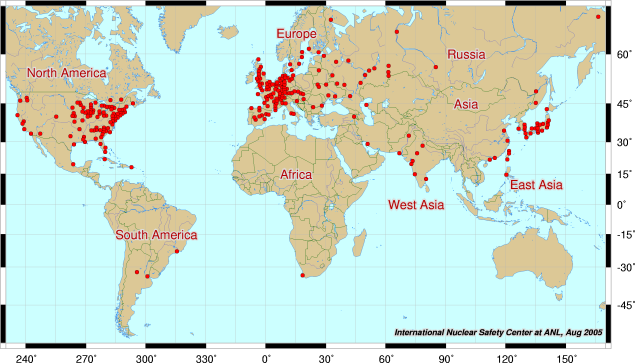




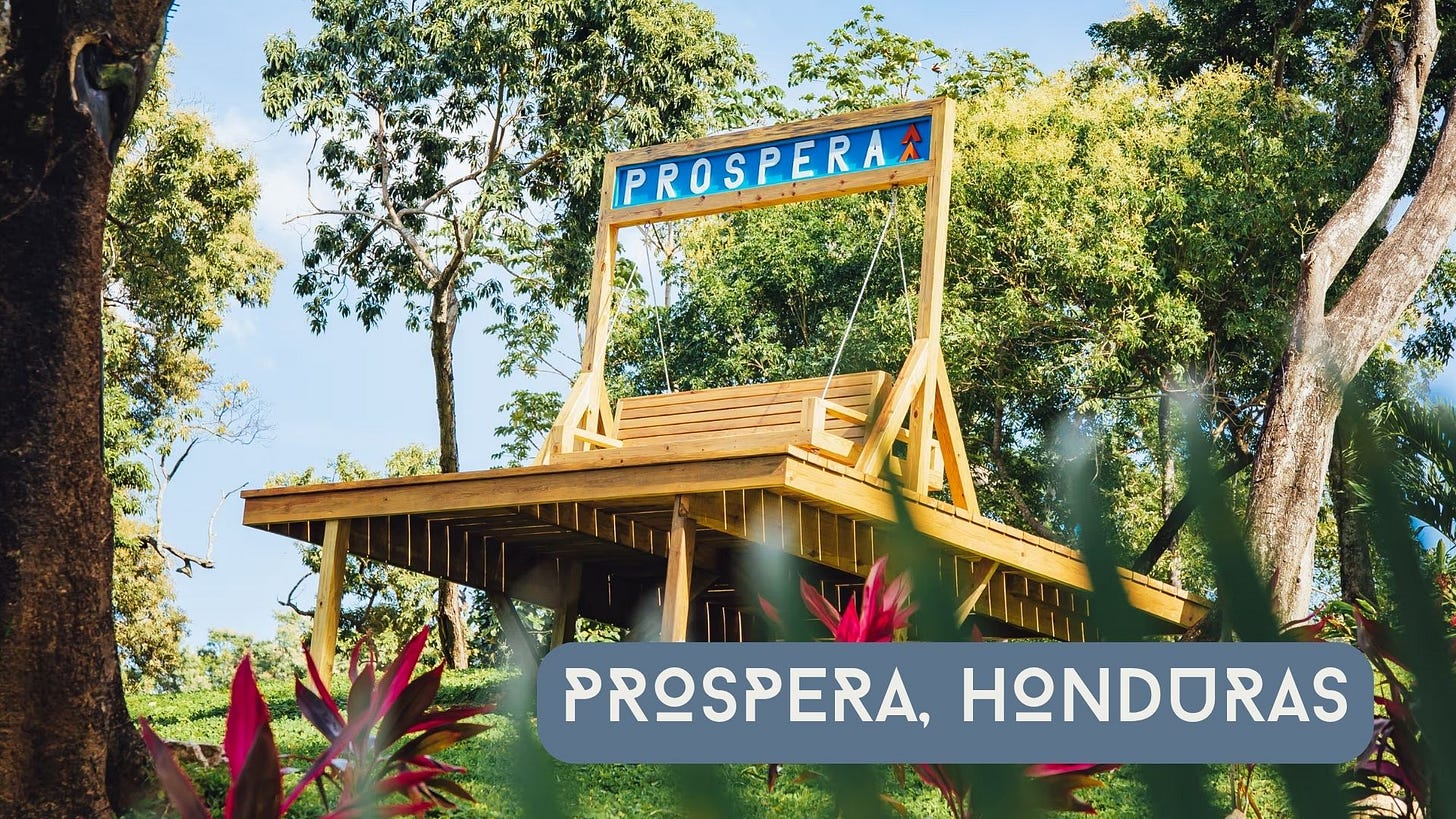

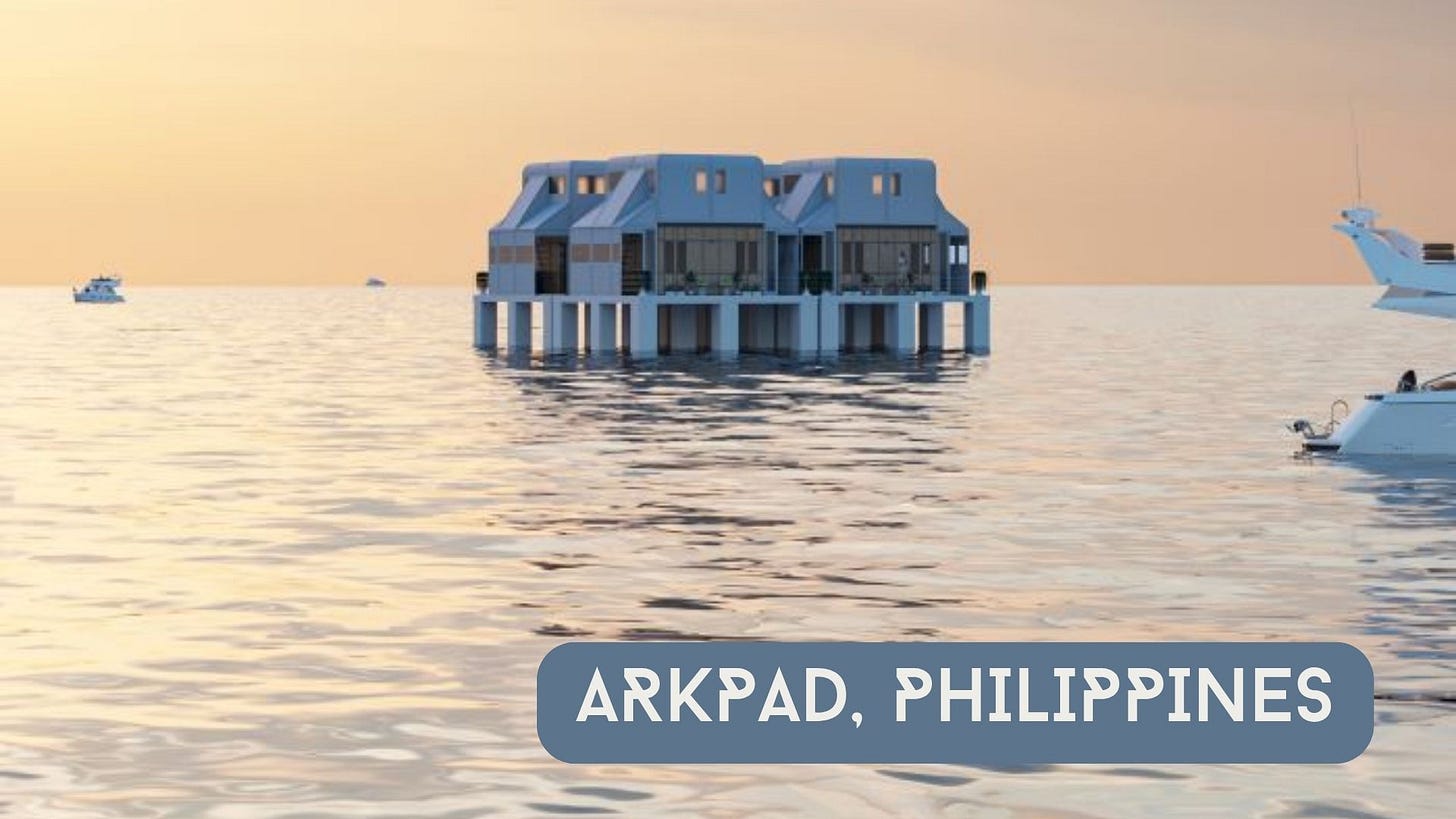
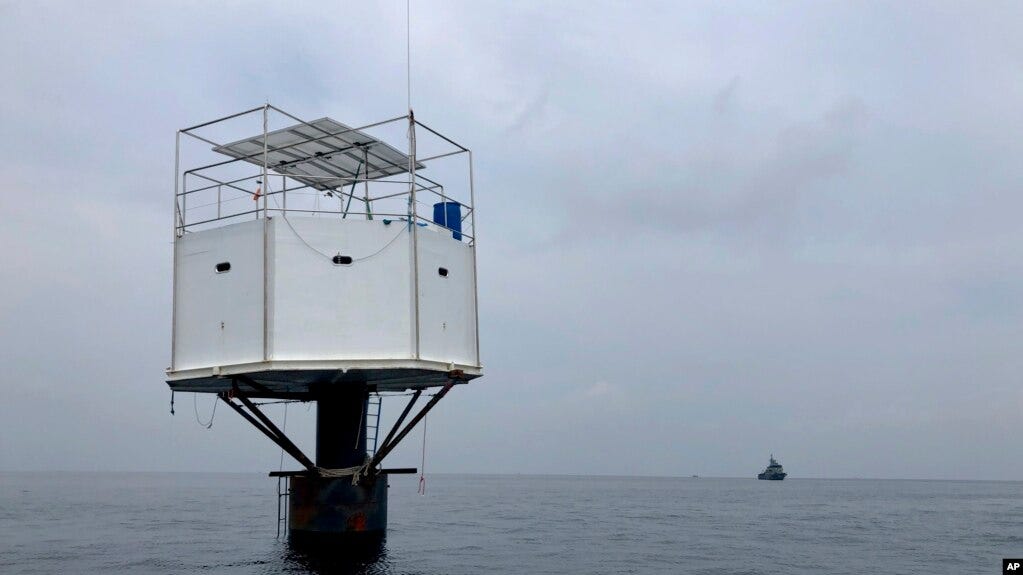



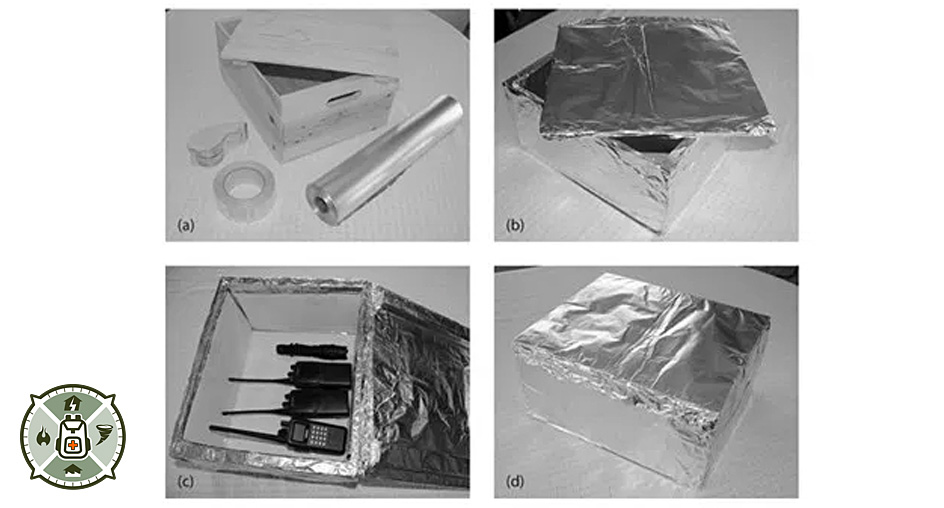

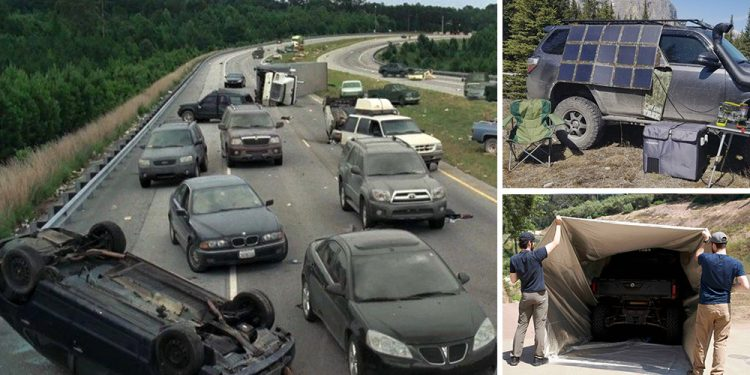
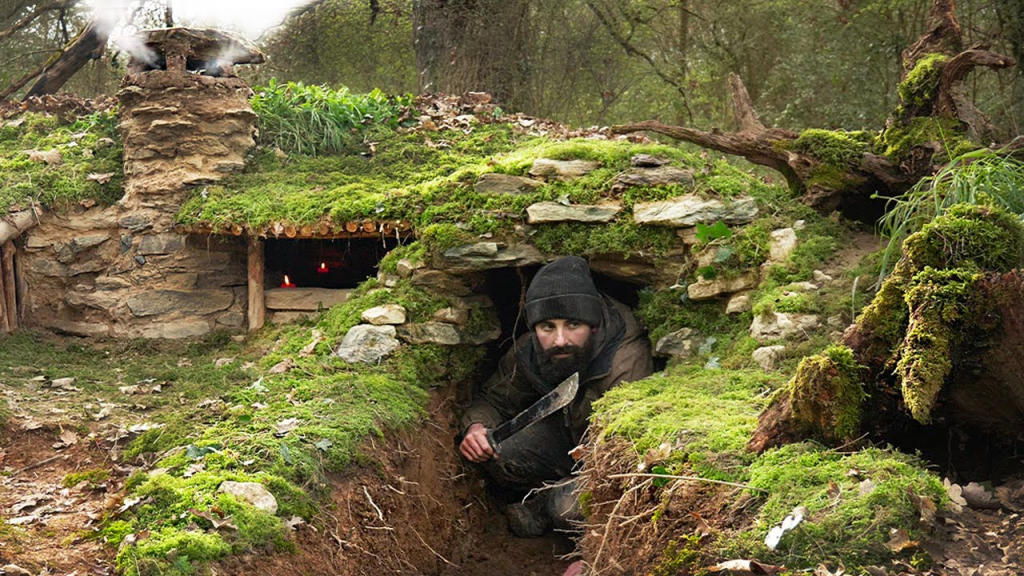


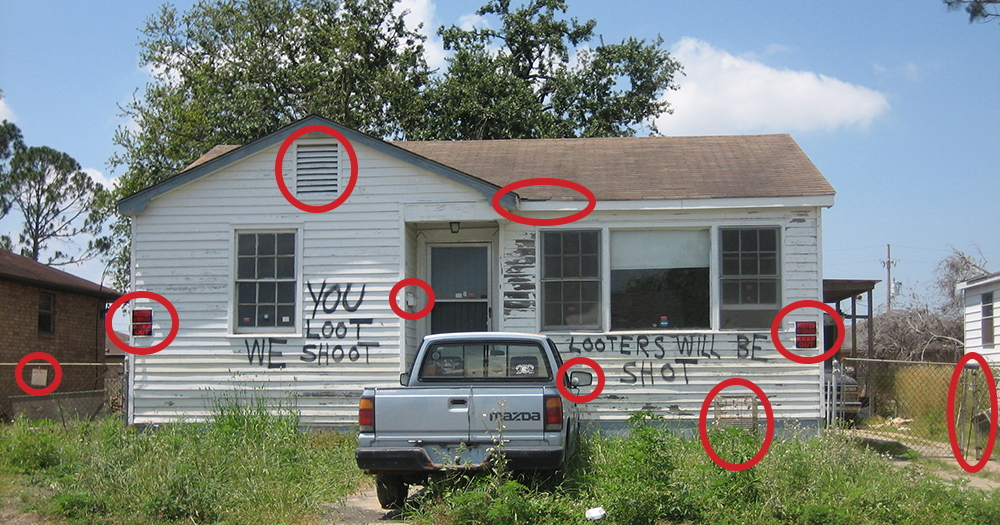
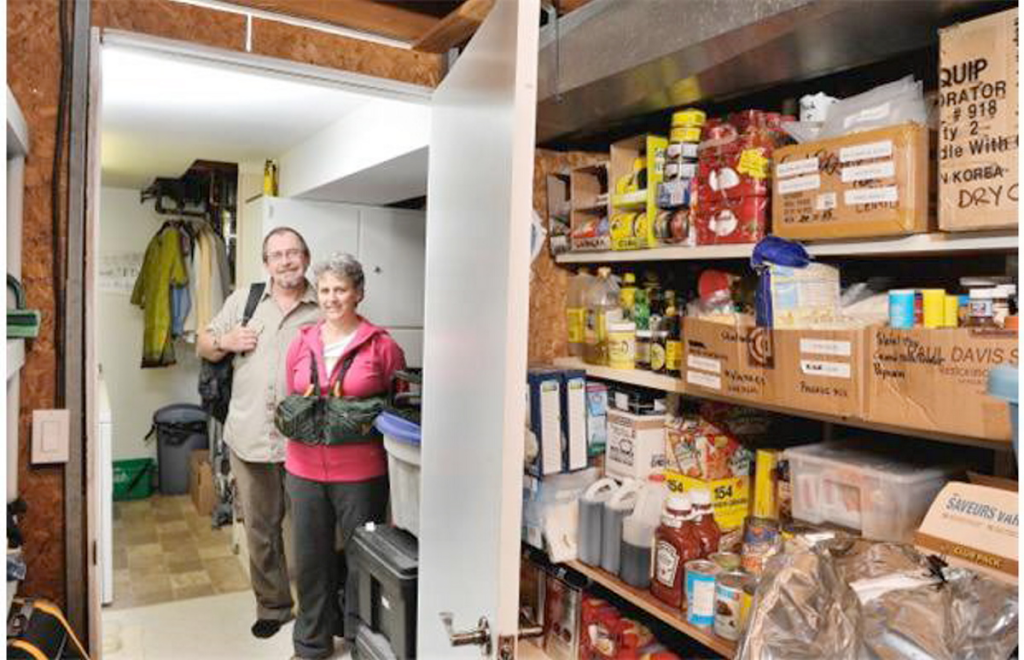




 Preppgroup