Who really has their pulse on the conditions of the market and the economy? Every day we get “flash signs” of things to come. Jobless claims go up, consumer confidence goes down and economists toss the economic crisis ball back and forth.
Shipping volume has fallen, and everything is lining up with the numbers of 2008.
This is the messaging we get on a daily basis. I think most economists and financial bloggers are doing their best to keep us ahead of another crash like in 2008. However, the next economic crisis isn’t going to look anything like 2008
When you take an armed nation that has so overspent itself for the last 50 years and threaten a situation like economic collapse, it doesn’t get any worse. We have clear modern-day examples of what an economic crash can look like. See Venezuela. However, history knows nothing about what the American economic crisis will look like.
The numbers of those dead will look, to historians, like the greatest war ever waged on Earth’s soil. We are a nation divided that seems to be looking for a reason to get at each other’s throats. With the onset of things like resource scarcity and inflation, your life will be at risk.
So how will you die in during an economic crisis?
#1. Early Stage Riots
The early days of the economic crisis will be calm in comparison to what is to come. We will see national riots that encompass every major city across the nation. These riots will be brought on by massive job loss, bank runs, exorbitant cost of goods and the rebellious nature of the American people.
These will be violent, bloody riots that are much different than anything we have seen in this nation. If you get swept up into one of these riots it could be your life. However, this is just the beginning.
#2. Robbery
While riots may satisfy the desperate and the unprepared during the daytime hours, they will get hungry and even more angry at night. Just as with any disaster we will see robbery after the collapse of the economy. However, robbery and the murder associated with it will be at such a massive scale, as people scrounge for food, cash and valuables, local authorities will be overwhelmed.
You might die at the hands of a robber. Or you might die at the hands of a home owner. Remember, it only takes one robbery while you are at work to steal all your stored food and supplies. Then you will be one of the desperate, as well.
#3. Ransom
Another hot new market will be kidnapping. If you have any money or influence you can bet you are going to be targeted for ransom. Kidnapping for ransom is a popular practice in places like Mexico. It’s a tool of the cartels. The radical Mideast and African Muslims also use it to fund their failing Jihad.
There is no telling just how bad life can get for you if you get kidnapped and your family does not have the money to pay the ransom. It won’t be a fun way to go.
#4. Disease
As the nation dives deeper into collapse, we will see important infrastructure fall along with it. Trash collection, water treatment and waste management in general will come to a halt. The pests and disease that will come next will undoubtedly be the biggest killer of all.
Human waste and pests will spread disease like wild fire and there will be no doctors to help.
#5. Starvation
Large scale agriculture will stop. Farmers are already shutting down operations left and right due to the low profit margins. If government subsidies stopped, it would literally be impossible to afford. That means the world would face widespread starvation or the American heartland might even be occupied by foreign nations that handle food production.
#6. Hospital Blackout
The high-risk population of those hooked up to machines at the hospital will also be in grave danger. While hospitals have backup generators, they run on fuel and when that fuel runs out all those machines will go out.
A hospital blackout, for those in places like the ICU is a certain death sentence. It’s scary but it’s a very real situation that could come from the blackouts associated with an economic crisis.
#7. Desperate Hordes
Those who survive will be nothing but desperate, starving people who have seen and done most anything to stay alive. These people will be very different from the early rioters. They will do whatever it takes to stay alive.
#8. On The Bugout
Maybe you were one of the smart people who saw all this coming. You could have escaped to a remote bugout location that was stocked with food, water and resources to start a life of self-sufficiency. You might exist in peace, for a while, till some people start to notice your situation. The thing we all worry about in the remote bugout is that you can be quickly overpowered by a larger group and there is no one out there to help you.
#9. Martial Law
If the government or, worse, the international community tries to regain order, they will create some form of martial law. They will try to instill curfew, order and confiscate guns. If this happens late in the game, it will basically be a war between those imposing order and those unwilling to comply.
Even if you aren’t fighting in this war you could become a civilian casualty.
#10. Lack of Medications
A large percentage of Americans are on meds that they take daily. Things like blood pressure meds to insulin for controlling blood sugar levels. What about all those people on bi polar, anti-schizophrenics and anti-depressants.
During an economic collapse the movement and production of medications will come to a halt. That means all those who need that kind of help will have to self-medicate however they can or die. Are you one of those Americans on medications? Is there someone you love who is?
When Does It All Begin?
The answer is: Now.
Maybe the riots don’t start now. Maybe the markets don’t completely crash, right now. However, you can start preparing right now.
Forget about everything else and focus on preparedness. Take small steps each week or month to get yourself in a better position. Food, water, backup power, security, first aid and evacuation are some great places to start.
Maybe its economic collapse or maybe its something else. The reality is, we cannot live on eternal prosperity. What you prepare for today will decide how you survive the future.
I want to present you one of the most interesting sites, where you will see new articles daily! www.321gold.com
The Great Depression was one of the toughest times in United States history. Following a historic collapse of the stock market wages were low, and jobs were tough to find for just about everyone.
However, the saying goes “tough times make tough people”, and the Great Depression was no different. Families, friends, and communities banded together to support one another, and people got savvy with their savings and spending.
To write this article, I spent some time talking with my grandparents who grew up during the Great Depression. In chatting with them I learned some of the tools and tips that they and their families used to save money during this time of economic distress.
I thought it would be helpful to talk with real people who have experience in finding ways to make ends meet when things are tough.
If we can use and learn from the experiences of those who came before us, then hopefully we are better prepared for the hard times that lay ahead of us.
Here are tips for saving money from real survivors of the Great Depression.
While today’s world encourages young adults to move out as soon as possible, it isn’t the best way to save money.
During the Great Depression families stuck together, and moved together in search of work. Living under one roof cuts down the cost of rent, utilities, food, travel, and more.
By living as a family you can not only save money but have a trustworthy team around you to work through these hard times.
Insulate The Home
Homes today naturally come with some insulation, but the more you can insulate the better. Especially in the colder months of winter keeping the house heated can be challenging and expensive.
My grandmother talked about using whatever they had spare, whether it be clothes, blankets, pillows, etc. Whatever material they had spare was used to try and provide an extra bit of insulation. By adding extra insulation you can find valuable savings on your heating.
Wet Sheets Over Entryways In The Summer
On the other side of things, during the summers of the Great Depression, they would hang wet or damp sheets over the doors and windows.
The water would evaporate during the day and in doing so it would cool the air inside the home some.
The less strain you can put on your AC unit means less strain on your wallet.
Buy Produce That Is Close To Spoiling
One tip my grandparents learned that they still practice today is buying produce close to it’s date of expiration. During the Depression, stores were closed on Sunday and the produce being sold would spoil in the upcoming following week.
As such, vendors would drop their prices on Saturday evenings in an attempt to offload all the produce before it went bad.
By purchasing produce on Saturday evenings their families were able to eat for much cheaper the following week.
Create Your Own Cleaning Supplies
Another tip for inside the home is to create your own cleaning supplies. With the adults in the family often taking on daily labor, my grandmother and the other children learned to take up the work around the home.
Rather than spending on costly household cleaners from the store, mixing hot water and vinegar can be highly effective for scrubbing away grime.
Consider Cheaper Protein Options
Much of the protein we consume today is either beef or chicken, but during the Great Depression, these types of protein became scarce and expensive. As a result, my grandfather talked about finding cheaper protein options like rabbit, eggs, and even squirrels on occasion.
As kids, one of the my grandfather’s favorite meals was fried bologna because it was cheap and easy to make. Eating meals like these may not be ideal, but it was a way for them to keep an entire family fed on a budget.
Start A Garden
Vegetables and herbs are great additions to every meal, and herbs in particular were very valuable during the Great Depression as they could add flavor to otherwise bland meals.
The problem was that purchasing these vegetables and herbs was very costly during that period.
This is is why you should consider starting your own garden. Just as it did back then, gardening can provide you with cheap, continuous, and sustainable access to vegetables and herbs.
On a similar note to gardening, learning to bake was a fun way to save money. Bread can be costly to buy in-store, but it is extremely cheap to make at home.
Even now, my grandmother still enjoys baking from scratch. Along with saving you money on groceries, baking from scratch will probably taste better too.
Make More Soups
During the Depression, soups became extremely popular. They were warm, filling, and most importantly cheap because the main ingredient is water. Almost anything can be made into a soup and it makes great leftovers.
Cut Milk With Water
A tip that my grandmother used even with her own kids decades after the end of the Great Depression was cutting milk with water.
She mentioned that it could be done with other drinks like juices also, but she used to add water to their milk.
By adding water the milk would last significantly longer than it would on it’s own. It may not taste quite as good, but when times are tough every extra penny matters.
Look Into Learning To Sew
When times get tough, it can be very valuable to have some basic sewing skills.
As I mentioned earlier with the adults out working or looking for work, much of the housework fell on the children. This included sewing.
My grandmother learned to sew and patch clothing from her mother and older sisters, and she still uses a sewing machine to this day. This doesn’t mean that you need to buy a sewing machine, but if you can patch up clothes rather than taking them to a tailor or buying something new it can make a huge difference.
Hang Onto Scraps
A valuable lesson many learned during the Great Depression is that everything has value. Whether it is an orange peel or a scrap of fabric from clothing repairs, everything has value.
Peels from citrus fruit can be used in homemade cleaners, and clothing scraps can be used in future repairs. Stockpiling excess supplies and hanging onto scraps can be a very valuable strategy.
Learn To Make Basic Home Repairs
While often the women would handle cooking, cleaning, and sewing, the men would be responsible for doing repairs around the house.
Everything will break at some point, so if you can learn to fix some of these things on your own it will help you and your family become much more self sufficient.
Moderation Is Key
Moderation can apply to just about anything whether it is food, cleaner, or anything in between. By learning to use everything in moderation you will find that everything you purchase and use lasts significantly longer.
A helpful rule of thumb to remember is “just a dab”. Even to this day, my grandmother always strives to use too little rather than too much of something.
Be Willing To Work
Last but not least, be willing to work, no matter the job. During the Depression, work was scarce, so people had to take on any job they could find.
Even as a child my grandfather would go around the neighborhood looking to find any sort of work available. Whether it was cleaning, running supplies, shoveling manure, or just about anything else, he worked whatever jobs he could find to help support the family.
The economy may not be in as poor of a state as it was during the Great Depression, but that doesn’t mean we can’t learn from those who came before it. These tips from real survivors of the Great Depression are a great way to increase your savings.
This article is written from the perspective of a friend.
I am not an economic guru or qualified advisor I am happy to share my strategy but act at your own risk.
There are only two things I know that you can do, certainly in the short term, to prepare.
The first thing to do is be sure you have cash and don’t run out. I think it is worth giving some of my background to show you how my experience has guided my actions.
I was devastated in 2007–8. I was laid off at age 59 in 2008 and all I had was the remains of my retirement accounts; my unemployment check which fortunately kept me going for a year or more; and eventually took Social Security at 62. I went almost instantly from a net worth of half a million to a negative net worth and stayed there for about four years.
I lost all the equity in my two Arizona homes (used as rentals not generating a lot of cash but I bought them as self-financing tax savers which would appreciate over time). After holding on for years waiting for housing to recover I short sold one (sad but that was the action that finally brought me fully out of debt) and paid off the small mortgage on the other with some of the remains of my IRAs, staged withdrawals over several years to try to keep as much of it untaxed as possible.
I moved from San Francisco (did not own property there was a renter) to Arizona to save money and that helped out a lot. I moved into the other rental where I still live today.
Until Trump was reelected I felt I had achieved financial heaven since my Social Security was more than I needed to live on and my remaining investments grew very well during the Biden years.
I learned my lesson the first time. I decided not to lose my nest egg.
I have converted all my investments into Treasury MMTs and I did it the day after the election. These can be turned into actual cash in one day but are growing at the rate of just over 4% so they compensate some for inflation for the moment. They are all inside my IRA’s because I don’t want to pay tax on them if I don’t spend the money and the interest will grow tax free until I take the money.
Treasury MMTs are all consisting of and directly tied to Treasury bonds and other government debt. If they are not paid off we will find there is nothing left standing. It is possible we will see hyperinflation as well and they won’t protect against that but again nothing much will be left standing if that happens.
So conserve your cash; insulate yourself from the falling market if you think it is going to keep falling.
People will rightly tell you that it’s not guaranteed that the market will fall and if you take your money out you miss out on the gains that often happen suddenly; don’t “time” the market. And that’s usually a good strategy.
But if you are certain that the market is going to drop for a period of time and if you know you won’t have the much longer time to recoup your investments then cashing out is a viable strategy. I’m 75. It took me over a decade to substantially recover last time and I don’t have a decade. I also can’t feel secure that my Social Security which more than pays the bills for me is going to be there when I need it.
Thus I take the most secure investment possible for my money. It is not perfect there are no guarantees in life but this is the most secure investment I can find.
Trump showed me that US Treasuries were no longer the “safest” investment in the world…I reduced my portfolio to about 30% Treasuries…moved almost half my investments into European Nations’ Treasury MMTs. With a little diversity into European stocks and some US dividend ETF’s, I’m hold on to almost 8% profit YTD. That said there is no “safe” investment only ones that ought to be safer in time…]
Next cut your spending. That’s one of the things that leads to recession unfortunately but you need to conserve your cash. Don’t buy anything you don’t really need. You need to keep your cash.
Finally I would avoid making any significant life changes that could affect your finances. Getting married, buying or selling a home (did I mention that I foresee a major collapse in the housing market coming? Florida is almost there but they have more problems than most places; still there is actually a surplus of housing and rents are falling in the markets where there were booms after the pandemic), don’t buy a car unless you absolutely must and used cars are literally always a better value. I drive a 20 year old Toyota and it costs me next to nothing to run it.
That’s my strategy. I’ll go back in the market when I see adults in the White House again.
I want to present you one of the most interesting sites, where you will see new articles daily! www.321gold.com
Predicting the collapse of a country is like reading between the lines of history, economics, and politics. Some nations, however, are walking on thin ice, where even a small additional burden could lead to their downfall. In this article, we’ll explore 10 countries facing severe risks that could put them on the brink of collapse by 2027. Some of these might surprise you.
1. Lebanon: A country where nothing works anymore Once hailed as the “Switzerland of the Middle East,” Lebanon is now in absolute economic chaos. Hyperinflation, currency collapse, and political corruption have brought the state to its knees. Ordinary citizens struggle to secure basic needs like food and fuel. Can Lebanon still be saved, or will it follow the fate of nations that fragmented into smaller entities?
2. Afghanistan: Taliban isolation and hunger Since the Taliban regained power, Afghanistan has plunged into international isolation. Its economy is collapsing, people are starving, and humanitarian organizations cannot meet the overwhelming needs. If the situation doesn’t improve, the state risks fragmentation into territories controlled by armed factions.
3. Haiti: From freedom to a nation ruled by gangs Haiti has been grappling with a crisis for years. With no functioning government, armed gangs dominate cities. Add to that natural disasters like earthquakes and hurricanes, and you have a recipe for complete collapse. Can Haiti ever rise again?
4. Sudan: A nation in perpetual conflict Sudan’s civil war between the army and militias is spiraling into catastrophe. Thousands are dead, millions are displaced, and famine looms large. If the conflict continues, Sudan could disintegrate into smaller regions controlled by local warlords.
5. Venezuela: From riches to rags Home to some of the world’s largest oil reserves, Venezuela has been in freefall for years. Hyperinflation, food shortages, and mass emigration have devastated the nation. Could Nicolás Maduro’s regime fall, or will Venezuela remain stuck in this “frozen collapse” for decades?
6. Myanmar: A coup that crushed hope The 2021 military coup plunged Myanmar into chaos. Protests, uprisings, and ethnic conflicts have become the norm. If the military junta doesn’t relinquish power, the country risks breaking into warring regions.
7. Yemen: A nation where survival is a battle Yemen is the epitome of disaster. Its civil war between Houthi rebels and the internationally recognized government has raged for years. Millions suffer from hunger and disease. If the conflict isn’t resolved, Yemen could vanish as a functioning state altogether.
8. North Korea: Behind the curtain of isolation Kim Jong Un’s regime appears solid, but what if it isn’t? Economic sanctions, famine, and a possible power struggle after his death could lead to an unexpected collapse. If that happens, the chaos could be unimaginable.
9. Pakistan: Battling economic and political storms Pakistan is grappling with an economic crisis deepened by debts and political instability. Extremism, corruption, and worsening relations with neighbors could weaken the country to the point of losing control over its regions.
10. Somalia: A collapse that never ended Somalia has been a failed state for decades. The terrorist group Al-Shabaab still controls large swathes of territory, while the central government remains weak. Without minimal international support, total disintegration seems inevitable.
Why Do Countries Most Of Time Collapse? Normally, the collapse of a state is always the result of a combination of factors:
Economic instability: Hyperinflation, overwhelming debts, or resource shortages.
Political corruption: Weak governments unable to address crises.
Civil conflicts: Wars, ethnic tensions, or regional uprisings.
Climate change: Worsening conditions, natural disasters, and resource depletion.
International isolation: Sanctions or loss of foreign support.
Can Any of These Countries Be Saved? History shows us that even nations on the brink of collapse can change course with the right leadership, international assistance, or societal unity. While rescue is possible, these cases will require far more than just hope.
Which other countries do you think are at risk? Let’s discuss.
Beyond the most vulnerable states, there are also numerous other countries that could face significant challenges if their situations do not improve.
Here’s a broader look at nations where trouble may deepen:
Sri Lanka – Still recovering from its 2022 financial collapse, with inflation and mounting debts remaining major hurdles.
Ethiopia – The Tigray conflict has eased, but ethnic tensions and economic woes could destabilize the country again.
Libya – Political and military division between the east and west prevents the country from restoring order.
Belarus – Lukashenko’s regime relies heavily on Russia, but domestic protests and international isolation are increasing the pressure.
Iran – Sanctions, domestic unrest, and regional tensions could severely threaten the regime’s stability.
Zimbabwe – Chronic corruption, hyperinflation, and authoritarian governance undermine hope for improving living conditions.
Nigeria – Boko Haram violence, economic inequality, and corruption destabilize Africa’s most populous nation.
Democratic Republic of Congo – Ongoing conflicts and mismanagement of natural resources deepen poverty and unrest.
Bangladesh – Climate change and political unrest could pose major risks to this densely populated country.
Eritrea – One of the world’s most closed-off nations, facing poverty, repression, and isolation.
Kazakhstan – Political unrest and tensions with neighbours could affect the stability of this oil-rich country.
Tunisia – Democratic gains are threatened by political crises and economic struggles.
Armenia – Tensions with Azerbaijan over Nagorno-Karabakh continue to jeopardize regional peace.
Papua New Guinea – Violence, poverty, and corruption hinder the country’s potential for economic growth.
Mali – Terrorist attacks and military coups threaten the future of this West African nation.
Honduras – Criminal gangs and corruption create unbearable conditions for its citizens.
Colombia – Despite peace agreements with FARC, violence remains an issue, with new drug cartels gaining strength.
El Salvador – President Bukele faces accusations of authoritarianism, while gang violence remains a constant threat.
Mozambique – Islamic insurgencies in the north and widespread poverty destabilize this country.
Bosnia and Herzegovina – Ethnic tensions and weak political leadership risk undermining the fragile peace.
These countries may not necessarily collapse, but they face serious challenges that could affect their future.
What other nations do you think are at risk? Let’s discuss!
To all those investors looking forward to the Fed dropping rates, the bad news is that lower interest rates do not guarantee economic growth. This is a fact, and what many people fail to consider is that more goes into the economic “stew” than just interest rates. In some ways, easy money policies can impair growth and the quality of growth. An example of this is that they allow zombie companies to continue operating.
While many investors talk about the link between low-interest rates driving the economy and markets ever higher, this correlation is very weak. We only need to look at Japan to understand that low interest rates do not guarantee a booming economy. For decades, Japan has pursued super-low and even negative interest rates while drifting into and out of recession. In short, other factors have been driving Japan’s economy rather than simply keeping rates low.
Yes, there is a big difference between 10% and 5% interest rates, but when you are talking about a quarter of a percent, it has little bearing on the overall economy. It can be argued that the only place where rate cuts make a huge difference is when you get down near two percent. At that point, a 25 or 50 basis drop creates huge sums of “speculative” money. Growth is often more about liquidity and the availability of money than low interest rates. We should question how much a couple of quarter-point drops in interest rates will really make. This is very important considering many consumers are completely disconnected from fed rates and paying well over 20% APR on charge cards.
The Eurodollar University YouTube Channel continues to hone in on slow growth across the world, claiming the global economy is in a synchronized slowdown and recession. He does this in part by repeatedly using the line, “forgot how to grow,” while pointing out that true economic growth has faltered. Part of the problem is that low interest rates tend to pull spending forward, but there is a limit as to how far this can go.
Over the last decade, low interest rates have contributed to increased inequality. Not all people and businesses benefit equally from low-interest policies. The Fed has fueled inequality by feeding money into a system where “the big boys” and Wall Street soak up cheap, easy money, but small businesses saw lending standards rise. This resulted in making it more difficult for many small companies to get loans and resulted in many productive small companies closing their doors forever.
The legacy of Central Banks pursuing “low rate” policies has caused debt and bad debts to explode. By not demanding the right kind of growth and simply throwing money at problems, Central banks and governments have delayed and added to a much larger crisis in the future. This is becoming apparent in central banks’ limited ability to directly determine rates at the long end of the curve.
Circling back to Japan, for years, many economists claimed that only by letting its zombie banks and industries fail could Japan clean out the system and move forward. Instead, the Government of Japan ran huge deficits and ran up massive debt. The country languished in what has become known as “the lost decades,” during which it avoided disaster only by the fact that for decades it enjoyed a large trade surplus.
At some point, both investors and the public will realize that central banks can only do so much through printing money and lowering interest rates. America continues to spend far more than it takes in, and such deficits are unsustainable. Most of this money finds its way into the economy as “poorly crafted subsidies” that push data higher, creating the false illusion that all is well. The bottom line is that much of the world may well be looking at a version of the “Japan Syndrome” with stagflation. This translates into years of slow growth coupled with a protracted period of inflation.
Low rates are also supposed to encourage business borrowing and boost employment, but often it also encourages savers to take on more risk than they should, as they search for higher yields. History shows that when rates are held at an artificially low level for too long, capital is often misallocated and flows into speculative investments.The current low rates combined with our massive government deficit are creating a false economy that is also baking in a higher overall cost structure. Want to know where the real cost of things is going? Just look at the replacement cost from recent storms and natural disasters.
Many of those already concerned about the strength of the economy find little comfort in the argument that conditions remain too fragile to begin a return to historic norms. Lower rates have almost been guaranteed and promised; however, we should never forget that liquidity is far more important. Liquidity is the lifeblood of commerce. It is difficult to envision how the world will handle the additional debt of governments if long-term rates begin to rise. As we look back years from now, the policies of ZIRP and NIRP are likely to be considered major mistakes.
I want to present you one of the most interesting sites, where you will see new articles daily! www.321gold.com
In these uncertain times, when the world seems to go mad, you can’t help but wonder how long until we will experience a martial law scenario.
One day we might have to live under such a scenario since it seems there are many SHTF events that would impose it. The current pandemic is just an example, and personally, I believe we were lucky so far that things didn’t lead to further chaos and social upheaval.
The United States has a certain history when it comes to martial law, and like many other nations, it will do whatever is necessary to defend its integrity (and protect?) its citizens. I believe we should all have a survival strategy if martial law will be upon us in the near future.
To put it simply, martial law is the imposition of military rule and the occupation of the government over a specific region. It is declared when an imminent threat disturbs peace and order. Martial law can be declared during a state of war when natural disasters are too much to handle for local authorities, when a coup is developing or even when uncontrollable riots and protests affect an entire region.
When martial law is declared, everyone is expected to follow the same rules, no questions asked!
It doesn’t matter if you think what’s happening is right or wrong, and you have to give up certain civil rights for the good of the nation/state.
What Survival Secret We Lost To History
There are certain rights that will be suspended if martial law hits, such as:
Right of Information
Freedom of Expression
Right to privacy
Right of Habeas Corpus
Right to make choices
Those that are prepared and organized should be able to survive such a scenario without having their lives turned upside down. However, even for them, there are certain things that become mandatory under martial law.
How to survive martial law:
Being self-reliant
As preppers, we are already prepared to outlast various scenarios that may cut us off from the major supply chains. For most of us, it will be rather easy to survive when the government takes full control of food and supplies and their distribution.
As an average Joe, you should avoid waiting for handouts during a disaster or hope that some military rations will find their ways towards you, and you must have your own supply of food and water. Your supplies should last for at least six months if you don’t want to stay in line for help. Also, all your supplies will become government property if you don’t stockpile smart (more on that in the next paragraphs).
Being self-reliant under martial law means that you must have a method of producing your own electricity, the means to prepare and cook food, ways to sterilize water, and everything else that will assure the same level of comfort you were used to before martial law was declared.
Be ready to bug out
In certain cases, when you see the first signs of an impending scenario when martial law is imminent, you might want to bug out to a safe location, if you have one. If you manage to do so before roadblocks and checkpoints are installed, you might be one of the lucky few. If you’re not so lucky, hunkering down may be the safest choice for you and your family. This will be the norm for most folks living in densely populated areas.
If you plan to bug out, you should have everything ready to make a successful trip. This means that your bug out bag should be properly packed and updated for the season. Also, your bug out vehicles should be in good shape to handle the road ahead and eventual obstacles. I won’t get into details about what to pack in your bug out bag or vehicles since these are distinctive cases from one person to another. What I will stress is the need to have everything updated and make sure they function properly.
Stay safe during martial law
We love our freedom and liberty, and certain folks will not bow down and take it easy when martial law is declared. For some, being stripped of certain civil rights is unthinkable and unacceptable. Most Americans fear that giving someone absolute power will lead to mistreatments against the general public.
That being said, the safest course of action would be to avoid areas that are exposed to social upheaval and other scenarios that may lead to dangerous escalations. You will first need to protect yourself and what’s yours before handling any other thing. There are various ways to protect your home when civil unrest is developing, and you can find a lot of information on Survivopedia.
Keeping a low profile is also recommended before you will get involved in matters that may not be a priority for you and yours. You will have the time needed to plan and act following your own belief system if you stay out of sight. You have to think before you act and decide on an individual case if you follow the rules or rebel against them. Don’t go with the herd and follow the curfew under martial law. Make sure you have all the means to protect yourself and survive whatever scenario unfolds.
When martial law is declared, the media and all the information channels will be controlled by the federal government. You might not get all the required information, and the truth may be filtered to avoid creating mass panic. While listening to official broadcasts will provide you with information and updates regarding the imposed rules, you might need to have a backup source of information.
A HAM radio is a great alternative, and the HAM radio community will take care of its own. They will provide all the “unofficial” information, and they will tell you things as they see them. It’s better to know both sides of a story before you decide if its ending is the proper one. We are bombarded by media propaganda on a daily basis, and the last thing you need is to have filtered information being delivered and remain misinformed during martial law. Information is key to your survival during an SHTF event, and you must always be aware of what happens around you.
Always be alert and improve your skills
This is a general rule for us preppers, and staying in shape, constantly learning, and improving our skills proves useful in any type of crisis scenario. Preparedness and our will to survive have to be backed up by proper knowledge and a good set of survival skills.
If you run out of food and water, or if you run out of guns and ammo, what will you do then? What happens if you get hurt by accident, or otherwise?
You need to be able to handle the above scenarios, and these are not things you can learn on the spot. One needs to prepare in advance and challenge his or her skills with every occasion or opportunity provided.
Take a first aid course, learn to cook without your stove, try to fish or hunt and practice any skill that you may think, one day, will come in handy. You will have to survive on your own during martial law, and the skills you have will make your life much easier. Also, consider that all the activities you do will leave you weak and tired if you’re not in good shape. You don’t need to become a couch potato when dealing with martial law, and you need to be ready for anything.
When you are tired and stressed, your judgment will get clouded, and you may end up making mistakes that will leave you injured or worse. You must avoid this at all costs!
Don’t be a lone wolf
Some desperate times require friends and teamwork to push through. Having an alliance may end up being crucial to your survival during martial law. I know a lot of people that have built a support system composed of friends and neighbors. Imagine if the current pandemic will prolong, and truckers fail to deliver their goods, do you think people will wait patiently, or will they do everything in their power to survive?
We’ve seen it before how desperate times create desperate people, and the same people that fought over some toilet paper will do anything to survive another day, including harming you and your loved ones. That’s why having a trustworthy network of people that share the same vision as you become mandatory. A survival group can keep the neighborhood safe and still standing if they trust each other and if they share the same goal.
Don’t share more than you have to
I don’t like to brag about my preparedness plans, and I don’t show off my stuff on the internet. I can’t comprehend the need some people have to brag about their prepping plans and show off all their supplies. Why would you make yourself a target and why become a “beacon of hope” when desperate people are roaming around. You can’t possibly hold off all the people, and you are putting yourself in danger for no reason.
Be smart and keep it all to yourself and talk about your prepping plans with your friends and family. Only with those people that you know for a fact they won’t report you to the authorities for hoarding tons of supplies. In a time of martial law, you can’t assume how things will play out, and oftentimes you have to be selfish if you want to survive. Be selfish about sharing information and supplies and keep only those that you trust close by.
Prepare your supplies for a home invasion
We’ve seen how a lot of people bought vast quantities of face masks, hand sanitizers, and other products that were in short supplies (and still are) when the COVID-19 hit the US. While these people were trying to get rich and profit from the distress of others, one thing should have been a wakeup call for many.
The fact that the government seized all their supplies should have made you think about what will happen when the situation becomes even more desperate than it currently is. When martial law is declared, hoarding food, guns, and ammo is restricted. It’s almost certain that the military will implement house to house searches without a warrant if things get grim.
They will locate and confiscate supplies, no questions asked, and they won’t think twice, no matter how much you beg them not to take them. As said earlier, you need to plan your storage properly, and it’s important to keep a lot of your stuff out of sight and store it out of reach or hide it on your property.
I’ve often discussed the “bait pantry” or “pantry decoy” method during various occasions, during seminars, on forums, and whenever I had the chance to do so. To explain it briefly, this method requires you to hide a small part of your supplies without much effort. Somewhere that is not obvious, and it requires some kind of effort to be discovered.
When someone discovers those “hidden” supplies, you will need to put out a show and act like your life depends on those supplies. Beg them to let you keep those supplies, cry and be as convincing as possible. This will make them believe that what they’ve got their hands on is your main stash, and they won’t bother into looking for your other supplies.
Act if you feel that’s the right thing to do
Under martial law, when the situation is escalating, and it may reach is peak point, some will have to take a stand. It is your God-given right to pick a side, and no one can take this away from you. However, before doing so, make sure you act calm and rationally upon it and, most importantly, that the action you’re about to make suits your personal beliefs and moral principles.
Remain calm and plan your next steps carefully. It may be difficult to do so, but acting on an impulse may not end well. Panicking and irrational people are seen as a threat in general. During martial law, even the most prepared soldiers will choose to eliminate a threat rather than risking to deal with it and establish if force is justifiable or not. Restrain your emotion since this will make the difference between life and death.
Even more, taking a stand doesn’t necessarily mean you have to join “the resistance” or take your fight to the streets. There are various ways to fight for what you believe in without putting yourself in danger. You first have to figure out ways to make yourself heard without looking like a threat. Also, keep in mind that not everyone will find the courage to act when martial law is declared, and you may end up with no support when things get rough.
A last word
If you keep all the above in mind and act upon when martial law is declared, it will help you survive when the military takes over. Even more, plan things properly and consider the last advice when thinking about taking a stand. It will put things in perspective, and you will figure out your chances of making it out alive.
Back in 1949 the world was still recovering from World War II. The Korean War wouldn’t start for another year, but George Orwell was already focused on the dangers of communism and the totalitarianist government it builds. World War II was started by totalitarian governments; but worse than that was how such governments treat the citizens living under their control.
In his book 1984, the government, encapsulated in the persona of “Big Brother,” knew everything about everyone; where they were, what they were doing and even what they were thinking much of the time. This was used to keep control of people to an extreme that even the now defunct Soviet Union couldn’t reach. Yet with modern technology, the reality of such a government could very well be forming around us and we don’t even see it happening.
As we know, the government is actively spying on every one of us. That’s the essence of Edward Snowden’s message, since he left the employ of the NSA. While that spying is intended to help prevent terrorism, we’ve seen some in government be awfully free in their use of that term. One can quickly find themselves labeled as a terrorist if the political winds blow the wrong way.
On top of the NSA, big tech is in cahoots with government in a number of ways, most especially with providing information to law enforcement officers, as they seek to solve crimes. But that same information which is being used for the good of tracking down and convicting criminals can very well be used against the rest of us. After all, any of us can become an instant felon, simply by Congress passing a law making something that has been legal, suddenly illegal.
An excellent case in point is the current push by Democrats to restrict our Second Amendment rights. Should they do that, then millions of law-abiding citizens will suddenly be faced with the option of turning in valuable firearms or hiding them from the government. Will the government hunt down those who haven’t turned in their guns, using the same tools they are currently using to track down criminals? Only time will tell.
So, what can we do to keep the government from having an idea where we are and what we are doing? To start with, we need to understand that the government has multiple means of tracking us, not just one or two. That means we’re going to have to defeat them all, if we expect to protect ourselves from electronic spying.
Here are a few places to start.
Use a Burner Phone
The easiest way for the government to track any of us is through our smartphone. We really don’t have a handle on everything that our phones are doing in the background, while we’re not looking.
Yet there’s nearly constant communication between our phones and the local cell phone tower.
It’s clear that the communications we have through our phones is readily available to the NSA and others.
You can even pay online services to do a little spying on family members, seeing their text messages, who they’ve talked to, what they’ve looked at online and where they’ve been. If you and I can do this, then you can be sure the government can do more.
Shut Off GPS Tracking
One of the most common ways our phones help the government keep track of us is through the phone’s GPS. Google and Apple keep track of our every move through that part of the phone.
If you go to Google Maps and click on your timeline in the menu, it will show you everywhere you’ve been, for the last several years.
This feature alone could put you in danger if you just happen to be in the same place that a crime was committed. While that alone wouldn’t be enough to convict you; it would be enough to make you a suspect.
And that’s just one example of how the GPs could be used against you. What if they want to track you down because it has been reported that you said something against the government; they’d have no trouble tracking you down.
Clean Out Internet Browsing Activity and Cookies
One of the big ways that companies use the internet to keep tabs on us is through our browsing history and the cookies downloaded to our computers by the various websites we visit.
A lot can be learned about who we are and what we do by looking at that. That’s why major corporations invest so much in data mining, looking for people to buy their products.
Haven’t you seen how you can look at something online, then find advertisements for the same sort of product showing up in your Facebook feed and just about any online article you read?
That information is also admissible in court as a means of defining your character. Government prosecutors could build a totally false narrative about you as a terrorist or planning mass murder, backed up by no more than the websites you have visited. Simple curiosity can and will be used against you, perhaps even in a court of law.
Get Rid of Alexa, Siri, and other Voice-recognition Assistants
One of the key elements of Orwell’s imaginary society in 1984 was that the government was tracking what everyone was doing through their television sets.
Yet today, rather than the government having to hide that capability in our TV sets, we buy devices and use them in our homes.
Those devices track everything we do, listening in on our conversations, so that they can “serve us” better.
Employees of those companies have come forth, confessing how employees at big tech companies listen in on people’s private lives.
If they’re doing it, then the government has access to it too. Remember, everything that device does goes over the internet and the NSA is tapped into that thoroughly.
Create Alternative e-Mail Accounts for Memberships
Our online identity is largely tied into our e-mail account.
Pretty much everything you sign up for, from buying dog food to looking at different sites, involves creating an account using that e-mail address. That online presence can lead government agents to look into all areas of your online existence.
The solution is to create multiple ‘personas,’ utilizing them for different things.
In order to do this, you’re going to have to provide false information at some point, as pretty much all e-mail services try to verify that you’re a real person and that you’re who you say you are.
Create Site-specific Passwords
Passwords are the bane of modern existence, with more and more websites requiring a membership and password for access. Even those that don’t are likely to require you setting up an account to buy anything.
The information attached to that account Is just one more source for the government to look at.
Most of us pick a password and use it for as much as we can. The problem with that is that once someone figures out your password, they can try it on a variety of different platforms, trying to access your account and see what you’ve been doing.
Four different products, bought from different vendors, could easily become the parts of a bomb in some investigator’s imagination.
Avoid JavaScript
JavaScript abounds throughout the internet, having been created to make it possible for web pages to be interactive.
Unfortunately, it’s full of security holes, having been created many of the more modern modes of hacking were invented. Today, breaking into JavaScript is considered small potatoes by hackers.
Keep in mind that the government employs hackers too; they’re called “white hat hackers,” and while that term was originally coined in regards to people who were trained in hacking in order to play the “red team” in online security simulations, it’s used for any hacker who does their work as part of “legitimate” business.
Of course, as far as the government is concerned, anything they do is legitimate, regardless of what the law says.
Encrypt e-Mail
We’ve already discussed how the NSA is recording and reading every bit of communications that flows across the internet. That includes your e-mail. They know if you’re making an inquiry about buying a new home, having an online affair or discussing business secrets.
According to Snowden, some of those government employees are looking over people’s shoulders, watching their lives as if it were a live soap opera.
The world’s best code breakers work for the NSA and the majority of the world’s supercomputers are housed in their facilities. So the idea that they can’t break into an encrypted e-mail is ridiculous. Nevertheless, encrypting still makes it harder, meaning that they’d have to have a pretty good reason to bother.
While not perfect, encrypting your e-mail at least protects you from casual view.
Avoid Online, Credit Card and Debit Card Purchases
Probably one of the earliest ways that law enforcement used the benefits of the internet to solve crimes is through tracking credit card use. We’ve all seen cop shows where they tracked a suspect by looking at where they were using their credit card. That’s child’s play for the government today.
Of course, the government isn’t the only one tracking our online purchases, although I don’t think that companies have the ability to get into the records of our credit and debit card usage like the government can.
Either way, it can provide the government with a lot of information that you might not want them to know. Better to use cash and keep your transactions anonymous.
If you’ve got to buy things online, then use prepaid Visa and MasterCard gift cards, not associated with any bank account you have.
You can buy these easily at the checkout in many major stores, in denominations up to $500. That makes it possible to make a lot of purchase anonymously.
Then have the item shipped to an address that can’t be readily traced to you, like a PO box that you rented using a false address.
Don’t Fill Out Profile Data
One of the easiest ways for the government, criminals, companies and just about anyone else has of getting information about any of us is through our online profiles.
Social media has encourages people to live an open life, with everything about them becoming common knowledge. But that information can become dangerous if it gets into the wrong hands.
Save that information, so that you can give it to who you want to, rather than whoever wants it.
While it might not be quite as “neighborly” in the online community, holding that information back could help protect you from the government or from criminals.
One Final Thought
Doing the things I’ve mentioned in this article are likely to have unintended consequences. That is, they’re likely to make you look suspicious to anyone investigating you.
But then, if you haven’t done anything wrong, it really doesn’t matter how suspicious they think you look. They still have to find evidence, not suspicion, in order to take any action against you.
Your ready answer to this suspicion should be that you are protecting yourself from criminals. Even government agencies recommend taking precautions for that reason, so by stating that, you’re throwing the onus back on them. If they don’t like that, it’s just too bad.
The use of plastic currency is very common in today’s world. In fact, stores that don’t accept debit and credit cards are becoming anomalies.
However, a little cash stash should always be included in everyone’s everyday carry supplies. There are many reasons why cash money could become important, ranging from purely convenience to absolute necessity.
When might cash matter? Aside from the idea that practicing a cash-only personal finance is a great way to keep from spending more than you can afford, cash can bail you out of sticky situations.
Off-grid establishments still exist. From a remote country gas station to a rustic hiking hostel to a roadside farm stand, you never know when you might need a little cash money to pay for what you want. Encountering a place which lacks the capability to accept plastic payment is still not that uncommon, particularly in rural areas.
Imagine the serendipity of being out for a drive and happening upon a delightful little mom-and-pop diner with the smells of your favorite food wafting from the kitchen—only to discover that they accept cash only and you have none. Sure, you could make the drive to the nearest ATM, some 10 miles of winding country road each way, but you probably would not.
Sometimes even when establishments do accept plastic, it is nice to have a little cash on hand. Paper money can make splitting the check or paying your share of the tip easier, and it is convenient to have a few dollars in your wallet when all you want is a soda or pack of gum.
Bad Stuff Happens
Having cash makes it easier to buy direct from individuals. Transactions such as getting a great deal on a vintage bureau on Craigslist or scooping up a baby stroller at a garage sale are easier with cash for everyone involved. You also might want to avail yourself of a chance to get in on a friend’s bulk purchase by buying just one pair out of a dozen gloves or a small bag of artisan flour out of a 50-pound sack. It also would be a shame to pass up a purchase of fresh delectable produce at a stand beside the road, or to miss an opportunity to donate a few dollars to a good cause because you did not have money handy to do so.
Having cash on hand also can be more than just a matter of convenience. Stuff happens. Stuff like forgetting your purse at a friend’s house—or your wallet in your other jacket pocket—and not realizing it until your gas tank is too low to go back for it. And stuff like searching for a store at midnight when you suddenly realize you are completely out of disposable diapers and finding that the only store open has a broken card machine until the repairperson arrives the next morning. And even stuff like rushing to a meeting and not having cash for a toll highway or parking area and ending up late because of detour.
And those possible situations are just everyday occurrences. If a minor emergency were to happen, the need for cash could become even more important. In the event of something like a power outage, small stores without generators would be able to serve only cash customers. If the precipitating event continued, generators in larger places could eventually fail, as well.
In the event of a major disaster, cash will be vital, at least for a period of time. In a true catastrophe, it is possible that all representative currency could eventually become valueless. But in the interim, having cash could mean the difference between comfort and suffering, and could possibly contribute to your very survival.
The advice to always keep cash on hand is all well and good, but is not easy to do. Probably the biggest barriers to stashing cash are related to how difficult it is to avoid spending the money as fast as you get it. There is no magic bullet, but everyone can do it.
An Easy Way to Do It
As far as pocket money goes, for those little gotchas like emergency gas and unforeseen parking fees and middle-of-the-night baby necessities, it makes sense to keep the stash in your car. One way to do this is to keep a little covered dish—a recycled pint container such as the ones sour cream or cottage cheese come in—in your car. Tuck it away out of sight so thieves cannot see it. Start out by just dropping your coins into it every time you get change in the drive-through or coins back at a toll booth. Add a few bills here and there as you can spare them, never enough so you miss the money but sufficient to add up over time.
If the container-at-your-fingertips idea works for you, great. If, however, you cannot resist frequently dipping into your money dish, try hiding a little money in areas of your car that are less convenient to access. Most cars have places to stow items so that they are not accessible to the driver. Try tucking some money away in the trunk or under the back seat, and when you are faced with the choice of pulling over and digging out a stashed $10 bill versus dipping into your wallet, you will choose the latter.
Once you know you have a solid emergency stash in the back of the car, keep trying to keep a money container within reach. Eventually, you can make it work.
Building up a supply of money at home for true disasters works on the same principle. Start small and move up, with a $5 in a decorative cookie jar and $20 in an empty toothpaste box in the bathroom cabinet and another few bills tucked between the pages of an old book. Choose hiding spots in places you don’t look in often, and in places where would-be thieves may not find, either.
But where does this money come from to begin with if you are in the habit of using exclusively plastic and electronic transactions? You will need to be proactive about it, especially at first. You can get a little cash back every time you use a card at the grocery store, withdraw money from your account at an ATM, or develop a habit of doing more trading in cash.
There is no disputing the fact that we are quickly becoming a cashless society, and I am not suggesting that we can or should resist that trajectory. But I do maintain that everyone needs to have a little cash, on their person, in the car, or at home—and preferably all three—for convenience and emergencies.
Despite what the headlines want you to focus on… celebrity scandals, political drama, faraway international conflicts … there’s a far greater threat quietly building beneath the surface.
As the world looks the other way, this crisis is creeping closer every day…
It’s not being debated in Congress.
The media won’t report on it.
But make no mistake… what’s coming is the largest shift in global power and economic stability since the Great Depression.
It’s the collapse of American dominance and life as we’ve known it for nearly a century.
And unless you begin preparing right now, your savings, your home, your job, your 401k, and everything else you’ve worked your entire life for for may vanish in just days…
That biggest advantage America has had in the world since 1944 will vanish by the end of this year.
Behind this catastrophe are some of our biggest geopolitical enemies, led by China.
They’ve managed to persuade Saudi Arabia, a key U.S. geopolitical partner for decades, to not renew their “petrodollar agreement”. That means that for the first time since 1974 oil will not be sold exclusively in dollars anymore. Instead, the Kingdom will begin selling its most precious resource in yuan, euro, and probably other currencies.
This is something the Saudis have never even considered before.
This will trigger a domino effect that will eventually lead to the dollar losing its status as the world reserve currency.
When that happens, everything changes
Inflation will spike uncontrollably. Interest rates will soar. And the cost of basic essentials like food, gas, electricity, and medicine will skyrocket.
For decades, whenever there was a crisis like the 2008 crash or COVID shutdowns, the Federal Reserve just printed more, because they could do it with little to no consequence.
But once other countries stop buying our debt and stop needing our dollars to store value and trade between them, we’ll have no one to pass the buck to.
And hyperinflation will stop being something that happens in Zimbabwe or Venezuela…
It will come here.
And we are not ready for it in any way, shape or form…
Walk down any street in a major U.S. city, and you might still see signs of the “normal life” in a first world country… people sipping on Starbucks lattes, coming out with shopping carts full of groceries from Target or Walmart and driving home in a Tesla or other expensive car.
But underneath, the cracks are getting deeper…
Homelessness has surged in places like Los Angeles, Austin, New York, and even small midwestern towns once seen as immune to such trends.
Foreclosures are up.
Personal savings are down.
And for the first time in modern history, over 60% of Americans are living paycheck to paycheck.
Credit card debt has just passed $1.4 trillion, another record.
And the average American household now pays 22% more for groceries than just three years ago.
Wages haven’t kept up. Not even close…
This July, at a certain event in Rio de Janeiro, the biggest threat to the greenback will be unveiled.
It’s been at least a decade in the making.
And unlike the dollar, it won’t be backed by empty promises or intimidation. Instead, it’ll be backed by gold, oil, rare earth minerals, and other tangible commodities.
The immediate implications for the US will be massive and irreversible:
Demand for our dollars will collapse…
Nations will dump U.S. debt and currency…
Inflation will skyrocket…
Most Imported goods will become unaffordable…
Our ability to fund our military, government and public services through cheap borrowing will vanish almost overnight…
America is standing at a crossroads
We’ve lived beyond our means for decades.
We’ve built a house of cards out of debt, trust, and the global dominance of the US dollar.
Now, that house is starting to shake.
And soon, it will collapse.
This event is probably months away at this point.
The steps you take now may determine whether you’ll be able to protect your family as a new Great Depression sweeps across our country.
I want to present you one of the most interesting sites, where you will see new articles daily! www.321gold.com
We’ve all heard that we’re moving towards cashless societies, but we’ve all probably brushed it off as doomsaying or too-far-into-the-future technology.
Except now we’re getting closer to that reality.
According to an article from January 2024, some banking experts are predicting that Sweden will eliminate cash as a payment method by the year 2027 and that all of their transactions will use a digital payment method, such as credit and debit cards, RFID signals, digital wallets, and so on.
Should this happen, this would make Sweden the first cashless country in the world.
In this article, we are going to take look at the various countries that are aiming towards cashless societies in the near future as well as what this means for merchants moving forward.
Merchants need to have a greater understanding of what payment solutions are going to look like in the future.
It is important to note, that while some predictions indicate the United States will go cashless, it still remains a distant reality.
Let’s take a look at what a cashless society and cashless countries would entail for merchants, as well as for individuals.
What Is A Cashless Society?
A cashless society in its simplest terms is a society in which purchases of services and or goods are made by credit cards/electronic funds rather than cash or check.
You might be thinking, “well aren’t a vast majority of purchases made electronically already?” You would be correct, as it is impossible to deny the convenience of electronic transfers and purchases.
This being said, just because countries are taking tremendous steps to go cashless, that doesn’t mean that it will be enforced by the government.
It is also important to remember that there are individuals who still prefer cash, as they feel there is less government control.
A cashless society doesn’t mean just a major shift from cash to electronic payments, it means a complete shift in that cash is no longer used for anything.
To better understand what going cashless means, let’s take a look at the pros and cons below.
Pros
There are many benefits to going cashless. Those who are able to take advantage of ever-growing technology will find that one of the main benefits is convenience.
With apps like Venmo, Paypal, and Zelle, it is hard to deny the convenience that technology has provided us with.
Should countries decide to go cashless, this would greatly decrease illegal activity such as money laundering, illegal transactions, illegal gambling, and drug operations.
Here are the main benefits that you could expect from a cashless country.
Convenience: Far more convenient for consumers and for merchants, especially when those are traveling and dealing with currency exchange.
Lower Crime Rates: Going cashless would mean there would be no tangible money to steal, reducing crime.
Decreased Money Laundering: It is harder for people to launder money without cash as it is much easier to track electronic payments/spending with digital paper trails.
Time: A lot of time will be saved from not managing cash for both businesses and consumers.
Health Benefits: In general, cash is dirty. The spread of viruses and other illnesses can be greatly halted when germs aren’t being spread through cash.
While a lot of these points may seem like common sense, they are extremely valid points of discussion.
In general, many individuals probably would agree that all of these things are positives.
This being said, let’s take a look at some of the cons with a cashless society.
Cons
From what we’ve gathered, the main downfalls of going totally cashless are security breaches and personal spending habits. To combat this, over the years, the banking and credit card processing industries have seen drastic increases in security.
While hacking can certainly be a concern, digital paper trails could end up being the reason why you’re able to get back $2,000 that was stolen from you. If this was cash, it would be much harder to prove it wasn’t you who spent the funds or that you were robbed.
Security: Should your bank account get hacked, you wouldn’t have any additional funds until it’s cleared up.
Spending Habits: Some may have trouble saving money when physical cash isn’t leaving their wallets.
Tech Problems/Glitches: Should there be glitches or outages, merchants may have trouble accepting payments, leaving you without the ability to purchase goods when needed.
Digital Paper Trails: All transactions would be easy to track and this could be something that frequent cash users won’t like.
Overview Of A Cashless Society
So, what would a cashless society look like? In a way, similar to what we’re seeing today with electronic transfers, and more and more businesses accepting different forms of electronic payments.
This is one of the major reasons why merchants need to make sure they are working with reliable and up-to-date payment processing companies.
Without cash and coins, all payments would be handled electronically. Rather than using cash to exchange value, you would be authorizing transfers of funds from one bank account to the next.
While credit cards and debit cards are definitely seeing a heavy uptick in overall users, they may not be the only thing to contribute to a totally cashless society.
In addition to the traditional Visa, MasterCard, and American Express cards, as well as Discover, JCB (Japan Credit Bank), there are other options you need to be prepared for.
There are apps like PayPal, Venmo, Zelle, and Cash apps. There’s WeChat Pay and AliPay mobile chat and payment apps, which have 800 million users around the world.
And lastly, there’s Brazil’s Boleto Bancário, which is organized by the Brazilian Federation of Banks, which makes up 25% of the country’s total payments with 3.7 billion transactions per year.
Mobile wallets would also likely be heavily prevalent with services like Apple Pay. Countries that are starting to stray from cash and have seen a steady rise in mobile payments.
The last thing to touch on is cryptocurrencies. Cryptocurrencies are already being used for transfers and they also bring new technology and innovation.
This being said, cryptocurrencies like Bitcoin are still considered to be extremely high-risk for merchants and consumers.
To sum this all up, we would likely see an increase in security and an increase in mobile apps focusing on convenience for consumers and merchants.
Cashless Cities
Smarter Travel predicts that cities like Stockholm, Reykjavik, Seoul, Singapore, and several cities in China will go cashless. So what does this mean for retail and online merchants, and their merchant service providers?
While these cities going cashless will only affect a fraction of the globe, merchants who accept all forms of payment may need to get used to more and more alternative forms of payment to crop up.
Cashless Countries
There are currently no cashless countries. This being said, there’s a growing number of countries seeking to go cashless in the coming years.
Let’s take a look below at some of the countries that are closest to going cashless:
Sweden
Finland
China
South Korea
United Kingdom
Australia
Netherlands
Canada
Sweden
With a date set in 2025 to go completely cashless, Sweden is arguably the closest country to achieve this. It is currently not uncommon to see signs that say “No Cash Accepted” in various shops in Sweden.
A recent study from the European Payments Council showed that cash transactions accounted for only 1% of Sweden’s GDP in 2019 with cash withdrawals steadily declining by about 10% a year.
While consumers are generally happy, those struggling financially or technologically still continue to rely on cash.
Recent reports show that mobile payments are accelerating very sharply in Sweden. One of the main reasons for this is that Swedes are tech-savvy.
For example, Swish, which is a mobile app, had over 7.8 million users in July of 2020 and also performs close to 50 million transactions a month.
Should Sweden achieve a truly cashless economy, visitors will want to be sure that they have forms of electronic payments.
Finland
Finland has a smaller population of around 5.5 million. This being said, cash in Finland is becoming irrelevant through rural and urban areas.
So, what is Finland doing differently than Sweden? Finland is not taking as aggressive measures as Sweden in going towards a fully digital economy, however, it is reported that Finland is currently more capable of going fully cashless this moment.
Finland currently ranks second to just Ireland in terms of frequency of use of cards, and fifth in e-commerce spending, and second in smartphone penetration.
China
While China is a bit behind both Finland and Sweden, the growth in electronic payments is far more significant, given its massive population size.
Like other countries that have been aiming towards going cashless, China has shown a rapid adoption of mobile payments. Currently, one of the most popular ways to pay by phone is through QR code scanning.
China is leading the charge in eCommerce and is the biggest eCommerce market in the world. With annual online sales of $672 billion and an annual growth rate of 27.3%, China doesn’t show signs of slowing.
South Korea
South Korea is currently more cashless than China, however, there are far fewer people.
More and more South Koreans are starting to rely on credit cards and various digital payment tools. South Korea already has most of the infrastructure in place nationwide to go cashless.
It was reported that roughly 6% of South Korea’s GDP being eCommerce spending and more than 100 transactions on every credit card per year.
This should keep South Korea in the conversation in the coming years when it comes to the idea of going cashless or even just relying more on electronic solutions.
United Kingdom
The UK has embraced technology, including the digitization of money. London, specifically, has done so the most so far and continues down this path.
The UK has a strong presence in online banking and it is currently in second place to just the United States when it comes to financial tech areas. There has also been a strong increase in merchants accepting more card and mobile payments.
In 2020, the UK was 3rd to just the United States and China in eCommerce GDP, and they sit well above 4th place, Japan.
Australia
Australia is a bit behind the other countries mentioned in this list, however, it is definitely worth the mention. We are currently seeing Australia start to digitize most of its economy. It is predicted that most individuals in Australia will own a smartphone by 2020.
This is a major advancement as a lot of payments are done via mobile transactions nowadays.
On top of this, internet banking penetration is now over 75% of the total population.
Over the last 5 years, the use of debit cards has increased by over 90% and online banking transactions have increased by over 43%.
Netherlands
The Netherlands is one of the leaders in Europe when it comes to electronic transactions. A striking statistic is that 99% of the population currently owns a debit card.
Over half of payment transactions in 2020 were contactless and via debit card. This is a huge step towards the potentiality of going cashless.
With this being said, cash still remains to be an important payment type.
Canada
While Canada is nowhere near going cashless, they have some very interesting statistics regarding electronic transactions.
83% of Canadians no have a smartphone. This is huge as consumers use smartphones to pay bills, shop online, and transfer funds. A study even suggested that nearly 80% of Canadians wouldn’t leave home without their phones.
We’re also seeing that over 70% of personal purchases in Canada are now card-based. While it’s hard to deny this boom, going completely cashless in Canada seems to still be far away.
Will The U.S. Become A Cashless Country?
With a disparate level of technology and a wide span between rich and poor people, it is hard to see the United States going completely cashless in the near future.
When a significant number of our population are poor, refuse to use smartphones, or are severely unbanked/underbanked, one could guess that cash will be around for a long time.
Not to mention the various laws that require that anyone who sells something must accept cash as a form of payment, as well as several cities that have also passed ordinances to prevent businesses from going completely cashless.
While many believe the United States won’t be going cashless anytime soon, countries with lower levels of economic inequality and greater trust in government seem to be pushing the envelope.
This being said, the United States, like most countries, is making some major moves when it comes to electronic payments and transactions.
What Can Merchants Do?
Now, more than ever, merchants should be doubling down and making sure that they are able to accept various payment methods.
As certain cities and countries around the world continue pushing electronic transactions, it will be more important than ever that your business is able to process various payments.
Even if countries don’t go completely cashless, tourists may be reluctant to travel with cash and may resort to different forms of payment.
Wrapping Up
While we still have a few years before Sweden goes totally cashless and the other countries begin to follow suit, take this opportunity to look at accepting different payment methods and forms of currency.
Should you be a merchant, it is extremely important to make sure that you are working with a merchant services provider that is ready to adapt to an ever-changing industry. Not only does Corepay do this, but we also offer solutions to all types of industries including high-risk.




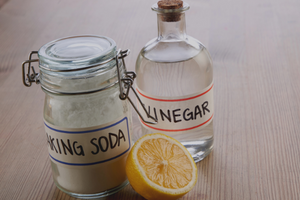

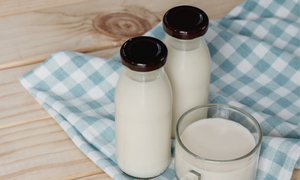
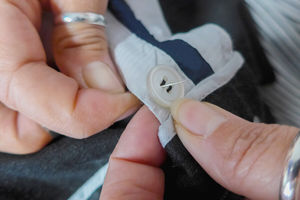


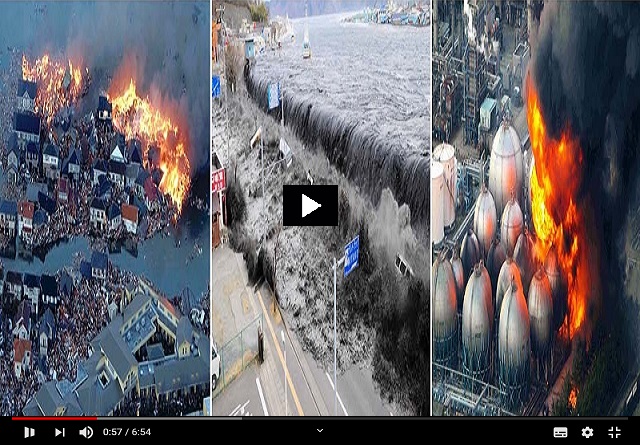


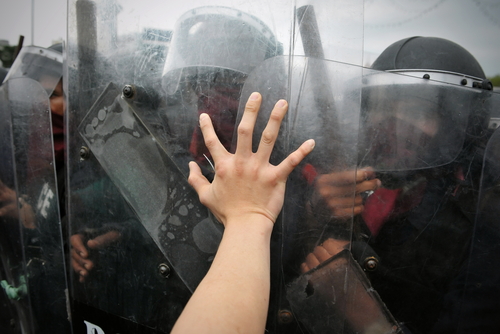

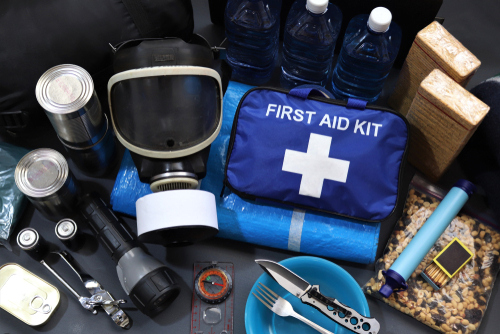
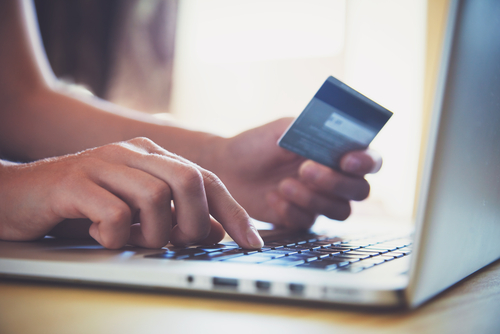
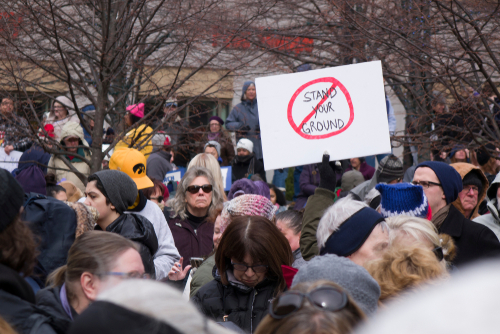
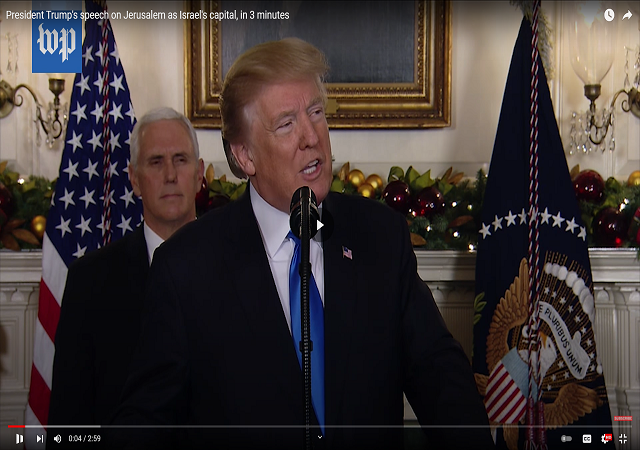



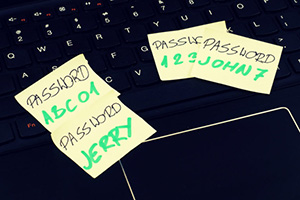
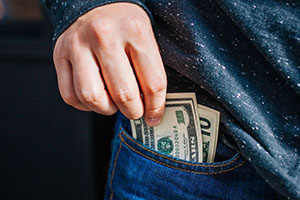



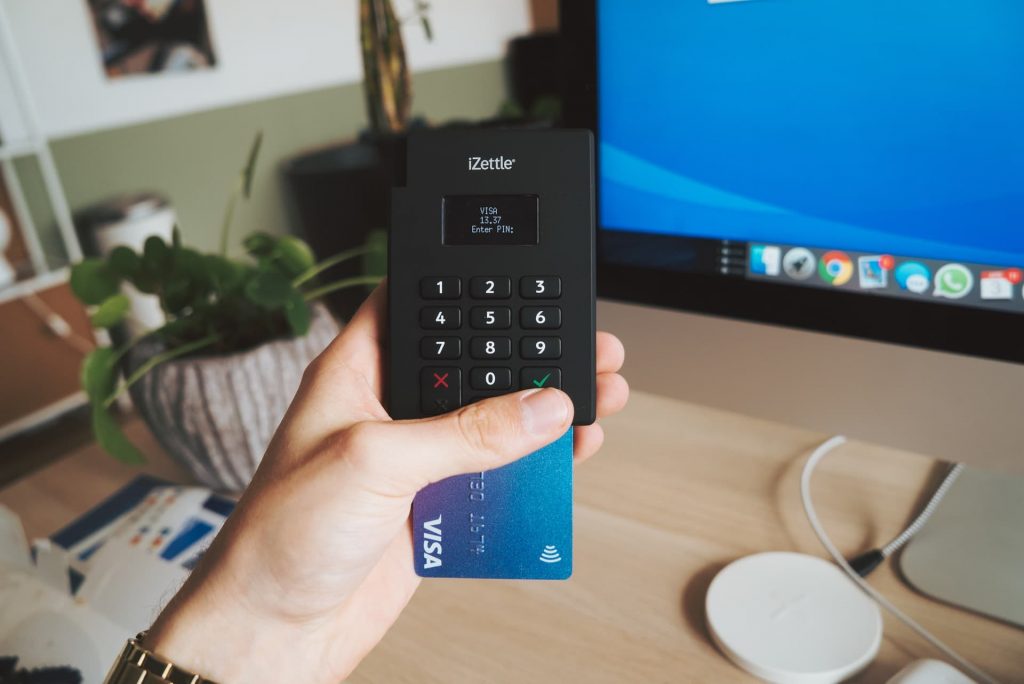
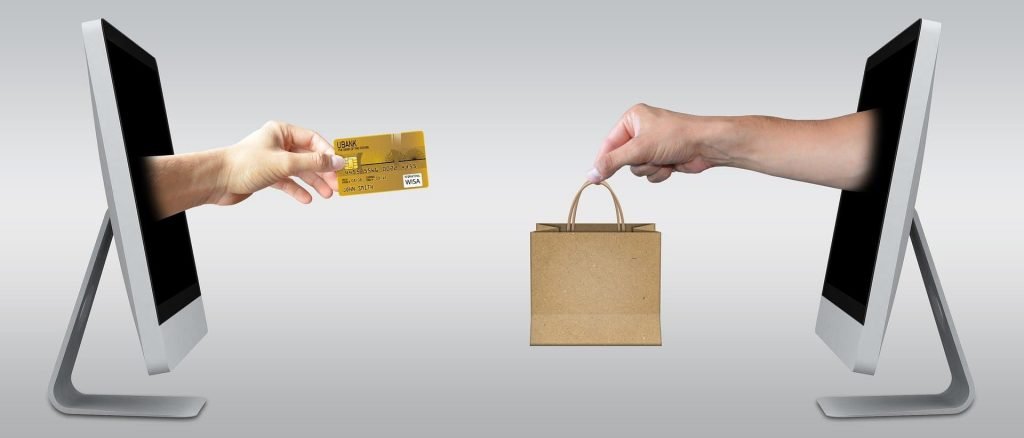

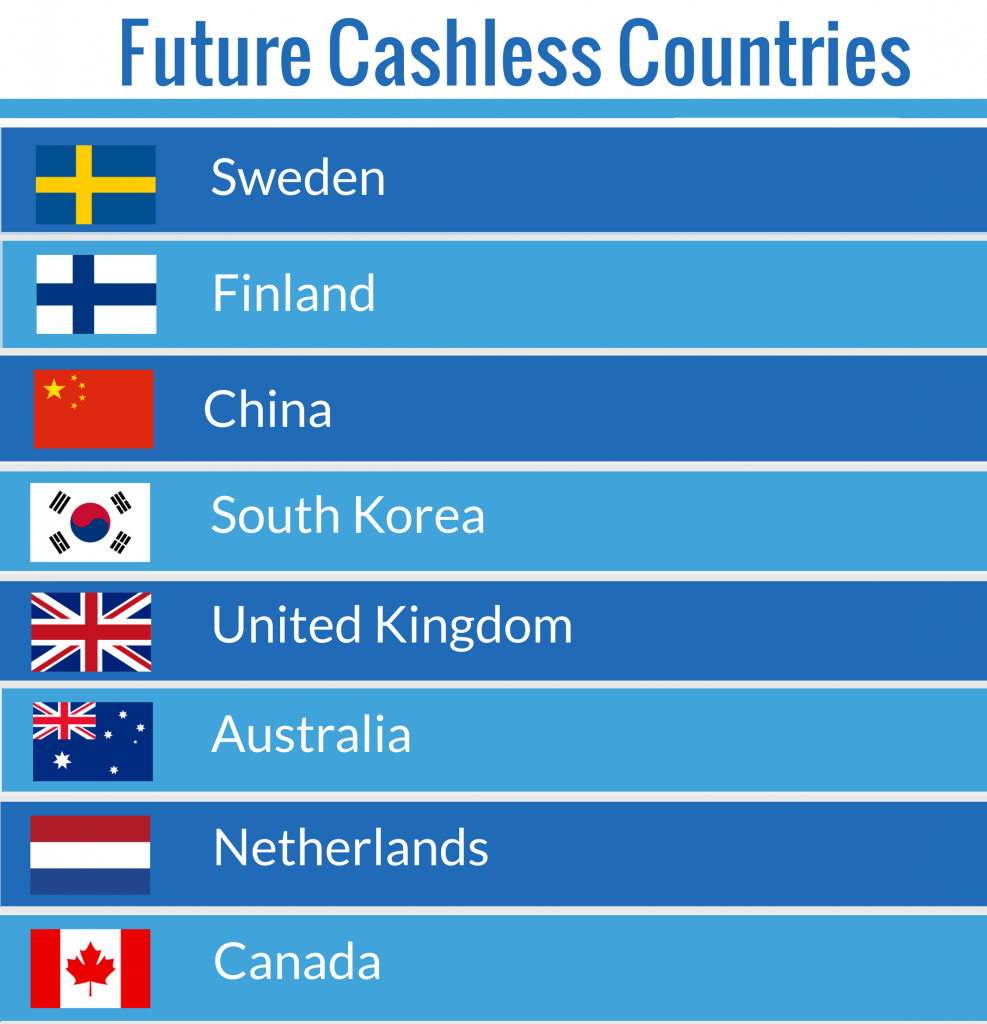
 Preppgroup