Famed French Microbiologist Louis Pasteur once said that “fortune favors the prepared mind”. When the topic of the apocalypse comes up, this quote definitely holds water. If you’re truly wise, you’ll endeavor to build self-sufficient homes, stock up on necessary supplies, and research on potential scenarios to find out what else you may need | 404. One of these scenarios often touches the topic of economics and finances. A common enough question that comes up for a lot of preppers is, what value will money hold when the world, as you know it, comes to an end?
The Present Value of Money
The value of the money or currency that you carry largely affects what you can purchase like groceries or gas. It affects what sort of preparations you can do to your homestead as well. In the world’s present state, money is both goods and a method of exchange that is heavily determined by economic demand. This economical demand is greatly determined by society as a whole on what we deem is valuable like goods and services. The money will only retain its value as long as we collectively decide it is worth what we get for it.
So as of present-day standards, society puts a lot of stock in things that have a high monetary value like oil, valuable currencies (Kuwait Dinar and Bahraini Dinar), and even intangible things like intellectual property and patents. It’s not surprising that the idea that a single moment would render all of these irrelevant terrifies the masses. If you want to prepare for doomsday scenario being able to discern the difference between what’s valuable now and what’s valuable in an SHTF event is crucial.
After a Collapse
In an SHTF scenario, the value of tradable forms like coins, paper, gold, and others will suddenly come into question. Everyone who’s ever laid eyes on a movie like Mad Max or Waterworld will know that everyday things that a taken for granted end up the most valuable. When people are scrambling to grab whatever supplies they can get, no one really stops to think about the current exchange rate, how much they’ve got stowed away in banks | 410, or even the value of any stocks they’ve invested. An end of the world scenario flips the switch on what people will consider valuable and what is acceptable currency.
People who make it a point to review and practice end game scenarios should have a good idea of what things go first. After a collapse of polite society, there are certain items that will disappear in the blink of an eye like bottled water, cooking oil, charcoal, and even the contents of the frozen meat section in groceries. It is during this chaotic time that people tend to panic and grab the things that they think will help them survive.
The New Currency
65.5% of Americans have begun to stockpile what they think they need in the event of a natural or political collapse. If you are one of them, the earlier you realize that money can become completely useless the better. It is generally understood that those who do not have their own supplies will have to consider a trade or barter to obtain goods. So what exactly do you use to trade?
Popular belief would put stock in things that people take for granted like spices, sugar, salt, and even tissue paper. Entertainment will remain to be in demand so things like books, paper, pencils, and even crayons increases in value. Necessities like shoes, gas, and clean water will heighten in value as these can be difficult to come by in an emergency situation. It also stands to reason that certain items that are considered vices, like alcohol or cigarettes, will be highly valuable as well. Other basic things that will skyrocket in value will be candles, sewing kits, socks, and blankets. Things can help build fires like matches and lighters can be viable options for currency–especially if you are able to start fires naturally because of your survival skills.
Items like lumber will be an effective bartering tool as it will be used for staying warm, cooking, and even building shelter. An end of the world scenario will still see certain things maintain their value like livestock. These will continue to be tradable goods–especially ones which breed quickly and are edible like rabbits. The basics are generally considered the best forms of new currency after the endgame event. Methods and items to protect yourself with will also be extremely valuable when the time comes. While guns and ammo are good forms of currency, they’re not exactly something you’ll want to trade. Always remember that while you’re thinking of new forms of currency, there are certain things that should never be let go.
Things you Shouldn’t Treat as Currency
While there is a drive up of things that can be considered new currency, there will be things that are much too important to trade or be used as currency. Things like medicine should be guarded well. In the end days, there is no telling if more pharmaceutical drugs will be produced. Items that can help you obtain intelligence on the developing situation like radios should not be up for trade or sale. Your source of food and clean water should be guarded because your life will quite literally depend on it. When you’re assessing what are non-negotiable and which are acceptable forms of currency, it will all boil down to what you can feasibly survive without. If trading a few pounds of salt or certain pieces of livestock will not affect your survival as a whole, only then will it be considered good forms of currency on your end.
In preparation for the end times, it is important to note that economics will continue to play an integral part in society. When you have what you need, this saves you from being in the position of bartering something truly precious in exchange for basic necessities. Continuously re-evaluating the supposed value of money is always good practice when you want to shore up your survival in difficult times.
I want to present you one of the most interesting sites, where you will see new articles daily! www.321gold.com
For years, I lived with a weight in my chest that I couldn’t quite name. It was an innate feeling—a frequency—that the structures we rely on in the U.S. were far more fragile than we were told. When I first started prepping, I didn’t have a spreadsheet or a real strategy. I was moving on pure instinct.
Because I was acting before the “proof” was on the evening news, people thought I was overreacting. Some even used the “C” word—crazy. Looking back, I realize I wasted a lot of time, energy, and money on the wrong things because I was reactive rather than strategic. But I’ve learned that most people won’t see the failure until it hits their own kitchen table. By then, the window for calm preparation has already slammed shut.
You might hear people talking about a “K-shaped” economy. Think of the letter “K” and the way its two arms point in opposite directions.
The top arm: Wealthy families and big tech companies are doing great. On paper, the stock market looks “fine.”
The bottom arm: The average American family is struggling with record-high debt and the rising cost of essentials like groceries and rent.
When you see “growth” in the headlines but feel the squeeze at the register, you aren’t imagining things. The system is splitting, and the foundation most of us stand on is thinning out.
The “Glitches” are Getting Louder
We are also seeing a rise in “systemic glitches.” Take the Amazon (AWS) server outages that have become more frequent. When those servers go down, it doesn’t just stop people from ordering packages. It paralyzes entire industries—banks can’t process payments, hospital systems lag, and even “smart” home security stops working.
We are becoming way too comfortable with “technical difficulties.” These aren’t just one-off accidents; they are signs that our digital infrastructure is overloaded and vulnerable.
The AI Shift and the Job Market
At the same time, Artificial Intelligence (AI) is rapidly changing the job market. While we have a shortage of people in physical trades—like plumbers and nurses—the “office” world is being turned upside down. AI is already replacing roles in data entry, research, and basic accounting. This leaves hard-working people wondering where they fit in a world that is automating their paychecks away.
Summary: What This Means For You
If you feel like something is wrong, you aren’t “crazy”—you’re just picking up on the signals before the noise becomes a roar.
The Safety Net is Thinning: You cannot rely on “the system” to be your only backup.
Knowledge is Your Best Asset: Understanding these signs now gives you the “lead time” to prepare without panic.
Confidence is the Goal: Prepping isn’t about hiding; it’s about having the supplies and the plan so you can keep “creating magic” even when things get rocky.
From Intuition to Action
The feeling you have in your gut isn’t a glitch—it’s your early warning system. For too long, we’ve been conditioned to ignore our instincts and wait for an official announcement before we take action. But by the time the “official” word comes down, the shelves are usually empty and the prices have already spiked.
I’ve been where you are. I spent years feeling like I was “overreacting” while watching the foundation of our society shift. I learned the hard way that prepping without a plan leads to wasted resources and unnecessary stress. But I also learned that the moment you take that first step toward self-sufficiency, the fear starts to fade.
You don’t need to have every answer today. You just need to stop ignoring the signals. By shifting your mindset from “victim of circumstance” to “strategic protector,” you reclaim your peace of mind. We are living through a period of massive transition, but you don’t have to go through it empty-handed. Let’s get serious, get organized, and build the confidence you need to handle whatever comes next.
Fears have been raised that the crisis in Ukraine might escalate into a nuclear war due to Moscow’s recent revival of Vladimir Putin’s nuclear threats against the West. Sources claim that a key ally of the Russian president boasted that the West would not intervene even if Russia used a nuclear weapon in Ukraine, claiming that this is because political leaders on the other side of the ocean and in Europe are not going to perish in the event of a nuclear apocalypse. Let’s find out about the countries that survive nuclear war.
When it comes to global disasters, few things are more terrifying than the prospect of nuclear war. The devastation wrought by even a single atomic bomb is unparalleled, and the thought of an all-out nuclear conflict is enough to send anyone running for cover.
Fortunately, there are still some places on Earth that would be relatively safe in the event of a nuclear war. These countries have either developed extensive anti-nuclear capabilities or are geographically isolated enough that they would be unlikely targets for a nuclear strike.
So, what is the safest country in case of nuclear war? Here are top 20 candidates for surviving a nuclear war.
1. Iceland
Iceland is a small island country located in the North Atlantic Ocean. It has a population of just over 300,000 people and an area of 103,000 square kilometers. Iceland is one of the safest countries in case of nuclear war due to its isolation, lack of military, and geothermal energy.
Because Iceland is isolated from the rest of the world by the North Atlantic Ocean, it would be very difficult for a nuclear missile to reach Iceland without being detected first. Even if a nuclear missile did manage to reach Iceland, there wouldn’t be much damage because of the small population and size of the country.
Iceland doesn’t have a standing army or any other military force. This means that there would be no one to target with a nuclear weapon. The only people who would be at risk are those working in vital infrastructure such as power plants or airports. However, even these workers could take shelter underground where they would be safe from radiation exposure.
Finally, Iceland generates all of its electricity from geothermal sources. This means that even if the entire electrical grid went down, Iceland would still have power thanks to its natural hot springs.
Before we continue with this list, ask yourself – are YOU prepared for the worst? If moving to a safer country is not an option, consider a proven solution that will keep you alive and safe. Vivos Shelters are a global initiative that builds underground bunkers suitable for both small and large groups of people. These are not the simplistic and unreliable bomb shelters from the 1950s! Vivos Shelters are a known authority in constructing, outfitting, and stocking long-lasting underground shelters and cities, which are humanity’s last hope against the dangerous future.
2. Canada
Canada is definitely one of the leading candidates to survive a nuclear war. First and foremost, Canada has a very strong military alliance with the United States through NORAD. In fact, the two countries have such a close relationship that they often coordinate their military exercises. This means that if one country were to be attacked by a nuclear weapon, the other would most likely come to its aid.
Furthermore, Canada has a large landmass and population spread out over a wide area. This makes it less likely that a single nuclear strike could wipe out the entire country. Additionally, many parts of Canada are relatively remote and sparsely populated, which would also help reduce casualties in the event of an attack.
It’s also worth noting that Canada has some experience dealing with nuclear accidents, but thanks to quick action by authorities and military forces, there were no deaths or long-term health effects reported in Canada as a result. This shows that even in the worst-case scenario, Canadian officials would be able to effectively deal with a nuclear crisis.
3. Australia
Australia is often cited as a top candidate for the safest country in case of nuclear war. And it’s no wonder why – Australia is a vast, empty continent with few major population centers. It would be very difficult for an enemy to target all of Australia in a nuclear attack, and even if they did, the sparse population means that there would be relatively few casualties.
In addition, Australia has a strong military alliance with the United States, which would provide additional protection in a time of a nuclear war. The U.S. has a large arsenal of nuclear weapons, and it is unlikely that any adversary would risk attacking Australia knowing that they would face such a formidable opponent.
As a nation, Australia also has a lot of resilience and experience in recuperating from a nation-wide disaster, such as the infamous bushfires. All in all, this strong country can face and overcome even a nuclear warfare.
4. New Zealand
New Zealand is often thought of as a peaceful and idyllic country, far removed from the troubles of the world. But did you know that it’s also one of the leading countries that can survive a nuclear war, according to a new study?
The research, conducted by the University of Southampton and published in the journal Nature Communications, looked at which countries would be most likely to survive a nuclear bomb.
New Zealand ranked highly due to its distance from major nuclear targets, its small population, and its lack of military infrastructure.
“The likelihood of New Zealand being caught up in a large-scale nuclear conflict is extremely low,” said lead author Alex Wellerstein.
If you want to learn more about Australia and New Zealand, especially their geographical isolation from the rest of humanity, watch the following video:
5. Norway
Norway is one of the safest European countries when it comes to nuclear war. In fact, Norway was ranked in 2021 by the Global Peace Index as the 14th most peaceful country in the world.
There are a number of reasons why Norway is such a safe place to be during a nuclear war. First, Norway has a very small population compared to other countries. This means that there would be fewer people affected if there were a nuclear attack on Norwegian soil.
Second, Norway is geographically isolated from other countries, to some degree. This isolation makes it less likely that Norway would be caught up in a regional conflict that could lead to nuclear war.
Finally, Norway is a member of NATO and has close ties to the United States. These relationships help to ensure that Norway would have access to military support, if it happens to be attacked.
6. Sweden
Sweden is often thought of as a peaceful country. For instance, its homicide rate is the third lowest in the world. But Sweden isn’t just a safe place to live – it’s also one of the safest countries on this list.
That’s because Sweden has a strong policy of neutrality and non-alignment, meaning that it doesn’t take sides in international conflicts or belong to any military alliances. This makes it less likely that Sweden would be drawn into a nuclear conflict.
But Sweden isn’t just relying on luck – it also has a well-developed civil defense system. In case of an attack, Swedish citizens are advised to go indoors and stay there until the “all clear” is given. The government has also stockpiled food and supplies and built underground shelters where people can seek refuge.
Sweden also has a large landmass with very low population density, meaning there wouldn’t be as many targets for enemy missiles. Additionally, Sweden has a strong economy and well-developed infrastructure.
So, if you’re looking for a safe place to ride out a nuclear war, Sweden is definitely worth considering.
7. Finland
Let’s be honest, when it comes to nuclear war, there is no such thing as a 100% safe country. But some countries are safer than others, and Finland is one of them. Here’s why:
Finland is geographically isolated from the rest of Europe.
Finland has a small population and a large land area, so there would be fewer people affected by a nuclear attack.
Finland has a strong civil defense system that includes shelters and evacuation plans.
Finnish law requires that all buildings be designed and built to withstand an explosion equivalent to a 20-kiloton nuclear bomb (about the size of the atomic bomb dropped on Hiroshima).
The Finnish government has stockpiled emergency food, water, and medicine.
Finns are generally prepared for emergencies and have a “can do” attitude when it comes to dealing with difficult situations.
8. Cambodia
Cambodia has been through a lot in recent history. From the Vietnam War to the Khmer Rouge regime, the country has seen its share of conflict. But today, Cambodia is at peace, and it’s one of the most secure countries on the planet.
That’s why, when we were looking for the safest countries, Cambodia was on our list. Here are some of the factors in its favor:
There are no nuclear weapons in Cambodia.
The country is not involved in any international conflicts.
Cambodians are some of the most hospitable people in the world. You’d be welcomed with open arms if you sought refuge here during a time of crisis.
The countryside is beautiful and there would be plenty of food and water to go around if you had to live off the land here.
9. Thailand
If you’re looking for a safe place to be in case of nuclear war, Thailand is definitely one of the contenders. Here are some of the reasons:
It’s geographically isolated from potential adversaries. Thailand is located in Southeast Asia, far away from any potential nuclear targets. Additionally, the country is surrounded by several large bodies of water, which would help protect it from radiation in the event of a nuclear explosion
Bangkok, Thailand’s capital city, is home to some of the best hospitals in Southeast Asia. These facilities would be critical in treating those who are injured or sickened by radiation exposure following a nuclear attack.
Thai forces are well-trained and equipped and would be able to defend the country effectively.
The Thai government has close ties with the United States, which would provide protection and assistance if an attack takes place.
Thailand has a robust economy and infrastructure, so it would be able to recover quickly after an attack. Despite being hit hard by the global recession, Thailand’s economy has been slowly recovering thanks to strong exports and tourism growth. This economic stability would help fund reconstruction efforts after a nuclear attack and provide jobs for those left unemployed by the disaster.
10. Greenland (Denmark)
Greenland is the world’s largest island, located in the Arctic Ocean between Canada and Iceland. Greenland is an autonomous Danish territory with a population of approximately 57,000 people. Although it is sparsely populated, Greenland has a rich cultural heritage and its own language, Inuit.
Greenland’s location means that it would be out of range of most nuclear missiles. Even if another country did manage to launch a missile at Greenland, the vast majority of the island is covered by ice sheet, meaning that there would likely be little damage done.
In addition to its geographical isolation, Greenland also has very few military targets. There are no large cities or industrial facilities on the island, making it less attractive as a target for nuclear attack. And even if Greenland were targeted, the small population size means that there would be fewer casualties than in other countries.
11. Maldives
Maldives is an archipelago of 26 atolls, with over 1,000 individual islands. The Maldives are located in the Indian Ocean south of India and Sri Lanka.
Maldives is often hailed as one of the best locations in case of an apocalyptic event. The reason is not surprising: this small island nation is in the middle of the Ocean, far away from any potential targets. Plus, with an average elevation of just 1.5 meters above sea level, the Maldives would be virtually unaffected by a nuclear blast.
But what makes the Maldives even more appealing as a safe haven is its political stability. Unlike many other countries in the world, there has never been a military coup or civil war in Maldives history. This makes it one of the most peaceful countries on earth – and an ideal place to survive a nuclear war.
12. Fiji
Fiji is often thought of as a paradise on Earth. With its crystal-clear waters, pristine beaches, and lush tropical forests, Fiji is a true natural gem. But what many people don’t realize is that Fiji is also among the most secure nations in the world, in the event of a nuclear war.
Here are some reasons why Fiji would be the perfect place to weather a nuclear apocalypse:
It’s isolated from the rest of the world. Fiji is located in the middle of the Pacific Ocean, far away from any major landmasses. This isolation means that it would be less likely to be targeted in a nuclear attack.
There are no large cities or important targets on Fiji. Since there are no large cities or important military or political targets on Fiji, it’s unlikely that the country would be bombed in a nuclear war.
The terrain is largely uninhabitable. Most of Fiji consists of mountains, jungles, and reefs, making it unsuitable for large-scale human habitation. This lack of population density would make it easier to avoid fallout from a nearby nuclear explosion.
There are few roads and infrastructure. This makes sense when you consider that much of the terrain isn’t suitable for human settlement (see point 3). Fewer roads mean fewer targets for bombers.
The government has made preparations for emergencies like this. In 1982, the Fijian government established an Emergency Operations Centre in Nadi which coordinates disaster response efforts for all types of emergencies, including nuclear disasters.
There are plenty of caves and underground tunnels. These could provide shelter from nuclear radiation.
13. Tonga
Tonga is a Polynesian island nation, which is located in the middle of the Pacific Ocean, far from any potential targets. It’s also surrounded by some of the deepest waters on Earth, which would help protect it from radiation. While these reasons are similar to many other island nations, here are some which are specific to Tonga.
There is a low likelihood of an attack. Tonga is not involved in any major conflicts and does not have any enemies that would be likely to launch a nuclear attack. Additionally, Tonga has signed treaties committing them to peaceful resolutions of disputes and renouncing the use of force.
The damage from a nuclear attack would be limited. Even if Tonga was attacked by a nuclear weapon, the damage would be relatively limited due to its small size and lack of population density. There wouldn’t be many targets for a bomber or missile, and most people could find shelter quickly enough to avoid serious injury or death.
The country has a good chance of recovering from an attack. Given Tonga’s small size and limited infrastructure, it would probably take less time and effort to rebuild after a nuclear attack than it would for larger countries with more complex systems.
14. South Korea
South Korea is often cited as one of the top countries to live in. But can be it safe enough during a nuclear warfare? After all, it shares a border with an extremely hostile neighbor, North Korea, who is known for its nuclear threats.
Let’s have a look at what South Korea has to offer in terms of nuclear safety.
Strong economy: South Korea has the 10th largest economy in the world, and is projected to be the 7th largest by 2030. It’s also home to some of the most successful companies in the world, including Samsung, Hyundai, and LG.
Robust military: South Korea has one of the strongest militaries in Asia, with over 630,000 active personnel. The country also spends a significant amount on defense – nearly $50 billion per year.
Proximity to North Korea: Strangely enough, this can actually make South Korea a safe country. Unless North Korea wishes to destroy itself as well, they will hesitate to detonate a nuclear bomb only a few dozen kilometers from their own border.
15. Nepal
Nepal is often considered as one of the most protected Asian countries. This might be unexpected, given its location between two giant nuclear powers, India and China. But just like in the case of South Korea/North Korea, none of Nepal’s neighbors would want to drop a bomb on their own doorstep.
Besides its geographical advantages, Nepal is also home to some of the world’s tallest mountains, which would provide natural protection from any radiation or fallout. You can say it’s perfectly isolated, like an island nation, even though it’s completely land-locked.
The country is also largely rural, with a small population density, meaning there would be less chance of widespread contamination.
16. Bhutan
If you’re looking for a safe place to ride out a nuclear war, Bhutan just might be the perfect choice. Like Nepal, this Himalayan kingdom is nestled between India and China, two of the world’s most populous countries and two of the world’s nuclear powers. But Bhutan has its own unique history and culture, and it’s been able to stay largely isolated from the rest of the world.
In fact, Bhutan only started allowing tourists in 1974, and even now tourism is tightly regulated. That means there are few foreigners in Bhutan, which could make it easier to blend in if things get hairy. And with almost 70% of the country covered in forested mountains, Bhutan offers plenty of places to hide out.
Of course, no place is completely safe from a nuclear attack. But as far as potential targets go, Bhutan is about as low on the list as you can get. So if you’re looking for a place to hunker down during World War III, this remote kingdom might just be your best bet.
17. Sri Lanka
Sri Lanka is an island nation located in the Indian Ocean, off the southeastern coast of India. The country has a long history dating back over 2,000 years and is home to a rich culture and diverse landscape. Sri Lanka is a popular tourist destination, known for its beautiful beaches, lush jungles, and ancient ruins.
So why is Sri Lanka so safe? For starters, the island nation is far from any potential targets for a nuclear attack. Additionally, Sri Lanka has a small population (just over 20 million) and limited infrastructure, which would make it difficult for an attacker to cause widespread damage. Finally, the government has strict controls on access to weapons and explosives, making it unlikely that terrorists or other groups could get their hands on nuclear materials.
18. Japan
There are a lot of reasons why Japan is often cited as one of the top candidates for the safest country during a nuclear conflict, despite its past. For starters, Japan is one of the few countries in the world with a no-first-use policy when it comes to nuclear weapons. This means that Japan would only use nuclear weapons if another country attacked them first with nuclear weapons.
In addition, Japan has a very strong anti-nuclear proliferation stance. They are members of both the Treaty on the Non-Proliferation of Nuclear Weapons and the Comprehensive Nuclear Test Ban Treaty. And, they have signed and ratified both treaties.
Finally, Japan has a very robust civil defense system. In fact, they even have an annual National Disaster Prevention Day where people all over the country practice evacuation drills and learn about what to do in case of various disasters, including nuclear attacks. Here is a news story about this important day:
19. Philippines
A new report, released by the Nuclear Threat Initiative (NTI), ranks the Philippines as the 20th safest country in the world out of more than 180 nations assessed.
According to NTI, the Philippines has made significant progress in reducing its nuclear risks since signing the Treaty on the Non-Proliferation of Nuclear Weapons (NPT) in 1968. The country has also ratified several international treaties and conventions related to nuclear safety and security, including the Convention on Physical Protection of Nuclear Material and the International Convention for the Suppression of Acts of Nuclear Terrorism.
“The Philippines has taken important steps to reduce its vulnerability to nuclear threats,” said NTI President Joan Rohlfing. “By ratifying key international treaties and conventions, investing in physical protection measures for nuclear facilities, and establishing a national interagency task force on radiological emergency preparedness and response, Manila is demonstrating its commitment to keeping its citizens safe from nuclear dangers.”
However, in addition to being one of the safest countries during a possible nuclear warfare, the Philippines is also one of the most disaster-prone countries in Asia. The country experiences an average of 20 typhoons each year, making it vulnerable to storms and flooding. It is also located within what is known as “the Pacific Ring of Fire,” an area prone to earthquakes and volcanic eruptions, which could magnify the effects of a nuclear blast. Despite these hazards, NTI’s report found that Philippine authorities have made considerable progress in improving disaster preparedness and response plans in recent years.
20. Antarctica
As you have seen by now, when it comes to the question of which country is the safest in case of a nuclear war, there are many different factors to consider. One important factor is the location of the country. Countries located far away from major population centers are often considered to be safer, as they are less likely to be targeted in a nuclear attack. Another important factor is the size of the country. Smaller countries are often considered to be safer, as they are less likely to be involved in a nuclear exchange.
One territory that meets both of these criteria is Antarctica. Antarctica is located at the southernmost point on Earth, and is thus very far away from any major population centers. Additionally, Antarctica is a very large continent, and would therefore be difficult for an attacker to target with a limited number of nuclear weapons. Finally, Antarctica has no permanent inhabitants, and so there would be no one living there who could be harmed by a nuclear attack.
Of course, there are also some potential drawbacks to using Antarctica as a safe haven. The most significant drawback is that Antarctica is extremely cold and inhospitable, and so it would not be possible for people to live there permanently without special equipment and training. Additionally, Antarctica is the farthest location from anywhere else in the world, and it would be extremely challenging to reach it in a limited period of time.
Further Reading
So there you have it, the top 20 candidates for the safest country in case of nuclear war. Naturally, additional countries can be safe as well, either thanks to their geographical isolation, or thanks to their peaceful politics and the ability to rebuild. Whichever country you choose, always remember to stay safe and alert, and head for the nearest bomb shelter at the first sign of trouble.
I want to present you one of the most interesting sites, where you will see new articles daily! www.321gold.com
Most people today can’t afford an extra carton of eggs or enough gas to get to work, let alone write a check to pay off their mortgage or buy a homestead. That doesn’t mean you are without options if forced from your home because of larger economic trends.
Possible Scenarios Now and in the Near Future
As you evaluate your current living situation, it is vital to understand what uncontrollable economic factors may result in you being forced to leave your home. Consider a situation where you have always met your rent, property tax, or mortgage payment obligations within reason and are in good standing. Let’s also say you have a job, retirement income, or some other reliable income, even in these times.
Is One of These Your Current Shelter Situation?
You Have a Mortgage
Because of risks estimated to be caused by climate change, many insurance companies are refusing to cover properties. If you have a mortgage, you could find yourself without coverage and unable to obtain a new policy at an affordable cost. Even if you have a fixed-rate, low-interest mortgage, there may be a significant increase in the premium cost if the bank assigns an expensive insurance carrier or forces you to carry a costly bond that impacts your escrow.
You Rent
Your landlord may have a mortgage, and the insurance carrier for the property may refuse to cover it for another term or force the building owner to carry an expensive bond. In this situation, it is possible that property buyers won’t be interested in the land because they know they can’t get affordable insurance. The end result is you and others in your building will be evicted. It may be the landlord that does it, the bank after foreclosure, or the city if the property is listed as abandoned by the previous owner.
You Own Your Home Free and Clear
Even if you own your land free and clear, towns and city planners always want to increase the tax base and promote growth. This means attracting industry and people. Suppose your land is in an area earmarked for development. In that case, there is a chance your property tax will skyrocket no matter what the initial plans say.
An influx of people can increase crime rates and require increased and improved infrastructure for orderly operation. The money for all that has to come from somewhere. In this case, that means your property tax will most likely go up.
Debt-Free Property
Even though it’s not a guarantee, the most important thing you can do is pay off your mortgage so that you control the level of insurance coverage. If you are in an urban area or see signs that there may be plans that will result in an increase in your taxes, now is the time to sell and look for a more rural place.
Where to Go: City vs. Rural
Rural areas may have fewer regulatory burdens, plus you will have land available for growing crops, raising animals, and addressing basic survival needs. In addition, during a major crisis, the cities are more likely to be targeted because more significant numbers of people can be affected with less effort.
For example, if you live in a small community surrounded by or in the mountains, it may be more difficult for military invaders or others to reach the area. In addition, the weather patterns may not shift as violently as in lower-lying or coastal regions.
Forming and Keeping Partnerships
When forming a community of this type, it is important to make sure you have a legal and binding contract that ensures you have a right to be there along with others. The contract should also clearly define how each person will work within the community and establish other guidelines. You can look at gated and prepper communities for ideas about what to consider while forming the partnership.
Once these matters are ironed out, there is a better chance to succeed and prosper as a community. There will be more people to share the workload, making the work shifts shorter and less stressful. If your community comes under attack, there are more people to defend and drive the attackers away.
Living Without a Home
Even if you don’t have money, that doesn’t mean you don’t have or can’t develop valuable skills that would help any community you discover. Family members and friends who may have more money but fewer skills may be willing to partner with you once they understand the situation’s urgency.
If you cannot find friends or family to build a community with, then now is the time to hone vital skills. Given the way tax and insurance changes alone are going, it is entirely possible you will wind up homeless. This situation is made much worse by the SCOTUS decision that makes it easier for cities to imprison people or fine them for being homeless.
In this situation, it will be your:
Usable Tangible Skills
It doesn’t matter if you have a degree or certificate in any specific area. If you have the experience and knowledge a group needs, they may be willing to give you shelter in exchange for your work in the community.
Know Where and How to Look for Shelter
One of the first things you must do is find possible places to live. As you look at rural areas, remember to check out the property lien and mortgage information to ensure you don’t wind up being forced to leave again because of large-scale economic situations beyond your control.
Right now, you can look online for rural communities and see what kind of skills each group is looking for. For example, you may find job listings or other information on sites dedicated to the community.
Focus
It can be a shock when you are thrown out of your home, even if you suspected it was coming. It is crucial to have a focus that enables you to move on to a new area from a position of being homeless.
Here are the most essential skills every community will be looking for after the crash happens:
Food Production and Processing
Building Structures
Machine Repair Skills
Electronics Repair Skills
Advanced Medical and Nursing Skills
Teaching and Child Management
Communications and Morale
Community Planning
Community Defense
Bartering and Haggling: Essential Skills When Looking for a Home
These last few years have shown many people the consequences of changes in interest rates. During an economic crash, it will be even harder to afford debt, let alone secure credit cards, loans, and other debt instruments. On the other hand, the reduced value of your money may mean you have to abandon money as a medium of exchange.
No matter whether you are forced from your home or on the verge of it, knowing how to barter and haggle is very important. It can help you secure shelter in exchange for the use of your skills and labor. You can also use it in these times to secure various supplies at places that don’t always require money.
Money vs Other Assets
It is no secret that the value of the US dollar is sinking right along with the reputation of this country. Even though USD is still fairly competitive in the international markets, the growth of alternative trade venues such as BRICS and cryptocurrency spell disaster for USD as the global standard for exchange.
Devaluation, in this case, may not come through a mind-wrenching “bank holiday.” This is already happening due to inflation and a reduction in money availability. Therefore, it is essential to figure out what to do with your money so that you have something to trade later on.
Your best option is gold. After that, any precious metal will be worth more than paper. You may also want to see if you can store small items that can be bartered in a time of need. This could be anything from small electronic devices to toilet paper. It just depends on what things will be restricted as a result of trade embargos, strikes, or other problems in the supply line.
Changing from living in an urban setting to a rural one can be a difficult experience. At first, you might not fit in, even as you try to barter for shelter and other needs. If you are successful, rural communities are often like an extended family.
It is no secret that the economy is crashing, infrastructure is failing, and we are on the verge of a world war. When combined with regulations related to climate change, it is very possible you will find yourself without a home.
If you have some money now, getting rid of your debts and pairing up with others to form a rural community is the best thing you can do. Alternatively, if you have vital skills, now is the time to start looking for a place to go in time of need. This is also the time to develop new skills that will enable you to work and fit in wherever you go.
MUST WATCH!!! These common medicines could become unavailable in 2026!!! (Full video HERE)
The Great Depression led to unprecedented levels of unemployment, widespread poverty, and a fundamental re-evaluation of the American financial system. The aftermath of this colossal economic crisis spurred significant changes in regulations and policies aimed at stabilizing the financial sector and restoring public trust. This article explores how the American financial system transformed following the Great Depression, focusing on key legislative responses and the establishment of institutions designed to safeguard against future economic turmoil. By understanding this historical context, we can better appreciate the foundational reforms that continue to influence contemporary financial regulations.
Causes of the Great Depression
The Great Depression was precipitated by a myriad of factors that intertwined across various sectors of the economy. One of the foremost contributors was the stock market crash of October 1929, which acted as a tipping point. Prior to the crash, the 1920s had been marked by excesses in speculation and an unregulated financial environment. Investors, driven by the belief that stock prices would continue to soar indefinitely, engaged in margin trading, buying shares on credit, and inflating the stock market bubble.
When the bubble finally burst, millions of investors lost their savings overnight, leading to panic and a mass sell-off of stocks. The resulting crash wiped trillions from the stock market and devastated public confidence. Banks, heavily invested in the stock market and also involved in real estate loans, began to fail. As the public rushed to withdraw their deposits, many banks could not meet the demand, leading to further financial instability.
The interconnectivity of financial institutions also played a significant role in exacerbating the crisis. Many banks did not have the proper regulations in place to safeguard against the excessive risk they were taking on with speculative investments. The resulting wave of bank failures meant that individuals lost their savings and, as a consequence, consumer spending plummeted, further deepening the economic downturn.
The agricultural sector also suffered greatly during this time. Overproduction in the 1920s led to falling prices for crops, and when the Dust Bowl hit, many farmers were unable to sustain themselves or pay off their debts, leading to widespread foreclosures and further economic contractions. As unemployment rates soared, reaching around 25% at the height of the Great Depression, governments worldwide struggled to respond effectively to the crisis.
Internationally, the situation was compounded by protectionist policies such as the Smoot-Hawley Tariff, enacted in 1930, which raised tariffs on imported goods, leading to retaliatory tariffs from other countries and a steep decline in global trade. This international dimension illustrated how interconnected the global economy had become, yet how fragile it was in the face of overwhelming economic distress.
In conclusion, the complexities of the Great Depression’s causes illustrate a combination of reckless financial speculation, a lack of regulatory oversight, agricultural decline, and poor international economic policies. These foundational issues set the stage for the subsequent transformations in the American financial system, as the lessons learned forced lawmakers and financial leaders to reevaluate and implement critical reforms to prevent a similar catastrophe in the future.
Key Legislation and Reforms
Legislative changes following the Great Depression were pivotal in restructuring the American financial system. Several key pieces of legislation were enacted in response to the crisis, most notably the Banking Act of 1933, which established the Federal Deposit Insurance Corporation (FDIC) and implemented measures to restore trust in the banking system. This legislation aimed to protect depositors by insuring deposits up to a certain limit, which helped to quell the panic that had led to bank runs.
Furthermore, the Glass-Steagall Act separated commercial banks from investment banks, effectively preventing the conflicts of interest that had contributed to the financial crisis. This separation was crucial in stabilizing the banking sector, ensuring that commercial banks focused on traditional banking activities while investment banks could engage in riskier ventures without compromising the safety of public deposits.
The Securities Act of 1933 and the Securities Exchange Act of 1934 were enacted to regulate the stock market, requiring transparency and accountability from companies issuing public securities. These laws mandated disclosure of financial information to protect investors and prevent fraudulent practices, significantly altering the operational landscape of the American financial markets.
Establishment of the Federal Deposit Insurance Corporation (FDIC)
The establishment of the FDIC in 1933 marked a significant turning point in the American financial system. With the backdrop of widespread bank failures during the Great Depression, the FDIC was created as part of the Banking Act of 1933 to restore public confidence in the banking sector. The primary objective of the FDIC is to provide deposit insurance to depositors, guaranteeing their deposits up to a certain amount, currently set at $250,000 per depositor, per insured bank.
The creation of the FDIC helped to prevent the kind of bank runs that had plagued the economy in the early 1930s. Knowing that their deposits were insured, individuals were less likely to panic and withdraw their savings, which in turn stabilized the banking system. Initially, the FDIC was funded through premiums paid by banks, creating an incentive for banks to operate safely and soundly.
In addition to providing deposit insurance, the FDIC played an essential role in overseeing financial institutions and ensuring their stability. It conducted regular examinations of member banks, assessing their solvency and compliance with regulations. This oversight was crucial in preventing risky practices that had contributed to the financial collapse.
Moreover, the FDIC has adapted over the years to respond to changes in the financial landscape. It has evolved its insurance policies and regulatory framework to address challenges posed by new financial products and technologies. The organization has also played an integral role in crisis situations, providing stability during banking panics and financial crises, including the recent 2008 financial crisis.
In essence, the FDIC has become a cornerstone of the American financial system, fostering trust and stability. By protecting depositors and ensuring the safety of the financial system, the FDIC has contributed to a more resilient economy that can better withstand economic shocks and crises.
The Role of the Securities and Exchange Commission (SEC)
The Securities and Exchange Commission (SEC), established in 1934, emerged as a crucial regulatory body in the wake of the Great Depression. Its formation was a direct response to the rampant speculation and fraudulent practices that had led to the stock market crash of 1929 and the subsequent financial turmoil. The SEC’s primary mission is to protect investors, maintain fair and efficient markets, and facilitate capital formation.
One of the SEC’s key functions is to oversee and enforce securities laws governing the issuance and trading of stocks and bonds. It requires public companies to provide accurate and timely financial disclosures, ensuring that investors have access to the information necessary to make informed decisions. This accountability has been vital in restoring investor confidence in the financial markets and preventing fraudulent schemes.
The SEC also plays a significant role in regulating brokerage firms and exchanges, setting standards for their conduct and operations. By promoting transparency and accountability, the SEC seeks to deter misconduct and ensure that the financial markets operate fairly. It investigates potential violations of securities laws, pursuing enforcement actions against companies and individuals who engage in fraudulent practices.
Through its regulatory framework, the SEC has also adjusted to the evolving landscape of financial markets, particularly with the rise of technology and online trading. It has implemented new rules and regulations to address the unique challenges posed by algorithmic trading, cryptocurrency investments, and other innovations in the financial sector. The SEC continues to advocate for the protection of retail investors, particularly those who may be more vulnerable to market manipulation and misinformation.
In conclusion, the SEC has played a fundamental role in shaping the modern financial landscape. Its regulatory oversight protects investors and promotes fair market practices, fostering trust in the financial system. As the financial markets continue to evolve, the SEC’s adaptability will remain essential to preventing abuses and ensuring a stable economic environment.
Long-term Impacts on Modern Financial Regulations
The long-term impacts of the reforms instituted post-Great Depression have had profound implications for modern financial regulations. The reforms laid the groundwork for regulatory frameworks that not only aimed to stabilize the banking and financial sectors but also shaped the relationships between financial institutions, investors, and the government.
One of the most notable changes was the establishment of comprehensive oversight mechanisms that ensure financial institutions adhere to ethical and operational standards. The lessons learned from the Great Depression have instilled a culture of accountability and prudence within the financial industry, with regulations evolving to address emerging threats and complexities.
The Glass-Steagall Act, which separated commercial and investment banking, remained in place for several decades, significantly influencing the operations of financial institutions. However, its eventual repeal in 1999 led to a re-convergence of these sectors, a factor that has been critically examined in light of the 2008 financial crisis. This resurgence of integrated financial practices has spurred renewed discussions about the need for regulatory safeguards that can mitigate systemic risks.
Moreover, the implementation of the Dodd-Frank Wall Street Reform and Consumer Protection Act in 2010 further exemplifies the ongoing evolution of financial regulation in response to past crises. Dodd-Frank introduced measures designed to prevent excessive risk-taking by financial institutions, improve consumer protections, and promote financial stability.
In addition, the integration of technology in finance has prompted regulators to reconsider existing frameworks. The rise of fintech companies, cryptocurrency, and digital assets represents a significant shift that regulators must navigate to protect investors while fostering innovation. As a result, modern financial regulations continue to evolve, aiming to balance the need for oversight with the benefits of technological advancements.
In summary, the long-term impacts of the reforms inspired by the Great Depression continue to shape the landscape of the American financial system. The imperative to safeguard against catastrophic financial failures has become a cornerstone of regulatory practice, with ongoing adaptation ensuring the resilience and integrity of the financial sector.
Conclusion
In conclusion, the American financial system underwent a monumental transformation following the Great Depression, driven by a series of legislative reforms and the establishment of regulatory institutions designed to protect consumers and restore public confidence. The history of this period emphasizes the importance of a regulated financial environment to safeguard against the risks associated with unbridled speculation and financial malpractice. The establishment of the FDIC and the SEC illustrates a commitment to transparency, accountability, and stability, principles that continue to resonate in modern financial practices. As we look to the future, the lessons learned from the Great Depression remain vital, guiding ongoing efforts to adapt financial regulations to an ever-evolving economic landscape.
MUST WATCH!!! These common medicines could become unavailable in 2026!!! (Full video HERE)
Back in 1949 the world was still recovering from World War II. The Korean War wouldn’t start for another year, but George Orwell was already focused on the dangers of communism and the totalitarianist government it builds. World War II was started by totalitarian governments; but worse than that was how such governments treat the citizens living under their control.
In his book 1984, the government, encapsulated in the persona of “Big Brother,” knew everything about everyone; where they were, what they were doing and even what they were thinking much of the time. This was used to keep control of people to an extreme that even the now defunct Soviet Union couldn’t reach. Yet with modern technology, the reality of such a government could very well be forming around us and we don’t even see it happening.
As we know, the government is actively spying on every one of us. That’s the essence of Edward Snowden’s message, since he left the employ of the NSA. While that spying is intended to help prevent terrorism, we’ve seen some in government be awfully free in their use of that term. One can quickly find themselves labeled as a terrorist if the political winds blow the wrong way.
On top of the NSA, big tech is in cahoots with government in a number of ways, most especially with providing information to law enforcement officers, as they seek to solve crimes. But that same information which is being used for the good of tracking down and convicting criminals can very well be used against the rest of us. After all, any of us can become an instant felon, simply by Congress passing a law making something that has been legal, suddenly illegal.
An excellent case in point is the current push by Democrats to restrict our Second Amendment rights. Should they do that, then millions of law-abiding citizens will suddenly be faced with the option of turning in valuable firearms or hiding them from the government. Will the government hunt down those who haven’t turned in their guns, using the same tools they are currently using to track down criminals? Only time will tell.
So, what can we do to keep the government from having an idea where we are and what we are doing? To start with, we need to understand that the government has multiple means of tracking us, not just one or two. That means we’re going to have to defeat them all, if we expect to protect ourselves from electronic spying.
Here are a few places to start.
Use a Burner Phone
The easiest way for the government to track any of us is through our smartphone. We really don’t have a handle on everything that our phones are doing in the background, while we’re not looking.
Yet there’s nearly constant communication between our phones and the local cell phone tower.
It’s clear that the communications we have through our phones is readily available to the NSA and others.
You can even pay online services to do a little spying on family members, seeing their text messages, who they’ve talked to, what they’ve looked at online and where they’ve been. If you and I can do this, then you can be sure the government can do more.
Shut Off GPS Tracking
One of the most common ways our phones help the government keep track of us is through the phone’s GPS. Google and Apple keep track of our every move through that part of the phone.
If you go to Google Maps and click on your timeline in the menu, it will show you everywhere you’ve been, for the last several years.
This feature alone could put you in danger if you just happen to be in the same place that a crime was committed. While that alone wouldn’t be enough to convict you; it would be enough to make you a suspect.
And that’s just one example of how the GPs could be used against you. What if they want to track you down because it has been reported that you said something against the government; they’d have no trouble tracking you down.
Clean Out Internet Browsing Activity and Cookies
One of the big ways that companies use the internet to keep tabs on us is through our browsing history and the cookies downloaded to our computers by the various websites we visit.
A lot can be learned about who we are and what we do by looking at that. That’s why major corporations invest so much in data mining, looking for people to buy their products.
Haven’t you seen how you can look at something online, then find advertisements for the same sort of product showing up in your Facebook feed and just about any online article you read?
That information is also admissible in court as a means of defining your character. Government prosecutors could build a totally false narrative about you as a terrorist or planning mass murder, backed up by no more than the websites you have visited. Simple curiosity can and will be used against you, perhaps even in a court of law.
Get Rid of Alexa, Siri, and other Voice-recognition Assistants
One of the key elements of Orwell’s imaginary society in 1984 was that the government was tracking what everyone was doing through their television sets.
Yet today, rather than the government having to hide that capability in our TV sets, we buy devices and use them in our homes.
Those devices track everything we do, listening in on our conversations, so that they can “serve us” better.
Employees of those companies have come forth, confessing how employees at big tech companies listen in on people’s private lives.
If they’re doing it, then the government has access to it too. Remember, everything that device does goes over the internet and the NSA is tapped into that thoroughly.
Create Alternative e-Mail Accounts for Memberships
Our online identity is largely tied into our e-mail account.
Pretty much everything you sign up for, from buying dog food to looking at different sites, involves creating an account using that e-mail address. That online presence can lead government agents to look into all areas of your online existence.
The solution is to create multiple ‘personas,’ utilizing them for different things.
In order to do this, you’re going to have to provide false information at some point, as pretty much all e-mail services try to verify that you’re a real person and that you’re who you say you are.
Create Site-specific Passwords
Passwords are the bane of modern existence, with more and more websites requiring a membership and password for access. Even those that don’t are likely to require you setting up an account to buy anything.
The information attached to that account Is just one more source for the government to look at.
Most of us pick a password and use it for as much as we can. The problem with that is that once someone figures out your password, they can try it on a variety of different platforms, trying to access your account and see what you’ve been doing.
Four different products, bought from different vendors, could easily become the parts of a bomb in some investigator’s imagination.
Avoid JavaScript
JavaScript abounds throughout the internet, having been created to make it possible for web pages to be interactive.
Unfortunately, it’s full of security holes, having been created many of the more modern modes of hacking were invented. Today, breaking into JavaScript is considered small potatoes by hackers.
Keep in mind that the government employs hackers too; they’re called “white hat hackers,” and while that term was originally coined in regards to people who were trained in hacking in order to play the “red team” in online security simulations, it’s used for any hacker who does their work as part of “legitimate” business.
Of course, as far as the government is concerned, anything they do is legitimate, regardless of what the law says.
Encrypt e-Mail
We’ve already discussed how the NSA is recording and reading every bit of communications that flows across the internet. That includes your e-mail. They know if you’re making an inquiry about buying a new home, having an online affair or discussing business secrets.
According to Snowden, some of those government employees are looking over people’s shoulders, watching their lives as if it were a live soap opera.
The world’s best code breakers work for the NSA and the majority of the world’s supercomputers are housed in their facilities. So the idea that they can’t break into an encrypted e-mail is ridiculous. Nevertheless, encrypting still makes it harder, meaning that they’d have to have a pretty good reason to bother.
While not perfect, encrypting your e-mail at least protects you from casual view.
Avoid Online, Credit Card and Debit Card Purchases
Probably one of the earliest ways that law enforcement used the benefits of the internet to solve crimes is through tracking credit card use. We’ve all seen cop shows where they tracked a suspect by looking at where they were using their credit card. That’s child’s play for the government today.
Of course, the government isn’t the only one tracking our online purchases, although I don’t think that companies have the ability to get into the records of our credit and debit card usage like the government can.
Either way, it can provide the government with a lot of information that you might not want them to know. Better to use cash and keep your transactions anonymous.
If you’ve got to buy things online, then use prepaid Visa and MasterCard gift cards, not associated with any bank account you have.
You can buy these easily at the checkout in many major stores, in denominations up to $500. That makes it possible to make a lot of purchase anonymously.
Then have the item shipped to an address that can’t be readily traced to you, like a PO box that you rented using a false address.
Don’t Fill Out Profile Data
One of the easiest ways for the government, criminals, companies and just about anyone else has of getting information about any of us is through our online profiles.
Social media has encourages people to live an open life, with everything about them becoming common knowledge. But that information can become dangerous if it gets into the wrong hands.
Save that information, so that you can give it to who you want to, rather than whoever wants it.
While it might not be quite as “neighborly” in the online community, holding that information back could help protect you from the government or from criminals.
One Final Thought
Doing the things I’ve mentioned in this article are likely to have unintended consequences. That is, they’re likely to make you look suspicious to anyone investigating you.
But then, if you haven’t done anything wrong, it really doesn’t matter how suspicious they think you look. They still have to find evidence, not suspicion, in order to take any action against you.
Your ready answer to this suspicion should be that you are protecting yourself from criminals. Even government agencies recommend taking precautions for that reason, so by stating that, you’re throwing the onus back on them. If they don’t like that, it’s just too bad.
Powerful organizations and institutions are actively attempting to censor this video! We strongly encourage you to share this news with the world.
One of the oldest forms of commerce in human society is the barter system, and it was considered the norm for a majority of human existence before the advent of currency. While it is not used as our primary method of obtaining goods and services in today’s modern society it is still alive and well in small ways through smaller groups of people, small towns, and in less developed areas of the world.
For those of us living in developed areas we rely on the supply chain to get us the goods we need, and in exchange for the currency we make while working we have access to everything we need. What happens if there is a failure in that supply chain? How do people and communities ensure they have the resources they need? The answer lies in reviving the barter systems of old and working together for the benefit of not only ourselves, but the community around us.
Before we get into how the barter system can help us, let’s take a look at how our modern supply chain works, how fragile it really is, and the many events that can lead to the collapse of the system that ensures we have access to our resources.
A supply chain is defined as the network of all individuals, organizations, resources, activities, and technology involved in the creation and sale of a product. It encompasses everything from the delivery of source materials from the supplier to the manufacturer to its eventual delivery to the end user. As you can imagine, there are a lot of moving parts to make any one final product available for purchase. The steps go something like this:
Planning the inventory and manufacturing processes to ensure that supply and demand are adequately balanced.
Manufacturing or sourcing the materials needed to create the final product.
Assembling parts and testing the product.
Packaging the product for shipment or holding it in inventory until a later date.
Transporting and delivering the finished product to the distributor, retailer, or consumer.
Take any one step or resource out of this chain, and the chain breaks. Supply chains are complex and deeply rooted in the very existence of our society. The more we evolve into a society that relies on same- or next-day delivery, the more important the supply chain becomes. Unfortunately, that also makes us almost completely dependent on supply chains to function correctly.
The Fragile Nature of the Supply Chain
The problem is that our supply chain is extremely fragile. The United States has learned to run on a “just-in-time” delivery system. We see it at home with our daily Amazon deliveries, sometimes arriving the same day we order them. What some might not realize is that most big-box stores operate the same way. When you walk into a Walmart around 8 p.m. on a Tuesday night and see aisles full of pallets of assorted goods waiting to be stocked, it’s because those items were ordered the night before and are ready to go on the shelves 24 hours later.
The problem with a just-in-time system is that the smallest crack in the system can instantly start to create issues. Let’s look at that from the first point in the supply chains. Raw materials. If a farmer has a drought and can’t grow wheat, how many different products does that impact the back end of our supply chain?
Above: Empty shelves during a supply chain collapse.
Supply Chain Failures
So, what can cause a failure in the supply chain? Just about anything. Some of the more common causes in recent years are natural disasters. We’ve been seeing a lot of weather anomalies in regions not typically known for them, such as wildfires in Canada or massive flooding from hurricanes like Katrina in 2005 or Helene in 2024.
What about snowstorms producing so much snow that travel becomes impossible? Remember the storms in the early ‘90s that pummeled the East Coast? Or the “snowpocalypse” in Texas in 2022 that essentially shut down the state because they weren’t equipped to handle such weather? What about the time an Evergreen ship got stuck in the Suez Canal in March of 2021? On March 28, at least 369 ships were queuing to pass through the canal, stranding an estimated US$9.6 billion worth of trade.
Those numbers affected the global supply chain. These are some of the more extreme examples, but this trickles all the way down to the most local level. What happens if your local pharmacy doesn’t get their delivery on time because for any number of reasons like the transport truck broke down or the warehouse lost power and now you can’t get a medication that is vital to your survival?
In some situations, roads can become impassable, infrastructure can be damaged, personnel can be impacted and the supply chain quickly decays. It’s important to note that when weather impacts a specific region, it can sometimes take months or even years for things to return to normal.
What about issues with the workforce? A large union strike like we saw with the UPS drivers in 2023 or the International Longshoremen’s Association in 2024 or a global pandemic like we saw in 2020 can quickly cripple the people who keep the supply chain moving. Any adult today lived through the pandemic. That was unlike anything we’ve ever seen before, and we hope never to see again, but it can’t be ruled out.
It was the worst shock our supply chain has ever faced. The global economy essentially stopped, and our day-to-day lives changed drastically. Some aspects will never go back to the way they were before. Then there’s the possibility of cyberattacks or interference from a foreign country. Remember the ransomware attack on the Colonial Pipeline in 2021? These are just a few examples of what can cripple our supply chain and economy.
How a Barter System Could Fill the Gaps
So how do we stay ahead of these issues? What can we do to combat the vulnerabilities of a just-in-time delivery system? One answer might be to take a deeper look at a barter system. A barter system uses direct trade for goods, a practice that dates back to around 6000 BC with Mesopotamian tribes. Ancient people traded food, spices, and weapons.
In the Middle Ages, Europeans traveled across the globe to barter crafts and furs in exchange for silks and perfumes. By the time Colonial America emerged, people exchanged musket balls, deer skins, and wheat. While money eventually replaced the barter system, bartering has never truly disappeared and remains a viable system today. It may be worth revisiting more seriously.
Benefits of Barter in Times of Crisis
In the collapse of regular society and supply chains, it seems natural to revert to this tried-and-true system. Whether it’s a long-term or short-term problem, it’s in your interest to prepare for this before you need it. What do you have to offer? Skills, resources, or goods—what can you trade for the things you and your family need? Here are some ideas:
Food and Water: Trading food products for essential services. Do you grow anything? Can you produce clean, safe drinking water? Do you have a stockpile of preserved goods?
Skills and Labor: Offering skilled services (carpentry, plumbing, medical care) in exchange for tangible goods or other services.
Craftsmanship and Homemade Goods: Woodworkers, tailors, and artisans exchanging handmade items for other necessities.
Energy and Utilities: Trading energy resources like firewood, solar-powered batteries, or fuel for essential goods.
Bartering also offers flexibility in situations where currency loses its value. For example, in the Weimar Republic in post-World War I Germany, hyperinflation rendered money practically worthless, and citizens turned to barter for everyday needs.
Similarly, Venezuela’s currency collapse has prompted the use of bartering for food and medical supplies. This highlights the adaptability and sustainability of barter when money itself becomes unstable.
It is also important to consider your location. While rural areas may have more access to resources like land and firewood, urban communities might adapt differently to bartering, especially with limited space.
For example, specialized skills like repair services, urban farming, or water filtration might be highly valuable in city environments. Consider building a library of skills rather than relying solely on stockpiling physical items you might not have space to store.
Bartering isn’t just a historical relic, it’s alive and well today. In Greece, which faced a severe economic crisis in the 2010s, bartering networks popped up across the country, allowing people to exchange services like teaching or home repairs for food and clothing. Similarly, in the wake of the COVID-19 pandemic, some communities turned to online barter platforms where users exchanged goods like household items or skills such as tutoring in return for essential supplies.
As I maintain and add to my preps, I’m starting to look at things more specifically from a barter standpoint. I need to stockpile what my family needs, but also items others may find valuable. For example, I’ve invested in a still. A still can be used for a variety of purposes: making distilled beverages, essential oils, clean drinking water, and even certain medicines.
All these products can be useful to me and valuable to others for barter. I’ve also been investing in my skills. Welding, mechanics, and construction are areas that come easily to me but might be foreign to others. These skills could be valuable in a barter system.
Challenges and Risks of Bartering
Does currency have a place in a barter system? Absolutely, but it might not look the same. Currency could be made up of precious metals, similar to our first coins, or even bullets—how many .22L rounds would equal a “dollar”? Establishing value is one of the challenges of a barter system. Determining equal value between goods and services can be difficult.
Would you stitch up a leg wound for a loaf of bread? How many chickens is a running motorcycle worth? Perishability is another factor to consider, as some goods like food can spoil and may not be suitable for long-term bartering.
If you are proficient in food preservation maybe you can take tomatoes that would normally only last a few weeks and jar them, so they are shelf stable almost indefinitely. Additionally, bartering tends to work best in tight-knit or local communities where trust and mutual understanding are high.
Modern technology offers digital and modern adaptations to bartering. Peer-to-peer barter apps and digital platforms like social media groups or local online forums facilitate trade in real-time. Facebook Marketplace already serves as a place where people can network and barter. However, in a grid-down situation, these digital options may not be available.
Taking Action to Build Barter Systems Now
What steps can you take to implement a barter system in your community? First, identify your resources and skills. Encourage individuals and families to assess what they can offer. Next, set up physical or digital places where people can meet and discuss potential trades. Barter markets or swap events can foster community participation.
Establishing barter meetups now would allow your community to get used to the system and feel comfortable with the concepts. It may also be important to develop a loose set of guidelines to ensure fairness, safety, and efficiency. Doing this now, before a crisis occurs, can be hugely beneficial to you, your family, and your community. It’s always easier to have a system in place before disaster strikes than to implement it afterward.
Bartering might not be the be-all and end-all of survival strategies, but it fits into a larger strategy for self-reliance and resilience. Bartering alone may not solve all problems, so complementing it with other preparedness measures like learning how to grow food, purify water, or generate energy independently can help you become more self-reliant overall.
I’m a firm believer that a rising tide raises all ships, and while it’s important to build a strong community of like-minded and capable people, that journey starts in your own home. Making you and your family as prepared as possible is just the beginning.
The goal should be to create a network of self-reliant individuals, each with something valuable to offer. Bartering can be a key part of that larger picture of resilience, but it’s the combination of preparation, skill-building, and resource management that ultimately sustains communities when the unexpected occurs.
Final Thoughts
In the end, having a system like barter in place doesn’t just help ensure access to vital goods and services during a crisis—it fosters a sense of connection and cooperation. When the grid goes down or supply chains collapse, people will naturally turn to one another for support. Being prepared for that moment, both individually and as a community, could make all the difference.
The sooner we begin these conversations and take action, the better equipped we will be to face whatever challenges the future might hold. Whether through learning new skills, gathering valuable resources, or building trust in local networks, we have the opportunity to strengthen our communities and enhance our overall resilience, starting right now.
Quick Reference to Common Barter Goods
Stockpiling goods, the ability to grow or raise your own food, and having some basic skills can put you in a great position during any emergency situation that results in a collapse of the supply chain. Having some extra stock and the willingness to lend your skills to others can enable you to barter with others in the community and not only survive but thrive!
Here are some commonly barterable goods and services with some examples in each category. This far from an exhaustive list, but should be enough to get your wheels turning:
Canned Food: Vegetables, Meat, and Tuna Fish.
Dried Food: Rice, beans, and pasta.
Clean Water: Bottled water and filtration systems.
Baby Supplies: Diapers, clothing, and shelf stable formula.
Weather Related Gear: Raincoats, winter clothing, and umbrellas.
Building Materials: Plaster, Paint, and lumber.
Hygiene Items: Toothpaste, soap, and deodorant.
Batteries: AA, AAA, C, and D cell.
Precious Metals: Silver and gold coins.
Footwear: Sneakers, work boots, and weather specific footwear
Fresh Produce and Meat: Grow produce and Raise Livestock.
Tools: Hammers, saw blades, screw drivers, and cutting tools.
Hardware: Screws, nails, and washers.
Comfort Items: Blankets, pillows, games, books, and liquor.
Common Medication: Tylenol, Advil, cold medication, and allergy relief.
First Aid Supplies: Bandages, Sutures, disinfectants, and gauze.
Barter Skills
Automotive Repair Skills
Cooking Skills
Sewing and Tailoring
“Handyman” and Maintenance Skills
Plumbing, Construction, and Building Skills
Medical and First Aid Skills
Teaching and Education Skills
Crafting Skills
Foraging Skills
Farming and Livestock Skills
Pest animal and Wildlife Management Skills
Electronic Device Repair Skills
Home Cleaning Skills
Child Rearing and Supervision Skills
Landscaping Skills
Gunsmithing Skills
Metalworking Skills
Featured Barter Items: Ammunition and Firearms Parts
Ammunition is a vital resource that is often overlooked when it comes to bartering. Firearms give us the ability to defend our homes and loved ones, as well as allow us to put food on the table if we live in a rural area and have hunting skills. Unfortunately, they are pretty ineffective without ammunition or if common wear and tear parts deteriorate due to lack of maintenance or heavy use.
Keeping a good stock of commonly used ammunition can not only ensure you will not run out, it can also provide you a very in demand commodity that less prepared individuals will be seeking to provide them with a sense of security and a means of feeding themselves and their loved ones. Companies like Black Hills Ammunition can keep you well-stocked on high-quality handgun ammo and top of the line self defense and hunting rifle rounds.
When it comes to Firearms, parts will wear out through time and use. This is especially prevalent with one of the most commonly owned platforms, the AR. one of the primary advantages of the AR platform is the ability to easily maintain, repair, and replace nearly every part with just a few simple tools.
It is expected that parts like buffers, springs, firing pins, bolt carrier groups, charging handles, optics, and even barrels will need to be replaced with extended use. Having a good stock of high quality parts like the ones found at Bravo Company Manufacturing will keep your AR platform operating at peak performance for years, and provide you with ultra high value bartering items during an extended supply chain crisis.
Where is the best place to live in the US during and after the apocalypse?
While trying to figure out the answer, I’ve looked inside of prepping blogs to find a consensus for the criteria known to be essential for any place to survive in during the wake of such an event. That is, any event that can potentially destabilize society to the point of no return to normal any time soon. It will be important for you to have whatever supplies you need ready ahead of time before you travel to your destination. So start getting ready.
That being said, the criteria for the best area to survive in can be broken into three categories:
1. Human factors, 2. Natural factors, and 3. Economic factors
Human Factors:
Low population density (40 people per sq. mile or less)
Distance to major/minor cities (50+ miles away)
Distance to military bases (50+ miles away)
Distance to nuclear power plants (100+ miles away)
Distance to interstate highways
Low poverty rate
Low violent crime rate
Natural Factors:
Easy access to fresh water
Abundance of wild game
Low natural disaster risk
Dense forest cover
Adequate soil textures
Adequate rainfall
Low drought risk
Economic Factors:
Higher job growth
High abundance of non-renewable natural resources available for extraction (coal, oil, natural gas, metals and minerals, lumber, etc.
Higher educated citizens
Now that we know what to look for, I’ll narrow down a map of the U.S. by one category at a time using other maps I have compiled. The “Orange” counties are those disqualified, which will then become and remain dark gray when the next factor is applied. For simplicity reasons, we’ll focus on the continental U.S. But before starting I will say that the state of Hawaii is probably a fairly safe place to be considering its isolation, moderate climate, and the Polynesians have managed living there by themselves for millennia.
The first most important thing is population density or lack of it. This is common sense since you don’t wanna be around massive numbers of unprepared people when SHTF. Ideally anywhere under 40 people per square mile is best. The blue shaded counties are where to go.
Next is proximity to major and minor cities. A distance of at least 50 miles away is best.
Stay out of counties that contain Interstate highways as the most desperate people will use them traveling in search of resources.
We are now isolated from any major threats from large populations and groups of people. But, there is still the possibility of martial law being put into effect. So it’s best to keep our distance from military bases.
The last places to “watch out” from are areas with already high poverty and crime rates. When they no longer can depend on Uncle Sam for their existence, it will get ugly. Avoiding these areas may potentially eliminate our options in the Southern states but I would like to keep them open for now for climate reasons. We’ll use a 25% poverty rate limit for the south and 20% everywhere else. (The south includes WV, southern MO, and eastern half of OK and TX)
I won’t make any exception for violent crime rates. Those will be applied evenly across the board. Lighter counties are safer.
We are now looking at a map of what are probably the “safest” counties in the United States. But now that the potential for human threat is minimized, we must figure out where is the best place to settle down based on what resources there will be available. The most important thing is easy access to fresh water always within close proximity.
Next in my opinion is wild game abundance, which you need for food during winters and harsh growing seasons, and for protein in general.
You wanna be safe from natural disasters such as tornadoes and hurricanes. Given recent events I think it’s safe to eliminate the lone county remaining in Florida.
This is a potentially controversial assumption, but the amount of forest cover over an area may be a good indicator for how much local resources there will be for us to utilize for our way of life. Everything from ecosystems that support wild game and edible plants to having plentiful amounts of lumber if needed (especially in the winter). Forests are just as useful as farmland. At least 25% forest cover is beneficial.
We need to grow food. This requires a number of things. Most important of them are good soil textures and rainfall. Drought-prone areas must be avoided. Warm climate isn’t necessary and depending on your environment you can expect to have different lengths of growing seasons. I will subtract all these variables all at once from the next map.
The best soil textures are ones with a close to even mixture of sand, silt, and clay, together known as loam. This mixture holds nutrients best. Anywhere on the scale from sandy loam to clay loam will work for most vegetables, fruits, wheat, nuts, and other produce.
This map is just for reference. Knowing your plant hardiness zones is key to scheduling your growing seasons with which types of produce you can expect to grow based on the average climate of your zone. Generally speaking, your options get wider the more south you go with more varieties of produce able to grow in warmer climates. There is also the potential for yielding not just one but two or more crop yields in a year with longer growing seasons in warm climates.
Rain should be 20 inches or more a year. So anything from dark green (40″+) all the way to light orange (20″) is good. Of course avoid regions that most often experience drought.
With all agricultural factors considered, this is what’s left on the map.
A variety of choices are left spanning different parts of the US. These are places that have everything we “need” to survive. You can perhaps at this point choose to pick whichever is closest to where you currently live. It is arguable that depending on the nature of the apocalyptic event the local economy may or may not make a difference on your quality of life. But let’s see where factoring it leads us.
A strong local economy in a rural area can indicate the presence of a stable natural resource based economy be it agriculture, mining, logging, etc. These resources can potentially be very important for the economic growth of the area and in the rebuilding of other economies through the exporting of these resources. It’s best to pick the areas with current stable job growth with high natural resource reserves.
Areas with 2.5%+ job growth with heavy natural resource reserves and industries:
The culture of where you live can be rather important. To borrow from one commenter, “You need a community. No matter how much of a bad ass you are you have to sleep sometime. It is great to consider things like natural resources and growing conditions, but you also need people with the knowledge to put those attributes to work for the community.” Areas with a high concentration of college graduates can indicate the presence of a college or of other skilled service providers which can potentially contribute to the needs of a community in areas such as healthcare, engineering, agriculture, etc. Areas with a population of at least 20% college graduates would be good.
We have 5 finalists:
Archuleta Co., CO
Hinsdale Co., CO
San Juan Co., CO
Hubbard Co., MN
Highland Co., VA
At this point, let’s eliminate by comparing.
For extra isolation, eliminate Highland County, VA.
For better access to water, rain, and wild game, eliminate Archuleta County, CO.
For a place with less poverty and crime, stay out of San Juan County, CO.
At this point the decision for me comes down to the potential for future economic growth and a population that is more wilderness survival conscious, which leaves us our winner….
Hinsdale County, Colorado
I welcome any suggestions from you for additions, corrections, or edits to help accurately improve the results I have found and will perhaps make updates to everything based on them in the future.
I want to present you one of the most interesting sites, where you will see new articles daily! www.321gold.com
American society isn’t going to “collapse” in the sense of bad zombie movies. But it is going to decline in world power and influence if it keeps on spending money that it doesn’t have on wars that it can’t win. Right now the United States puts a ridiculous amount of its discretionary spending into the military, while allowing its infrastructure and education systems to continue to decline.
Prosperity comes from the middle class buying things. They can only buy things if they have jobs. They can only have jobs if American corporations use their profits to create jobs. But if they are allowed to continue sending jobs overseas, then there won’t be enough employed people to do the buying that sustains the economy. So one cause of American decline will be the continued exporting of jobs, especially blue-collar manufacturing jobs. Once Detroit was a capital of industry and now it’s a ghost town.
So pay chose attention because this video will change your life forever for the good!
The seizure of the legislatures by the neo-liberals, and the resulting efforts to “run universities like a business” are crushing the life out of higher education. Only departments that “make money” will be funded, meaning those that do basic research — the source of future jobs — are not. We’ll have way too many business administration majors, bean-counters who make nothing, and nowhere near enough teachers and engineers and scientists.
The clamps on childhood education are even worse. America soared when it dumped money into education after Sputnik. Then came Reaganomics, deregulation of the markets, and persistent efforts to close down the Department of Education by the Right, and now we have schools advertising junk food to children on their cafeteria trays in order to make up the shortfall. They’re overwhelmed with inspections and league tables and No Child Left Behind, but they’re chronically underfunded.
Undereducated people don’t get good jobs, and they require more in social services than they pay in taxes. Well-educated people ensure that their children are well-educated also, and they use fewer social services. Education is really cheap compared to a cruise missile, and it’s an investment that saves money in the long run. The cruise missile just blows up and has to be replaced by another one.
It is also imperative that we get big money out of politics. Citizens United was a disaster. Lobbyists write the laws in such a way that they ensure the people they represent don’t pay their fair share. The wealthy squirrel it away offshore. Google pretends to be an Irish company even though we all know it’s located in California.
In short, I think the long decline of the United States will be caused by:
Ruinously expensive foreign wars.
Failure to invest in the people and institutions of America, especially education.
Companies that are allowed to hide their profits overseas and export jobs overseas, evading both their civic duty to employ people and to pay their taxes.
A corrupt electoral process that ensures that our representatives are more beholden to their donors than to the electorate, of which the Citizens United ruling is by far the most egregious example.
If a major U.S. bank were to collapse tomorrow, the economic and societal impact would be swift and dramatic. Understanding what to expect and how to prepare can help you stay ahead of the chaos.
Immediate Fallout: The First Few Hours
When a bank collapses, the news often breaks outside regular business hours. Regulators tend to close banks late Friday to avoid a weekend panic. But in the age of smartphones and social media, word spreads fast. As soon as rumors hit the internet, customers may rush to withdraw their funds. These are not just traditional bank runs with long lines at branches. Today’s digital bank runs happen instantly through apps. In the 2023 failure of Silicon Valley Bank, $42 billion was withdrawn in a single day.
Within hours, online banking systems may crash or be frozen. ATMs could be emptied. People will still show up in person, lining up outside branches. Think back to the 2008 IndyMac collapse when police had to control crowds outside the bank.
Bank officials and regulators will issue public reassurances, but that will not stop the rush. Even people with accounts at different banks may panic and start pulling cash, triggering a chain reaction.
First Few Days: Government Moves to Contain Panic
Once the collapse is official, the FDIC steps in. Its job is to make sure insured depositors get their money, typically up to $250,000 per account. In most cases, that happens within a few business days. Regulators may transfer accounts to a new bank or issue checks.
But if you had more than the insured limit, the rest of your funds will be frozen. You will receive a certificate for the uninsured portion and might recover some of it later through asset liquidation. This process can take months or even years.
To calm the public, federal agencies might expand deposit guarantees or raise insurance limits temporarily. The Federal Reserve will likely provide emergency liquidity to banks, trying to keep ATMs stocked and credit cards working. Despite these efforts, expect service outages, delayed transactions, and restricted access to accounts.
Other banks might react by tightening credit. Your available credit lines could shrink, and new loans may be harder to get. The stock market may dive, affecting retirement accounts. In the background, politicians and financial leaders will scramble to contain the crisis.
Week Two and Beyond: Ripple Effects
If the failure is contained, confidence might return within a few weeks. But if it triggers other failures, the situation can spiral. Customers might rush to pull money from multiple banks, even healthy ones. In the 2008 crisis, a single failure quickly led to others.
Businesses could struggle to pay employees if their accounts are frozen. Individuals may face issues paying bills or accessing their savings. Some banks might restrict daily withdrawals or limit online transfers. Economic slowdown is likely if lending dries up.
Credit unions, backed by the NCUA, might see an influx of new customers. Gold and silver dealers could sell out quickly. Those already prepared with diversified assets and cash on hand will be far more resilient.
This is where a carefully managed supply stash becomes priceless.
What We Learned from 2008
The 2008 financial meltdown offers valuable lessons. Back then, regulators bailed out banks and reassured the public by temporarily raising deposit insurance limits. Swift intervention was key.
But 2023 showed how much faster things can move now. The collapse of Silicon Valley Bank happened in just two days, accelerated by online rumors. Washington Mutual’s failure in 2008 took eight months. Speed is the new danger. Social media and digital banking mean trouble spreads faster than regulators can react.
Another change since 2008 is the concept of “bail-ins.” Instead of using taxpayer money to bail out banks, regulators might force large depositors and investors to absorb losses. This means if you have more than $250,000 in one bank, you might see some of your funds converted into bank stock or frozen entirely.
But one thing remains constant: deposits under the insured limit have always been protected. The surrounding economy, however, may not be so lucky. Jobs, credit, and prices can all be affected.
How to Protect Your Savings Now
Spread Funds Across Institutions Do not keep more than $250,000 in any one bank. Diversify across multiple banks or account types to ensure all your money is covered. Credit unions offer similar protection.
Mix Large and Small Institutions Keep money in a mix of large and local banks. Big banks may get bailed out due to their size. Smaller banks may be more conservative. Use both for coverage and flexibility.
Keep Cash at Home Store enough cash to cover several weeks of expenses. Use small bills. Store it safely and discreetly. This protects you if ATMs are down or banks freeze accounts.
Own Precious Metals Gold and silver do not rely on any banking system. They hold value even in a crisis. Silver coins are especially practical for barter. Store them securely.
Invest in Tangible Assets Hard assets like land, tools, and durable goods can be used or traded. Avoid tying all your wealth to digital accounts. If the grid goes down, paper statements and physical items still matter.
Monitor Your Bank’s Health Watch for red flags like stock price drops or news of losses. These may signal trouble. Act early if you see warning signs.
Cash Cash still works when the digital system fails. Keep small bills for easy transactions. Do not depend solely on cards.
Peer-to-Peer Apps Apps like PayPal or Cash App may still function if the internet is up. Keep small balances in multiple platforms. Set up accounts in advance.
Precious Metals Use silver or gold for trade, especially within prepper communities. Learn their value now so you can barter confidently.
Barter Networks Form relationships in your community. Trade goods or services directly. Local trust becomes currency when banks are down. For practical barter items, books such as Lost Ways highlight traditional goods that carried communities through hardship.
Gift Cards Prepaid cards to major retailers can act as temporary currency. Use cautiously. They are not immune to failure but can bridge gaps.
Build a Barter-Ready Stockpile
Focus on items that are always in demand:
Food and water: canned goods, rice, coffee, and water filters
Medical supplies: OTC meds, bandages, antiseptics, and knowledge
Ammunition: especially common calibers, trade carefully
Fuel and light: propane, gas, batteries, candles, and solar lights
Hygiene items: toilet paper, soap, feminine products, and cleaning supplies
Tools and skills: hand tools, duct tape, fishing gear, and practical skills
Comfort goods: alcohol, tobacco, coffee, and books can ease morale and become trade items
Only trade what you can spare. Never give away your last essentials. Build trust in your local barter network now to avoid desperation later.
If a major bank collapsed tomorrow, the fallout would be fast and severe. But with preparation, you do not have to be caught off guard. Diversify your savings, store cash and trade goods, and develop alternate payment options. Learn from the past. Build your stockpile. Join or form a barter network.


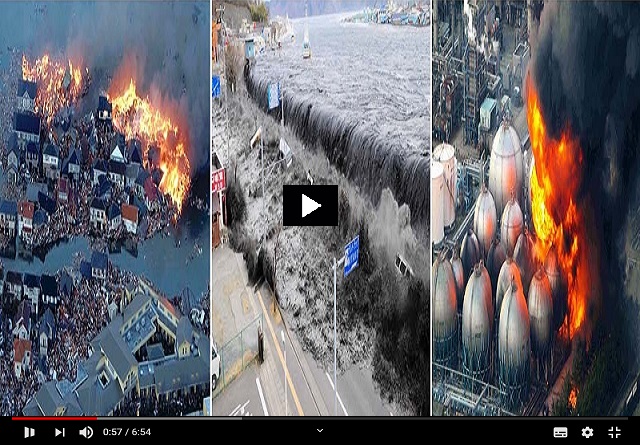


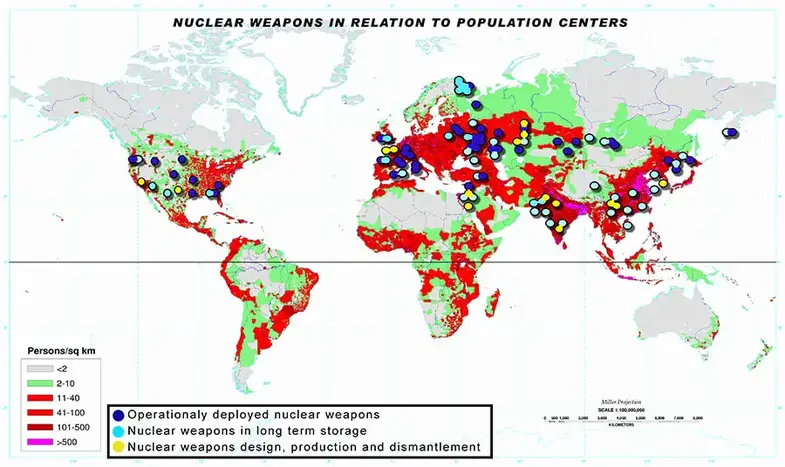



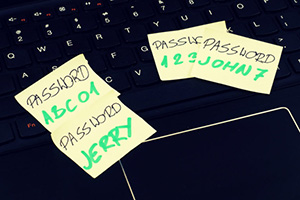

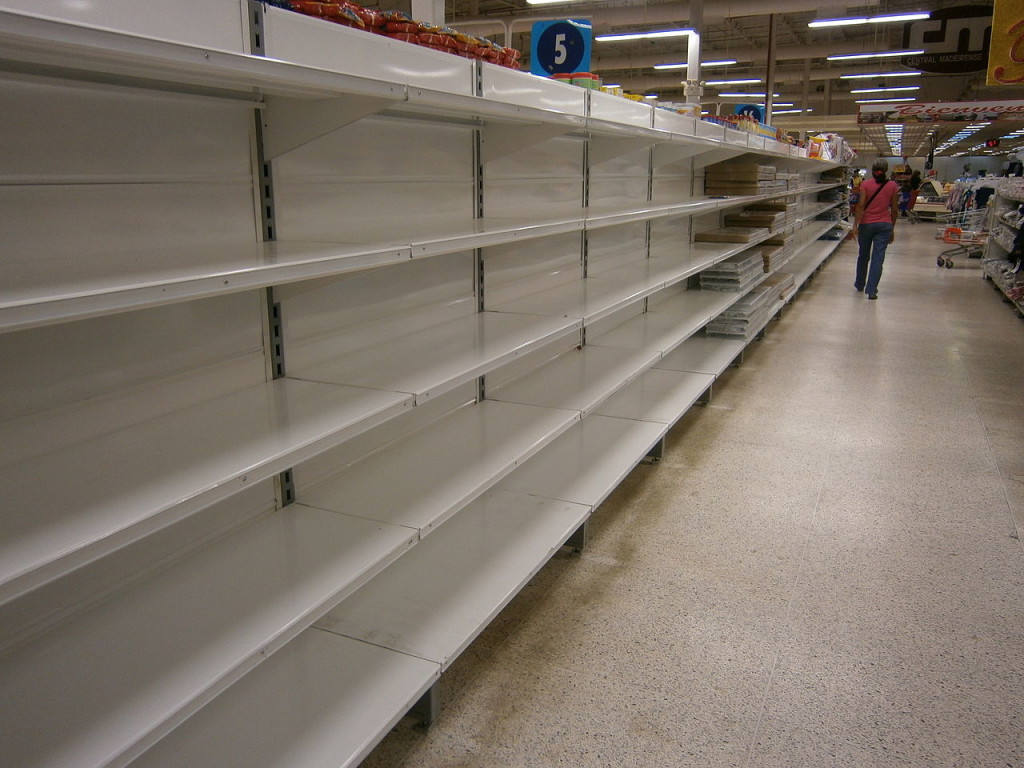




 Preppgroup